
Many Nissan Versa models, especially those made after 2012, do not have a traditional transmission dipstick. Instead, they use a sealed transmission system that requires a scan tool or professional service to check fluid levels. Always consult your owner’s manual or a certified technician for accurate maintenance.
In This Article
- 1 Key Takeaways
- 2 📑 Table of Contents
- 3 Understanding the Nissan Versa Transmission System
- 4 Why Some Nissan Versas Don’t Have a Transmission Dipstick
- 5 Locating the Transmission Dipstick on Older Nissan Versa Models (2007–2011)
- 6 How to Check Transmission Fluid on Newer Nissan Versa Models (2012 and Later)
- 7 What Transmission Fluid Should You Use in a Nissan Versa?
- 8 Signs Your Nissan Versa Transmission Fluid Needs Attention
- 9 DIY vs. Professional Transmission Maintenance
- 10 Conclusion: Know Your Versa’s Transmission Type
- 11 Frequently Asked Questions
- 11.1 Does every Nissan Versa have a transmission dipstick?
- 11.2 How do I check the transmission fluid on a 2015 Nissan Versa?
- 11.3 Can I add transmission fluid to my Nissan Versa myself?
- 11.4 What happens if I use the wrong transmission fluid?
- 11.5 How often should I check my Nissan Versa’s transmission fluid?
- 11.6 Is it safe to drive with low transmission fluid?
Key Takeaways
- No Dipstick in Most Modern Versa Models: Most Nissan Versa vehicles from 2012 onward use a sealed transmission system without a dipstick, making DIY fluid checks difficult.
- Older Models May Have a Dipstick: Versa models from 2007 to 2011 often include a transmission dipstick, usually located near the engine’s rear, close to the firewall.
- Check Fluid via Fill Plug (Sealed Systems): On newer models, transmission fluid is checked by removing the fill plug on the side of the transmission case, typically requiring a scan tool to confirm proper level.
- Use Only Nissan-Approved Fluid: Always use Nissan Matic S or Matic W fluid to avoid transmission damage and ensure smooth operation.
- Regular Maintenance Is Crucial: Even without a dipstick, transmission fluid should be inspected every 30,000 to 60,000 miles to prevent wear and overheating.
- Consult a Professional When in Doubt: If you’re unsure about your Versa’s transmission type or how to check fluid, visit a Nissan dealership or trusted mechanic.
- Owner’s Manual Is Your Best Guide: Always refer to your specific model year’s owner’s manual for accurate maintenance instructions and fluid specifications.
📑 Table of Contents
- Understanding the Nissan Versa Transmission System
- Why Some Nissan Versas Don’t Have a Transmission Dipstick
- Locating the Transmission Dipstick on Older Nissan Versa Models (2007–2011)
- How to Check Transmission Fluid on Newer Nissan Versa Models (2012 and Later)
- What Transmission Fluid Should You Use in a Nissan Versa?
- Signs Your Nissan Versa Transmission Fluid Needs Attention
- DIY vs. Professional Transmission Maintenance
- Conclusion: Know Your Versa’s Transmission Type
Understanding the Nissan Versa Transmission System
If you’re a proud owner of a Nissan Versa, you might be wondering, “Where is the transmission dipstick on a Nissan Versa?” It’s a common question—especially if you’re used to checking your car’s fluids regularly and expect to find a dipstick under the hood. But here’s the catch: many modern Nissan Versa models don’t have a transmission dipstick at all. That’s right—no yellow or red handle sticking out near the engine, waiting for you to pull and check.
This shift away from traditional dipsticks is part of a broader trend in automotive engineering. Automakers like Nissan are moving toward sealed transmission systems, especially in compact and fuel-efficient vehicles like the Versa. These systems are designed to reduce maintenance hassles and improve reliability—but they also mean that checking your transmission fluid isn’t as simple as pulling a stick and wiping it clean.
So, what does this mean for you? It means that knowing your vehicle’s model year and transmission type is essential. Older Versa models (2007–2011) often come with a conventional dipstick, making fluid checks straightforward. But if you drive a 2012 or newer Versa, chances are you’re dealing with a sealed system that requires special tools and procedures to inspect.
In this guide, we’ll walk you through everything you need to know about locating the transmission dipstick (or lack thereof) on your Nissan Versa. We’ll cover how to identify your transmission type, where to look for a dipstick if your model has one, and what to do if it doesn’t. We’ll also share practical tips for maintaining your transmission, even when you can’t see the fluid level yourself.
Why Some Nissan Versas Don’t Have a Transmission Dipstick
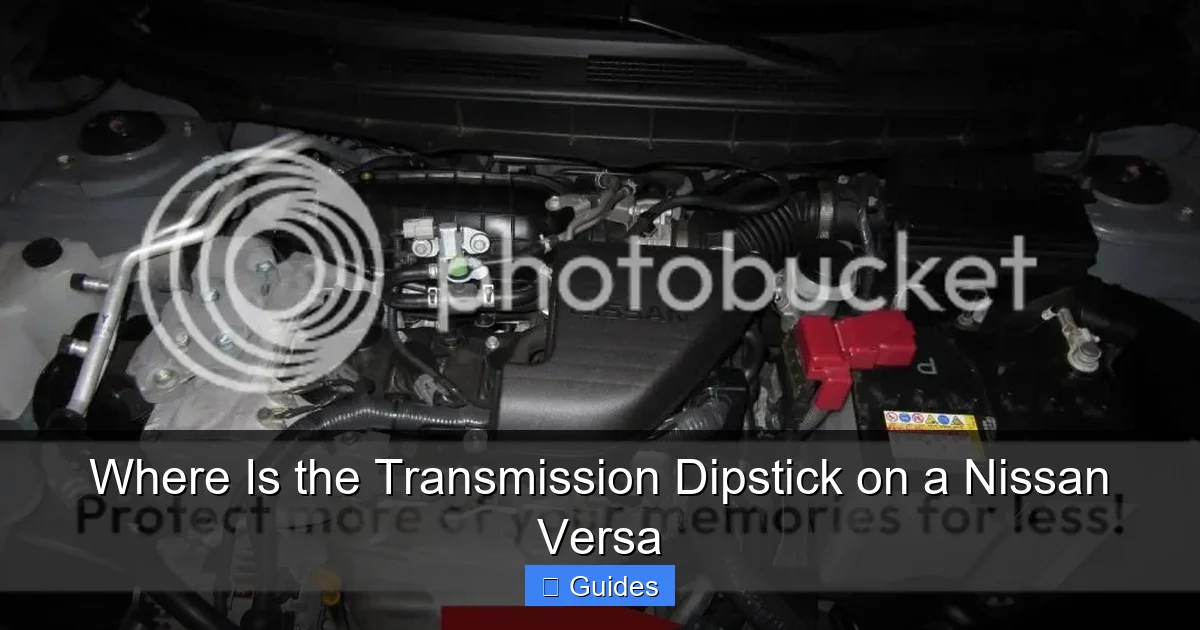
Visual guide about Where Is the Transmission Dipstick on a Nissan Versa
Image source: i1283.photobucket.com
You might be scratching your head, thinking, “Why would Nissan remove something as useful as a dipstick?” It’s a fair question. After all, checking your oil, coolant, and brake fluid is easy—so why not transmission fluid?
The answer lies in design philosophy and engineering advancements. Starting around 2012, Nissan began equipping many of its vehicles, including the Versa, with continuously variable transmissions (CVTs). CVTs are known for their smooth acceleration and improved fuel efficiency, but they also require very specific fluid levels and conditions to operate properly. Too much or too little fluid can cause serious damage.
To protect these sensitive systems, Nissan adopted a sealed transmission design. This means the transmission is filled with the correct amount of fluid at the factory, and under normal conditions, it’s not meant to be opened or topped off by the average driver. The idea is that the fluid should last the life of the transmission—no need for regular checks.
But here’s the trade-off: without a dipstick, you can’t easily monitor fluid levels or condition. That’s why Nissan recommends periodic inspections by a certified technician. These professionals use specialized scan tools to read transmission data and check fluid levels through the fill plug, not a dipstick.
Another reason for the shift is cost and simplicity. Removing the dipstick tube and related components reduces manufacturing complexity and potential leak points. It also helps keep the engine bay cleaner and more compact—important in small cars like the Versa.
So while it might seem inconvenient at first, the sealed system is actually designed to make your life easier in the long run. Fewer parts mean fewer things to break or leak. And since the fluid is supposed to last the life of the transmission, you shouldn’t need to top it off unless there’s a problem.
Locating the Transmission Dipstick on Older Nissan Versa Models (2007–2011)
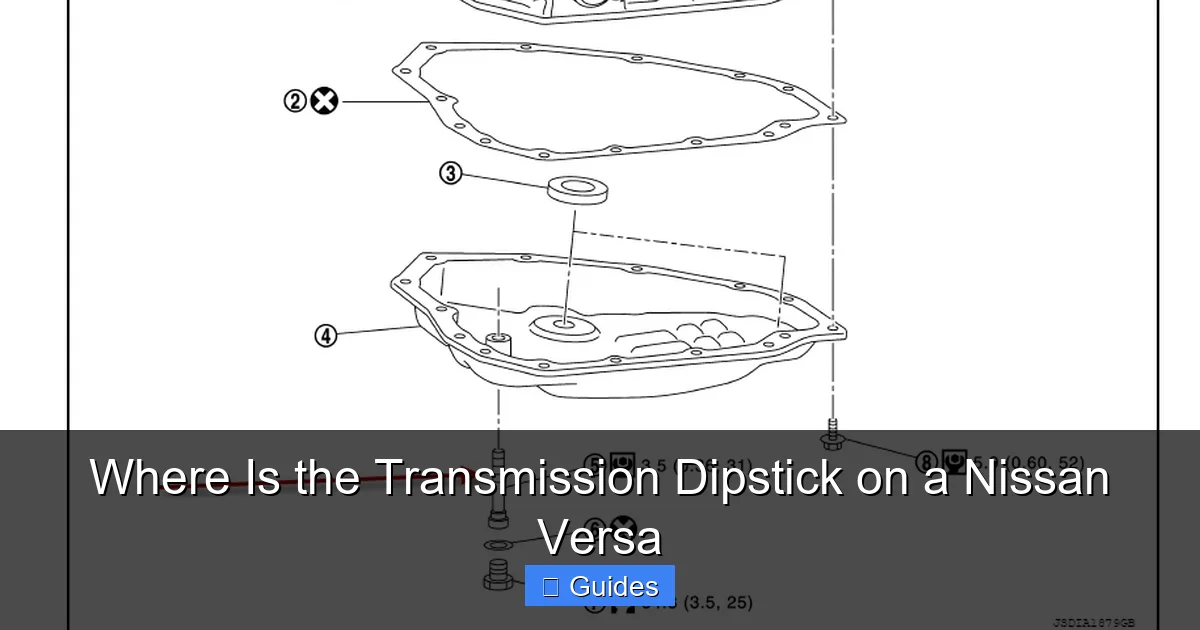
Visual guide about Where Is the Transmission Dipstick on a Nissan Versa
Image source: ww2.justanswer.com
If you own a Nissan Versa from 2007 to 2011, you’re in luck—many of these models do come with a traditional transmission dipstick. That means you can check your fluid levels at home, just like you would with engine oil.
So, where is the transmission dipstick on a Nissan Versa from this era? It’s usually located at the rear of the engine bay, near the firewall (the wall that separates the engine from the passenger compartment). Unlike the engine oil dipstick, which is often bright yellow and easy to spot, the transmission dipstick is typically red or has a red handle. It may also be labeled “ATF” (Automatic Transmission Fluid) or “Transmission.”
To find it, pop the hood and look toward the back of the engine. You’ll likely see two dipsticks: one for oil and one for transmission fluid. The transmission dipstick is usually shorter and positioned closer to the cabin. On some models, it might be tucked behind a plastic cover or near the brake fluid reservoir, so take a moment to scan the area carefully.
Once you’ve located it, checking the fluid is simple:
1. Start the engine and let it idle for a few minutes to warm up the transmission.
2. With the engine running and the parking brake engaged, shift through all the gears (P-R-N-D) and return to Park.
3. Pull out the dipstick, wipe it clean with a lint-free cloth, reinsert it fully, and pull it out again.
4. Check the fluid level against the markings on the dipstick. There should be “Full” and “Add” indicators.
5. The fluid should be bright red and transparent. If it’s dark, burnt-smelling, or has particles, it may be time for a change.
Keep in mind that checking the fluid while the engine is cold can give a false reading. Always warm up the transmission first for accuracy.
Tips for Checking Transmission Fluid on Older Models
– Use gloves and eye protection—transmission fluid can be slippery and irritating.
– Never overfill. Adding too much fluid can cause foaming and damage internal components.
– If the fluid is low, top it off slowly using the correct Nissan-approved fluid (usually Matic S or Matic W).
– Replace the dipstick securely after checking to prevent leaks or contamination.
Even if your older Versa has a dipstick, it’s still a good idea to have the transmission inspected by a professional every 30,000 miles. They can check for wear, leaks, and proper operation—things you can’t see with a simple dipstick check.
How to Check Transmission Fluid on Newer Nissan Versa Models (2012 and Later)
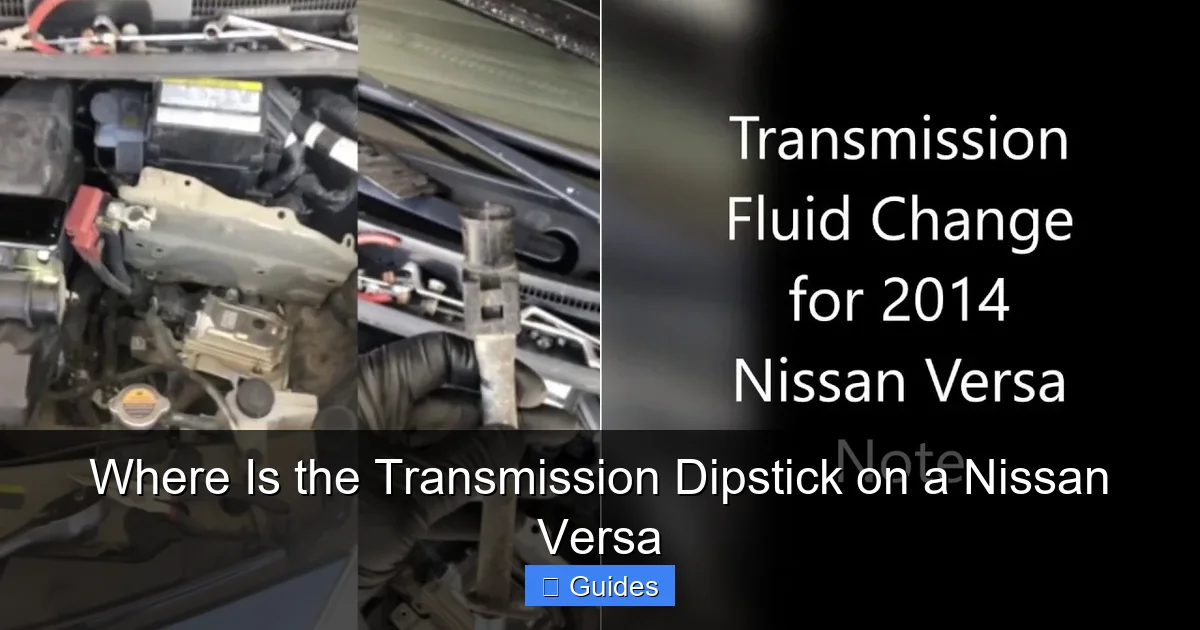
Visual guide about Where Is the Transmission Dipstick on a Nissan Versa
Image source: i.ytimg.com
Now, let’s talk about the 2012 and newer Nissan Versa models—the ones without a dipstick. If you’ve looked under the hood and come up empty-handed, don’t panic. You’re not missing anything. Your Versa likely has a sealed transmission system, and checking the fluid requires a different approach.
So, how do you check the transmission fluid without a dipstick? The answer lies in the transmission’s fill plug. This is a bolt located on the side of the transmission case, usually accessible from underneath the vehicle. To check the fluid level, you’ll need to remove this plug—but only when the transmission is at the correct operating temperature.
Here’s how it works:
1. Drive your Versa for about 15–20 minutes to warm up the transmission.
2. Park on a level surface, engage the parking brake, and turn off the engine.
3. Safely lift the vehicle using jack stands or a lift—never rely on a jack alone.
4. Locate the fill plug on the side of the transmission. It’s typically a 17mm or 19mm bolt.
5. Remove the plug. If fluid starts to drip out slowly, the level is correct. If nothing comes out, the fluid is low. If it pours out quickly, it may be overfilled.
6. Reinstall the plug securely and lower the vehicle.
But here’s the catch: this method only checks the fluid level, not its condition. To assess the fluid’s quality, a technician will need to drain a small amount and inspect it for color, smell, and contamination.
Using a Scan Tool for Accurate Readings
On many newer Versas, especially those with CVTs, the transmission control module (TCM) monitors fluid temperature and pressure. To get an accurate reading, a certified technician will use a Nissan-specific scan tool (like the Consult III or newer versions) to access the TCM data. This tool can tell them if the fluid level is correct based on temperature and pressure sensors—something you can’t do with a simple fill plug check.
This is why Nissan recommends having your transmission fluid checked by a professional. They have the tools and training to interpret the data and ensure your transmission is in good health.
What Transmission Fluid Should You Use in a Nissan Versa?
Using the right transmission fluid is just as important as knowing how to check it. The wrong fluid can cause slipping, overheating, and even transmission failure.
For most Nissan Versa models, the manufacturer recommends using Nissan Matic S or Matic W fluid. These are specially formulated for Nissan’s automatic and CVT transmissions and provide the right viscosity, friction characteristics, and additives.
– **Nissan Matic S:** Used in many 2007–2012 models with traditional automatic transmissions.
– **Nissan Matic W:** Designed for newer CVTs, including those in 2013 and later Versa models.
Never substitute with generic or universal transmission fluids. Even if they claim compatibility, they may not meet Nissan’s strict specifications. Using the wrong fluid can void your warranty and lead to costly repairs.
If you’re unsure which fluid your Versa needs, check the owner’s manual or consult a Nissan dealer. They can confirm the correct type based on your model year and transmission.
Can You Mix Transmission Fluids?
No—mixing different types of transmission fluid is not recommended. Even small amounts of incompatible fluid can alter the chemical balance and damage seals or clutches. If you need to top off, always use the same fluid that’s already in the transmission.
If you’re changing the fluid entirely, make sure to flush the old fluid completely before adding new. This is especially important in CVTs, which are sensitive to contamination.
Signs Your Nissan Versa Transmission Fluid Needs Attention
Even if you can’t check the fluid yourself, there are warning signs that something might be wrong. Pay attention to how your Versa drives and sounds.
Common symptoms of low or degraded transmission fluid include:
– **Delayed or rough shifting:** The car hesitates when accelerating or shifts harshly between gears.
– **Slipping:** The engine revs but the car doesn’t move as expected, especially under load.
– **Unusual noises:** Whining, grinding, or clunking sounds from the transmission area.
– **Burning smell:** Overheated fluid can produce a burnt odor, often noticeable inside the cabin.
– **Check Engine Light:** The TCM may trigger a warning if it detects abnormal pressure or temperature.
If you notice any of these signs, don’t ignore them. Transmission issues can escalate quickly, leading to expensive repairs or even complete failure.
When to Service Your Transmission
Nissan recommends inspecting the transmission fluid every 30,000 to 60,000 miles, depending on driving conditions. Severe driving (frequent stop-and-go traffic, towing, or extreme temperatures) may require more frequent checks.
For sealed systems, this usually means a visit to a dealership or trusted mechanic. They’ll perform a fluid level check, inspect for leaks, and possibly replace the fluid if needed.
Even if your Versa runs smoothly, don’t skip these inspections. Preventive maintenance is far cheaper than a transmission rebuild.
DIY vs. Professional Transmission Maintenance
You might be tempted to handle transmission maintenance yourself, especially if you’re handy with tools. But when it comes to sealed systems, it’s often better to leave it to the pros.
Here’s why:
– **Specialized tools are required:** Checking fluid levels on newer Versas often requires a scan tool that most DIYers don’t own.
– **Risk of overfilling:** Adding too much fluid can be just as harmful as too little.
– **Warranty concerns:** Improper maintenance can void your powertrain warranty.
– **Safety:** Working under a vehicle requires proper lifting equipment and safety precautions.
That said, there are things you can do at home:
– Keep records of your maintenance.
– Monitor driving behavior for signs of trouble.
– Use only Nissan-approved fluids if topping off (on older models).
But for fluid checks, changes, and diagnostics, a certified technician is your best bet.
Conclusion: Know Your Versa’s Transmission Type
So, where is the transmission dipstick on a Nissan Versa? The answer depends entirely on your model year. If you drive a 2007–2011 Versa, you likely have a dipstick near the back of the engine bay—easy to find and use. But if your Versa is from 2012 or later, chances are it has a sealed transmission with no dipstick at all.
This shift reflects Nissan’s move toward more reliable, low-maintenance vehicles. While it might seem inconvenient at first, sealed systems are designed to protect your transmission and reduce the risk of user error.
The key is to know your vehicle. Check your owner’s manual, understand your transmission type, and follow Nissan’s maintenance schedule. And when in doubt, consult a professional.
Your Nissan Versa is a dependable, fuel-efficient car—but like any machine, it needs care. By staying informed and proactive, you can keep your transmission running smoothly for years to come.
Frequently Asked Questions
Does every Nissan Versa have a transmission dipstick?
No, not every Nissan Versa has a transmission dipstick. Models from 2007 to 2011 often include one, but most 2012 and newer Versas use a sealed transmission system without a dipstick.
How do I check the transmission fluid on a 2015 Nissan Versa?
On a 2015 Nissan Versa, you’ll need to check the fluid via the fill plug on the side of the transmission. This requires lifting the vehicle and removing the plug when the transmission is warm. A scan tool may also be needed for accurate readings.
Can I add transmission fluid to my Nissan Versa myself?
On older models with a dipstick, yes—you can top off the fluid using Nissan Matic S or W. On newer sealed systems, adding fluid is not recommended without professional tools and expertise.
What happens if I use the wrong transmission fluid?
Using the wrong fluid can cause slipping, overheating, and internal damage. Always use Nissan-approved fluids to ensure proper operation and avoid voiding your warranty.
How often should I check my Nissan Versa’s transmission fluid?
Even without a dipstick, have your transmission fluid inspected every 30,000 to 60,000 miles. Severe driving conditions may require more frequent checks.
Is it safe to drive with low transmission fluid?
No, driving with low transmission fluid can cause overheating, slipping, and permanent damage. If you notice performance issues, have your transmission checked immediately.

At CarLegit, we believe information should be clear, factual, and genuinely helpful. That’s why every guide, review, and update on our website is created with care, research, and a strong focus on user experience.