
Replacing the brakes on a 2015 Nissan Altima typically costs between $150 and $400 per axle, depending on parts quality and labor rates. Whether you go with OEM, aftermarket, or performance brake pads and rotors, understanding your options helps you save money and keep your Altima safe on the road.
In This Article
- 1 Key Takeaways
- 2 📑 Table of Contents
- 3 How Much Are Brakes for a 2015 Nissan Altima?
- 4 Average Cost to Replace Brakes on a 2015 Nissan Altima
- 5 DIY Brake Replacement: Can You Do It Yourself?
- 6 Signs Your 2015 Nissan Altima Needs New Brakes
- 7 Where to Get Your Brakes Done: Dealership vs. Independent Shop
- 8 Tips to Extend the Life of Your Brakes
- 9 Conclusion
- 10 Frequently Asked Questions
- 10.1 How much does it cost to replace front brakes on a 2015 Nissan Altima?
- 10.2 Can I replace just the brake pads and not the rotors?
- 10.3 How long do brake pads last on a 2015 Nissan Altima?
- 10.4 Is it safe to drive with squealing brakes?
- 10.5 Should I use ceramic or semi-metallic brake pads?
- 10.6 Can I replace my own brakes on a 2015 Nissan Altima?
Key Takeaways
- Cost Range: Front or rear brake service for a 2015 Nissan Altima usually runs $150–$400 per axle, including parts and labor.
- Parts Matter: OEM brakes are more expensive but offer factory-matched performance; aftermarket options provide budget-friendly alternatives.
- DIY Savings: Doing the job yourself can cut costs by 50–70%, with parts only costing $50–$150 per axle.
- Signs You Need New Brakes: Squealing, grinding, longer stopping distances, or a vibrating pedal are clear warning signs.
- Labor Costs Vary: Dealerships charge $120–$200 per hour, while independent shops may offer lower rates and faster service.
- Brake Components: Pads, rotors, calipers, and brake fluid all play a role—replacing only what’s needed saves money.
- Maintenance Tips: Regular inspections every 10,000–15,000 miles help prevent costly repairs and extend brake life.
📑 Table of Contents
- How Much Are Brakes for a 2015 Nissan Altima?
- Average Cost to Replace Brakes on a 2015 Nissan Altima
- DIY Brake Replacement: Can You Do It Yourself?
- Signs Your 2015 Nissan Altima Needs New Brakes
- Where to Get Your Brakes Done: Dealership vs. Independent Shop
- Tips to Extend the Life of Your Brakes
- Conclusion
How Much Are Brakes for a 2015 Nissan Altima?
If you’re driving a 2015 Nissan Altima, chances are you’ve started to notice some changes in how your car stops. Maybe the brake pedal feels a little spongy, or you hear a high-pitched squeal when you slow down. These are classic signs that your brakes might need attention. But before you panic, let’s talk about what it really costs to replace the brakes on your Altima—and how you can make smart decisions to save money without sacrificing safety.
The 2015 Nissan Altima is a reliable midsize sedan known for its comfort, fuel efficiency, and smooth ride. But like any vehicle, it requires regular maintenance—especially when it comes to braking systems. Brakes are one of the most critical safety components in your car, and ignoring them can lead to dangerous situations and expensive repairs down the line. Whether you’re dealing with worn brake pads, warped rotors, or a leaking caliper, understanding the cost breakdown helps you plan ahead.
In this guide, we’ll walk you through everything you need to know about brake replacement for your 2015 Nissan Altima. From average pricing and parts options to DIY tips and warning signs, we’ve got you covered. By the end, you’ll feel confident making an informed decision—whether you’re visiting a mechanic or rolling up your sleeves at home.
Average Cost to Replace Brakes on a 2015 Nissan Altima
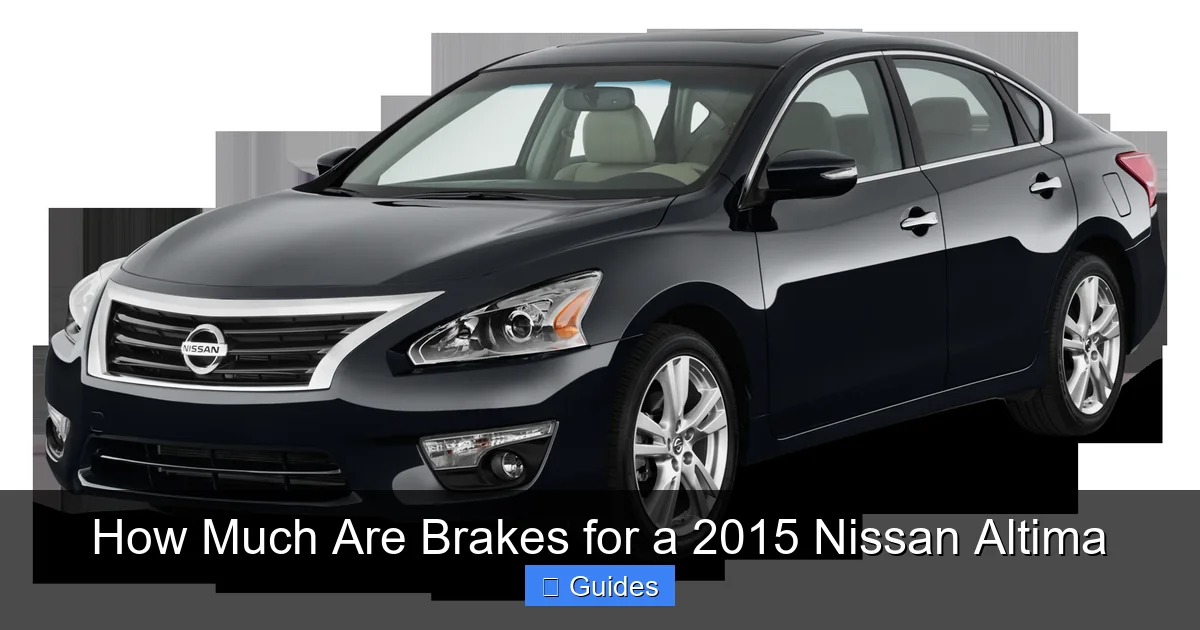
Visual guide about How Much Are Brakes for a 2015 Nissan Altima
Image source: carsot.com
So, how much are brakes for a 2015 Nissan Altima? The short answer: it depends. But on average, most drivers can expect to pay between $150 and $400 per axle for a complete brake job. That includes both parts and labor. Let’s break that down.
If you’re replacing just the front brakes—which is the most common service—you’re likely looking at $150 to $300. Rear brakes are often less expensive, ranging from $120 to $250. A full four-wheel brake job (front and rear) typically costs $300 to $600, depending on the shop and parts used.
Why such a wide range? Several factors influence the final price. First, labor rates vary by location and service provider. A dealership in a major city might charge $150 per hour, while a local mechanic in a smaller town could charge $80. Second, the quality of parts makes a big difference. OEM (Original Equipment Manufacturer) parts are more expensive but offer factory-level performance. Aftermarket parts are cheaper and often just as good—sometimes even better.
Here’s a quick example: At a dealership, a front brake job on a 2015 Altima might cost $350 using OEM pads and rotors. At an independent shop with aftermarket parts, the same job could be $180. That’s a $170 difference—just for choosing where to go and what parts to use.
Keep in mind that some shops offer package deals or discounts for multiple services. For instance, if you’re due for a brake fluid flush or tire rotation, bundling those services might save you 10–15% overall. Always ask about promotions or seasonal specials.
Front vs. Rear Brake Replacement Costs
Front brakes usually wear out faster than rear brakes because they handle about 70% of the stopping power. That means they heat up more, wear down quicker, and often need replacement first. As a result, front brake jobs are more common and slightly more expensive.
For the 2015 Altima, front brake pads alone typically cost $30–$80 for a quality set. Rotors range from $40–$100 each, depending on material (standard, drilled, slotted, or ceramic). Labor for front brakes is usually 1–1.5 hours, adding $100–$200 to the total.
Rear brakes, on the other hand, last longer and are less complex. Rear pads cost $25–$60, and rotors $35–$80. Labor is often shorter—around 45 minutes to 1 hour—so the total cost is lower.
If you’re only replacing pads (and the rotors are still in good shape), you’ll save money. But if the rotors are warped, scored, or below the minimum thickness, they’ll need to be resurfaced or replaced. Resurfacing (also called machining) costs $20–$40 per rotor, while replacement adds $80–$200 per axle.
OEM vs. Aftermarket Parts: What’s the Difference?
When it comes to brake parts, you’ll often hear about OEM and aftermarket options. But what’s the real difference—and which should you choose?
OEM parts are made by the original manufacturer—in this case, Nissan. They’re designed specifically for your Altima and meet factory specifications. The pros? Perfect fit, reliable performance, and peace of mind. The cons? Higher price tag. OEM front brake pads for a 2015 Altima can cost $80–$120, compared to $30–$60 for aftermarket.
Aftermarket parts are made by third-party companies like Bosch, Akebono, Wagner, or Power Stop. Many of these brands actually supply parts to automakers, so the quality can be just as good—or better. Aftermarket pads often offer quieter operation, less dust, and improved stopping power. Plus, they’re usually 30–50% cheaper.
For example, a set of Akebono ProAct ceramic brake pads (a popular aftermarket choice) costs around $50 and is known for smooth, quiet braking. Compare that to Nissan OEM pads at $100, and the savings add up quickly.
That said, not all aftermarket parts are created equal. Stick with reputable brands and avoid the cheapest options—they may wear out fast or cause noise and vibration. Look for pads with good reviews and certifications like DOT or ISO.
DIY Brake Replacement: Can You Do It Yourself?

Visual guide about How Much Are Brakes for a 2015 Nissan Altima
Image source: nissanpartsdeal.com
If you’re handy with tools and want to save serious money, replacing your own brakes is totally doable—even for a beginner. Doing the job yourself can cut your costs by 50–70%, turning a $300 brake job into a $100 parts-only expense.
For a 2015 Nissan Altima, a basic brake pad and rotor replacement requires minimal tools: a jack, jack stands, lug wrench, socket set, C-clamp or brake caliper tool, and brake cleaner. Most of these you might already have in your garage.
The process takes about 1–2 hours per axle if you’re new to it. Front brakes are a bit more involved than rear, but YouTube has dozens of step-by-step videos specific to the Altima. Just search “2015 Nissan Altima front brake replacement” and follow along.
Here’s a quick rundown of the steps:
- Lift the car and remove the wheel.
- Remove the caliper bolts and hang the caliper with a wire (don’t let it dangle by the brake line).
- Slide out the old pads and inspect the rotor.
- If replacing the rotor, remove the caliper bracket and pull off the old rotor.
- Install the new rotor (if needed), then new pads.
- Reattach the caliper and tighten bolts to spec.
- Reinstall the wheel and lower the car.
- Pump the brake pedal a few times to reset the pads.
Safety is key. Always use jack stands—never rely on just a jack. And make sure the car is on level ground with the parking brake off (but wheels chocked).
One tip: Break the lug nuts loose before lifting the car. It’s much easier when the wheel isn’t spinning.
Tools and Supplies You’ll Need
Here’s a checklist of what you’ll need for a DIY brake job on your 2015 Altima:
- Floor jack and jack stands
- Lug wrench or impact wrench
- Socket set (usually 14mm and 17mm for caliper bolts)
- C-clamp or brake caliper compressor tool
- Brake cleaner spray
- Torque wrench (to tighten bolts properly)
- Gloves and safety glasses
- New brake pads (and rotors if needed)
- Anti-seize compound (optional, for caliper pins)
Most of these tools cost under $100 total if you don’t already own them. But consider it an investment—you’ll use them for oil changes, tire rotations, and other maintenance.
Common DIY Mistakes to Avoid
Even simple jobs can go wrong if you’re not careful. Here are a few common mistakes to avoid:
- Not compressing the caliper piston correctly: If you’re replacing pads only, you’ll need to push the piston back into the caliper. Use a C-clamp or专用 tool—don’t force it with a screwdriver.
- Forgetting to lubricate caliper pins: These small metal pins allow the caliper to slide. If they’re dry or corroded, the pads won’t wear evenly. Use brake grease (not regular grease) to lubricate them.
- Over-tightening bolts: Caliper bolts have torque specs (usually 25–35 ft-lbs). Over-tightening can strip threads or damage components.
- Not bedding in the new pads: After installation, drive slowly and apply the brakes gently for the first 100 miles. This helps the pads “seat” properly against the rotor.
If you’re unsure at any point, don’t hesitate to consult a repair manual or online forum. The Nissan community is active and helpful.
Signs Your 2015 Nissan Altima Needs New Brakes
Visual guide about How Much Are Brakes for a 2015 Nissan Altima
Image source: cdn.pixabay.com
You don’t have to wait until your brakes fail to know they need attention. Most issues give clear warning signs—if you know what to listen for.
One of the most common signs is a high-pitched squealing noise when you brake. This is usually caused by wear indicators—small metal tabs on the brake pads that rub against the rotor when the pads are thin. It’s nature’s way of saying, “Time for new pads!”
Another red flag is grinding. If you hear a loud, metal-on-metal grinding sound, the pads are likely completely worn down, and the metal backing is scraping the rotor. This can cause serious damage and should be addressed immediately.
A vibrating or pulsating brake pedal is another clue. This often means the rotors are warped—usually from overheating during hard braking. You might feel it most when slowing down from highway speeds.
Other signs include:
- Longer stopping distances
- Brake pedal feels soft or spongy
- Car pulls to one side when braking
- Dashboard warning light (brake or ABS)
- Visible wear—pads less than 1/4 inch thick
If you notice any of these, it’s time to inspect your brakes. You can do a quick visual check by looking through the wheel spokes. If the pads look thin or uneven, or if the rotors have deep grooves or rust, it’s time for service.
How Often Should You Replace Brakes?
There’s no one-size-fits-all answer, but most experts recommend inspecting your brakes every 10,000–15,000 miles. Brake pads typically last 30,000 to 70,000 miles, depending on driving habits.
City driving—with lots of stop-and-go traffic—wears brakes faster than highway driving. If you frequently drive in hilly areas or carry heavy loads, your brakes may need replacement sooner.
The 2015 Altima uses disc brakes on all four wheels, which generally last longer than drum brakes. But rotors can still wear down over time. Most rotors can be resurfaced once or twice before they need replacement.
Keep in mind that brake fluid also degrades over time. It absorbs moisture, which lowers its boiling point and can cause spongy brakes. Most manufacturers recommend a brake fluid flush every 2–3 years or 30,000 miles.
Where to Get Your Brakes Done: Dealership vs. Independent Shop
When it’s time for brake service, you have options. You can go to a Nissan dealership, an independent mechanic, or even a national chain like Midas or Firestone. Each has pros and cons.
Dealership Service
Going to a Nissan dealership ensures you get OEM parts and factory-trained technicians. They have access to the latest service bulletins and diagnostic tools. The downside? Higher prices. Labor rates are often $120–$200 per hour, and parts are marked up.
For example, a front brake job at a dealership might cost $350–$450. But you’re paying for expertise and warranty coverage—most dealerships offer a 12-month/12,000-mile warranty on parts and labor.
Independent Mechanics
Local independent shops are often more affordable and just as skilled. Many specialize in Japanese imports like Nissan and have years of experience with Altimas. Labor rates are typically $80–$120 per hour, and they’re more likely to use quality aftermarket parts.
The key is finding a trustworthy mechanic. Ask for recommendations, check online reviews, and look for certifications like ASE (Automotive Service Excellence). A good independent shop will explain what needs to be done and give you a detailed estimate upfront.
National Chains
Chains like Midas, Meineke, or Pep Boys offer convenience and nationwide warranties. They often run promotions—like “free brake inspections” or “20% off brake jobs.” But be cautious. Some chains use aggressive sales tactics and may recommend unnecessary services.
Always ask for a written estimate and clarify what’s included. Are they replacing just the pads, or also resurfacing the rotors? Are they using ceramic or semi-metallic pads? Transparency is key.
Tips to Extend the Life of Your Brakes
Good news: you can make your brakes last longer with a few simple habits.
First, practice smooth driving. Avoid hard, sudden stops whenever possible. Anticipate traffic lights and slow down gradually. This reduces heat buildup and wear on the pads and rotors.
Second, avoid riding the brake. Keeping light pressure on the pedal while driving downhill or in traffic causes unnecessary friction and overheating. Use engine braking (downshifting) when going down steep hills.
Third, keep your wheels clean. Brake dust builds up on wheels and can corrode rotors over time. Wash your wheels regularly with a mild cleaner—avoid harsh chemicals that can damage brake components.
Fourth, don’t overload your car. The 2015 Altima has a recommended payload of about 1,000 pounds. Carrying heavy loads increases braking distance and puts extra stress on the system.
Finally, get regular inspections. Even if you don’t hear any noises, have a mechanic check your brakes during oil changes or tire rotations. Catching issues early saves money and keeps you safe.
Conclusion
So, how much are brakes for a 2015 Nissan Altima? The answer isn’t set in stone, but with the information in this guide, you’re now equipped to make a smart, informed decision. Whether you’re budgeting $150 for a DIY pad replacement or paying $400 for a full dealership service, understanding your options helps you save money and keep your Altima running safely.
Remember, brakes are not something to cut corners on. While aftermarket parts and independent shops can save you cash, always prioritize quality and safety. And if you’re comfortable with basic car maintenance, doing the job yourself is a great way to save—and learn something new in the process.
Regular inspections, smooth driving habits, and timely replacements will keep your brakes in top shape for years to come. Your 2015 Nissan Altima has served you well—now it’s time to return the favor with proper care.
Frequently Asked Questions
How much does it cost to replace front brakes on a 2015 Nissan Altima?
The cost to replace front brakes on a 2015 Nissan Altima typically ranges from $150 to $300, including parts and labor. Prices vary based on whether you use OEM or aftermarket components and where you get the service done.
Can I replace just the brake pads and not the rotors?
Yes, you can replace just the brake pads if the rotors are still in good condition—smooth, not warped, and above the minimum thickness. However, if the rotors are damaged or worn, they should be resurfaced or replaced to ensure safe braking.
How long do brake pads last on a 2015 Nissan Altima?
Brake pads on a 2015 Nissan Altima typically last between 30,000 and 70,000 miles, depending on driving habits, road conditions, and brake quality. City driving and frequent braking can shorten their lifespan.
Is it safe to drive with squealing brakes?
Squealing brakes are often a warning that your pads are worn and need replacement soon. While it’s not an immediate emergency, you should schedule service within a few days to avoid damage to the rotors or reduced braking performance.
Should I use ceramic or semi-metallic brake pads?
Ceramic pads are quieter, produce less dust, and offer smooth braking—ideal for daily driving. Semi-metallic pads are more durable and better for heavy loads or performance driving but can be noisier. For most Altima drivers, ceramic is a great choice.
Can I replace my own brakes on a 2015 Nissan Altima?
Yes, replacing brakes on a 2015 Nissan Altima is a manageable DIY project with basic tools and some mechanical confidence. Just follow safety precautions, use the right parts, and take your time to avoid mistakes.

At CarLegit, we believe information should be clear, factual, and genuinely helpful. That’s why every guide, review, and update on our website is created with care, research, and a strong focus on user experience.