
Proper tire maintenance on a Nissan Rogue ensures safety, fuel efficiency, and longer tire life. This guide covers everything from checking tire pressure to recognizing wear signs, helping you keep your Rogue rolling smoothly.
Owning a Nissan Rogue is a smart choice for drivers who value reliability, comfort, and versatility. Whether you’re commuting to work, taking a weekend road trip, or navigating city streets, your Rogue is designed to handle it all with ease. But like any vehicle, its performance depends heavily on one critical component—your tires. You might not think about them often, but tires are the only part of your car that touches the road. That means their condition directly affects your safety, handling, fuel efficiency, and overall driving experience.
So, what does tire maintenance really mean on a Nissan Rogue? It’s more than just filling them up with air now and then. Proper tire care involves a combination of regular checks, timely rotations, alignment adjustments, and knowing when it’s time for a replacement. Neglecting your tires can lead to poor gas mileage, reduced traction in wet or snowy conditions, and even dangerous blowouts. On the flip side, consistent maintenance keeps your Rogue running smoothly, saves you money in the long run, and gives you peace of mind every time you hit the road.
In this guide, we’ll walk you through everything you need to know about tire maintenance specific to the Nissan Rogue. From understanding the recommended tire pressure to spotting early signs of wear, we’ll cover practical steps you can take to keep your tires in top shape. Whether you’re a new Rogue owner or have been driving one for years, these tips will help you get the most out of your vehicle—and your tires.
In This Article
- 1 Key Takeaways
- 2 📑 Table of Contents
- 3 Understanding Tire Maintenance on the Nissan Rogue
- 4 Checking and Maintaining Tire Pressure
- 5 Tire Rotation: Why and How Often
- 6 Alignment, Balancing, and Tread Depth
- 7 Seasonal Tire Considerations
- 8 Recognizing When to Replace Tires
- 9 Using Nissan-Recommended Tires
- 10 Conclusion
- 11 Frequently Asked Questions
- 11.1 How often should I check the tire pressure on my Nissan Rogue?
- 11.2 What is the recommended tire pressure for a Nissan Rogue?
- 11.3 Can I rotate the tires on my Nissan Rogue myself?
- 11.4 How do I know if my Rogue’s tires need to be replaced?
- 11.5 Do I need winter tires for my Nissan Rogue?
- 11.6 What happens if I don’t maintain my Rogue’s tires?
Key Takeaways
- Regular tire pressure checks: Maintaining the correct PSI (35 psi for most Rogue models) improves fuel economy and prevents uneven wear.
- Tire rotation every 5,000–7,500 miles: Rotating tires ensures even tread wear and extends tire lifespan.
- Alignment and balancing: Proper alignment prevents pulling and vibration, while balancing reduces uneven wear and improves ride comfort.
- Tread depth monitoring: Use the penny test or tread wear indicators to check if tires are below 2/32″ and need replacement.
- Seasonal tire considerations: Switching to winter or all-season tires based on climate enhances traction and safety.
- Visual inspections for damage: Look for cracks, bulges, or embedded objects that could lead to blowouts.
- Use of Nissan-recommended tires: OEM or approved aftermarket tires ensure optimal performance and warranty compliance.
📑 Table of Contents
Understanding Tire Maintenance on the Nissan Rogue
Tire maintenance isn’t a one-size-fits-all task. It varies by vehicle make, model, and driving habits. For the Nissan Rogue, a compact SUV known for its smooth ride and fuel efficiency, tire care plays a vital role in maintaining those qualities. The Rogue typically comes equipped with all-season tires designed for a balance of comfort, grip, and longevity. However, even the best tires need attention to perform at their peak.
At its core, tire maintenance means keeping your tires in safe, efficient working condition. This includes monitoring air pressure, checking tread depth, rotating tires regularly, and inspecting for damage. On the Nissan Rogue, these tasks are especially important because the vehicle’s all-wheel-drive (AWD) system and independent suspension rely on even tire wear for optimal performance. Unevenly worn tires can cause the AWD system to work harder, leading to increased fuel consumption and potential mechanical stress.
Another key aspect is understanding your Rogue’s specific tire requirements. Most models recommend a tire pressure of 35 psi (pounds per square inch) when cold, as stated on the driver’s side door jamb sticker. This number isn’t arbitrary—it’s calculated based on the vehicle’s weight, suspension setup, and intended performance. Deviating too far from this pressure can affect handling, braking distance, and tire life.
Additionally, the Rogue’s tire size varies slightly depending on the trim level and year. Common sizes include 225/65R17, 235/55R19, and 235/60R18. Using the correct size ensures proper fitment, speedometer accuracy, and compatibility with the vehicle’s safety systems like ABS and traction control. Always refer to your owner’s manual or the tire information label for the exact specifications.
Why Tire Maintenance Matters for the Rogue
You might wonder, “Why go through all this trouble?” The answer is simple: safety and savings. Well-maintained tires reduce the risk of accidents, especially in adverse weather. The Nissan Rogue is designed to handle rain and light snow, but only if your tires have sufficient tread and proper inflation. Underinflated tires generate more heat, increasing the chance of a blowout. Overinflated tires reduce the contact patch with the road, leading to poor grip and longer stopping distances.
Fuel efficiency is another major benefit. According to the U.S. Department of Energy, underinflated tires can lower gas mileage by up to 0.2% for every 1 psi drop in pressure. Over time, that adds up. For a Rogue that averages 28–30 mpg, even a small improvement can save you hundreds of dollars in fuel over the life of the tires.
Moreover, regular maintenance extends tire life. Tires are a significant investment—typically costing $100–$200 each for a Rogue. By rotating them every 5,000–7,500 miles and keeping them aligned, you can get 50,000 miles or more out of a set. That’s a much better return than replacing them prematurely due to neglect.
Checking and Maintaining Tire Pressure
Visual guide about What Does Tire Maintenance Mean on a Nissan Rogue
Image source: seventrumpet.com
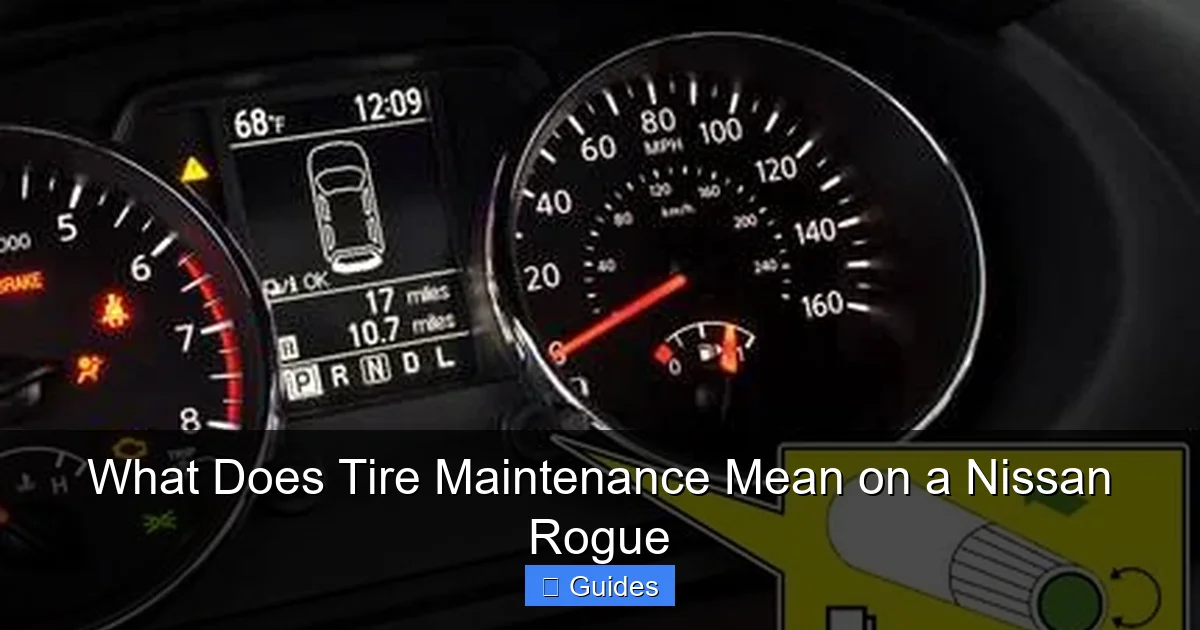
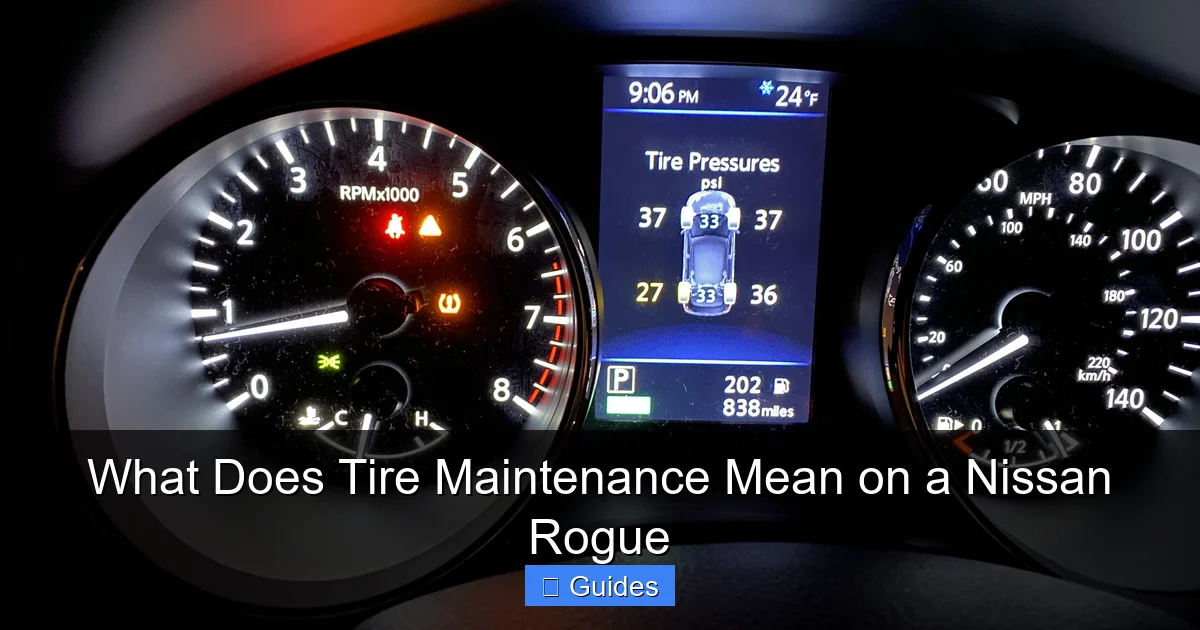
One of the simplest yet most impactful aspects of tire maintenance is checking tire pressure. It’s something you can do in just a few minutes, and it makes a big difference in how your Rogue performs. The recommended tire pressure for most Nissan Rogue models is 35 psi, but always double-check the sticker on the driver’s side door jamb or in the owner’s manual. This number is for cold tires—meaning the vehicle hasn’t been driven for at least three hours or has been driven less than a mile.
How to Check Tire Pressure
Start by getting a reliable digital tire pressure gauge. Analog gauges can be less accurate, so a digital one is worth the small investment. Remove the valve cap from each tire, press the gauge firmly onto the valve stem, and read the pressure. Compare it to the recommended PSI. If it’s low, use an air compressor to add air. Most gas stations have them, and many are free or cost just a dollar or two. If the pressure is too high, press the center of the valve stem briefly to release air.
It’s best to check tire pressure at least once a month and before long trips. Temperature changes also affect pressure—tires lose about 1 psi for every 10°F drop in temperature. So, if you check your tires in the summer and then experience a cold snap in winter, you might find them underinflated.
Common Mistakes to Avoid
One common mistake is checking tire pressure when the tires are warm. After driving, tires heat up and expand, giving a falsely high reading. Always check when cold for accuracy. Another error is relying solely on the tire’s sidewall for pressure info. The number on the sidewall is the maximum pressure the tire can handle, not the recommended pressure for your vehicle.
Also, don’t forget the spare tire! If your Rogue comes with a full-size spare (some newer models don’t), make sure it’s properly inflated. You never know when you’ll need it.
Using Nissan’s Tire Pressure Monitoring System (TPMS)
The Nissan Rogue is equipped with a Tire Pressure Monitoring System (TPMS) that alerts you when one or more tires are significantly underinflated. A warning light—usually a yellow symbol shaped like a tire cross-section with an exclamation point—will appear on the dashboard. While this is helpful, don’t rely on it alone. The TPMS typically only triggers when pressure drops 25% below the recommended level, which is already too low for optimal performance.
Instead, use the TPMS as a backup. Regular manual checks are still essential. Some newer Rogue models also have a TPMS reset button or menu in the infotainment system to recalibrate the sensors after adjusting pressure.
Tire Rotation: Why and How Often
Visual guide about What Does Tire Maintenance Mean on a Nissan Rogue
Image source: i.redd.it
Tire rotation is the process of moving tires from one position on the vehicle to another to promote even tread wear. On the Nissan Rogue, which is typically front-wheel drive (FWD) or all-wheel drive (AWD), the front tires tend to wear faster than the rear ones. This is because the front tires handle steering, braking, and (in FWD models) most of the driving force.
Recommended Rotation Pattern
For most Rogue models, the recommended rotation pattern is front-to-rear on the same side. That means the front left tire moves to the rear left, and the front right moves to the rear right. However, if your Rogue has directional tires (with tread designed to rotate in one direction), you’ll need to swap front and rear on the opposite sides—front left to rear right, and front right to rear left.
Always consult your owner’s manual for the exact pattern, as it can vary by model year and drivetrain.
How Often Should You Rotate?
Nissan recommends rotating your Rogue’s tires every 5,000 to 7,500 miles. This is typically aligned with your regular oil change schedule, making it easy to remember. Some drivers rotate every 3,000 miles for extra caution, especially if they drive aggressively or in harsh conditions.
Regular rotation helps all four tires wear evenly, which improves handling, extends tire life, and ensures the AWD system (if equipped) operates smoothly. Uneven wear can cause the AWD system to engage unnecessarily, wasting fuel and potentially damaging components.
DIY vs. Professional Rotation
You can rotate tires yourself if you have the right tools—a jack, jack stands, lug wrench, and torque wrench. However, it’s often easier and safer to have it done at a tire shop or dealership. Professionals have the equipment to lift the vehicle properly and can also check for other issues like alignment or brake wear while they’re at it.
Many tire shops offer free rotation with the purchase of a new set of tires, so it’s worth asking about promotions.
Alignment, Balancing, and Tread Depth
Visual guide about What Does Tire Maintenance Mean on a Nissan Rogue
Image source: i.ytimg.com
Beyond pressure and rotation, alignment and balancing are critical for tire health. Alignment refers to the angles of the tires relative to the road and each other. If your Rogue is out of alignment, you might notice it pulling to one side, uneven tire wear, or a crooked steering wheel when driving straight.
Signs You Need an Alignment
Common signs include:
– Vehicle pulls to the left or right
– Steering wheel is off-center when driving straight
– Uneven or rapid tire wear, especially on the inner or outer edges
– Vibration in the steering wheel
Alignment should be checked annually or after hitting a major pothole or curb. Most shops offer a free alignment check, so take advantage of it.
Tire Balancing
Balancing ensures that the weight of the tire and wheel assembly is evenly distributed. If a tire is unbalanced, you’ll feel vibrations, especially at higher speeds (50–70 mph). This not only makes the ride uncomfortable but also accelerates tire wear.
Balancing is usually done when tires are mounted or rotated. It involves attaching small weights to the wheel to counteract heavy spots.
Checking Tread Depth
Tread depth is crucial for traction, especially in wet or snowy conditions. The legal minimum in most states is 2/32 of an inch, but many experts recommend replacing tires at 4/32 for better safety.
Use the penny test: insert a penny into the tread with Lincoln’s head upside down. If you can see the top of his head, the tread is too shallow. Alternatively, look for tread wear indicators—small rubber bars built into the grooves. When the tread is level with these bars, it’s time for new tires.
Seasonal Tire Considerations
The Nissan Rogue is designed to handle a variety of conditions, but your local climate plays a big role in tire performance. In regions with harsh winters, switching to winter tires can dramatically improve safety. Winter tires are made from a softer rubber compound that stays flexible in cold temperatures, providing better grip on snow and ice.
All-Season vs. Winter Tires
All-season tires are a good compromise for mild climates, but they’re not ideal for extreme cold or heavy snow. If you live in an area with frequent snowfall or temperatures below 45°F, consider investing in a set of winter tires. Store your all-season tires during the winter months to extend their life.
For those in warmer climates, all-season or even performance tires may be sufficient. Just ensure they’re rated for your driving conditions.
Tire Storage Tips
If you switch tires seasonally, store them properly. Clean them, inflate to the recommended pressure, and keep them in a cool, dry place away from sunlight and ozone sources (like electric motors). Use tire bags or stack them horizontally to prevent deformation.
Recognizing When to Replace Tires
Even with perfect maintenance, tires don’t last forever. Most tires are designed to last 40,000 to 60,000 miles, depending on driving habits and conditions. But age is also a factor—tires degrade over time, even if they look fine.
Age of the Tire
Check the DOT code on the sidewall—it includes a four-digit number indicating the week and year of manufacture. For example, “2322” means the tire was made in the 23rd week of 2022. Most manufacturers recommend replacing tires every 6–10 years, regardless of tread depth.
Visible Damage
Inspect tires regularly for:
– Cracks in the sidewall (sign of dry rot)
– Bulges or blisters (indicating internal damage)
– Embedded nails, screws, or glass
– Uneven wear patterns
If you spot any of these, have a professional inspect the tire immediately. Driving on damaged tires is extremely dangerous.
Using Nissan-Recommended Tires
While you can use aftermarket tires on your Rogue, it’s best to choose ones that meet or exceed Nissan’s specifications. OEM (original equipment manufacturer) tires are designed specifically for your vehicle’s weight, suspension, and performance characteristics.
Benefits of OEM or Approved Tires
– Better fit and performance
– Maintains warranty coverage
– Optimized for fuel efficiency and ride comfort
– Compatible with TPMS and AWD systems
Check Nissan’s website or consult your dealer for a list of approved tire brands and models. Popular choices include Michelin, Bridgestone, Goodyear, and Continental.
Conclusion
Tire maintenance on a Nissan Rogue isn’t just about avoiding flats—it’s about maximizing safety, efficiency, and longevity. By checking pressure monthly, rotating tires regularly, monitoring tread depth, and staying alert to signs of wear or damage, you’ll keep your Rogue performing at its best. Whether you’re driving in the city or exploring the countryside, well-maintained tires give you the confidence to go anywhere.
Remember, tire care is an ongoing process, not a one-time task. Make it part of your regular vehicle routine, and your Rogue will reward you with smooth rides, better fuel economy, and fewer surprises on the road. When in doubt, consult your owner’s manual or visit a trusted Nissan service center. Your tires—and your peace of mind—will thank you.
Frequently Asked Questions
How often should I check the tire pressure on my Nissan Rogue?
Check tire pressure at least once a month and before long trips. Always check when tires are cold for accurate readings.
What is the recommended tire pressure for a Nissan Rogue?
Most Nissan Rogue models recommend 35 psi, but always check the sticker on the driver’s side door jamb for the exact specification.
Can I rotate the tires on my Nissan Rogue myself?
Yes, if you have the right tools and knowledge. However, it’s often safer and more convenient to have it done by a professional.
How do I know if my Rogue’s tires need to be replaced?
Look for tread depth below 2/32″, visible damage like cracks or bulges, or if the tires are over 6–10 years old.
Do I need winter tires for my Nissan Rogue?
If you live in an area with frequent snow or temperatures below 45°F, winter tires are highly recommended for better traction and safety.
What happens if I don’t maintain my Rogue’s tires?
Neglecting tire maintenance can lead to poor fuel economy, reduced handling, increased risk of blowouts, and uneven wear that shortens tire life.

At CarLegit, we believe information should be clear, factual, and genuinely helpful. That’s why every guide, review, and update on our website is created with care, research, and a strong focus on user experience.