
Recharging the AC system in your 2014 Hyundai Elantra with Freon (R-134a) can restore cool air and improve comfort during hot weather. This guide walks you through the process safely, including identifying low refrigerant, using the right tools, and avoiding common mistakes—all without needing a mechanic.
In This Article
- 1 Key Takeaways
- 2 📑 Table of Contents
- 3 Introduction: Why Your 2014 Hyundai Elantra’s AC Isn’t Cooling
- 4 Understanding Your Car’s AC System
- 5 Tools and Materials You’ll Need
- 6 Step-by-Step Guide: How to Put Freon in a 2014 Hyundai Elantra
- 7 Safety Tips and Common Mistakes to Avoid
- 8 Maintaining Your AC System Year-Round
- 9 Conclusion: Stay Cool and Confident
- 10 Frequently Asked Questions
- 10.1 Can I put Freon in my 2014 Hyundai Elantra myself?
- 10.2 How much refrigerant does a 2014 Hyundai Elantra hold?
- 10.3 What happens if I overcharge my AC with refrigerant?
- 10.4 Why is my AC still not cold after adding refrigerant?
- 10.5 Is it safe to use AC recharge kits with sealant?
- 10.6 How often should I recharge my car’s AC?
Key Takeaways
- Understand the basics: The 2014 Hyundai Elantra uses R-134a refrigerant, not traditional “Freon,” which is a brand name for older refrigerants like R-12.
- Safety first: Always wear safety goggles and gloves when handling refrigerant, and work in a well-ventilated area to avoid inhaling fumes.
- Check for leaks: Low refrigerant usually means a leak. Recharging without fixing the leak will only provide temporary relief.
- Use the right tools: A recharge kit with a pressure gauge, hose, and can tap valve is essential for safe and accurate refilling.
- Locate the low-pressure port: On the Elantra, it’s typically on the passenger side near the firewall, marked with an “L” and a black or blue cap.
- Monitor pressure carefully: Overcharging can damage the AC compressor and reduce efficiency—always follow manufacturer pressure guidelines.
- When to call a pro: If you suspect a major leak, compressor failure, or electrical issues, consult a certified technician.
📑 Table of Contents
- Introduction: Why Your 2014 Hyundai Elantra’s AC Isn’t Cooling
- Understanding Your Car’s AC System
- Tools and Materials You’ll Need
- Step-by-Step Guide: How to Put Freon in a 2014 Hyundai Elantra
- Safety Tips and Common Mistakes to Avoid
- Maintaining Your AC System Year-Round
- Conclusion: Stay Cool and Confident
Introduction: Why Your 2014 Hyundai Elantra’s AC Isn’t Cooling
It’s a scorching summer afternoon, and you hop into your 2014 Hyundai Elantra, eager for that blast of cool air from the AC. But instead of relief, you’re met with lukewarm or even hot air blowing from the vents. Frustrating, right? Before you panic or rush to the nearest repair shop, consider this: your car’s air conditioning system might simply be low on refrigerant—commonly (but incorrectly) referred to as “Freon.”
While the term “Freon” is still widely used, it’s technically a trademark for certain types of refrigerants, primarily R-12, which was phased out decades ago due to environmental concerns. Modern vehicles, including the 2014 Hyundai Elantra, use R-134a refrigerant, a more eco-friendly alternative. Recharging your AC system with the correct refrigerant can restore cooling performance and make your drives far more comfortable. And the good news? With the right tools and a bit of know-how, you can do it yourself—safely and affordably.
This guide will walk you through everything you need to know about how to put Freon in a 2014 Hyundai Elantra. From understanding how your AC system works to identifying the low-pressure port, using a recharge kit, and avoiding common pitfalls, we’ve got you covered. Whether you’re a DIY enthusiast or just trying to save a few bucks on a service call, this step-by-step tutorial will help you get your AC blowing cold again.
Understanding Your Car’s AC System
Before you start fiddling with refrigerant, it’s important to understand how your car’s air conditioning system actually works. Think of it like a heat pump: it doesn’t create cold air, but rather removes heat from the cabin and releases it outside. This process relies on a closed-loop system that circulates refrigerant through a series of components.
Visual guide about How to Put Freon in a 2014 Hyundai Elantra
Image source: tawfiqia.com
How the AC System Works
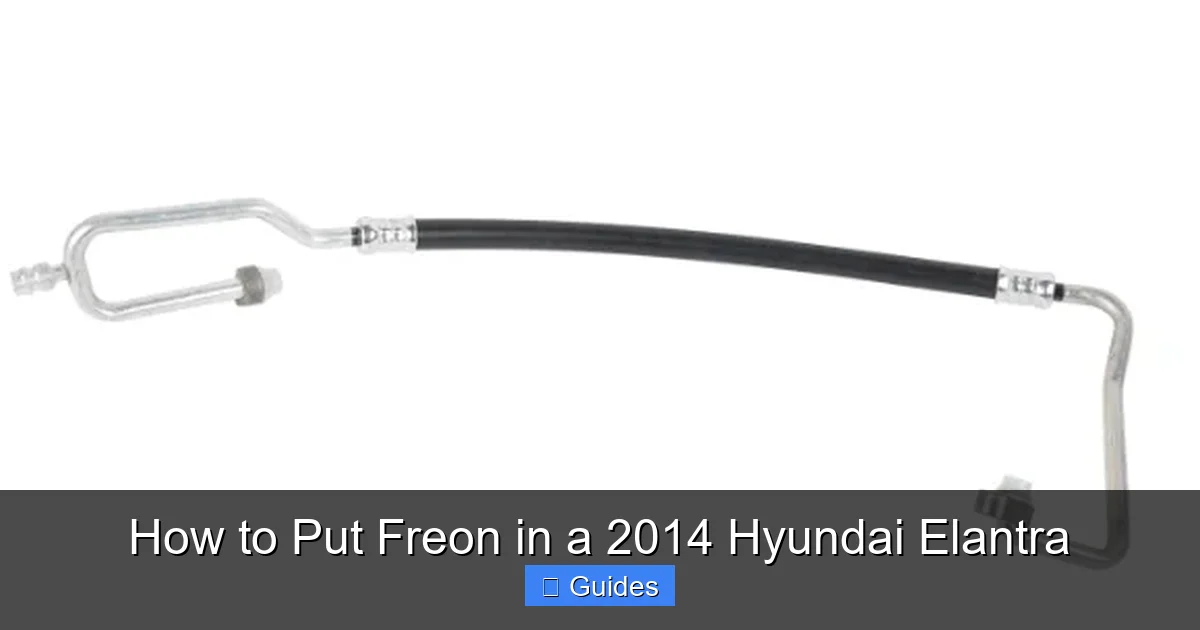
The AC system in your 2014 Hyundai Elantra consists of several key parts: the compressor, condenser, expansion valve, evaporator, and refrigerant lines. Here’s a quick breakdown of the cycle:
- Compressor: Often called the “heart” of the system, it pressurizes the refrigerant gas and sends it to the condenser.
- Condenser: Located in front of the radiator, it cools the hot, high-pressure gas, turning it into a liquid.
- Expansion Valve: This component regulates the flow of refrigerant into the evaporator, dropping its pressure and temperature.
- Evaporator: Inside the cabin (behind the dashboard), the cold refrigerant absorbs heat from the air, cooling it before it’s blown out through the vents.
- Refrigerant Lines: These carry the refrigerant between components, maintaining the closed loop.
The entire process relies on the refrigerant changing states between gas and liquid. When the system is low on refrigerant—due to a leak or natural loss over time—the cycle breaks down, and your AC stops cooling effectively.
Why Refrigerant Levels Drop
Refrigerant doesn’t “burn off” like oil or coolant. In a properly sealed system, it should last the life of the vehicle. However, over time, small leaks can develop in hoses, seals, or connections. Common causes include:
- Worn O-rings or seals in the compressor or fittings
- Cracked or damaged refrigerant lines
- Loose or corroded service ports
- Impact damage from road debris
If your AC was working fine last summer but now blows warm air, a slow leak is likely the culprit. Recharging the system without addressing the leak is like pouring water into a bucket with a hole—it won’t last. That’s why it’s crucial to inspect for leaks before adding refrigerant.
R-134a vs. “Freon”: Clearing Up the Confusion
You’ve probably heard people say, “My car needs Freon.” But technically, that’s outdated terminology. Freon is a brand name for a family of chlorofluorocarbon (CFC) refrigerants, most notably R-12, which was used in cars until the 1990s. Due to its ozone-depleting properties, R-12 was banned under the Montreal Protocol.
Today’s vehicles, including the 2014 Hyundai Elantra, use R-134a, a hydrofluorocarbon (HFC) refrigerant that doesn’t harm the ozone layer. While it’s not perfect (it has a high global warming potential), it’s the standard for modern automotive AC systems. So when we talk about “putting Freon in your Elantra,” we really mean recharging with R-134a.
Using the wrong refrigerant—like trying to top off with R-12 or a substitute—can damage your system and is illegal in many places. Always check your owner’s manual or the label under the hood to confirm your car uses R-134a. On the 2014 Elantra, it’s clearly marked near the refrigerant lines or on the compressor.
Tools and Materials You’ll Need
Recharging your AC system isn’t as simple as just spraying a can into a port. It requires the right tools to do it safely and effectively. Here’s a list of what you’ll need:

Visual guide about How to Put Freon in a 2014 Hyundai Elantra
Image source: blog.consumerguide.com
Essential Tools
- AC Recharge Kit: This typically includes a can of R-134a refrigerant, a hose with a trigger handle, and a built-in pressure gauge. Look for a kit with a reusable can tap valve for better control.
- Safety Goggles and Gloves: Refrigerant can cause frostbite on contact with skin or eyes. Always protect yourself.
- Flashlight: Helps you locate the service ports, especially in tight engine bay spaces.
- Owner’s Manual: Contains important info about your Elantra’s AC system, including pressure specs and port locations.
Optional but Helpful Tools
- UV Leak Detection Kit: Contains dye and a UV light to help spot small leaks in the system.
- Digital Multimeter: Useful if you suspect an electrical issue with the AC compressor clutch.
- Vacuum Pump (for advanced users): Removes moisture and air from the system before recharging—ideal if the system has been open for repairs.
You can find recharge kits at most auto parts stores, big-box retailers, or online. A basic kit with one 12-ounce can of R-134a costs around $20–$30. If your system is very low, you may need two cans, but avoid overfilling—more on that later.
Choosing the Right Refrigerant
Not all R-134a is created equal. Stick with reputable brands like DuPont, Motorcraft, or AC Pro. Avoid cheap, off-brand refrigerants that may contain contaminants or incorrect blends. Some products claim to be “AC recharge with sealant,” which can clog your system over time. For routine top-offs, use pure R-134a.
Also, make sure the can is labeled for automotive use. Household refrigerants or industrial-grade R-134a may not be suitable for car AC systems. Check the packaging for compatibility with R-134a systems.
Step-by-Step Guide: How to Put Freon in a 2014 Hyundai Elantra
Now that you understand the basics and have your tools ready, it’s time to recharge your AC. Follow these steps carefully to ensure safety and effectiveness.
Visual guide about How to Put Freon in a 2014 Hyundai Elantra
Image source: jeepzine.com
Step 1: Park and Prepare Your Vehicle
Start by parking your Elantra on a level surface and turning off the engine. Engage the parking brake and pop the hood. Let the engine cool for at least 15–20 minutes if it’s been running—hot components can be dangerous.
Open the hood and secure it with the prop rod. Locate the AC service ports. On the 2014 Elantra, there are two: a high-pressure port (usually on the discharge side of the compressor) and a low-pressure port (on the suction side). You’ll only use the low-pressure port for recharging.
The low-pressure port is typically on the passenger side of the engine bay, near the firewall. It’s marked with an “L” and has a black or blue cap. The high-pressure port (marked “H”) is smaller and should not be used for recharging—it’s for professional diagnostics only.
Step 2: Inspect for Leaks and Damage
Before adding refrigerant, inspect the system for visible signs of leaks. Look for oily residue around hoses, fittings, and the compressor. Refrigerant often carries a bit of oil, so a greasy spot could indicate a leak.
Check the condition of the refrigerant lines. Are they cracked, kinked, or corroded? Are the hose connections tight? If you see obvious damage, it’s best to have it repaired before recharging. Otherwise, the new refrigerant will just leak out again.
If you have a UV leak detection kit, now’s the time to use it. Add the dye to the system (follow kit instructions), run the AC for a few minutes, then scan with the UV light. Glowing spots indicate leaks.
Step 3: Connect the Recharge Kit
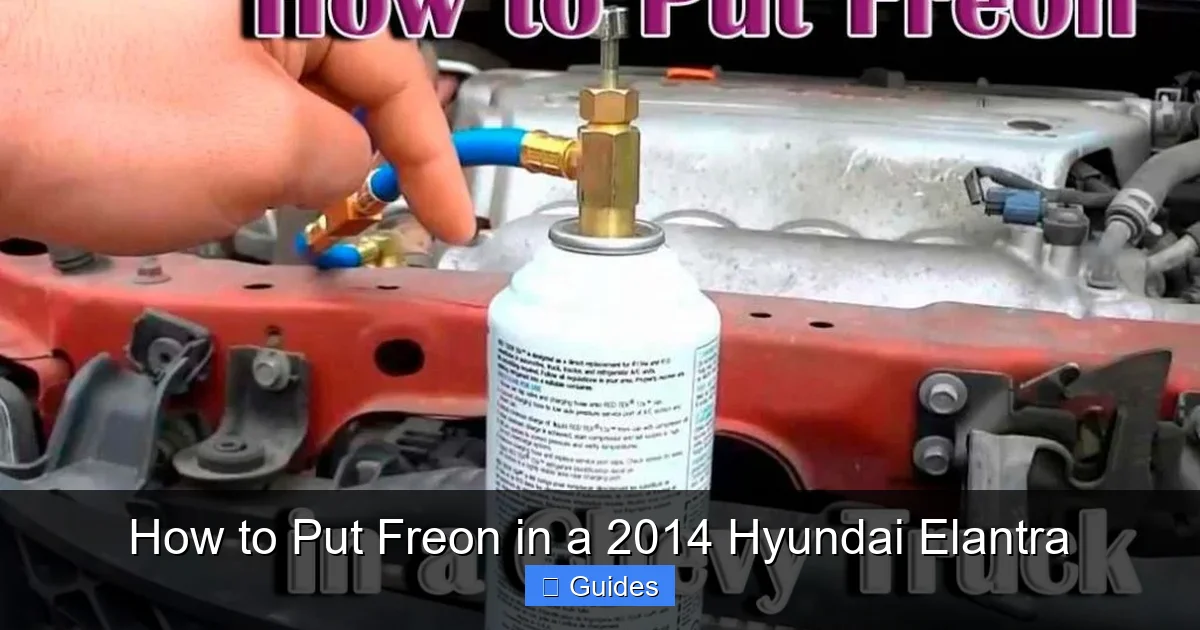
Shake the R-134a can well. Remove the cap from the low-pressure port and wipe it clean with a rag. Attach the hose from your recharge kit to the can using the can tap valve. Screw the valve onto the can until it punctures the seal—don’t overtighten.
Now, connect the other end of the hose to the low-pressure port. Make sure it clicks or threads on securely. The gauge on the recharge kit should show the current system pressure. On a warm day, a healthy system should read between 25–45 psi when the engine is off.
If the pressure is very low (under 20 psi), your system is significantly depleted. If it’s zero, there’s likely a major leak or the system has been open.
Step 4: Start the Engine and Turn on the AC
Start your Elantra and turn the AC to the maximum cool setting. Set the fan to high and make sure the recirculation mode is on (this helps cool the cabin faster). Let the system run for a few minutes to stabilize.
Watch the pressure gauge on your recharge kit. As the compressor engages, the pressure should drop slightly, then stabilize. This is normal. If the pressure doesn’t change or the compressor doesn’t kick in, there may be an electrical issue or the system is too low to activate.
Step 5: Add Refrigerant Slowly
With the engine running and AC on, slowly open the valve on the recharge kit. Hold the can upright and squeeze the trigger in short bursts—don’t just hold it open. This prevents liquid refrigerant from entering the system, which can damage the compressor.
Watch the pressure gauge closely. The ideal low-side pressure for a 2014 Elantra is typically between 30–40 psi when the ambient temperature is around 80°F (27°C). In hotter weather, it may go up to 45 psi. Refer to your owner’s manual or a reliable automotive resource for exact specs.
Add refrigerant in small increments, pausing between bursts to let the system stabilize. It’s better to underfill slightly than to overcharge. Overcharging can cause high pressure, reduced cooling, and potential compressor damage.
Step 6: Monitor Cooling Performance
As you add refrigerant, feel the air coming from the vents. It should gradually get cooler. Use a thermometer to measure the outlet temperature if possible—ideal vent temps are between 35–45°F (2–7°C).
If the air is still warm after adding one can, wait a few minutes and check the pressure again. Sometimes the system needs time to circulate the refrigerant. If pressure is still low and the air isn’t cooling, you may need a second can—but stop if the pressure reaches the upper limit.
Step 7: Disconnect and Clean Up
Once the system is charged and cooling properly, close the valve on the recharge kit. Turn off the engine and disconnect the hose from the low-pressure port. Replace the cap securely.
Store any unused refrigerant in a cool, dry place. Dispose of empty cans according to local regulations—most auto shops will take them for recycling.
Start the car again and test the AC to ensure it’s working well. If the cooling is consistent and the pressure is stable, you’re all set!
Safety Tips and Common Mistakes to Avoid
Recharging your AC can be straightforward, but it’s not without risks. Here are some essential safety tips and common pitfalls to steer clear of.
Safety First: Protect Yourself and Your Car
Refrigerant is under high pressure and can cause serious injury if mishandled. Always wear safety goggles and gloves. Never touch refrigerant lines or components with bare hands—they can get extremely cold.
Work in a well-ventilated area. While R-134a is non-toxic, inhaling large amounts can displace oxygen and cause dizziness or asphyxiation. Avoid smoking or using open flames near the work area.
Never attempt to recharge the high-pressure side. The high-pressure port is for diagnostics only and requires specialized equipment. Tampering with it can lead to injury or system damage.
Avoid Overcharging
One of the biggest mistakes DIYers make is overfilling the system. More refrigerant doesn’t mean better cooling—in fact, it can do the opposite. Overcharging increases pressure, reduces efficiency, and can damage the compressor.
Always monitor the pressure gauge and stop when you reach the recommended range. If you accidentally overfill, you’ll need a professional to recover the excess refrigerant.
Don’t Ignore Leaks
Recharging without fixing a leak is a temporary fix. Most leaks can be repaired with new O-rings, sealants, or hose replacements. If you suspect a major leak—especially at the compressor or condenser—consult a technician.
Using sealant additives in recharge cans is controversial. While they can seal small leaks, they may clog the expansion valve or evaporator over time. For best results, fix leaks properly instead of relying on additives.
Know When to Call a Professional
DIY recharging is great for minor top-offs, but some issues require expert help. Call a certified mechanic if:
- The compressor doesn’t engage (clicking sound but no cooling)
- You suspect electrical problems (blown fuses, faulty relays)
- The system has been open for repairs (requires vacuuming and precise charging)
- You’re unsure about the process or feel uncomfortable
Professional technicians have the tools and training to diagnose and repair complex AC issues safely and effectively.
Maintaining Your AC System Year-Round
Once your AC is working again, keep it that way with regular maintenance. A little care goes a long way in preventing future problems.
Run the AC Regularly
Even in winter, run your AC for 10–15 minutes once a week. This keeps the compressor lubricated and prevents seals from drying out. It also helps defog windows more effectively.
Replace the Cabin Air Filter
A dirty cabin air filter restricts airflow and reduces cooling efficiency. Check it every 12,000 miles or once a year, and replace it if it’s clogged with dust or debris.
Inspect Hoses and Belts
Check the AC compressor belt for cracks or looseness during routine maintenance. Also, inspect refrigerant hoses for wear, especially near sharp edges or hot components.
Schedule Professional Service
Have your AC system inspected every 2–3 years by a qualified technician. They can check for leaks, test pressure levels, and ensure everything is working optimally.
Conclusion: Stay Cool and Confident
Learning how to put Freon in a 2014 Hyundai Elantra empowers you to take control of your car’s comfort and save money on service calls. With the right tools, a bit of caution, and this guide, you can recharge your AC system safely and effectively.
Remember, the key to success is preparation: understand your system, inspect for leaks, use the correct refrigerant, and monitor pressure carefully. And if you ever feel unsure, don’t hesitate to consult a professional. Your safety and your car’s performance are worth it.
Now, the next time the summer heat hits, you’ll be ready—cool, confident, and in control. Stay chill behind the wheel!
Frequently Asked Questions
Can I put Freon in my 2014 Hyundai Elantra myself?
Yes, you can safely recharge your Elantra’s AC system with R-134a refrigerant using a DIY recharge kit. Just follow safety guidelines, use the correct tools, and avoid overcharging.
How much refrigerant does a 2014 Hyundai Elantra hold?
The 2014 Elantra’s AC system holds approximately 18–22 ounces (about 1.1–1.4 pounds) of R-134a refrigerant. Most recharge kits include one 12-ounce can, so you may need one or two depending on how low the system is.
What happens if I overcharge my AC with refrigerant?
Overcharging increases system pressure, reduces cooling efficiency, and can damage the compressor. Always monitor the pressure gauge and stop when you reach the recommended range (30–40 psi on the low side).
Why is my AC still not cold after adding refrigerant?
If your AC still blows warm air after recharging, there may be a leak, a faulty compressor, or an electrical issue. Inspect for leaks and consider having a professional diagnose the problem.
Is it safe to use AC recharge kits with sealant?
Sealant additives can temporarily fix small leaks but may clog system components over time. For long-term reliability, it’s better to repair leaks properly instead of relying on sealants.
How often should I recharge my car’s AC?
In a properly sealed system, refrigerant should last the life of the vehicle. Recharging is only needed if there’s a leak. Regular maintenance and inspections can help prevent unexpected losses.

At CarLegit, we believe information should be clear, factual, and genuinely helpful. That’s why every guide, review, and update on our website is created with care, research, and a strong focus on user experience.