
Featured image for can a soft top jeep go in a car wash
Image source: fourwheeltrends.com
It’s generally not recommended to take a soft-top Jeep through an automatic car wash, especially brush-style ones, due to significant risks of damage, leaks, and wear. Hand washing remains the safest and most effective method to clean your soft top, preserving its material and seals. While touchless washes are a slightly better alternative, inspecting for potential issues beforehand is crucial.
The iconic image of a Jeep, with its top down and doors off, cruising along a dusty trail or a sunny beach, is etched into the minds of adventurers everywhere. A symbol of freedom and rugged capability, the Jeep Wrangler, especially with its versatile soft top, offers an unparalleled open-air experience. However, this very freedom often comes with practical questions, particularly when it comes to routine maintenance. One question frequently surfaces in forums, garages, and casual conversations among Jeep enthusiasts: “Can a soft top Jeep go in a car wash?” It’s a query that delves into the heart of convenience versus caution, modern-day living versus preserving an investment. The allure of a quick, automated wash is strong, especially after a muddy trail run or a week of city grime, but the protective instincts of a soft top owner often raise a red flag.
For many, the idea of simply driving their beloved soft top Jeep through an automatic car wash is a tempting shortcut. After all, modern vehicles are designed to withstand various elements, and surely a car wash is just another one, right? Not exactly. The unique construction and materials of a Jeep’s soft top present a set of vulnerabilities that standard hardtop vehicles simply don’t possess. From the intricate stitching and sealed seams to the plastic windows and fabric composition, every element of a soft top is a potential point of concern when subjected to the aggressive brushes, high-pressure sprays, and harsh chemicals commonly found in automated washing facilities.
This comprehensive guide aims to unravel the complexities surrounding this question, providing detailed insights, practical advice, and a clear understanding of the risks and best practices involved. We’ll explore the different types of car washes, their impact on your soft top Jeep, and the optimal ways to keep your top clean, protected, and extending its lifespan for countless adventures to come. So, before you pull into that automatic car wash bay, take a moment to understand what’s truly at stake for your cherished open-air companion.
In This Article
- 1 Key Takeaways
- 2 The Allure of Automatic Car Washes vs. The Vulnerability of a Soft Top Jeep
- 3 The Risks and Realities: What Can Go Wrong in an Automatic Car Wash?
- 4 Best Practices for Soft Top Jeep Care: When to Choose Alternatives
- 5 Navigating the “Touchless” Car Wash: A Calculated Risk?
- 6 The Financial and Aesthetic Implications of Soft Top Damage
- 7 Practical Tips and Product Recommendations for Soft Top Jeep Owners
- 8 Data Table: Car Wash Options for Your Soft Top Jeep
- 9 Conclusion: Protecting Your Investment and Embracing the Jeep Lifestyle Responsibly
- 10 Frequently Asked Questions
- 10.1 Can a soft top Jeep go through an automatic car wash with brushes?
- 10.2 What type of car wash is safe for a soft top Jeep?
- 10.3 Will my soft top Jeep leak if I take it through a car wash?
- 10.4 What kind of damage can a car wash cause to a soft top Jeep?
- 10.5 Is hand washing always the best option for my soft top Jeep?
- 10.6 Are there any precautions I should take before taking my soft top Jeep into a car wash?
Key Takeaways
- Prioritize hand washing: Always the safest method for soft tops.
- Avoid automatic car washes: High-pressure brushes can cause damage.
- Choose touchless washes carefully: Less risky, but check water pressure.
- Inspect soft top beforehand: Ensure no tears or loose components.
- Secure all windows and doors: Prevent water leaks and structural damage.
- Never use harsh chemicals: They can degrade your soft top’s material.
- Dry thoroughly after washing: Prevents mold, mildew, and water spots.
The Allure of Automatic Car Washes vs. The Vulnerability of a Soft Top Jeep
The convenience offered by an automatic car wash is undeniable. Drive in, sit back, and in a matter of minutes, your vehicle emerges sparkling clean, or so the promise goes. For owners of traditional hardtop vehicles, this routine is largely uneventful. However, for those with a soft top Jeep, the decision to enter an automatic car wash facility is fraught with potential hazards. Understanding the fundamental differences between various car wash types and the inherent vulnerabilities of a soft top is crucial for making an informed choice that protects your investment.
Understanding Different Types of Automatic Car Washes
Not all automatic car washes are created equal, and discerning between them is the first step in assessing the risk to your soft top Jeep.
- Friction (Roller/Brush) Washes: These are perhaps the most common type, utilizing large rotating brushes, cloths, or foam strips to scrub the vehicle clean. While effective for hard surfaces, these abrasive components pose a significant threat to a soft top. The constant friction can scratch plastic windows, abrade fabric, and potentially snag on loose seams, zippers, or snaps, leading to tears. The aggressive nature of these washes is simply incompatible with the delicate construction of a soft top. A soft top Jeep subjected to this type of car wash will likely suffer cosmetic and structural damage over time.
- Touchless Washes: As the name suggests, these washes avoid physical contact with the vehicle, relying instead on high-pressure water jets and strong detergents to clean. This significantly reduces the risk of physical abrasion and snagging that friction washes present. For a soft top Jeep, a touchless car wash might seem like a safer alternative. However, it’s not without its drawbacks. The intense water pressure can force water through seams, seals, and around windows, leading to leaks and potential interior damage. Furthermore, the harsh chemicals used in touchless washes can strip away protective coatings, fade fabric, and degrade plastic windows over time.
- Self-Serve Bays: These facilities offer a hybrid approach, providing the equipment (high-pressure wands, soap dispensers, brushes) for you to wash your vehicle manually. While technically a “car wash,” the level of control afforded to the user makes it a much safer option for a soft top Jeep. You can control the pressure, avoid direct spraying on vulnerable areas, and use gentler brushes. However, caution is still advised regarding the use of high-pressure wands and the provided communal brushes, which might be too stiff or abrasive for soft top materials.
Why Soft Top Jeeps Are Different
The very design that gives a soft top Jeep its iconic versatility also makes it distinctively vulnerable compared to a hardtop vehicle. Understanding these differences highlights why a standard car wash approach is often unsuitable.
- Material Composition: Modern Jeep soft tops come in various materials, primarily vinyl (older models, some aftermarket) and sailcloth or twill (newer OEM tops). Each material has different properties and vulnerabilities. Vinyl can be prone to cracking in extreme temperatures and fading. Sailcloth and twill are more durable and quieter but still susceptible to abrasion and chemical degradation. All soft top materials are far less robust than automotive paint and steel, making them easily damaged by brushes and harsh chemicals.
- Intricate Construction: A soft top is a complex assembly of fabric, plastic windows, zippers, snaps, Velcro, and stitching, all designed to fold, retract, and seal against the elements. These elements are inherently weaker than a solid roof. Zippers can snag, stitching can fray, and seams can separate under stress. The aggressive action of an automatic car wash can easily compromise these critical structural components.
- Plastic Windows: Unlike glass windows, the plastic windows on a soft top Jeep are highly susceptible to scratching, hazing, and discoloration. Friction washes will almost certainly scratch them, reducing visibility and aesthetic appeal. Even strong chemicals in touchless washes can degrade the plastic, causing it to become cloudy or brittle over time.
- Water Intrusion Points: Despite sophisticated sealing mechanisms, soft tops are designed with flexibility in mind, which means they have more potential points for water intrusion than a solid hardtop. The edges where the soft top meets the door surrounds, the seams, and the window seals are all areas where high-pressure water can find its way into the cabin, leading to damp carpets, damaged electronics, and even mold growth.
In essence, the very characteristics that make a soft top Jeep so appealing—its adaptability and open-air design—also dictate a more careful approach to cleaning. The convenience of an automatic car wash pales in comparison to the potential repair costs and aesthetic degradation that can result from a lack of caution.
The Risks and Realities: What Can Go Wrong in an Automatic Car Wash?
While the previous section hinted at the potential dangers, it’s vital to delve deeper into the specific types of damage a soft top Jeep can incur in an automatic car wash. Owners need to be fully aware of the consequences, which can range from minor cosmetic issues to significant structural and functional problems, ultimately diminishing the enjoyment and value of their vehicle.
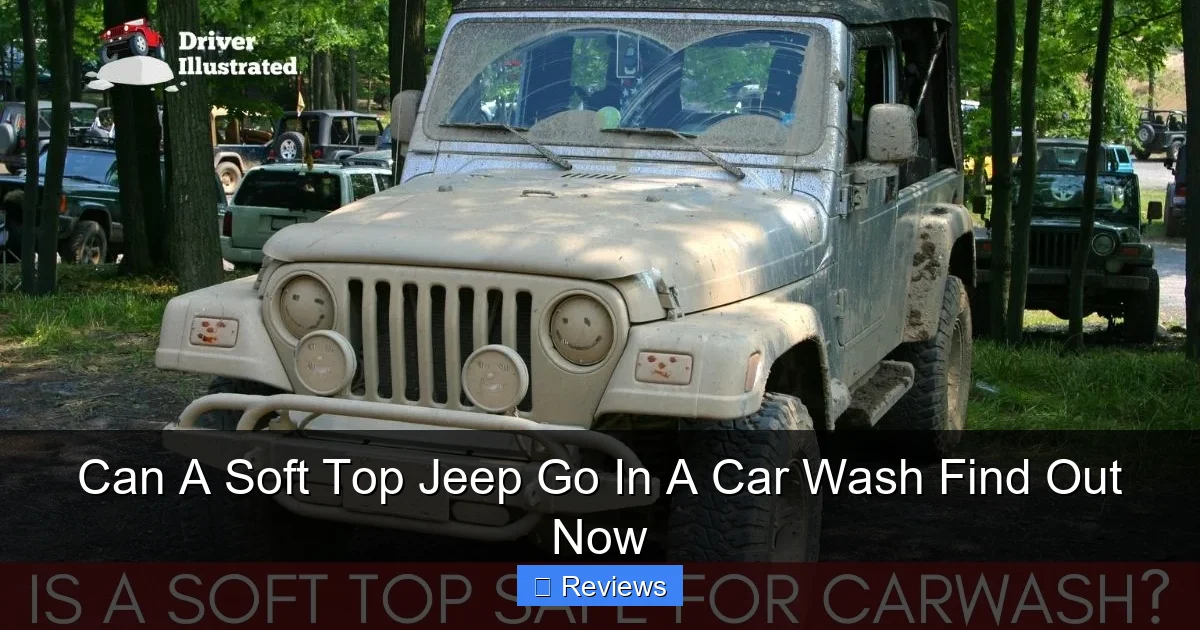
Visual guide about can a soft top jeep go in a car wash
Image source: driverillustrated.com
Damage to the Soft Top Material
The fabric or vinyl of your soft top Jeep is its primary protective layer, and it’s surprisingly vulnerable to the stresses of an automatic car wash.
- Fading and Degradation from Harsh Chemicals: Both friction and touchless washes use potent detergents and waxes designed for painted metal surfaces. These chemicals are often too harsh for soft top fabrics. Over time, repeated exposure can strip away the fabric’s protective coatings, leading to accelerated fading, discoloration, and a general weakening of the material. Vinyl tops can become brittle and prone to cracking, while canvas-like tops can lose their water-repellent properties and become stiff.
- Scratches and Abrasions from Brushes: This is the most obvious and immediate risk in a friction car wash. The rotating brushes, even those made from softer materials, are designed to scrub, not gently caress. They can cause unsightly scratches and scuffs on the soft top fabric, particularly on the more prominent sections. For newer, premium twill tops, these abrasions can be particularly frustrating as they detract from the luxurious finish. The cumulative effect of these micro-abrasions weakens the fabric over time, making it more susceptible to tears.
- Tears from Snagging on Equipment: The aggressive motion of car wash brushes and the various moving parts within the wash bay can snag on loose threads, slightly unzipped sections, or even the corners and edges of the soft top itself. This can result in significant tears or rips in the fabric, which are often expensive to repair and may compromise the watertight integrity of the top. Even well-maintained soft tops have seams and edges that can become vulnerable.
Leaks and Water Intrusion
One of the most immediate and frustrating consequences of taking a soft top Jeep through an automatic car wash is water intrusion. It’s not just about a few drops; it can be a deluge.
- Through Seals, Seams, and Windows: The high-pressure water jets in both friction and touchless washes can exert immense force. This force can overcome the designed sealing capabilities of the soft top, pushing water through the weatherstripping around doors, windows, and the windshield frame. Even tightly stitched seams can be compromised, leading to water seeping into the cabin. The soft top’s reliance on zippers and Velcro also introduces potential points of failure under extreme water pressure.
- Damage to Interior (Electronics, Upholstery, Mold): Persistent water leaks can have devastating effects on your Jeep’s interior. Electronic components, such as the infotainment system, power window switches, and various sensors, are highly susceptible to water damage, leading to costly repairs. Upholstery can become stained, and, more insidiously, a damp interior creates the perfect breeding ground for mold and mildew. Not only does this produce an unpleasant odor, but it can also pose health risks and be extremely difficult to eradicate once established.
- “Ponding” on the Top: Due to the flexible nature of a soft top, particularly on longer models or those with less tautness, water can sometimes collect or “pond” on the surface during the wash cycle. While not a direct leak, this pooling of water can put additional stress on the fabric and seams, and if not dried properly, can lead to water spots or encourage mold growth on the exterior.
Window Woes (Plastic Windows)
The plastic windows of a soft top Jeep are a unique vulnerability that hardtop owners never face, and they suffer greatly in automatic car washes.
- Scratching, Hazing from Brushes/Chemicals: In friction washes, the abrasive brushes will invariably scratch and scuff the soft plastic windows. These scratches accumulate, making the windows cloudy, hazy, and significantly reducing rear or side visibility. Over time, they can become opaque. In touchless washes, while physical contact is avoided, the harsh chemicals can still etch or degrade the plastic, leading to a permanent milky appearance that no amount of cleaning can rectify.
- Separation from the Top: The plastic windows are typically sewn or heat-sealed into the soft top fabric. The aggressive pulling, tugging, and high-pressure sprays of an automatic car wash can stress these attachment points, potentially causing the windows to separate from the main fabric, leading to expensive repairs or even requiring a full top replacement.
Structural Integrity Concerns
Beyond the visible damage, an automatic car wash can impact the underlying structure and longevity of your soft top Jeep.
- Stretching or Warping of the Fabric: The relentless pulling and pushing of brushes, combined with high-pressure water, can stretch the soft top fabric, particularly if it’s already slightly older or less taut. This stretching can lead to an ill-fitting top that sags, becomes noisy at speed, or no longer seals effectively, increasing the risk of future leaks.
- Damage to Internal Frame Components: While less common, extreme forces can potentially impact the intricate folding frame mechanisms of some soft tops. Snagging or excessive pressure could bend or dislodge components, making it difficult to raise or lower the top properly.
- Zippers and Snaps Failing: The zippers, snaps, and Velcro closures that secure a soft top are critical for its function and weather sealing. Automatic washes can stress these components, causing zippers to break, snaps to pull out of the fabric, or Velcro to lose its grip. This not only impairs the top’s ability to seal but also can make it impossible to remove or reinstall correctly.
Given the array of potential problems, from minor aesthetic blemishes to significant functional failures, the decision to subject a soft top Jeep to an automatic car wash is a gamble with unfavorable odds. The desire for convenience must be weighed against the very real and costly consequences of damage.
Best Practices for Soft Top Jeep Care: When to Choose Alternatives
Recognizing the myriad risks associated with automatic car washes, the conscientious soft top Jeep owner will inevitably seek safer, more effective alternatives. The good news is that maintaining a clean and well-preserved soft top is entirely achievable with the right techniques and products. Embracing manual cleaning methods not only safeguards your investment but also offers an opportunity to connect with your vehicle and ensure every detail is cared for.
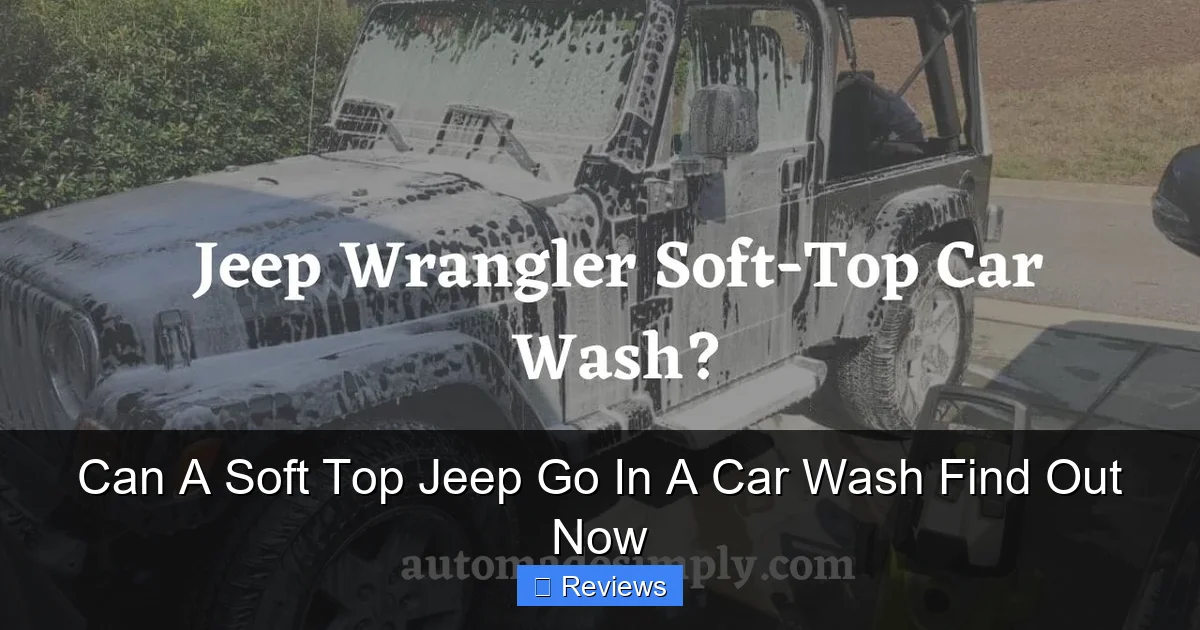
Visual guide about can a soft top jeep go in a car wash
Image source: automadesimply.com
The Gold Standard: Hand Washing Your Soft Top Jeep
Without a doubt, hand washing is the safest and most effective method for cleaning your soft top Jeep. It provides complete control over the process, allowing you to use gentle techniques and specific products designed for soft top materials. This method ensures thorough cleaning without any of the associated risks of automated washes.
Materials Needed:
- Mild Soap/Soft Top Cleaner: Avoid harsh automotive detergents. Opt for specialized soft top cleaners (e.g., Bestop, Raggtopp, 303 Aerospace Fabric & Vinyl Cleaner) or a very mild, pH-neutral car wash soap.
- Soft-Bristle Brush: A brush designed for upholstery or delicate surfaces is ideal. Avoid stiff brushes that can abrade the fabric or scratch plastic windows.
- Wash Mitts/Microfiber Towels: Several clean, soft wash mitts or microfiber towels for applying soap and rinsing.
- Garden Hose with Spray Nozzle: A standard garden hose provides adequate water pressure for rinsing without causing damage.
- Two Buckets: One for soapy water, one for rinse water (the two-bucket method helps prevent transferring grime back to the top).
- UV Protectant/Water Repellent: After cleaning, apply a dedicated soft top protectant (e.g., 303 Aerospace Protectant, Raggtopp Protectant) to extend its life and maintain its appearance.
Step-by-Step Guide for Hand Washing:
- Rinse Thoroughly: Start by thoroughly rinsing the entire soft top with a garden hose to remove loose dirt, dust, and debris. Use a gentle spray, paying attention to seams and crevices but avoiding direct, high-pressure streams.
- Prepare Cleaning Solution: Mix your chosen soft top cleaner or mild soap in a bucket according to product instructions.
- Apply and Agitate: Dip your soft-bristle brush or wash mitt into the soapy water and gently scrub the soft top. Work in small sections, moving in straight lines or gentle circles. Pay extra attention to heavily soiled areas but avoid excessive pressure. For plastic windows, use a dedicated plastic-safe cleaner and a separate, very soft microfiber cloth, cleaning gently in straight lines.
- Rinse Again: After scrubbing a section, immediately rinse it thoroughly with the garden hose to remove all soap residue. Do not let the soap dry on the top. Continue this process section by section until the entire top is clean.
- Dry Gently: Allow the soft top to air dry naturally in the shade. You can use clean, soft microfiber towels to blot away excess water, especially from the windows, to prevent water spots. Never use a leaf blower or high-pressure air dryer, as this can still force water into crevices or stress seams.
- Apply Protectant: Once the soft top is completely dry, apply a UV protectant and water repellent specifically designed for soft top materials. This step is crucial for preventing fading, cracking, and maintaining the top’s water resistance. Follow the product’s instructions carefully for application and curing.
Leveraging Self-Serve Car Wash Bays
For those times when hand washing at home isn’t feasible, a self-serve car wash bay offers a good compromise. You still retain control, but with access to stronger water pressure and specialized tools.
- Advantages: The primary benefit is control. You decide what kind of soap to use (though typically only generic options are available), how much pressure to apply, and where to direct the spray. This allows you to avoid vulnerable areas of your soft top Jeep, such as seams, zippers, and window edges, while still benefiting from higher-pressure rinsing for stubborn dirt on the body panels.
- Precautions: Always select the “rinse” or “pre-soak” setting first to gently wet the top. When using the high-pressure wand, keep a safe distance (at least 1-2 feet) from the soft top and never point the stream directly at seams, window edges, or zippers. Use a sweeping motion. If brushes are available, do not use the communal brush on your soft top or plastic windows, as it will be contaminated with abrasive particles and too stiff. Bring your own soft-bristle brush if you need to scrub specific areas of the soft top, or use a clean wash mitt.
Protecting Your Soft Top: Maintenance Beyond Washing
Cleaning is only one aspect of soft top care. Regular maintenance and preventative measures are equally vital for ensuring its longevity and appearance.
- UV Protectants and Water Repellents: As mentioned, these products are non-negotiable for a soft top Jeep. UV rays are the primary cause of fading and material degradation. A good UV protectant acts like sunscreen for your top. Water repellents help maintain the top’s ability to shed water, preventing saturation and reducing the likelihood of leaks and mildew. Reapply these products regularly, typically every 1-3 months, depending on exposure and product instructions.
- Regular Cleaning: Don’t wait for your soft top to be heavily soiled. Frequent, light cleaning (even just a gentle rinse and wipe-down) prevents dirt and grime from embedding into the fabric, making deeper cleans easier and less frequent. Promptly address bird droppings, tree sap, and other contaminants, as they can cause permanent stains or damage if left too long.
- Proper Storage and Folding: If your soft top Jeep allows for folding or removing the top (e.g., Jeep Wrangler), always follow the manufacturer’s instructions for proper storage. Incorrect folding can lead to creases, stress on seams, and damage to windows. Store the top in a clean, dry environment when removed. Ensure all zippers are fully closed when the top is up to prevent unnecessary strain and keep it taut.
By adopting these best practices, you can ensure your soft top Jeep remains in pristine condition, ready for any adventure, without ever having to risk the damage of an automatic car wash.
The “touchless” automatic car wash presents a unique conundrum for soft top Jeep owners. On the one hand, it eliminates the terrifying prospect of abrasive brushes tearing at the fabric and scratching plastic windows. On the other hand, it introduces its own set of challenges, primarily revolving around high-pressure water and potent chemicals. Is a touchless car wash a truly safe haven for your soft top, or is it merely a less destructive path with different, but still significant, risks?
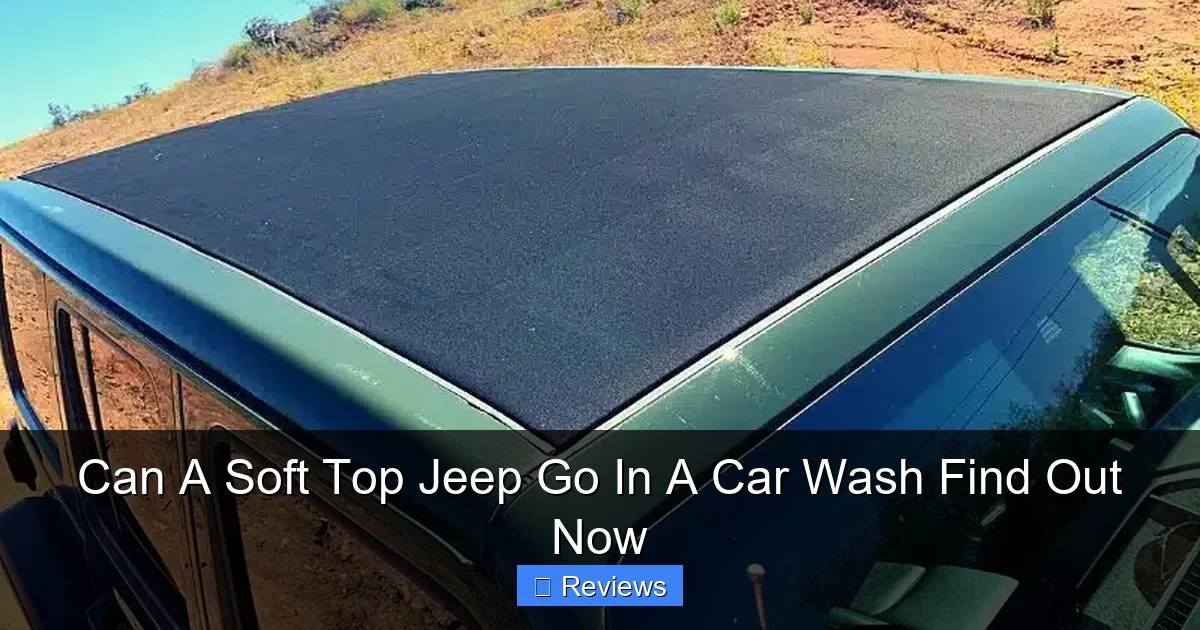
Visual guide about can a soft top jeep go in a car wash
Image source: jeepautocare.com
How Touchless Washes Work (High Pressure & Chemicals)
Touchless car washes operate on a simple principle: achieve cleanliness without physical contact. This is accomplished through a sophisticated system of:
- High-Pressure Water Jets: Powerful streams of water are used to dislodge dirt and grime from the vehicle’s surface. These jets can be incredibly forceful, sometimes exceeding pressures found in typical pressure washers used by consumers.
- Aggressive Cleaning Solutions: Since there’s no physical scrubbing, touchless washes rely heavily on strong, often alkaline, detergents and pre-soaks to break down dirt and road film. These chemicals are designed to be highly effective at dissolving stubborn contaminants. After the wash, a “spot-free rinse” with de-ionized water is typically applied, followed by high-velocity air dryers.
The emphasis is entirely on spray and chemical action, making it distinct from the mechanical friction washes. For a soft top Jeep, this distinction is critical.
Advantages for Soft Top Owners
Compared to a friction-based automatic car wash, a touchless option does offer some clear benefits for a soft top Jeep:
- Reduced Physical Abrasion: This is the most significant advantage. Without brushes, there’s no risk of scratching plastic windows, abrading fabric, or snagging on seams and zippers. This eliminates many of the immediate, visible damages that friction washes cause to a soft top.
- Less Risk of Snagging/Tearing: The absence of moving physical components greatly reduces the chance of the soft top fabric getting caught, pulled, or torn, protecting the structural integrity and stitching.
Remaining Risks and Considerations
Despite these advantages, a touchless car wash is far from a perfect solution for a soft top Jeep. Several serious risks persist:
- Chemical Residue and Its Effect on Fabric/Windows: The very strength of the detergents and pre-soaks that make touchless washes effective for paint can be detrimental to soft top materials. These harsh chemicals can:
- Strip Protective Coatings: UV protectants and water repellents meticulously applied to your soft top can be washed away, leaving the fabric vulnerable to accelerated fading and degradation from sun exposure.
- Fade Fabric: Repeated exposure to strong chemicals can cause the soft top fabric to lose its color and appear dull or faded over time.
- Degrade Plastic Windows: While not scratched, plastic windows can become cloudy, hazy, or brittle from chemical etching. The plastic can absorb certain chemicals, leading to permanent discoloration or weakening.
- Leave Residue: If the rinse cycle isn’t thorough enough, chemical residue can be left on the soft top, attracting dirt more quickly and potentially staining the fabric.
- High Pressure Causing Leaks or Stretching: Even without physical contact, the sheer force of the high-pressure water jets can be problematic. This intense pressure can:
- Force Water Through Seals: The water can find its way past door seals, window channels, and through seams, leading to water intrusion into the cabin. This is a common complaint from soft top Jeep owners who use touchless washes.
- Stretch Fabric: Consistent high-pressure spraying can put stress on the soft top fabric, potentially stretching it over time, leading to a looser fit, increased wind noise, and compromised sealing.
- Damage Zippers and Snaps: While not snagging, direct, forceful blasts of water can stress zippers, snaps, and Velcro, potentially causing them to fail or become less effective at sealing.
- Drying Methods (Powerful Blowers): Most automatic car washes, including touchless ones, use powerful air blowers to dry the vehicle. These blowers, while effective for hard surfaces, can also force water into crevices and under seals that might have otherwise remained dry. The intense airflow can also potentially stress the fabric if it’s not perfectly taut, or even dislodge components if there’s any pre-existing weakness.
- Still Might Not Clean Effectively: Paradoxically, because there’s no physical scrubbing, touchless washes might not always be effective at removing stubborn dirt, mud, or road film that has dried onto the soft top. This often leaves the top looking less than perfectly clean, requiring manual follow-up anyway.
In conclusion, while a touchless car wash mitigates the immediate physical damage risks associated with friction washes, it introduces other, more insidious threats to your soft top Jeep in the form of high-pressure water and harsh chemicals. For occasional use, or as a last resort, it might be preferable to a brush wash. However, it should never be considered a truly safe or recommended routine cleaning method for preserving the long-term health and integrity of your soft top. Hand washing or careful self-serve remain the superior choices.
The Financial and Aesthetic Implications of Soft Top Damage
The debate around whether a soft top Jeep can go in a car wash often boils down to convenience versus cost and appearance. While a few dollars for an automatic wash might seem negligible, the potential damage to a soft top can quickly accumulate into significant financial burdens and detract severely from the vehicle’s aesthetic appeal and resale value. Understanding these implications underscores why proper care is not just a recommendation but a wise investment.
Cost of Repair vs. Replacement
When damage occurs to your soft top Jeep, the financial impact can be substantial. The cost will vary depending on the severity and type of damage.
- Minor Repairs (Patching, Seam Re-stitching): Small tears, pinholes, or localized seam failures might be repairable. Professional soft top repair services can patch holes or re-stitch seams. Costs can range from $100 to $400, depending on the complexity and labor involved. While these repairs can extend the life of a top, they are often visible and may not restore the top’s original integrity or appearance. DIY kits are available for very small issues, but professional results are hard to achieve.
- Full Soft Top Replacement: Significant Expense: This is the most drastic and costly outcome of severe damage. If the soft top is extensively torn, faded beyond repair, has multiple window failures, or suffers from widespread chemical degradation, replacement becomes the only viable option.
- OEM Soft Tops: A new OEM (Original Equipment Manufacturer) soft top for a Jeep Wrangler can easily cost anywhere from $1,500 to $3,000 or more, not including installation. These are high-quality, direct-fit replacements.
- Aftermarket Soft Tops: Several reputable aftermarket manufacturers (like Bestop, which often makes OEM tops for Jeep) offer high-quality replacement soft tops. These can range from $800 to $2,000, depending on the material (vinyl, sailcloth, twill), features, and brand.
- Installation Costs: Unless you are skilled and patient enough to install it yourself, professional installation can add another $300 to $800 to the total cost.
This means a single, ill-advised trip through an automatic car wash could indirectly lead to a bill of several thousand dollars for a complete soft top replacement. The “savings” of a $10-$20 car wash pale in comparison to these potential repair costs.
Diminished Resale Value
Your soft top Jeep is an investment, and like any investment, its value is influenced by its condition. A damaged or poorly maintained soft top can significantly detract from the vehicle’s resale value.
- An Unkempt or Damaged Soft Top Detracts from Value: Potential buyers will immediately notice a faded, torn, or leaky soft top. This signals to them a lack of proper care and suggests that other parts of the vehicle might also be neglected. Even if the rest of the Jeep is pristine, a compromised soft top will be a major red flag, leading to lower offers or difficulty in selling the vehicle altogether.
- First Impressions Matter: The soft top is a prominent feature of a Jeep Wrangler. If it looks tired, worn, or damaged, it creates a poor first impression, which can be hard to overcome, regardless of the Jeep’s mechanical health. Buyers will factor in the cost and hassle of replacing the top themselves when making an offer.
The Aesthetic Impact
Beyond monetary value, the aesthetic appeal of your soft top Jeep is important for your personal enjoyment and pride of ownership. Damage caused by improper washing can significantly diminish this.
- Fading, Hazing, Tears: Making Your Jeep Look Older and Neglected: A vibrant, taut soft top contributes to the fresh, ready-for-adventure look of a Jeep. Conversely, a faded, stretched, or torn top, combined with hazy, scratched plastic windows, makes the entire vehicle look older, neglected, and less appealing. The contrast between a shiny paint job and a dull, damaged soft top is particularly jarring.
- Compromised Open-Air Experience: The joy of a soft top Jeep is the open-air experience. If the top is compromised, leaking, or difficult to operate due to damage, that joy is diminished. Visible damage can also be a constant reminder of a maintenance oversight.
Longevity of Your Soft Top Investment
Modern soft tops are designed to be durable and long-lasting, often capable of providing 5-10 years or more of service with proper care. However, this longevity is directly tied to how well they are maintained.
- Proper Care Extends Life, Saving Money in the Long Run: By avoiding automatic car washes and adhering to recommended hand-washing and protective measures, you can significantly extend the life of your soft top. This proactive approach saves money in the long run by delaying the need for costly repairs or replacements. It also ensures that the top continues to perform its primary function: protecting the interior from the elements.
In essence, the small investment of time and effort into proper soft top care for your soft top Jeep is a massive return on investment. It preserves the vehicle’s appearance, maintains its functionality, protects its resale value, and ultimately allows you to enjoy the full ownership experience without unnecessary financial headaches.
Practical Tips and Product Recommendations for Soft Top Jeep Owners
Having established the importance of avoiding automatic car washes and opting for manual methods, it’s time to equip soft top Jeep owners with practical tips and specific product recommendations. These insights will empower you to maintain your soft top effectively, ensuring its longevity, appearance, and the integrity of your open-air experience. Proper care is not just about avoiding damage; it’s about enhancing and preserving your investment.
Pre-Wash Preparations and Post-Wash Care
Diligent preparation before washing and careful steps afterward are just as crucial as the washing process itself.
- Closing Windows and Securing Zippers: Before any wash, always ensure all plastic windows are completely zipped into place and secured. Any gaps or partially open windows are direct invitations for water intrusion. Check all zippers to confirm they are fully closed and not under undue stress. Secure any Velcro or snap fasteners to ensure the top is as taut and sealed as possible. This minimizes movement and potential snagging points.
- Checking Seals: Visually inspect the seals around the doors and where the soft top meets the body. Make sure there are no obvious gaps or worn areas. While you can’t fix these for a wash, being aware of them helps you be extra cautious in those spots.
- Removing Loose Items: Remove any loose items from the interior, especially if you anticipate potential leaks. This includes electronics, important documents, and anything sensitive to moisture.
- Drying Methods (Air Drying, Microfiber): After washing, the drying process is critical.
- Air Drying: The safest method is to allow your soft top Jeep to air dry naturally in a shaded area. Sunlight can cause rapid drying and potential water spots, especially on windows.
- Microfiber Towels: Use clean, soft microfiber towels to gently blot away excess water from the soft top fabric. For plastic windows, use a separate, very soft, clean microfiber towel and wipe gently in straight lines to avoid streaks and prevent water spots. Never rub aggressively.
- Avoid High-Pressure Air: Do not use leaf blowers, shop vacuums on blow setting, or automatic car wash blowers on your soft top, as these can force water into seams and stress the fabric.
- Inspect for Water Spots: Once dry, quickly inspect the top and windows for any water spots, especially if you have hard water. These can be gently wiped away with a damp microfiber cloth before they set.
Recommended Soft Top Cleaning Products
Using the right products makes all the difference. Generic automotive cleaners often contain harsh chemicals unsuitable for soft top materials. Invest in quality, specialized products.
- Specific Brands (e.g., Bestop, 303 Aerospace Protectant, Raggtopp):
- Bestop: A leading manufacturer of Jeep soft tops, Bestop also offers a range of cleaning and protection products designed specifically for their vinyl and fabric tops. Their cleaners are formulated to be gentle yet effective.
- 303 Aerospace Protectant: This is a highly recommended, versatile product that offers superior UV protection for vinyl, rubber, and plastic components. It helps prevent fading, cracking, and deterioration, and also offers water repellency. It’s excellent for both the soft top fabric and plastic windows (though always test on an inconspicuous area first for windows).
- Raggtopp: Another industry leader, Raggtopp offers comprehensive cleaning and protection systems specifically for convertible tops. Their Fabric Cleaner and Fabric Protectant are highly regarded for canvas-style tops, while their Vinyl Cleaner and Vinyl Protectant cater to vinyl tops. Their products are designed to maintain the factory look and water repellency.
- Chemical Guys Convertible Top Cleaner: Known for their extensive detailing product line, Chemical Guys also offers a pH-neutral cleaner safe for soft tops.
- Window Cleaners (Plastic-Safe): Never use ammonia-based glass cleaners on plastic windows. Ammonia can dry out and cloud the plastic. Instead, use:
- Dedicated Plastic Window Cleaners: Products like Raggtopp Plastic Window Cleaner, Novus Plastic Polish (for cleaning and removing light scratches), or even a very dilute solution of baby shampoo and water are safe options.
- Microfiber Cloths Only: Always use a very soft, clean microfiber cloth for cleaning plastic windows.
Essential Tools for Soft Top Maintenance
Having the right tools at hand will make your soft top maintenance routine much easier and more effective.
- Soft Bristle Brushes: A dedicated soft-bristle brush (like those used for upholstery or detailing interior plastics) is essential for gently agitating cleaners on the soft top fabric. Avoid anything with stiff bristles.
- Wash Mitts: Soft, lamb’s wool or microfiber wash mitts are excellent for applying soap and gently wiping down the top without scratching.
- Detailing Brushes: Small, soft detailing brushes can be useful for getting into tight crevices, around zippers, and along seams where dirt can accumulate.
- Microfiber Towels: A generous supply of clean, high-quality microfiber towels is indispensable for washing, rinsing, drying, and applying protectants. Dedicate separate towels for the soft top and plastic windows.
- Garden Hose with Spray Nozzle: A standard garden hose with an adjustable spray nozzle (allowing for a gentle, wide spray) is all you need for safe rinsing. Avoid high-pressure nozzles.
- Two Buckets: The two-bucket method (one for soapy water, one for clean rinse water) is vital for minimizing the transfer of dirt back onto the top.
When in Doubt: Consult Your Owner’s Manual or a Professional
If you’re ever unsure about a specific cleaning process or product, or if your soft top has sustained damage beyond your comfort level for DIY repair, don’t hesitate to seek expert advice.
- Manufacturer Specific Recommendations: Your soft top Jeep’s owner’s manual often contains specific recommendations for cleaning and caring for the soft top material. Always refer to this first, as manufacturers sometimes have unique guidelines for their proprietary materials.
- Detailing Services Specializing in Soft Tops: Many professional detailing shops have expertise in cleaning, restoring, and protecting convertible soft tops. If your top is heavily soiled, stained, or starting to show signs of wear, a professional detailing service might be able to restore it safely and effectively, or at least advise you on the best course of action.
By following these practical tips and using recommended products, you can ensure your soft top Jeep remains in top condition, ready for countless adventures, and looking its best for years to come.
Data Table: Car Wash Options for Your Soft Top Jeep
To summarize the various considerations and provide a quick reference guide, here’s a data table comparing different car wash types based on key factors relevant to a soft top Jeep owner.
| Car Wash Type | Risk to Soft Top | Cleaning Effectiveness | Cost (Avg.) | Time (Avg.) | Effort Level | Chemical Exposure |
|---|---|---|---|---|---|---|
| Automatic Friction (Brush) | Very High Risk (Scratches, Tears, Leaks, Window Damage) | Moderate to High (for hard surfaces) | $10 – $25 | 5 – 10 min | Very Low | High (Harsh, Non-Specific) |
| Automatic Touchless | High Risk (Leaks, Chemical Degradation, Pressure Damage) | Moderate (may leave film/streaks) | $15 – $35 | 8 – 15 min | Very Low | Very High (Strong, Concentrated) |
| Self-Serve Bay | Medium Risk (Controllable, but user error possible with high pressure/brushes) | Moderate to High (User Dependent) | $5 – $15 | 15 – 30 min | Medium | Medium (Generic Soaps) |
| Hand Wash (at Home) | Very Low Risk (If proper technique/products used) | Very High (Thorough & Detailed) | $0 – $15 (for products) | 30 – 60 min | High | Low (Soft Top Specific Cleaners) |
This table clearly illustrates the inverse relationship between convenience and safety for your soft top Jeep. While automatic washes offer speed and minimal effort, they come with substantial risks. Hand washing, though requiring more time and effort, provides the greatest degree of safety and the best long-term results for your soft top.
Conclusion: Protecting Your Investment and Embracing the Jeep Lifestyle Responsibly
The question of whether a soft top Jeep can endure an automatic car wash has been thoroughly explored, and the answer, unequivocally, leans heavily towards caution and avoidance. While the modern world tempts us with the convenience of automated solutions, the unique design and materials of a Jeep’s soft top demand a more thoughtful and deliberate approach to cleaning. The allure of a quick scrub-down is often overshadowed by the very real and costly risks of damage, ranging from cosmetic blemishes like scratches and fading to significant structural failures such as tears, leaks, and compromised window integrity.
We’ve delved into the specific dangers posed by friction washes with their aggressive brushes and touchless washes with their high-pressure jets and harsh chemicals. Each presents a distinct threat to the fabric, seams, zippers, and delicate plastic windows of your soft top Jeep. The potential for water intrusion, damage to interior electronics, and the eventual need for expensive repairs or even a full soft top replacement far outweigh any perceived time-saving benefits of an automatic car wash.
Instead, the path to a pristine and long-lasting soft top lies in embracing manual cleaning methods. Hand washing, utilizing specialized soft top cleaners, soft brushes, and gentle rinsing, stands as the gold standard. For those seeking a balance of convenience and control, self-serve bays offer a viable alternative, provided you exercise caution with water pressure and avoid abrasive communal brushes. Furthermore, consistent pre-wash preparation, careful drying techniques, and regular application of UV protectants and water repellents are vital steps that extend the life and preserve the aesthetic appeal of your soft top, making it resistant to the elements and time itself.
Ultimately, owning a soft top Jeep is more than just driving a vehicle; it’s a lifestyle choice that embodies freedom and adventure. This lifestyle also comes with a responsibility to properly care for your rig, ensuring it remains in peak condition for all the journeys ahead. By choosing to protect your investment with appropriate cleaning and maintenance practices, you not only preserve its value and beauty but also enhance your overall enjoyment of the unique open-air experience only a soft top Jeep can provide. So, skip the automatic car wash, grab your bucket and soft brush, and embark on a rewarding cleaning ritual that honors your Jeep and keeps it ready for the next adventure.
Frequently Asked Questions
Can a soft top Jeep go through an automatic car wash with brushes?
Generally, it’s strongly advised against taking your soft top Jeep through a traditional automatic car wash that uses rotating brushes. These brushes can snag, scratch, or even tear the fabric and plastic windows of your soft top, potentially leading to costly damage or leaks.
What type of car wash is safe for a soft top Jeep?
The safest option for washing a soft top Jeep is a touchless automatic car wash. These washes use high-pressure water jets and soap without any physical contact, significantly reducing the risk of damage to the fabric, seams, and plastic windows.
Will my soft top Jeep leak if I take it through a car wash?
There’s a much higher risk of your soft top Jeep leaking in an automatic car wash, especially one with brushes. The intense water pressure and potential agitation can compromise the seals and seams of the soft top, allowing water to penetrate into the cabin.
What kind of damage can a car wash cause to a soft top Jeep?
An automatic car wash with brushes can cause various types of damage to a soft top Jeep, including scratching or hazing the plastic windows, fraying or tearing the fabric, stretching seams, and potentially damaging zippers or fasteners. Even touchless washes can put stress on older or worn soft tops.
Is hand washing always the best option for my soft top Jeep?
Yes, hand washing is almost always the best and safest method for cleaning your soft top Jeep. It allows for gentle, controlled cleaning, minimizes stress on the material, and ensures you can properly care for both the fabric and plastic windows without fear of damage.
Are there any precautions I should take before taking my soft top Jeep into a car wash?
If you absolutely must use a car wash, ensure all windows are fully zipped/closed, latches are secure, and choose a touchless wash over one with brushes. Avoid washes that use extremely harsh chemicals, and inspect your soft top Jeep afterward for any signs of damage or leaks.

At CarLegit, we believe information should be clear, factual, and genuinely helpful. That’s why every guide, review, and update on our website is created with care, research, and a strong focus on user experience.