
Discovering a bad TPMS sensor in your Toyota doesn’t have to be confusing. This guide walks you through the warning signs, diagnostic tools, and step-by-step methods to identify which tire pressure monitoring system sensor is failing—so you can fix it fast and drive safely.
In This Article
- 1 Key Takeaways
- 2 📑 Table of Contents
- 3 Introduction: Why Your Toyota’s TPMS Matters
- 4 Understanding How Toyota TPMS Works
- 5 Common Signs of a Bad TPMS Sensor
- 6 Step-by-Step Guide to Identify the Faulty Sensor
- 7 DIY vs. Professional Diagnosis: When to Call a Mechanic
- 8 Preventing Future TPMS Sensor Failures
- 9 Conclusion: Stay Safe and Informed
- 10 Frequently Asked Questions
- 10.1 How do I know if my Toyota TPMS sensor is bad?
- 10.2 Can I drive with a bad TPMS sensor?
- 10.3 Do all Toyota TPMS sensors need to be replaced at the same time?
- 10.4 Can a TPMS sensor be repaired?
- 10.5 How much does it cost to replace a Toyota TPMS sensor?
- 10.6 Will disconnecting the battery reset the TPMS light?
Key Takeaways
- Warning Light Behavior: A flashing TPMS light followed by a steady glow often indicates a sensor issue, not just low tire pressure.
- Use a TPMS Scan Tool: A dedicated scanner can read sensor IDs and signal strength to pinpoint the faulty unit.
- Check Each Tire Individually: Inflate all tires to recommended PSI and monitor which one doesn’t register—this helps isolate the problem.
- Sensor Battery Life: Most Toyota TPMS sensors last 5–10 years; if your car is older, battery failure is likely.
- Location Matters: Sensors in the valve stem or wheel can be damaged during tire changes or from corrosion.
- Professional Diagnosis Helps: Dealerships and tire shops have advanced tools to test and reset TPMS systems accurately.
- Reset vs. Replace: Sometimes a simple reset fixes the issue, but a dead sensor usually needs replacement.
📑 Table of Contents
Introduction: Why Your Toyota’s TPMS Matters
Your Toyota’s Tire Pressure Monitoring System (TPMS) is more than just a dashboard warning light—it’s a critical safety feature designed to keep you and your passengers safe on the road. When one or more of your tires are underinflated, the TPMS alerts you so you can take action before a blowout or poor handling occurs. But what happens when the system itself starts acting up? That’s where things get tricky. A malfunctioning TPMS sensor can give false readings, fail to alert you to low pressure, or trigger the warning light for no apparent reason.
Knowing how to tell which TPMS sensor is bad on your Toyota can save you time, money, and stress. Whether you’re driving a Camry, RAV4, Highlander, or Tacoma, the principles remain the same. Modern Toyotas use direct TPMS, meaning each wheel has its own sensor mounted inside the tire that transmits real-time pressure and temperature data to the vehicle’s computer. Over time, these sensors can fail due to battery depletion, physical damage, or signal interference. The good news? Identifying the faulty sensor isn’t as hard as it sounds—if you know what to look for and which tools to use.
Understanding How Toyota TPMS Works
Before diving into troubleshooting, it’s important to understand how your Toyota’s TPMS actually functions. Unlike older indirect systems that estimate pressure based on wheel speed, Toyota uses a direct TPMS system. This means each wheel—front left, front right, rear left, and rear right—has its own wireless sensor installed inside the tire, typically attached to the valve stem or mounted to the wheel rim.
Visual guide about How to Tell Which Tpms Sensor Is Bad Toyota
Image source: i.ytimg.com
How the Sensors Communicate
Each TPMS sensor has a unique ID number and transmits data via radio frequency (RF) signals to the vehicle’s TPMS control module. This module processes the information and displays it on your dashboard. When tire pressure drops below the recommended level (usually around 25% below the manufacturer’s specification), the system triggers the TPMS warning light—a horseshoe-shaped icon with an exclamation point inside.
Sensor Power and Lifespan
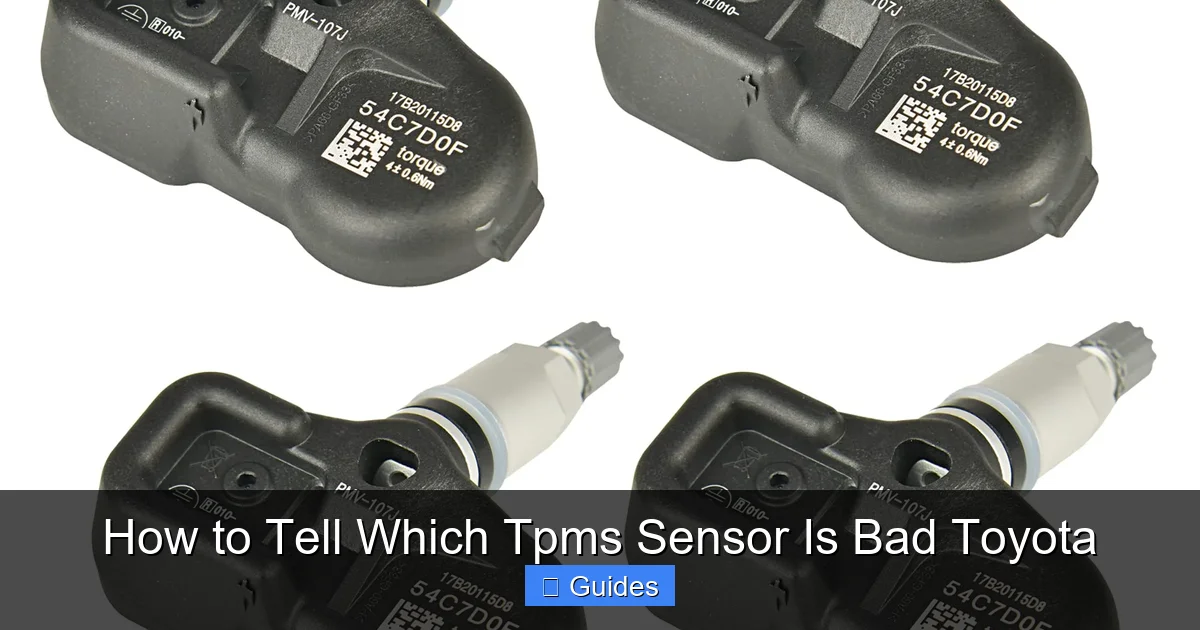
TPMS sensors are powered by small lithium batteries sealed inside the unit. These batteries are not rechargeable and typically last between 5 to 10 years, depending on usage and environmental conditions. Once the battery dies, the sensor can no longer transmit data, leading to a malfunction. In colder climates, battery life may shorten due to increased power demands in low temperatures.
Sensor Location and Installation
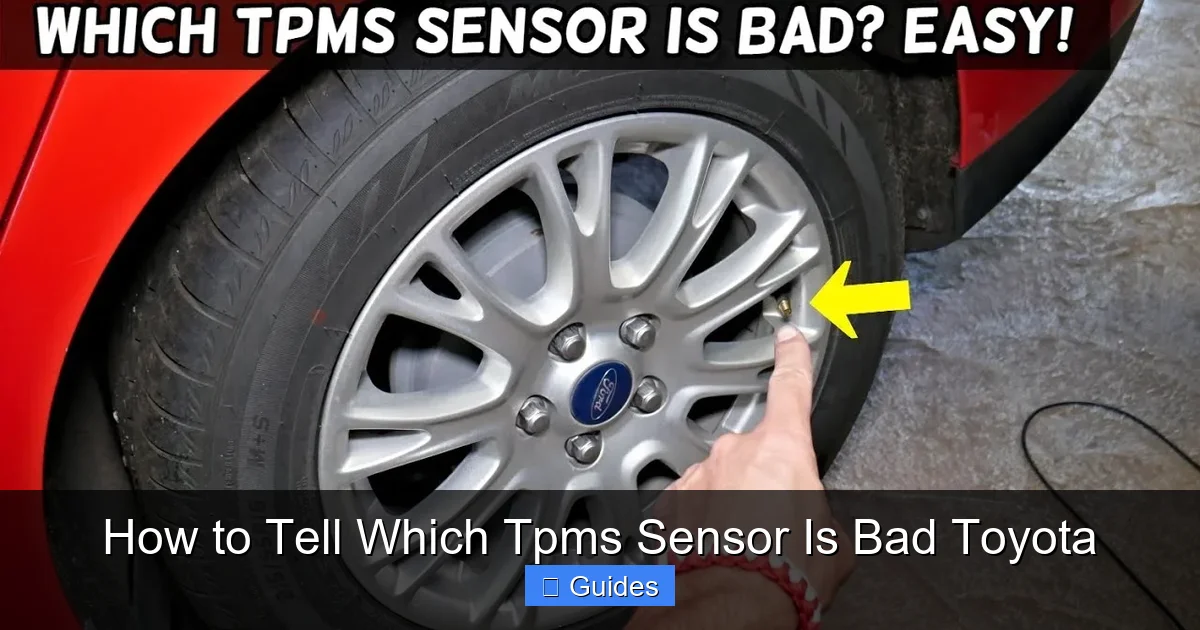
In most Toyota models, the TPMS sensor is integrated into the valve stem and mounted on the inside of the wheel. During tire rotations or replacements, these sensors can be damaged if not handled properly. Mechanics must use specialized tools to avoid cracking the sensor housing or damaging the internal components. Additionally, corrosion around the valve stem—especially in areas with road salt or high humidity—can interfere with signal transmission.
Common Signs of a Bad TPMS Sensor
Not every TPMS warning light means you have low tire pressure. Sometimes, the issue lies with the sensor itself. Recognizing the difference is key to diagnosing the problem correctly.
Visual guide about How to Tell Which Tpms Sensor Is Bad Toyota
Image source: m.media-amazon.com
The TPMS Light Stays On or Flashes
A steady TPMS light usually indicates low tire pressure. However, if the light flashes for about a minute after starting the car and then stays on, this is a strong sign of a sensor malfunction. According to Toyota’s service guidelines, a flashing light followed by a steady glow means the system has detected a fault in one or more sensors.
Inconsistent or Missing Readings
If your Toyota’s dashboard displays tire pressure readings (common in newer models like the 2020+ RAV4 or Camry), pay attention to whether one tire shows “—” or “0 PSI” while others display normal values. This missing data suggests that the sensor in that wheel is not transmitting.
Warning Light Comes On After Tire Inflation
You check your tires, inflate them to the correct PSI, and the TPMS light remains on. This is a red flag. If all tires are properly inflated and the light won’t turn off, the sensor may be faulty or the system needs a reset.
Recent Tire Service or Rotation
Did you recently have your tires rotated, replaced, or repaired? Improper handling during these services can damage TPMS sensors. If the warning light appeared shortly after service, the sensor may have been dislodged, cracked, or incorrectly reinstalled.
Age of the Vehicle
If your Toyota is more than 7 years old, the TPMS sensors may simply be reaching the end of their lifespan. Battery failure is the most common cause of sensor failure in older vehicles. For example, a 2015 Toyota Corolla with original sensors is a prime candidate for sensor replacement.
Step-by-Step Guide to Identify the Faulty Sensor
Now that you know the signs, let’s walk through a practical method to determine which TPMS sensor is bad. You don’t need to be a mechanic—just follow these steps carefully.
Visual guide about How to Tell Which Tpms Sensor Is Bad Toyota
Image source: thecarhow.com
Step 1: Check Tire Pressures Manually
Start by using a reliable tire pressure gauge to check the pressure in all four tires. Compare the readings to the recommended PSI listed on the driver’s side door jamb sticker. Inflate any underinflated tires to the correct level. Wait about 10–15 minutes for the system to recalibrate, then drive the car for a few minutes. If the TPMS light turns off, the issue was low pressure—not a bad sensor.
Step 2: Observe the Dashboard Display
On Toyota models with a multi-information display (MID), you can view individual tire pressures. Press the “DISP” or “INFO” button on your steering wheel to cycle through the screens until you see the tire pressure readout. Note which tire shows no reading or an error message. This is likely the faulty sensor.
Step 3: Use a TPMS Scan Tool
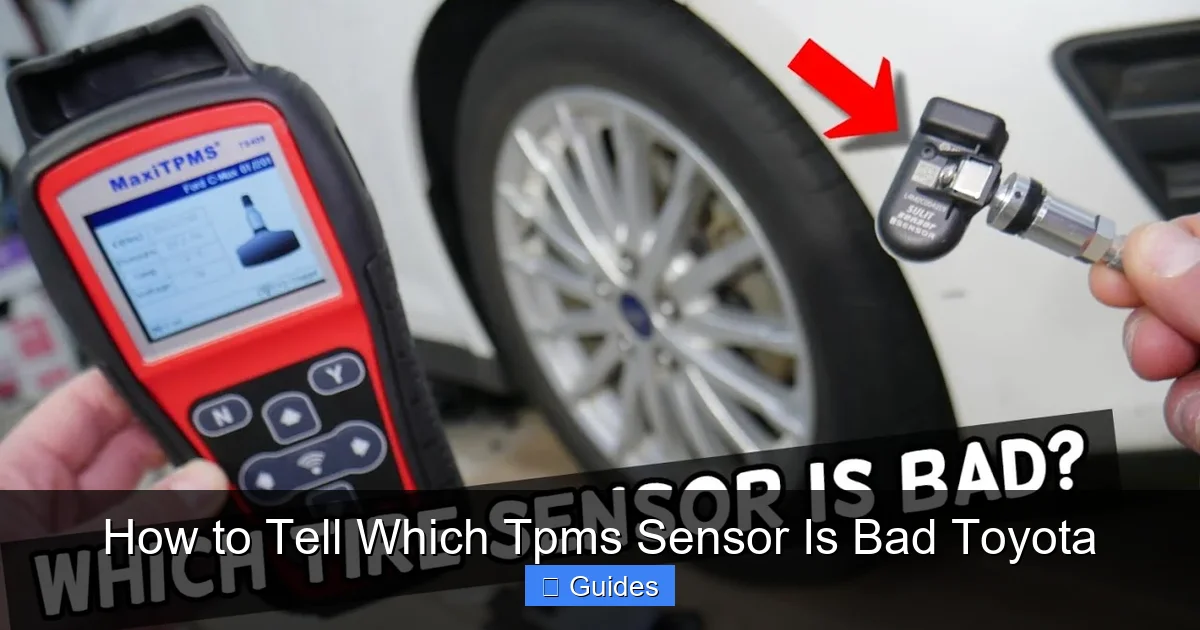
A TPMS scan tool is the most accurate way to identify a bad sensor. These handheld devices can read the unique ID and signal strength of each sensor. Popular models like the Autel MaxiTPMS TS408 or the Foxwell NT510 are compatible with most Toyota vehicles.
To use the tool:
- Turn the ignition to the “ON” position (do not start the engine).
- Hold the scan tool near each wheel, one at a time.
- The tool will display the sensor ID, pressure, temperature, and battery status.
- If a sensor doesn’t respond or shows “No Signal” or “Low Battery,” it’s likely faulty.
For example, if the scan tool reads “FL: 32 PSI, OK” but “RR: No Signal,” the rear right sensor is the culprit.
Step 4: Perform a Sensor Wake-Up Test
Some TPMS sensors go into sleep mode to conserve battery. A wake-up test can help determine if the sensor is truly dead or just inactive. Use a TPMS activation tool (often included with scan tools) to send a low-frequency signal to each sensor. If the sensor responds, it’s functional. If not, it may need replacement.
Step 5: Check for Physical Damage
Visually inspect each wheel, especially the valve stem area. Look for:
- Cracks or breaks in the sensor housing
- Corrosion around the valve stem
- Loose or bent valve cores
- Signs of impact or damage from potholes or curbs
Even minor damage can disrupt the sensor’s ability to transmit data. In some cases, cleaning the valve stem with a wire brush and applying dielectric grease can restore function.
DIY vs. Professional Diagnosis: When to Call a Mechanic
While many TPMS issues can be diagnosed at home, there are times when professional help is the best option.
When DIY Works
If you have a TPMS scan tool and basic mechanical knowledge, you can often identify and even replace a faulty sensor yourself. Many aftermarket sensors are programmable and compatible with Toyota vehicles. Kits like the Denso or Schrader TPMS sensors come with installation instructions and can be reset using a scan tool or the vehicle’s onboard menu.
When to Visit a Dealer or Tire Shop
However, if you’re unsure about the diagnosis or don’t have the right tools, it’s wise to consult a professional. Toyota dealerships have factory-level diagnostic equipment that can read advanced error codes and perform system resets that generic tools cannot. Additionally, tire shops often offer TPMS inspection and replacement services at competitive prices.
For example, if your 2018 Toyota Highlander shows a persistent TPMS warning and you’ve ruled out low pressure, a technician can use a Techstream diagnostic tool to access the vehicle’s ECU and pinpoint the exact sensor ID that’s failing. They can also check for software updates or wiring issues that might be causing interference.
Cost Considerations
Replacing a single TPMS sensor typically costs between $50 and $150, including parts and labor. OEM (original equipment manufacturer) sensors are more expensive but offer better compatibility and longevity. Aftermarket sensors are cheaper but may require additional programming. Some shops include sensor programming in the installation fee, so always ask upfront.
Preventing Future TPMS Sensor Failures
Once you’ve identified and replaced a bad sensor, take steps to avoid repeat issues.
Regular Tire Maintenance
Check your tire pressure monthly using a quality gauge. Seasonal temperature changes can cause pressure fluctuations, so don’t rely solely on the TPMS light. Properly inflated tires not only extend sensor life but also improve fuel efficiency and handling.
Handle Sensors with Care
When getting tires rotated or replaced, inform the technician that your vehicle has TPMS sensors. Ask them to use TPMS-safe tools and avoid over-tightening the valve stem. Some shops charge a small fee for TPMS handling—worth it to prevent damage.
Replace Sensors Proactively
If your Toyota is approaching the 7–10 year mark, consider replacing all four sensors as a preventive measure. This is especially useful before long road trips or winter driving. Replacing them in a set ensures uniform performance and avoids future surprises.
Use Quality Replacement Parts
Stick with reputable brands like Denso, Schrader, or OE Toyota sensors. Cheap knockoffs may fail prematurely or cause compatibility issues. Always verify that the replacement sensor matches your vehicle’s year, make, and model.
Conclusion: Stay Safe and Informed
Knowing how to tell which TPMS sensor is bad on your Toyota empowers you to take control of your vehicle’s safety and performance. From recognizing warning signs to using diagnostic tools, the process is straightforward once you understand the system. Whether you tackle the job yourself or seek professional help, addressing a faulty sensor promptly ensures your tires stay properly inflated and your drives remain safe.
Remember, the TPMS is there to protect you—don’t ignore it. With regular maintenance, careful handling, and the right tools, you can keep your Toyota’s tire pressure monitoring system running smoothly for years to come.
Frequently Asked Questions
How do I know if my Toyota TPMS sensor is bad?
If the TPMS warning light flashes and stays on, shows inconsistent readings, or remains illuminated after inflating tires, the sensor may be faulty. A scan tool can confirm which sensor isn’t transmitting.
Can I drive with a bad TPMS sensor?
Yes, but it’s not recommended. You won’t receive alerts for low tire pressure, increasing the risk of a blowout or poor handling. Replace the sensor as soon as possible.
Do all Toyota TPMS sensors need to be replaced at the same time?
No, but it’s often a good idea if they’re near the end of their lifespan (7–10 years). Replacing them in a set ensures consistent performance and avoids future failures.
Can a TPMS sensor be repaired?
Most TPMS sensors cannot be repaired due to their sealed design. If the battery dies or the unit is damaged, replacement is usually the only option.
How much does it cost to replace a Toyota TPMS sensor?
Replacement costs range from $50 to $150 per sensor, including parts and labor. OEM sensors are more expensive than aftermarket ones.
Will disconnecting the battery reset the TPMS light?
No, disconnecting the battery won’t reset the TPMS system. Use a scan tool or follow the vehicle’s reset procedure (usually found in the owner’s manual) to clear the warning light.

At CarLegit, we believe information should be clear, factual, and genuinely helpful. That’s why every guide, review, and update on our website is created with care, research, and a strong focus on user experience.