
Buying a car with a salvage title can save you money upfront, but it comes with serious risks. From hidden damage to insurance and resale challenges, it’s crucial to weigh the pros and cons carefully before deciding.
In This Article
- 1 Key Takeaways
- 2 📑 Table of Contents
- 3 Should I Buy a Car with a Salvage Title? A Complete Guide
- 4 What Is a Salvage Title?
- 5 Why Do Cars Get Salvage Titles?
- 6 Pros and Cons of Buying a Salvage Title Car
- 7 How to Safely Buy a Salvage Title Car
- 8 Insurance and Registration: What You Need to Know
- 9 Real-Life Examples: When It Worked (and When It Didn’t)
- 10 Final Verdict: Is It Worth It?
- 11 Conclusion
- 12 Frequently Asked Questions
Key Takeaways
- Salvage titles indicate prior major damage: A salvage title means the car was declared a total loss by an insurance company, usually due to severe accidents, floods, or fire.
- Lower purchase price is a major advantage: Salvage title cars often cost 20–40% less than similar models with clean titles, making them attractive to budget-conscious buyers.
- Insurance and registration hurdles are common: Many insurers refuse to cover salvage vehicles, and some states have strict rules for registering and inspecting them.
- Hidden damage can lead to safety risks: Poor repairs or structural issues may compromise the car’s safety and performance, even if it looks fine.
- Resale value is significantly reduced: Most buyers avoid salvage title cars, making it hard to sell later and limiting your return on investment.
- Thorough inspections are non-negotiable: Always get a pre-purchase inspection by a trusted mechanic to uncover potential problems.
- Rebuilt titles offer a middle ground: If the car has been repaired and passed state inspection, it may be a safer option than a standard salvage title.
📑 Table of Contents
- Should I Buy a Car with a Salvage Title? A Complete Guide
- What Is a Salvage Title?
- Why Do Cars Get Salvage Titles?
- Pros and Cons of Buying a Salvage Title Car
- How to Safely Buy a Salvage Title Car
- Insurance and Registration: What You Need to Know
- Real-Life Examples: When It Worked (and When It Didn’t)
- Final Verdict: Is It Worth It?
- Conclusion
Should I Buy a Car with a Salvage Title? A Complete Guide
So, you’ve found a used car that fits your budget—maybe even a great deal. But there’s a catch: it has a salvage title. Your first instinct might be to run the other way. After all, “salvage” sounds like something you’d find at a junkyard, not in your driveway. But before you dismiss it entirely, it’s worth understanding what a salvage title really means—and whether it could actually be a smart move for you.
A salvage title isn’t just a red flag; it’s a legal designation that tells a story. It means the car was once so badly damaged that an insurance company decided it wasn’t worth repairing—at least not at the time. That damage could have come from a high-speed collision, a flood, a fire, or even theft recovery. Once declared a total loss, the car gets branded with a salvage title, which stays with it for life, no matter how well it’s repaired.
But here’s the twist: not all salvage title cars are unsafe or unreliable. Some are perfectly drivable, even if they look a little rough around the edges. And because of their damaged past, they’re often sold at a steep discount. That’s why some buyers see salvage vehicles as hidden gems—especially if they’re handy with tools or looking for a project car.
The real question isn’t whether salvage title cars are good or bad. It’s whether *this particular car* is right for *your specific needs*. Are you looking for a daily driver? A weekend project? A cheap commuter? Your answer will shape whether a salvage title car makes sense. In this guide, we’ll walk you through everything you need to know—from what a salvage title really means, to the risks, benefits, and smart steps to take before buying.
What Is a Salvage Title?
Let’s start with the basics: what exactly does “salvage title” mean?
A salvage title is a legal status assigned to a vehicle that has been damaged to the point where the cost of repairs exceeds a certain percentage of its value—usually between 50% and 75%, depending on the state. When an insurance company declares a car a total loss, they issue a salvage title to reflect that decision. This title stays with the vehicle forever, even if it’s later repaired and roadworthy.
There are different types of salvage titles, and understanding them can help you assess the severity of the damage:
Standard Salvage Title
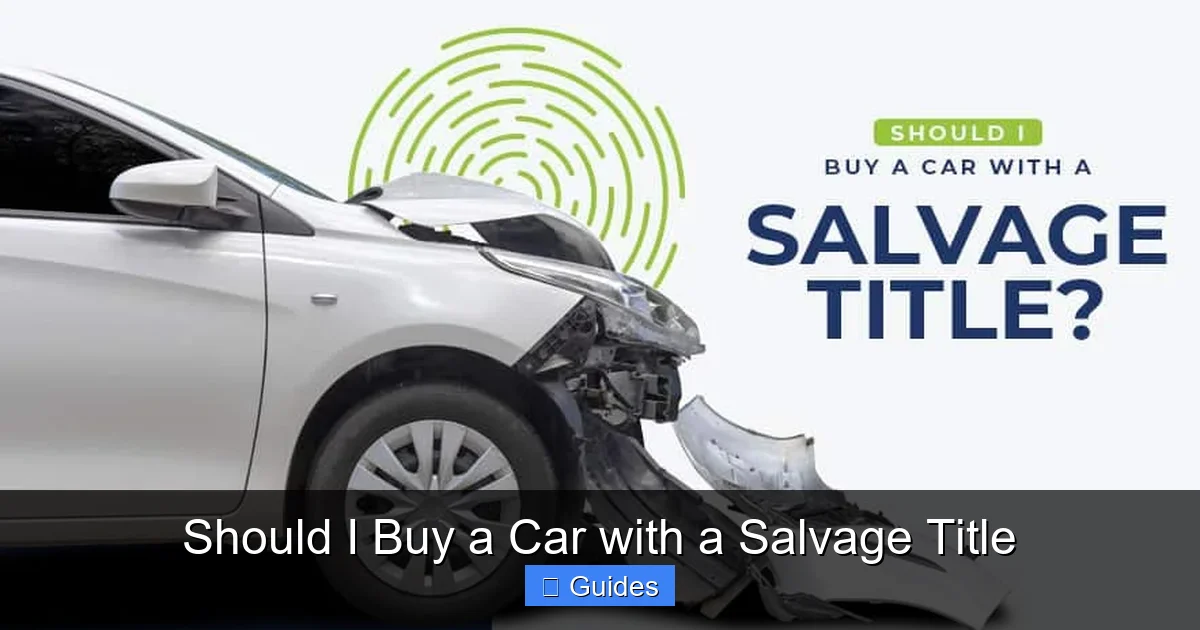
This is the most common type. It means the car was damaged in an accident, flood, fire, or other incident and deemed not worth repairing at the time. The car may still be drivable, but it hasn’t been inspected or approved for road use after repairs.
Visual guide about Should I Buy a Car with a Salvage Title
Image source: rategenius.com
Rebuilt Title
If a salvage vehicle is repaired and passes a state inspection, it can be rebranded with a “rebuilt” or “reconstructed” title. This means it’s been deemed safe to drive again. Rebuilt titles are generally less risky than standard salvage titles, but they still carry a stigma and lower resale value.
Flood-Damaged Title
Some states issue specific titles for flood-damaged vehicles. Water can cause hidden electrical problems, rust, and mold that may not show up for months or even years. These cars are often among the riskiest salvage purchases.
Theft Recovery Title
If a car was stolen and later recovered—especially if it was stripped or damaged during the theft—it may get a salvage title. These vehicles can be good buys if the damage was minimal and repairs were done properly.
It’s also important to know that salvage titles vary by state. Some states have stricter rules about how damaged a car must be to earn a salvage title. For example, in California, a car is declared salvage if repair costs exceed 75% of its value. In other states, the threshold is lower—sometimes as little as 50%. This means a car with a salvage title in one state might not have been considered a total loss elsewhere.
Why Do Cars Get Salvage Titles?
Now that you know what a salvage title is, let’s look at why cars end up with one. The reasons vary, but they all involve significant damage that makes the car too expensive or unsafe to repair—at least in the eyes of an insurance company.
Severe Accidents
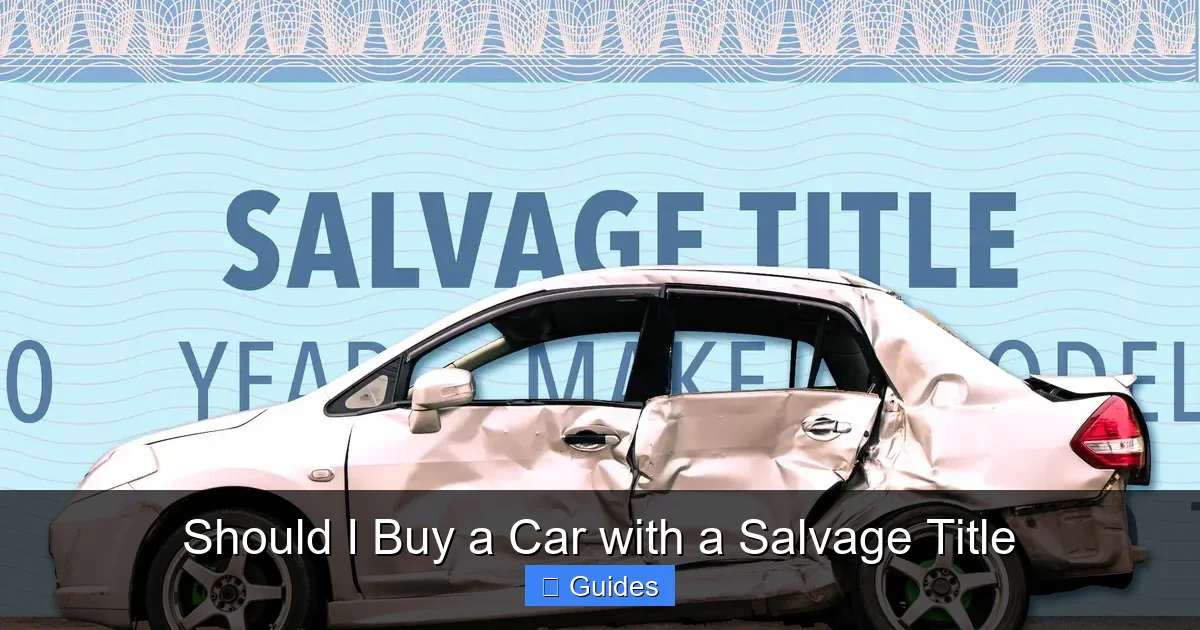
The most common cause of a salvage title is a major collision. If the frame is bent, airbags deployed, or critical components like the engine or transmission are damaged, repair costs can skyrocket. Even if the car could be fixed, insurers often decide it’s cheaper to write it off and pay the claim.
Visual guide about Should I Buy a Car with a Salvage Title
Image source: tslins.com
Flood or Water Damage
Floods are a major culprit, especially in hurricane-prone areas. Water can seep into electrical systems, ruin the interior, and cause long-term corrosion. Even if the car starts and drives, hidden damage can lead to electrical failures, mold, or brake issues down the road.
Fire Damage
Fires can destroy wiring, melt interior components, and weaken structural parts. Even small fires can cause extensive damage if they reach the engine bay or cabin. Cars with fire damage often have salvage titles, and repairs can be costly and incomplete.
Theft and Vandalism
When a car is stolen and later recovered, it may have been stripped for parts or damaged during the theft. Insurance companies may declare it a total loss if the cost of replacing missing parts exceeds the car’s value.
Hail or Storm Damage
In some cases, severe hail or storm damage can total a car—especially if it’s an older model with a low market value. While the mechanical systems might be fine, the body damage can be so extensive that repairs aren’t cost-effective.
Understanding the cause of the salvage title is crucial. A car damaged in a minor fender bender that was over-repaired might be a better buy than one that survived a head-on collision. Always ask for the vehicle history report (like Carfax or AutoCheck) to see the exact reason for the salvage title.
Pros and Cons of Buying a Salvage Title Car
Like any major purchase, buying a salvage title car comes with trade-offs. Let’s break down the advantages and disadvantages so you can make an informed decision.
Pros
- Lower Purchase Price: This is the biggest draw. Salvage title cars can cost 20–40% less than similar models with clean titles. If you’re on a tight budget, this discount can make a big difference.
- Great for Project Cars: If you enjoy working on cars, a salvage title vehicle can be a fun and affordable project. You can learn mechanics, customize the ride, and potentially increase its value with quality repairs.
- Parts and Rebuilds: Some salvage cars are sold for parts, but if you find one that’s repairable, you might get a solid vehicle for a fraction of the cost. Just make sure the repairs are done right.
- Less Depreciation: Since salvage cars already have low resale value, they don’t lose much more over time. This can be a plus if you plan to keep the car for years.
Cons
- Insurance Challenges: Many insurance companies won’t cover salvage title cars, or they’ll only offer liability coverage—no comprehensive or collision. This can leave you exposed in case of another accident.
- Difficulty Getting Financed: Most banks and lenders won’t finance a salvage title car. You’ll likely need to pay cash or find a specialized lender, which can be hard to come by.
- Safety Concerns: If the car wasn’t repaired properly, structural integrity could be compromised. This increases the risk of injury in a future crash.
- Resale Value is Low: Few buyers want a salvage title car, so selling it later will be tough. You might have to sell it for much less than you paid—or keep it indefinitely.
- Hidden Damage: Even if the car looks good, there could be electrical issues, frame damage, or rust that isn’t visible. These problems can be expensive to fix.
- Registration and Inspection Hurdles: Some states require a rebuilt title and rigorous inspection before you can register a salvage car. This process can be time-consuming and costly.
The key is to weigh these factors against your personal situation. If you’re buying a car to flip, use as a project, or drive occasionally, a salvage title might work. But if you need a reliable daily driver, the risks may outweigh the savings.
How to Safely Buy a Salvage Title Car
If you’ve decided to move forward, don’t rush in. Buying a salvage title car requires extra caution. Here’s how to do it safely.
1. Get a Vehicle History Report
Start with a detailed report from Carfax, AutoCheck, or the National Motor Vehicle Title Information System (NMVTIS). This will show you the car’s accident history, title status, odometer readings, and whether it was ever declared salvage. Look for red flags like flood damage or multiple owners in a short time.
Visual guide about Should I Buy a Car with a Salvage Title
Image source: images.cars.com
2. Have It Inspected by a Mechanic
This is non-negotiable. Hire a trusted, independent mechanic—preferably one experienced with salvage vehicles—to do a thorough inspection. They should check the frame, suspension, electrical systems, and signs of water damage. If the car has a rebuilt title, ask for documentation of the repairs.
3. Research State Laws
Each state has different rules for salvage titles. Some require a rebuilt title and inspection before registration. Others allow you to register a standard salvage title but limit insurance options. Check your state’s DMV website to understand the requirements.
4. Test Drive It
Take the car for a test drive on different road types—highways, hills, and city streets. Listen for unusual noises, check the brakes, and make sure all lights and electronics work. A test drive can reveal issues that don’t show up in a static inspection.
5. Negotiate the Price
Even if the car is already discounted, you may be able to negotiate further—especially if the inspection reveals problems. Use the findings to justify a lower offer.
6. Consider the Long-Term Costs
Add up potential expenses: repairs, insurance, registration, and future resale value. Make sure the total cost still makes sense compared to buying a clean-title car.
7. Buy from a Reputable Source
Avoid private sellers with vague stories. Look for dealerships or rebuilders with good reviews and transparent histories. Some salvage auctions sell cars directly, but these can be risky if you’re not experienced.
Insurance and Registration: What You Need to Know
One of the biggest hurdles with salvage title cars is getting them insured and registered. Here’s what to expect.
Insurance Challenges
Most standard auto insurers won’t cover salvage title cars for full coverage. They may offer liability-only policies, which meet legal requirements but won’t pay for damage to your car. Some specialty insurers do cover salvage vehicles, but premiums can be high, and coverage limited.
Rebuilt Title Requirements
If the car has a rebuilt title, you’ll need to pass a state inspection before registering it. This usually involves verifying the repairs, checking safety systems, and ensuring the vehicle meets roadworthiness standards. The process varies by state but often requires paperwork, photos, and an inspection fee.
Registration Fees and Restrictions
Some states charge higher registration fees for salvage or rebuilt titles. Others restrict where you can drive the car or require special plates. Make sure you understand these rules before buying.
Financing Options
Traditional auto loans are rare for salvage title cars. If you need financing, look for credit unions or lenders that specialize in non-standard vehicles. Be prepared for higher interest rates and shorter loan terms.
Real-Life Examples: When It Worked (and When It Didn’t)
Let’s look at a couple of real-world scenarios to see how salvage title purchases can play out.
Success Story: The DIY Enthusiast
Mark, a mechanic in Texas, bought a 2015 Honda Civic with a salvage title for $4,000. The car had been in a front-end collision, but the frame was straight and the engine was fine. Mark spent $2,000 on parts and labor to replace the bumper, headlights, and airbags. He now drives it daily and estimates it’s worth $8,000 in clean condition. For him, the salvage title was a smart investment.
Cautionary Tale: The Flood-Damaged SUV
Sarah bought a 2012 Ford Explorer with a salvage title for $6,000, thinking she’d found a bargain. The seller said it had minor flood damage. Six months later, the electrical system started failing—windows wouldn’t roll down, the radio cut out, and the check engine light stayed on. A mechanic diagnosed extensive corrosion from water damage. Repairs would cost over $3,000. Sarah ended up selling the car for $2,000.
These stories show that outcomes vary widely. Success depends on the type of damage, quality of repairs, and your ability to assess risk.
Final Verdict: Is It Worth It?
So, should you buy a car with a salvage title?
The short answer: it depends.
If you’re a savvy buyer who’s done their homework, a salvage title car can be a great deal—especially if you’re looking for a project, a second car, or a budget-friendly option. The lower price tag is tempting, and with proper repairs, some salvage vehicles run just as well as clean-title cars.
But if you need a reliable daily driver, plan to finance the car, or want to sell it in a few years, a salvage title might not be worth the hassle. The insurance and registration challenges, combined with lower resale value and potential safety risks, can outweigh the initial savings.
Ultimately, the decision comes down to your goals, budget, and tolerance for risk. If you do decide to buy, take every precaution: get a history report, hire a mechanic, and understand your state’s laws. With the right approach, a salvage title car can be a smart purchase. But skip the shortcuts, and you might end up paying more in the long run.
Conclusion
Buying a car with a salvage title isn’t for everyone—but it’s not automatically a bad idea, either. These vehicles come with real risks, from hidden damage to insurance headaches, but they also offer significant savings and opportunities for the right buyer.
The key is to go in with your eyes wide open. Don’t let the low price blind you to potential problems. Do your research, get a professional inspection, and consider the long-term costs. If the car checks out and fits your needs, a salvage title might just be the bargain you’ve been looking for.
Remember: a salvage title tells a story, but it doesn’t have to be the end of the road. With care and caution, that story could have a happy ending.
Frequently Asked Questions
Can I insure a car with a salvage title?
It depends on the insurer and the type of coverage. Many companies offer only liability insurance for salvage title cars, not comprehensive or collision. Some specialty insurers may provide full coverage, but it can be expensive.
Can I finance a salvage title car?
Most traditional lenders won’t finance salvage title vehicles. You may need to pay cash or find a credit union or online lender that specializes in non-standard auto loans.
Is a rebuilt title better than a salvage title?
Yes, a rebuilt title means the car has been repaired and passed a state inspection. It’s generally safer and easier to insure and register than a standard salvage title.
How much cheaper are salvage title cars?
Salvage title cars typically cost 20–40% less than similar models with clean titles, depending on the extent of the damage and the vehicle’s age and condition.
Can I sell a car with a salvage title?
Yes, but it will be harder to find a buyer, and the resale value will be much lower. Most buyers prefer clean-title vehicles, so you may need to sell privately or to a dealer at a steep discount.
Are salvage title cars safe to drive?
It depends on the quality of the repairs. If the car was properly rebuilt and inspected, it can be safe. But if structural or electrical damage was poorly addressed, it could pose serious safety risks.

At CarLegit, we believe information should be clear, factual, and genuinely helpful. That’s why every guide, review, and update on our website is created with care, research, and a strong focus on user experience.