
Wondering if your child can ride in an Uber without a car seat? The short answer: it depends on age, local laws, and Uber’s policies. While Uber allows children to ride, safety experts strongly recommend using a proper car seat or booster seat for all young passengers to prevent injury.
In This Article
- 1 Key Takeaways
- 2 📑 Table of Contents
- 3 Can My Child Ride in Uber Without Car Seat? The Truth Parents Need to Know
- 4 Understanding Uber’s Official Policy on Child Passengers
- 5 Legal Requirements: What the Law Says About Car Seats in Ride-Share Vehicles
- 6 Safety First: Why Car Seats Matter in Ride-Share Vehicles
- 7 Practical Tips for Traveling with Kids in Uber
- 8 Alternatives to Uber for Safer Child Transportation
- 9 Final Thoughts: Safety Should Never Be Optional
- 10 Frequently Asked Questions
- 10.1 Can my 2-year-old ride in Uber without a car seat?
- 10.2 Does Uber provide car seats for children?
- 10.3 What happens if I get pulled over with my child unrestrained in an Uber?
- 10.4 Can I use a booster seat in an Uber?
- 10.5 Are Uber drivers allowed to refuse a ride with a child?
- 10.6 Is it safe to use a second-hand car seat in an Uber?
Key Takeaways
- Uber’s official policy allows children to ride, but drivers are not required to provide car seats. Parents must bring their own if needed.
- Most states in the U.S. require car seats or booster seats for children under a certain age, height, or weight. Failing to comply can result in fines or legal penalties.
- Children under 13 should always ride in the back seat, preferably with a properly installed restraint system. This reduces injury risk in a crash.
- Uber offers an optional “Uber Car Seat” feature in select cities, but availability is limited. You must request it in advance.
- Using a car seat in an Uber is just as important as in your personal vehicle. Ride-share vehicles are not exempt from child passenger safety standards.
- Always double-check local laws before your trip. Regulations vary widely by state, city, and country.
- Consider alternatives like taxis with car seats or family-friendly ride services if safety is a top concern. Planning ahead ensures peace of mind.
📑 Table of Contents
- Can My Child Ride in Uber Without Car Seat? The Truth Parents Need to Know
- Understanding Uber’s Official Policy on Child Passengers
- Legal Requirements: What the Law Says About Car Seats in Ride-Share Vehicles
- Safety First: Why Car Seats Matter in Ride-Share Vehicles
- Practical Tips for Traveling with Kids in Uber
- Alternatives to Uber for Safer Child Transportation
- Final Thoughts: Safety Should Never Be Optional
Can My Child Ride in Uber Without Car Seat? The Truth Parents Need to Know
If you’ve ever found yourself rushing to the airport, heading to a doctor’s appointment, or simply needing a quick ride across town, you’ve probably considered using Uber. But when kids are involved, the question quickly shifts from convenience to safety: Can my child ride in Uber without a car seat?
It’s a common dilemma for modern parents. You want to get where you’re going fast, but you also don’t want to compromise your child’s safety. The good news? Uber does allow children to ride in their vehicles. The tricky part? Whether or not you should let them ride without a car seat is a whole different story.
Unlike school buses or public transportation, ride-share services like Uber operate under different rules. Drivers are independent contractors, not employees, and they’re not required to provide car seats. That means the responsibility falls squarely on you—the parent or guardian—to ensure your child is safely secured during the ride.
In this guide, we’ll break down everything you need to know about transporting children in Uber vehicles. From legal requirements and safety guidelines to practical tips and alternatives, we’ll help you make informed decisions that keep your little ones safe—without sacrificing convenience.
Understanding Uber’s Official Policy on Child Passengers
Visual guide about Can My Child Ride in Uber Without Car Seat
Image source: journeybycar.com
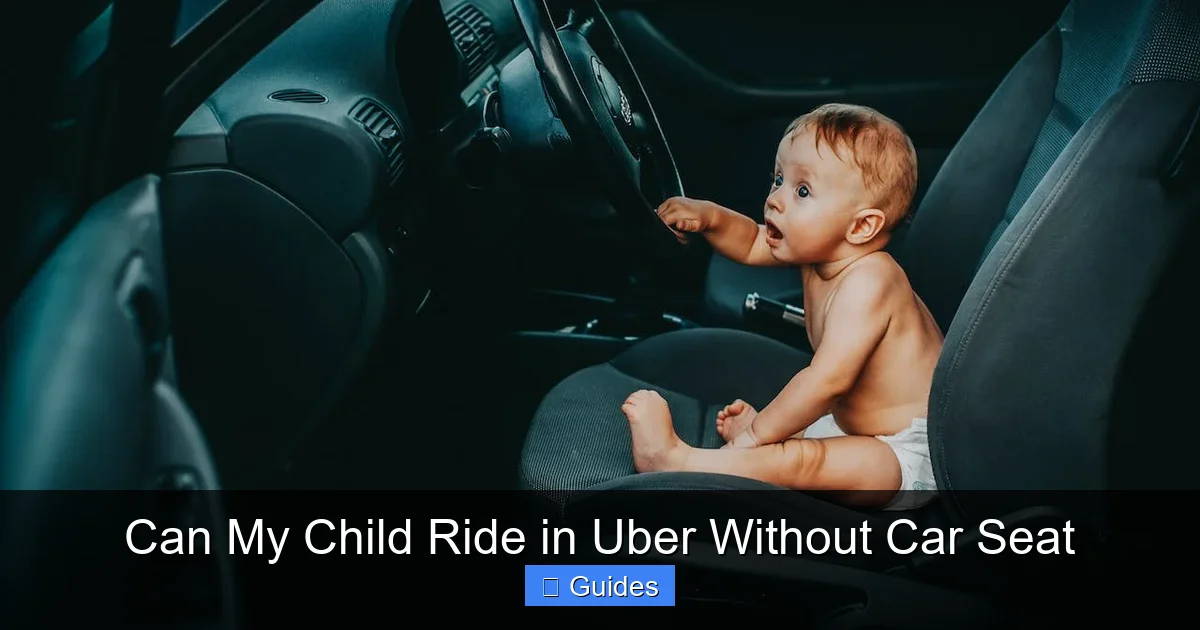
So, what does Uber actually say about kids riding in their cars? According to Uber’s official guidelines, children of all ages are allowed to ride in Uber vehicles. However, there’s a big caveat: drivers are not required to provide car seats or booster seats. That means if your child needs a car seat, you’ll need to bring your own.
Uber’s policy is designed to accommodate a wide range of passengers, including families. But because drivers use their personal vehicles, they can’t be expected to stock car seats for every possible age and size of child. This makes sense from a logistical standpoint, but it places the burden of safety on the rider.
One exception to this rule is Uber’s “Uber Car Seat” option, which is available in select cities like New York, Chicago, and Los Angeles. When you request an Uber Car Seat ride, the driver arrives with a federally approved car seat installed and ready to use. This service is ideal for parents who don’t want to carry a bulky seat around or who are traveling without their own.
However, availability is limited, and you must request the car seat at the time of booking. It’s also important to note that Uber Car Seat rides may cost more than standard rides, and not all drivers participate in the program. So while it’s a helpful option, it’s not a guaranteed solution.
What Happens If You Don’t Bring a Car Seat?
If you choose to ride with your child without a car seat, the driver may still accept the ride—especially if the child is older or appears to be securely buckled in a seatbelt. But this doesn’t mean it’s safe or legal.
In many states, riding without a proper restraint system is a violation of child passenger safety laws. Even if the driver doesn’t say anything, you could still face fines or penalties if pulled over by law enforcement. And more importantly, your child is at a much higher risk of injury in the event of a crash.
Tips for Using Uber with Kids
To make the process smoother, here are a few practical tips:
- Always bring your own car seat or booster seat if your child requires one. Compact, travel-friendly models are available and easy to carry.
- Install the seat correctly before the ride begins. If you’re unsure, ask the driver to wait while you secure it—most will be understanding.
- Communicate with your driver in advance. Use the in-app messaging feature to let them know you’ll need extra time to install the seat.
- Check for Uber Car Seat availability in your area before relying on it. Don’t assume it will be there when you need it.
Visual guide about Can My Child Ride in Uber Without Car Seat
Image source: i.pinimg.com
Now that we’ve covered Uber’s policy, let’s talk about the law. This is where things get complicated—because child passenger safety laws vary significantly from state to state.
In the United States, every state has its own regulations regarding car seat use. Most require children to be in a car seat or booster seat until they reach a certain age, height, or weight. For example:
- California: Children under 8 years old or under 4’9” tall must be secured in a car seat or booster seat in the back seat.
- Texas: Children under 8 years old (unless they are 4’9” or taller) must be in a child safety seat.
- New York: Children under 4 must be in a car seat; children between 4 and 8 must be in a booster seat.
- Florida: Children under 5 must be in a federally approved child restraint device.
These laws apply to all vehicles on the road—including taxis, ride-shares, and private cars. There are no exemptions for Uber or Lyft. So even though Uber doesn’t provide car seats, you’re still legally required to use one if your child meets the criteria.
What About International Travel?
If you’re traveling abroad, the rules can be even more confusing. In countries like Canada, the UK, and Australia, child car seat laws are strict and often more comprehensive than in the U.S. For example:
- Canada: Children under 4 years old must be in a rear-facing car seat; children under 8 or under 4’9” must be in a forward-facing seat or booster.
- United Kingdom: Children under 12 or under 135 cm (about 4’5”) must use an appropriate child restraint.
- Australia: Children under 7 must be in a car seat or booster, with specific requirements based on age and height.
If you’re using Uber in another country, make sure to research local laws ahead of time. Some countries even require that car seats be installed by certified technicians—something that’s nearly impossible in a ride-share vehicle.
Consequences of Breaking the Law
Failing to comply with child passenger safety laws can result in more than just a slap on the wrist. Penalties may include:
- Fines ranging from $50 to $500 or more, depending on the state or country.
- Points added to your driving record (in some jurisdictions).
- Increased insurance premiums.
- In extreme cases, child protective services involvement if the child is deemed to be in danger.
Even if you don’t get caught, the real risk is to your child’s safety. According to the National Highway Traffic Safety Administration (NHTSA), car seats reduce the risk of fatal injury by 71% for infants and 54% for toddlers. That’s a statistic no parent should ignore.
Visual guide about Can My Child Ride in Uber Without Car Seat
Image source: i2.wp.com
You might be thinking, “It’s just a short ride—do I really need a car seat?” The answer is a resounding yes.
Car seats are not just about comfort or convenience—they’re about survival. In the event of a crash, an unrestrained child can be thrown around the vehicle with tremendous force. Even at low speeds, the impact can cause serious injury or death.
How Car Seats Protect Children
Car seats are designed to:
- Distribute crash forces across the strongest parts of a child’s body (the shoulders and hips).
- Prevent ejection from the vehicle, which is one of the leading causes of fatal injuries.
- Support the head and neck, especially in infants and toddlers whose muscles are still developing.
- Keep the child properly positioned so the seatbelt fits correctly as they grow.
Without a car seat, a child is essentially riding unrestrained—even if they’re buckled into a seatbelt. Standard seatbelts are designed for adults, not small children. If a crash occurs, the belt could ride up over the child’s abdomen or neck, causing internal injuries or strangulation.
Real-Life Examples of Why It Matters
Consider this scenario: A family takes an Uber to the pediatrician’s office. The 3-year-old is buckled into the back seat with a regular seatbelt. On the way home, the Uber is rear-ended at a red light. The impact is minor, but the child is thrown forward, hitting the seat in front. The seatbelt cuts into their neck, causing bruising and a minor concussion.
Now imagine the same scenario with a properly installed forward-facing car seat. The harness distributes the force across the chest and shoulders, the head is supported by the seat’s high back, and the child remains securely in place. The outcome? Likely no injury at all.
This isn’t fear-mongering—it’s reality. According to the CDC, motor vehicle crashes are a leading cause of death among children in the U.S. And in 2021, 36% of children under 13 who died in crashes were unrestrained.
What About Older Kids?
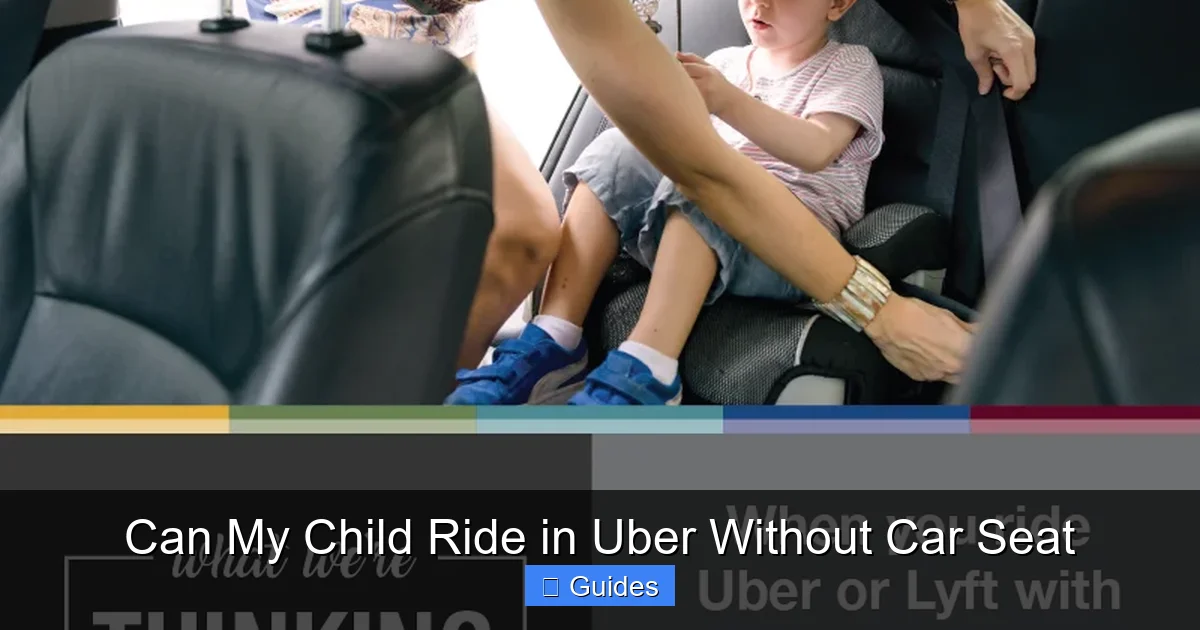
Even children who have “graduated” from a car seat may still need a booster seat. Most kids aren’t ready for a regular seatbelt until they’re at least 4’9” tall and between 8 and 12 years old. Until then, a booster seat helps position the seatbelt correctly over the lap and shoulder.
Skipping the booster seat might seem harmless, but it’s not. A seatbelt that rides up on the stomach can cause serious internal injuries in a crash. And a shoulder belt that crosses the neck can lead to spinal damage.
Practical Tips for Traveling with Kids in Uber
Now that we’ve established the importance of car seats, let’s talk about how to make it work in real life. Traveling with kids is already a challenge—adding a ride-share into the mix can feel overwhelming. But with a little planning, it’s totally doable.
1. Choose the Right Car Seat for Travel
Not all car seats are created equal—especially when it comes to portability. If you’re using Uber frequently, consider investing in a lightweight, compact model designed for travel. Look for features like:
- Easy installation (LATCH system or seatbelt routing).
- Compact fold or carry bag for easy transport.
- FAA approval if you plan to fly (many travel car seats double as airplane seats).
Popular travel-friendly options include the Cosco Scenera Next, the Chicco Fit2, and the Graco 4Ever DLX. These models are lightweight, affordable, and meet federal safety standards.
2. Install the Seat Before the Ride
Don’t wait until you’re in the car to install the seat. Practice at home so you can do it quickly and correctly. The NHTSA recommends the “inch test”: after installation, you shouldn’t be able to move the seat more than one inch side-to-side or front-to-back.
If you’re unsure, use the free car seat inspection stations offered by many fire departments, hospitals, and police stations. They’ll check your installation and offer tips for improvement.
3. Communicate with Your Driver
Use Uber’s in-app messaging to let your driver know you’ll need a few extra minutes to install the car seat. Most drivers are parents themselves and will understand. If they seem impatient, politely explain that it’s for your child’s safety.
You can also add a note in the ride request, such as: “Traveling with a toddler—will need 5 minutes to install car seat. Thank you!”
4. Keep Essentials Handy
Traveling with kids means packing more than just diapers and snacks. Keep a small bag with:
- Car seat manual (in case you forget installation steps).
- Blanket or jacket (for comfort and warmth).
- Toys or books (to keep your child occupied during the ride).
- Snacks and water (especially for longer trips).
5. Consider Alternatives When Needed
If you’re traveling with multiple kids or don’t have access to a car seat, consider other options:
- Family-friendly taxi services that provide car seats (available in some cities).
- Rental cars with built-in car seats (often available through companies like Hertz or Enterprise).
- Public transportation with stroller access (if your child is old enough to walk or ride in a stroller).
- Walking or biking for short distances (great for exercise and the environment).
Alternatives to Uber for Safer Child Transportation
While Uber is convenient, it’s not always the safest or most practical option for families with young children. If safety is your top priority, consider these alternatives:
In addition to Uber Car Seat, some cities offer specialized ride services for families:
- Lyft Car Seat: Available in select markets, similar to Uber’s offering.
- HopSkipDrive: A ride service designed specifically for kids, with background-checked caregivers and car seats provided.
- Kango: Another child-focused ride service with safety-trained drivers and car seats.
These services are more expensive than standard Uber rides, but they offer peace of mind for parents.
2. Taxis with Car Seats
Some traditional taxi companies offer car seats upon request. Call ahead to confirm availability and pricing. This can be a good middle ground between convenience and safety.
3. Family and Friends
When possible, ask a trusted friend or family member for a ride. They’re more likely to have a car seat and understand your child’s needs.
4. Public Transit with Stroller Access
For older toddlers and preschoolers, public transportation can be a safe and affordable option—especially if your child can walk or ride in a stroller. Many buses and trains are equipped with stroller ramps and securement areas.
Final Thoughts: Safety Should Never Be Optional
So, can your child ride in Uber without a car seat? Technically, yes—but should they? Absolutely not.
While Uber’s policies allow children to ride, the responsibility for their safety lies with you. Car seats save lives, and there’s no excuse for skipping them—even on short trips. Whether you’re heading to the grocery store or catching a flight, taking the time to secure your child properly is one of the most important things you can do as a parent.
Remember: laws vary by location, so always check local regulations before your trip. And when in doubt, err on the side of caution. A few extra minutes to install a car seat could make all the difference in an emergency.
By planning ahead, communicating with drivers, and choosing the right tools, you can enjoy the convenience of ride-share services without compromising your child’s safety. After all, peace of mind is priceless.
Frequently Asked Questions
Can my 2-year-old ride in Uber without a car seat?
No, a 2-year-old should always ride in a properly installed car seat. Most states require children under 4 or 5 to be in a car seat, and safety experts strongly recommend it regardless of local laws.
Does Uber provide car seats for children?
Uber does not require drivers to provide car seats, but the optional “Uber Car Seat” service is available in select cities. You must request it when booking, and availability is not guaranteed.
What happens if I get pulled over with my child unrestrained in an Uber?
You could be fined for violating child passenger safety laws. Law enforcement holds the parent or guardian responsible, not the Uber driver, for ensuring the child is properly secured.
Can I use a booster seat in an Uber?
Yes, you can and should use a booster seat if your child meets the height and weight requirements. Just make sure it’s properly installed and the seatbelt fits correctly across the lap and shoulder.
Are Uber drivers allowed to refuse a ride with a child?
Uber drivers cannot refuse a ride based on age, but they may decline if they feel unsafe or unprepared to transport a child without a car seat. It’s best to communicate your needs in advance.
Is it safe to use a second-hand car seat in an Uber?
It can be safe if the seat is less than 6–10 years old, has never been in a crash, and comes with the manual. Always check the manufacturer’s guidelines and ensure it meets current safety standards.

At CarLegit, we believe information should be clear, factual, and genuinely helpful. That’s why every guide, review, and update on our website is created with care, research, and a strong focus on user experience.