
Using dish soap to wash your car might seem convenient, but it can strip protective wax and damage paint over time. While it works in a pinch, dedicated car shampoos are designed to clean gently without harming your vehicle’s finish.
In This Article
- 1 Key Takeaways
- 2 📑 Table of Contents
- 3 Can You Use Dish Soap to Wash Your Car?
- 4 How Dish Soap Works—And Why It’s Not Ideal for Cars
- 5 When Is It Okay to Use Dish Soap?
- 6 Why Car Shampoos Are the Better Choice
- 7 Best Practices for Washing Your Car
- 8 Alternative Car Wash Solutions
- 9 Conclusion
- 10 Frequently Asked Questions
Key Takeaways
- Dish soap removes grease well but strips wax and sealants: It’s formulated for kitchen use, not automotive paint, and can leave your car vulnerable to UV damage and oxidation.
- Car shampoos are pH-balanced for paint safety: They clean effectively without disrupting the protective layers on your vehicle’s exterior.
- Frequent use of dish soap can dull your car’s shine: Over time, it may cause fading, water spots, and a lackluster appearance.
- It’s okay for occasional emergency washes: If you’re stranded and need a quick clean, a small amount of dish soap diluted in water won’t cause immediate harm.
- Always rinse thoroughly and reapply wax: If you do use dish soap, follow up with a thorough rinse and wax to restore protection.
- Use microfiber cloths and proper tools: Regardless of soap type, using the right washing tools prevents scratches and swirl marks.
- Consider waterless or rinse-free car wash products: These are safe, convenient alternatives when traditional washing isn’t possible.
📑 Table of Contents
Can You Use Dish Soap to Wash Your Car?
So, you’ve just come back from a muddy road trip, and your car is caked in dirt, bugs, and grime. You look around your garage and realize you’re out of car shampoo. But wait—there’s that bottle of dish soap sitting next to the sink. It’s sudsy, strong, and great at cutting through grease. Surely it can handle a dirty car, right?
It’s a common dilemma, and one that many car owners have faced at least once. The short answer? Yes, you *can* use dish soap to wash your car—but should you? That’s where things get a little more complicated. While dish soap is effective at removing dirt and oil, it’s not designed for automotive surfaces. Using it regularly can do more harm than good, especially to your car’s paint, wax, and protective coatings.
In this guide, we’ll dive deep into whether dish soap is a safe choice for washing your car. We’ll explore how it works, what risks it poses, and when it might be acceptable to use in a pinch. We’ll also look at better alternatives and best practices for keeping your vehicle clean and protected. Whether you’re a weekend detailer or just trying to keep your ride looking sharp, this article will give you the knowledge you need to make smart washing decisions.
How Dish Soap Works—And Why It’s Not Ideal for Cars
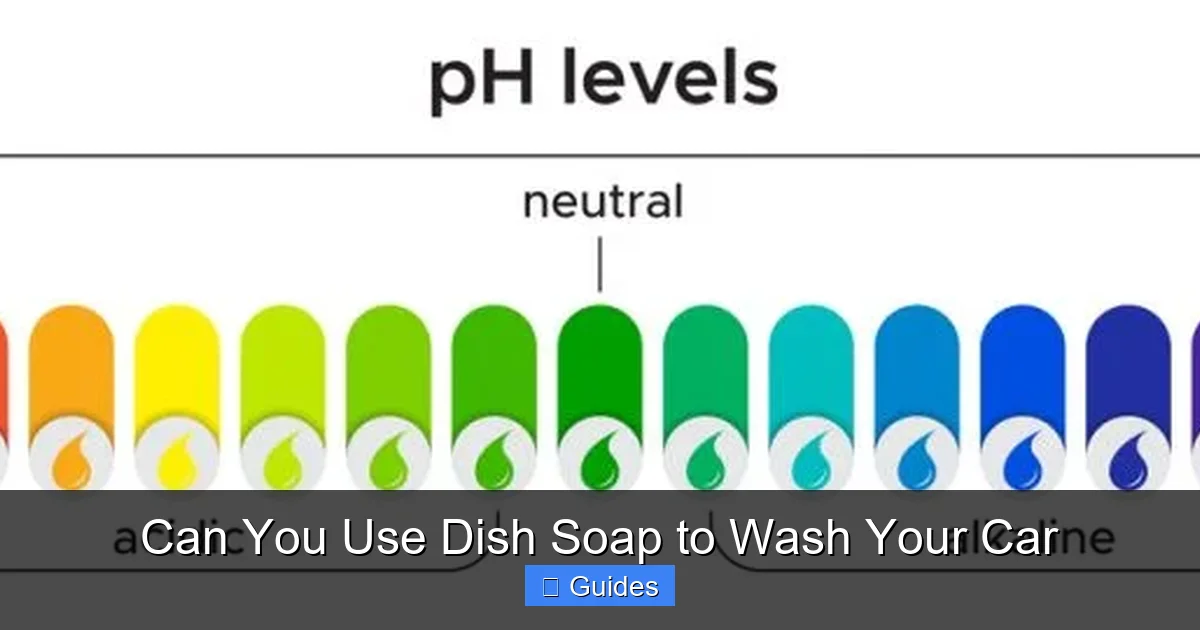
Visual guide about Can You Use Dish Soap to Wash Your Car
Image source: thevehiclelab.com
To understand why dish soap isn’t the best choice for washing your car, it helps to know how it works. Dish soap is specifically formulated to break down grease, oil, and food residue on dishes. It does this through powerful surfactants—chemical compounds that reduce surface tension and lift grime away from surfaces. These surfactants are highly effective, which is why a few drops can clean a greasy frying pan in seconds.
But here’s the problem: your car’s paint isn’t a frying pan. It’s a delicate surface covered in layers of wax, sealant, and sometimes ceramic coatings—all of which protect it from the elements. Dish soap’s strong cleaning agents don’t discriminate between dirt and these protective layers. When you wash your car with dish soap, it doesn’t just remove dirt—it strips away the wax and sealants that keep your paint shiny and safe.
Over time, this can lead to a dull, faded appearance. Without that protective barrier, your car becomes more vulnerable to UV rays, acid rain, bird droppings, and oxidation. Think of it like washing your face with laundry detergent—it might get rid of the dirt, but it’ll also dry out and irritate your skin. The same principle applies to your car’s finish.
The Science Behind Paint Protection
Modern car paint isn’t just a single layer of color. It’s a multi-stage system that typically includes a primer, base coat, and clear coat. The clear coat is the outermost layer and provides UV protection and gloss. On top of that, most car owners apply wax or sealant to enhance shine and add an extra layer of defense.
Wax, for example, is made from natural or synthetic compounds that bond to the clear coat. It repels water, reduces friction, and helps prevent contaminants from sticking. Sealants work similarly but are usually more durable. Both are essential for maintaining your car’s appearance and longevity.
Dish soap, however, is designed to break down oils and fats—exactly what wax and sealants are made of. When you wash your car with dish soap, you’re essentially dissolving the very things that protect it. This is why many car care experts compare using dish soap to washing your car with a degreaser. It’s overkill for the job and can cause long-term damage.
Real-World Consequences of Using Dish Soap
Let’s say you use dish soap once to clean your car after a particularly muddy drive. You rinse it off, dry it, and everything looks fine. So what’s the big deal? The issue isn’t necessarily the one-time use—it’s the cumulative effect.
If you make a habit of using dish soap, you’ll likely notice changes over time. Your car might start to look dull, especially in direct sunlight. Water may no longer bead up on the surface, indicating that the hydrophobic wax layer is gone. You might also see more swirl marks and fine scratches, as the lack of lubrication from wax makes the paint more susceptible to abrasion during washing.
In extreme cases, prolonged use of harsh detergents like dish soap can lead to oxidation—a chalky, faded appearance caused by UV damage and chemical breakdown of the paint. Once oxidation sets in, it’s difficult to reverse without professional polishing or repainting.
So while dish soap might seem like a quick fix, it can end up costing you more in the long run—both in terms of appearance and potential repair costs.
When Is It Okay to Use Dish Soap?
Visual guide about Can You Use Dish Soap to Wash Your Car
Image source: s3.amazonaws.com
Now, before you panic and throw out every bottle of Dawn in your house, let’s be clear: using dish soap *occasionally* isn’t going to ruin your car overnight. In fact, there are a few situations where it might be acceptable—or even necessary.
Emergency Situations
Imagine you’re on a long road trip, your car is covered in bugs and road grime, and you’re miles from the nearest car wash. You’ve got a bottle of dish soap in your travel kit. In this case, using a small amount of dish soap diluted in water is better than leaving dirt to bake on in the sun.
The key here is moderation. Use only a few drops per gallon of water—just enough to create light suds. Avoid scrubbing too hard, and rinse thoroughly to remove all soap residue. Once you’re back home, follow up with a proper car wash using a pH-neutral shampoo and reapply wax to restore protection.
Cleaning Specific Areas
Dish soap can also be useful for cleaning certain parts of your car that aren’t painted. For example, it’s great for degreasing engine bays, cleaning wheels (especially if they’re coated in brake dust), or removing stubborn tar and sap from the lower panels.
In these cases, you’re not washing the entire car—just targeting specific, heavily soiled areas. Just be careful not to let the soapy water run onto painted surfaces, and always rinse thoroughly.
Pre-Wash Prep
Some detailers actually use a mild dish soap solution as a pre-wash step before a full wash. This helps loosen heavy dirt and grime, making the main wash more effective. Again, the key is dilution and careful application. Use it sparingly, and always follow up with a proper car shampoo.
So while dish soap isn’t ideal for regular car washing, it does have its place—especially when used wisely and in the right context.
Why Car Shampoos Are the Better Choice
Visual guide about Can You Use Dish Soap to Wash Your Car
Image source: i.pinimg.com
If dish soap isn’t the best option, what should you be using instead? The answer is simple: a dedicated car shampoo.
Car shampoos are specifically formulated to clean automotive paint without stripping wax or damaging clear coats. They’re pH-balanced, which means they’re gentle on surfaces while still being effective at removing dirt, dust, and light grime.
pH-Balanced Formulas
One of the biggest advantages of car shampoos is their pH level. Most are slightly alkaline or neutral, which matches the pH of automotive paint and clear coats. This prevents chemical reactions that could degrade the finish.
Dish soap, on the other hand, is often highly alkaline—sometimes with a pH of 9 or higher. This alkalinity helps it cut through grease, but it’s too harsh for regular use on car paint.
Conditioning Agents
Many car shampoos also contain conditioning agents like polymers, silicones, or waxes. These ingredients help lubricate the surface during washing, reducing the risk of swirl marks. They can also leave behind a light protective layer, enhancing shine and water beading.
Some premium shampoos even include UV inhibitors to help protect against sun damage. These added benefits make car shampoos a far superior choice for maintaining your vehicle’s appearance.
Foam and Lubrication
Another benefit of car shampoos is their ability to create rich, thick foam. This foam helps lift dirt away from the surface, allowing you to rinse it away without scrubbing. It also provides lubrication, which is essential when using wash mitts or sponges.
Dish soap, while sudsy, doesn’t offer the same level of lubrication. This increases the risk of scratching the paint, especially if you’re washing in direct sunlight or using a dirty wash tool.
Environmental Considerations
Many car shampoos are also designed to be eco-friendly. They’re often biodegradable and safe for use in areas with water runoff restrictions. Some brands even offer waterless or rinse-free formulas that minimize water usage—perfect for drought-prone regions or apartment dwellers without access to a hose.
Best Practices for Washing Your Car
Whether you’re using dish soap in a pinch or a high-quality car shampoo, how you wash your car matters just as much as what you use. Following best practices can help protect your paint and keep your car looking its best.
Wash in the Shade
Always wash your car in a shaded area, preferably early in the morning or late in the afternoon. Washing in direct sunlight can cause soap to dry too quickly, leaving behind water spots and residue. It also makes the paint hotter, increasing the risk of swirl marks.
Use the Two-Bucket Method
The two-bucket method is a simple but effective technique used by professional detailers. Fill one bucket with soapy water and the other with clean rinse water. After washing a section of the car, dip your wash mitt into the rinse bucket to remove dirt and debris before re-dipping into the soap. This prevents you from reintroducing grime to the paint.
Choose the Right Tools
Use a high-quality wash mitt or sponge made from microfiber or lambswool. These materials are soft and less likely to scratch the paint. Avoid using household sponges or dish brushes—they’re too abrasive.
Also, make sure your tools are clean. Rinse your mitt frequently and wash it after each use to prevent buildup of dirt and soap residue.
Rinse Thoroughly
After washing, rinse your car thoroughly with clean water. Pay special attention to crevices, wheel wells, and under the doors, where soap can hide and cause water spots or residue.
If you’re using a hose, use a nozzle with a fan spray setting to avoid high-pressure streams that could damage trim or force water into seals.
Dry with a Microfiber Towel
Never let your car air-dry. Water can leave mineral deposits, especially if you have hard water. Instead, use a clean, plush microfiber drying towel to gently blot and dry the surface.
Start from the top and work your way down, using a separate towel for the wheels and lower panels to avoid cross-contamination.
Reapply Wax or Sealant
After washing, consider applying a layer of wax or sealant to restore protection and enhance shine. This is especially important if you’ve used dish soap, as it will have stripped away existing protection.
For best results, use a spray wax for quick touch-ups or a traditional paste wax for longer-lasting protection.
Alternative Car Wash Solutions
If you’re looking for alternatives to both dish soap and traditional car shampoo, there are several options worth considering.
Waterless Car Wash Products
Waterless car wash sprays are a convenient option for quick cleanups. They’re formulated to lift dirt and grime without water, making them ideal for spot cleaning or use in areas with water restrictions.
Simply spray the product onto the surface, wipe with a microfiber towel, and buff to a shine. Look for products that contain lubricants and UV protectants.
Rinse-Free Car Wash
Rinse-free car wash solutions are similar to waterless products but are designed to be used with a small amount of water. You dilute the concentrate in a bucket, wash the car as usual, and rinse with minimal water—often just a quick spray.
These products are great for conserving water while still providing a thorough clean.
Foam Cannon Soap
If you have a pressure washer or foam cannon, consider using a foam soap specifically designed for cars. These soaps create thick, clingy foam that lifts dirt and makes washing easier.
They’re often more concentrated than regular shampoos, so a little goes a long way.
Conclusion
So, can you use dish soap to wash your car? Technically, yes—but it’s not recommended for regular use. While dish soap is great at cutting through grease and grime, it’s too harsh for automotive paint and can strip away essential protective layers like wax and sealant.
Over time, this can lead to a dull, faded appearance and increased vulnerability to environmental damage. For the best results, stick to a pH-balanced car shampoo designed to clean gently without harming your vehicle’s finish.
That said, there are times when dish soap might be acceptable—like in an emergency or for cleaning specific, non-painted areas. Just remember to use it sparingly, rinse thoroughly, and follow up with proper waxing.
Ultimately, taking care of your car’s exterior is about more than just cleanliness—it’s about preservation. By using the right products and techniques, you can keep your car looking great for years to come. So the next time you’re tempted to reach for that bottle of dish soap, think twice. Your car’s paint will thank you.
Frequently Asked Questions
Is it safe to use dish soap on car paint?
Dish soap can be used occasionally in emergencies, but it’s not safe for regular use. It strips wax and protective coatings, leaving your paint vulnerable to damage.
What happens if I use dish soap on my car too often?
Frequent use can cause dulling, fading, and oxidation. It may also increase the risk of swirl marks and water spots due to lack of lubrication.
Can I use Dawn dish soap to wash my car?
Dawn is effective at cutting grease, but it’s still too harsh for regular car washing. Use it only in small amounts and follow up with wax.
What’s the best alternative to dish soap for car washing?
Use a pH-balanced car shampoo designed for automotive paint. These clean effectively without stripping wax or damaging clear coats.
Can I use dish soap to clean my car’s wheels?
Yes, dish soap is safe for cleaning wheels, especially if they’re coated in brake dust. Just avoid letting it run onto painted surfaces.
How often should I wash my car?
Wash your car every two weeks or after exposure to salt, dirt, or bird droppings. Regular washing helps maintain paint and prevent damage.

At CarLegit, we believe information should be clear, factual, and genuinely helpful. That’s why every guide, review, and update on our website is created with care, research, and a strong focus on user experience.