
Yes, you can bring a car seat on a plane—but there are important rules and best practices to follow. Airlines allow FAA-approved car seats for children under 40 pounds, and you can use them during the flight if secured properly in a window seat. Planning ahead ensures a safer, smoother journey for your little one.
In This Article
- 1 Key Takeaways
- 2 📑 Table of Contents
- 3 Can You Bring a Car Seat on a Plane?
- 4 Understanding FAA Regulations for Car Seats on Planes
- 5 Airline Policies: What You Need to Know
- 6 Using a Car Seat During the Flight: Pros and Cons
- 7 Gate-Checking Your Car Seat: A Smart Alternative
- 8 Packing and Transporting Your Car Seat
- 9 International Travel: Special Considerations
- 10 Final Tips for a Smooth Flight with a Car Seat
- 11 Conclusion
- 12 Frequently Asked Questions
Key Takeaways
- Most airlines allow car seats on planes: As long as the car seat is FAA-approved and fits your child’s size, you can bring it onboard.
- Car seats must be used in window seats only: For safety reasons, car seats cannot be placed in aisle or middle seats during takeoff, landing, or turbulence.
- Check your car seat’s FAA approval: Look for a label that says “FAA Approved in Accordance with 14 CFR 21.8” or similar wording.
- You may need to purchase a separate seat: If you want your child to ride in the car seat during the flight, you must buy a ticket for them.
- Gate-checking is a safe alternative: If you don’t want to carry the car seat onboard, most airlines allow free gate-checking at the departure gate.
- Arrive early and pack smart: Allow extra time at the airport and consider using a car seat travel bag or cart for easier transport.
- International flights may have different rules: Always verify policies with your airline, especially when flying abroad.
📑 Table of Contents
- Can You Bring a Car Seat on a Plane?
- Understanding FAA Regulations for Car Seats on Planes
- Airline Policies: What You Need to Know
- Using a Car Seat During the Flight: Pros and Cons
- Gate-Checking Your Car Seat: A Smart Alternative
- Packing and Transporting Your Car Seat
- International Travel: Special Considerations
- Final Tips for a Smooth Flight with a Car Seat
- Conclusion
Can You Bring a Car Seat on a Plane?
Traveling with a baby or toddler can feel overwhelming—especially when you’re juggling strollers, diaper bags, and a car seat. One of the most common questions parents ask is: Can you bring a car seat on a plane? The short answer is yes—but it’s not as simple as just tossing it in your carry-on. There are specific rules, safety guidelines, and practical tips to keep in mind to make your journey as smooth as possible.
Whether you’re flying domestically or internationally, understanding airline policies and car seat regulations can save you stress, time, and even money. Some parents prefer to use their car seat during the flight for added safety and familiarity for their child. Others opt to gate-check it and use a lightweight travel system at their destination. Either way, knowing your options ahead of time helps you plan better and travel smarter.
In this guide, we’ll walk you through everything you need to know about bringing a car seat on a plane—from FAA regulations and airline policies to packing tips and real-life scenarios. By the end, you’ll feel confident and prepared to fly with your little one, whether they’re snug in their car seat or safely stowed away in cargo.
Understanding FAA Regulations for Car Seats on Planes
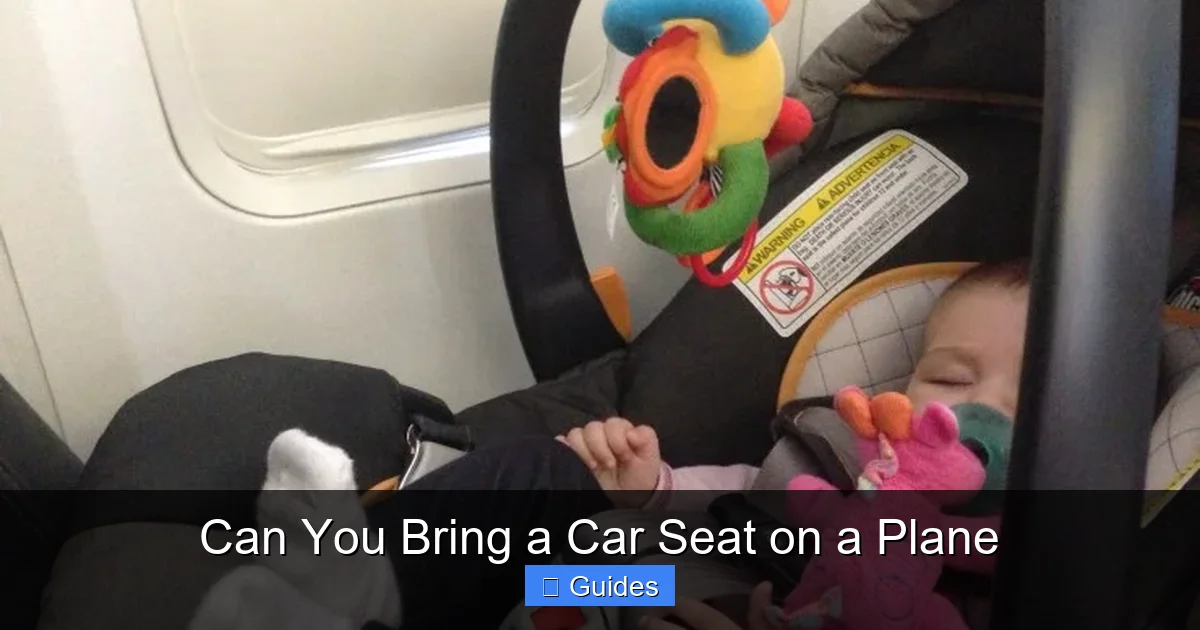
Visual guide about Can You Bring a Car Seat on a Plane
Image source: onedayinacity.com
When it comes to flying with a car seat, the Federal Aviation Administration (FAA) sets the standard for safety. The good news? The FAA encourages parents to use car seats on planes—especially for infants and young children. In fact, they recommend using an approved car seat for children under 40 pounds, as it provides better protection during turbulence or in the rare event of an emergency.
But not all car seats are created equal when it comes to air travel. To be allowed on a plane, your car seat must be FAA-approved. This means it must meet specific safety standards and be labeled accordingly. Look for a bright orange or black label on the side or bottom of the seat that reads something like:
“This restraint is certified for use in motor vehicles and aircraft.”
or
“FAA Approved in Accordance with 14 CFR 21.8.”
If your car seat doesn’t have this label, it’s not approved for use on a plane—even if it’s safe for car travel. This is a common mistake parents make. For example, some high-end European car seats are excellent for cars but aren’t certified for aircraft use. Always double-check the label before your trip.
Another key point: the FAA doesn’t require you to use a car seat on a plane. Children under 2 years old can technically fly on a parent’s lap (known as a “lap infant”), but this is not recommended for safety reasons. The FAA and pediatric experts strongly advise using a car seat whenever possible. In fact, studies show that car seats reduce the risk of injury during flight by up to 70% compared to lap seating.
So while it’s not mandatory, using a car seat is one of the safest choices you can make for your child during air travel. And if you do decide to bring one, make sure it’s FAA-approved and properly installed.
How to Identify an FAA-Approved Car Seat
Not sure if your car seat is approved for air travel? Here’s how to check:
– Look for a label on the side or bottom of the seat. It should clearly state that the seat is certified for use in aircraft.
– The label may include phrases like “FAA Approved,” “Certified for Aircraft Use,” or “Meets FMVSS 213 and FAA Requirements.”
– Avoid seats that only say “Not approved for aircraft use”—these cannot be used on planes, even if they’re safe in cars.
– If you can’t find a label or the wording is unclear, check the manufacturer’s website or contact customer service.
Popular brands like Graco, Chicco, Britax, and Evenflo typically offer FAA-approved models. For example, the Graco Extend2Fit and the Chicco KeyFit 30 both come with clear FAA certification labels and are widely used by traveling families.
Airline Policies: What You Need to Know
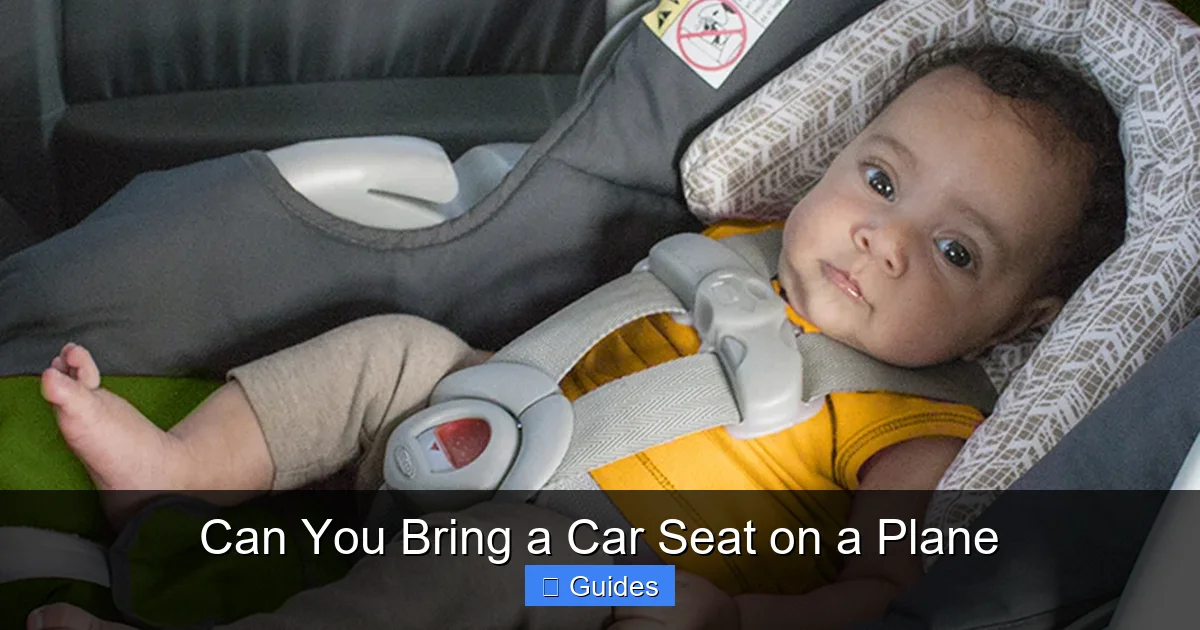
Visual guide about Can You Bring a Car Seat on a Plane
Image source: babycenter.com
While the FAA sets the safety standards, each airline has its own policies about car seats on planes. Most major U.S. carriers—including Delta, American, United, Southwest, and JetBlue—allow FAA-approved car seats on board, but the details can vary.
One of the most important rules across all airlines is that car seats must be used in window seats only. This is for safety reasons: in the event of an emergency evacuation, aisle and middle seats need to remain clear for quick exit. Placing a car seat in the window seat minimizes obstruction and keeps the aisle accessible.
Additionally, the car seat must fit within the aircraft seat dimensions. Most airplane seats are about 17 to 18 inches wide, so if your car seat is too wide, it may not fit properly—or it could make the seat uncomfortable for adjacent passengers. Some bulkier convertible or all-in-one seats may be too large, especially on smaller regional jets.
Another key point: if you want your child to ride in the car seat during the flight, you must purchase a separate ticket for them. Airlines do not allow lap infants to use a car seat unless a seat is paid for. This means you’ll be paying full fare (or a child fare, if available) for your toddler, but it also means they have their own space and safety restraint.
On the other hand, if you don’t want to buy an extra seat, you can still bring the car seat—but you’ll need to gate-check it. Most airlines allow free gate-checking of car seats, meaning you can wheel your child to the gate in their car seat (often attached to a stroller), then hand it over just before boarding. The seat will be stowed in the cargo hold and returned to you at the gate upon arrival.
Airline-Specific Examples
Let’s look at a few real-world examples:
– Delta Air Lines: Allows FAA-approved car seats in window seats. Gate-checking is free. Children under 2 can fly as lap infants, but using a car seat is encouraged.
– Southwest Airlines: Permits car seats in any seat (though window is still recommended). They also offer a “Family Boarding” option that lets families with young children board early.
– United Airlines: Requires car seats to be used in window seats only. Gate-checking is free, and they provide complimentary car seat travel bags.
– JetBlue: Allows car seats in window seats and offers free gate-checking. They also have a “Fly Baby” program with amenities for families.
Always check your airline’s website or call customer service before your trip. Policies can change, and international flights may have different rules.
Using a Car Seat During the Flight: Pros and Cons
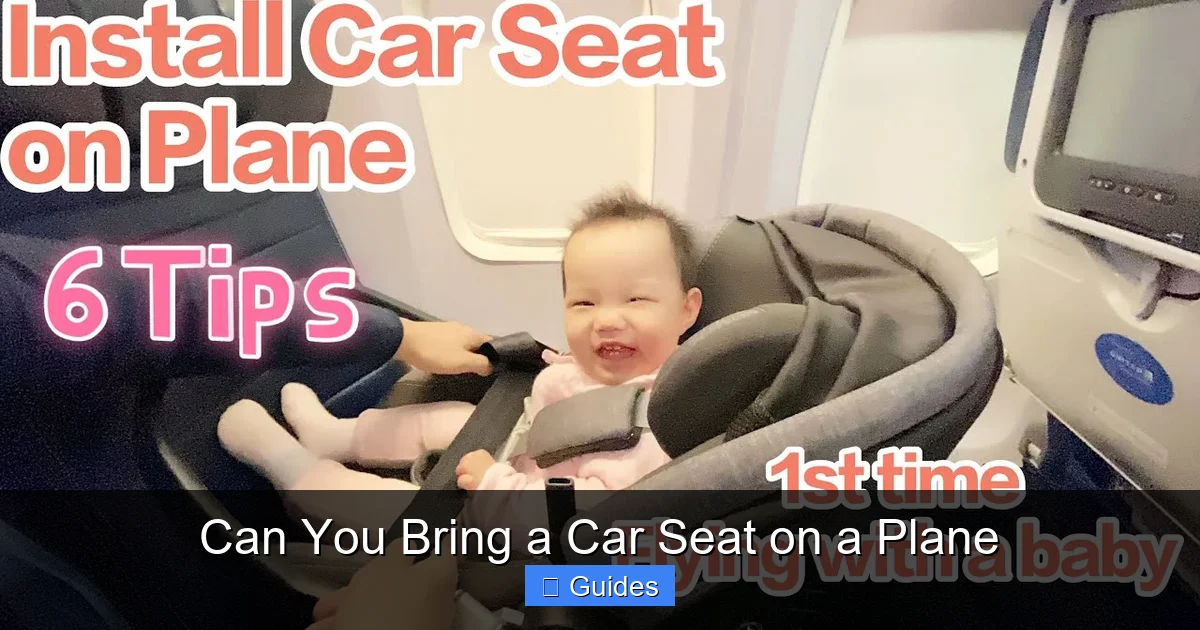
Visual guide about Can You Bring a Car Seat on a Plane
Image source: i.ytimg.com
Deciding whether to use your car seat during the flight is a personal choice, but it’s worth weighing the pros and cons.
Pros of Using a Car Seat Onboard
– Enhanced Safety: As mentioned, car seats provide superior protection during turbulence or emergencies. The FAA and AAP (American Academy of Pediatrics) both recommend using them.
– Familiarity for Your Child: Toddlers and babies often feel more secure in their car seat, which can reduce crying and restlessness during the flight.
– Better Sleep: Many children sleep more soundly in their car seat, especially on long flights. The familiar position and support can make napping easier.
– No Need for a Rental: If you’re traveling to a destination where you’ll need a car seat (like a rental car or taxi), using your own ensures consistency and safety.
Cons of Using a Car Seat Onboard
– Extra Cost: You’ll need to buy a separate ticket for your child, which can be expensive, especially on international flights.
– Space Constraints: Car seats take up room, and some may not fit comfortably in smaller aircraft seats. This can also inconvenience neighboring passengers.
– Carrying It Through the Airport: Transporting a car seat through security, onto the plane, and off again can be tiring. It’s heavy and bulky, even with a travel cart.
– Installation Challenges: Installing a car seat on a plane can be tricky, especially if the seatbelt is different from a car’s. Flight attendants can help, but it’s not always straightforward.
For many families, the safety benefits outweigh the drawbacks—especially on longer flights or when traveling with a newborn. But if your child is over 2 and you’re on a short domestic flight, gate-checking might be the more practical option.
Tips for Installing a Car Seat on a Plane
If you decide to use your car seat during the flight, here are some tips:
– Arrive early to allow time for installation.
– Bring the car seat’s manual—flight attendants may need to reference it.
– Use the airplane seatbelt to secure the car seat. Thread it through the correct path (usually marked in red or labeled “aircraft use”).
– Ensure the seat is tightly secured—there should be no more than one inch of movement at the belt path.
– Ask a flight attendant for help if you’re unsure. They’re trained to assist with car seat installation.
Gate-Checking Your Car Seat: A Smart Alternative
If you don’t want to deal with the hassle of carrying a car seat onboard, gate-checking is a great alternative. Most airlines allow you to check your car seat for free at the gate—meaning you can use it up until boarding, then hand it over just before you step onto the plane.
This option is especially helpful if:
– Your child is over 2 and doesn’t need their own seat.
– You’re traveling with a stroller and want to keep things lightweight.
– You’re on a short flight and don’t want to pay for an extra ticket.
When you gate-check your car seat, it will be tagged and loaded into the cargo hold. Upon arrival, it’s usually returned to you at the gate or baggage claim, depending on the airline. Some airlines, like United and Southwest, return it right at the jet bridge.
Protecting Your Car Seat During Gate-Check
Car seats can get damaged in the cargo hold, so it’s wise to protect them. Consider using a padded car seat travel bag. These bags shield the seat from dirt, scratches, and impact. Many are designed with wheels or backpack straps for easy transport.
Some popular options include:
– The J.L. Childress Ultimate Car Seat Travel Bag (fits most models and has backpack straps)
– The Gate Gripper Car Seat Carrier (a lightweight cart that attaches to your car seat)
– The Diono Car Seat Travel Bag (water-resistant and durable)
Even if your airline provides a complimentary bag (like United does), bringing your own ensures better protection.
What If Your Car Seat Gets Damaged?
While rare, car seat damage can happen. If your seat is cracked, broken, or shows signs of wear after a flight, do not use it. Contact the airline immediately and file a report. Most airlines have policies for damaged items, and you may be eligible for compensation or a replacement.
Always inspect your car seat before and after travel. If you notice any damage, discontinue use and consult the manufacturer.
Packing and Transporting Your Car Seat
Carrying a car seat through the airport doesn’t have to be a nightmare. With the right gear and planning, it can be manageable—even with a toddler in tow.
Use a Car Seat Travel Cart or Bag
A travel cart or bag with wheels can make a huge difference. These devices attach to your car seat and let you roll it like luggage. Some even double as stroller attachments.
For example, the Gate Gripper allows you to wheel your car seat through the terminal while keeping your hands free. The J.L. Childress bag has backpack straps, so you can wear it like a backpack while pushing a stroller.
Attach It to Your Stroller
Many infant car seats are compatible with stroller frames. If you have a travel system, you can snap the car seat into the stroller and wheel your baby through the airport. This is especially helpful during layovers or long walks to the gate.
Just remember: once you reach the gate, you’ll need to remove the car seat from the stroller before boarding. Most airlines won’t let you take the entire stroller-car seat combo down the jet bridge.
Pack Light and Smart
Bring only what you need. A lightweight diaper bag, snacks, and a favorite toy can keep your child calm. Avoid overpacking—every extra pound makes travel harder.
Also, consider wearing your baby in a carrier during security screening. This frees up your hands and makes the process faster. Just make sure the carrier is TSA-friendly (no metal parts or complicated buckles).
International Travel: Special Considerations
Flying internationally with a car seat adds another layer of complexity. While the FAA rules apply to U.S. flights, other countries may have different regulations.
For example:
– The European Union has its own car seat standards (ECE R44/04 or R129/i-Size). Some European-approved seats are not FAA-approved, and vice versa.
– Some countries require car seats for taxis or rental cars, so bringing your own can save money and ensure safety.
– Airlines operating international routes may have stricter policies or additional fees.
Always check with your airline and research your destination’s laws. If you’re renting a car abroad, confirm whether they provide car seats and what the safety standards are.
Example: Flying to Europe
If you’re flying from the U.S. to France, your FAA-approved car seat should be allowed on the plane—but you may need to verify with the airline. Once in France, you’ll need a car seat that meets EU standards for any car travel. Some rental companies offer EU-approved seats, but quality and availability vary. Bringing your own (if compatible) or purchasing one locally may be necessary.
Final Tips for a Smooth Flight with a Car Seat
To wrap things up, here are some final tips to make your journey as stress-free as possible:
– Check your car seat’s FAA approval label before you leave.
– Call your airline to confirm their car seat policy.
– Arrive at the airport early—extra time reduces stress.
– Use a travel bag or cart to make transporting easier.
– Pack snacks, toys, and comfort items for your child.
– Consider gate-checking if you don’t want to buy an extra seat.
– Inspect your car seat after the flight for damage.
Traveling with a car seat doesn’t have to be complicated. With a little preparation, you can keep your child safe, comfortable, and happy—whether they’re snoozing in their seat or exploring a new destination.
Conclusion
So, can you bring a car seat on a plane? Absolutely—and in many cases, you should. FAA-approved car seats are not only allowed but encouraged for the safety and comfort of your child. Whether you choose to use it during the flight or gate-check it for free, knowing the rules and planning ahead makes all the difference.
From understanding airline policies to packing smart and protecting your gear, this guide covers everything you need to know. Remember: safety comes first, but convenience matters too. Choose the option that works best for your family, your budget, and your travel style.
With the right preparation, flying with a car seat can be a breeze. Safe travels—and enjoy your adventure with your little one!
Frequently Asked Questions
Can I bring a car seat on a plane for free?
Yes, most airlines allow you to bring a car seat for free, whether you use it onboard or gate-check it. However, if you want your child to ride in the car seat during the flight, you must purchase a separate ticket.
Do all car seats work on airplanes?
No, only FAA-approved car seats are allowed on planes. Look for a label that says “FAA Approved” or “Certified for Aircraft Use.” If it’s not labeled, it cannot be used during the flight.
Can I put my car seat in any seat on the plane?
No, car seats must be placed in window seats only. This ensures the aisle remains clear for emergency evacuations and complies with airline safety rules.
What if my car seat doesn’t fit on the plane?
If your car seat is too wide or doesn’t fit securely, the flight crew may ask you to gate-check it. Most airplane seats are 17–18 inches wide, so bulky seats may not be suitable.
Can I use a European car seat on a U.S. flight?
Only if it has an FAA approval label. European-approved seats (ECE R44/04 or R129) are not automatically allowed on U.S. flights unless they also meet FAA standards.
Is it safer to use a car seat on a plane?
Yes, the FAA and pediatric experts agree that using a car seat is safer than holding a child on your lap, especially during turbulence or emergencies. It significantly reduces the risk of injury.

At CarLegit, we believe information should be clear, factual, and genuinely helpful. That’s why every guide, review, and update on our website is created with care, research, and a strong focus on user experience.