
If your car has been repossessed, you may be able to get it back—but timing and action matter. The process depends on your state laws, loan agreement, and whether you can reinstate the loan or redeem the vehicle. Acting fast, understanding your rights, and communicating with the lender can significantly improve your chances of recovery.
Losing your car to repossession is one of the most stressful financial experiences a person can go through. One day you’re driving to work, and the next, your vehicle is gone—towed from your driveway or parking lot without warning. It’s overwhelming, confusing, and deeply personal. But here’s the good news: in many cases, you can get your repossessed car back. The key is understanding how the process works and acting quickly.
Repossession happens when you fall behind on your auto loan payments and the lender exercises their right to take back the vehicle. This doesn’t mean the debt disappears—it just means the lender is trying to recover their asset. But repossession isn’t the end of the road. Depending on your situation, state laws, and the terms of your loan agreement, you may have options to reclaim your car. Whether through reinstating the loan, redeeming the vehicle, or negotiating with the lender, there are paths forward.
The big question on most people’s minds is: “How soon can I get my repossessed car back?” The answer isn’t one-size-fits-all, but in general, the faster you respond, the better your chances. Some people recover their vehicles within days, while others may have to wait weeks or face permanent loss if the car is sold at auction. This guide will walk you through everything you need to know—from the moment your car is repossessed to the steps you can take to get it back as quickly as possible.
In This Article
- 1 Key Takeaways
- 2 📑 Table of Contents
- 3 Understanding the Repossession Process
- 4 How Soon Can You Get Your Car Back?
- 5 Options to Get Your Repossessed Car Back
- 6 State Laws and Your Rights
- 7 Practical Tips to Speed Up Recovery
- 8 What If You Can’t Get the Car Back?
- 9 Final Thoughts
- 10 Frequently Asked Questions
Key Takeaways
- Time is critical: The sooner you act after repossession, the better your chances of getting your car back before it’s sold.
- Reinstatement vs. redemption: You can often reinstate your loan by paying overdue amounts, or redeem the car by paying the full balance.
- State laws vary: Some states allow a redemption period after repossession, while others do not—know your local regulations.
- Contact your lender immediately: Open communication can lead to payment plans or extensions that help you recover the vehicle.
- Storage and repossession fees add up: These costs increase daily, so delaying action makes reclaiming your car more expensive.
- Legal rights matter: Lenders must follow strict procedures; if they don’t, you may have grounds to challenge the repossession.
- Consider alternatives: If you can’t get the car back, explore options like refinancing, selling, or filing for bankruptcy protection.
📑 Table of Contents
Understanding the Repossession Process
Before diving into recovery options, it’s important to understand how repossession works. When you take out an auto loan, the car serves as collateral. This means the lender has a legal interest in the vehicle until the loan is paid off. If you miss payments—typically two or more consecutive ones—the lender can repossess the car without going to court, as long as they don’t breach the peace (more on that later).
How Repossession Happens
Most repossessions are done by third-party repossession agents hired by the lender. They may tow your car from your home, workplace, or even a public parking lot. You might not even be present when it happens. In some cases, you’ll receive a notice after the fact, but in others, the first you know is when you go to your driveway and find an empty space.
It’s important to note that lenders cannot use force, threats, or break into locked garages to take your car. Doing so would be considered a “breach of the peace,” which is illegal. If this happens, you may have legal recourse.
What Happens After Repossession?
Once your car is repossessed, it’s usually taken to a secure lot or storage facility. The lender will begin the process of selling it, typically through an auction. But before that happens, you usually have a window of time to reclaim it—this is where your opportunity lies.
The timeline varies by state, but most lenders will send you a notice of repossession and a notice of intent to sell the vehicle. These notices outline your rights and the steps you can take to get your car back. Ignoring these notices drastically reduces your chances of recovery.
How Soon Can You Get Your Car Back?
Now for the million-dollar question: how soon can you get your repossessed car back? The short answer is: it depends. But in many cases, you can recover your vehicle within a few days to a few weeks—if you act fast and meet certain conditions.
The First 48 to 72 Hours Are Critical
The moment you realize your car has been repossessed, time starts ticking. Most lenders will hold the vehicle for a short period—anywhere from 10 to 30 days—before selling it. This holding period gives you a chance to reinstate the loan or redeem the car.
Visual guide about How Soon Can I Get My Repossessed Car Back
Image source: consumerslaw.com
For example, if your car was repossessed on a Monday, you might have until the following Friday to contact your lender and make arrangements. Some lenders are willing to release the vehicle within 24 to 48 hours if you can pay the overdue amount and fees.
Factors That Affect Recovery Time
Several factors influence how quickly you can get your car back:
- Your state’s laws: Some states have strict redemption periods, while others give lenders more flexibility.
- Your loan agreement: Check your contract for clauses about reinstatement or redemption.
- Your ability to pay: Can you cover the past-due payments, late fees, repossession fees, and storage costs?
- Lender policies: Some lenders are more flexible than others. Credit unions, for instance, may be more willing to work with you than large banks.
- Whether the car has been sold: Once the vehicle is sold at auction, it’s nearly impossible to get it back.
In ideal circumstances—say, you’re only a month behind and can pay the overdue amount plus fees—you might get your car back within a week. But if the lender has already scheduled an auction or the car is in another state, it could take longer or become impossible.
Options to Get Your Repossessed Car Back
There are generally two main ways to reclaim a repossessed vehicle: reinstating the loan or redeeming the car. Let’s break down each option and how they affect your timeline.
Reinstating the Loan
Reinstating means bringing your loan current by paying all past-due payments, late fees, repossession fees, and storage costs. Once you do this, your loan returns to good standing, and you can get your car back—usually within a few days.
Visual guide about How Soon Can I Get My Repossessed Car Back
Image source: consumerslaw.com
For example, let’s say you missed two payments totaling $800, and the repossession and storage fees are $500. If you can pay $1,300 upfront, your lender may release the vehicle within 48 hours. This is often the fastest way to get your car back.
However, reinstatement doesn’t erase the missed payments from your credit report. It also doesn’t prevent future repossession if you fall behind again. But it’s a solid short-term solution if you’re confident you can stay current moving forward.
Redeeming the Vehicle
Redemption means paying off the entire remaining balance of the loan—plus repossession and storage fees—in one lump sum. This fully satisfies the debt, and you get your car back with a clear title.
This option is more expensive but gives you a fresh start. For instance, if you owe $15,000 on the loan and fees total $1,000, you’d need $16,000 to redeem the car. If you have the funds—perhaps from savings, a family loan, or a personal loan—this can be a smart move.
Redemption is less common because most people don’t have that kind of cash on hand. But if you do, it’s a powerful way to reclaim your vehicle and eliminate the debt in one go.
Negotiating with Your Lender
Even if you can’t afford to reinstate or redeem right away, don’t assume all hope is lost. Many lenders prefer to work with borrowers rather than sell the car at a loss. They may offer a payment plan, deferment, or loan modification.
For example, you might negotiate to pay half the overdue amount now and the rest over the next three months. Or the lender might agree to waive certain fees if you commit to staying current.
Always communicate in writing and keep records of all conversations. A simple email saying, “I’d like to discuss options to get my car back” can open the door to solutions.
State Laws and Your Rights
Your ability to get your repossessed car back depends heavily on where you live. State laws vary widely when it comes to repossession, redemption periods, and borrower protections.
Right to Reinstate
Some states, like California and Texas, allow borrowers to reinstate their loan within a certain time frame—often 10 to 20 days after repossession. During this period, you can pay the overdue amount and fees to get your car back.
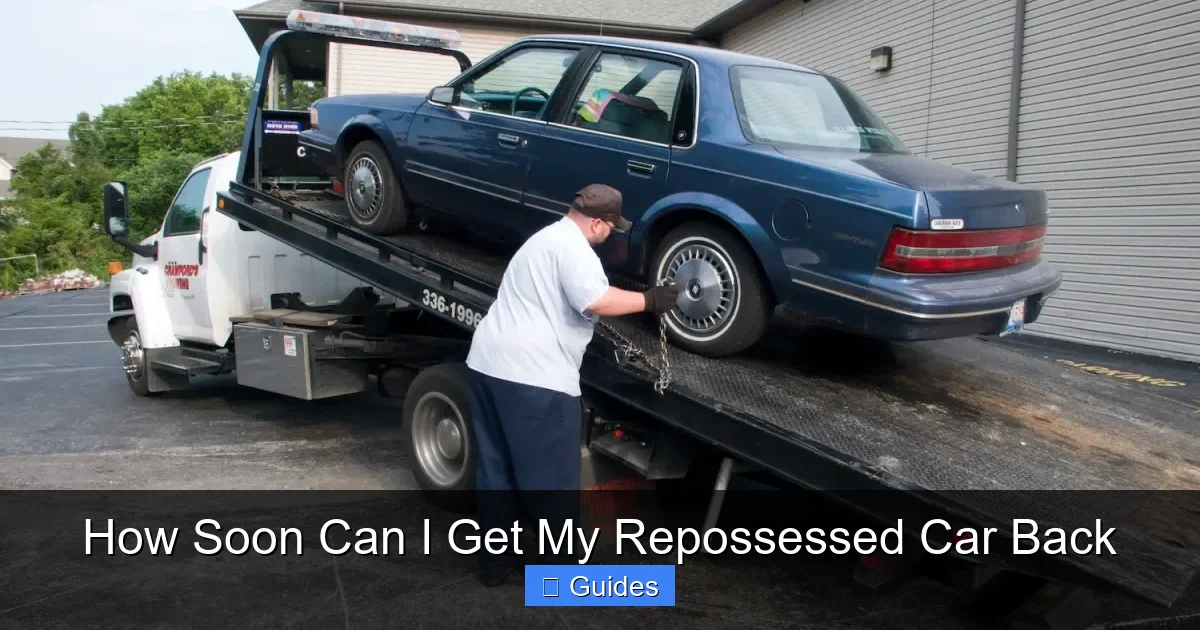
Visual guide about How Soon Can I Get My Repossessed Car Back
Image source: motorbiscuit.com
In California, for instance, you have 15 days from the date of repossession to reinstate the loan. If you do, the lender must return the vehicle. This gives you a clear deadline to work with.
Right to Redeem
A few states, including Arizona and Florida, offer a statutory right of redemption. This means you can reclaim the car even after it’s been sold—by paying the sale price plus fees. However, this is rare and usually only applies if the sale price was unfairly low.
Most states do not allow post-sale redemption, so it’s crucial to act before the car is auctioned.
Notice Requirements
Virtually all states require lenders to send you a notice after repossession. This notice must include:
- The reason for repossession
- The amount needed to reinstate or redeem
- The date by which you must act
- Information about the upcoming sale
If the lender fails to send this notice or sends it late, you may have grounds to challenge the repossession or delay the sale.
Breach of the Peace
As mentioned earlier, lenders cannot use force, threats, or illegal tactics to repossess your car. If a repo agent breaks into your garage, threatens you, or causes a disturbance, that’s a breach of the peace. In such cases, you may be able to sue for damages and potentially get your car back—even if it’s already been sold.
Document everything: take photos, save text messages, and get witness statements if possible.
Practical Tips to Speed Up Recovery
Getting your repossessed car back isn’t just about knowing your rights—it’s about taking smart, timely action. Here are some practical tips to help you move quickly and effectively.
Act Immediately
Don’t wait. The longer you delay, the more fees accumulate, and the closer the car gets to auction. Call your lender the same day you discover the repossession. Ask for a breakdown of all fees and the deadline to reinstate or redeem.
Gather Your Financial Resources
Figure out how much you need and where the money will come from. Can you borrow from family? Use a credit card? Take out a personal loan? Even a small advance from a paycheck app might help cover initial fees.
Remember: every dollar counts. Paying even part of the overdue amount shows good faith and may encourage the lender to work with you.
Get Everything in Writing
Never rely on verbal promises. Ask for written confirmation of any agreement, including payment plans or fee waivers. This protects you if the lender changes their mind later.
Check for Errors
Review your loan statement and the repossession notice carefully. Are the fees accurate? Was the repossession justified? If you spot discrepancies, dispute them immediately.
For example, if the lender claims you missed three payments but you only missed two, that could affect your reinstatement amount.
Consider Legal Help
If you’re facing a complex situation—like a breach of the peace or unclear notices—consult a consumer rights attorney. Many offer free consultations, and some work on contingency.
Legal aid organizations may also be able to help if you’re low-income.
What If You Can’t Get the Car Back?
Unfortunately, not everyone can recover their repossessed vehicle. If the car has already been sold, or you can’t afford the fees, you may need to explore other options.
Negotiate a Settlement
Even if you can’t get the car back, you may still owe a deficiency balance—the difference between what you owed and what the car sold for. For example, if you owed $12,000 and the car sold for $8,000, you might owe $4,000.
You can try to negotiate a settlement for less than the full amount. Some lenders will accept 50–70% of the balance if paid in a lump sum.
Refinance or Replace the Loan
If you’re still in need of a vehicle, consider refinancing a new auto loan with a different lender. While your credit may be damaged, some subprime lenders specialize in borrowers with repossessions on their record.
File for Bankruptcy (as a Last Resort)
In rare cases, filing for Chapter 13 bankruptcy can stop a repossession or even recover a recently repossessed vehicle. The court may allow you to repay the debt over three to five years and keep the car.
However, bankruptcy has long-term consequences and should only be considered after consulting a qualified attorney.
Final Thoughts
Getting your repossessed car back is possible—but it requires quick action, clear communication, and a solid understanding of your rights. The sooner you respond, the better your chances. Whether through reinstatement, redemption, or negotiation, there are paths to recovery.
Remember, repossession is a financial setback, not a life sentence. Many people recover from it and go on to rebuild their credit and financial stability. The key is to learn from the experience, create a realistic budget, and avoid falling behind again.
If you’re currently facing repossession or have already lost your car, don’t panic. Take a deep breath, gather your documents, and reach out to your lender today. With the right approach, you might be back behind the wheel sooner than you think.
Frequently Asked Questions
Can I get my repossessed car back the same day?
In some cases, yes—especially if you can pay the overdue amount and fees immediately. Some lenders release vehicles within 24 to 48 hours if all conditions are met.
How much does it cost to get a repossessed car back?
Costs vary but typically include past-due payments, late fees, repossession fees ($200–$800), and daily storage fees ($10–$50). The total can range from a few hundred to several thousand dollars.
Can I get my car back after it’s been sold?
It’s very rare. Once a repossessed car is sold at auction, it’s nearly impossible to recover unless you live in a state with post-sale redemption rights and can prove the sale was unfair.
Do I still owe money after repossession?
Yes, if the sale price doesn’t cover the full loan balance. This is called a deficiency balance, and the lender may sue you for it unless you negotiate a settlement.
Can my lender repossess my car without notice?
Yes, in most states. Lenders don’t need a court order or prior notice to repossess, as long as they don’t breach the peace. However, they must send a notice after repossession.
Will repossession affect my credit?
Yes, repossession stays on your credit report for seven years and can significantly lower your credit score. It may also make it harder to get loans in the future.

At CarLegit, we believe information should be clear, factual, and genuinely helpful. That’s why every guide, review, and update on our website is created with care, research, and a strong focus on user experience.