
Towing a car with someone inside is extremely dangerous and generally illegal. Even if it seems convenient, having passengers in a towed vehicle can lead to serious injury, legal penalties, and voided insurance. Always ensure the vehicle is empty before towing.
Have you ever found yourself in a tricky situation—maybe your car broke down on a remote road, and you’re wondering if you can just tow it back home with your friend still sitting in the passenger seat? It might seem like a quick fix, but the reality is far more complicated—and far more dangerous. The short answer? No, you should never tow a car with someone in it. While it might appear convenient or even harmless at first glance, doing so poses serious safety, legal, and insurance risks that could have lasting consequences.
Towing a vehicle is already a delicate operation that requires proper equipment, knowledge, and caution. Adding passengers into the mix turns a potentially manageable task into a hazardous one. Whether you’re using a tow bar, a dolly, or a flatbed trailer, the towed vehicle is not designed to safely carry people while being pulled. The suspension, braking system, and structural integrity of the car are compromised during towing, and passengers inside have no protection in the event of sudden stops, swerves, or accidents. Even if the person is buckled in, they’re still at risk because the vehicle isn’t under its own power and control.
In this guide, we’ll walk you through everything you need to know about towing a car—especially why having someone inside is a bad idea. We’ll cover the legal implications, safety concerns, proper towing methods, and what to do if you’re ever tempted to take that risky shortcut. Whether you’re a weekend driver or a seasoned road tripper, understanding these rules could save you from a costly mistake—or worse, a tragic accident.
In This Article
Key Takeaways
- It’s illegal in most places: Most states and countries prohibit towing a vehicle with passengers inside due to safety risks.
- Passenger safety is at risk: A towed car lacks proper restraint systems and stability, making it unsafe for occupants.
- Insurance may not cover accidents: If an accident occurs while towing with someone in the car, your insurance could deny the claim.
- Proper towing equipment is essential: Using the right tow bar, dolly, or flatbed ensures the vehicle is secure and stable.
- Always follow manufacturer guidelines: Check your vehicle’s manual for towing instructions and weight limits.
- Use professional towing services when in doubt: If you’re unsure how to tow safely, call a licensed towing company.
- Plan ahead to avoid the need: If someone must travel with the vehicle, arrange separate transportation instead of risking towing with them inside.
📑 Table of Contents
Why Towing with Someone Inside Is Dangerous
Let’s start with the most important point: towing a car with someone in it is extremely unsafe. At first glance, it might seem like the person is just sitting there, buckled in, and perfectly fine. But the reality is that a towed vehicle behaves very differently than a self-driven one, and that difference can be deadly.
When a car is being towed, especially with a tow bar or dolly, it’s essentially a passive object being pulled by another vehicle. It doesn’t have its own power steering, power brakes, or active suspension. This means that any sudden movement—like a hard brake from the towing vehicle or a sharp turn—can cause the towed car to sway, fishtail, or even jackknife. If someone is inside, they have no way to control the vehicle or react to these movements. Even with seatbelts on, the risk of injury from whiplash, impact, or being thrown around the cabin is high.
Imagine this scenario: You’re towing your friend’s sedan with a tow bar after it broke down. Your friend insists on staying in the car “to keep an eye on things.” Suddenly, you hit a pothole or need to brake quickly. The towed car lurches forward, the steering wheel jerks violently, and your friend slams into the dashboard or window. There’s no airbag deployment because the car isn’t under its own power, and the seatbelt might not be enough to prevent serious injury. This isn’t just a hypothetical—it’s a real risk that happens more often than you’d think.
Another danger is the lack of communication. If the person inside the towed car sees a problem—like a tire blowing or a loose tow strap—they can’t easily alert the driver of the towing vehicle. They’re essentially a passenger in a vehicle that’s not designed to carry passengers while being towed. This isolation increases the risk of accidents going unnoticed until it’s too late.
Lack of Vehicle Control
One of the biggest issues with towing a car with someone inside is the complete lack of control. In a normally driven vehicle, the driver can steer, brake, and accelerate as needed. But in a towed car, especially one being pulled with a tow bar or dolly, the steering is often locked or severely limited. This means the person inside can’t correct the vehicle’s path if it starts to drift or swerve.
Even if the car is being flat-towed (all four wheels off the ground), the person inside has no way to influence the vehicle’s movement. They’re just along for the ride—literally. And if something goes wrong, like a tow strap snapping or a hitch failing, the towed car could become a runaway projectile. Having someone inside in that situation is like putting a passenger in a shopping cart and pushing it down a hill—there’s no control, no safety, and no way to stop.
Increased Risk of Injury
Safety systems in modern cars—like airbags, electronic stability control, and advanced braking systems—are designed to work when the car is under its own power. When a car is being towed, many of these systems are disabled or inactive. For example, airbags typically won’t deploy in a towed vehicle because the ignition is off and the sensors aren’t active. This means that in the event of a collision, the person inside has far less protection than they would in a normally driven car.
Additionally, the cabin of a towed car can become a dangerous environment. Loose items—like phones, bags, or even water bottles—can become projectiles during sudden movements. The person inside might not be braced for impact, especially if they’re not expecting a sudden stop or swerve. And because the car isn’t moving under its own power, the driver (if there is one) can’t anticipate road conditions or react to hazards in the same way.
Legal Implications of Towing with Passengers
Visual guide about Can You Tow a Car with Someone in It
Image source: truckauxiliary.com
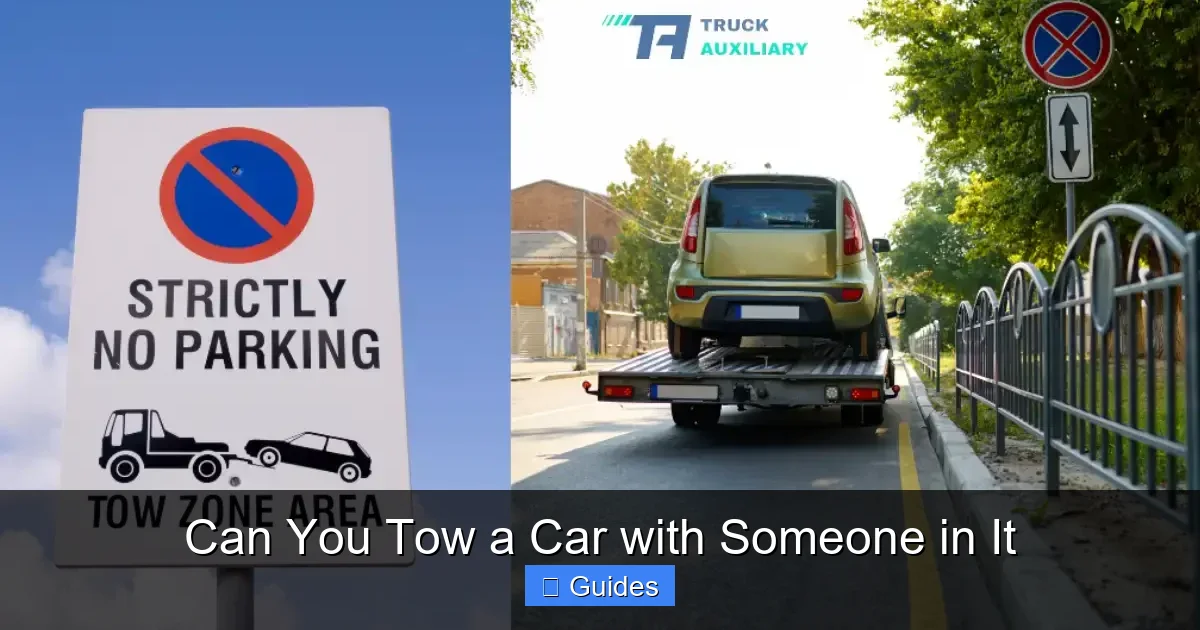
Beyond the safety concerns, towing a car with someone in it can also get you into serious legal trouble. In most states in the U.S.—and in many countries around the world—it’s explicitly illegal to tow a vehicle with passengers inside unless specific conditions are met. These laws exist for a reason: to protect public safety.
For example, in California, Vehicle Code Section 29004 states that no person shall tow a vehicle with a person inside unless the vehicle is equipped with a functional steering wheel, brakes, and seatbelts, and the person is seated in a designated seating position. Even then, the law is strict and often interpreted narrowly. In practice, most towing methods—like using a tow bar or dolly—don’t meet these requirements, making it illegal to have anyone inside.
Similarly, in Texas, the Department of Public Safety prohibits towing a vehicle with passengers unless it’s a licensed commercial towing operation using a flatbed trailer with proper restraints. Even then, the passengers must be secured in a way that meets safety standards. Regular drivers using DIY towing methods are almost always in violation of the law if they have someone in the towed car.
Fines and Penalties
If you’re caught towing a car with someone inside, you could face hefty fines, points on your license, or even criminal charges if an accident occurs. For instance, in Florida, violating towing safety laws can result in a fine of up to $500 and possible license suspension. In more severe cases—especially if someone is injured—you could be charged with reckless endangerment or negligence.
These penalties aren’t just theoretical. There have been documented cases where drivers were fined or sued after towing a vehicle with a passenger inside, even if no accident occurred. Insurance companies often investigate towing incidents closely, and if they find that the driver violated safety laws, they may deny coverage entirely.
Insurance Complications
Speaking of insurance, this is another major reason to avoid towing with someone in the car. Most auto insurance policies include clauses that void coverage if the vehicle is being used in an unsafe or illegal manner. Towing a car with a passenger inside typically falls into this category.
If an accident happens while you’re towing with someone in the car, your insurance company may refuse to pay for damages—even if you’re not at fault. This could leave you personally liable for thousands of dollars in medical bills, vehicle repairs, or legal fees. And if the passenger is injured, they may sue you for negligence, especially if they can prove you knew the practice was unsafe.
Even if you have comprehensive coverage or roadside assistance, those services usually don’t cover towing with passengers. Roadside assistance companies will often refuse to tow a vehicle if someone is inside, and they may report the incident to authorities.
Proper Towing Methods and Best Practices
Visual guide about Can You Tow a Car with Someone in It
Image source: cartowdolly.com
Now that we’ve covered why you shouldn’t tow a car with someone in it, let’s talk about how to tow a car safely and legally. The good news is that there are several reliable methods for towing a vehicle—each with its own pros, cons, and requirements. The key is to choose the right method for your situation and follow best practices to ensure safety.
The most common towing methods include:
– Tow bar (flat towing): The towed vehicle is pulled with all four wheels on the ground, connected by a rigid or flexible bar.
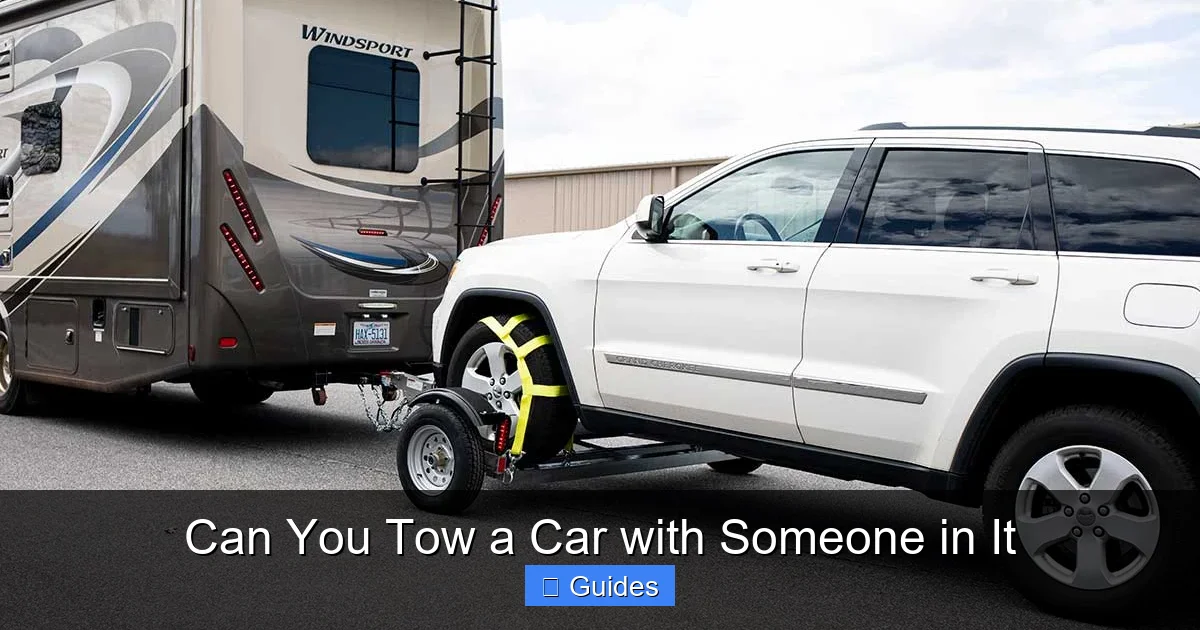
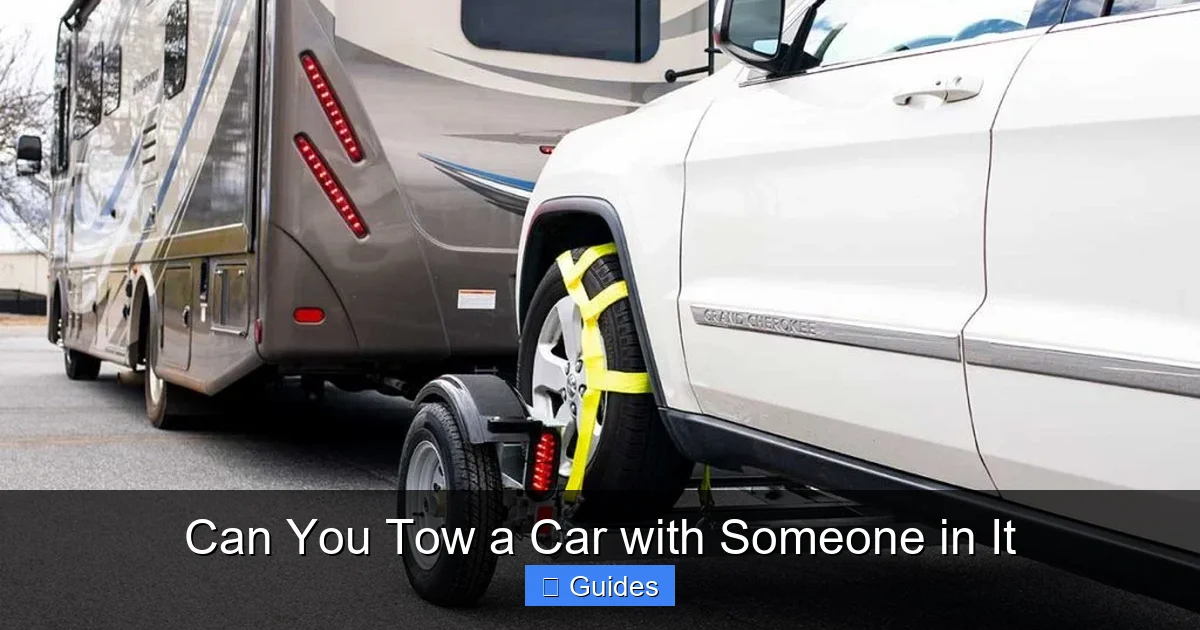
– Tow dolly: The front wheels of the towed vehicle are lifted onto a dolly, while the rear wheels roll on the road.
– Flatbed towing: The entire vehicle is loaded onto a flatbed trailer and secured with straps.
Each method has specific requirements for the type of vehicle, weight limits, and equipment needed. But one thing they all have in common? The towed vehicle must be empty. No passengers, no pets, no exceptions.
Using a Tow Bar (Flat Towing)
Flat towing is popular among RVers and people who need to tow smaller vehicles like compact cars or SUVs. It’s convenient because the towed vehicle can be driven normally once disconnected. However, not all vehicles can be flat-towed—some require modifications or are simply not designed for it.
Before flat towing, always check your vehicle’s owner’s manual. Manufacturers like Ford, GM, and Toyota provide detailed towing guidelines, including whether the vehicle can be flat-towed and what speed and distance limits apply. For example, some vehicles require the transmission to be in neutral and the driveshaft disconnected.
When using a tow bar, make sure the connection is secure, the lights are working, and the towed vehicle’s steering is unlocked (if required). Never exceed the recommended towing speed—usually 55 mph or less—and avoid sudden maneuvers.
Using a Tow Dolly
A tow dolly is a good option for front-wheel-drive vehicles that can’t be flat-towed. It lifts the front wheels off the ground, reducing wear on the transmission and tires. However, it’s not suitable for all vehicles—especially those with low ground clearance or all-wheel drive.
When using a dolly, ensure the towed vehicle is properly secured with straps and that the parking brake is released. The rear wheels must be able to roll freely, and the vehicle should be centered on the dolly to prevent swaying.
Using a Flatbed Trailer
Flatbed towing is the safest and most versatile method. It’s ideal for long distances, heavy vehicles, or cars that can’t be towed on their wheels. The entire vehicle is loaded onto the trailer and secured with wheel straps or chains.
This method is commonly used by professional towing companies and is often required for luxury cars, motorcycles, or vehicles with complex drivetrains. It’s also the only method that might legally allow passengers in certain commercial settings—but even then, strict safety protocols must be followed.
What to Do If Someone Insists on Staying in the Car
Visual guide about Can You Tow a Car with Someone in It
Image source: cartowdolly.com
Let’s face it—sometimes, people don’t listen to reason. Maybe your friend is stubborn, or your teenager refuses to get out of the car during a breakdown. What do you do if someone insists on staying inside while you tow?
The best approach is to stay calm and explain the risks clearly. Use simple language: “I can’t tow the car with you in it because it’s illegal and dangerous. If something goes wrong, you could get seriously hurt, and I could get fined or sued.”
If they still refuse, don’t give in. Instead, offer alternatives:
– Call a professional towing service that can transport the vehicle safely.
– Arrange for a second vehicle to pick up the passenger.
– Use a rideshare or taxi service to get the person to a safe location.
– Wait with the person until help arrives, rather than risking a dangerous tow.
Remember, your responsibility as the driver is to ensure everyone’s safety. Even if someone insists on taking a risk, you’re the one in control of the vehicle—and ultimately, the one who could be held liable.
When Is It Ever Acceptable?
You might be wondering: are there any situations where towing a car with someone in it is allowed? The short answer is: almost never—for regular drivers.
There are very limited exceptions, usually involving commercial or emergency vehicles. For example:
– Police or emergency response vehicles: In rare cases, law enforcement may tow a vehicle with a suspect or injured person inside during an emergency. This is done under strict protocols and with specialized equipment.
– Military or government operations: Certain military vehicles are designed to be towed with personnel inside, but these are highly engineered for safety and not applicable to civilian use.
– Professional recovery operations: Some high-end towing companies use enclosed trailers with seating, but even then, passengers must be secured and the operation must comply with federal safety standards.
For everyday drivers, these exceptions don’t apply. If you’re not a licensed towing professional with specialized equipment, you should never attempt to tow a vehicle with someone inside.
Conclusion
Towing a car is a serious responsibility that requires careful planning, the right equipment, and a commitment to safety. While it might be tempting to tow a vehicle with someone inside—especially in an emergency—the risks far outweigh any perceived convenience. From legal penalties and insurance issues to the very real danger of injury, there’s no good reason to take this risk.
Always ensure the towed vehicle is empty before you begin. Use the appropriate towing method for your vehicle, follow manufacturer guidelines, and when in doubt, call a professional. Your safety—and the safety of others—depends on making the right choice.
Remember: just because you *can* do something doesn’t mean you *should*. When it comes to towing, the safest route is always the one that follows the rules.
Frequently Asked Questions
Is it legal to tow a car with a passenger inside?
In most states and countries, it is illegal to tow a vehicle with passengers inside unless specific safety conditions are met. These typically involve commercial towing operations with proper restraints and equipment. For regular drivers, it’s almost always against the law.
Can I tow my car with my dog in it?
No, pets should never be left in a towed vehicle. Like passengers, they are at risk of injury from sudden movements, lack of climate control, and inadequate safety systems. Always transport pets separately in a secure, climate-controlled environment.
What happens if I get caught towing with someone in the car?
You could face fines, points on your license, or even criminal charges if an accident occurs. Insurance companies may also deny your claim, leaving you personally liable for damages or injuries.
Can I tow a car with a tow bar if someone is inside?
No. Even with a tow bar, the vehicle is not safe for passengers. The steering and braking systems are compromised, and the risk of injury is high. Always keep the towed vehicle empty.
What’s the safest way to tow a car?
The safest method is using a flatbed trailer, which keeps all four wheels off the ground. If that’s not possible, use a tow dolly or tow bar—but only if the vehicle is designed for it and the cabin is empty.
Should I call a professional towing service?
Yes, especially if you’re unsure about the towing method or equipment. Professional towing companies have the right tools, training, and insurance to handle the job safely and legally.

At CarLegit, we believe information should be clear, factual, and genuinely helpful. That’s why every guide, review, and update on our website is created with care, research, and a strong focus on user experience.