
Returning a used car within 30 days isn’t always guaranteed, but it’s possible under certain conditions. Your ability to return the vehicle depends on state laws, dealership policies, and whether the car has undisclosed defects. Knowing your rights and acting quickly can make all the difference.
Buying a used car can feel like a leap of faith. You’ve done your research, taken it for a test drive, and signed the paperwork—but what if something feels off a few days later? Maybe the transmission shudders unexpectedly, the check engine light comes on, or you realize the odometer was rolled back. Suddenly, that great deal starts to look like a costly mistake. This is where the question hits: *Can I return a used car within 30 days?*
The short answer? It depends—but don’t panic. While there’s no universal “30-day return policy” for used cars like you might find with electronics or clothing, you do have options. Your rights hinge on several factors: where you live, who you bought the car from (a dealership or private seller), the terms of your purchase agreement, and whether the vehicle has serious undisclosed problems. Understanding these nuances can save you thousands and a lot of stress.
In this guide, we’ll walk you through everything you need to know about returning a used car within 30 days—or as close to that window as possible. We’ll cover state-specific laws, dealer policies, red flags to watch for, and practical steps to take if you’re considering a return. Whether you’re dealing with a shady private seller or a reputable dealership that’s suddenly unresponsive, this article will arm you with the knowledge to protect your investment.
In This Article
- 1 Key Takeaways
- 2 📑 Table of Contents
- 3 Understanding Your Legal Rights: State Laws and Regulations
- 4 Dealership Return Policies: What to Expect
- 5 Private Seller Purchases: Fewer Options, Higher Risk
- 6 Red Flags That Warrant a Return
- 7 Steps to Take If You Want to Return a Used Car
- 8 Final Thoughts: Be Smart, Stay Informed
- 9 Frequently Asked Questions
- 9.1 Can I return a used car within 30 days if I just changed my mind?
- 9.2 Do lemon laws apply to used cars?
- 9.3 What if the dealer won’t take the car back?
- 9.4 Can I return a used car bought from a private seller?
- 9.5 How long do I have to return a used car under a dealer’s policy?
- 9.6 What should I do if my used car breaks down right after purchase?
Key Takeaways
- State laws vary widely: Some states offer “cooling-off” periods or lemon laws for used cars, while others provide no return rights after purchase.
- Dealer return policies matter: Many reputable dealerships offer short-term return windows (often 3–7 days), but these are not legally required.
- Private sales are final: Buying from a private seller usually means no return option unless fraud or misrepresentation is proven.
- Document everything: Keep all paperwork, communication, and inspection reports to support any return or dispute claim.
- Act fast: If you suspect issues, contact the seller immediately—delays can weaken your position.
- Lemon laws may apply: In some states, used cars still qualify under lemon law protections if they have recurring, unfixable problems.
- Consider arbitration or legal help: If the dealer refuses a valid return request, third-party mediation or small claims court may be your next step.
📑 Table of Contents
Understanding Your Legal Rights: State Laws and Regulations
When it comes to returning a used car, federal law doesn’t give you an automatic “do-over” period. Unlike some countries or certain retail products, the U.S. doesn’t have a nationwide cooling-off period for vehicle purchases. That means your rights are primarily governed by state law—and they vary significantly from one state to another.
Some states, like California and New York, have stronger consumer protections that may allow you to return a used car under specific circumstances. Others offer little to no recourse once the title is signed over. The key is knowing what your state offers.
Lemon Laws for Used Cars
You might think “lemon laws” only apply to new cars—but in many states, they extend to used vehicles too, especially if the car is still under warranty. These laws protect buyers when a car has recurring mechanical issues that the dealer or manufacturer can’t fix after a reasonable number of repair attempts.
For example, in California, the Song-Beverly Consumer Warranty Act covers used cars sold with a warranty. If your used car has a defect that impairs its use, value, or safety—and the dealer fails to fix it after multiple tries—you may be entitled to a refund or replacement. Similarly, states like Connecticut, Massachusetts, and New Jersey have robust used car lemon laws.
However, not all used cars qualify. Typically, the vehicle must have been sold with a written warranty, and the problem must have appeared within a certain timeframe (often 180 days or 12,000 miles). If you bought the car “as-is,” lemon law protection usually doesn’t apply—unless the dealer misrepresented the condition.
Cooling-Off Periods and Return Windows
A few states do offer limited cooling-off periods for used car purchases, though they’re rare. For instance, in Minnesota, buyers have three business days to cancel a used car purchase if the sale took place away from the dealer’s place of business (like at your home or a weekend car show). This is similar to the federal cooling-off rule for door-to-door sales.
Other states, like Oregon, require dealers to provide a written notice explaining your rights, including any return or exchange options. While these don’t guarantee a 30-day return, they do give you a short window to back out if you feel pressured or misled.
It’s also worth noting that some states mandate a “buyer’s guide” (often called a “Used Car Rule” sticker) to be displayed on the vehicle. This guide tells you whether the car is sold “as-is” or with a warranty. If the dealer promised a warranty but didn’t provide one, you may have grounds for a return or legal action.
As-Is Sales: What You Need to Know
One of the biggest hurdles to returning a used car is the “as-is” sale. When you buy a car “as-is,” you’re accepting it in its current condition—with all its flaws. In most states, this means no refunds, no exchanges, and no legal obligation for the seller to fix anything.
But here’s the catch: even “as-is” sales aren’t a free pass for dealers to lie. If the seller knowingly concealed major defects—like flood damage, a rebuilt title, or odometer fraud—you may still have legal recourse. Fraud, misrepresentation, or violation of state disclosure laws can override the “as-is” clause.
For example, if a dealer told you the car had never been in an accident, but you later discover it was totaled and rebuilt, that’s misrepresentation. You could potentially sue for damages or demand a return.
Dealership Return Policies: What to Expect
Visual guide about Can I Return a Used Car Within 30 Days
Image source: dealerinspire-image-library-prod.s3.us-east-1.amazonaws.com
While state laws set the baseline, dealership policies often go beyond legal requirements—especially among larger, reputable chains. Many dealerships offer short-term return or exchange programs to build customer trust and reduce buyer’s remorse.
These policies aren’t required by law, but they’re becoming more common in competitive markets. However, they come with fine print, so it’s crucial to read the details.
Common Return Windows
Most dealer return policies range from 3 to 7 days, though some extend up to 14 or even 30 days. For example, CarMax offers a 5-day, 250-mile return policy on used cars, allowing you to bring the vehicle back for any reason. Similarly, some regional dealerships promote “7-day money-back guarantees” as a marketing tool.
These programs typically require the car to be in the same condition as when you bought it—no new damage, minimal mileage, and all original paperwork intact. You’ll also need to return the vehicle during business hours and may be charged a restocking fee (usually $200–$500).
It’s important to note that these policies usually apply only to cars purchased from the dealership—not private sellers. And if you financed the car, returning it may involve canceling the loan, which can take time and affect your credit.
What’s Usually Covered (and What’s Not)
Dealer return policies often cover buyer’s remorse—meaning you can return the car simply because you changed your mind. But they rarely cover issues that should have been obvious during the test drive, like a loud exhaust or worn tires.
However, if the car develops a serious mechanical problem shortly after purchase—especially one that wasn’t disclosed—you may still have a case, even if the return window has passed. In such situations, your best bet is to contact the dealer immediately and request repairs under any existing warranty.
Some dealerships also offer “certified pre-owned” (CPO) programs, which include extended warranties and multi-point inspections. These programs often come with better return or exchange options, so it’s worth asking about CPO status when shopping.
How to Use the Return Policy Wisely
If your dealer offers a return window, use it strategically. Drive the car in different conditions—highway, city, rain—to test its performance. Check for unusual noises, warning lights, or handling issues. And don’t wait until the last day to decide.
If you’re unsure, take the car to an independent mechanic for a post-purchase inspection. Many dealers will allow this within the return period, and it could reveal hidden problems.
Also, keep all communication in writing. If you call the dealer to discuss a return, follow up with an email summarizing the conversation. This creates a paper trail in case of disputes.
Private Seller Purchases: Fewer Options, Higher Risk
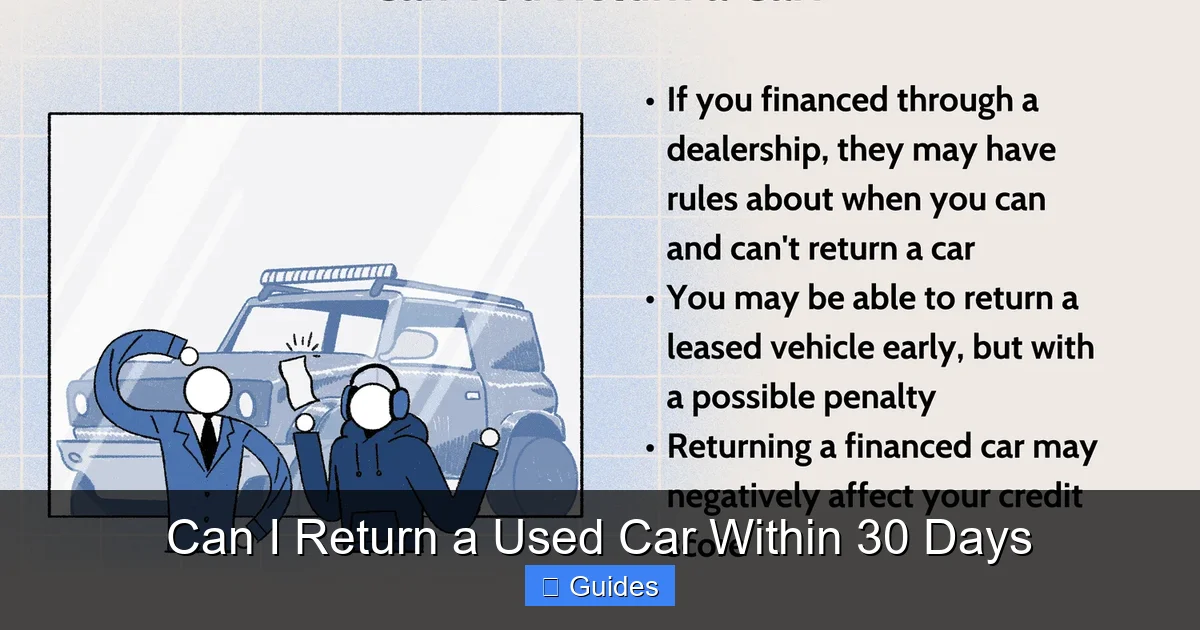
Visual guide about Can I Return a Used Car Within 30 Days
Image source: thedailyautomotive.com
Buying a used car from a private seller is often cheaper, but it comes with fewer protections. Unlike dealerships, private sellers aren’t bound by the same consumer laws or return policies. In most cases, private sales are final—once you hand over the cash and sign the title, the deal is done.
No Cooling-Off Period
There’s no legal cooling-off period for private car sales. Even if you discover a major issue the next day, the seller isn’t obligated to take the car back—unless they committed fraud.
This is why due diligence is critical. Always get a vehicle history report (like from Carfax or AutoCheck), have the car inspected by a mechanic, and verify the seller’s identity and ownership.
When You Might Still Have a Case
While private sales are typically “as-is,” you may have legal options if the seller lied or concealed important information. For example:
– The odometer was rolled back.
– The car was in a major accident that wasn’t disclosed.
– The title is salvage or rebuilt, but the seller claimed it was clean.
– The seller forged documents or misrepresented the vehicle’s condition.
In these cases, you could file a complaint with your state’s attorney general, pursue small claims court, or report the seller to the Department of Motor Vehicles (DMV).
Keep in mind that proving fraud can be challenging. You’ll need evidence—photos, messages, inspection reports—to support your claim. The sooner you act, the better your chances.
Tips for Safer Private Purchases
To reduce the risk of buying a lemon from a private seller:
– Meet in a public place and bring a friend.
– Never wire money or pay in cash without documentation.
– Get a signed bill of sale that includes the VIN, price, and date.
– Use a third-party escrow service for high-value transactions.
– Walk away if something feels off—trust your instincts.
Remember: if a deal seems too good to be true, it probably is.
Red Flags That Warrant a Return
Visual guide about Can I Return a Used Car Within 30 Days
Image source: dealerinspire-image-library-prod.s3.us-east-1.amazonaws.com
Even if you’re outside a formal return window, certain issues should prompt immediate action. These red flags could indicate serious problems—or even fraud—that give you leverage to demand a return or repair.
Mechanical Failures Shortly After Purchase
If your used car breaks down within days or weeks of buying it—especially with a major component like the engine, transmission, or electrical system—it’s a strong sign something was wrong from the start.
For example, imagine you buy a used SUV and the transmission slips on the third day. You take it to a mechanic, who finds metal shavings in the fluid—indicating internal damage. If the dealer claimed the car was in “excellent condition,” you may have a case for misrepresentation.
Undisclosed Accident or Flood Damage
Water damage from floods can cause long-term electrical and mold issues. Similarly, cars that have been in major accidents may have structural weaknesses or hidden frame damage.
If you discover evidence of prior flood damage (like musty smells, water lines, or corroded wiring) or accident repairs that weren’t disclosed, you should contact the seller immediately. In many states, failing to disclose flood or salvage history is illegal.
Odometer Fraud
Rolling back an odometer to make a car appear newer or less used is a federal crime. If you suspect the mileage is inaccurate—perhaps the wear on the pedals or steering wheel doesn’t match the low mileage—report it to the DMV and the National Highway Traffic Safety Administration (NHTSA).
You may be entitled to compensation or a return, especially if the fraud was intentional.
Title Washing
Some sellers “wash” a salvage title by registering the car in a state with lax reporting laws, then selling it in another state as a clean title. This is deceptive and potentially dangerous.
Always check the vehicle history report and verify the title status with your local DMV.
Steps to Take If You Want to Return a Used Car
If you’re considering returning a used car, time is of the essence. The faster you act, the stronger your position. Here’s a step-by-step guide to protect your rights.
1. Review Your Purchase Agreement
Start by reading the contract you signed. Look for any return or exchange clauses, warranty information, and disclosure statements. If the dealer promised a warranty verbally but didn’t include it in writing, note that—it could be useful later.
2. Document the Problem
Take photos, videos, and notes of any issues. Get a written diagnosis from a trusted mechanic. Keep all receipts and repair estimates.
3. Contact the Seller Immediately
Call or visit the dealership or private seller as soon as possible. Be polite but firm. Explain the problem and reference any promises made during the sale.
If it’s a dealership, ask to speak with a manager or customer service representative. For private sellers, try to resolve it amicably—but be prepared to escalate.
4. Request a Repair, Refund, or Exchange
Depending on the situation, ask for one of the following:
– A full refund or return of the vehicle.
– An exchange for a different car of equal value.
– Free repairs under warranty or good faith.
Put your request in writing (email or letter) and keep a copy.
5. Escalate If Necessary
If the seller refuses to cooperate:
– File a complaint with your state’s attorney general or consumer protection agency.
– Contact the Better Business Bureau (BBB).
– Consider small claims court (for amounts under $10,000 in most states).
– Consult a consumer rights attorney for serious cases involving fraud or large sums.
6. Protect Your Credit and Finances
If you financed the car, returning it may affect your loan. Contact your lender to discuss options. In some cases, you can cancel the loan within a short window (usually 3–5 days) if you haven’t received the vehicle yet.
Never stop making payments without consulting your lender—this could hurt your credit.
Final Thoughts: Be Smart, Stay Informed
So, can you return a used car within 30 days? The answer isn’t a simple yes or no—but with the right knowledge and quick action, you can often find a solution. Whether it’s leveraging a dealer’s return policy, invoking state lemon laws, or pursuing legal action for fraud, your options depend on the specifics of your purchase.
The best defense is a good offense. Do your homework before buying: get a vehicle history report, have the car inspected, and read all paperwork carefully. And if something feels off after the sale, don’t wait—act fast.
Remember, most reputable dealers want to maintain their reputation and will work with you to resolve issues. But if you’re dealing with a dishonest seller, knowing your rights can make all the difference.
Buying a used car doesn’t have to be a gamble. With the right preparation and awareness, you can drive away confident—and keep that confidence for miles to come.
Frequently Asked Questions
Can I return a used car within 30 days if I just changed my mind?
It depends on the dealer’s policy. Some dealerships offer 3–7 day return windows for any reason, but this isn’t required by law. Private sales are almost always final, even if you regret the purchase.
Do lemon laws apply to used cars?
Yes, in many states. If your used car is sold with a warranty and has recurring, unfixable problems, it may qualify under state lemon laws. Check your local regulations for specifics.
What if the dealer won’t take the car back?
You can file a complaint with your state’s consumer protection agency, contact the BBB, or pursue small claims court. Keep all documentation to support your case.
Can I return a used car bought from a private seller?
Generally, no—unless the seller committed fraud or misrepresented the vehicle’s condition. Private sales are typically “as-is,” so due diligence before buying is essential.
How long do I have to return a used car under a dealer’s policy?
Most dealer return windows range from 3 to 7 days, though some extend to 14 or 30 days. Always check the terms before purchasing.
What should I do if my used car breaks down right after purchase?
Contact the seller immediately, get a mechanic’s diagnosis, and request repairs or a refund. If the dealer refuses and the issue was undisclosed, you may have legal options.

At CarLegit, we believe information should be clear, factual, and genuinely helpful. That’s why every guide, review, and update on our website is created with care, research, and a strong focus on user experience.