
Sleeping in your car at a campsite is often allowed, but rules vary by location, park type, and time of year. Always check campground policies, prioritize safety, and prepare for comfort to make the most of your car-camping experience.
So, you’re planning a camping trip—but instead of pitching a tent or renting an RV, you’re thinking about sleeping in your car. Maybe you’re on a budget, traveling solo, or just prefer the simplicity of your own vehicle. The big question: **Can I sleep in my car at a campsite?**
The short answer? **Yes—often, you can.** But it’s not always that simple. Rules vary widely depending on where you’re camping, what kind of campsite it is, and even the time of year. Some campgrounds welcome car sleepers with open arms, while others strictly prohibit it. And even when it’s allowed, there are important considerations around safety, comfort, and etiquette.
In this guide, we’ll walk you through everything you need to know about sleeping in your car at a campsite. From understanding the rules to preparing your vehicle and staying safe, we’ve got you covered. Whether you’re a first-time car camper or a seasoned road traveler, this guide will help you make smart, informed decisions so you can enjoy your outdoor adventure—without any surprises.
Let’s dive in.
In This Article
Key Takeaways
- Check campground rules first: Not all campsites permit car sleeping—some require tents or RVs, so always verify policies before arrival.
- National and state parks differ: National parks may allow car camping in designated areas, while state parks often have stricter regulations.
- Safety is essential: Park in well-lit, populated areas, lock doors, and avoid isolated spots to reduce risk.
- Comfort matters: Use seat cushions, sleeping pads, or car tents to improve sleep quality in a confined space.
- Be mindful of noise and neighbors: Keep lights off, minimize movement, and respect quiet hours to avoid complaints.
- Prepare for weather: Insulate your car against cold, use fans or vents for heat, and never run the engine indoors for warmth.
- Leave no trace: Pack out all trash, avoid damaging vegetation, and follow Leave No Trace principles.
📑 Table of Contents
Understanding Campsite Rules and Regulations
Before you even pack your bags, the most important step is to **research the specific campsite you plan to visit**. Not all campsites are created equal when it comes to car sleeping. Some are perfectly fine with it, while others have strict policies that could get you asked to leave—or worse, fined.
Public vs. Private Campgrounds
Public campgrounds—like those run by the National Park Service, U.S. Forest Service, or state parks—often have clear guidelines posted online. For example, many national forest dispersed camping areas allow car sleeping as long as you’re on designated public land and follow Leave No Trace principles. However, developed campgrounds with numbered sites may require you to rent a site and use a tent or RV.
Private campgrounds, on the other hand, set their own rules. Some boutique or eco-friendly campsites welcome car campers and even offer amenities like showers, fire pits, and Wi-Fi. Others may ban car sleeping outright to maintain a certain atmosphere or protect infrastructure.
Always check the campground’s website or call ahead. Look for phrases like “tent camping only,” “RV sites required,” or “vehicles must be parked in designated areas.” If the rules aren’t clear, don’t assume—ask.
National Parks and Federal Lands
In national parks, the rules can be tricky. While you’re generally allowed to sleep in your car within park boundaries, **you usually can’t do so in developed campgrounds unless you’ve reserved a site**. For example, in Yosemite National Park, you can sleep in your car at a first-come, first-served campground—but only if you’ve paid for a campsite. Sleeping in your car in a parking lot or roadside pullout, however, is typically not allowed and could result in a citation.
On U.S. Forest Service or Bureau of Land Management (BLM) lands, the rules are more relaxed. Dispersed camping—camping outside of designated campgrounds—is often permitted for up to 14 days in many areas. In these cases, sleeping in your car is usually fine, as long as you’re not blocking roads, damaging vegetation, or creating a fire hazard.
State and Local Parks
State parks tend to be more restrictive. Many require you to book a campsite and use a tent or RV. Sleeping in your car may be seen as “stealth camping” or unauthorized overnight parking, which can lead to fines or removal. That said, some state parks do allow car camping—especially in rural or less-developed areas. Again, research is key.
Seasonal and Time-Based Restrictions
Even if a campsite allows car sleeping, there may be seasonal rules. For example, some campgrounds close in winter or limit overnight stays during peak season. Others may only allow car camping during certain months or require reservations well in advance.
Also, be aware of **quiet hours and curfews**. Most campgrounds have quiet hours from 10 p.m. to 6 a.m., and some may require all vehicles to be parked by a certain time. If you arrive late, you might not be allowed to enter the campground at all.
Safety Tips for Sleeping in Your Car
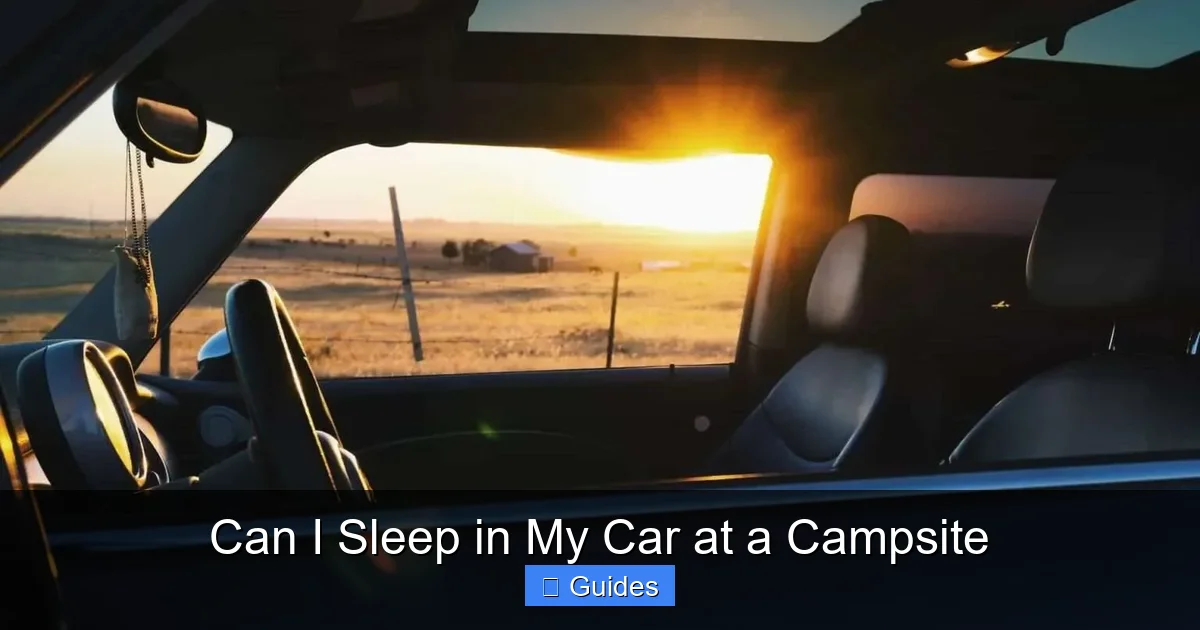
Visual guide about Can I Sleep in My Car at a Campsite
Image source: agilecamping.com
Once you’ve confirmed that sleeping in your car is allowed, the next priority is **safety**. While car camping can be safe and comfortable, it’s not without risks—especially if you’re in an unfamiliar area or traveling alone.
Choose the Right Location
Not all campsites are equally safe. Avoid isolated areas, especially at night. Instead, opt for well-lit, populated campgrounds where other campers are present. If you’re dispersed camping on public land, try to park near other vehicles or in areas with regular ranger patrols.
Avoid parking in low-lying areas that could flood, near dead trees that might fall, or on steep slopes where your car could slide. Also, be mindful of wildlife—don’t leave food in your car, and store trash securely.
Secure Your Vehicle
Always lock your doors—even if you’re in a remote area. Use window locks or child safety locks to prevent windows from being opened from the outside. If you’re concerned about break-ins, consider installing a car alarm or motion-sensor light.
Keep valuables out of sight. Don’t leave phones, wallets, or electronics on the dashboard or seats. Use a lockable glove compartment or hidden storage if possible.
Be Aware of Carbon Monoxide Risks
This is a critical safety point: **Never run your car’s engine inside a closed space to stay warm**. Carbon monoxide is odorless, colorless, and deadly. Even with windows cracked, idling your car in a garage, under a tarp, or in a snowbank can lead to dangerous buildup.
If it’s cold, dress warmly, use sleeping bags, and consider a portable heater designed for indoor use (like a battery-powered or propane heater with proper ventilation). Never use a gas stove or grill inside your car.
Stay Connected
Let someone know where you’re camping and when you plan to return. Carry a fully charged phone, a portable charger, and a backup power source. In remote areas, consider a satellite communicator like a Garmin inReach for emergencies.
Know the Local Wildlife
Depending on where you’re camping, you may encounter bears, coyotes, or other animals. Store all food in bear-proof containers or hang it from a tree if required. Never feed wildlife, and avoid cooking or eating inside your car if bears are active in the area.
Making Your Car Comfortable for Sleep
Visual guide about Can I Sleep in My Car at a Campsite
Image source: malaysiacamping.com
Let’s be honest—sleeping in a car isn’t always the most comfortable experience. But with a few smart upgrades, you can turn your vehicle into a cozy, functional sleeping space.
Flatten the Seats
The first step to comfort is creating a flat sleeping surface. If your car has fold-down rear seats, use them. Some cars even have a “flat floor” mode that reclines the front seats to align with the back. If your seats don’t fold completely flat, use foam wedges or rolled-up towels to fill gaps.
For maximum comfort, consider a **car mattress or sleeping pad** designed for vehicles. These are often made of memory foam and contour to your car’s interior. Brands like Therm-a-Rest, Car Nap, and Sleepy Ride offer affordable options.
Use the Right Bedding
A good sleeping bag or blanket is essential. Choose one rated for the expected temperature. If it’s cold, layer up with thermal underwear, socks, and a hat. A travel pillow can make a big difference, too.
If you’re using a blanket, tuck it around the edges of your seat to keep it in place. You can also use clips or straps to secure bedding to the seats.
Block Out Light and Noise
Even in nature, light pollution from campfires, headlights, or the moon can disrupt sleep. Use **window shades or blackout curtains** to darken your car. You can buy custom-fit shades or make your own with reflective insulation and Velcro.
For noise, consider earplugs or a white noise app on your phone. If you’re near a busy road or loud campers, these can help you drift off.
Ventilation is Key
Stale air and condensation can make sleeping in a car uncomfortable—and even dangerous. Always crack a window slightly to allow airflow, even in cold weather. Use a rain guard or window vent to keep rain out while maintaining ventilation.
If it’s hot, consider a **12-volt fan** that plugs into your car’s cigarette lighter. Some fans are battery-powered and quiet, perfect for nighttime use.
Organize Your Space
Keep your car tidy. Use storage bins or seatback organizers for clothes, toiletries, and gear. A small cooler can hold snacks and drinks. If you’re camping for multiple nights, consider a rooftop cargo box to free up interior space.
Etiquette and Respect for Other Campers
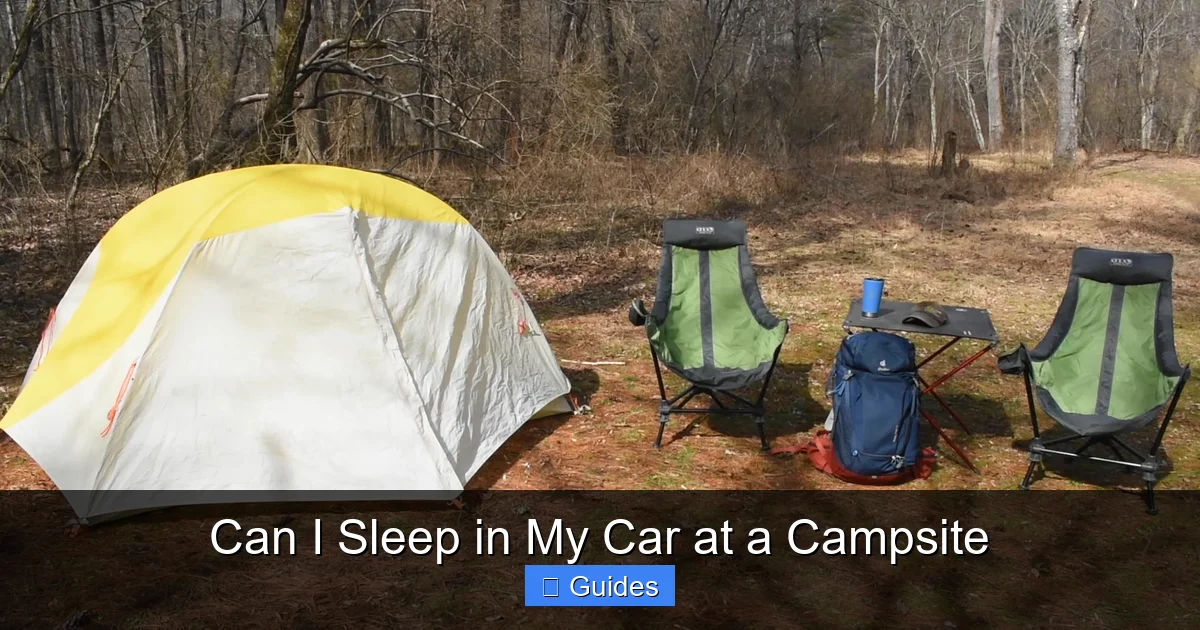
Visual guide about Can I Sleep in My Car at a Campsite
Image source: lnt.org
Just because you’re sleeping in your car doesn’t mean you’re invisible. **Good camping etiquette** ensures you have a positive experience—and that others do too.
Keep Noise to a Minimum
Avoid playing music, talking loudly, or slamming doors at night. Use headphones if you’re listening to audio. If you need to use your phone, keep the screen dim and volume low.
Respect Quiet Hours
Most campgrounds have quiet hours from 10 p.m. to 6 a.m. During this time, keep noise to a minimum. Don’t start campfires, run generators, or have loud conversations.
Be Mindful of Light
Bright interior lights can disturb other campers. Use a red-light flashlight or headlamp if you need to see at night—red light is less disruptive to night vision and doesn’t bother others as much.
Park Responsibly
Don’t take up more space than you need. Park within the designated site boundaries, and avoid blocking roads or other campers’ access. If you’re in a crowded campground, consider parking at an angle to maximize space.
Leave No Trace
This is one of the most important principles of outdoor ethics. Pack out all trash, including food scraps and toilet paper. Don’t dig trenches, cut branches, or damage trees. If you use a fire pit, make sure the fire is completely extinguished before leaving.
Alternatives and Upgrades for Car Camping
If you find yourself car camping often, you might want to explore upgrades or alternatives that make the experience even better.
Car Tents or Rooftop Tents
A **car tent** attaches to the side of your vehicle and provides extra shelter and privacy. These are great for rainy or buggy weather. A **rooftop tent** mounts on your roof rack and lifts you off the ground—offering more comfort and insulation. While more expensive, they’re a game-changer for frequent campers.
Portable Power Solutions
If you need to charge devices or run small appliances, consider a **portable power station** like a Jackery or EcoFlow. These battery packs can power lights, fans, or even a mini-fridge without draining your car’s battery.
Sleeping Bags Designed for Cars
Some sleeping bags are specifically made for car camping, with features like foot vents, arm holes, and built-in pillows. They’re often more compact and easier to use than traditional bags.
Convert Your Car into a Mini Camper
With a few modifications, you can turn your car into a functional camper. Add a platform bed, storage drawers, and a small kitchenette. Just make sure any modifications are safe and don’t interfere with driving.
Conclusion
So, can you sleep in your car at a campsite? **Yes—but with conditions.** The key is doing your homework, respecting the rules, and prioritizing safety and comfort. Whether you’re camping in a national forest, a state park, or a private campground, always check the policies first. And remember: just because you *can* sleep in your car doesn’t mean you *should* do it everywhere.
With the right preparation, car camping can be a budget-friendly, flexible, and rewarding way to enjoy the outdoors. It’s perfect for solo travelers, last-minute trips, or anyone who wants to keep things simple. Just pack smart, sleep safe, and leave nothing but footprints.
Now get out there and enjoy the stars—from the comfort of your own car.
Frequently Asked Questions
Is it legal to sleep in my car at a campsite?
It depends on the campground. Many public and private campsites allow car sleeping, but some require tents or RVs. Always check the rules before you go.
Can I sleep in my car in a national park?
Yes, but usually only in designated campgrounds where you’ve reserved a site. Sleeping in parking lots or pullouts is typically not allowed.
Is it safe to sleep in my car while camping?
It can be safe if you choose a well-lit, populated area, lock your doors, and avoid running the engine for heat. Always be aware of your surroundings.
Do I need a special permit to sleep in my car?
Some campgrounds require a campsite reservation or permit, even for car sleeping. Others, like BLM lands, allow dispersed camping without a permit.
What should I bring to sleep comfortably in my car?
Bring a sleeping pad or mattress, warm bedding, window shades, a flashlight, and a portable charger. Dress in layers for temperature control.
Can I cook or eat inside my car while camping?
You can eat inside your car, but avoid cooking with open flames or gas stoves due to fire and carbon monoxide risks. Use a camp stove outside instead.

At CarLegit, we believe information should be clear, factual, and genuinely helpful. That’s why every guide, review, and update on our website is created with care, research, and a strong focus on user experience.