
A check engine fault on a Volvo truck signals an issue with the engine or emissions system detected by the onboard diagnostics. Ignoring it can lead to reduced performance, higher fuel costs, or costly repairs. Understanding the warning and acting quickly helps keep your truck running safely and efficiently.
In This Article
- 1 Key Takeaways
- 2 📑 Table of Contents
- 3 Understanding the Check Engine Fault on a Volvo Truck
- 4 How the Volvo Truck’s Diagnostic System Works
- 5 Common Causes of Check Engine Faults in Volvo Trucks
- 6 Symptoms That Accompany a Check Engine Fault
- 7 How to Diagnose a Check Engine Fault on a Volvo Truck
- 8 What to Do When the Check Engine Light Comes On
- 9 Preventing Check Engine Faults in Volvo Trucks
- 10 When to See a Professional
- 11 Conclusion
- 12 Frequently Asked Questions
- 12.1 What does a flashing check engine light mean on a Volvo truck?
- 12.2 Can I drive my Volvo truck with the check engine light on?
- 12.3 How much does it cost to fix a check engine fault on a Volvo truck?
- 12.4 Will disconnecting the battery clear the check engine light?
- 12.5 How often should I scan for fault codes?
- 12.6 Can a software update fix a check engine fault?
Key Takeaways
- Check engine fault indicates a detected problem: The Volvo truck’s onboard computer has identified an issue with the engine, emissions, or related systems.
- Common causes include sensor failures, fuel system issues, or exhaust problems: Faulty oxygen sensors, clogged fuel injectors, or EGR valve malfunctions are frequent culprits.
- Symptoms may include reduced power, poor fuel economy, or unusual noises: Pay attention to changes in performance or dashboard warnings.
- Use diagnostic tools to read fault codes: Volvo’s VCADS or third-party OBD2 scanners can retrieve specific error codes for accurate diagnosis.
- Prompt action prevents major damage: Addressing the fault early avoids costly repairs and downtime.
- Regular maintenance reduces fault occurrences: Scheduled servicing and component checks help prevent many common issues.
- Consult a certified Volvo technician for complex problems: Some faults require specialized knowledge and tools for safe resolution.
📑 Table of Contents
- Understanding the Check Engine Fault on a Volvo Truck
- How the Volvo Truck’s Diagnostic System Works
- Common Causes of Check Engine Faults in Volvo Trucks
- Symptoms That Accompany a Check Engine Fault
- How to Diagnose a Check Engine Fault on a Volvo Truck
- What to Do When the Check Engine Light Comes On
- Preventing Check Engine Faults in Volvo Trucks
- When to See a Professional
- Conclusion
Understanding the Check Engine Fault on a Volvo Truck
If you’re driving a Volvo truck and the check engine light suddenly flashes or stays on, it’s natural to feel a mix of concern and confusion. Unlike a simple low-fuel warning, the check engine fault is more complex—it’s your truck’s way of saying, “Something’s not right under the hood.” But what exactly does it mean?
Modern Volvo trucks are equipped with advanced onboard diagnostic systems (OBD2), designed to monitor the performance of the engine, emissions, and other critical systems. When the system detects an anomaly—such as a misfire, irregular emissions, or a sensor failure—it triggers the check engine light on the dashboard. This isn’t just a random alert; it’s a coded message that points to a specific issue needing attention.
The good news? Most check engine faults don’t mean your truck is about to break down on the highway. However, ignoring the warning can lead to bigger problems down the road—literally. From reduced fuel efficiency to engine damage, the consequences of inaction can be costly. That’s why understanding what the check engine fault means and how to respond is essential for every Volvo truck operator.
How the Volvo Truck’s Diagnostic System Works
Visual guide about What Does Check Engine Fault Mean on Volvo Truck
Image source: thetruckhow.com
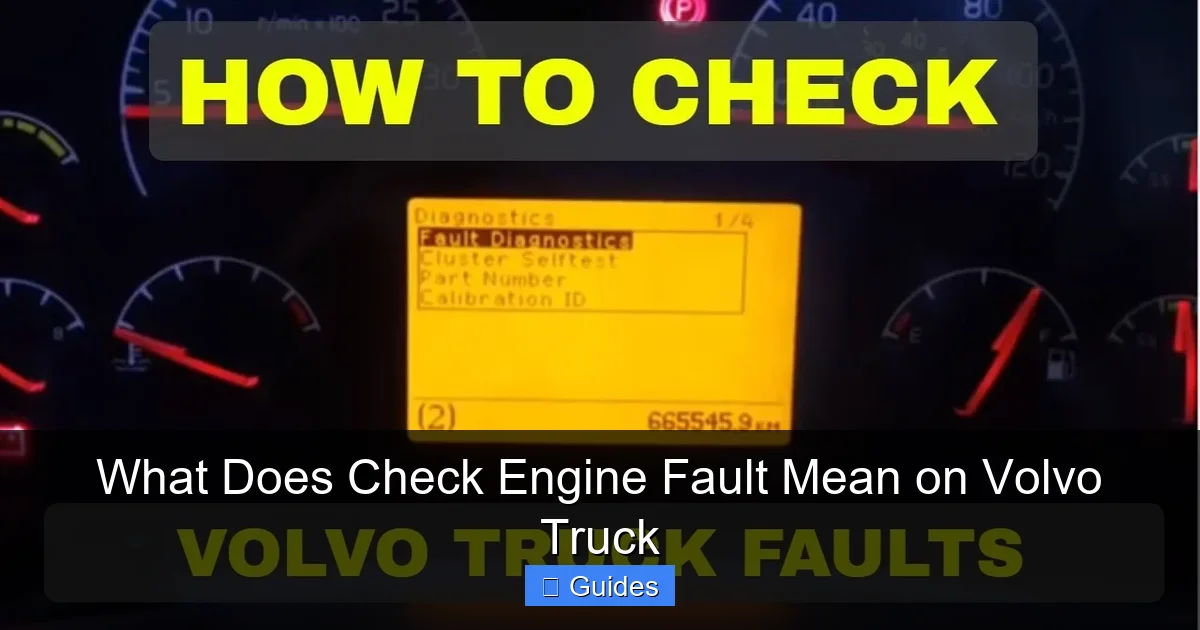
To truly grasp what a check engine fault means, it helps to understand how Volvo’s diagnostic system operates. Think of it as the truck’s internal health monitor—constantly checking vital signs like engine temperature, fuel pressure, exhaust emissions, and electrical signals.
At the heart of this system is the Engine Control Unit (ECU), a powerful computer that collects data from dozens of sensors placed throughout the engine and exhaust system. These sensors monitor everything from oxygen levels in the exhaust to crankshaft position and fuel injection timing. When a sensor reports a value outside the normal range—say, a sudden drop in fuel pressure or a spike in exhaust gas temperature—the ECU logs a fault code and activates the check engine light.
Volvo trucks use standardized OBD2 protocols, which means the diagnostic system is compatible with most modern scanning tools. However, Volvo also employs proprietary systems like VCADS (Volvo Computer Aided Diagnostic System), which provides deeper access to truck-specific data and settings. This dual-layer approach allows for both general diagnostics and advanced troubleshooting.
One key feature of Volvo’s system is its ability to distinguish between minor and severe faults. For example, a temporary sensor glitch might trigger a warning that clears on its own, while a persistent misfire could indicate a serious mechanical issue. The system may also enter “limp mode,” reducing engine power to protect components until the problem is fixed.
Understanding this process helps drivers and technicians interpret the check engine fault more accurately. It’s not just a light—it’s a data-driven alert that guides you toward the root cause.
Common Causes of Check Engine Faults in Volvo Trucks
Visual guide about What Does Check Engine Fault Mean on Volvo Truck
Image source: i.ytimg.com
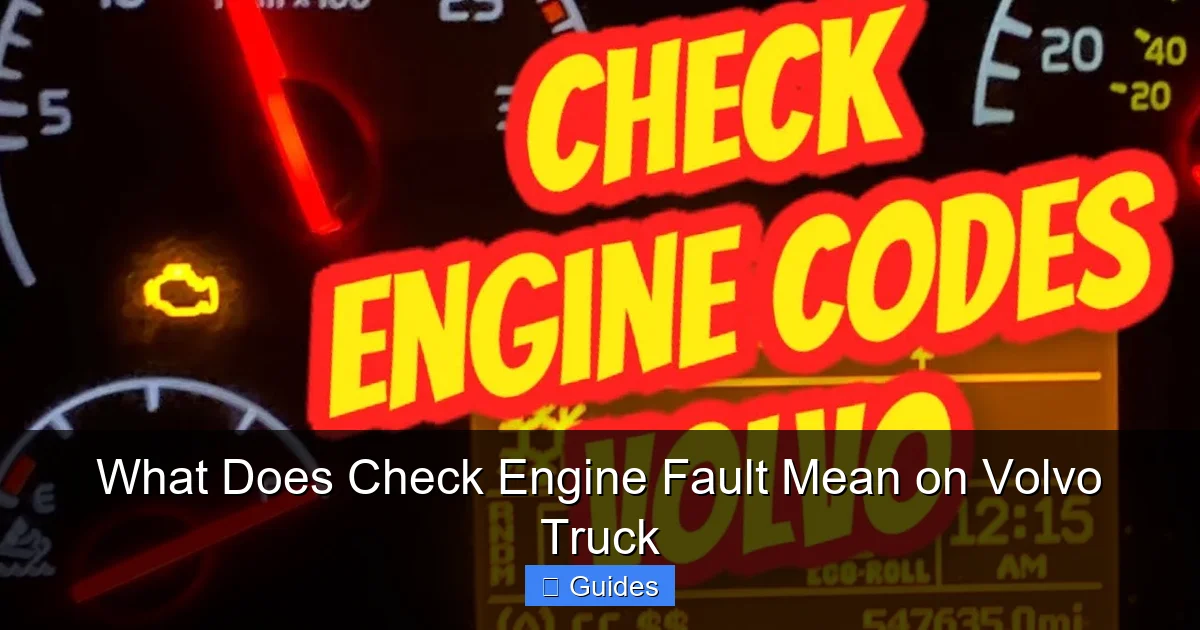
Now that we know how the system works, let’s explore the most common reasons why a check engine fault might appear on your Volvo truck. While the possibilities are numerous, several issues account for the majority of cases.
Faulty Oxygen (O2) Sensors
Oxygen sensors measure the amount of unburned oxygen in the exhaust gases. They help the ECU adjust the air-fuel mixture for optimal combustion and emissions. Over time, these sensors can become contaminated with soot, oil, or coolant, leading to inaccurate readings. A failing O2 sensor can cause poor fuel economy, increased emissions, and even engine misfires.
For example, if the sensor reports too much oxygen, the ECU may inject more fuel, creating a rich mixture that wastes fuel and clogs the catalytic converter. Replacing a faulty O2 sensor is usually straightforward, but it’s important to use OEM or high-quality aftermarket parts to ensure accuracy.
EGR Valve Malfunction
The Exhaust Gas Recirculation (EGR) valve reduces nitrogen oxide emissions by recirculating a portion of exhaust gas back into the combustion chamber. However, carbon buildup can cause the valve to stick open or closed, triggering a check engine fault.
A stuck-open EGR valve can cause rough idling, stalling, or hesitation during acceleration. A stuck-closed valve may lead to higher emissions and engine knocking. Cleaning or replacing the EGR valve often resolves the issue, but regular maintenance—like using quality fuel and additives—can prevent buildup.
Fuel System Issues
Problems with the fuel system are another frequent cause of check engine faults. This includes clogged fuel injectors, a failing fuel pump, or a dirty fuel filter. Injectors that don’t spray fuel properly can cause misfires, reduced power, and poor fuel economy.
For instance, if one injector is partially blocked, that cylinder may not fire correctly, leading to a noticeable vibration or loss of power. Replacing clogged injectors or servicing the fuel pump can restore performance and clear the fault.
Mass Airflow (MAF) Sensor Failure
The MAF sensor measures the amount of air entering the engine, allowing the ECU to calculate the correct fuel injection. A dirty or faulty MAF sensor can send incorrect data, causing the engine to run too rich or too lean.
Symptoms include hesitation, stalling, or a noticeable drop in fuel efficiency. Cleaning the sensor with a specialized spray can sometimes fix the issue, but replacement may be necessary if the sensor is damaged.
Catalytic Converter Problems
The catalytic converter reduces harmful emissions by converting pollutants into less harmful gases. Over time, it can become clogged or damaged, especially if the engine is running rich or burning oil.
A failing catalytic converter often triggers a check engine fault and may cause reduced engine power, increased exhaust backpressure, or a sulfur smell. Replacing the converter is expensive, so it’s best to address underlying issues—like oil leaks or rich fuel mixtures—early.
Loose or Damaged Gas Cap
Believe it or not, a loose or cracked gas cap can trigger the check engine light. The cap seals the fuel system, and if it’s not tight, fuel vapors can escape, triggering an evaporative emissions fault.
This is one of the easiest fixes—simply tighten the cap or replace it if damaged. Many drivers overlook this simple step, but it’s often the culprit behind a seemingly mysterious fault.
Symptoms That Accompany a Check Engine Fault
Visual guide about What Does Check Engine Fault Mean on Volvo Truck
Image source: imageshack.com
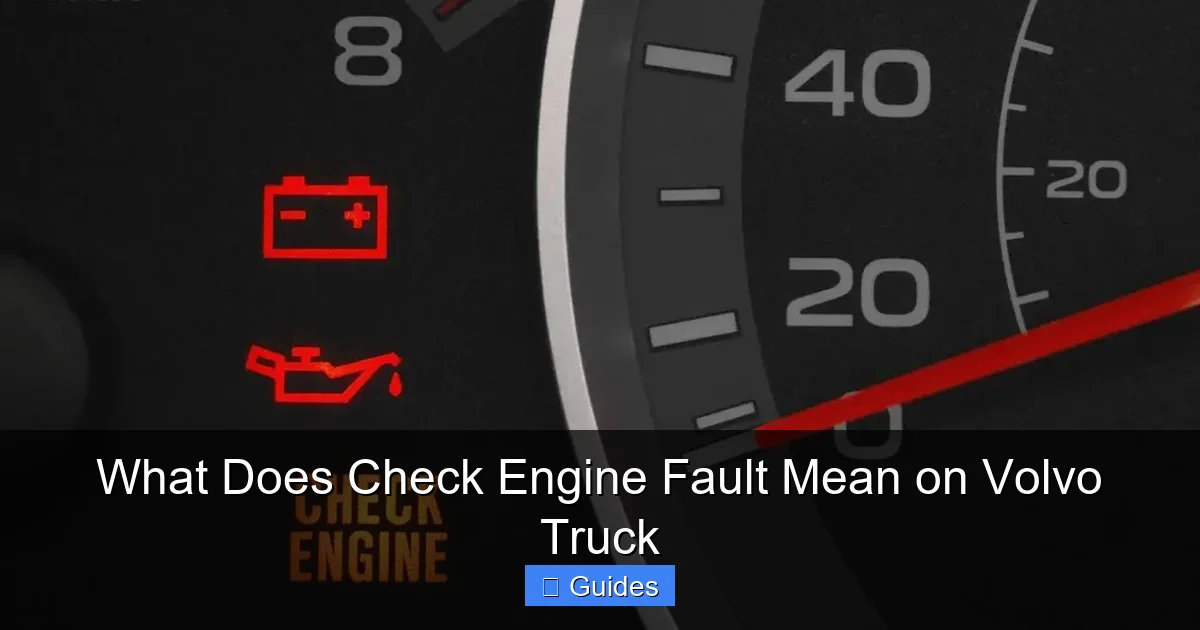
While the check engine light is the primary indicator, other symptoms often accompany the fault. Recognizing these signs can help you respond quickly and avoid further damage.
Reduced Engine Power or Limp Mode
One of the most noticeable symptoms is a sudden drop in power. Volvo trucks may enter “limp mode” to protect the engine, limiting speed and performance. This often happens with serious faults like a failing turbocharger or transmission issue.
If your truck feels sluggish or unresponsive, especially under load, it’s a strong sign that the check engine fault is more than a minor glitch.
Poor Fuel Economy
A sudden increase in fuel consumption is another red flag. If you’re filling up more often without a change in driving habits, the engine may be running inefficiently due to a sensor or fuel system issue.
For example, a faulty oxygen sensor can cause the engine to burn more fuel than necessary, costing you money at the pump.
Rough Idling or Engine Misfires
If the engine shakes, vibrates, or stalls at idle, it could indicate a misfire. This happens when one or more cylinders fail to ignite properly, often due to spark plug, injector, or sensor problems.
Misfires not only reduce performance but can also damage the catalytic converter over time. Addressing them early is crucial.
Unusual Noises
Knocking, pinging, or hissing sounds from the engine bay can signal mechanical issues. For instance, a hissing noise might indicate a vacuum leak, while knocking could point to pre-ignition or low oil pressure.
These sounds, combined with the check engine light, warrant immediate inspection.
Smoke or Odors from the Exhaust
Black smoke suggests a rich fuel mixture, often due to a faulty sensor or injector. Blue smoke indicates burning oil, possibly from worn piston rings or valve seals. White smoke may signal coolant entering the combustion chamber, a sign of a blown head gasket.
Any unusual exhaust emissions should be investigated promptly.
How to Diagnose a Check Engine Fault on a Volvo Truck
When the check engine light comes on, the first step is diagnosis. Fortunately, modern tools make this process easier than ever.
Use an OBD2 Scanner
The most common method is using an OBD2 scanner to read the fault codes stored in the ECU. These codes—like P0171 (system too lean) or P0401 (EGR flow insufficient)—point to specific issues.
You can purchase a basic OBD2 scanner for under $50, or use a professional-grade tool for more detailed data. Simply plug the scanner into the OBD2 port (usually under the dashboard), turn the ignition on, and retrieve the codes.
Interpret the Codes
Once you have the codes, consult a repair manual or online database to understand what they mean. For example, code P0304 indicates a misfire in cylinder 4. This narrows down the problem and guides your next steps.
Keep in mind that the code tells you where the problem is detected, not necessarily the root cause. A misfire could be due to a bad spark plug, injector, or even a vacuum leak.
Use Volvo-Specific Tools
For deeper diagnostics, especially on newer models, Volvo’s VCADS or I-TPi (Intelligent Truck Performance Interface) systems provide advanced access to engine parameters, live data, and calibration settings.
These tools are typically used by certified Volvo technicians but are invaluable for complex faults. If you’re not trained to use them, it’s best to consult a professional.
Perform Visual and Mechanical Checks
Sometimes, the issue is visible. Inspect hoses for cracks, check for loose connections, and look for signs of oil or coolant leaks. A simple visual inspection can reveal problems like a disconnected vacuum line or a damaged sensor.
Clear the Codes and Test Drive
After addressing the issue, clear the fault codes using the scanner and take the truck for a test drive. If the light stays off, the problem is likely resolved. If it returns, further diagnosis is needed.
What to Do When the Check Engine Light Comes On
Knowing what to do when the check engine fault appears can save you time, money, and stress.
Don’t Panic—But Don’t Ignore It
First, stay calm. The light doesn’t always mean a catastrophic failure. However, ignoring it can lead to bigger problems. Assess the situation: Is the truck running normally, or are there noticeable symptoms?
Check for Immediate Danger
If the truck is smoking, overheating, or losing power rapidly, pull over safely and turn off the engine. Continuing to drive could cause serious damage.
Scan for Codes
Use an OBD2 scanner to retrieve the fault codes. This gives you a starting point for diagnosis.
Address Simple Fixes First
Check the gas cap, inspect visible hoses, and look for obvious issues. Sometimes, a loose cap or disconnected sensor is the culprit.
Schedule Professional Diagnosis
If the fault persists or you’re unsure of the cause, take the truck to a certified Volvo service center. They have the tools and expertise to diagnose and repair complex issues.
Keep Records
Document the fault codes, symptoms, and repairs. This helps track recurring issues and provides valuable information for future maintenance.
Preventing Check Engine Faults in Volvo Trucks
Prevention is always better than cure. Regular maintenance and good driving habits can significantly reduce the risk of check engine faults.
Follow the Maintenance Schedule
Volvo provides a detailed maintenance schedule for each model. Stick to it—replace filters, change oil, and inspect components as recommended.
Use Quality Fuel and Additives
Low-quality fuel can cause carbon buildup and sensor contamination. Use reputable fuel stations and consider fuel system cleaners periodically.
Inspect Sensors and Hoses
During routine checks, inspect oxygen sensors, MAF sensors, and vacuum hoses for damage or wear. Replace them before they fail.
Avoid Short Trips When Possible
Frequent short trips prevent the engine from reaching optimal temperature, leading to carbon buildup. Combine errands when possible to allow the engine to run longer.
Monitor Dashboard Warnings
Pay attention to other lights and gauges. A rising temperature or low oil pressure can signal issues before they trigger the check engine light.
When to See a Professional
While some check engine faults can be resolved with basic tools and knowledge, others require expert attention.
Seek professional help if:
– The check engine light is flashing (indicates a severe misfire)
– The truck is in limp mode
– You’re unable to retrieve or interpret fault codes
– The issue involves the transmission, turbocharger, or emissions system
– Repairs require specialized tools or software
Certified Volvo technicians have access to the latest diagnostic equipment and training, ensuring accurate and safe repairs.
Conclusion
The check engine fault on a Volvo truck is more than just a warning light—it’s a vital communication from your vehicle’s onboard system. While it can signal anything from a loose gas cap to a serious mechanical issue, understanding its meaning and responding appropriately is key to maintaining performance, safety, and efficiency.
By recognizing common causes, monitoring symptoms, and using diagnostic tools, you can often identify and resolve issues early. Regular maintenance and professional support further reduce the risk of faults and costly repairs.
Remember, the check engine light is there to help you. Treat it with respect, act promptly, and your Volvo truck will continue to deliver the reliability and performance you depend on.
Frequently Asked Questions
What does a flashing check engine light mean on a Volvo truck?
A flashing check engine light indicates a severe misfire that can damage the catalytic converter. Pull over safely, turn off the engine, and seek immediate professional assistance.
Can I drive my Volvo truck with the check engine light on?
You may be able to drive short distances if the truck runs normally, but it’s best to diagnose the issue as soon as possible to avoid further damage.
How much does it cost to fix a check engine fault on a Volvo truck?
Costs vary widely—from $20 for a gas cap to over $2,000 for a catalytic converter replacement. Diagnosis and repair depend on the specific fault and labor rates.
Will disconnecting the battery clear the check engine light?
Disconnecting the battery may temporarily clear the light, but it won’t fix the underlying issue. The light will likely return once the ECU detects the problem again.
How often should I scan for fault codes?
Scan whenever the check engine light comes on. Regular scanning during maintenance can also help catch developing issues early.
Can a software update fix a check engine fault?
In some cases, yes. Volvo occasionally releases ECU software updates to address known issues. A certified technician can check for available updates.

At CarLegit, we believe information should be clear, factual, and genuinely helpful. That’s why every guide, review, and update on our website is created with care, research, and a strong focus on user experience.