
Opening the hood on a Volvo XC90 is straightforward once you know where to look. This guide walks you through the process safely and efficiently, whether you’re checking fluids, inspecting the engine, or performing routine maintenance.
In This Article
- 1 Key Takeaways
- 2 📑 Table of Contents
- 3 How to Open the Hood on a Volvo XC90: A Complete Step-by-Step Guide
- 4 Understanding the Volvo XC90 Hood Mechanism
- 5 Step-by-Step Instructions to Open the Hood
- 6 Model-Year Variations and Tips
- 7 Common Mistakes and Troubleshooting
- 8 Safety and Maintenance Tips
- 9 Conclusion
- 10 Frequently Asked Questions
- 10.1 Where is the hood release lever on a Volvo XC90?
- 10.2 Why won’t my Volvo XC90 hood open after pulling the lever?
- 10.3 Do all Volvo XC90 models use a support rod?
- 10.4 Can I open the hood if the car is parked on a slope?
- 10.5 How often should I check under the hood of my XC90?
- 10.6 What should I do if the hood latch is frozen in winter?
Key Takeaways
- Locate the interior hood release lever: Found under the dashboard on the driver’s side, usually near the footwell.
- Pull the lever firmly: A single, strong pull activates the primary latch; you’ll hear a click when it releases.
- Find the secondary safety latch: Located under the front edge of the hood, requiring you to reach forward and slide or press it to fully open.
- Use the hood support rod: Always prop the hood with the built-in support rod to prevent it from falling.
- Check for model-year differences: Procedures are nearly identical across 2003–2024 models, but minor variations exist.
- Never force the hood: If it doesn’t open, double-check both latches and ensure the car is on level ground.
- Regular maintenance access: Knowing how to open the hood is essential for checking oil, coolant, and battery health.
📑 Table of Contents
How to Open the Hood on a Volvo XC90: A Complete Step-by-Step Guide
So, you’ve got a Volvo XC90—congratulations! It’s a premium SUV known for its safety, comfort, and Scandinavian design. But even the most reliable vehicles need a little TLC now and then. Whether you’re checking your oil level, topping off windshield washer fluid, or just inspecting the engine bay, knowing how to open the hood is a basic but essential skill for any XC90 owner.
At first glance, the process might seem obvious—most cars have a hood release lever under the dashboard. But Volvo’s design includes a two-stage latch system for added safety, which can confuse new owners or those unfamiliar with European vehicles. Don’t worry—this guide will walk you through every step, from locating the release lever to safely propping up the hood. We’ll also cover common mistakes, troubleshooting tips, and maintenance reminders to keep your XC90 running smoothly.
By the end of this article, you’ll feel confident opening the hood on your Volvo XC90, no matter the model year. Whether you drive a 2005 XC90 or a brand-new 2024 model, the fundamentals remain consistent. Let’s get started!
Understanding the Volvo XC90 Hood Mechanism

Visual guide about How to Open the Hood on a Volvo Xc90
Image source: hoodwings.com
Before diving into the steps, it’s helpful to understand how the hood release system works on the Volvo XC90. Unlike some vehicles that use a single latch, the XC90 employs a dual-latch safety system. This design prevents the hood from accidentally flying open while driving, which is especially important given the vehicle’s size and typical highway use.
The system consists of two main components: the interior release lever and the external safety latch. When you pull the interior lever, it disengages the primary latch. However, the hood only pops open slightly—just enough to reveal a small gap. To fully open the hood, you must then locate and release the secondary latch, which is positioned under the front edge of the hood, near the center.
This two-step process is standard across all XC90 models, from the first generation (2003–2014) to the second generation (2016–present). Volvo designed it this way to enhance safety and prevent accidental openings. It’s a smart feature, but it can trip up drivers who aren’t familiar with it.
Another key component is the hood support rod. Unlike some modern cars that use hydraulic struts, many XC90 models—especially older ones—rely on a manual support rod to hold the hood open. This rod is stored in a clip when not in use and must be manually positioned into a designated slot on the underside of the hood. Always use this rod when working under the hood to avoid injury.
Understanding these mechanics not only helps you open the hood correctly but also ensures you do so safely. It’s a small detail, but one that makes a big difference in vehicle maintenance.
Step-by-Step Instructions to Open the Hood

Visual guide about How to Open the Hood on a Volvo Xc90
Image source: i.ytimg.com
Now that you know how the system works, let’s walk through the actual process of opening the hood on your Volvo XC90. Follow these steps carefully, and you’ll have access to the engine bay in under a minute.
Step 1: Locate the Interior Hood Release Lever
Start by sitting in the driver’s seat and looking under the dashboard on the left side, near the footwell. You’re looking for a small, black or gray lever—usually marked with a hood icon (a stylized car with an open hood). On most XC90 models, this lever is positioned just to the left of the steering column, about halfway down the dashboard.
The lever is typically recessed into the panel to prevent accidental activation. It may feel stiff at first, especially if you haven’t used it in a while. Don’t worry—this is normal. Volvo designs these levers to require a firm pull to ensure they aren’t triggered by vibration or accidental contact.
Pro tip: If you’re having trouble finding it, try running your hand along the lower edge of the dashboard. The lever is often tucked just out of sight but within easy reach. Some owners describe it as being “hidden in plain sight.”
Step 2: Pull the Lever Firmly
Once you’ve located the lever, grasp it firmly with your fingers and pull it toward you in a smooth, steady motion. You don’t need to yank it—just apply enough pressure to overcome the spring tension. When the primary latch releases, you’ll hear a distinct “click” and feel the lever move slightly.
After pulling the lever, the front of the hood should pop up by about 1 to 2 inches. This gap is intentional—it allows you to access the secondary latch without fully opening the hood. If the hood doesn’t move at all, double-check that you’ve pulled the correct lever. Some XC90 models have similar-looking levers for the fuel door or parking brake, so make sure you’re targeting the right one.
Note: If the lever feels completely stuck or doesn’t return to its original position after pulling, there may be an issue with the cable or latch mechanism. In such cases, consult your owner’s manual or visit a Volvo service center.
Step 3: Locate and Release the Secondary Safety Latch
With the hood slightly raised, move to the front of the vehicle. Look under the front edge of the hood, right in the center. You’ll see a small, recessed latch—usually black or silver—that must be manually released.
To access it, reach under the hood with your hand. The latch is typically positioned about 6 to 8 inches back from the very front edge. It may be protected by a rubber flap or recessed into the body to prevent debris from entering.
Once you’ve found it, press or slide the latch to the side (direction varies slightly by model year). On most XC90s, you’ll need to push it to the left or right—there’s usually a small arrow or indicator showing the correct direction. When released, you’ll hear another click, and the hood will lift freely.
Important: Never try to force the hood open if the secondary latch doesn’t release. Forcing it can damage the latch mechanism or bend the hood. If it’s stuck, gently wiggle the latch while applying light upward pressure to the hood. Sometimes dirt or ice can interfere with the mechanism, especially in colder climates.
Step 4: Lift the Hood and Secure It
With both latches released, lift the hood upward until it’s fully open. Be mindful of your surroundings—make sure there’s enough clearance above the vehicle (especially in garages or under low-hanging branches).
Once the hood is open, locate the support rod. It’s usually stored in a clip on the underside of the hood, near the hinge. Pull it out and insert the tip into the designated slot on the hood’s inner frame. This slot is often marked with a small diagram or label.
Make sure the rod is fully seated and secure before releasing the hood. A loose support rod can cause the hood to fall unexpectedly, which could result in injury or damage to the vehicle.
Step 5: Close the Hood Safely
When you’re done working under the hood, remove the support rod and return it to its clip. Then, lower the hood slowly until it’s about 6 to 8 inches from closing. At this point, let go and allow the hood to fall the rest of the way under its own weight. This ensures the primary latch engages properly.
Do not slam the hood shut—this can damage the latch or paint. A firm, controlled drop is all that’s needed. After closing, give the hood a gentle push to confirm it’s fully secured.
Model-Year Variations and Tips
Visual guide about How to Open the Hood on a Volvo Xc90
Image source: thumbs.dreamstime.com
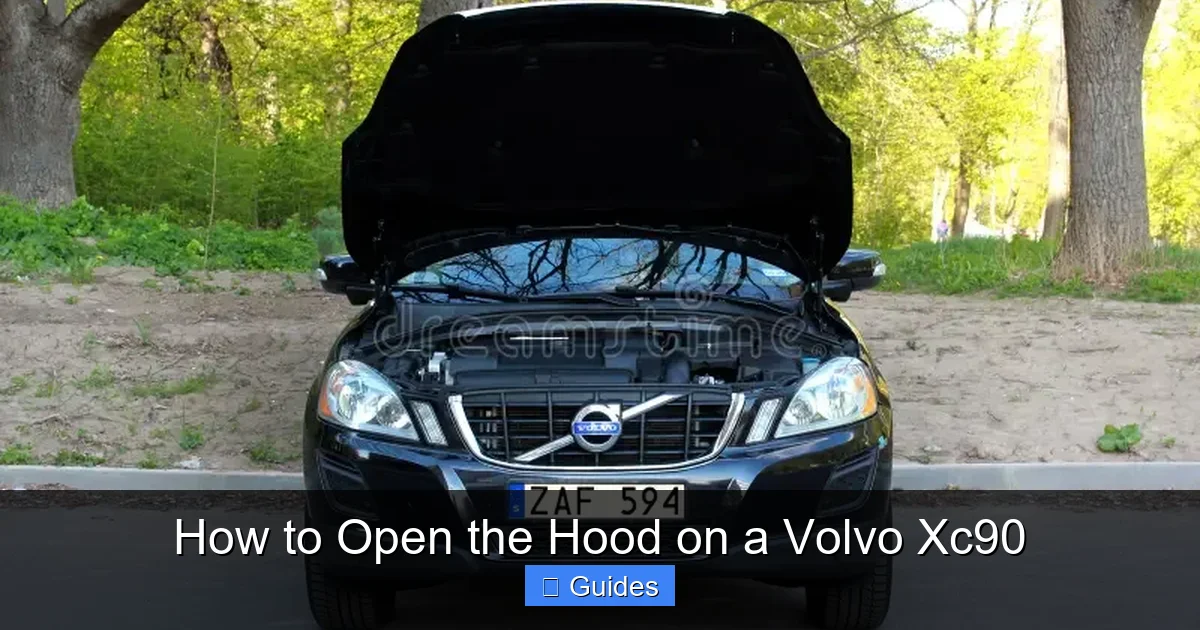
While the basic process for opening the hood on a Volvo XC90 is consistent across all model years, there are some subtle differences worth noting—especially if you’re driving an older or newer model.
First-Generation XC90 (2003–2014)
The first-generation XC90 uses a traditional cable-operated hood release system. The interior lever is located under the dashboard, and the secondary latch is manually operated by sliding a small lever to the side. These models typically use a support rod, not hydraulic struts, so you’ll need to manually prop the hood.
One common issue with older models is cable wear. Over time, the release cable can stretch or corrode, making the lever feel loose or unresponsive. If you notice this, have the cable inspected by a mechanic.
Second-Generation XC90 (2016–Present)
The newer XC90 models feature updated interiors and slightly refined hood mechanisms. The release lever is still under the dashboard, but it may be more ergonomically shaped or better labeled. Some higher trim levels include hydraulic hood struts, which automatically hold the hood open—eliminating the need for a support rod.
However, even on models with struts, it’s still wise to check that the hood is secure before working underneath. Struts can fail over time, especially in extreme temperatures.
Hybrid and T8 Models
Volvo’s plug-in hybrid variants (like the T8 Twin Engine) follow the same hood-opening procedure. However, be extra cautious when working near the high-voltage components, which are typically housed in the engine bay. Always disconnect the 12V battery before performing any electrical work.
Winter and Cold Weather Considerations
In colder climates, ice and snow can freeze the hood latch, making it difficult to open. If you suspect the latch is frozen, avoid forcing it. Instead, use a de-icing spray or gently apply heat with a hair dryer. Never pour hot water directly on the latch, as this can cause cracking or further freezing.
Common Mistakes and Troubleshooting
Even with clear instructions, it’s easy to make mistakes when opening the hood on a Volvo XC90—especially if you’re doing it for the first time. Here are some common pitfalls and how to avoid them.
Mistake 1: Pulling the Wrong Lever
The driver’s side footwell area often houses multiple levers: hood release, fuel door, and sometimes parking brake or trunk release. Pulling the wrong one won’t open the hood and can be confusing. Always look for the lever with the hood icon.
Mistake 2: Forgetting the Secondary Latch
Many drivers pull the interior lever and assume the hood is fully open. When it only pops up slightly, they think it’s broken. Remember: the secondary latch must be manually released under the hood.
Mistake 3: Not Using the Support Rod
Attempting to hold the hood open with your hand or a random object is dangerous. Always use the built-in support rod or hydraulic struts. If the rod is missing or broken, replace it immediately.
Mistake 4: Slamming the Hood Shut
Closing the hood too forcefully can damage the latch, hinges, or paint. Always lower it gently and let it drop the final few inches.
Troubleshooting: Hood Won’t Open
If the hood doesn’t open after following all steps, consider these possibilities:
– The car is on an incline, causing the latch to bind. Try parking on level ground.
– The release cable is broken or disconnected. This requires professional repair.
– The secondary latch is obstructed by debris or ice. Clean the area and try again.
– The hood is misaligned due to an accident or wear. A body shop may need to adjust it.
Safety and Maintenance Tips
Knowing how to open the hood is just the beginning. To keep your Volvo XC90 in top condition, follow these safety and maintenance best practices.
Always Work on Level Ground
Park your XC90 on a flat, stable surface before opening the hood. An incline can cause the hood to shift or the latch to bind, making it harder to open or close.
Wear Protective Gear
When inspecting the engine, wear gloves and safety glasses. Engine bays contain hot surfaces, sharp edges, and potentially hazardous fluids.
Check Fluids Regularly
Use the hood access to check oil, coolant, brake fluid, and windshield washer levels. Refer to your owner’s manual for recommended intervals and proper levels.
Inspect for Leaks and Damage
While the hood is open, look for signs of leaks, cracked hoses, or loose belts. Early detection can prevent costly repairs.
Keep the Latch Clean
Dirt and grime can accumulate in the latch mechanism, causing it to stick. Clean it periodically with a soft brush and lubricant designed for automotive use.
Conclusion
Opening the hood on a Volvo XC90 is a simple task once you understand the two-stage latch system. By locating the interior release lever, pulling it firmly, and then releasing the secondary safety latch, you can safely access the engine bay for maintenance or inspection. Whether you drive a first-generation model or the latest T8 hybrid, the process remains consistent—just be mindful of minor variations and always prioritize safety.
Regular access to the engine compartment allows you to monitor fluid levels, spot potential issues early, and keep your XC90 running smoothly for years to come. With this guide, you’re now equipped to handle one of the most basic—but important—aspects of vehicle ownership.
So the next time you need to check your oil or top off your coolant, don’t hesitate. Open that hood with confidence, and give your Volvo the care it deserves.
Frequently Asked Questions
Where is the hood release lever on a Volvo XC90?
The hood release lever is located under the dashboard on the driver’s side, near the footwell. Look for a small lever with a hood icon, usually just to the left of the steering column.
Why won’t my Volvo XC90 hood open after pulling the lever?
If the hood only pops up slightly, you likely need to release the secondary safety latch under the front edge of the hood. If it doesn’t move at all, the release cable may be broken or frozen.
Do all Volvo XC90 models use a support rod?
Most older models use a manual support rod, while newer or higher-trim models may have hydraulic struts. Always check your specific model and use the appropriate support method.
Can I open the hood if the car is parked on a slope?
It’s not recommended. Parking on an incline can cause the latch to bind. Always open the hood on level ground for safety and ease of access.
How often should I check under the hood of my XC90?
It’s a good idea to check under the hood every month or before long trips. Regular inspections help you monitor fluid levels and spot potential issues early.
What should I do if the hood latch is frozen in winter?
Use a de-icing spray or gently apply heat with a hair dryer. Never force the latch or pour hot water directly on it, as this can cause damage or further freezing.

At CarLegit, we believe information should be clear, factual, and genuinely helpful. That’s why every guide, review, and update on our website is created with care, research, and a strong focus on user experience.