
Knowing the right tire size for your 2018 Dodge Journey is essential for safety, performance, and fuel efficiency. This guide breaks down the factory tire sizes by trim, explains how to read tire markings, and offers practical advice on choosing replacements, upgrading, and maintaining your tires.
In This Article
- 1 Key Takeaways
- 2 📑 Table of Contents
- 3 What Size Tires Does a 2018 Dodge Journey Have?
- 4 Factory Tire Sizes by Trim Level
- 5 How to Read Tire Size Markings
- 6 Can You Change Tire Size on a 2018 Dodge Journey?
- 7 Best Tire Types for the 2018 Dodge Journey
- 8 Tire Maintenance Tips for Your 2018 Dodge Journey
- 9 Where to Buy Tires for Your 2018 Dodge Journey
- 10 Conclusion
- 11 Frequently Asked Questions
- 11.1 What is the standard tire size for a 2018 Dodge Journey?
- 11.2 Can I put different size tires on my 2018 Dodge Journey?
- 11.3 Are all 2018 Dodge Journey tires the same?
- 11.4 How often should I rotate the tires on my Journey?
- 11.5 What PSI should I inflate my 2018 Dodge Journey tires to?
- 11.6 Can I use winter tires on my 2018 Dodge Journey?
Key Takeaways
- Standard tire sizes vary by trim: The 2018 Dodge Journey comes with different tire sizes depending on the model—ranging from 225/65R17 to 235/55R19.
- Check your door jamb or owner’s manual: The most accurate way to confirm your tire size is by looking at the sticker inside the driver’s door or consulting the owner’s manual.
- Understanding tire codes is crucial: Tire markings like “225/65R17” tell you the width, aspect ratio, construction, and wheel diameter—key for finding the right fit.
- All-season tires are the most common choice: Most 2018 Journey models come equipped with all-season tires designed for balanced performance in various conditions.
- Upgrading tires? Stay within recommended limits: You can safely switch to slightly larger or smaller tires, but always consult a professional to avoid speedometer errors or rubbing issues.
- Proper inflation and rotation extend tire life: Regular maintenance ensures even wear, better handling, and improved fuel economy.
- Winter or performance tires may require size changes: If you live in snowy areas or want sportier handling, consider dedicated tires—but confirm compatibility first.
📑 Table of Contents
- What Size Tires Does a 2018 Dodge Journey Have?
- Factory Tire Sizes by Trim Level
- How to Read Tire Size Markings
- Can You Change Tire Size on a 2018 Dodge Journey?
- Best Tire Types for the 2018 Dodge Journey
- Tire Maintenance Tips for Your 2018 Dodge Journey
- Where to Buy Tires for Your 2018 Dodge Journey
- Conclusion
What Size Tires Does a 2018 Dodge Journey Have?
If you own a 2018 Dodge Journey, you’ve got a versatile, family-friendly SUV that’s built for comfort, space, and everyday reliability. But when it comes time to replace your tires—whether due to wear, damage, or a seasonal change—you might find yourself asking: *What size tires does a 2018 Dodge Journey have?* The answer isn’t one-size-fits-all. In fact, the tire size depends on the specific trim level and optional packages your vehicle came with. That’s why it’s important to know your exact model and how to interpret tire markings.
In this guide, we’ll walk you through everything you need to know about 2018 Dodge Journey tire sizes. From factory specifications to decoding tire labels, upgrading options, and maintenance tips, we’ve got you covered. Whether you’re shopping online, visiting a tire shop, or just curious about your vehicle’s specs, this article will help you make informed decisions. Plus, we’ll share practical advice to keep your Journey rolling smoothly, safely, and efficiently for years to come.
Factory Tire Sizes by Trim Level

Visual guide about What Size Tires Does a 2018 Dodge Journey Have
Image source: ca-vimg.s3.amazonaws.com
The 2018 Dodge Journey was offered in several trim levels, including the SE, SXT, Crossroad, and GT. Each trim came with different wheel and tire combinations, so it’s essential to match your tire size to your specific model. Let’s break down the standard tire sizes for each trim.
2018 Dodge Journey SE and SXT (Base Models)
The SE and SXT trims are the entry-level options for the 2018 Journey. These models typically come equipped with 17-inch wheels and all-season tires designed for everyday driving comfort and fuel efficiency. The standard tire size for these trims is:
225/65R17
This means the tire is 225 millimeters wide, has an aspect ratio of 65% (the sidewall height is 65% of the width), is of radial construction (R), and fits a 17-inch wheel. These tires offer a good balance of ride comfort, tread life, and wet-weather traction. They’re ideal for city driving, highway commutes, and light weekend adventures.
If you’re replacing tires on an SE or SXT, sticking with 225/65R17 is the safest bet unless you’ve upgraded your wheels. Many owners appreciate the lower cost and wider availability of this size, making it easy to find quality replacements from brands like Michelin, Goodyear, Bridgestone, and Continental.
2018 Dodge Journey Crossroad
The Crossroad trim adds a bit more style and capability to the Journey lineup. It often includes upgraded wheels and slightly wider tires for improved handling and a more aggressive look. The standard tire size for the Crossroad is:
235/60R18
This size features a wider tread (235 mm) and a lower aspect ratio (60%), which means a shorter sidewall. The result? Better cornering stability and a sportier feel, though the ride may be slightly firmer compared to the 17-inch setup. These tires are mounted on 18-inch alloy wheels, giving the Crossroad a more premium appearance.
If you’re shopping for tires for your Crossroad, look for all-season or touring tires in the 235/60R18 size. Many drivers choose models with enhanced tread patterns for better grip in rain or light snow. Keep in mind that wider tires can slightly reduce fuel economy, but the trade-off in performance is often worth it.
2018 Dodge Journey GT (Top Trim)
The GT is the performance-oriented version of the 2018 Journey. It comes with the most powerful engine option and sport-tuned suspension, so it deserves tires that can keep up. The GT typically rolls on 19-inch wheels with the following tire size:
235/55R19
This size offers an even lower profile (55% aspect ratio), which enhances steering response and gives the vehicle a sleek, athletic stance. However, the shorter sidewalls mean less cushioning over bumps, so ride comfort may be reduced compared to smaller wheels. These tires are best suited for drivers who prioritize handling and style over maximum comfort.
When replacing tires on a GT, consider high-performance all-season or summer tires. Brands like Pirelli, Yokohama, and Falken offer excellent options in this size. Just be sure to check load index and speed rating to ensure they meet or exceed the manufacturer’s recommendations.
How to Read Tire Size Markings

Visual guide about What Size Tires Does a 2018 Dodge Journey Have
Image source: ca-vimg.s3.amazonaws.com
Even if you know your 2018 Dodge Journey’s tire size, understanding what those numbers mean can help you make smarter decisions when buying new tires. Let’s decode the most common tire size format: 225/65R17.
Breaking Down the Numbers
– 225: This is the tire’s width in millimeters, measured from sidewall to sidewall. A wider tire generally provides better grip and stability but may reduce fuel efficiency.
– 65: This is the aspect ratio, or the height of the sidewall as a percentage of the width. A 65 means the sidewall is 65% of 225 mm (about 146 mm tall). Lower numbers mean shorter sidewalls and a sportier feel.
– R: This stands for “radial,” the most common type of tire construction. Radial tires have layers of fabric running radially across the tire, offering durability and flexibility.
– 17: This is the diameter of the wheel (rim) in inches. Your tire must match this exactly to fit properly.
Additional Markings on the Sidewall
Beyond the size, your tire sidewall includes other important information:
– Load Index: A number (e.g., 100) that indicates the maximum weight the tire can support. For the Journey, this is typically 100 or higher.
– Speed Rating: A letter (e.g., H, V, T) that shows the maximum speed the tire can safely handle. Most 2018 Journey tires have an “H” rating (up to 130 mph) or “T” (up to 118 mph).
– Treadwear, Traction, and Temperature Ratings: These grades help you compare tire performance. For example, a higher treadwear number means longer life, while “AA” traction is better than “A.”
– M+S: Stands for “Mud and Snow.” Tires with this marking are designed for light off-road or winter conditions, though they’re not a substitute for true winter tires.
Practical Example: Choosing the Right Tire
Imagine you’re replacing the tires on your 2018 Journey SXT. You see two options:
1. 225/65R17 102H – All-season, load index 102, speed rating H
2. 225/65R17 100T – All-season, load index 100, speed rating T
The first tire can handle more weight and higher speeds, making it a better choice if you frequently carry heavy loads or drive at highway speeds. The second is lighter and may offer slightly better fuel economy but has a lower speed rating. Always choose tires that meet or exceed your original specifications.
Can You Change Tire Size on a 2018 Dodge Journey?
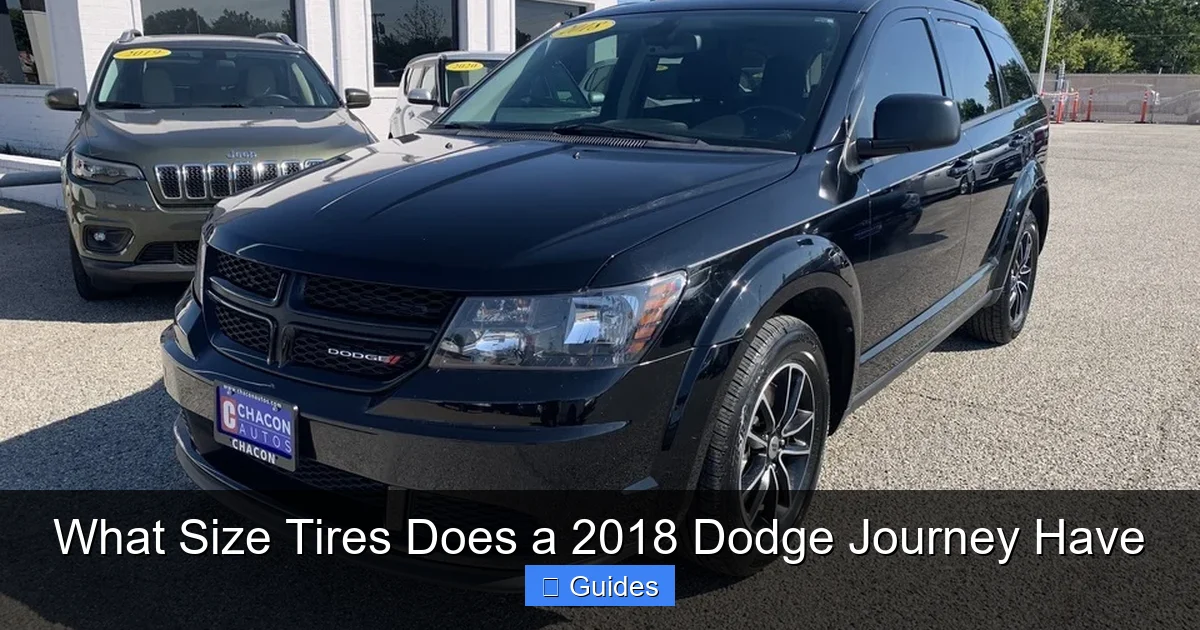
Visual guide about What Size Tires Does a 2018 Dodge Journey Have
Image source: ca-vimg.s3.amazonaws.com
Many drivers wonder if they can upgrade or change their tire size for better performance, looks, or capability. The short answer is: yes, but with limits. Swapping tire sizes can affect your speedometer accuracy, handling, fuel economy, and even cause rubbing against the wheel well.
Upsizing: Going to Larger Tires
You can safely upsize your tires, but only within a narrow range. For example, if your Journey came with 225/65R17 tires, you might consider switching to 235/60R18—but only if you also upgrade to 18-inch wheels. You can’t put an 18-inch tire on a 17-inch rim.
A common rule of thumb is to keep the overall diameter of the tire within 3% of the original. This ensures your speedometer remains accurate and prevents interference with suspension components.
Let’s compare:
– Original: 225/65R17 → Overall diameter ≈ 28.5 inches
– Upsized: 235/60R18 → Overall diameter ≈ 28.9 inches
That’s a difference of about 1.4%, which is acceptable. However, going to 245/50R19 (≈28.7 inches) might push the limit and could cause rubbing or speedometer errors.
Downsizing: Going to Smaller Tires
Downsizing is less common but possible. For example, some owners switch to 16-inch wheels and tires for winter use. A typical winter setup might be 225/70R16, which has a taller sidewall for better snow traction and a softer ride.
Again, check the overall diameter. A 225/70R16 has an approximate diameter of 28.9 inches—very close to the original 225/65R17. This makes it a viable option for winter driving.
Important Considerations Before Changing Tire Size
– Speedometer Accuracy: Even small changes can throw off your speedometer. Use an online tire size calculator to check the difference.
– Clearance Issues: Larger tires may rub against the fender or suspension during turns or over bumps.
– ABS and Traction Control: These systems rely on consistent wheel speed. Mismatched tire sizes can cause false warnings or reduced effectiveness.
– Fuel Economy: Wider or heavier tires can reduce fuel efficiency.
– Warranty and Insurance: Some modifications may affect your vehicle’s warranty or insurance coverage.
Professional Advice
Before making any changes, consult a tire professional or use Dodge’s official tire size recommendations. Many tire shops offer free consultations and can help you find a safe, compatible upgrade.
Best Tire Types for the 2018 Dodge Journey
Now that you know your tire size, the next step is choosing the right type of tire for your driving needs. The 2018 Dodge Journey is a family SUV, so most drivers prioritize comfort, safety, and longevity. Here are the most common tire types and which ones work best for this vehicle.
All-Season Tires (Most Popular Choice)
All-season tires are the default for most 2018 Journey models. They’re designed to perform well in a variety of conditions—dry roads, wet pavement, light snow, and mild temperatures. They offer a good balance of tread life, comfort, and fuel efficiency.
Recommended for: Daily commuters, families, and drivers in moderate climates.
Top Brands: Michelin Defender T+H, Goodyear Assurance MaxLife, Bridgestone Turanza QuietTrack, Continental ProContact RX.
These tires typically last 60,000 to 80,000 miles with proper maintenance. They’re quiet, smooth, and reliable—perfect for the Journey’s intended use.
Touring Tires (Enhanced Comfort and Handling)
Touring tires are a step up from standard all-season tires. They focus on ride comfort, low noise, and long tread life. Many are designed specifically for SUVs and crossovers.
Recommended for: Drivers who prioritize a smooth, quiet ride and long-term value.
Top Brands: Pirelli Cinturato P7 All Season Plus, Yokohama Avid Ascend GT, Falken Sincera SN250 A/S.
These tires often come with advanced tread compounds and noise-reducing technology, making them ideal for highway driving.
Performance Tires (For the GT Trim)
If you drive a 2018 Journey GT, you might appreciate the improved handling of performance tires. These offer better grip, shorter braking distances, and sharper cornering—but may sacrifice some comfort and tread life.
Recommended for: Enthusiasts who enjoy spirited driving or live in areas with winding roads.
Top Brands: Michelin Pilot Sport A/S 4, Continental ExtremeContact DWS06, Pirelli P Zero All Season.
Note: Performance tires are not ideal for heavy snow or off-road use. Use them in dry or wet conditions only.
Winter Tires (For Snowy or Cold Climates)
If you live in an area with harsh winters, consider dedicated winter tires. These are made with softer rubber compounds that stay flexible in cold temperatures, providing superior traction on snow and ice.
Recommended for: Drivers in northern states or mountainous regions.
Top Brands: Bridgestone Blizzak WS90, Michelin X-Ice Snow, Nokian Hakkapeliitta R3.
Winter tires should be installed in sets of four and removed in spring. They’re not suitable for warm weather, as they wear quickly on dry pavement.
All-Terrain Tires (For Light Off-Roading)
While the Journey isn’t a true off-roader, some owners enjoy light trail use or gravel roads. All-terrain tires offer better traction on loose surfaces without sacrificing too much on-road comfort.
Recommended for: Weekend adventurers or rural drivers.
Top Brands: BFGoodrich All-Terrain T/A KO2, Goodyear Wrangler DuraTrac, Falken Wildpeak A/T3W.
These tires are louder and less fuel-efficient than all-season tires, so they’re best used seasonally or for specific trips.
Tire Maintenance Tips for Your 2018 Dodge Journey
No matter what tire size or type you choose, proper maintenance is key to getting the most out of your investment. Here are essential tips to keep your tires in top condition.
Check Tire Pressure Monthly
Underinflated tires wear unevenly, reduce fuel economy, and increase the risk of blowouts. Overinflated tires can cause a harsh ride and reduce traction.
Tip: Use a quality tire pressure gauge and check pressure when tires are cold (before driving). The correct PSI is listed on the driver’s door jamb sticker—usually around 32–35 PSI for the Journey.
Rotate Tires Every 5,000 to 7,500 Miles
Tire rotation ensures even wear across all four tires. Front tires typically wear faster due to steering and braking forces.
Rotation Pattern: For front-wheel-drive vehicles like the Journey, use the “forward cross” pattern: move front tires straight back, and cross rear tires to the front.
Inspect Tires for Damage and Wear
Look for cuts, bulges, cracks, or embedded objects. Use the “penny test” to check tread depth: insert a penny into the tread with Lincoln’s head upside down. If you can see the top of his head, it’s time to replace the tire.
Minimum Tread Depth: 2/32 of an inch. For winter driving, aim for 4/32 or more.
Align and Balance Wheels Annually
Misaligned wheels cause uneven wear and poor handling. Have your alignment checked if you notice pulling to one side or uneven tread wear.
Wheel balancing prevents vibrations at high speeds. Have it done when you install new tires or if you feel shaking in the steering wheel.
Store Seasonal Tires Properly
If you switch between summer and winter tires, store them in a cool, dry place away from sunlight and chemicals. Use tire bags or stack them vertically to prevent deformation.
Where to Buy Tires for Your 2018 Dodge Journey
When it’s time to buy new tires, you have several options. Each has pros and cons, so choose based on your priorities—price, convenience, service, or warranty.
Local Tire Shops
Brick-and-mortar stores like Discount Tire, Firestone, or local garages offer professional installation, balancing, and alignment. Many provide free rotations and flat repairs.
Pros: Expert advice, immediate service, no shipping wait.
Cons: Higher prices, limited selection.
Online Retailers
Websites like Tire Rack, Discount Tire Direct, and SimpleTire let you compare prices, read reviews, and have tires shipped to your home or a local installer.
Pros: Lower prices, vast selection, customer reviews.
Cons: Shipping costs, need to find an installer.
Dealerships
Dodge dealerships sell OEM (original equipment manufacturer) tires and can ensure exact matches. They also honor warranties and offer service packages.
Pros: Guaranteed compatibility, expert knowledge.
Cons: Most expensive option.
Tips for Buying Tires Online
– Use your VIN or door jamb info to confirm size.
– Check return policies and installation partnerships.
– Look for promotions like rebates or free shipping.
– Read customer reviews for real-world performance.
Conclusion
Knowing what size tires your 2018 Dodge Journey has is the first step to safe, efficient, and enjoyable driving. Whether you’re driving an SE with 225/65R17 tires or a GT with 235/55R19, understanding your vehicle’s specifications helps you make informed decisions when replacing or upgrading.
From decoding tire markings to choosing the right type for your needs, this guide covers everything you need to know. Remember to check your door jamb or owner’s manual for the most accurate info, and always prioritize safety and compatibility when making changes.
With proper maintenance—regular pressure checks, rotations, and inspections—you can extend the life of your tires and keep your Journey running smoothly for years to come. Whether you’re commuting to work, road-tripping with the family, or tackling winter roads, the right tires make all the difference.
Frequently Asked Questions
What is the standard tire size for a 2018 Dodge Journey?
The standard tire size depends on the trim. The SE and SXT trims use 225/65R17, the Crossroad uses 235/60R18, and the GT uses 235/55R19. Always check your door jamb sticker for confirmation.
Can I put different size tires on my 2018 Dodge Journey?
Yes, but only within a 3% overall diameter difference. Upsizing or downsizing too much can affect speedometer accuracy, handling, and clearance. Consult a professional before making changes.
Are all 2018 Dodge Journey tires the same?
No. Tire size and type vary by trim and optional packages. Some models come with all-season tires, while others may have performance or touring tires. Always match your replacement to the original specs.
How often should I rotate the tires on my Journey?
Rotate your tires every 5,000 to 7,500 miles to ensure even wear. This is especially important for front-wheel-drive vehicles like the Journey, where front tires wear faster.
What PSI should I inflate my 2018 Dodge Journey tires to?
The recommended tire pressure is usually 32–35 PSI, as listed on the driver’s door jamb sticker. Always check pressure when tires are cold for accuracy.
Can I use winter tires on my 2018 Dodge Journey?
Yes, winter tires are a great option if you live in a cold, snowy climate. Use a compatible size like 225/70R16 or 235/55R19 and install them in sets of four for best performance.

At CarLegit, we believe information should be clear, factual, and genuinely helpful. That’s why every guide, review, and update on our website is created with care, research, and a strong focus on user experience.