
Resetting the oil life on your 2012 Dodge Journey is quick and easy—no mechanic required. This guide walks you through the simple button sequence to clear the oil change reminder and keep your dashboard warning lights off.
In This Article
- 1 Key Takeaways
- 2 📑 Table of Contents
- 3 Why Resetting the Oil Life Matters on Your 2012 Dodge Journey
- 4 Understanding the Oil Life Monitoring System
- 5 Step-by-Step Guide to Resetting Oil Life on a 2012 Dodge Journey
- 5.1 Step 1: Turn Off the Engine and Remove the Key
- 5.2 Step 2: Press and Hold the Trip Reset Button
- 5.3 Step 3: Turn the Ignition to the “ON” Position
- 5.4 Step 4: Continue Holding the Button
- 5.5 Step 5: Release the Button and Watch for Confirmation
- 5.6 Step 6: Turn Off the Ignition
- 5.7 Tips for a Successful Reset
- 6 Troubleshooting Common Reset Issues
- 7 Best Practices for Oil Maintenance on the 2012 Dodge Journey
- 8 When to Seek Professional Help
- 9 Conclusion
- 10 Frequently Asked Questions
- 10.1 How often should I reset the oil life on my 2012 Dodge Journey?
- 10.2 Can I reset the oil life without changing the oil?
- 10.3 Why won’t my oil life reset even after following the steps?
- 10.4 Does the oil life monitor work with synthetic oil?
- 10.5 What happens if I don’t reset the oil life?
- 10.6 Can I reset the oil life with the engine running?
Key Takeaways
- Reset the oil life indicator manually: The 2012 Dodge Journey does not have an automatic reset feature, so you must follow a specific button sequence.
- Use the ignition and trip reset button: Turn the key to the “ON” position and press the trip reset button repeatedly until the oil life percentage resets.
- Ensure the vehicle is off before starting: Always begin the reset process with the engine off and the key removed.
- Check oil level and quality first: Only reset the oil life after confirming the oil has been changed and is at the correct level.
- Repeat if the light returns: If the oil life light comes back on immediately, repeat the reset procedure carefully.
- Consult the owner’s manual for confirmation: Your vehicle’s manual provides model-specific instructions and troubleshooting tips.
- Maintain regular oil changes: Resetting the indicator is only part of proper maintenance—stick to the recommended oil change intervals.
📑 Table of Contents
- Why Resetting the Oil Life Matters on Your 2012 Dodge Journey
- Understanding the Oil Life Monitoring System
- Step-by-Step Guide to Resetting Oil Life on a 2012 Dodge Journey
- Troubleshooting Common Reset Issues
- Best Practices for Oil Maintenance on the 2012 Dodge Journey
- When to Seek Professional Help
- Conclusion
Why Resetting the Oil Life Matters on Your 2012 Dodge Journey
Keeping up with regular maintenance is one of the best things you can do for your 2012 Dodge Journey. Among the most important tasks is changing the engine oil and resetting the oil life indicator. This small but crucial step ensures your vehicle’s onboard computer accurately tracks when the next oil change is due. If you skip the reset, the dashboard warning light may stay on—even after a fresh oil change—causing confusion and potentially leading you to ignore future alerts.
The oil life monitoring system in your Dodge Journey is designed to calculate oil degradation based on driving conditions, mileage, engine temperature, and other factors. Unlike older models that rely solely on mileage, this system offers a more accurate estimate of when your oil needs replacing. However, after an oil change, the system doesn’t automatically reset. That’s where you come in. By manually resetting the oil life, you’re telling the computer, “Hey, I just changed the oil—start counting from 100% again.”
Ignoring this step might not damage your engine immediately, but it can lead to missed oil changes down the road. Over time, old or low-quality oil can cause increased engine wear, reduced fuel efficiency, and even costly repairs. Resetting the oil life indicator is a simple task that takes less than two minutes and helps you stay on top of your vehicle’s health.
Understanding the Oil Life Monitoring System
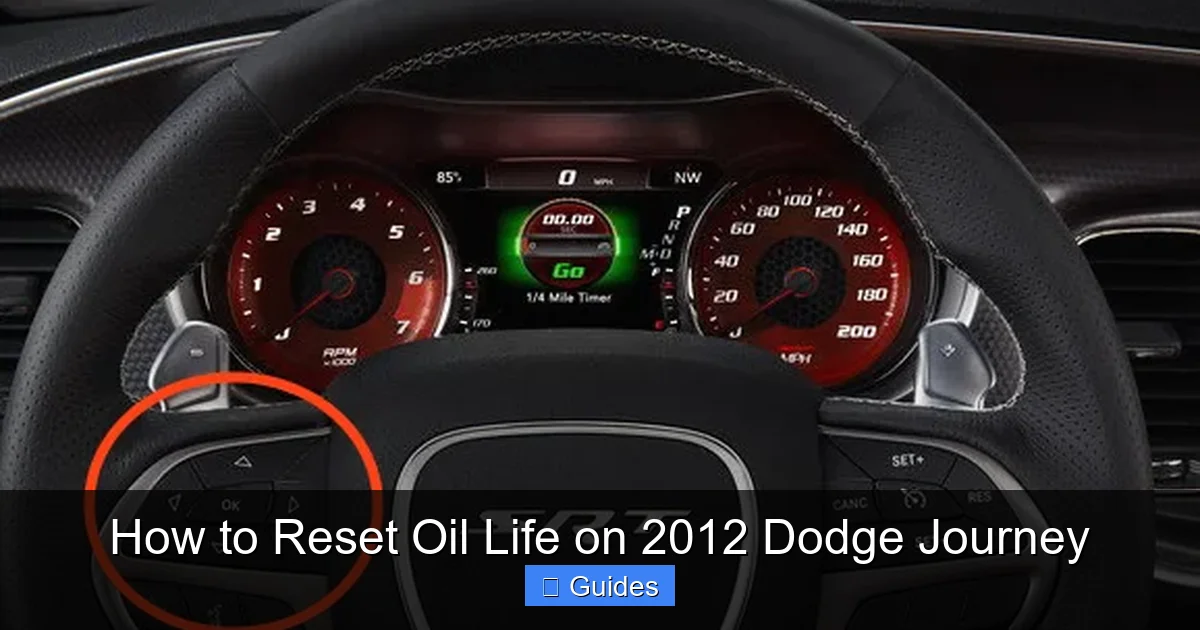
Visual guide about How to Reset Oil Life on 2012 Dodge Journey
Image source: oilreset.com
Before diving into the reset process, it’s helpful to understand how the oil life monitoring system works in your 2012 Dodge Journey. This system uses a combination of sensors and algorithms to estimate how much life is left in your engine oil. It doesn’t just count miles—it considers how you drive. For example, frequent short trips, stop-and-go traffic, towing, or driving in extreme temperatures can degrade oil faster than highway driving.
The system displays the remaining oil life as a percentage on your instrument cluster, usually near the fuel gauge or trip odometer. When the percentage drops to 15% or lower, a warning message like “Change Oil Soon” may appear. At 5%, the message becomes more urgent, and by the time it hits 0%, your vehicle may display a persistent warning light or chime.
It’s important to note that this system is not a substitute for regular oil checks. Even if the oil life shows 30%, you should still inspect the oil level and condition periodically. Look for dark, gritty, or sludgy oil, which indicates it’s time for a change regardless of the percentage. The oil life monitor is a helpful guide, but it’s not perfect—especially if you drive in harsh conditions.
How the System Calculates Oil Life
The oil life monitor uses data from various sensors, including engine speed, coolant temperature, and vehicle speed. It also factors in how long the engine has been running and how many cold starts have occurred. Each time you start the engine, the system logs the conditions and adjusts the oil life estimate accordingly.
For instance, if you frequently drive short distances—like from your house to the grocery store and back—your engine may not reach optimal operating temperature. This can lead to moisture buildup and fuel dilution in the oil, reducing its effectiveness. The system recognizes this pattern and shortens the oil life estimate.
On the other hand, if you mostly drive on highways at steady speeds, the oil may last longer. The system rewards consistent, efficient driving by extending the oil life percentage. This smart approach helps ensure your engine gets the protection it needs without unnecessary oil changes.
When to Trust the Monitor—and When Not To
While the oil life monitor is a useful tool, it’s not foolproof. If you use synthetic oil, which lasts longer than conventional oil, the system may still recommend changes based on time or mileage rather than actual oil condition. Similarly, if you drive in dusty environments or tow heavy loads, your oil may degrade faster than the system predicts.
That’s why it’s always a good idea to check your oil manually. Pull out the dipstick, wipe it clean, reinsert it, and check the level and color. If the oil is dark and dirty or below the “Add” mark, it’s time for a change—even if the monitor says you have 20% life left.
Step-by-Step Guide to Resetting Oil Life on a 2012 Dodge Journey
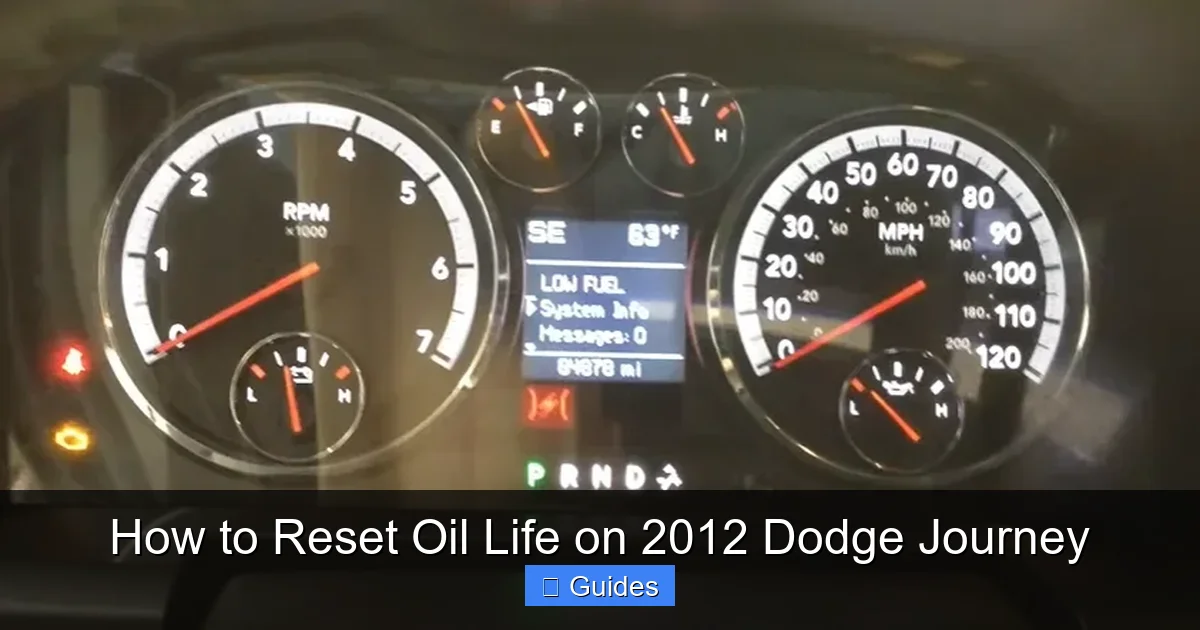
Visual guide about How to Reset Oil Life on 2012 Dodge Journey
Image source: automotivewidgets.com
Now that you understand why resetting the oil life is important, let’s walk through the actual process. The good news? It’s straightforward and doesn’t require any special tools. All you need is your key and about 60 seconds of your time.
Follow these steps carefully to ensure the reset is successful:
Step 1: Turn Off the Engine and Remove the Key
Start by making sure your vehicle is completely off. Turn the ignition to the “OFF” position and remove the key from the ignition. This ensures the system is in a neutral state and ready for the reset sequence. Never attempt to reset the oil life while the engine is running—this can cause errors or damage to the electronic system.
Step 2: Press and Hold the Trip Reset Button
Locate the trip reset button on your instrument cluster. It’s usually a small button near the speedometer or tachometer, labeled “TRIP” or “RESET.” Press and hold this button down. While holding it, proceed to the next step.
Step 3: Turn the Ignition to the “ON” Position
With the trip reset button still pressed, insert the key and turn the ignition to the “ON” position. Do not start the engine—just turn it to the point where the dashboard lights up. You should see all the warning lights illuminate, including the oil pressure light, check engine light, and oil life indicator.
Step 4: Continue Holding the Button
Keep holding the trip reset button. After a few seconds, you’ll notice the oil life percentage on the display begin to count down from its current value (e.g., 15%) to 0%. Once it reaches 0%, continue holding the button for about 5–10 more seconds.
Step 5: Release the Button and Watch for Confirmation
After holding the button for the full duration, release it. The oil life percentage should now reset to 100%. You may see a message like “Oil Life Reset” or “System Reset” flash on the display. This confirms the process was successful.
Step 6: Turn Off the Ignition
Once the reset is complete, turn the ignition back to the “OFF” position and remove the key. Your oil life indicator is now reset, and the system will begin tracking the next oil change cycle.
Tips for a Successful Reset
– Make sure your hands are dry and the button is clean to avoid slipping.
– If the reset doesn’t work the first time, wait 30 seconds and try again.
– Avoid touching other buttons or controls during the process.
– If your vehicle has a push-button start, press the “Start” button without pressing the brake to turn the ignition to “ON.”
Troubleshooting Common Reset Issues
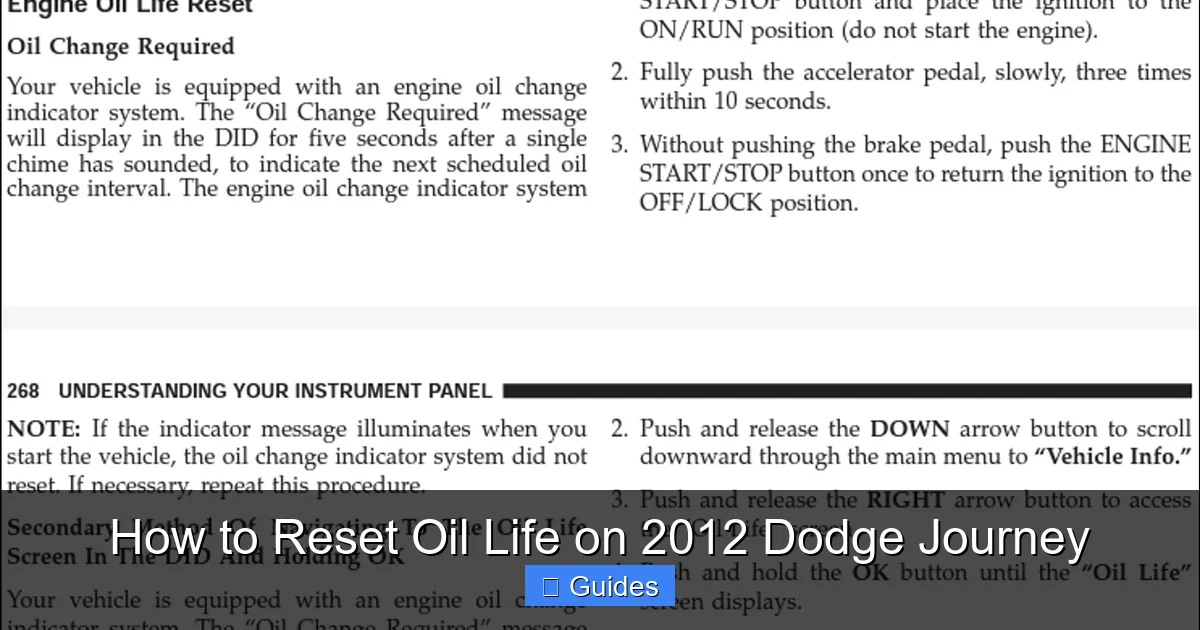
Visual guide about How to Reset Oil Life on 2012 Dodge Journey
Image source: oilreset.com
Even with clear instructions, sometimes the oil life reset doesn’t go as planned. Don’t worry—this is common, and most issues are easy to fix. Here are some troubleshooting tips to help you get it right.
The Oil Life Light Won’t Reset
If the percentage doesn’t change or the light stays on after following the steps, double-check your process. Did you hold the button long enough? Did you turn the ignition to “ON” without starting the engine? A common mistake is releasing the button too soon or turning the key all the way to “START,” which interrupts the sequence.
Try the reset again, making sure to hold the button for at least 10 seconds after the percentage reaches 0%. If it still doesn’t work, wait a few minutes and repeat the entire process from the beginning.
The Light Comes Back On Immediately
If the oil life resets to 100% but then drops back down or the warning light returns right away, there may be an issue with the oil change itself. Confirm that the oil was actually changed and that the correct type and amount of oil were used. Also, check that the oil filter was replaced—using an old or incorrect filter can affect oil pressure and trigger warnings.
In rare cases, a faulty oil pressure sensor or wiring issue could cause false readings. If the problem persists after multiple resets and a confirmed oil change, consider visiting a mechanic or Dodge dealership for diagnostics.
No Display or Error Messages
If your instrument cluster doesn’t show the oil life percentage at all, the display may be malfunctioning. Try turning the ignition on and off a few times to see if the screen refreshes. If the issue continues, check the vehicle’s fuse box for a blown fuse related to the instrument cluster. Refer to your owner’s manual for fuse locations and ratings.
Push-Button Start Vehicles
If your 2012 Dodge Journey has a push-button ignition, the process is slightly different. Instead of turning a key, press the “Start” button once (without pressing the brake pedal) to turn the ignition to “ON.” Then follow the same button-holding steps. Make sure the vehicle is in “Accessory” or “ON” mode—not “Start.”
Best Practices for Oil Maintenance on the 2012 Dodge Journey
Resetting the oil life is just one part of proper engine care. To keep your Dodge Journey running smoothly, follow these best practices for oil maintenance.
Use the Right Oil Type
Your 2012 Dodge Journey typically requires 5W-20 or 5W-30 engine oil, depending on the engine size and climate. Check your owner’s manual for the exact specification. Using the wrong viscosity can affect engine performance and fuel economy. Synthetic oil is recommended for better protection and longer life, especially in extreme temperatures.
Change the Oil Filter Every Time
Always replace the oil filter when you change the oil. A clogged or old filter can restrict oil flow and reduce engine protection. Use a high-quality filter designed for your vehicle model.
Check Oil Level Monthly
Even with a functioning oil life monitor, check your oil level at least once a month. Park on level ground, wait a few minutes after turning off the engine, and use the dipstick to verify the level is between the “Add” and “Full” marks.
Follow the Recommended Interval
While the oil life monitor provides guidance, most experts recommend changing the oil every 5,000 to 7,500 miles for conventional oil, or up to 10,000 miles for synthetic oil—whichever comes first. If you drive in severe conditions (e.g., frequent short trips, towing, or dusty roads), change it more often.
Keep Records
Maintain a log of oil changes, including the date, mileage, and type of oil used. This helps you stay on schedule and can be useful if you sell the vehicle later.
When to Seek Professional Help
While resetting the oil life is a DIY-friendly task, there are times when it’s best to consult a professional. If you’ve followed the steps correctly and the oil life light still won’t reset, there may be an underlying electrical or sensor issue. A certified mechanic can run a diagnostic scan to check for error codes related to the oil pressure sensor, instrument cluster, or engine control module.
Additionally, if you’re unsure about the oil change process itself—such as how to drain the oil, replace the filter, or dispose of used oil—consider having it done at a service center. Improper oil changes can lead to leaks, low oil pressure, or engine damage.
Conclusion
Resetting the oil life on your 2012 Dodge Journey is a simple but essential part of vehicle maintenance. By following the correct button sequence, you can clear the oil change reminder and ensure your dashboard accurately reflects your vehicle’s needs. This small task helps prevent missed oil changes, protects your engine, and keeps your Journey running reliably for years to come.
Remember, the oil life monitor is a helpful guide, but it’s not a replacement for regular inspections and good driving habits. Check your oil level monthly, use the right oil type, and change it according to your driving conditions. And when it’s time for a reset, follow the steps outlined in this guide to do it quickly and correctly.
Taking care of your vehicle doesn’t have to be complicated. With a little attention and routine maintenance, your 2012 Dodge Journey will continue to deliver the performance and comfort you expect. So the next time that oil change light comes on, don’t panic—just grab your key, follow the steps, and reset with confidence.
Frequently Asked Questions
How often should I reset the oil life on my 2012 Dodge Journey?
You should reset the oil life indicator every time you change the oil, typically every 5,000 to 7,500 miles depending on driving conditions and oil type. Resetting ensures the system starts tracking from 100% again.
Can I reset the oil life without changing the oil?
Technically, yes, but it’s not recommended. Resetting the indicator without changing the oil can lead to engine damage over time. Always change the oil first, then reset the system.
Why won’t my oil life reset even after following the steps?
This could be due to a faulty sensor, electrical issue, or incorrect procedure. Try repeating the steps carefully. If it still doesn’t work, consult a mechanic for diagnostics.
Does the oil life monitor work with synthetic oil?
Yes, the system works with both conventional and synthetic oil. However, synthetic oil may last longer, so consider adjusting your change interval based on actual oil condition.
What happens if I don’t reset the oil life?
The dashboard warning light will remain on, which can be distracting and may cause you to ignore future alerts. It doesn’t affect engine performance directly, but it defeats the purpose of the monitoring system.
Can I reset the oil life with the engine running?
No, never reset the oil life with the engine running. Always turn the ignition to “ON” without starting the engine, and keep the vehicle in park with the parking brake engaged.

At CarLegit, we believe information should be clear, factual, and genuinely helpful. That’s why every guide, review, and update on our website is created with care, research, and a strong focus on user experience.