
Your Dodge Challenger is a head-turner—and unfortunately, that makes it a target for thieves. But with the right mix of technology, habits, and awareness, you can dramatically reduce the risk of theft and keep your ride where it belongs: in your garage.
Owning a Dodge Challenger is more than just driving a car—it’s an experience. The deep rumble of the V8, the aggressive stance, the way heads turn when you roll up to a stoplight… it’s pure American muscle. But that same attention-grabbing appeal also makes the Challenger a prime target for car thieves. In recent years, high-performance vehicles like the Challenger have seen a spike in thefts, especially in urban areas and regions with weak anti-theft enforcement. Thieves know these cars hold value—not just in resale, but in parts, performance upgrades, and even as status symbols on the black market.
The good news? You’re not powerless. While no car is 100% theft-proof, there are dozens of practical, affordable, and highly effective steps you can take to dramatically reduce the chances of your Challenger being stolen. From simple behavioral changes to advanced tech solutions, this guide will walk you through everything you need to know to protect your investment. Whether you drive a base model SXT or a fire-breathing SRT Hellcat, the principles remain the same: visibility, deterrence, and redundancy. By layering multiple security measures, you create a “security onion” that makes your car far less appealing to would-be thieves.
So let’s dive in. We’ll cover the most effective anti-theft strategies, from low-cost physical deterrents to cutting-edge tracking systems, and show you how to build a comprehensive protection plan tailored to your lifestyle and budget.
In This Article
- 1 Key Takeaways
- 2 📑 Table of Contents
- 3 Understand Why Your Dodge Challenger Is at Risk
- 4 Use Physical Deterrents to Scare Off Thieves
- 5 Leverage Technology to Track and Protect Your Challenger
- 6 Adopt Smart Parking and Driving Habits
- 7 Modify Your Challenger Wisely
- 8 Stay Informed and Connected
- 9 Conclusion
- 10 Frequently Asked Questions
- 10.1 Can a Dodge Challenger be hot-wired?
- 10.2 Do GPS trackers work if the car is stolen and driven far away?
- 10.3 Is it worth installing a kill switch on my Challenger?
- 10.4 How effective are steering wheel locks?
- 10.5 Should I disable keyless entry on my Challenger?
- 10.6 What should I do if my Challenger is stolen?
Key Takeaways
- Use a steering wheel lock: A visible deterrent like The Club makes thieves think twice before targeting your Challenger.
- Install a GPS tracker: Devices like Vyncs or Bouncie let you monitor your car’s location in real time and recover it quickly if stolen.
- Upgrade your immobilizer system: Modern systems prevent hot-wiring, but adding a secondary kill switch adds another layer of protection.
- Park smart: Always park in well-lit, high-traffic areas or secure garages—avoid isolated spots, especially at night.
- Enable factory security features: Make sure your Challenger’s alarm, key fob proximity lock, and motion sensors are active and functioning.
- Be discreet about modifications: Flashy aftermarket parts can attract unwanted attention—keep your ride low-key when possible.
- Stay informed about theft trends: Know which models and areas are being targeted so you can adjust your security accordingly.
📑 Table of Contents
Understand Why Your Dodge Challenger Is at Risk
Before we talk about how to protect your Challenger, it’s important to understand why it’s such a tempting target. Car theft isn’t random—it’s often calculated. Thieves look for vehicles that are valuable, easy to steal, and hard to trace. The Dodge Challenger checks all three boxes.
First, it’s a high-value vehicle. Even base models start around $30,000, and fully loaded SRT variants can exceed $80,000. That kind of equity makes it worth the risk for professional thieves. Second, many Challengers—especially older models—lack the advanced anti-theft tech found in newer luxury cars. While modern Challengers come with factory immobilizers and alarms, some thieves have found ways to bypass these systems using relay attacks or signal amplifiers that trick the car into thinking the key fob is nearby.
Third, the Challenger’s popularity means there’s a strong aftermarket for parts. Stolen Challengers are often stripped for engines, transmissions, wheels, and electronics—components that can be sold quickly and anonymously. In some cases, entire cars are shipped overseas or chopped for parts within hours of being stolen.
The Rise of Relay Theft
One of the most concerning trends in car theft is the rise of relay attacks. These high-tech heists involve two thieves working together: one stands near your home with a signal amplifier, while the other stands near your car. When you unlock your Challenger with your key fob inside your house, the signal is amplified and relayed to the car, tricking it into thinking the fob is nearby. The car unlocks, starts, and drives away—all without breaking a window or hot-wiring.
This method is especially effective against keyless entry systems, which are standard on most modern Challengers. Thieves can steal a car in under 30 seconds, often without setting off an alarm. Because no forced entry is involved, neighbors might not even notice anything suspicious.
Geographic Hotspots for Challenger Theft
Certain areas have seen a disproportionate number of Challenger thefts. Cities like Chicago, Detroit, Los Angeles, and Houston have reported spikes in muscle car thefts, often linked to organized crime rings. These groups target specific models, knowing they can move them quickly through underground networks.
Even if you don’t live in a high-theft city, you’re not immune. Thieves often scout parking lots at malls, gyms, and movie theaters—anywhere people leave their cars unattended for long periods. If your Challenger stands out in a sea of sedans and SUVs, it’s more likely to be noticed—and remembered.
Use Physical Deterrents to Scare Off Thieves
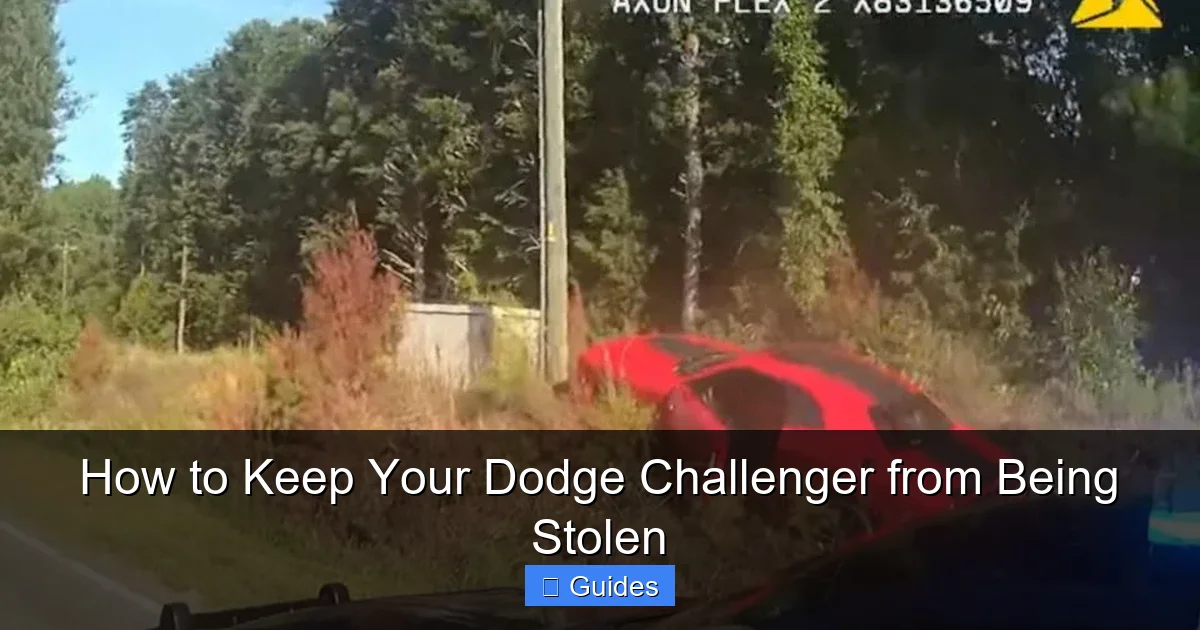
Visual guide about How to Keep Your Dodge Challenger from Being Stolen
Image source: s.yimg.com
When it comes to car security, visibility is your best friend. Thieves prefer easy, quick targets. If your car looks like too much work—or too risky—they’ll move on to the next one. Physical deterrents are simple, affordable, and highly effective at discouraging opportunistic theft.
Steering Wheel Locks: The Classic Defense
One of the oldest and most trusted anti-theft devices is the steering wheel lock—commonly known by the brand name “The Club.” This metal bar clamps onto your steering wheel, making it impossible to turn the wheel more than a few degrees. Even if a thief manages to start your car, they can’t steer it, rendering it useless.
The Club is cheap (usually under $50), easy to install, and highly visible. Just seeing it through the windshield can make a thief think twice. It’s especially effective in parking lots where thieves are scanning for easy targets. For maximum impact, choose a bright red or yellow model—colors that scream “don’t touch me.”
Brake Pedal Locks and Tire Locks
Another physical option is a brake pedal lock, which clamps over the brake pedal and prevents it from being pressed. Like a steering wheel lock, it’s a visible deterrent that adds a layer of mechanical resistance. Tire locks, or “boots,” are less common for personal use but can be effective if you’re parking in a high-risk area for an extended period.
While these devices aren’t foolproof—determined thieves can cut or remove them—they significantly increase the time and effort required to steal your car. And time is the enemy of a thief. The longer it takes, the greater the chance they’ll get caught.
Window Etching and VIN Visibility
Etching your Vehicle Identification Number (VIN) onto your windows is a low-cost way to deter theft and aid recovery. Thieves often replace windows to hide a car’s identity, but etched glass makes that much harder. Many insurance companies even offer discounts for VIN etching.
You can do this yourself with a DIY kit (around $20) or have it done professionally. Etch the VIN on all side and rear windows, and consider adding a small decal that says “VIN etched” on the windshield. It’s a subtle but powerful signal that your car is traceable.
Leverage Technology to Track and Protect Your Challenger
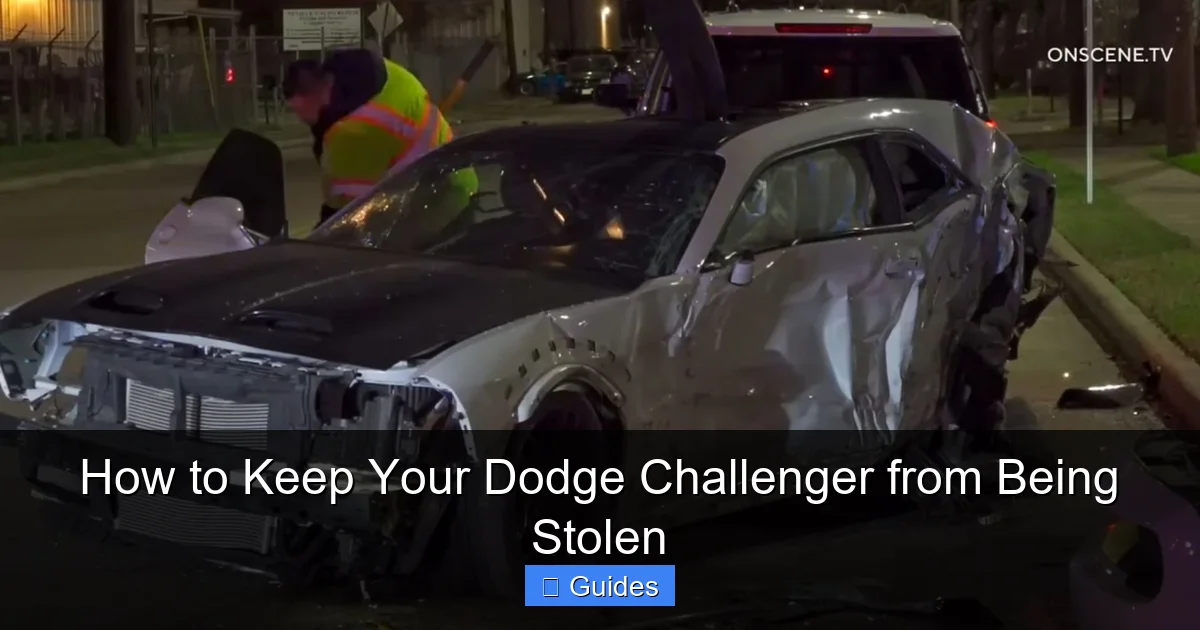
Visual guide about How to Keep Your Dodge Challenger from Being Stolen
Image source: motorious.com
Physical deterrents are great, but modern car security is all about technology. From GPS trackers to smart alarms, today’s tools give you real-time control and visibility over your vehicle—even when you’re miles away.
GPS Tracking Devices: Your Car’s Digital Shadow
A GPS tracker is one of the best investments you can make for your Challenger. These small devices plug into your OBD-II port (usually under the dashboard) or are hardwired into your car’s electrical system. Once installed, they send real-time location data to your smartphone via an app.
Popular options include Vyncs, Bouncie, and SpyTec STI GL300. These devices offer features like geofencing (alerts when your car leaves a designated area), speed monitoring, and even engine diagnostics. If your car is stolen, you can share the live location with police, dramatically increasing the chances of recovery.
Some trackers even have built-in cellular connectivity, so they work even if your car is taken to a different city or state. And because they’re hidden, thieves won’t know they’re there—until it’s too late.
Smart Alarms and Immobilizers
Modern Challengers come with factory-installed alarms and immobilizers, but you can enhance them with aftermarket systems. Look for alarms with shock sensors, motion detectors, and smartphone alerts. Some systems can even send a photo from an onboard camera if someone tries to break in.
Immobilizers prevent the engine from starting without the correct key fob. But as we’ve seen with relay attacks, they’re not invincible. To add another layer, consider installing a hidden kill switch that cuts power to the fuel pump or ignition system. This switch should be placed in a hard-to-reach location—under the dash, behind the glove box, or near the fuse panel—and only you should know where it is.
Dash Cams with Parking Mode
While not a direct anti-theft tool, a dash cam with parking mode can provide crucial evidence if your car is stolen or vandalized. These cameras record continuously when the car is off, using motion or impact sensors to trigger recording. If someone breaks into your Challenger, the camera will capture their face, license plate, or vehicle—information that can help police make an arrest.
Look for models with cloud storage, so footage is uploaded automatically and can’t be deleted by thieves. Some even have live view, so you can check on your car remotely.
Adopt Smart Parking and Driving Habits

Visual guide about How to Keep Your Dodge Challenger from Being Stolen
Image source: theautowire.com
Technology and devices are important, but your daily habits play a huge role in preventing theft. Small changes in behavior can make a big difference in keeping your Challenger safe.
Park in Well-Lit, High-Traffic Areas
Where you park matters. Always choose well-lit areas with plenty of foot and vehicle traffic. Avoid dark alleys, isolated parking garages, or spots behind buildings. If you’re at a mall or event, park near security cameras or under streetlights.
If possible, park in a locked garage at home. A garage is the single best protection against theft. If you don’t have one, consider installing motion-sensor lights and a security camera to monitor your driveway.
Never Leave Valuables in Sight
Thieves often break into cars looking for laptops, purses, or electronics—not necessarily to steal the car itself. But once they’re inside, they might decide to take the whole thing. Never leave bags, phones, or shopping bags in plain sight. Use your trunk, glove box, or hide items under seats.
Even something as small as a phone charger can signal that valuables are nearby. Keep your interior clean and uncluttered to avoid drawing attention.
Be Cautious with Key Fobs
Since relay attacks rely on key fob signals, it’s important to store your fob securely. Keep it in a Faraday pouch or metal box when not in use. These block radio signals, preventing thieves from amplifying them. You can also disable keyless entry features in your car’s settings if your model allows it.
Avoid leaving your key fob near doors or windows, where signals can escape. And never leave your car running unattended—even for a “quick stop.” It takes just seconds for someone to jump in and drive off.
Modify Your Challenger Wisely
Customizing your Challenger is part of the fun—but it can also make your car more attractive to thieves. Flashy wheels, loud exhausts, and bold paint jobs draw attention, and not always the good kind.
Balance Style with Stealth
If you’re going to modify your car, consider a balanced approach. High-performance parts like cold air intakes or performance tuners are great, but avoid anything that screams “valuable” from a distance. Stealthy upgrades—like underbody lighting or subtle decals—can enhance your ride without making it a target.
Document Your Mods
Keep detailed records of all modifications, including receipts, photos, and part numbers. This helps with insurance claims and can aid in recovery if your car is stolen. Some owners even engrave their VIN on custom parts to make them harder to sell.
Stay Informed and Connected
Finally, stay up to date on theft trends in your area. Follow local news, join car enthusiast forums, and sign up for alerts from organizations like the National Insurance Crime Bureau (NICB). Knowing which models are being targeted can help you adjust your security strategy.
Consider joining a local car club or online community for Challenger owners. These groups often share real-time theft alerts and recovery tips. There’s strength in numbers—when owners look out for each other, thieves have a much harder time operating.
Conclusion
Your Dodge Challenger is more than just a car—it’s a symbol of power, style, and freedom. But that same appeal makes it a target. The good news is that with the right combination of physical deterrents, technology, smart habits, and community awareness, you can keep your ride safe and sound.
Start with the basics: use a steering wheel lock, park in secure areas, and never leave valuables in sight. Then layer on tech like a GPS tracker and smart alarm. Be mindful of modifications, protect your key fob, and stay informed about local theft trends.
Remember, no single method is foolproof. But by combining multiple layers of protection, you create a security system that’s far greater than the sum of its parts. Thieves look for easy targets—and your Challenger won’t be one of them.
Frequently Asked Questions
Can a Dodge Challenger be hot-wired?
Yes, older models without advanced immobilizers can be hot-wired, but it’s increasingly difficult on newer Challengers. Modern systems require the correct key fob signal to start the engine, making traditional hot-wiring ineffective.
Do GPS trackers work if the car is stolen and driven far away?
Yes, most GPS trackers use cellular networks to transmit location data, so they work across state lines and even internationally. As long as the device has power and signal, you can track your car in real time.
Is it worth installing a kill switch on my Challenger?
Absolutely. A hidden kill switch adds a critical layer of security by cutting power to essential systems. It’s especially useful as a backup if your factory immobilizer is bypassed.
How effective are steering wheel locks?
Very effective as a deterrent. While not unbreakable, they significantly increase the time and effort required to steal a car, which discourages most opportunistic thieves.
Should I disable keyless entry on my Challenger?
If your model allows it, yes—especially if you live in an area with relay thefts. Disabling keyless entry forces the use of a physical key, reducing the risk of signal amplification attacks.
What should I do if my Challenger is stolen?
Contact police immediately and provide your VIN, license plate, and GPS tracker info if you have one. Notify your insurance company and share any dash cam footage or witness accounts to aid recovery.

At CarLegit, we believe information should be clear, factual, and genuinely helpful. That’s why every guide, review, and update on our website is created with care, research, and a strong focus on user experience.