
Choosing the best tires for a GMC Sierra depends on your driving needs—whether it’s daily commuting, off-roading, or towing heavy loads. This guide breaks down top tire options by category, helping you find the perfect match for your truck’s performance and your lifestyle.
In This Article
- 1 Key Takeaways
- 2 📑 Table of Contents
- 3 Introduction: Why Tires Matter for Your GMC Sierra
- 4 Understanding Tire Types: Which One Is Right for You?
- 5 Top Tire Recommendations for GMC Sierra
- 6 How to Choose the Right Tire Size for Your GMC Sierra
- 7 Factors to Consider When Buying Tires
- 8 Tire Maintenance Tips for GMC Sierra Owners
- 9 Conclusion: Find the Perfect Tires for Your GMC Sierra
- 10 Frequently Asked Questions
Key Takeaways
- Match tires to your driving style: Daily drivers benefit from all-season tires, while off-road enthusiasts need aggressive all-terrain or mud-terrain options.
- Consider load capacity and towing needs: GMC Sierras often haul heavy loads, so choose tires with high load ratings and reinforced sidewalls.
- All-terrain tires offer the best balance: They provide solid on-road comfort and capable off-road performance, making them ideal for most Sierra owners.
- Winter and snow tires improve safety: If you live in cold climates, dedicated winter tires significantly enhance traction and braking in snow and ice.
- Tire size matters: Ensure your tire size matches your truck’s specifications to maintain speedometer accuracy and avoid rubbing.
- Brand reputation and warranty count: Trusted brands like Michelin, BFGoodrich, and Goodyear offer reliable performance and solid warranties.
- Regular maintenance extends tire life: Rotate tires every 6,000–8,000 miles and check pressure monthly for optimal performance.
📑 Table of Contents
- Introduction: Why Tires Matter for Your GMC Sierra
- Understanding Tire Types: Which One Is Right for You?
- Top Tire Recommendations for GMC Sierra
- How to Choose the Right Tire Size for Your GMC Sierra
- Factors to Consider When Buying Tires
- Tire Maintenance Tips for GMC Sierra Owners
- Conclusion: Find the Perfect Tires for Your GMC Sierra
Introduction: Why Tires Matter for Your GMC Sierra
Your GMC Sierra is built for power, durability, and versatility—whether you’re cruising down the highway, hauling a trailer, or tackling rugged trails. But no matter how tough your truck is, its performance ultimately depends on one critical component: the tires. Think of tires as the only part of your vehicle that touches the road. They influence everything from fuel efficiency and ride comfort to braking distance and handling in wet or snowy conditions.
Choosing the right tires isn’t just about picking the biggest or toughest-looking ones. It’s about matching your tire choice to how you actually use your Sierra. Are you using it as a daily driver in the city? Do you frequently tow a boat or camper? Or are you more of an off-road adventurer who loves weekend trail rides? Each of these scenarios calls for a different type of tire. With so many options on the market, it’s easy to feel overwhelmed. That’s why we’ve put together this comprehensive guide to help you find the best tires for your GMC Sierra—no matter your needs.
Understanding Tire Types: Which One Is Right for You?
Before diving into specific tire models, it’s important to understand the main categories of tires available. Each type is engineered for specific conditions and driving styles. Let’s break them down so you can make an informed decision.
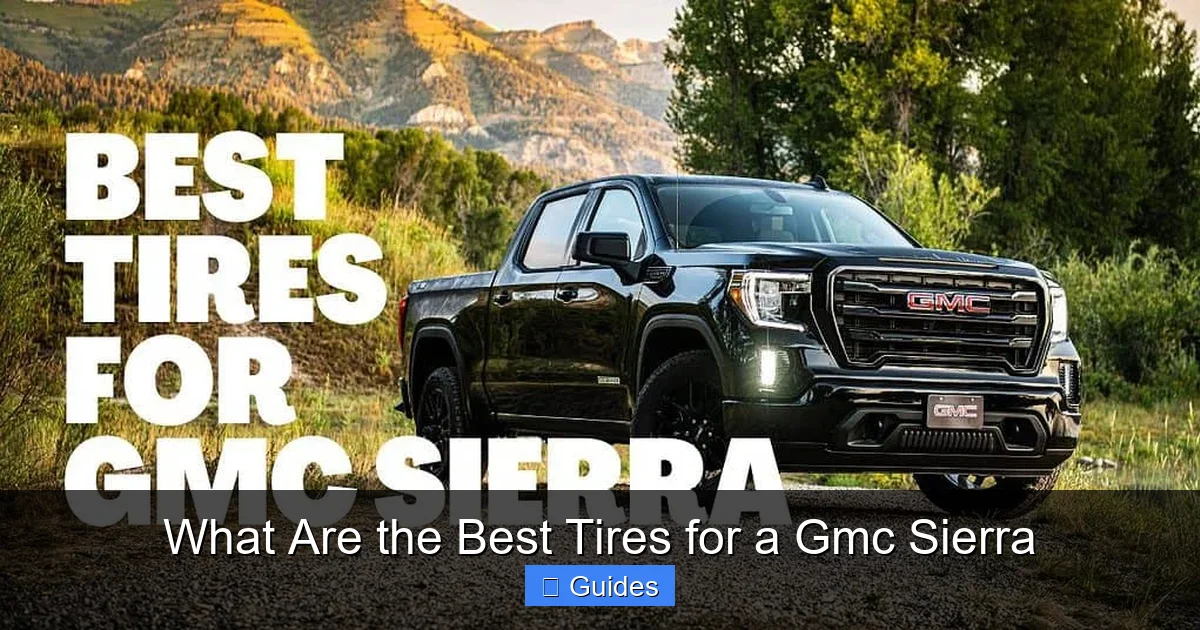
Visual guide about What Are the Best Tires for a Gmc Sierra
Image source: drivenwheels.com
All-Season Tires: The Everyday Workhorse
All-season tires are the most popular choice for GMC Sierra owners who use their truck for daily driving, commuting, and light hauling. These tires are designed to perform well in a variety of conditions—dry pavement, light rain, and even occasional snow. They offer a smooth, quiet ride and good tread life, making them ideal for drivers who want reliability without frequent tire changes.
One of the biggest advantages of all-season tires is their versatility. You don’t need to swap them out seasonally, which saves time and money. However, they do have limitations. In heavy snow or off-road conditions, their performance drops compared to more specialized tires. If you live in an area with mild winters and mostly paved roads, all-season tires are a smart, low-maintenance option.
All-Terrain Tires: The Balanced Performer
All-terrain tires are a favorite among Sierra owners who want a little more capability without sacrificing on-road comfort. These tires are built to handle both paved roads and light to moderate off-road terrain like dirt trails, gravel, and muddy paths. They feature more aggressive tread patterns than all-season tires but are quieter and more comfortable than mud-terrain options.
If you frequently drive on unpaved roads, go camping, or enjoy outdoor adventures, all-terrain tires strike the perfect balance. They’re also great for drivers in regions with variable weather—offering better traction in rain and snow than standard all-season tires. Many all-terrain tires are also rated for towing and hauling, making them a solid choice for Sierra owners who need both utility and performance.
Mud-Terrain Tires: For the Off-Road Enthusiast
Mud-terrain tires are built for serious off-roading. With deep, aggressive tread blocks and reinforced sidewalls, they excel in muddy, rocky, and uneven terrain. If you take your Sierra off the beaten path regularly—whether it’s rock crawling, mudding, or trail riding—mud-terrain tires are the way to go.
However, there are trade-offs. These tires tend to be noisier on highways and can reduce fuel efficiency due to increased rolling resistance. They also wear faster on pavement and may not perform as well in snow or ice. Mud-terrain tires are best suited for drivers who prioritize off-road capability over daily comfort.
Winter/Snow Tires: Maximum Traction in Cold Climates
If you live in an area with harsh winters, snow tires are a must. Winter tires are made from a special rubber compound that stays flexible in freezing temperatures, allowing them to grip snow and ice effectively. They also feature deeper treads and siping (tiny slits in the tread blocks) that improve traction on slippery surfaces.
While all-season and all-terrain tires can handle light snow, they can’t match the performance of dedicated winter tires. If you frequently drive in snowy or icy conditions, investing in a set of winter tires—even if it means swapping them seasonally—can significantly improve safety and control. Many Sierra owners opt for winter tires from November to March, then switch back to all-season or all-terrain tires for the rest of the year.
Highway/Touring Tires: Smooth and Quiet for Long Drives
Highway or touring tires are designed for comfort and efficiency on paved roads. They offer a smooth, quiet ride and excellent fuel economy, making them ideal for long-distance driving or daily commuting. These tires typically have lower rolling resistance, which helps improve gas mileage.
While not as rugged as all-terrain or mud-terrain tires, highway tires are perfect for Sierra owners who primarily drive on highways and city streets. They’re also a good choice if you prioritize a quiet cabin and comfortable ride over off-road capability. Just keep in mind that they may not perform as well in wet or snowy conditions compared to other types.
Top Tire Recommendations for GMC Sierra
Now that you understand the different tire types, let’s look at some of the best options currently available for the GMC Sierra. These picks are based on performance, durability, customer reviews, and expert ratings.
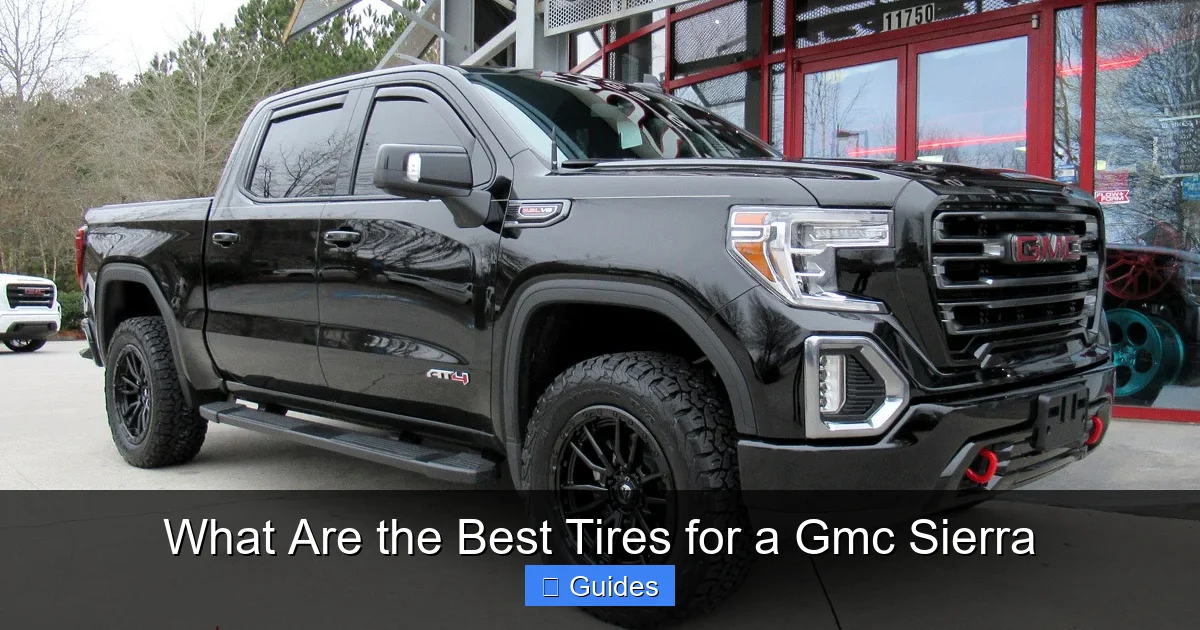
Visual guide about What Are the Best Tires for a Gmc Sierra
Image source: butlertire.com
Best All-Season Tire: Michelin Defender LTX M/S
The Michelin Defender LTX M/S is a top-rated all-season tire that delivers excellent performance in a wide range of conditions. It’s designed specifically for light trucks and SUVs, making it a perfect match for the GMC Sierra. With its long tread life, strong wet and dry traction, and comfortable ride, it’s a favorite among daily drivers.
One of the standout features of the Defender LTX M/S is its MaxTouch Construction, which evenly distributes weight and braking forces across the tread. This helps extend tire life and improves fuel efficiency. It also has a 70,000-mile treadwear warranty, which is impressive for a tire in this category. Whether you’re commuting to work or taking a road trip, this tire offers reliability and peace of mind.
Best All-Terrain Tire: BFGoodrich All-Terrain T/A KO2
The BFGoodrich All-Terrain T/A KO2 is a legend in the off-road world—and for good reason. It’s one of the most durable and capable all-terrain tires on the market, with a reputation for handling tough terrain while still offering decent on-road manners. It features a tough sidewall design, aggressive tread pattern, and excellent traction in mud, snow, and gravel.
The KO2 is also rated for severe snow service, meaning it meets the industry standard for winter performance. It’s a great choice for Sierra owners who want to venture off-road but still need a tire that can handle daily driving. With a 50,000-mile treadwear warranty and strong load-carrying capacity, it’s built to last.
Best Mud-Terrain Tire: Goodyear Wrangler MT/R with Kevlar
For serious off-roaders, the Goodyear Wrangler MT/R with Kevlar is a top contender. This mud-terrain tire is built for extreme conditions, with deep tread blocks, self-cleaning grooves, and Kevlar-reinforced sidewalls for added durability. It’s designed to resist cuts, punctures, and abrasions, making it ideal for rocky trails and muddy terrain.
While it’s louder on the highway than all-terrain tires, the MT/R delivers unmatched off-road performance. It’s a favorite among overlanders and off-road enthusiasts who demand the best. If you’re planning to take your Sierra on challenging trails, this tire is worth the investment.
Best Winter Tire: Bridgestone Blizzak DM-V2
The Bridgestone Blizzak DM-V2 is one of the best winter tires for trucks and SUVs. It uses Bridgestone’s advanced Multicell compound, which remains flexible in cold temperatures and provides excellent grip on snow and ice. The tire also features a unique tread design with zigzag sipes that bite into slippery surfaces for better traction.
Owners praise the Blizzak DM-V2 for its short braking distances and confident handling in winter conditions. It’s a great choice for Sierra drivers in northern climates who want maximum safety during the cold months. Just remember to store your summer or all-season tires properly when switching to winter tires.
Best Highway Tire: Continental TerrainContact H/T
The Continental TerrainContact H/T is a premium highway tire that offers a smooth, quiet ride and excellent fuel efficiency. It’s designed for light trucks and SUVs and features a durable tread compound that resists wear and tear. The tire also has excellent wet traction and a comfortable ride quality, making it ideal for long-distance driving.
With a 70,000-mile treadwear warranty and strong performance on paved roads, the TerrainContact H/T is a great option for Sierra owners who prioritize comfort and efficiency. It’s not meant for off-roading, but it excels in everyday driving conditions.
How to Choose the Right Tire Size for Your GMC Sierra
Choosing the right tire size is just as important as selecting the right type of tire. The wrong size can affect your truck’s speedometer accuracy, handling, fuel economy, and even cause rubbing against the wheel wells. Fortunately, GMC provides tire size recommendations for each Sierra model and trim level.
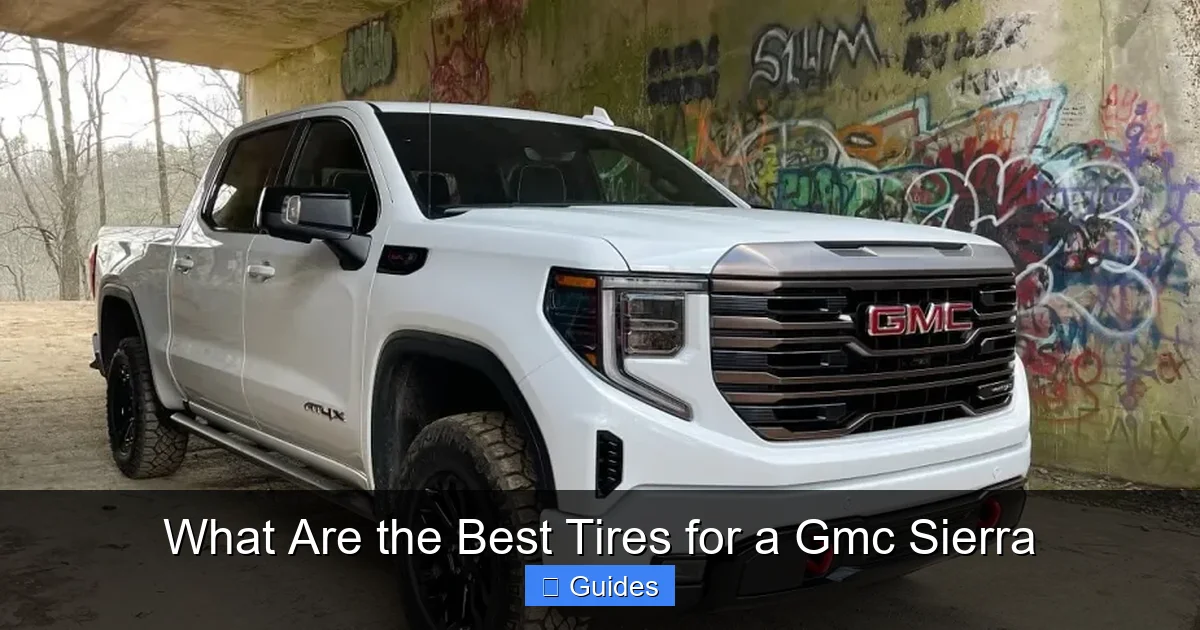
Visual guide about What Are the Best Tires for a Gmc Sierra
Image source: motorbiscuit.com
Check Your Owner’s Manual or Door Jamb
The easiest way to find the correct tire size is to check your owner’s manual or the tire information label on the driver’s side door jamb. This label lists the recommended tire size, load index, and speed rating for your specific vehicle. For example, a common size for a GMC Sierra 1500 is 275/55R20, which means the tire is 275 millimeters wide, has an aspect ratio of 55%, and fits a 20-inch wheel.
Understand Tire Size Notation
Tire sizes follow a standard format: width/aspect ratio/construction type/wheel diameter. Let’s break it down:
- Width: The width of the tire in millimeters (e.g., 275).
- Aspect Ratio: The height of the tire sidewall as a percentage of the width (e.g., 55% of 275mm).
- Construction Type: “R” stands for radial construction, which is standard on modern tires.
- Wheel Diameter: The size of the wheel the tire fits, in inches (e.g., 20).
Understanding this notation helps you compare tires and ensure compatibility.
Consider Plus-Sizing (With Caution)
Some Sierra owners choose to “plus-size” their tires—installing larger wheels and lower-profile tires for a more aggressive look. While this can improve handling and aesthetics, it’s important to do it correctly. Larger wheels can reduce ride comfort and increase the risk of damage from potholes. Also, changing tire diameter can affect your speedometer and odometer readings.
If you’re considering plus-sizing, consult a tire professional or use an online tire size calculator to ensure the new setup maintains the same overall diameter as the original. This helps preserve your truck’s performance and safety systems.
Factors to Consider When Buying Tires
Beyond type and size, there are several other factors to consider when choosing tires for your GMC Sierra. These can make a big difference in performance, longevity, and overall satisfaction.
Load Index and Speed Rating
The load index tells you how much weight each tire can support. GMC Sierras often carry heavy loads, so it’s important to choose tires with a high enough load rating. The speed rating indicates the maximum speed the tire can safely handle—though most drivers never come close to these limits, it’s still a measure of tire quality and construction.
Tread Life and Warranty
Tread life is a key factor in long-term value. Tires with longer tread life cost more upfront but save money over time. Look for tires with strong treadwear warranties—many top brands offer 50,000 to 70,000 miles. Keep in mind that actual tread life depends on driving habits, road conditions, and maintenance.
Fuel Efficiency
Some tires are designed to reduce rolling resistance, which improves fuel economy. Look for tires labeled as “low rolling resistance” or “fuel-efficient.” While the savings per tire may seem small, they add up over time—especially for a heavy vehicle like the Sierra.
Noise and Comfort
If you spend a lot of time on the road, tire noise and ride comfort matter. Highway and touring tires are the quietest, while mud-terrain tires are the loudest. All-terrain tires offer a good middle ground. Reading customer reviews can give you a sense of how a tire performs in real-world conditions.
Brand Reputation and Reviews
Stick with reputable brands like Michelin, BFGoodrich, Goodyear, Bridgestone, and Continental. These companies invest heavily in research and development, and their tires consistently receive high ratings. Reading customer reviews on sites like Tire Rack or Amazon can also help you spot potential issues or standout features.
Tire Maintenance Tips for GMC Sierra Owners
Even the best tires won’t perform well if they’re not properly maintained. Regular care not only extends tire life but also improves safety and fuel efficiency. Here are some essential maintenance tips for Sierra owners.
Check Tire Pressure Monthly
Underinflated tires wear unevenly, reduce fuel economy, and increase the risk of blowouts. Overinflated tires can lead to a harsh ride and reduced traction. Check your tire pressure at least once a month and before long trips. Use a reliable tire gauge and follow the recommended pressure listed on the door jamb label—not the maximum pressure printed on the tire sidewall.
Rotate Tires Every 6,000–8,000 Miles
Tire rotation ensures even wear across all four tires. Front tires typically wear faster than rear tires, especially on rear-wheel-drive vehicles like the Sierra. Rotating them helps extend tread life and maintain balanced handling. Most manufacturers recommend rotation every 6,000 to 8,000 miles, or as specified in your owner’s manual.
Inspect for Damage and Wear
Regularly inspect your tires for cuts, cracks, bulges, or embedded objects. Look for uneven wear patterns, which could indicate alignment issues, improper inflation, or suspension problems. If you notice any abnormalities, have them checked by a professional.
Align and Balance When Needed
Poor alignment causes uneven tire wear and can make your truck pull to one side. Have your alignment checked if you notice uneven wear or handling issues. Wheel balancing is also important—unbalanced tires can cause vibrations at high speeds and lead to premature wear.
Store Tires Properly
If you switch between seasonal tires, proper storage is key. Clean the tires, store them in a cool, dry place away from sunlight, and keep them off the ground. Use tire bags or covers to protect them from dust and moisture. Stacking tires is fine, but avoid hanging them by the rim, which can cause deformation.
Conclusion: Find the Perfect Tires for Your GMC Sierra
Choosing the best tires for your GMC Sierra doesn’t have to be complicated. Start by understanding your driving habits and needs—whether it’s daily commuting, off-roading, towing, or winter driving. Then, match those needs to the right tire type: all-season, all-terrain, mud-terrain, winter, or highway.
From the reliable Michelin Defender LTX M/S to the rugged BFGoodrich KO2, there’s a tire out there that’s perfect for your Sierra. Don’t forget to consider size, load capacity, tread life, and maintenance. With the right tires and proper care, your GMC Sierra will deliver top performance, safety, and comfort for years to come.
Frequently Asked Questions
What size tires fit a GMC Sierra?
The correct tire size depends on your Sierra’s model year, trim, and wheel size. Common sizes include 275/55R20 for the 1500 model and 285/45R22 for higher trims. Always check your owner’s manual or door jamb label for the recommended size.
Can I put bigger tires on my GMC Sierra?
Yes, you can install larger tires, but it’s important to maintain the same overall diameter to avoid affecting your speedometer and drivetrain. Consult a tire professional or use a size calculator to ensure compatibility.
How often should I rotate my Sierra’s tires?
Rotate your tires every 6,000 to 8,000 miles to promote even wear and extend tread life. This is especially important for rear-wheel-drive trucks like the Sierra.
Do I need winter tires for my GMC Sierra?
If you live in an area with heavy snow or icy conditions, winter tires are highly recommended. They provide significantly better traction and braking than all-season or all-terrain tires in cold weather.
Are all-terrain tires good for daily driving?
Yes, all-terrain tires are excellent for daily driving. They offer a good balance of on-road comfort and off-road capability, making them a popular choice for Sierra owners who want versatility.
How long do GMC Sierra tires last?
Tire life varies based on type, driving habits, and maintenance. On average, all-season tires last 50,000–70,000 miles, while all-terrain tires may last 40,000–60,000 miles. Regular maintenance can help maximize lifespan.

At CarLegit, we believe information should be clear, factual, and genuinely helpful. That’s why every guide, review, and update on our website is created with care, research, and a strong focus on user experience.