
Knowing where the battery is in a 2000 Buick LeSabre saves time and frustration during maintenance or emergencies. This guide walks you through the exact location, removal steps, safety tips, and troubleshooting advice to keep your classic sedan running smoothly.
If you own a 2000 Buick LeSabre, you already know it’s a reliable, comfortable sedan that’s stood the test of time. But like any vehicle, it needs regular maintenance—and one of the most common tasks is checking or replacing the battery. Whether your car won’t start, the lights are dim, or you’re just doing routine upkeep, knowing where the battery is located and how to access it is essential.
Unlike some modern cars that hide the battery under seats or in trunks, the 2000 Buick LeSabre keeps things simple. The battery is right in the engine bay, but it’s not always the easiest to spot at first glance. That’s because it’s tucked behind a few components, including the air intake duct and a plastic cover. Don’t worry—once you know where to look, it’s straightforward. This guide will walk you through everything you need to know, from locating the battery to safely removing and replacing it.
We’ll cover the exact location, step-by-step removal instructions, safety precautions, battery specifications, and tips for maintaining your LeSabre’s electrical system. Whether you’re a DIY enthusiast or just trying to save a trip to the mechanic, this guide will help you handle the job with confidence.
In This Article
- 1 Key Takeaways
- 2 📑 Table of Contents
- 3 Where Is the Battery Located in a 2000 Buick LeSabre?
- 4 How to Access the Battery: Step-by-Step Guide
- 4.1 Step 1: Open the Hood and Locate the Air Intake Cover
- 4.2 Step 2: Remove the Air Intake Cover
- 4.3 Step 3: Disconnect the Air Duct (If Necessary)
- 4.4 Step 4: Locate the Battery and Inspect the Hold-Down Clamp
- 4.5 Step 5: Disconnect the Battery Cables
- 4.6 Step 6: Remove the Hold-Down Clamp and Lift Out the Battery
- 5 Safety Precautions When Handling the Battery
- 6 Choosing the Right Replacement Battery
- 7 Battery Maintenance Tips for Longevity
- 8 Troubleshooting Common Battery Issues
- 9 Conclusion
- 10 Frequently Asked Questions
- 10.1 Where exactly is the battery located in a 2000 Buick LeSabre?
- 10.2 Do I need special tools to remove the battery?
- 10.3 What size battery does a 2000 Buick LeSabre use?
- 10.4 Can I jump-start a 2000 Buick LeSabre?
- 10.5 How often should I replace the battery?
- 10.6 What should I do if my battery keeps dying?
Key Takeaways
- Location: The battery is located in the engine compartment on the driver’s side, near the front fender and behind the air intake duct.
- Access: Remove the plastic air intake cover and loosen the duct clamp to create enough space for battery access.
- Safety First: Always disconnect the negative terminal first and wear gloves and eye protection when handling the battery.
- Replacement Tips: Use a Group 47 or 48 battery with at least 600 CCA (Cold Cranking Amps) for optimal performance.
- Maintenance: Check terminals for corrosion every 6 months and clean with a baking soda solution if needed.
- Troubleshooting: If the car won’t start, test the battery voltage—12.6V or higher means it’s fully charged.
- Professional Help: If you’re unsure about removal or installation, consult a mechanic to avoid damage or injury.
📑 Table of Contents
Where Is the Battery Located in a 2000 Buick LeSabre?
The battery in a 2000 Buick LeSabre is located in the engine compartment, specifically on the driver’s side. It sits near the front of the vehicle, close to the left fender (when facing the car from the front). To be more precise, it’s positioned just behind the air intake duct and beneath a black plastic cover that houses the air filter assembly.
At first glance, the battery might not be immediately visible because it’s partially obscured by the air intake system. The plastic cover that holds the air filter sits directly above the battery, and the duct that runs from the air filter to the throttle body passes right in front of it. This design helps protect the battery from debris and keeps the engine bay looking tidy, but it does make access a bit more involved than in some other vehicles.
To get a clear view of the battery, you’ll need to remove the air intake cover. This is a simple task that requires only a screwdriver or a socket wrench, depending on the type of fasteners used. Once the cover is off, you’ll see the battery nestled in its tray, secured by a metal hold-down clamp. The positive and negative terminals are clearly marked, with the positive terminal usually covered by a red plastic cap.
Knowing the exact location is the first step to any battery-related task. Whether you’re jump-starting the car, testing the voltage, or replacing the battery entirely, you’ll need to access this spot. The good news is that once you’ve done it once, it becomes second nature. The next sections will walk you through how to safely remove the air intake components and access the battery without damaging anything.
How to Access the Battery: Step-by-Step Guide
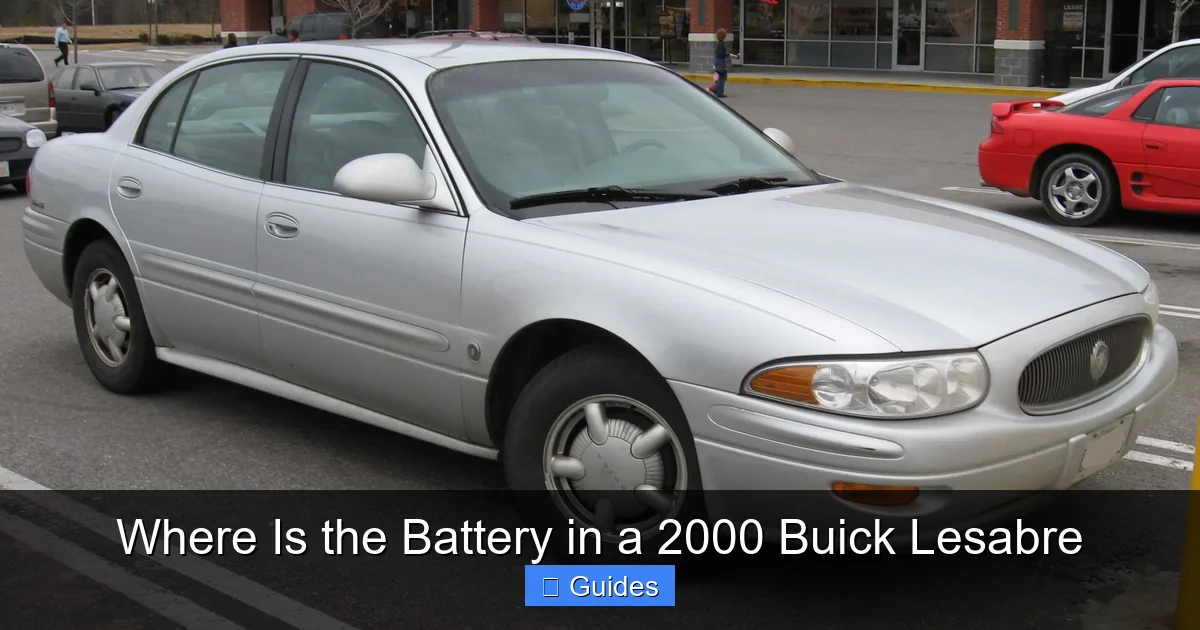
Visual guide about Where Is the Battery in a 2000 Buick Lesabre
Image source: momentcar.com
Accessing the battery in a 2000 Buick LeSabre requires removing a few components, but it’s a straightforward process that most people can handle in under 15 minutes. Here’s a detailed, step-by-step guide to help you get to the battery safely and efficiently.
Step 1: Open the Hood and Locate the Air Intake Cover
Start by opening the hood and securing it with the prop rod. Look toward the driver’s side of the engine bay, near the front fender. You’ll see a large black plastic cover—this is the air intake housing that contains the air filter. It’s usually held in place by two or three plastic clips or screws.
Step 2: Remove the Air Intake Cover
Use a flathead screwdriver or a socket wrench to loosen the fasteners. If your LeSabre uses plastic clips, gently pry them up with the screwdriver. Be careful not to break them—they’re inexpensive but can be annoying to replace. Once the fasteners are removed, lift the cover straight up. You may need to wiggle it slightly to free it from the air filter below.
Step 3: Disconnect the Air Duct (If Necessary)
In some models, the air duct that runs from the air filter to the throttle body may block access to the battery terminals. If this is the case, you’ll need to loosen the hose clamp that secures the duct. Use a screwdriver or socket to turn the clamp bolt counterclockwise. Once loose, gently pull the duct away from the air filter housing. You don’t need to remove it completely—just enough to create space.
Step 4: Locate the Battery and Inspect the Hold-Down Clamp
With the air intake cover removed, you should now have a clear view of the battery. It’s a rectangular unit sitting in a metal tray. Look for the hold-down clamp—a metal bracket that secures the battery in place. It’s usually held by one or two bolts. Before removing the battery, inspect the terminals for corrosion (a white or greenish powdery substance). If you see corrosion, clean it before disconnecting the cables.
Step 5: Disconnect the Battery Cables
Always disconnect the negative terminal first. Use a wrench to loosen the nut on the negative (-) terminal, then carefully remove the cable. Place it away from the battery to avoid accidental contact. Next, disconnect the positive (+) terminal in the same way. Remember: negative first, positive second. This order prevents sparks and reduces the risk of short circuits.
Step 6: Remove the Hold-Down Clamp and Lift Out the Battery
Use a socket wrench to remove the bolts securing the hold-down clamp. Once the clamp is off, you can lift the battery straight up and out of the tray. Batteries are heavy—typically 30 to 40 pounds—so use proper lifting technique: bend your knees, keep your back straight, and lift with your legs.
Now that the battery is out, you can inspect it, test it, or replace it with a new one. Reinstallation follows the reverse order: place the new battery in the tray, secure it with the clamp, reconnect the positive terminal first, then the negative, and reassemble the air intake components.
Safety Precautions When Handling the Battery

Visual guide about Where Is the Battery in a 2000 Buick Lesabre
Image source: video-thumbnails-1a.s3.amazonaws.com
Working with a car battery involves risks, so it’s important to take safety seriously. Car batteries contain sulfuric acid and produce hydrogen gas, both of which can be dangerous if mishandled. Here are some essential safety tips to follow every time you work on your 2000 Buick LeSabre’s battery.
Wear Protective Gear
Always wear safety glasses and gloves. Acid can cause severe burns to your skin and eyes, and even a small splash can be harmful. If you don’t have gloves, at least use a clean cloth to handle the battery and terminals.
Work in a Well-Ventilated Area
Batteries can release flammable hydrogen gas, especially when charging or being disconnected. Avoid working in enclosed spaces like a closed garage without ventilation. If possible, open the garage door or work outside.
Disconnect the Negative Terminal First
This is a critical rule. By disconnecting the negative terminal first, you reduce the risk of a short circuit. If your wrench touches both the positive terminal and a grounded metal part (like the engine block), it can create a spark. Starting with the negative terminal minimizes this risk.
Keep Metal Objects Away
Avoid wearing jewelry or carrying metal tools in your pockets. A ring, watch, or screwdriver can accidentally bridge the terminals and cause a short. If you must use tools, make sure they’re insulated and only touch one terminal at a time.
Never Tip the Battery
Car batteries contain liquid electrolyte. If you tip or shake the battery, acid can leak out. Always handle it upright and place it on a stable, non-conductive surface like wood or plastic.
Dispose of Old Batteries Properly
Never throw a car battery in the trash. They contain hazardous materials and must be recycled. Most auto parts stores will accept old batteries for recycling, often offering a small discount on a new purchase.
Watch for Signs of Damage
Before installing a new battery, inspect the old one for cracks, leaks, or bulging. A damaged battery can be dangerous and should be replaced immediately. Also, check the battery tray and cables for corrosion or wear.
By following these safety guidelines, you’ll protect yourself and your vehicle. Remember, it’s always better to be cautious—especially when dealing with electrical systems and chemicals.
Choosing the Right Replacement Battery
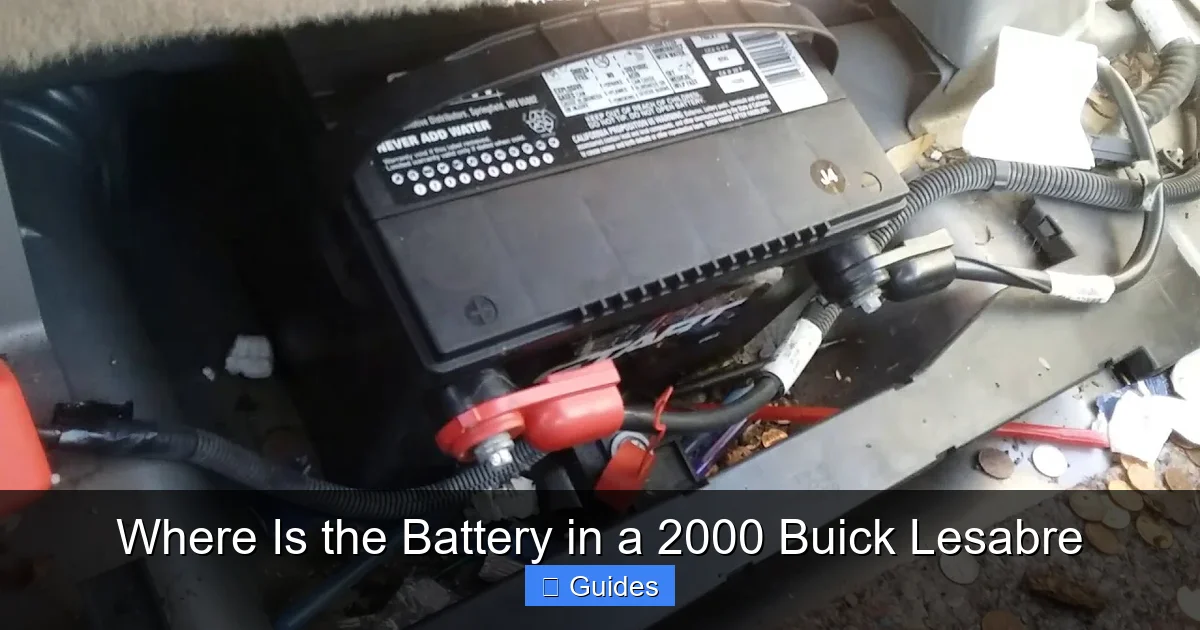
Visual guide about Where Is the Battery in a 2000 Buick Lesabre
Image source: i.ytimg.com
When it’s time to replace the battery in your 2000 Buick LeSabre, choosing the right one is crucial for performance and longevity. Not all batteries are created equal, and using the wrong size or type can lead to starting problems, electrical issues, or even damage to your vehicle’s systems.
Battery Group Size
The 2000 Buick LeSabre typically uses a Group 47 or Group 48 battery. These are standard sizes that fit securely in the battery tray and connect properly to the cables. Group 47 is slightly smaller, while Group 48 offers more capacity. Check your owner’s manual or the label on your current battery to confirm the correct group size.
Cold Cranking Amps (CCA)
Cold Cranking Amps measure how well a battery can start your engine in cold weather. For the LeSabre, a battery with at least 600 CCA is recommended. If you live in a colder climate, consider a battery with 700 CCA or higher for reliable winter starts.
Reserve Capacity (RC)
Reserve Capacity indicates how long the battery can power your car if the alternator fails. A higher RC (around 90–120 minutes) is better, especially if you frequently drive short distances or use a lot of electronics.
Brand and Warranty
Stick with reputable brands like Optima, DieHard, Interstate, or AC Delco. These brands offer reliable performance and often come with warranties of 3–5 years. A good warranty can save you money if the battery fails prematurely.
Maintenance-Free vs. Serviceable
Most modern batteries are maintenance-free, meaning you don’t need to add water. These are ideal for the average driver. Serviceable batteries require periodic checks and water top-offs, but they can last longer with proper care.
Price vs. Value
Don’t always go for the cheapest option. A slightly more expensive battery with a better warranty and higher CCA may save you money in the long run. Compare prices at auto parts stores, online retailers, and local mechanics.
When in doubt, consult your owner’s manual or ask a professional. The right battery ensures your LeSabre starts reliably and runs smoothly for years to come.
Battery Maintenance Tips for Longevity
A well-maintained battery can last 4–6 years, even in a 2000 Buick LeSabre. Regular care not only extends battery life but also prevents unexpected breakdowns. Here are some practical tips to keep your battery in top condition.
Check Terminals Every 6 Months
Corrosion on the terminals is a common cause of starting problems. Look for a white, green, or blue powdery substance around the connections. If you see corrosion, clean it with a mixture of baking soda and water. Use an old toothbrush to scrub the terminals, then rinse with clean water and dry thoroughly.
Tighten Loose Connections
Loose cables can cause intermittent power issues. After cleaning, make sure the terminal clamps are snug. Don’t overtighten—just enough to prevent movement.
Keep the Battery Clean and Dry
Dirt and moisture can create a conductive path between terminals, causing the battery to drain. Wipe the top of the battery with a dry cloth regularly. If your battery tray collects water or debris, clean it out to prevent corrosion.
Test the Battery Voltage
Use a multimeter to check the battery voltage. A fully charged battery should read 12.6 volts or higher. If it’s below 12.4 volts, it may need charging or replacement. Test the battery when the car has been off for at least an hour for an accurate reading.
Avoid Short Trips
Frequent short trips don’t give the alternator enough time to recharge the battery. If possible, take longer drives occasionally to keep the battery charged. Alternatively, use a battery maintainer if the car sits for long periods.
Protect from Extreme Temperatures
Extreme heat and cold can shorten battery life. Park in a garage when possible, especially in winter. In hot climates, consider a battery insulation wrap to reduce heat exposure.
Replace Before It Fails
Batteries don’t last forever. If your battery is more than 4 years old, consider replacing it proactively—especially before winter. A dead battery in cold weather is both inconvenient and potentially dangerous.
By following these maintenance tips, you’ll get the most out of your battery and avoid the frustration of a no-start situation.
Troubleshooting Common Battery Issues
Even with proper maintenance, battery problems can still occur. Knowing how to troubleshoot common issues can save you time and money. Here’s how to diagnose and fix the most frequent battery-related problems in a 2000 Buick LeSabre.
Car Won’t Start
If the engine doesn’t crank or makes a clicking sound, the battery is likely dead or weak. First, check the terminals for corrosion or looseness. If they’re clean and tight, test the voltage with a multimeter. If it’s below 12.4 volts, try jump-starting the car. If it starts but dies again, the alternator may not be charging the battery.
Dim Lights or Slow Cranking
Dim headlights or a slow-turning engine are signs of a weak battery. This often happens in cold weather. Test the battery voltage and consider replacing it if it’s old or underperforming.
Battery Keeps Dying
If your battery dies repeatedly, there may be a parasitic drain—something in the car is drawing power when it shouldn’t. Common culprits include interior lights, trunk lights, or aftermarket electronics. A mechanic can perform a parasitic drain test to identify the issue.
Swollen or Leaking Battery
A bulging case or fluid leakage indicates a damaged battery. This can be caused by overcharging, extreme heat, or age. Replace the battery immediately and check the alternator output to prevent future damage.
Corrosion Keeps Returning
If corrosion returns quickly after cleaning, there may be a grounding issue or excessive moisture in the battery tray. Inspect the cables and connections, and consider applying a corrosion inhibitor spray.
Alternator Problems
Sometimes the battery seems dead, but the real issue is the alternator. If the car starts with a jump but dies shortly after, the alternator may not be charging the battery. Have it tested at an auto parts store.
By learning to recognize these signs, you can address battery issues before they leave you stranded.
Conclusion
Knowing where the battery is in a 2000 Buick LeSabre—and how to access, maintain, and replace it—is a valuable skill for any owner. While the battery is tucked behind the air intake system, it’s not difficult to reach with the right steps. By following this guide, you can safely handle battery-related tasks and keep your classic sedan running reliably.
From locating the battery on the driver’s side of the engine bay to choosing the right replacement and maintaining it properly, every step matters. Safety should always come first—wear protective gear, disconnect terminals in the correct order, and dispose of old batteries responsibly.
Regular maintenance, such as cleaning terminals and testing voltage, can extend your battery’s life and prevent unexpected failures. And if you ever run into issues like a no-start condition or repeated drain, knowing how to troubleshoot can save you a trip to the mechanic.
The 2000 Buick LeSabre may be over two decades old, but with proper care, it can still deliver dependable performance. Taking the time to understand your vehicle’s electrical system—starting with the battery—ensures you get the most out of your investment. Whether you’re a seasoned DIYer or a first-time car owner, this guide gives you the knowledge and confidence to handle battery maintenance like a pro.
Frequently Asked Questions
Where exactly is the battery located in a 2000 Buick LeSabre?
The battery is in the engine compartment on the driver’s side, near the front fender and behind the air intake duct. You’ll need to remove the air filter cover to access it fully.
Do I need special tools to remove the battery?
No, you only need basic tools like a socket wrench or screwdriver to remove the air intake cover, loosen the hold-down clamp, and disconnect the terminals.
What size battery does a 2000 Buick LeSabre use?
The recommended battery group size is Group 47 or Group 48, with at least 600 Cold Cranking Amps (CCA) for reliable performance.
Can I jump-start a 2000 Buick LeSabre?
Yes, you can jump-start it using jumper cables and another vehicle. Connect the positive terminals first, then the negative, and let the dead battery charge for a few minutes before starting.
How often should I replace the battery?
Most car batteries last 4–6 years. If your battery is over 4 years old or showing signs of weakness, consider replacing it proactively.
What should I do if my battery keeps dying?
Frequent battery drain may indicate a parasitic draw or alternator issue. Have a mechanic test the electrical system to identify the root cause.

At CarLegit, we believe information should be clear, factual, and genuinely helpful. That’s why every guide, review, and update on our website is created with care, research, and a strong focus on user experience.