
The 2017 GMC Terrain comes with different tire sizes depending on the trim level and wheel configuration. Most models use 235/55R18 or 235/50R19 tires, but it’s essential to check your specific vehicle for accuracy. Choosing the right size ensures optimal handling, fuel efficiency, and safety.
In This Article
- 1 Key Takeaways
- 2 📑 Table of Contents
- 3 What Size Tires Are on a 2017 GMC Terrain?
- 4 Understanding Tire Size Notation
- 5 Standard Tire Sizes by Trim Level
- 6 How to Find Your Exact Tire Size
- 7 Can You Change Tire Sizes on a 2017 GMC Terrain?
- 8 Maintaining Your 2017 GMC Terrain Tires
- 9 Choosing the Right Replacement Tires
- 10 Conclusion
- 11 Frequently Asked Questions
- 11.1 What is the standard tire size for a 2017 GMC Terrain?
- 11.2 Can I put 20-inch tires on my 2017 GMC Terrain?
- 11.3 How do I know if my tire size is correct?
- 11.4 What happens if I use the wrong tire size?
- 11.5 Can I use winter tires on my 2017 GMC Terrain?
- 11.6 How often should I rotate the tires on my 2017 GMC Terrain?
Key Takeaways
- Standard tire sizes vary by trim: The 2017 GMC Terrain typically uses 235/55R18 or 235/50R19 tires, depending on the model and wheel package.
- Check your door jamb sticker: The most reliable way to confirm your tire size is by looking at the label on the driver’s side door jamb.
- All-season tires are common: Most factory-installed tires are all-season radials designed for balanced performance in various conditions.
- Upgrading is possible: You can safely switch to slightly larger or smaller tires using a tire size calculator to maintain speedometer accuracy.
- Proper inflation matters: Always maintain recommended tire pressure (usually 35 PSI) for safety, fuel economy, and tread life.
- Winter and performance options exist: Depending on your climate and driving needs, you can install winter, all-terrain, or high-performance tires.
- Regular rotation extends life: Rotate tires every 6,000–8,000 miles to ensure even wear and longer lifespan.
📑 Table of Contents
What Size Tires Are on a 2017 GMC Terrain?
If you’re the proud owner of a 2017 GMC Terrain—or considering buying one—you’ve probably wondered: “What size tires does it use?” It’s a great question, and the answer isn’t always straightforward. Unlike some vehicles that stick to one tire size across all trims, the 2017 GMC Terrain offers a few different configurations depending on the model, wheel size, and optional packages. Whether you’re replacing worn tires, upgrading for better performance, or just curious about your SUV’s specs, knowing the correct tire size is essential.
The 2017 GMC Terrain is a compact SUV that blends comfort, style, and practicality. It was available in several trims, including the base SL, mid-level SLE, upscale SLT, and the sporty Denali. Each of these trims could come with different wheel and tire combinations, which means tire size can vary. Most commonly, you’ll find 235/55R18 or 235/50R19 tires on this vehicle, but we’ll dive deeper into the specifics shortly. Understanding your tire size isn’t just about fitting new rubber—it affects handling, ride comfort, fuel efficiency, and even your speedometer accuracy.
Understanding Tire Size Notation
Before we get into the exact sizes for the 2017 GMC Terrain, let’s break down what those numbers on your tire actually mean. Tire sizes are written in a standardized format that might look confusing at first, but once you know what each part represents, it becomes second nature.
A typical tire size like “235/55R18” is made up of three key components:
Section Width (235)
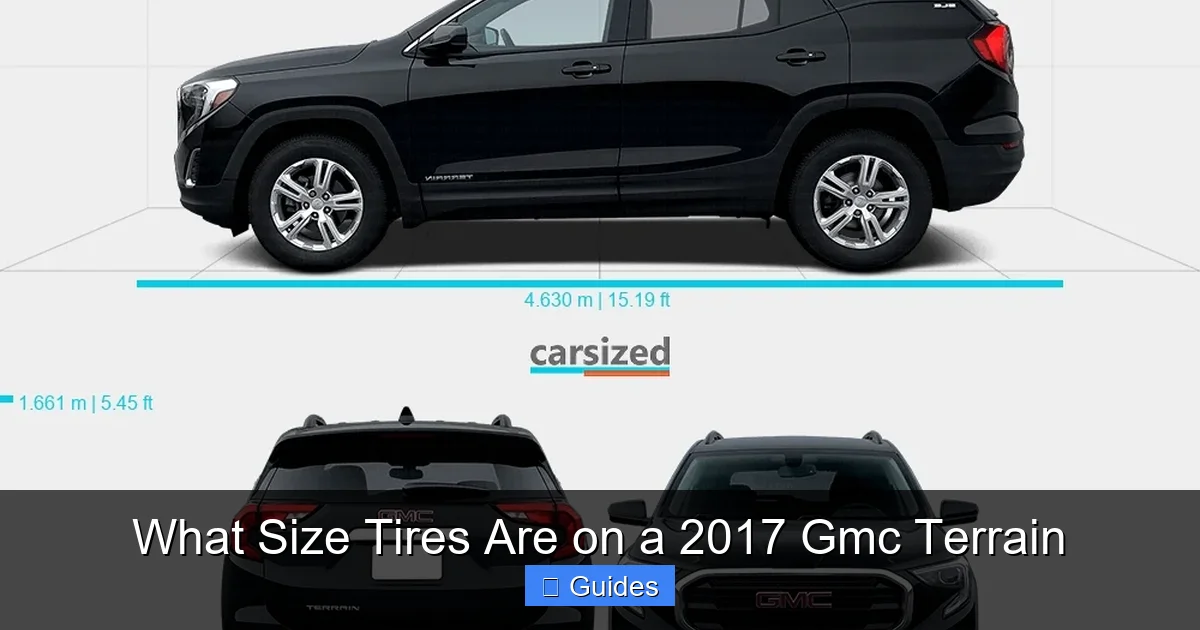
The first number, 235, refers to the tire’s section width in millimeters. This is the distance from one sidewall to the other when the tire is mounted and inflated. A wider tire generally offers better grip and stability, especially during cornering, but may slightly reduce fuel efficiency due to increased rolling resistance.
Visual guide about What Size Tires Are on a 2017 Gmc Terrain
Image source: carsized.com
Aspect Ratio (55)
The second number, 55, is the aspect ratio. This is a percentage that represents the height of the tire’s sidewall as a proportion of its width. So, a 55 aspect ratio means the sidewall height is 55% of 235mm (about 129mm). A lower aspect ratio (like 50) means a shorter, sportier sidewall, which can improve handling but may result in a firmer ride.
Construction and Rim Diameter (R18)
The “R” stands for radial construction, which is the standard for modern tires. Radial tires have layers of fabric running radially across the tire, providing flexibility and durability. The number after the “R”—in this case, 18—is the diameter of the wheel (or rim) in inches. So, an R18 tire fits an 18-inch wheel.
Understanding this notation helps you compare tire options and ensures you’re selecting the right fit for your vehicle. It also makes it easier to shop for replacements or upgrades without confusion.
Standard Tire Sizes by Trim Level
Now that you know how to read tire sizes, let’s look at the specific sizes used on the 2017 GMC Terrain based on its trim levels and wheel options. GMC offered the Terrain with 17-inch, 18-inch, and 19-inch wheels, and the tire size changed accordingly to maintain the overall diameter of the wheel and tire combination.
Base SL and SLE Trims (17-inch and 18-inch wheels)
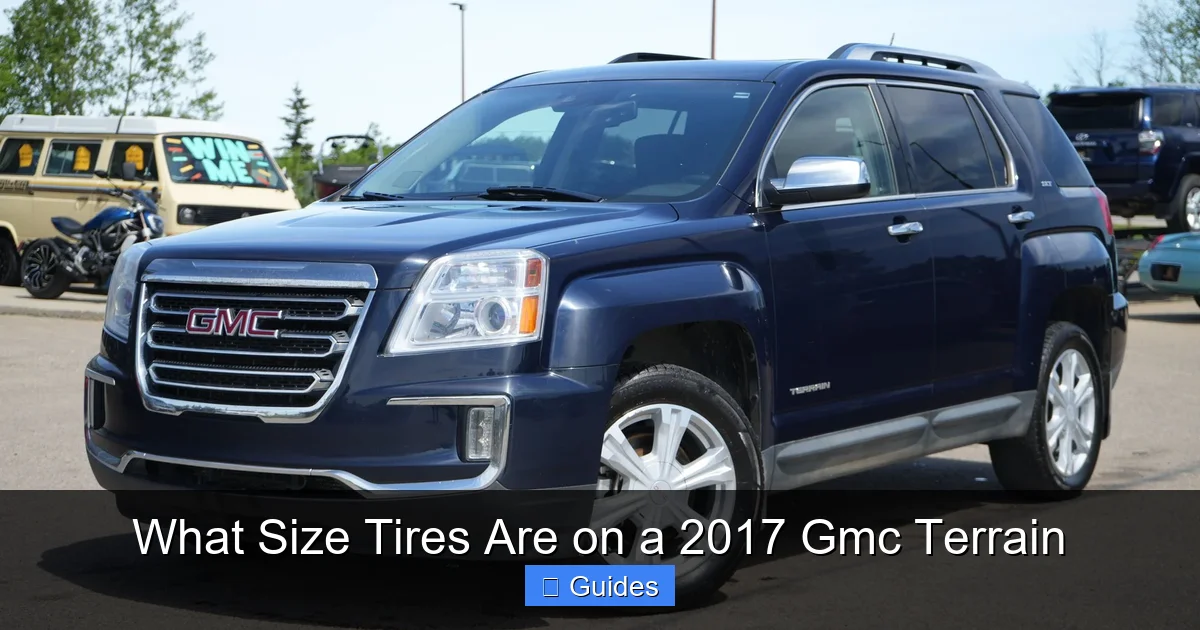
The entry-level SL and mid-tier SLE trims often came with 17-inch or 18-inch wheels. When equipped with 18-inch wheels, these models typically used 235/55R18 tires. This size offers a good balance of comfort, grip, and fuel efficiency. The 235mm width provides solid contact with the road, while the 55 aspect ratio ensures a reasonably cushioned ride—perfect for daily commuting and highway driving.
Visual guide about What Size Tires Are on a 2017 Gmc Terrain
Image source: cdn.dealeraccelerate.com
If your Terrain has 17-inch wheels (less common but possible on base models), you might see a size like 225/60R17. This tire is slightly narrower and has a taller sidewall, which can improve ride comfort on rough roads but may reduce cornering precision compared to the 18-inch setup.
SLT and Denali Trims (19-inch wheels)
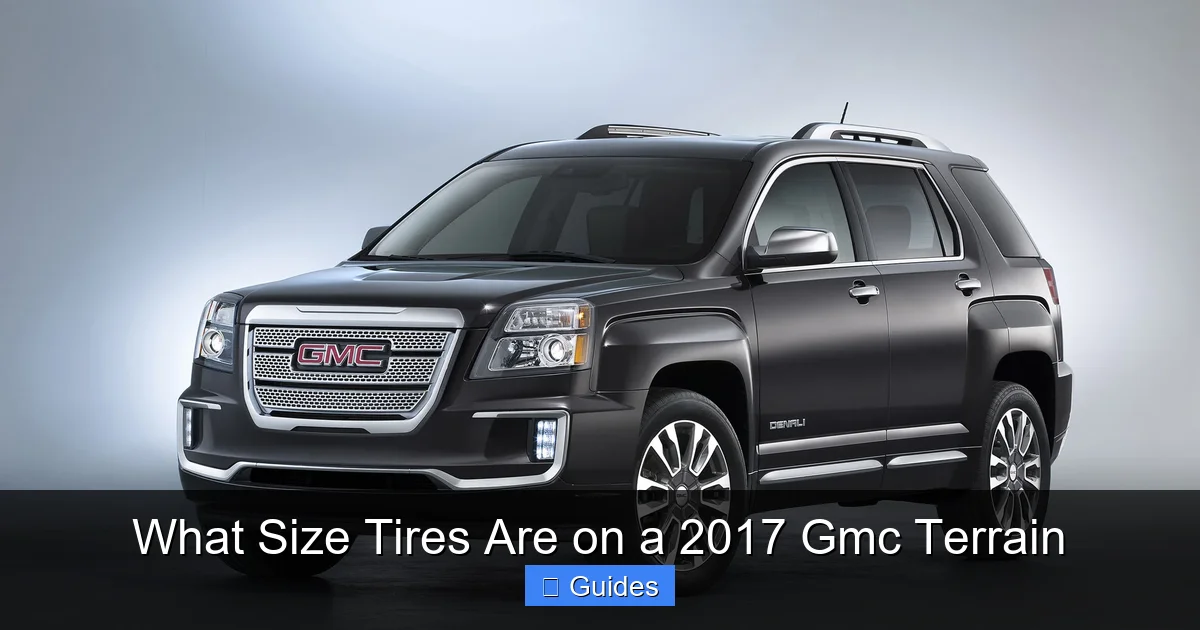
The higher-end SLT and Denali trims often featured 19-inch wheels as standard or optional upgrades. These models typically used 235/50R19 tires. The 50 aspect ratio means a shorter sidewall, which enhances handling and gives the vehicle a more aggressive, sporty look. However, the trade-off is a slightly firmer ride, especially on uneven pavement.
The 235/50R19 size maintains a similar overall diameter to the 235/55R18, which is important for keeping your speedometer and odometer readings accurate. GMC engineers design these combinations to ensure that different wheel and tire setups don’t interfere with the vehicle’s electronics or performance systems.
Optional Wheel Packages
Some 2017 Terrains came with optional wheel packages that could change the tire size. For example, the Denali trim might offer 20-inch wheels with 255/45R20 tires as part of a performance or appearance package. These wider, lower-profile tires provide even sharper handling and a bold visual presence, but they can be more susceptible to damage from potholes and may reduce ride comfort.
It’s important to note that not all 2017 Terrains with 19-inch wheels use the same tire size. Always verify your specific configuration before purchasing new tires. The easiest way to do this is by checking the tire sidewall or the door jamb sticker (more on that below).
How to Find Your Exact Tire Size
With multiple trim levels and wheel options, it’s easy to get confused about which tire size your 2017 GMC Terrain actually uses. Fortunately, there are several reliable ways to confirm the correct size without guessing.
Check the Door Jamb Sticker
The most accurate and convenient method is to look at the tire information label on the driver’s side door jamb. When you open the door, you’ll see a white or yellow sticker that lists important vehicle specs, including the recommended tire size and inflation pressure. This label is installed by the manufacturer and reflects the exact configuration of your specific vehicle.
Visual guide about What Size Tires Are on a 2017 Gmc Terrain
Image source: images.hgmsites.net
For example, the sticker might read: “Tire Size: P235/55R18 100H” or “P235/50R19 103V.” The “P” indicates it’s a passenger vehicle tire, and the numbers after the size (like 100H or 103V) refer to the load index and speed rating. Always match these details when replacing tires to ensure safety and compatibility.
Read the Tire Sidewall
If you can’t find the door jamb sticker or it’s damaged, you can check the sidewall of your current tires. The size is molded into the rubber, usually on the outer side. Look for a sequence like “235/55R18” or “235/50R19.” You may also see additional information such as the load index, speed rating, and manufacturing date (in the DOT code).
Keep in mind that the tire sidewall shows the size of the tire currently installed, which may not be the original size if the vehicle has been modified. However, for most stock 2017 Terrains, this will match the factory specification.
Use the Owner’s Manual
The owner’s manual for the 2017 GMC Terrain includes a section on tires and wheels, listing the recommended sizes for each trim level. This is a great backup resource if the door sticker is missing or unreadable. You can usually find a digital copy of the manual online if you no longer have the physical version.
Consult a Tire Professional
If you’re still unsure, visit a trusted tire shop or GMC dealership. They can look up your vehicle’s VIN (Vehicle Identification Number) and confirm the correct tire size based on its original build. This is especially helpful if you’re considering upgrading to a different size or type of tire.
Can You Change Tire Sizes on a 2017 GMC Terrain?
One of the most common questions from Terrain owners is whether they can switch to a different tire size—perhaps for better performance, improved off-road capability, or a more aggressive look. The short answer is: yes, but with some important caveats.
Understanding Plus-Sizing and Downsizing
“Plus-sizing” refers to installing larger wheels with lower-profile tires, while “downsizing” means going to smaller wheels with taller sidewalls. Both can be done, but the key is to maintain the overall diameter of the wheel and tire combination as close as possible to the original. This ensures your speedometer, odometer, and traction control systems continue to function accurately.
For example, you could safely switch from 235/55R18 to 245/50R18 tires. The slightly wider tread (245mm) and lower aspect ratio (50) improve grip and handling, while the overall diameter remains nearly identical. This is a common and safe upgrade for drivers who want better performance without sacrificing comfort.
Using a Tire Size Calculator
To determine compatible alternative sizes, use an online tire size calculator. These tools let you input your current tire size and compare it to other options, showing the difference in diameter, width, and revolutions per mile. A difference of less than 3% in overall diameter is generally considered safe.
For instance, a 235/55R18 tire has an overall diameter of about 28.3 inches. A 235/50R19 tire is 28.1 inches—well within the acceptable range. But a 255/45R20 tire is 28.9 inches, which is a 2.1% increase and still acceptable for most applications.
Considerations for Upgrading
When changing tire sizes, keep these factors in mind:
- Ride comfort: Lower-profile tires (like 235/50R19) offer sharper handling but may transmit more road noise and bumps.
- Fuel economy: Wider tires can increase rolling resistance, potentially reducing fuel efficiency.
- Clearance: Ensure the new tires don’t rub against the wheel wells or suspension components, especially during turns or over bumps.
- Speedometer accuracy: Even small diameter changes can affect your speedometer reading. A 3% error means your speedometer shows 60 mph when you’re actually going 61.8 mph.
- Warranty and insurance: Some modifications may affect your vehicle’s warranty or insurance coverage, so check with your provider.
Winter and All-Terrain Tire Options
If you live in a snowy or off-road environment, you might consider switching to winter or all-terrain tires. These often come in different sizes, so it’s common to use a slightly smaller wheel (like 17-inch) with taller, more aggressive tires for winter driving. This setup provides better traction and protects your regular wheels from salt and damage.
For example, you could run 225/65R17 winter tires on your 2017 Terrain, which are narrower and have deeper tread for snow and ice. Just make sure the overall diameter is close to your original size and that the load rating meets or exceeds the factory specification.
Maintaining Your 2017 GMC Terrain Tires
No matter what size tires you have, proper maintenance is crucial for safety, performance, and longevity. The 2017 GMC Terrain is no exception. With the right care, your tires can last 50,000 miles or more—depending on driving habits, road conditions, and tire quality.
Regular Tire Rotation
Tire rotation involves moving tires from one position to another (e.g., front to back or side to side) to promote even wear. Front tires typically wear faster due to steering and braking forces, so rotating them every 6,000 to 8,000 miles helps extend their life.
For the 2017 Terrain, a common rotation pattern is front-to-back on the same side, or a cross-rotation (front left to rear right, etc.) if the tires are non-directional. Check your owner’s manual for the recommended pattern.
Proper Inflation
Underinflated or overinflated tires can lead to uneven wear, reduced fuel economy, and even blowouts. The recommended tire pressure for most 2017 Terrains is 35 PSI, but always check the door jamb sticker for the exact number. Don’t rely on the pressure listed on the tire sidewall—that’s the maximum pressure, not the recommended one.
Check tire pressure at least once a month and before long trips. Use a reliable gauge and measure when the tires are cold (before driving more than a mile).
Alignment and Balancing
If you notice uneven wear, vibration, or the vehicle pulling to one side, it may be time for an alignment or balancing. Misaligned wheels can cause rapid tread wear, especially on the inner or outer edges. Balancing ensures the weight is evenly distributed around the tire, preventing vibrations at higher speeds.
Most tire shops include a free alignment check with tire purchases, so take advantage of this service when replacing your tires.
Tread Depth and Inspection
The legal minimum tread depth in most states is 2/32 of an inch, but it’s safer to replace tires when they reach 4/32. Use a tread depth gauge or the “penny test” (insert a penny into the tread with Lincoln’s head upside down—if you can see the top of his head, it’s time for new tires).
Also, inspect tires regularly for cracks, bulges, punctures, or embedded objects. These can lead to air leaks or sudden failures.
Choosing the Right Replacement Tires
When it’s time to replace your 2017 GMC Terrain’s tires, you’ll have plenty of options. The key is to choose tires that match your driving needs, climate, and budget.
All-Season Tires (Recommended for Most Drivers)
All-season tires are the most popular choice for the 2017 Terrain. They offer a good balance of dry and wet traction, comfort, and longevity. Look for models with a high treadwear rating (400 or above) and good reviews for noise and handling.
Popular all-season options include the Michelin Defender T+H, Continental PureContact, and Goodyear Assurance WeatherReady.
Winter Tires (For Cold Climates)
If you live in an area with heavy snow or ice, consider dedicated winter tires. They’re made with softer rubber compounds and deeper tread patterns that remain flexible in cold temperatures. Winter tires can reduce braking distance by up to 30% on snow compared to all-season tires.
Brands like Bridgestone Blizzak, Nokian Hakkapeliitta, and Michelin X-Ice are excellent choices.
All-Terrain and Performance Tires
For drivers who venture off-road or want a sportier feel, all-terrain or performance tires are worth considering. These offer better grip on loose surfaces or during spirited driving but may wear faster and be noisier on the highway.
Just ensure the size and load rating are compatible with your Terrain.
Budget vs. Premium Tires
While it’s tempting to go for the cheapest option, investing in quality tires pays off in safety, performance, and longevity. Premium tires often come with longer warranties, better materials, and advanced tread designs. However, there are reliable mid-range options that offer great value without breaking the bank.
Conclusion
The 2017 GMC Terrain is a versatile and reliable SUV, and knowing the correct tire size is essential for maintaining its performance and safety. Whether your vehicle uses 235/55R18, 235/50R19, or another size, always verify the specification using the door jamb sticker, tire sidewall, or owner’s manual. Understanding tire notation, trim differences, and upgrade options empowers you to make informed decisions when replacing or modifying your tires.
Regular maintenance—like rotation, inflation, and alignment—ensures your tires last longer and perform better. And when it’s time for new rubber, choose a type that matches your driving style and environment. With the right tires, your 2017 GMC Terrain will continue to deliver a smooth, confident ride for years to come.
Frequently Asked Questions
What is the standard tire size for a 2017 GMC Terrain?
The most common tire sizes for the 2017 GMC Terrain are 235/55R18 and 235/50R19, depending on the trim level and wheel configuration. Base models often use 235/55R18, while higher trims like the Denali may come with 235/50R19 tires.
Can I put 20-inch tires on my 2017 GMC Terrain?
Yes, some 2017 Terrains, especially the Denali trim, were available with 20-inch wheels and 255/45R20 tires. You can also upgrade to this size if your vehicle has sufficient clearance and you maintain the correct overall diameter.
How do I know if my tire size is correct?
Check the door jamb sticker on the driver’s side, the tire sidewall, or the owner’s manual. These sources list the factory-recommended tire size for your specific vehicle.
What happens if I use the wrong tire size?
Using an incorrect tire size can affect speedometer accuracy, handling, fuel economy, and safety. It may also cause rubbing against suspension components or trigger warning lights on your dashboard.
Can I use winter tires on my 2017 GMC Terrain?
Yes, winter tires are a great option for cold climates. Just ensure they match the correct size and load rating, and consider using a separate set of wheels to protect your regular tires from winter damage.
How often should I rotate the tires on my 2017 GMC Terrain?
Rotate your tires every 6,000 to 8,000 miles to promote even wear and extend their lifespan. Follow the rotation pattern recommended in your owner’s manual.

At CarLegit, we believe information should be clear, factual, and genuinely helpful. That’s why every guide, review, and update on our website is created with care, research, and a strong focus on user experience.