
The blue light on a Subaru typically indicates that the engine coolant temperature is low, signaling the engine hasn’t reached optimal operating temperature yet. It’s common in cold weather and usually turns off once the engine warms up. Understanding this light helps you drive smarter and protect your engine from unnecessary wear.
In This Article
- 1 Key Takeaways
- 2 📑 Table of Contents
- 3 What Does the Blue Light Mean on a Subaru?
- 4 Understanding the Blue Light: Engine Coolant Temperature Indicator
- 5 Is the Blue Light a Cause for Concern?
- 6 How to Respond When You See the Blue Light
- 7 Common Causes of a Persistent Blue Light
- 8 Preventive Maintenance Tips
- 9 Real-World Example: A Subaru Owner’s Experience
- 10 Conclusion: The Blue Light Is Your Friend
- 11 Frequently Asked Questions
Key Takeaways
- Blue Light Indicates Cold Engine: The blue light means your Subaru’s engine coolant is below normal operating temperature, especially common during cold starts.
- Normal in Cold Weather: It’s perfectly normal to see the blue light when starting your car in winter or chilly mornings.
- Turns Off When Warm: The light should disappear once the engine reaches its ideal temperature, usually within a few minutes of driving.
- Don’t Ignore Prolonged Illumination: If the blue light stays on for an unusually long time, it could signal a coolant issue or thermostat problem.
- Drive Gently Until Warm: Avoid high RPMs or aggressive driving until the blue light goes off to protect engine components.
- Check Coolant Levels: Low coolant can affect engine temperature and trigger warning lights—regular checks are essential.
- Consult a Mechanic if Needed: Persistent blue light issues should be inspected by a Subaru-certified technician.
📑 Table of Contents
- What Does the Blue Light Mean on a Subaru?
- Understanding the Blue Light: Engine Coolant Temperature Indicator
- Is the Blue Light a Cause for Concern?
- How to Respond When You See the Blue Light
- Common Causes of a Persistent Blue Light
- Preventive Maintenance Tips
- Real-World Example: A Subaru Owner’s Experience
- Conclusion: The Blue Light Is Your Friend
What Does the Blue Light Mean on a Subaru?
If you’ve ever started your Subaru on a crisp winter morning and noticed a soft blue light glowing on your dashboard, you’re not alone. Many Subaru owners see this light and wonder—what does it mean? Is it something to worry about? Should I take my car to the shop right away?
The good news is that in most cases, the blue light on a Subaru is completely normal and nothing to stress over. It’s actually a helpful indicator designed to keep your engine running smoothly and efficiently. But like any dashboard warning, it’s important to understand what it’s telling you and how to respond.
This guide will walk you through everything you need to know about the blue light on your Subaru—what it means, why it appears, when to be concerned, and how to keep your vehicle in top shape. Whether you drive a Forester, Outback, Crosstrek, or Impreza, this information applies across most modern Subaru models.
Understanding the Blue Light: Engine Coolant Temperature Indicator
Visual guide about What Does the Blue Light Mean on a Subaru
Image source: rockymountaincarcare.com
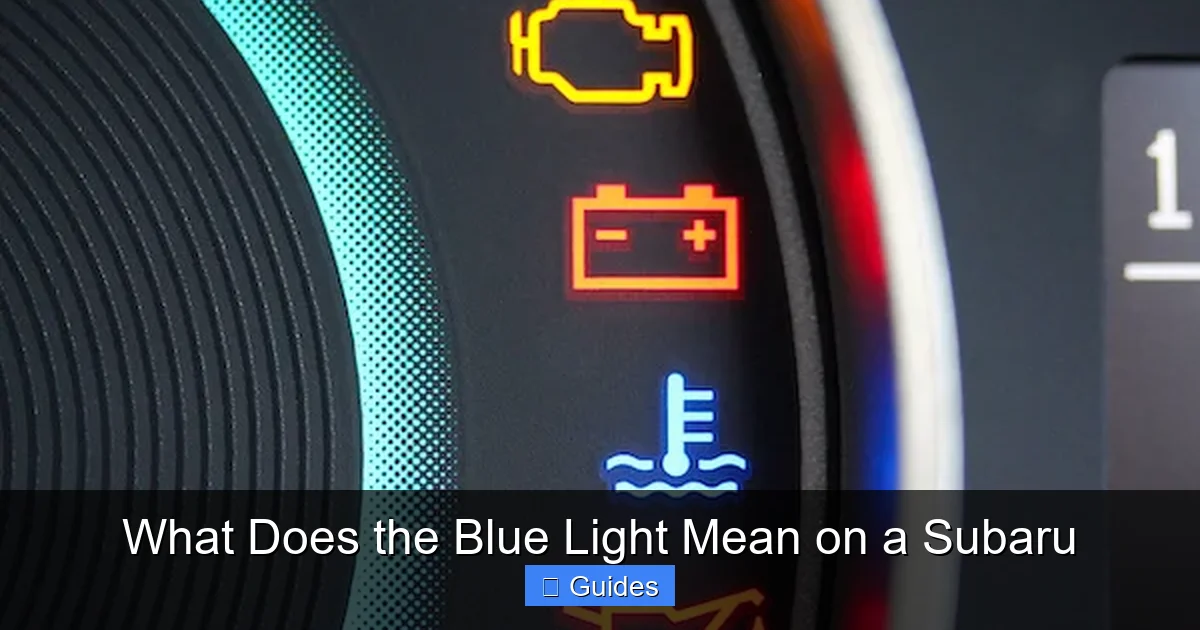
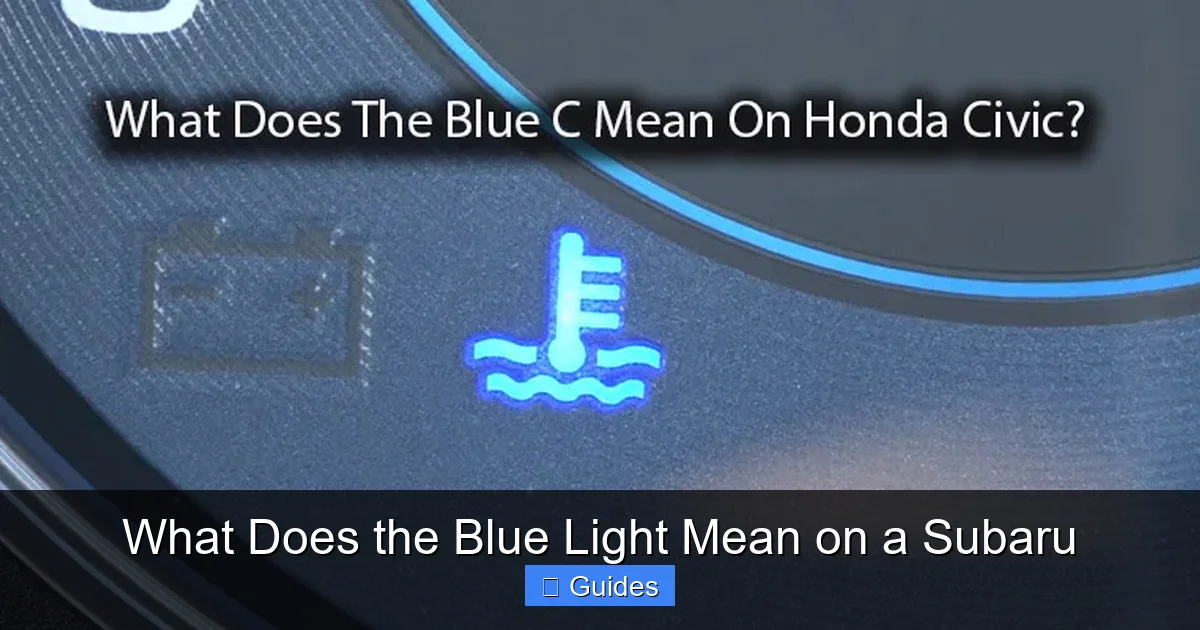
The blue light on your Subaru’s dashboard is officially known as the engine coolant temperature indicator. Unlike the red or yellow warning lights that signal urgent problems, the blue light is more of a status alert. It tells you that your engine is still cold and hasn’t reached its optimal operating temperature yet.
When you start your car, especially in cold weather, the engine coolant—a mixture of antifreeze and water that circulates through the engine—is also cold. The engine needs to warm up to function efficiently and reduce internal wear. The blue light simply reminds you that this warming process is still underway.
How the Cooling System Works
To fully understand the blue light, it helps to know a little about your Subaru’s cooling system. The engine generates a lot of heat when it runs. Without proper cooling, it could overheat and suffer serious damage. That’s where the coolant comes in.
Coolant absorbs heat from the engine and carries it to the radiator, where it’s cooled by airflow. A thermostat regulates the flow of coolant, keeping the engine at a consistent temperature—usually around 195°F to 220°F (90°C to 104°C). When the engine is cold, the thermostat stays closed, allowing the engine to warm up quickly.
The blue light is triggered by a sensor that monitors the coolant temperature. As long as the coolant is below a certain threshold, the light stays on. Once the engine warms up and the coolant reaches the target temperature, the light turns off.
When You’ll See the Blue Light
You’re most likely to see the blue light in the following situations:
- Cold mornings: Especially in winter or in regions with freezing temperatures.
- Short trips after the car has been parked: If your Subaru has been sitting overnight, the engine and coolant will be cold.
- After the car has been off for several hours: Even in mild climates, overnight cooling can trigger the light.
For example, imagine you park your Subaru outside on a Tuesday night when it’s 35°F (2°C). The next morning, you hop in to drive to work. As soon as you turn the key, the blue light appears. This is completely normal. Within a few minutes of driving—maybe by the time you reach the highway—the light should go off as the engine warms up.
Is the Blue Light a Cause for Concern?

Visual guide about What Does the Blue Light Mean on a Subaru
Image source: vehiclerides.com
Now that you know what the blue light means, the next question is: should you be worried?
In short—no, not usually. The blue light is a normal part of your Subaru’s operation, especially in cold weather. It’s there to inform you, not to alarm you. However, there are a few scenarios where the blue light might indicate a problem.
Normal Operation vs. Potential Issues
Let’s break it down:
- Normal: Blue light comes on at startup and turns off within 2–5 minutes of driving.
- Concerning: Blue light stays on for more than 10–15 minutes, even during normal driving.
- Very concerning: Blue light flashes, or you notice other symptoms like poor heater performance, strange smells, or coolant leaks.
If the blue light lingers longer than expected, it could mean the engine is taking too long to warm up. This might be due to a faulty thermostat, low coolant levels, or a problem with the temperature sensor.
Why a Prolonged Blue Light Matters
An engine that stays cold for too long isn’t just inefficient—it can also cause wear and tear. When the engine runs cold:
- Fuel doesn’t burn as efficiently, leading to increased emissions and reduced fuel economy.
- Oil doesn’t circulate as well, which can increase friction between moving parts.
- The catalytic converter doesn’t reach optimal temperature, reducing its effectiveness and potentially causing damage over time.
So while the blue light itself isn’t dangerous, ignoring it when it stays on too long could lead to bigger issues down the road.
How to Respond When You See the Blue Light
Visual guide about What Does the Blue Light Mean on a Subaru
Image source: hondatheotherside.com
Knowing what the blue light means is one thing—knowing what to do about it is another. Here’s a simple guide to help you respond appropriately.
Step 1: Don’t Panic
First and foremost, stay calm. The blue light is not a warning of immediate danger. It’s simply telling you that your engine is still warming up. There’s no need to pull over or shut off the engine unless you notice other unusual symptoms.
Step 2: Drive Gently Until Warm
While the blue light is on, avoid aggressive driving. That means:
- Don’t rev the engine high.
- Avoid rapid acceleration.
- Keep speeds moderate, especially in the first few minutes.
Think of it like warming up before a workout. Your engine needs time to get ready for peak performance. Gentle driving allows oil to circulate properly and reduces stress on internal components.
Step 3: Monitor the Light
Keep an eye on the blue light as you drive. It should turn off within a few minutes. If it doesn’t, take note of how long it stays on. If it’s more than 10–15 minutes, especially on a mild day, it’s worth investigating.
Step 4: Check Coolant Levels
Low coolant can prevent the engine from warming up properly. Here’s how to check:
- Make sure the engine is cool before opening the coolant reservoir.
- Locate the coolant overflow tank (usually a translucent plastic container near the radiator).
- Check the level against the “MIN” and “MAX” markings.
- If it’s below “MIN,” top it up with the correct Subaru-approved coolant mixture (usually 50/50 antifreeze and water).
Never open the radiator cap when the engine is hot—it can cause serious burns due to pressurized steam.
Step 5: Schedule a Service if Needed
If the blue light continues to stay on, or if you notice other issues like:
- The heater isn’t blowing warm air,
- You smell coolant,
- There’s visible leakage under the car,
Then it’s time to visit a Subaru service center. A technician can diagnose whether the issue is with the thermostat, coolant sensor, water pump, or another component.
Common Causes of a Persistent Blue Light
If your Subaru’s blue light won’t turn off, here are some of the most likely culprits:
1. Faulty Thermostat
The thermostat controls when coolant flows through the engine. If it’s stuck closed, coolant can’t circulate properly, and the engine may overheat. If it’s stuck open, the engine may never reach optimal temperature, keeping the blue light on.
A malfunctioning thermostat is one of the most common reasons for prolonged blue light illumination. Replacing it is usually straightforward and not overly expensive.
2. Low Coolant Level
As mentioned earlier, low coolant can disrupt the engine’s ability to regulate temperature. This can happen due to evaporation over time, a small leak, or improper maintenance.
Always use the correct coolant type for your Subaru. Mixing different types can cause corrosion or reduce effectiveness.
3. Coolant Temperature Sensor Failure
The sensor that detects coolant temperature can fail over time. If it sends incorrect readings to the dashboard, the blue light may stay on even when the engine is warm.
This is a relatively easy fix—sensors are inexpensive and can often be replaced in under an hour.
4. Air in the Cooling System
Air pockets in the coolant system can prevent proper circulation. This sometimes happens after a coolant refill if the system isn’t bled correctly.
Symptoms include inconsistent heater performance and temperature fluctuations. A technician can “burp” the system to remove air.
5. Water Pump Issues
The water pump circulates coolant through the engine. If it’s failing, coolant flow slows down, and the engine may not warm up properly.
Signs of a failing water pump include coolant leaks near the front of the engine, whining noises, or overheating.
Preventive Maintenance Tips
The best way to avoid blue light issues is through regular maintenance. Here are some tips to keep your Subaru’s cooling system in great shape:
Check Coolant Regularly
Make it a habit to check your coolant level every few weeks, especially before long trips or during seasonal changes. Top it off as needed, but always use the correct mixture.
Follow the Maintenance Schedule
Subaru recommends replacing coolant every 30,000 to 60,000 miles, depending on the model and driving conditions. Refer to your owner’s manual for specifics.
Inspect for Leaks
Look under your car periodically for signs of coolant leaks—usually green, yellow, or pink fluid. Even small leaks can lead to bigger problems.
Use Genuine Subaru Parts
When replacing thermostats, sensors, or coolant, use OEM (Original Equipment Manufacturer) parts. They’re designed specifically for your vehicle and ensure optimal performance.
Warm Up Properly in Cold Weather
In extreme cold, consider using a block heater to pre-warm the engine. This reduces strain on the cooling system and helps the engine reach operating temperature faster.
Real-World Example: A Subaru Owner’s Experience
Let’s say you drive a 2020 Subaru Outback. It’s January in Minnesota, and the temperature is -10°F (-23°C). You start your car, and the blue light comes on. You drive gently for about 8 minutes, and the light turns off. Your heater starts blowing warm air, and the engine runs smoothly.
This is exactly how it should work. The blue light did its job—it reminded you to take it easy until the engine was ready.
Now imagine a different scenario: It’s a mild 50°F (10°C) day in spring. You start your car, and the blue light stays on for 20 minutes, even after driving on the highway. The heater isn’t getting warm, and you notice a sweet smell inside the cabin.
In this case, something’s wrong. The prolonged blue light, combined with other symptoms, suggests a coolant or thermostat issue. This is when you should schedule a service appointment.
Conclusion: The Blue Light Is Your Friend
The blue light on your Subaru isn’t a warning—it’s a helpful guide. It tells you when your engine is still warming up and reminds you to drive gently until it’s ready for full performance. In cold weather, it’s completely normal and expected.
However, if the light stays on longer than usual or is accompanied by other symptoms, it’s worth investigating. Regular maintenance, coolant checks, and prompt attention to unusual behavior can keep your Subaru running smoothly for years to come.
So the next time you see that soft blue glow on your dashboard, don’t panic. Take a deep breath, drive gently, and let your engine warm up. Your Subaru will thank you with reliable performance, better fuel economy, and fewer repairs down the road.
Frequently Asked Questions
Is it safe to drive with the blue light on?
Yes, it’s safe to drive with the blue light on, but you should drive gently until it turns off. Avoid high speeds or rapid acceleration to protect your engine while it warms up.
How long should the blue light stay on?
The blue light should turn off within 2 to 5 minutes of driving, depending on weather and engine conditions. If it stays on longer than 10–15 minutes, have your cooling system checked.
Can low coolant cause the blue light to stay on?
Yes, low coolant can prevent the engine from reaching optimal temperature, causing the blue light to remain illuminated. Check and top off coolant if needed.
Does the blue light mean my Subaru is overheating?
No, the blue light means the engine is too cold, not too hot. Overheating is indicated by a red or yellow temperature warning light, which requires immediate attention.
Should I be worried if the blue light flashes?
A flashing blue light is unusual and may indicate a sensor malfunction or cooling system issue. Have your vehicle inspected by a Subaru technician as soon as possible.
Can I turn off the blue light manually?
No, the blue light is controlled by the engine’s temperature sensor and cannot be manually disabled. It will turn off automatically when the engine reaches operating temperature.

At CarLegit, we believe information should be clear, factual, and genuinely helpful. That’s why every guide, review, and update on our website is created with care, research, and a strong focus on user experience.