
If your car temp goes up and down, it’s usually a sign of a cooling system issue. Common culprits include low coolant, a faulty thermostat, air pockets, or a failing water pump. Ignoring these signs can lead to engine damage, so early diagnosis is key.
In This Article
Key Takeaways
- Low Coolant Levels: Insufficient coolant reduces the system’s ability to regulate engine temperature, causing fluctuations.
- Faulty Thermostat: A stuck-open or stuck-closed thermostat disrupts coolant flow, leading to erratic temperature readings.
- Air Pockets in the Cooling System: Trapped air prevents proper coolant circulation, resulting in hot and cold cycles.
- Failing Water Pump: A worn or leaking water pump can’t circulate coolant effectively, causing overheating and cooling dips.
- Radiator Issues: Clogs, leaks, or damaged fins reduce heat dissipation, leading to temperature swings.
- Cooling Fan Problems: A malfunctioning fan won’t cool the radiator properly at low speeds, causing the temp to rise and fall.
- Head Gasket Failure: A blown head gasket can allow combustion gases into the cooling system, causing pressure and temperature instability.
📑 Table of Contents
Why Does My Car Temp Go Up and Down?
You’re driving down the highway, enjoying the breeze through the window, when suddenly you notice something odd—your car’s temperature gauge is doing the wave. It climbs toward the red, then drops back to normal, only to rise again a few minutes later. Your first thought? “Is my engine about to explode?” Not necessarily, but it’s definitely a sign that something’s off.
Temperature fluctuations in your car aren’t just annoying—they’re a red flag. Your engine is designed to run within a specific temperature range, usually between 195°F and 220°F (90°C to 104°C). When that range gets disrupted, it can lead to poor performance, reduced fuel efficiency, and even serious engine damage. The good news? Most causes of a car temp going up and down are fixable—if you catch them early.
In this guide, we’ll walk you through the most common reasons your car’s temperature gauge is acting like it’s on a rollercoaster. We’ll explain what’s happening under the hood, how to spot the symptoms, and what you can do about it. Whether you’re a DIY enthusiast or just want to understand what your mechanic is talking about, this article will give you the knowledge you need to keep your engine cool and your drives smooth.
Understanding Your Car’s Cooling System

Visual guide about Why Does My Car Temp Go Up and Down
Image source: i.ytimg.com
Before we dive into the causes, let’s take a quick look at how your car’s cooling system works. Think of it as your engine’s personal air conditioning unit. Without it, your engine would overheat in minutes.
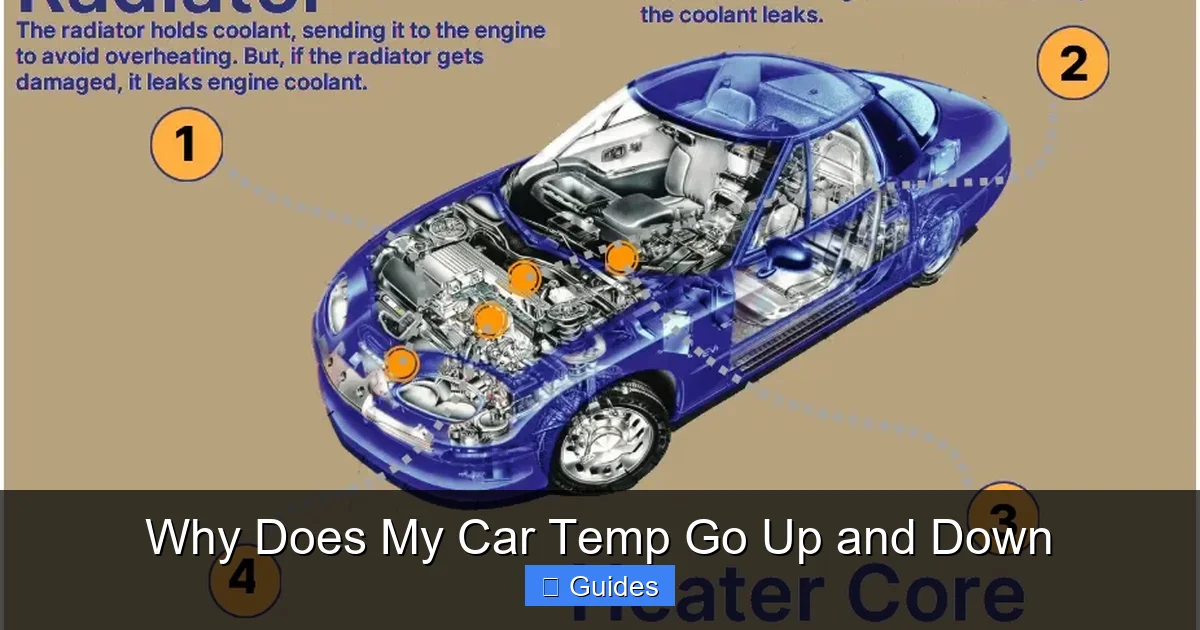
The cooling system is made up of several key parts: the radiator, water pump, thermostat, coolant (also called antifreeze), hoses, and the cooling fan. Together, they work to absorb heat from the engine and release it into the air.
Here’s how it works: The water pump circulates coolant through the engine block and cylinder head. As the coolant passes through, it absorbs heat. Then, it flows into the radiator, where the cooling fan and airflow from driving help release that heat. The thermostat acts like a gatekeeper—it opens when the engine gets hot, allowing coolant to flow, and closes when the engine is cold to help it warm up faster.
When everything is working properly, your temperature gauge stays steady in the middle. But if one part fails or gets clogged, the whole system gets thrown off balance. That’s when you start seeing the dreaded up-and-down movement on your dashboard.
How the Cooling System Regulates Temperature
The cooling system doesn’t just cool—it regulates. It’s designed to keep the engine at an optimal temperature, no matter the weather or driving conditions. In cold weather, the thermostat stays closed longer to help the engine warm up quickly. In hot weather or during heavy use (like towing or climbing hills), the system works harder to prevent overheating.
The radiator fan kicks in when the engine gets too hot, especially when you’re idling or driving slowly. The coolant level must be adequate to ensure proper circulation. And the water pump must spin smoothly to keep the coolant moving.
If any of these components fail, the system can’t regulate temperature effectively. That’s why a car temp going up and down is often a symptom of a deeper issue. It’s your car’s way of saying, “Hey, something’s not right down here!”
Common Causes of Temperature Fluctuations
Visual guide about Why Does My Car Temp Go Up and Down
Image source: thedailyautomotive.com
Now that you know how the cooling system works, let’s look at the most common reasons your car’s temperature gauge is bouncing around. Each of these issues can cause the temp to rise and fall, and many of them are related.
Low Coolant Level
One of the simplest—and most common—causes of temperature swings is low coolant. Coolant is the lifeblood of your cooling system. Without enough of it, the system can’t absorb and transfer heat effectively.
Coolant can get low for several reasons. A leak in a hose, radiator, water pump, or heater core can cause slow or rapid loss. Over time, coolant can also evaporate or degrade, especially if it’s old or contaminated.
When the coolant level drops, air can enter the system. This creates air pockets that block the flow of coolant. As a result, some parts of the engine get too hot while others stay cool. The temperature gauge reflects this imbalance, jumping up and down as hot and cold zones shift.
How to check: Pop the hood and look at the coolant reservoir. It should have “min” and “max” lines. If the level is below “min,” you’ve got a problem. Also, check for puddles of green, orange, or pink fluid under your car—these are signs of a leak.
What to do: Top off the coolant if it’s low, but don’t stop there. Find and fix the leak. Use the correct type of coolant for your vehicle (check your owner’s manual). And always let the engine cool before opening the radiator cap—hot coolant can spray out and cause serious burns.
Faulty Thermostat
The thermostat is a small but mighty part. It’s a valve that opens and closes based on engine temperature. When the engine is cold, it stays closed to help the engine warm up faster. Once the engine reaches operating temperature, it opens to allow coolant to flow.
If the thermostat gets stuck open, coolant flows constantly, even when the engine is cold. This can cause the engine to run too cool, reducing fuel efficiency and increasing emissions. But if it gets stuck closed, coolant can’t flow at all. The engine overheats quickly, and the temperature gauge spikes.
A thermostat that’s intermittently stuck—sometimes open, sometimes closed—can cause the temp to go up and down. You might notice the engine takes longer to warm up, or it overheats during short drives.
How to check: Start your car cold and let it idle. Feel the upper radiator hose—it should stay cool for a few minutes as the thermostat stays closed. If it warms up right away, the thermostat may be stuck open. If the engine overheats but the hose stays cool, it might be stuck closed.
What to do: Replace the thermostat. It’s a relatively inexpensive part (usually $10–$30) and can often be replaced in under an hour. Use an OEM or high-quality aftermarket part to ensure reliability.
Air Pockets in the Cooling System
Air pockets—also called airlocks—are sneaky. They form when air gets trapped in the cooling system, usually after a coolant change or repair. Since air doesn’t conduct heat as well as coolant, it creates hot spots in the engine.
As the engine runs, the air moves around, causing the temperature to fluctuate. You might see the gauge climb, then drop suddenly as the air shifts. This can happen more often in winter, when the engine takes longer to warm up.
Air pockets are especially common in vehicles with a “bleedless” cooling system, where air doesn’t escape naturally. Some cars require a special procedure to “burp” the system after adding coolant.
How to check: Look for inconsistent temperature readings, especially after a coolant change. You might also notice the heater blowing cold air or the engine running rough.
What to do: Bleed the cooling system to remove air. This usually involves running the engine with the radiator cap off (when cool) and squeezing hoses to release trapped air. Some cars have a bleed screw or require a scan tool to activate the water pump. Check your service manual for the correct procedure.
Failing Water Pump
The water pump is the heart of the cooling system. It’s driven by a belt and spins to circulate coolant through the engine and radiator. If it fails, coolant stops moving, and the engine overheats.
A failing water pump might leak coolant from the weep hole (a small hole near the pulley), make a whining or grinding noise, or have a wobbly pulley. As the pump wears out, it may circulate coolant unevenly, causing temperature swings.
In some cases, the impeller (the spinning part inside the pump) can break or corrode, reducing flow. This leads to hot and cold zones in the engine, making the gauge jump around.
How to check: Look for coolant leaks near the front of the engine. Listen for unusual noises from the pump area. Check the pulley for play—if it moves side to side, the bearing is likely worn.
What to do: Replace the water pump. It’s a more involved job, often requiring belt removal and timing component access on some engines. If you’re not comfortable doing it yourself, take it to a mechanic.
Radiator Problems
The radiator is where heat is released from the coolant. If it’s clogged, damaged, or leaking, it can’t do its job. This leads to overheating, especially at highway speeds or in hot weather.
Clogs can come from debris, rust, or old coolant sludge. A damaged radiator might have bent fins (reducing airflow) or internal blockages. Leaks can cause coolant loss and air entry.
A partially clogged radiator might allow enough flow to keep the engine cool at low speeds, but fail under load. This can cause the temp to rise during acceleration or climbing hills, then drop when you slow down.
How to check: Inspect the radiator for bent fins, leaks, or discoloration. Use a flashlight to look for sludge or debris inside. Check the coolant for a milky or oily appearance—this could indicate a head gasket issue.
What to do: Clean the radiator fins with compressed air or a soft brush. Flush the system if there’s sludge. Repair or replace the radiator if it’s leaking or severely clogged.
Cooling Fan Issues
The cooling fan helps pull air through the radiator when the car is moving slowly or idling. If it’s not working, the engine can overheat in traffic, even if it’s fine on the highway.
Fans are usually electric and controlled by a temperature sensor or relay. If the sensor fails, the fan might not turn on when needed. A blown fuse, bad relay, or burnt-out motor can also stop the fan.
A fan that turns on and off randomly can cause the temp to fluctuate. You might notice the engine getting hot at stoplights, then cooling down when you start moving.
How to check: Let the engine idle until it reaches operating temperature. The fan should kick on. If it doesn’t, check the fuse and relay. Listen for the motor humming. If it’s silent, the motor may be dead.
What to do: Replace the faulty component—sensor, relay, fuse, or fan motor. Most are easy to access and replace. Use a multimeter to test electrical connections if you’re unsure.
Serious Issues: Head Gasket and Engine Damage
Visual guide about Why Does My Car Temp Go Up and Down
Image source: image6.slideserve.com
While most temperature fluctuations are due to simple fixes, some causes are more serious. A blown head gasket is one of the most dangerous.
The head gasket seals the engine block and cylinder head. If it fails, combustion gases can leak into the cooling system. This increases pressure, causes bubbles in the coolant, and leads to overheating.
You might see white smoke from the exhaust, a sweet smell (from coolant burning), or milky oil on the dipstick. The temperature gauge may spike and drop erratically as pressure builds and releases.
A head gasket failure is often caused by chronic overheating, poor maintenance, or engine stress. It’s expensive to repair—often $1,000 or more—but ignoring it can destroy your engine.
How to check: Look for signs like coolant loss without leaks, white exhaust, or oil contamination. A compression test or block test can confirm a blown head gasket.
What to do: Take your car to a trusted mechanic immediately. Continuing to drive can cause warped heads, cracked blocks, or seized engines.
How to Diagnose and Fix the Problem
Diagnosing a car temp going up and down starts with observation. Pay attention to when it happens—during acceleration, idling, or in traffic. Note any other symptoms: leaks, noises, or warning lights.
Start with the basics: check coolant level, look for leaks, and inspect hoses and belts. Use a scan tool to check for trouble codes—some issues trigger the check engine light.
If you’re unsure, don’t guess. A misdiagnosis can waste time and money. Take your car to a mechanic for a cooling system pressure test or thermal imaging.
Once you identify the cause, fix it promptly. Delaying repairs can lead to bigger problems and higher costs.
Preventive Maintenance Tips
The best way to avoid temperature issues is regular maintenance. Here’s what you can do:
– Check coolant level monthly and top off as needed.
– Replace coolant every 30,000 to 50,000 miles (or as recommended).
– Inspect hoses and belts for cracks, leaks, or wear.
– Clean the radiator and condenser regularly.
– Replace the thermostat every 60,000 to 100,000 miles.
– Listen for unusual noises and watch the temperature gauge.
A little care goes a long way in keeping your engine cool and reliable.
Conclusion
If your car temp goes up and down, don’t panic—but don’t ignore it either. It’s a warning sign that something in your cooling system needs attention. From low coolant to a failing water pump, most causes are fixable with the right diagnosis and repair.
By understanding how your cooling system works and knowing the common culprits, you can take action before minor issues become major repairs. Regular maintenance and prompt attention to warning signs will keep your engine running smoothly for years to come.
Remember: a steady temperature gauge is a happy engine. Keep an eye on it, and your car will thank you with reliable performance and fewer surprises on the road.
Frequently Asked Questions
Why does my car temp go up and down when idling?
This is often due to a malfunctioning cooling fan. At idle, the engine relies on the fan to pull air through the radiator. If the fan isn’t working, the engine can overheat, causing the temp to rise and fall as the system struggles to cool down.
Can low coolant cause temperature fluctuations?
Yes. Low coolant reduces the system’s ability to absorb and transfer heat. It can also allow air pockets to form, leading to hot and cold zones in the engine and erratic temperature readings.
How do I know if my thermostat is bad?
A bad thermostat may cause the engine to overheat, run too cool, or take longer than usual to warm up. You can test it by feeling the radiator hose—if it warms up immediately when the engine is cold, the thermostat may be stuck open.
Is it safe to drive with a fluctuating temperature gauge?
Not really. While short trips may be okay, continued driving can lead to engine damage. Overheating can warp cylinder heads or blow the head gasket. It’s best to diagnose and fix the issue as soon as possible.
Can a blown head gasket cause temp swings?
Yes. A blown head gasket can allow combustion gases into the cooling system, increasing pressure and causing bubbles in the coolant. This leads to erratic temperature readings and potential overheating.
How often should I replace my coolant?
Most manufacturers recommend replacing coolant every 30,000 to 50,000 miles, or every 3 to 5 years. Check your owner’s manual for specific recommendations, as some long-life coolants can last up to 10 years or 150,000 miles.

At CarLegit, we believe information should be clear, factual, and genuinely helpful. That’s why every guide, review, and update on our website is created with care, research, and a strong focus on user experience.