
An overheating engine while idling is a common but serious issue that can lead to engine damage if ignored. This guide walks you through the most effective fixes, from checking coolant levels to diagnosing faulty components, so you can keep your car running cool and safe.
In This Article
- 1 Key Takeaways
- 2 📑 Table of Contents
- 3 Introduction: Why Your Engine Overheats at Idle
- 4 Understanding How the Cooling System Works
- 5 Common Causes of Overheating While Idling
- 6 Step-by-Step Fixes for Overheating at Idle
- 7 Preventative Maintenance to Avoid Future Overheating
- 8 When to Call a Mechanic
- 9 Conclusion: Stay Cool and Drive Safe
- 10 Frequently Asked Questions
Key Takeaways
- Low coolant levels are a top cause of overheating at idle: Always check and top off coolant when safe to do so.
- A malfunctioning radiator fan can prevent proper airflow: Ensure the fan turns on when the engine reaches operating temperature.
- A stuck thermostat may block coolant flow: Replace it if it fails to open at the correct temperature.
- Air pockets in the cooling system reduce efficiency: Bleed the system properly after adding coolant.
- A failing water pump can’t circulate coolant: Look for leaks or unusual noises as warning signs.
- Clogged radiators restrict heat dissipation: Clean or replace the radiator if it’s blocked by debris or corrosion.
- Regular maintenance prevents most overheating issues: Follow your vehicle’s service schedule for coolant flushes and inspections.
📑 Table of Contents
Introduction: Why Your Engine Overheats at Idle
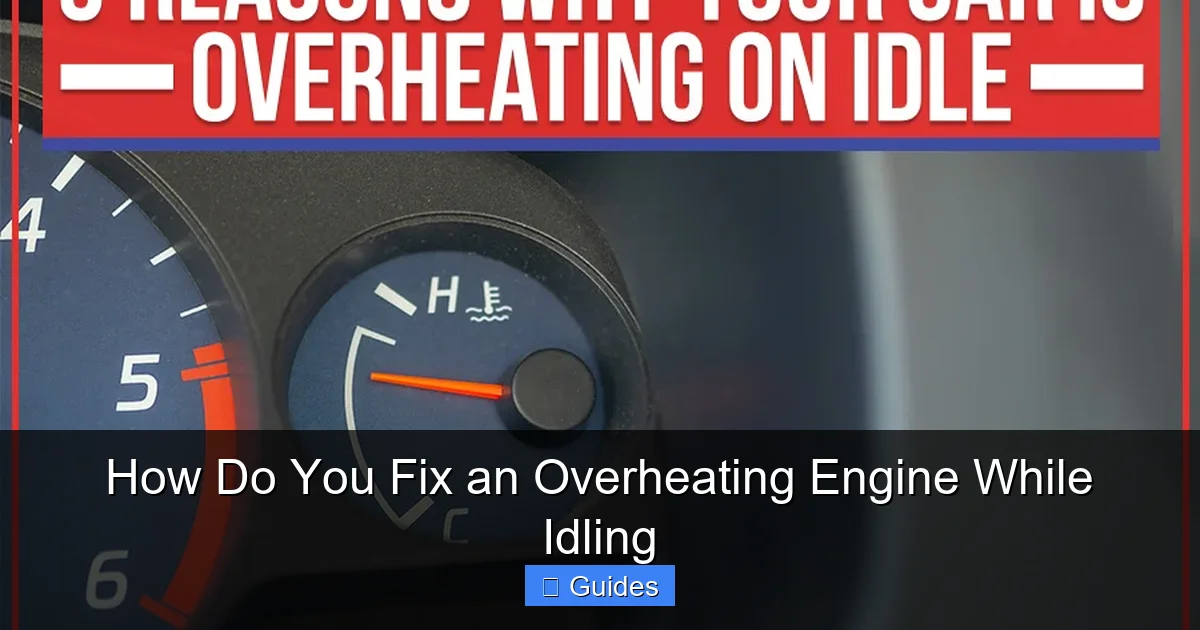
You’re sitting at a red light, the air conditioning is on, and suddenly you notice the temperature gauge creeping into the red zone. Your engine is overheating—while idling. It’s a stressful moment, especially if you’re not sure what’s causing it or how to fix it. Unlike highway driving, where airflow helps cool the engine, idling provides minimal natural cooling. This makes your vehicle’s cooling system work harder, and if something’s wrong, overheating can happen quickly.
Overheating while idling isn’t just annoying—it’s a red flag. Ignoring it can lead to warped cylinder heads, blown head gaskets, or even complete engine failure. The good news? Most causes are fixable with basic troubleshooting and maintenance. Whether you’re a seasoned DIYer or a first-time car owner, understanding why your engine overheats at idle and how to address it can save you time, money, and a lot of headaches. In this guide, we’ll walk you through the most common causes and practical solutions to get your engine running cool again.
Understanding How the Cooling System Works
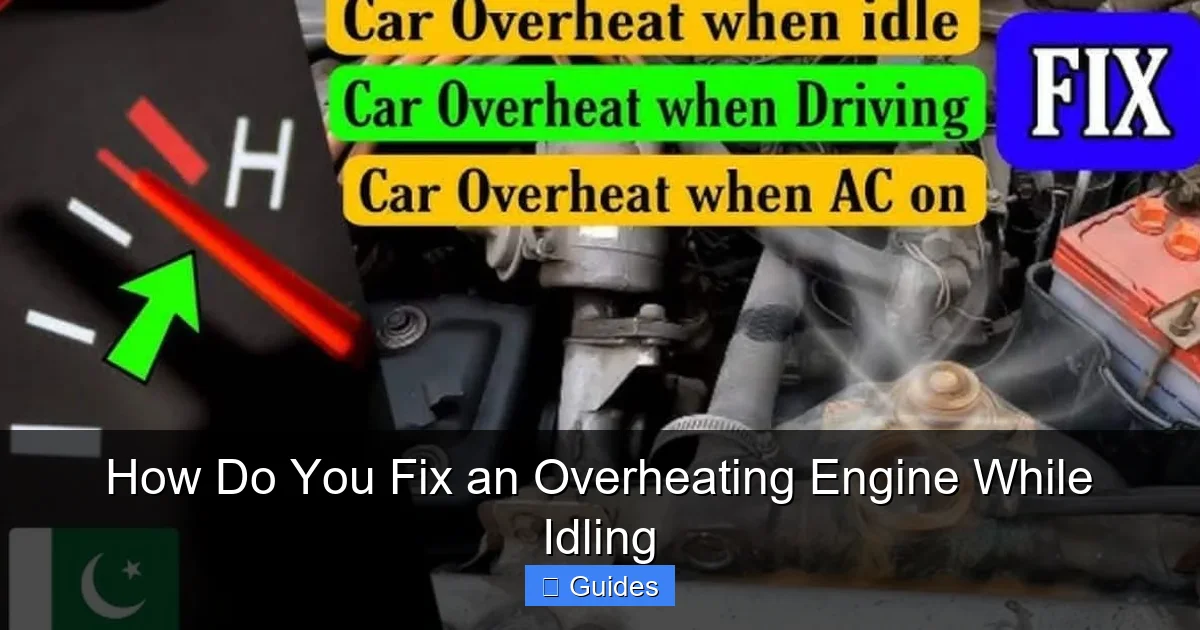
Before diving into fixes, it helps to understand how your car’s cooling system keeps the engine from overheating. The engine generates intense heat during combustion—up to 4,500°F in the combustion chamber. Without proper cooling, metal parts would warp, oil would break down, and the engine would seize. That’s where the cooling system comes in.
Visual guide about How Do You Fix an Overheating Engine While Idling
Image source: motorcycleguidelines.com
The Role of Coolant
Coolant, also known as antifreeze, is the lifeblood of your cooling system. It’s a mixture of water and ethylene glycol (or propylene glycol) that absorbs heat from the engine and carries it to the radiator. Coolant also prevents freezing in winter and boiling in summer, thanks to additives that raise its boiling point and lower its freezing point. Most vehicles use a 50/50 mix of coolant and distilled water.
How Heat Is Dissipated
As coolant circulates through the engine block and cylinder head, it picks up heat. The hot coolant then flows into the radiator, where air passing through the radiator fins cools it down. At highway speeds, airflow is strong and natural. But at idle, airflow is minimal, so the radiator fan kicks in to pull air through the radiator. This fan is usually electric and controlled by the engine’s computer or a temperature sensor.
Key Components of the Cooling System
- Radiator: Dissipates heat from the coolant using airflow.
- Water Pump: Circulates coolant through the engine and radiator.
- Thermostat: Regulates coolant flow based on engine temperature.
- Cooling Fan: Pulls air through the radiator when the engine is hot and the car is stationary.
- Coolant Reservoir: Stores extra coolant and allows for expansion as it heats up.
- Hoses: Transport coolant between components.
When any of these components fail or malfunction, the cooling system can’t do its job—especially at idle. That’s why diagnosing the root cause is essential.
Common Causes of Overheating While Idling
Now that you know how the cooling system works, let’s look at the most common reasons your engine might overheat when the car is stationary. Identifying the cause is the first step toward fixing it.
Visual guide about How Do You Fix an Overheating Engine While Idling
Image source: carglassadvisor.com
1. Low Coolant Level
This is the simplest and most common cause. Coolant can leak out over time due to worn hoses, a cracked radiator, or a faulty radiator cap. Even small leaks can lead to low levels, especially if you don’t check regularly. When coolant is low, there’s not enough fluid to absorb and transfer heat, causing the engine to overheat—particularly at idle when circulation slows.
Example: You notice a sweet smell under the hood and a green or orange puddle under your car. That’s a coolant leak. Topping off the coolant might help temporarily, but you’ll need to find and fix the leak to prevent future overheating.
2. Faulty Radiator Fan
The radiator fan is crucial for cooling at idle. If it doesn’t turn on when the engine gets hot, airflow through the radiator drops dramatically. This is one of the top reasons engines overheat in traffic or while parked with the engine running.
The fan may not work due to a blown fuse, a bad relay, a failed motor, or a malfunctioning temperature sensor. Some fans are controlled by the engine control unit (ECU), so a faulty sensor can prevent the fan from activating even when the engine is hot.
Tip: Turn on the A/C while idling. The A/C compressor triggers the radiator fan to run. If the fan doesn’t come on, there’s likely an issue.
3. Stuck Thermostat
The thermostat acts like a gatekeeper. When the engine is cold, it stays closed, allowing the engine to warm up quickly. Once the engine reaches operating temperature (usually around 195°F), the thermostat opens, letting coolant flow to the radiator.
If the thermostat gets stuck closed, coolant can’t reach the radiator, and the engine overheats—even at idle. If it’s stuck open, the engine may take longer to warm up, but that usually doesn’t cause overheating.
Signs: Engine overheats quickly after starting, or the upper radiator hose stays cool when the engine is hot.
4. Failing Water Pump
The water pump is responsible for circulating coolant through the engine and radiator. If it fails, coolant stops moving, and heat builds up rapidly. A failing pump may leak coolant from the weep hole (a small hole near the pulley) or make a whining or grinding noise.
Impeller damage—often due to corrosion or wear—can also reduce pumping efficiency. Even if the pump spins, it might not move enough coolant to keep the engine cool.
5. Clogged Radiator
Over time, the radiator can get clogged with dirt, debris, or internal corrosion. External blockages (like leaves or bugs) reduce airflow, while internal sludge or mineral buildup restricts coolant flow. A clogged radiator can’t dissipate heat effectively, especially at idle when airflow is already limited.
Tip: Shine a flashlight through the radiator fins. If you can’t see light through the other side, it’s likely clogged.
6. Air Pockets in the Cooling System
Air pockets, or airlocks, can form when coolant is added improperly or after a repair. Air doesn’t transfer heat as well as coolant, so pockets can create hot spots in the engine. This is especially problematic at idle when coolant flow is slower.
Common after: Coolant changes, thermostat replacement, or water pump repairs.
Step-by-Step Fixes for Overheating at Idle
Now that you know the causes, let’s walk through practical steps to fix an overheating engine while idling. Always prioritize safety: never open the radiator cap when the engine is hot—it can cause severe burns from steam and pressurized coolant.
Visual guide about How Do You Fix an Overheating Engine While Idling
Image source: i.redd.it
Step 1: Pull Over and Turn Off the Engine
If you notice the temperature gauge rising, pull over safely and turn off the engine. Let it cool for at least 30 minutes before inspecting. Opening a hot cooling system can be dangerous.
Step 2: Check Coolant Level
Once the engine is cool, check the coolant reservoir. The level should be between the “MIN” and “MAX” marks. If it’s low, top it off with a 50/50 mix of coolant and distilled water. Use the type recommended in your owner’s manual (e.g., Dexcool, OAT, or HOAT).
Warning: Never use plain water long-term—it can cause corrosion and freeze in cold weather.
Step 3: Inspect for Leaks
Look under the car for puddles or stains. Check hoses for cracks, bulges, or soft spots. Inspect the radiator, water pump, and heater core for signs of leakage. A pressure test can help locate hidden leaks.
Step 4: Test the Radiator Fan
Start the engine and let it idle until it reaches normal operating temperature. Watch the radiator fan—it should turn on when the engine gets hot. If it doesn’t:
- Check the fuse and relay in the fuse box.
- Listen for a clicking sound from the relay—this indicates it’s receiving power.
- Test the fan motor by connecting it directly to the battery. If it runs, the issue is in the control circuit.
- Use a scan tool to check for trouble codes related to the cooling fan or temperature sensor.
Step 5: Check the Thermostat
To test the thermostat, feel the upper radiator hose after the engine has been running for 10–15 minutes. If the hose is still cool while the engine is hot, the thermostat is likely stuck closed.
Replace the thermostat if needed. It’s a relatively inexpensive part (usually $10–$30) and can be replaced in under an hour on most vehicles.
Step 6: Bleed the Cooling System
If you’ve recently added coolant or replaced a component, air pockets may be trapped. To bleed the system:
- Park the car on a level surface.
- Remove the radiator cap (when cool).
- Start the engine and let it idle with the heater on full blast.
- Squeeze the upper radiator hose gently to help air escape.
- Top off coolant as needed until no more bubbles appear.
- Replace the cap and check the level again after the engine cools.
Step 7: Inspect the Water Pump
Look for coolant leaking from the weep hole near the pump pulley. Listen for unusual noises like grinding or whining. If the pump is suspect, have it inspected by a mechanic—replacing it often requires removing the serpentine belt and timing components.
Step 8: Clean or Replace the Radiator
For external clogs, use a soft brush or compressed air to clean the radiator fins. For internal clogs, a radiator flush may help. If the radiator is severely corroded or leaking, replacement is the best option.
Preventative Maintenance to Avoid Future Overheating
Fixing an overheating issue is important, but preventing it is even better. Regular maintenance can keep your cooling system in top shape and avoid costly repairs down the road.
Follow the Manufacturer’s Coolant Schedule
Most manufacturers recommend flushing and replacing coolant every 30,000 to 100,000 miles, depending on the type. Older “green” coolant typically needs changing every 2–3 years, while long-life coolants (like Dexcool) can last up to 5 years or 150,000 miles.
Flushing removes old coolant, rust, and debris, ensuring efficient heat transfer.
Inspect Hoses and Belts Regularly
Check coolant hoses for cracks, leaks, or softness every 6 months. Replace them if they’re more than 5 years old. Also, inspect the serpentine belt for wear—it drives the water pump and alternator.
Keep the Radiator Clean
Remove leaves, bugs, and dirt from the radiator and condenser (especially after driving on dirt roads). A clean radiator improves airflow and cooling efficiency.
Monitor the Temperature Gauge
Get in the habit of glancing at the temperature gauge, especially in traffic or hot weather. Early detection can prevent serious damage.
Use the Correct Coolant
Always use the coolant type specified in your owner’s manual. Mixing different types can cause chemical reactions that reduce effectiveness or damage components.
Check the Radiator Cap
The radiator cap maintains system pressure, which raises the coolant’s boiling point. A weak or damaged cap can cause coolant to boil at lower temperatures. Replace it every 4–5 years or if it’s cracked or leaking.
When to Call a Mechanic
While many overheating issues can be fixed at home, some problems require professional help. Call a mechanic if:
- The engine overheats repeatedly after repairs.
- You suspect a blown head gasket (signs include white exhaust smoke, milky oil, or coolant loss with no visible leak).
- The water pump or timing belt needs replacement (complex jobs on many vehicles).
- You’re unsure about diagnosing electrical issues with the fan or sensors.
- The radiator is damaged or leaking severely.
A professional can perform a pressure test, combustion leak test, or infrared temperature scan to pinpoint hidden issues.
Conclusion: Stay Cool and Drive Safe
An overheating engine while idling is more than an inconvenience—it’s a warning sign that your cooling system needs attention. By understanding how the system works and knowing the common causes, you can take quick, effective action to prevent engine damage. Whether it’s a simple coolant top-off, a new thermostat, or a radiator fan repair, most fixes are manageable with basic tools and knowledge.
Remember, regular maintenance is your best defense against overheating. Check coolant levels, inspect hoses, and follow your vehicle’s service schedule. And if you’re ever in doubt, don’t hesitate to consult a trusted mechanic. Keeping your engine cool isn’t just about comfort—it’s about protecting your investment and ensuring safe, reliable transportation for years to come.
Frequently Asked Questions
Why does my engine overheat only when idling?
At idle, there’s minimal airflow through the radiator, so the cooling system relies heavily on the radiator fan. If the fan isn’t working, coolant levels are low, or the thermostat is stuck, the engine can overheat even when moving slowly or stopped.
Can low coolant cause overheating at idle?
Yes. Low coolant reduces the system’s ability to absorb and transfer heat. At idle, when coolant circulation is slower, this effect is more pronounced, leading to overheating.
How do I know if my radiator fan is working?
Start the engine and let it idle until it reaches normal temperature. The fan should turn on automatically. You can also turn on the A/C—this usually activates the fan. If it doesn’t run, check fuses, relays, or the motor.
Is it safe to drive with an overheating engine?
No. Driving with an overheating engine can cause severe damage, including warped cylinder heads or a blown head gasket. Pull over immediately and let the engine cool before inspecting or calling for help.
Can a bad thermostat cause overheating at idle?
Yes. A thermostat stuck in the closed position prevents coolant from flowing to the radiator, causing the engine to overheat—especially at idle when heat builds up quickly.
How often should I check my coolant level?
Check the coolant level at least once a month and before long trips. Also inspect it after any repair involving the cooling system. Top off as needed with the correct coolant mixture.

At CarLegit, we believe information should be clear, factual, and genuinely helpful. That’s why every guide, review, and update on our website is created with care, research, and a strong focus on user experience.