
Finding the right motorcycle jacket for hot and humid weather is essential for comfort and safety. The best options combine lightweight materials, strategic ventilation, and CE-rated armor to keep you cool without sacrificing protection.
In This Article
- 1 Key Takeaways
- 2 📑 Table of Contents
- 3 Why the Right Jacket Makes All the Difference in Hot and Humid Weather
- 4 Understanding the Challenges of Riding in Heat and Humidity
- 5 Key Features to Look for in a Hot-Weather Motorcycle Jacket
- 6 Top Materials for Hot and Humid Weather Riding
- 7 Best Motorcycle Jackets for Hot and Humid Weather (Top Picks)
- 8 Tips for Staying Cool and Comfortable on Hot Rides
- 9 Conclusion: Ride Smart, Stay Cool, Stay Safe
- 10 Frequently Asked Questions
- 10.1 What is the best material for a motorcycle jacket in hot weather?
- 10.2 Can I wear a leather jacket in hot and humid weather?
- 10.3 Do I still need armor in a hot-weather jacket?
- 10.4 Are mesh jackets safe in a crash?
- 10.5 Should I choose a light-colored jacket for hot weather?
- 10.6 Can I wear a hot-weather jacket in the rain?
Key Takeaways
- Ventilation is key: Look for jackets with zippered vents on the chest, back, and arms to promote airflow and reduce heat buildup.
- Breathable fabrics matter: Mesh panels, moisture-wicking liners, and perforated leather help manage sweat and improve comfort in high humidity.
- CE-rated armor is non-negotiable: Even in hot weather, impact protection at shoulders, elbows, and back is essential for rider safety.
- Light colors reflect heat: White, gray, or light blue jackets absorb less sun and keep you cooler than dark shades.
- Fit and mobility are crucial: A well-fitted jacket allows for movement and prevents chafing, especially during long rides in sticky conditions.
- Water resistance adds versatility: Some hot-weather jackets include water-resistant coatings to handle sudden downpours without overheating.
- Removable liners increase adaptability: Jackets with detachable thermal or waterproof liners let you adjust to changing temperatures throughout the day.
📑 Table of Contents
- Why the Right Jacket Makes All the Difference in Hot and Humid Weather
- Understanding the Challenges of Riding in Heat and Humidity
- Key Features to Look for in a Hot-Weather Motorcycle Jacket
- Top Materials for Hot and Humid Weather Riding
- Best Motorcycle Jackets for Hot and Humid Weather (Top Picks)
- Tips for Staying Cool and Comfortable on Hot Rides
- Conclusion: Ride Smart, Stay Cool, Stay Safe
Why the Right Jacket Makes All the Difference in Hot and Humid Weather
Riding a motorcycle in hot and humid weather can be one of the most exhilarating experiences—or one of the most miserable. The sun beats down, the air feels thick, and sweat clings to your skin. Without the right gear, even a short ride can leave you overheated, uncomfortable, and at greater risk. That’s why choosing the best motorcycle jacket for hot and humid weather isn’t just about comfort—it’s about safety, performance, and enjoyment.
A poorly designed jacket can trap heat, restrict movement, and cause chafing or fatigue. On the other hand, a well-engineered hot-weather riding jacket keeps you cool, dry, and protected. It allows airflow, wicks moisture, and still meets safety standards. Whether you’re commuting through city traffic, cruising down coastal highways, or exploring backroads in the tropics, the right jacket can make your ride feel effortless.
In this guide, we’ll walk you through everything you need to know about selecting the perfect motorcycle jacket for hot and humid conditions. From materials and ventilation to armor and fit, we’ll break down the features that matter most. We’ll also highlight top-performing models and share practical tips to help you stay cool and safe on every ride.
Understanding the Challenges of Riding in Heat and Humidity
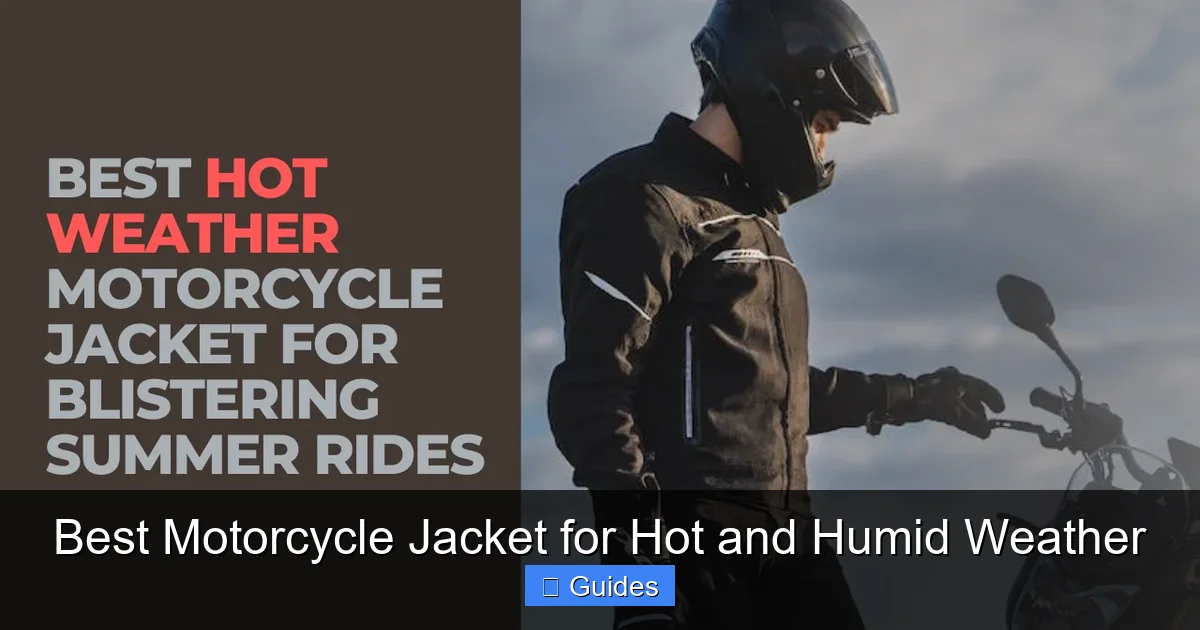
Visual guide about Best Motorcycle Jacket for Hot and Humid Weather
Image source: motozmo.com
Riding in hot and humid weather presents unique challenges that go beyond just feeling warm. High temperatures and moisture in the air affect both your body and your gear. When the mercury climbs and humidity levels soar, your body struggles to cool itself through sweat evaporation. This can lead to dehydration, heat exhaustion, or even heat stroke—especially when you’re exposed to direct sunlight and wind resistance.
Motorcycle jackets, traditionally designed for protection, can become a liability in these conditions if they’re not built with heat management in mind. Heavy leather jackets, while excellent for abrasion resistance, can feel like a sauna in 90°F (32°C) weather. Similarly, fully insulated jackets with thick liners are a no-go for summer riding. The result? Riders often face a tough choice: sacrifice safety for comfort or suffer through an uncomfortable ride.
But it doesn’t have to be that way. Modern motorcycle gear has evolved to address these challenges. Manufacturers now use advanced materials, smart ventilation systems, and ergonomic designs to create jackets that protect without overheating. The best motorcycle jacket for hot and humid weather strikes a balance—offering robust safety features while maximizing breathability and comfort.
Understanding how heat and humidity affect your ride is the first step toward making an informed decision. Once you know what to look for, you can confidently choose a jacket that keeps you cool, dry, and protected, no matter how high the temperature climbs.
How Heat Affects Rider Performance
Heat doesn’t just make you uncomfortable—it can impair your ability to ride safely. When your core body temperature rises, your cognitive functions slow down. Reaction times increase, focus diminishes, and decision-making becomes more difficult. This is especially dangerous on a motorcycle, where split-second judgments can mean the difference between a smooth ride and a serious accident.
Humidity compounds the problem. In high humidity, sweat doesn’t evaporate efficiently, so your body can’t cool itself as effectively. This leads to faster fatigue and a higher risk of heat-related illness. Riders may experience dizziness, nausea, or muscle cramps—symptoms that are hard to ignore when you’re balancing at high speeds.
That’s why wearing a jacket that helps regulate your body temperature is so important. A well-ventilated jacket allows air to flow over your skin, promoting evaporation and keeping your core cool. This not only improves comfort but also enhances your alertness and control on the bike.
The Role of Gear in Managing Heat Stress
Your motorcycle jacket plays a critical role in managing heat stress. It’s the first line of defense between your body and the elements. In hot weather, the ideal jacket should act like a climate-controlled shell—shielding you from the sun while allowing heat and moisture to escape.
Look for jackets with features like:
– Large mesh panels for maximum airflow
– Zippered vents that you can open or close as needed
– Moisture-wicking inner liners that pull sweat away from your skin
– Lightweight, breathable outer shells that don’t trap heat
These design elements work together to create a microclimate around your body, helping you stay cool even when the outside temperature is scorching. The best motorcycle jacket for hot and humid weather doesn’t just protect you from crashes—it protects you from the heat itself.
Key Features to Look for in a Hot-Weather Motorcycle Jacket
Visual guide about Best Motorcycle Jacket for Hot and Humid Weather
Image source: blog.stryd.com
When shopping for a motorcycle jacket for hot and humid conditions, it’s easy to get overwhelmed by the options. But by focusing on a few key features, you can narrow down your choices and find a jacket that truly meets your needs. Here are the most important factors to consider:
Ventilation and Airflow
Ventilation is arguably the most important feature in a hot-weather jacket. Without proper airflow, even the lightest materials can feel suffocating. Look for jackets with multiple zippered vents—especially on the chest, back, and underarms. These allow you to control how much air flows through the jacket, depending on the temperature and your speed.
Some jackets feature large mesh panels instead of solid fabric. These are excellent for maximum breathability, though they may offer slightly less abrasion resistance. If you ride at higher speeds or on highways, consider a hybrid design: mesh in high-heat areas with reinforced panels in critical zones like the shoulders and elbows.
Pro tip: Test the vents before you buy. Open and close them to see how easy they are to operate with gloves on. You don’t want to be fumbling with zippers while riding.
Breathable and Moisture-Wicking Materials
The fabric of your jacket makes a big difference in how comfortable you feel. In hot and humid weather, avoid heavy leather or thick synthetic materials that trap heat. Instead, opt for:
– Perforated leather: Offers the protection of leather with added breathability.
– High-density mesh: Lightweight and highly ventilated, ideal for city riding.
– Textile blends: Often combine polyester, nylon, and spandex for stretch, durability, and airflow.
Many jackets also include a moisture-wicking liner—a thin layer that pulls sweat away from your skin and dries quickly. This helps prevent chafing and keeps you feeling dry, even on long rides.
CE-Rated Armor for Safety
Never compromise on protection. Even in hot weather, you need impact protection at key areas: shoulders, elbows, and back. Look for jackets with CE-certified armor (Level 1 or Level 2). These pads are designed to absorb and disperse impact energy in a crash.
Modern armor is lighter and more flexible than ever, so it won’t weigh you down or restrict movement. Some jackets even use soft, flexible armor that conforms to your body and feels almost like wearing a regular jacket.
Fit and Mobility
A jacket that’s too tight will restrict airflow and cause discomfort. One that’s too loose may flap in the wind or shift during a crash. The best fit is snug but not constricting, with enough room to layer underneath if needed.
Look for jackets with pre-curved sleeves, adjustable waist straps, and stretch panels. These features improve mobility and help the jacket move with you, whether you’re leaning into a corner or reaching for your handlebars.
Color and Reflectivity
Believe it or not, color matters. Dark colors absorb more heat, while light colors reflect it. In hot climates, choose jackets in white, light gray, beige, or pastel shades. These will keep you cooler and reduce the risk of overheating.
Also, consider reflective elements. Many jackets include reflective piping or logos that improve visibility at night. This is especially important if you ride during early morning or evening hours when temperatures are cooler but visibility is lower.
Top Materials for Hot and Humid Weather Riding
Visual guide about Best Motorcycle Jacket for Hot and Humid Weather
Image source: pakistantoday.com.pk
The material of your motorcycle jacket determines how it performs in heat and humidity. While leather has long been the gold standard for motorcycle gear, newer textiles and hybrid designs offer better breathability and comfort in warm climates. Here’s a breakdown of the best materials for hot-weather riding:
Mesh Textile
Mesh is the go-to material for riders in hot and humid regions. Made from high-strength polyester or nylon, mesh jackets feature large open-weave panels that allow maximum airflow. They’re lightweight, flexible, and dry quickly—perfect for stop-and-go traffic or long rides in the sun.
The downside? Mesh offers less abrasion resistance than leather. However, many mesh jackets include reinforced panels in high-impact zones, giving you the best of both worlds. If you ride primarily in urban areas or at lower speeds, a full-mesh jacket can be an excellent choice.
Perforated Leather
If you prefer the classic look and feel of leather, perforated leather is your best bet for hot weather. These jackets have tiny holes punched throughout the material, allowing air to pass through while maintaining the durability and protection of traditional leather.
Perforated leather is ideal for riders who want maximum abrasion resistance without sacrificing breathability. It’s a bit heavier than mesh, but the added protection makes it worth it for highway or sport riding.
Hybrid Designs
Hybrid jackets combine different materials to optimize performance. For example, a jacket might have a mesh torso for ventilation and leather shoulders and elbows for protection. These designs offer versatility, allowing you to stay cool while still meeting safety standards.
Hybrid jackets are great for riders who face varying conditions—like commuting in the city and taking weekend trips on open roads. They adapt to different environments and provide balanced protection and comfort.
Moisture-Wicking Liners
Regardless of the outer material, a good liner can make or break your comfort. Moisture-wicking liners are made from synthetic fabrics that pull sweat away from your skin and spread it across the surface to evaporate quickly. This keeps you dry and reduces the risk of chafing.
Some liners are removable, so you can take them out in cooler weather or wash them separately. Look for liners with antimicrobial treatments to prevent odor buildup—especially important in humid climates where bacteria thrive.
Best Motorcycle Jackets for Hot and Humid Weather (Top Picks)
Now that you know what to look for, let’s explore some of the best motorcycle jackets for hot and humid weather. These models have been tested and reviewed by riders in real-world conditions, and they consistently deliver on comfort, ventilation, and protection.
1. Alpinestars T-GP Plus R V2 Jacket
The Alpinestars T-GP Plus R V2 is a top pick for riders in tropical climates. Made from durable polyester mesh, it features large zippered vents on the chest, back, and arms. The jacket includes CE Level 1 armor at the shoulders and elbows, plus a pocket for a back protector.
What sets it apart: The pre-curved sleeves and adjustable waist ensure a snug, comfortable fit. The light gray color reflects heat, and the moisture-wicking liner keeps you dry. It’s perfect for city riding and short highway trips.
2. Dainese Super Rider D-Dry Jacket
This hybrid jacket combines perforated leather with mesh panels for optimal breathability and protection. It includes Dainese’s D-Dry waterproof membrane, which is removable for hot weather use. The jacket also features CE Level 2 armor and a removable thermal liner.
Why it’s great: The D-Dry system lets you adapt to sudden rain without overheating. The perforated leather offers excellent abrasion resistance, while the mesh keeps you cool. Ideal for riders who want versatility and high-end protection.
3. Rev’It! Eclipse 2.0 Jacket
The Rev’It! Eclipse 2.0 is a full-mesh jacket designed specifically for hot weather. It features large zippered vents, a moisture-wicking liner, and SEEFLEX CE Level 2 armor. The jacket is lightweight, flexible, and available in light colors.
Standout feature: The adjustable ventilation system lets you customize airflow based on your speed and environment. It’s a favorite among commuters and touring riders in Southeast Asia and the southern U.S.
4. Klim Induction Jacket
Built for extreme heat, the Klim Induction is a high-performance mesh jacket with advanced ventilation. It includes large chest and back vents, a removable waterproof liner, and CE Level 1 armor. The jacket also has reflective elements for nighttime visibility.
Why riders love it: The airflow is unmatched—riders report staying cool even in 100°F (38°C) weather. It’s ideal for long-distance touring in hot climates.
5. Joe Rocket Phoenix Ion Jacket
A budget-friendly option that doesn’t skimp on features. The Phoenix Ion is made from polyester mesh with zippered vents and CE armor. It has a removable liner and comes in white and gray.
Best for: New riders or those looking for an affordable hot-weather jacket without sacrificing safety.
Tips for Staying Cool and Comfortable on Hot Rides
Even with the best motorcycle jacket for hot and humid weather, you can take additional steps to stay cool and comfortable. Here are some practical tips:
Hydrate Before, During, and After Your Ride
Dehydration sneaks up quickly in hot weather. Drink water before you ride, and carry a hydration pack or water bottle if you’re on a long trip. Avoid caffeine and alcohol, which can increase dehydration.
Use Cooling Accessories
Consider wearing a cooling vest under your jacket. These vests use phase-change materials or evaporative cooling to lower your body temperature. They’re especially helpful in stop-and-go traffic.
Plan Your Route and Timing
Ride during cooler parts of the day—early morning or late evening. Avoid peak sun hours (10 a.m. to 4 p.m.) when possible. Use apps to check weather and traffic conditions.
Take Breaks
Don’t push through fatigue. Stop every hour to stretch, hydrate, and cool down. Even a 10-minute break can make a big difference.
Wear Lightweight Base Layers
Choose moisture-wicking base layers made from merino wool or synthetic fabrics. These help manage sweat and prevent chafing.
Keep Your Jacket Clean
Dirt and sweat can clog mesh panels and reduce airflow. Wash your jacket regularly according to the manufacturer’s instructions.
Conclusion: Ride Smart, Stay Cool, Stay Safe
Riding in hot and humid weather doesn’t have to be a battle against the heat. With the right gear, you can enjoy every mile while staying cool, comfortable, and protected. The best motorcycle jacket for hot and humid weather is one that balances ventilation, breathability, and safety—without compromising on style or fit.
Remember, no jacket can replace good riding habits. Stay hydrated, take breaks, and listen to your body. And when it’s time to upgrade your gear, focus on features that matter: ventilation, moisture management, CE-rated armor, and a fit that moves with you.
Investing in a high-quality hot-weather jacket is an investment in your safety and enjoyment. Whether you’re navigating city streets or exploring open roads, the right jacket will keep you riding strong—no matter how high the temperature climbs.
Frequently Asked Questions
What is the best material for a motorcycle jacket in hot weather?
The best materials are high-density mesh, perforated leather, and hybrid textile designs. Mesh offers maximum airflow, while perforated leather provides durability with breathability. Hybrid jackets combine both for balanced performance.
Can I wear a leather jacket in hot and humid weather?
Yes, but only if it’s perforated or designed for ventilation. Full-grain, non-perforated leather traps heat and is not ideal for hot climates. Look for leather jackets with zippered vents and mesh panels.
Do I still need armor in a hot-weather jacket?
Absolutely. CE-rated armor at the shoulders, elbows, and back is essential for protection in a crash. Modern armor is lightweight and flexible, so it won’t compromise comfort in hot weather.
Are mesh jackets safe in a crash?
Yes, when designed properly. High-quality mesh jackets include reinforced panels in critical impact zones and meet safety standards. They offer excellent abrasion resistance for city and moderate-speed riding.
Should I choose a light-colored jacket for hot weather?
Yes. Light colors like white, gray, or beige reflect sunlight and absorb less heat than dark colors. This helps keep your body temperature lower and improves comfort on sunny days.
Can I wear a hot-weather jacket in the rain?
Some are. Look for jackets with water-resistant coatings or removable waterproof liners. These allow you to stay dry in sudden downpours without overheating when the sun returns.

At CarLegit, we believe information should be clear, factual, and genuinely helpful. That’s why every guide, review, and update on our website is created with care, research, and a strong focus on user experience.