
Choosing the best tire brand for motorcycle depends on your riding style, bike type, and road conditions. Top brands like Michelin, Pirelli, and Dunlop offer excellent grip, longevity, and safety—but the right choice varies by need.
So, you’re standing in the motorcycle shop, staring at a wall of tires, and wondering: Which one is actually the best? You’ve heard names like Michelin, Pirelli, and Dunlop thrown around like they’re the holy trinity of rubber. But here’s the truth—there’s no single “best” tire brand for every rider. The right tire depends on how you ride, where you ride, and what kind of bike you’re on.
Think of it like shoes. You wouldn’t wear running sneakers to a formal dinner, and you definitely wouldn’t wear dress shoes on a mountain trail. Tires work the same way. A sportbike screaming down a canyon road needs a completely different tire than a touring bike cruising across the country or a dual-sport bike tackling dirt trails. That’s why understanding your needs—and the strengths of each brand—is the key to making the right choice.
In this guide, we’ll break down the top motorcycle tire brands, what they’re best at, and who should consider them. Whether you’re a weekend warrior, a daily commuter, or a long-distance explorer, we’ve got you covered. We’ll also share practical tips on tire maintenance, when to replace them, and how to spot the signs of wear. By the end, you’ll know exactly what to look for—and which brand might just be your perfect match.
In This Article
- 1 Key Takeaways
- 2 📑 Table of Contents
- 3 Understanding Motorcycle Tires: What Makes a Tire “Good”?
- 4 Top Motorcycle Tire Brands Compared
- 5 How to Choose the Right Tire for Your Riding Style
- 6 Tire Maintenance and When to Replace
- 7 Final Thoughts: So, What’s the Best Tire Brand?
- 8 Frequently Asked Questions
- 8.1 What is the best tire brand for motorcycle touring?
- 8.2 Are Pirelli tires good for daily commuting?
- 8.3 How often should I replace my motorcycle tires?
- 8.4 Can I mix different tire brands on my motorcycle?
- 8.5 Do motorcycle tires need to be balanced?
- 8.6 What’s the difference between radial and bias-ply motorcycle tires?
Key Takeaways
- Riding style matters most: Sport, touring, cruiser, or off-road? Each demands different tire features.
- Michelin leads in longevity and wet grip: Ideal for touring and daily commuters who value safety and mileage.
- Pirelli excels in sport performance: Loved by sportbike riders for cornering precision and dry traction.
- Dunlop balances performance and value: A solid all-rounder for sport-touring and street riding.
- Bridgestone offers reliable touring tires: Great for long-distance riders needing durability and comfort.
- Metzeler focuses on premium touring and retro bikes: Known for smooth rides and classic styling compatibility.
- Always match tires to your bike and climate: Don’t pick based on brand alone—fit, load rating, and weather matter.
📑 Table of Contents
Understanding Motorcycle Tires: What Makes a Tire “Good”?
Before we dive into brands, let’s talk about what actually makes a motorcycle tire great. It’s not just about grip—though that’s huge. A good tire balances several factors: traction (especially in wet or dry conditions), tread life, handling, stability, and comfort. And unlike car tires, motorcycle tires have to support the bike’s lean angle, which means the shape, compound, and construction are critical.
Tread Patterns and Their Purpose
The tread pattern on a tire isn’t just for looks. It’s designed to channel water away (important for wet roads), provide grip during cornering, and resist wear. Sport tires often have minimal tread—sometimes almost slick—because they’re made for dry performance and maximum contact patch. Touring tires, on the other hand, have deeper, more aggressive grooves to handle rain and long miles.
Tire Compounds: Soft vs. Hard
Tire compounds range from soft (sticky, great grip, wears fast) to hard (longer life, less grip). High-performance sport tires use softer rubber to hug the road, but they might only last 3,000–5,000 miles. Touring tires use harder compounds that can go 10,000+ miles but may feel less responsive in sharp turns. Some brands use dual- or multi-compound tires—softer on the edges for cornering, harder in the center for straight-line wear.
Construction: Bias vs. Radial
Most modern bikes use radial tires, which offer better heat dissipation, improved handling, and longer life. Bias-ply tires are older tech but still used on some cruisers and vintage bikes for their classic feel and load capacity. Make sure your tire matches your bike’s recommended construction—mixing them can affect handling.
Load and Speed Ratings
Every tire has a load index and speed rating (like “73W”). These tell you how much weight the tire can handle and its maximum safe speed. Always match or exceed your bike’s OEM specs. Riding with under-rated tires is dangerous—especially at highway speeds or when carrying a passenger and luggage.
Top Motorcycle Tire Brands Compared
Now, let’s meet the heavyweights. These brands dominate the market for good reason—they’ve spent decades refining their technology, testing on real roads, and listening to riders. We’ll break down each brand’s strengths, best-use cases, and popular models.
Visual guide about What Is the Best Tire Brand for Motorcycle
Image source: logodix.com
Michelin: The King of Longevity and Wet Grip
Michelin is often praised for making tires that last—and last well. If you’re a commuter or long-distance rider, this might be your brand. Their Pilot Road series (like the Pilot Road 5 and 6) is legendary for balancing grip, mileage, and wet weather performance.
What sets Michelin apart? Their XST+ siping technology—tiny grooves in the tread that increase grip on wet roads without sacrificing dry performance. They also use advanced silica compounds that stay flexible in cold weather, improving traction when it’s chilly outside.
Best for: Touring riders, commuters, and anyone who rides in rain or varied climates. The Pilot Road 6 can easily hit 10,000+ miles, making it a favorite among riders who don’t want to change tires every season.
Example: A rider commuting 50 miles daily in the Pacific Northwest—where rain is common—will love the Michelin Pilot Road 6 for its confidence-inspiring wet grip and durability.
Pirelli: The Sportbike Specialist
If you ride a sportbike or love pushing your bike through twisty roads, Pirelli should be on your radar. Known for their MotoGP heritage, Pirelli tires are built for speed, precision, and aggressive cornering.
The Diablo Rosso series (like the Rosso IV) is a street-legal performance tire that feels race-ready. They use a soft, sticky compound on the shoulders for lean grip, with a slightly harder center for longevity. Pirelli also offers the Angel GT series for sport-touring—great if you want performance but also take long trips.
Best for: Sportbike riders, canyon carvers, and track-day enthusiasts. If you live for lean angles and quick transitions, Pirelli delivers.
Example: A Yamaha R1 owner who hits mountain roads every weekend will appreciate the Pirelli Diablo Rosso IV’s instant feedback and cornering grip—even if it wears faster than a touring tire.
Dunlop: The All-Rounder with Racing Roots
Dunlop has a long history in motorcycle racing, and that performance DNA shows in their street tires. They strike a great balance between grip, handling, and durability—making them a favorite for sport-touring and everyday riding.
The Sportmax series (like the Sportmax Q4) is designed for high-performance street bikes. It’s not as extreme as Pirelli’s race tires, but it offers excellent dry grip and decent wet performance. Dunlop also makes the Roadsmart series, which is perfect for riders who want sporty handling without sacrificing mileage.
Best for: Sport-touring riders, daily commuters on sport bikes, and anyone who wants a balanced tire that doesn’t require constant changes.
Example: A Suzuki GSX-R750 rider who uses the bike for both weekend rides and weekday commutes will love the Dunlop Sportmax Q4 for its responsive feel and solid tread life.
Bridgestone: The Touring Titan
Bridgestone is a global giant, and their motorcycle tires reflect that reliability. They’re known for making tough, long-lasting tires that handle heat and heavy loads—perfect for touring and adventure bikes.
The Battleaxe series (like the Battleaxe BT023) is a top pick for cruisers and touring bikes. It offers smooth handling, excellent wet grip, and impressive mileage. For adventure riders, the Battlewin series (like the Battlewin H-D1) handles both pavement and light off-road use.
Best for: Long-distance riders, cruiser owners, and adventure touring. If you’re loading up your bike with gear and riding 500+ miles a day, Bridgestone has your back.
Example: A Harley-Davidson Road King rider crossing the country will appreciate the Bridgestone Battleaxe’s stability, comfort, and ability to handle heavy loads over thousands of miles.
Metzeler: The Premium Touring and Retro Choice
Metzeler is a European brand with a strong focus on touring, retro, and classic bikes. They’re known for smooth rides, elegant styling, and excellent wet weather performance.
The Roadtec series (like the Roadtec 01 SE) is a favorite among sport-touring riders. It uses a silica-rich compound for great grip in the rain and a tread pattern that reduces noise and vibration. Metzeler also makes the Classic series, which pairs perfectly with vintage bikes like Triumphs and BMWs.
Best for: Touring riders, retro bike owners, and anyone who values a quiet, comfortable ride with premium feel.
Example: A BMW R1250GS rider exploring European backroads will love the Metzeler Roadtec 01 SE for its smooth ride, wet grip, and long tread life.
How to Choose the Right Tire for Your Riding Style
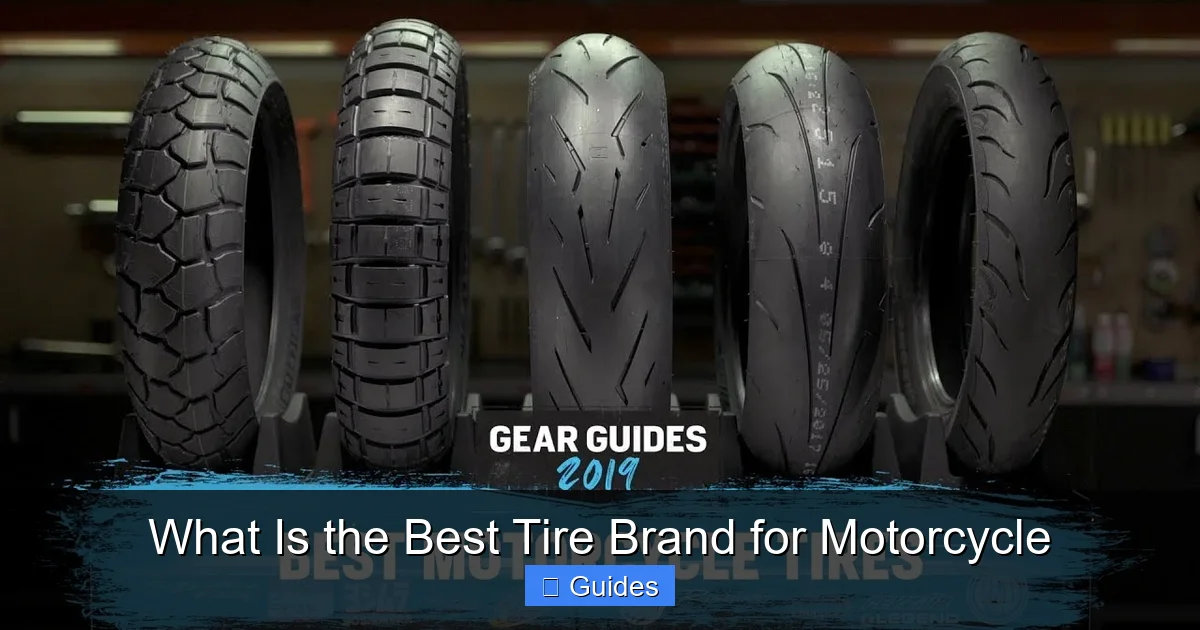
Now that you know the brands, let’s match them to your life. Your riding style is the biggest factor in choosing the right tire. Here’s a quick guide to help you decide.
Visual guide about What Is the Best Tire Brand for Motorcycle
Image source: i.ytimg.com
Sportbike Riders: Go for Grip and Responsiveness
If you ride a sportbike—like a Kawasaki Ninja, Honda CBR, or Ducati Panigale—you need a tire that responds instantly and holds up under hard cornering. Look for soft compounds, minimal tread, and a rounded profile.
Top picks: Pirelli Diablo Rosso IV, Dunlop Sportmax Q4, Michelin Power 5.
Tip: Don’t skimp on tires if you ride aggressively. A high-performance tire can mean the difference between a smooth lean and a scary slide.
Touring Riders: Prioritize Mileage and Comfort
Long-distance riders need tires that last, handle rain, and stay stable under load. Look for deep tread, hard compounds, and good wet grip.
Top picks: Michelin Pilot Road 6, Bridgestone Battleaxe BT023, Metzeler Roadtec 01 SE.
Tip: Rotate your tires if your bike allows it. Some touring bikes have reversible rear wheels—this can extend tire life by 15–20%.
Cruiser and Bagger Riders: Stability and Style
Cruisers like Harley-Davidsons, Indian Chiefs, and Yamaha VMAXs need tires that handle weight, provide a smooth ride, and look good. Many cruiser tires are wider and have a flatter profile for stability.
Top picks: Dunlop D402 (OEM for many Harleys), Bridgestone Battleaxe, Metzeler M-5.
Tip: Check your bike’s recommended tire size. Cruisers often use unique sizes, and swapping can affect handling.
Adventure and Dual-Sport Riders: On-Road and Off
If you ride a BMW GS, KTM Adventure, or Honda Africa Twin, you need a tire that handles pavement, gravel, and light trails. Look for aggressive tread, reinforced sidewalls, and puncture resistance.
Top picks: Metzeler Karoo Street, Bridgestone Battlewin H-D1, Dunlop Trailmax Mission.
Tip: Adjust tire pressure when going off-road. Lower pressure (by 5–10 psi) improves traction on dirt but don’t go too low—you risk pinch flats.
Commuters: All-Weather Reliability
If you ride to work every day, rain or shine, you need a tire that’s safe in wet conditions, lasts long, and handles stop-and-go traffic.
Top picks: Michelin Pilot Road 6, Dunlop Roadsmart IV, Metzeler Roadtec 01.
Tip: Check tire pressure weekly. Underinflated tires wear faster and reduce fuel efficiency.
Tire Maintenance and When to Replace
Even the best tire won’t last forever. Proper care can extend its life and keep you safe. Here’s how to get the most out of your rubber.
Visual guide about What Is the Best Tire Brand for Motorcycle
Image source: mechanicbase.com
Check Tire Pressure Regularly
Incorrect pressure is the #1 cause of tire failure. Underinflated tires overheat, wear unevenly, and reduce handling. Overinflated tires reduce grip and wear in the center.
Tip: Check pressure when tires are cold (before riding). Use a quality gauge and follow your bike’s manual for recommended PSI.
Inspect for Wear and Damage
Look for cracks, bulges, or embedded objects. Check the tread depth—most tires have wear bars that appear when tread is too low (usually around 2/32”). If you can see the wear bars, it’s time to replace.
Tip: Use a tread depth gauge or the “penny test”—insert a penny into the tread with Lincoln’s head down. If you can see the top of his head, the tire is worn.
Rotate Tires (If Possible)
Some bikes allow tire rotation (front to rear). This evens out wear, especially on bikes where the rear tire wears faster. Not all bikes support this—check your owner’s manual.
Store Tires Properly
If you’re storing your bike for winter, keep tires off the ground (use a stand) and away from sunlight, oil, and chemicals. UV rays and ozone can crack rubber over time.
Replace in Pairs
Always replace both tires at the same time—even if one looks fine. Mismatched tires can affect handling and stability, especially in wet conditions.
Final Thoughts: So, What’s the Best Tire Brand?
There’s no single “best” tire brand for motorcycle riders—only the best tire for you. Michelin wins for longevity and wet grip, Pirelli for sport performance, Dunlop for balance, Bridgestone for touring, and Metzeler for premium comfort.
The key is to match the tire to your riding style, bike, and environment. Don’t just pick the most expensive or the one your friend uses. Think about how you ride, where you ride, and what you value most—grip, mileage, comfort, or style.
And remember: a great tire is one that keeps you safe, confident, and on the road. Whether you’re carving canyons, crossing continents, or just commuting to work, the right tire makes all the difference. So take your time, do your research, and when you find that perfect match—ride on.
Frequently Asked Questions
What is the best tire brand for motorcycle touring?
Michelin and Bridgestone are top choices for touring. The Michelin Pilot Road 6 offers excellent wet grip and long tread life, while the Bridgestone Battleaxe provides stability and durability for long-distance rides.
Are Pirelli tires good for daily commuting?
Pirelli tires like the Diablo Rosso IV are built for performance, not longevity. They wear faster and may not be ideal for daily commuting unless you prioritize grip over mileage.
How often should I replace my motorcycle tires?
Replace tires every 5,000–10,000 miles, depending on the brand and riding style. Also replace them if tread depth is below 2/32”, or if you see cracks, bulges, or damage.
Can I mix different tire brands on my motorcycle?
It’s not recommended. Mixing brands or models can affect handling, especially in wet conditions. Always use matching tires front and rear for safety and performance.
Do motorcycle tires need to be balanced?
Yes. Unbalanced tires cause vibration, uneven wear, and reduced handling. Most shops balance tires when installing, but check if you notice shaking at speed.
What’s the difference between radial and bias-ply motorcycle tires?
Radial tires offer better heat dissipation, handling, and mileage. Bias-ply tires are older tech, used on some cruisers and vintage bikes for their classic feel and load capacity.

At CarLegit, we believe information should be clear, factual, and genuinely helpful. That’s why every guide, review, and update on our website is created with care, research, and a strong focus on user experience.