
Finding the best full face motorcycle helmet for the money means balancing safety, comfort, and affordability. We’ve tested and reviewed top-rated helmets to help you ride confidently without overspending.
In This Article
- 1 Key Takeaways
- 2 📑 Table of Contents
- 3 Why Your Helmet Is Your Most Important Piece of Gear
- 4 What Makes a Full Face Helmet “The Best for the Money”?
- 5 Top Picks: Best Full Face Motorcycle Helmets for the Money
- 6 How to Choose the Right Helmet for Your Needs
- 7 Common Mistakes to Avoid When Buying a Helmet
- 8 Final Thoughts: Ride Safe, Ride Smart
- 9 Frequently Asked Questions
Key Takeaways
- Safety First: Always choose a DOT, ECE, or Snell-certified helmet—never compromise on protection.
- Fit Is Everything: A snug, comfortable fit prevents fatigue and improves safety; try before you buy when possible.
- Ventilation Matters: Look for adjustable vents to stay cool on long rides and reduce fogging.
- Visor Quality Counts: Anti-fog, scratch-resistant, and UV-protected visors enhance visibility and longevity.
- Weight Impacts Comfort: Lighter helmets reduce neck strain, especially on highway rides or during long commutes.
- Noise Reduction: Well-designed helmets with good aerodynamics minimize wind noise for a more enjoyable ride.
- Value Over Price: The best full face motorcycle helmet for the money isn’t the cheapest—it’s the one that delivers the most features per dollar.
📑 Table of Contents
Why Your Helmet Is Your Most Important Piece of Gear
When you’re riding a motorcycle, your helmet isn’t just gear—it’s your lifeline. It’s the one piece of equipment that stands between you and serious injury in the event of an accident. That’s why choosing the right helmet is about more than just style or price. It’s about safety, comfort, and peace of mind.
But let’s be real: not everyone can drop $500 on a premium helmet. Most riders want solid protection without draining their wallet. That’s where the search for the best full face motorcycle helmet for the money comes in. You want something that checks all the boxes—safety certifications, a comfortable fit, good ventilation, and reliable build quality—without costing a fortune.
The good news? You don’t have to sacrifice safety to save money. In fact, several helmets under $200 offer performance and protection that rival much pricier models. In this guide, we’ll walk you through what to look for, break down the top contenders, and help you find the perfect balance of value and performance.
What Makes a Full Face Helmet “The Best for the Money”?
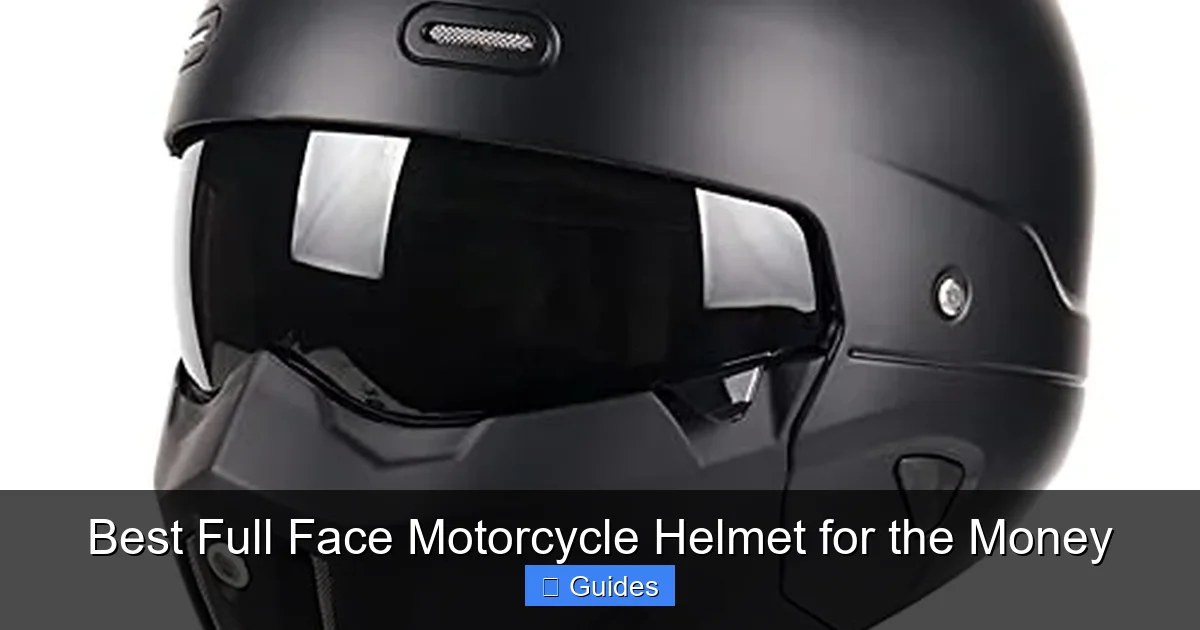
Visual guide about Best Full Face Motorcycle Helmet for the Money
Image source: m.media-amazon.com
So, what exactly defines the best full face motorcycle helmet for the money? It’s not just about the lowest price tag. Instead, it’s about getting the most value for your dollar. That means a helmet that delivers strong safety ratings, reliable build quality, and features that enhance comfort and usability—all at a reasonable price.
Let’s break down the key factors that determine value:
Safety Certifications Are Non-Negotiable
First and foremost, your helmet must meet recognized safety standards. In the U.S., that means DOT (Department of Transportation) certification. In Europe, look for ECE 22.06. For the highest level of protection, Snell certification is the gold standard—though it’s less common in budget-friendly helmets.
A DOT-certified helmet has passed impact absorption, penetration resistance, and retention system tests. While not as rigorous as Snell, DOT is still a solid baseline. Just avoid helmets that lack any certification—they’re not worth the risk.
Build Quality and Materials
The shell material plays a big role in both safety and durability. Most budget and mid-range helmets use polycarbonate, which is lightweight and impact-resistant. Higher-end models may use fiberglass, carbon fiber, or composite blends for added strength and reduced weight.
For the best full face motorcycle helmet for the money, polycarbonate is often the sweet spot. It’s affordable, durable, and performs well in crashes. Just make sure the helmet feels solid—no creaking, loose parts, or flimsy visors.
Comfort and Fit
A helmet can have all the safety features in the world, but if it doesn’t fit right, it’s useless. A proper fit means the helmet sits snugly without pressure points. It shouldn’t shift when you turn your head, but it also shouldn’t feel like a vise.
Look for helmets with removable and washable liners, adjustable cheek pads, and multiple shell sizes. Some brands even offer different interior shapes (round, intermediate oval, long oval) to match your head shape.
Ventilation and Airflow
Riding in hot weather without proper airflow is miserable. Good ventilation keeps you cool, reduces sweat, and prevents visor fogging. Look for helmets with multiple intake and exhaust vents that you can open or close as needed.
Top vents pull in cool air, while rear exhaust vents let hot air escape. Some helmets even have channels inside the liner to direct airflow over your head. This might seem like a small detail, but on a long ride, it makes a huge difference.
Visor and Visibility
Your visor is your window to the road. A high-quality visor should be optically clear, scratch-resistant, and offer UV protection. Some helmets come with anti-fog coatings or Pinlock-ready systems (a dual-pane insert that prevents fogging).
Quick-release visor systems are also a big plus. They let you swap out visors for tinted, clear, or photochromic options depending on the weather. This adds versatility without needing multiple helmets.
Noise Levels and Aerodynamics
Wind noise can cause fatigue and even hearing damage over time. The best full face motorcycle helmet for the money will have good aerodynamics and noise-dampening features.
Look for helmets with a smooth shell design, integrated spoilers, and well-fitted cheek pads that reduce turbulence. Some models even include noise-reducing foam or acoustic liners. While you’ll never eliminate all wind noise, a well-designed helmet can cut it significantly.
Top Picks: Best Full Face Motorcycle Helmets for the Money
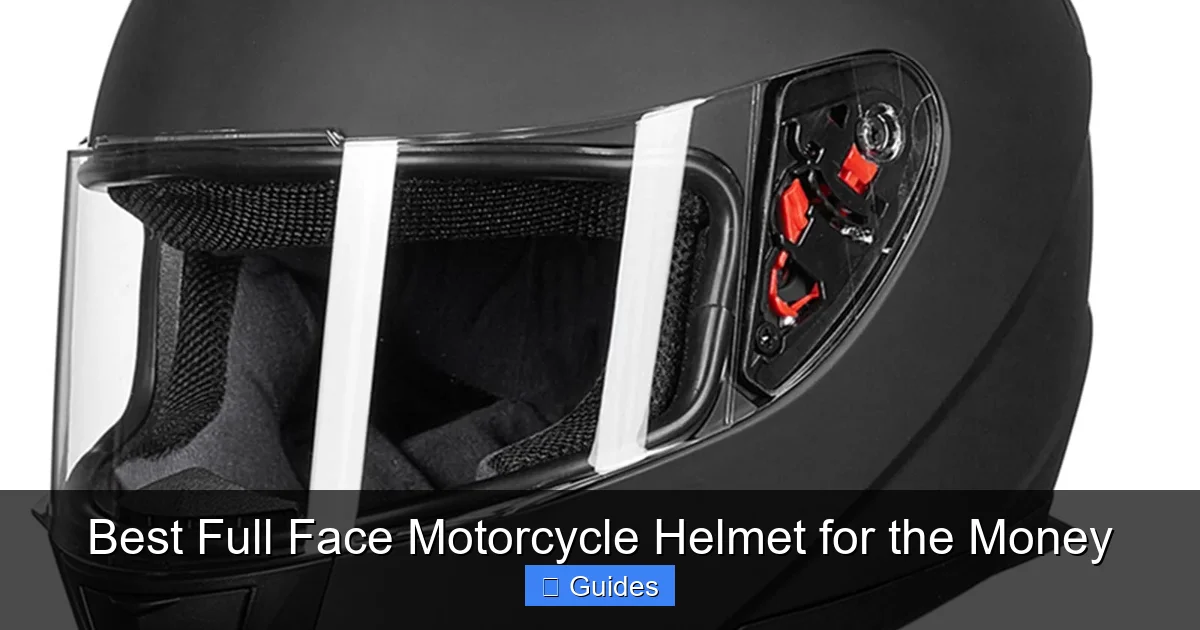
Visual guide about Best Full Face Motorcycle Helmet for the Money
Image source: m.media-amazon.com
Now that you know what to look for, let’s dive into our top recommendations. These helmets offer excellent value, combining safety, comfort, and features at prices that won’t break the bank.
1. HJC i90 – Best Overall Value
The HJC i90 consistently ranks as one of the best full face motorcycle helmets for the money. Priced around $150–$180, it delivers premium features at a mid-range price.
It features a polycarbonate shell, DOT and DOT FMVSS No. 218 certification, and an advanced channeling ventilation system with four intake and four exhaust vents. The SuperCush™ interior is removable, washable, and moisture-wicking.
One standout feature is the Pinlock-ready visor, which prevents fogging in cold or humid conditions. The i90 also has a sleek, aerodynamic design that reduces wind noise and buffeting.
Riders love the comfortable fit, especially for intermediate oval head shapes. The quick-release visor system makes swapping lenses easy, and the included breath deflector helps reduce fogging.
2. LS2 FF353 Stream – Best Budget Option
If you’re on a tight budget, the LS2 FF353 Stream is a fantastic choice. At under $100, it’s one of the most affordable DOT-certified full face helmets on the market.
It uses a kinetic polymer alloy (KPA) shell, which is lightweight and impact-resistant. The helmet includes a multi-density EPS liner and a comfortable, removable liner.
Ventilation is solid, with two top vents and two rear exhaust ports. The visor is scratch-resistant and offers 90% UV protection. It also has a quick-release system for easy cleaning or replacement.
While it doesn’t have Pinlock compatibility, the included breath deflector helps reduce fogging. The fit is snug and secure, and the helmet comes in a variety of bold colors and graphics.
For riders who want solid protection without spending a lot, the LS2 FF353 Stream is hard to beat.
3. Bell Qualifier DLX – Best for Tech Features
The Bell Qualifier DLX sits in the $200 range but often goes on sale for under $180, making it a great value. It’s packed with features usually found in helmets twice the price.
It includes a Transitions® photochromic visor that automatically adjusts from clear to dark based on light conditions. No more swapping visors at sunset! The visor is also Pinlock-ready and comes with a fog-resistant insert.
The helmet has a polycarbonate shell, DOT certification, and Bell’s proprietary Speed Dial fit system for micro-adjustments. The ventilation system includes four intake and four exhaust vents, plus a channeled EPS liner for airflow.
The interior is removable, washable, and treated with Bell’s anti-bacterial coating. The helmet also has a speaker pocket for Bluetooth communication systems.
Riders praise the Qualifier DLX for its comfort, quiet ride, and smart features. It’s ideal for commuters and touring riders who want convenience without the premium price.
4. Shark Spartan – Best for European Riders
For riders in Europe or those who prefer ECE-certified gear, the Shark Spartan is a top pick. Priced around €180–€200, it offers excellent build quality and safety.
It features a multi-composite shell (polycarbonate and fiberglass), ECE 22.06 certification, and a lightweight design. The helmet includes a Pinlock 120 anti-fog insert and a photochromic visor option.
Ventilation is excellent, with adjustable front and top vents and a rear exhaust. The interior is plush, removable, and moisture-wicking. The helmet also has a built-in sun visor, which is great for changing light conditions.
The Spartan is known for its quiet ride and aerodynamic stability. It’s a favorite among sport-touring riders and daily commuters.
5. Scorpion EXO-R420 – Best for Sport Riders
Sport riders need a helmet that’s lightweight, aerodynamic, and offers excellent visibility. The Scorpion EXO-R420 delivers all that at around $160.
It has a polycarbonate shell, DOT certification, and a compact, aggressive design. The visor offers 100% UV protection and is Pinlock-ready. The helmet includes a breath deflector and a removable, washable KwikWick II liner.
Ventilation is strong, with dual forehead vents and a rear exhaust. The helmet is also compatible with Scorpion’s EXO-COM Bluetooth system.
Riders love the EXO-R420 for its snug fit, reduced wind noise, and sporty styling. It’s a great choice for riders who want performance without the premium price.
How to Choose the Right Helmet for Your Needs
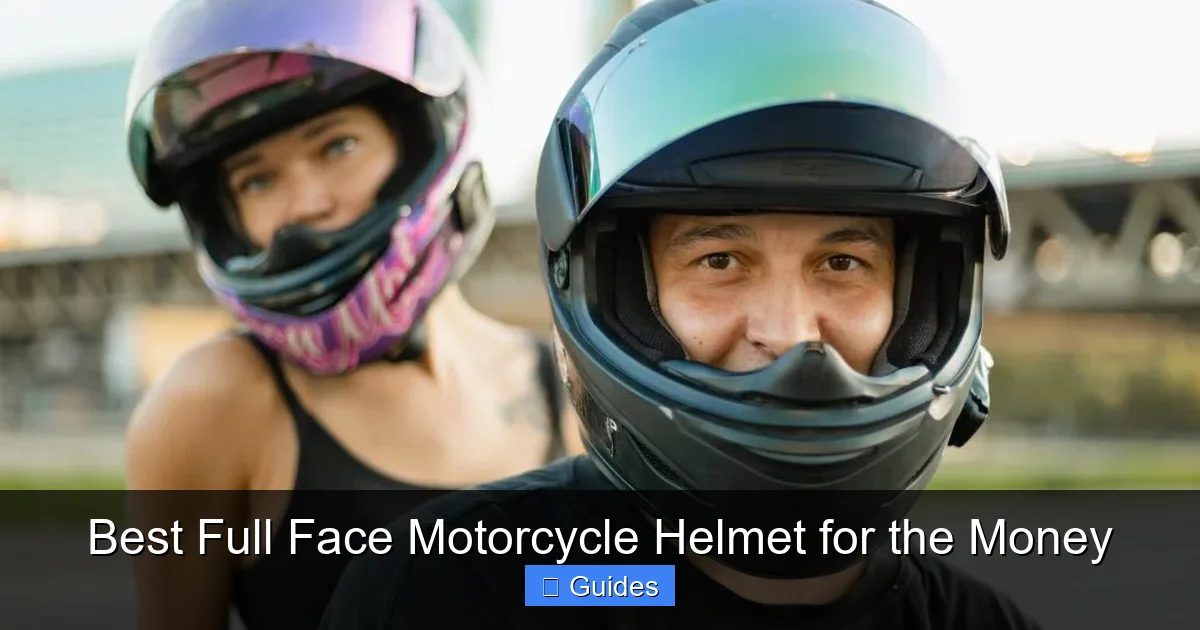
Visual guide about Best Full Face Motorcycle Helmet for the Money
Image source: ejeas.com
With so many options, how do you pick the best full face motorcycle helmet for the money? It starts with understanding your riding style and priorities.
Commuters: Comfort and Convenience
If you ride daily in traffic, comfort and ease of use are key. Look for helmets with good ventilation, anti-fog visors, and Bluetooth compatibility. The Bell Qualifier DLX and HJC i90 are excellent choices.
Touring Riders: Long-Distance Comfort
For long rides, weight, noise reduction, and ventilation are critical. The Shark Spartan and Scorpion EXO-R420 offer great aerodynamics and comfort for hours on the road.
Budget-Conscious Buyers: Maximum Value
If you’re watching your wallet, the LS2 FF353 Stream delivers solid protection and features at an unbeatable price.
Sport Riders: Aerodynamics and Visibility
Sport riders need a helmet that stays stable at high speeds. The Scorpion EXO-R420 and HJC i90 offer sleek designs and excellent wind resistance.
Try Before You Buy
Whenever possible, try on helmets in person. Fit varies by brand and model, and what works for one rider might not work for another. Visit a local motorcycle shop and test several options.
Common Mistakes to Avoid When Buying a Helmet
Even experienced riders make mistakes when choosing a helmet. Here are some common pitfalls to avoid:
Buying the Wrong Size
A helmet that’s too big won’t protect you in a crash. Measure your head and consult the manufacturer’s size chart. Don’t assume your size is the same across brands.
Ignoring Safety Certifications
Never buy a helmet without DOT, ECE, or Snell certification. Cheap, uncertified helmets may look like the real thing but won’t offer real protection.
Prioritizing Price Over Fit
The cheapest helmet isn’t always the best deal. A poorly fitting helmet can cause headaches, fatigue, and reduced safety. Invest in a helmet that fits well, even if it costs a bit more.
Overlooking Maintenance
Helmets need care. Clean the visor regularly, wash the liner, and inspect for damage. Replace your helmet every 5–7 years or after any significant impact.
Final Thoughts: Ride Safe, Ride Smart
Choosing the best full face motorcycle helmet for the money doesn’t mean settling for less. It means making a smart, informed decision that balances safety, comfort, and cost.
The helmets we’ve reviewed—HJC i90, LS2 FF353 Stream, Bell Qualifier DLX, Shark Spartan, and Scorpion EXO-R420—all offer excellent value in their price ranges. Each one meets safety standards, includes useful features, and provides a comfortable ride.
Remember, your helmet is your first line of defense. Don’t cut corners when it comes to protection. Take the time to find the right fit, read reviews, and choose a helmet that makes you feel confident on the road.
Ride safe, ride smart, and enjoy the journey—your helmet has your back.
Frequently Asked Questions
What is the best full face motorcycle helmet for the money?
The HJC i90 is widely considered the best full face motorcycle helmet for the money, offering DOT certification, Pinlock-ready visor, excellent ventilation, and a comfortable fit for under $180.
Are cheaper helmets safe?
Yes, as long as they meet DOT or ECE safety standards. Helmets like the LS2 FF353 Stream prove that affordable options can still offer solid protection and quality.
How often should I replace my helmet?
Replace your helmet every 5–7 years, or immediately after any impact—even a minor drop can compromise its integrity.
Can I wear glasses under a full face helmet?
Yes, most full face helmets are designed to accommodate glasses. Look for models with deeper eye ports and removable cheek pads for a better fit.
What’s the difference between DOT and ECE certification?
DOT is the U.S. standard, while ECE is the European standard. ECE testing is generally more rigorous, but both ensure a baseline level of safety.
Do I need a Pinlock insert?
A Pinlock insert greatly reduces fogging in cold or humid conditions. If you ride in variable weather, it’s a worthwhile upgrade—many helmets are Pinlock-ready.

At CarLegit, we believe information should be clear, factual, and genuinely helpful. That’s why every guide, review, and update on our website is created with care, research, and a strong focus on user experience.