
Choosing the right brake pads for your 2013 Ford F150 4×4 can make a huge difference in safety, performance, and driving comfort. This guide breaks down the top options based on driving style, budget, and terrain—so you can stop with confidence.
In This Article
- 1 Key Takeaways
- 2 📑 Table of Contents
- 3 Why Brake Pads Matter for Your 2013 Ford F150 4×4
- 4 Understanding Brake Pad Materials
- 5 Top Brake Pad Recommendations for 2013 Ford F150 4×4
- 6 How to Choose the Right Brake Pads for Your Driving Style
- 7 Installation Tips and Best Practices
- 8 Signs It’s Time to Replace Your Brake Pads
- 9 Cost vs. Value: Are Premium Pads Worth It?
- 10 Final Thoughts: Making the Right Choice
- 11 Frequently Asked Questions
- 11.1 What are the best brake pads for towing with a 2013 Ford F150 4×4?
- 11.2 Can I install brake pads myself on a 2013 Ford F150?
- 11.3 How often should I replace brake pads on my F150?
- 11.4 Do ceramic brake pads work well in cold weather?
- 11.5 Are aftermarket brake pads as good as OEM?
- 11.6 Do I need to replace rotors when changing brake pads?
Key Takeaways
- Match brake pads to your driving style: Towing, off-roading, or daily commuting? Pick pads designed for your needs.
- Ceramic pads offer quiet, clean performance: Ideal for city driving and long-term durability with minimal dust.
- Semi-metallic pads deliver strong stopping power: Great for heavy loads and towing, but may wear rotors faster.
- Low-dust and low-noise features matter: Especially if you value a clean, quiet ride and easy maintenance.
- OEM-quality aftermarket options save money: You don’t need to pay dealership prices for reliable performance.
- Proper installation ensures safety: Always follow torque specs and bed-in procedures for optimal performance.
- Check compatibility with your F150 trim and rotor type: Not all pads fit every configuration—double-check before buying.
📑 Table of Contents
- Why Brake Pads Matter for Your 2013 Ford F150 4×4
- Understanding Brake Pad Materials
- Top Brake Pad Recommendations for 2013 Ford F150 4×4
- How to Choose the Right Brake Pads for Your Driving Style
- Installation Tips and Best Practices
- Signs It’s Time to Replace Your Brake Pads
- Cost vs. Value: Are Premium Pads Worth It?
- Final Thoughts: Making the Right Choice
Why Brake Pads Matter for Your 2013 Ford F150 4×4
Your 2013 Ford F150 4×4 is a powerhouse—built for hauling, towing, and tackling tough terrain. But all that capability means nothing if your brakes can’t keep up. Brake pads are the unsung heroes of your truck’s safety system. They’re the first line of defense when you need to stop quickly, whether you’re navigating a steep mountain pass, hauling a trailer down the highway, or just stopping at a red light in city traffic.
Over time, brake pads wear down. The friction material thins, reducing stopping power and increasing the risk of brake fade—especially under heavy use. That’s why replacing worn pads isn’t just maintenance; it’s a safety upgrade. The right set of brake pads can improve response time, reduce stopping distance, and give you peace of mind behind the wheel.
But not all brake pads are created equal. With so many options on the market—ceramic, semi-metallic, organic, and low-metallic—it’s easy to feel overwhelmed. The key is understanding your driving habits, vehicle needs, and performance expectations. Are you towing a boat every weekend? Do you drive mostly in stop-and-go traffic? Or are you hitting the trails on weekends? Your answers will guide you to the best brake pads for your 2013 Ford F150 4×4.
Understanding Brake Pad Materials
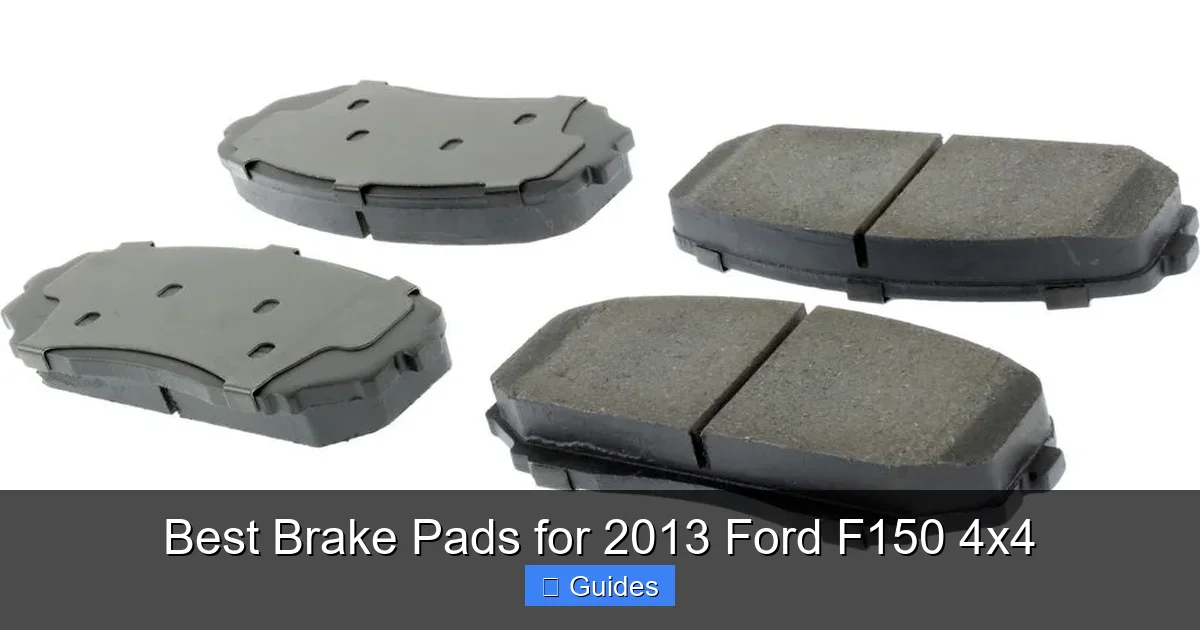
Visual guide about Best Brake Pads for 2013 Ford F150 4×4
Image source: buybrakes.com
Before diving into specific recommendations, it helps to understand the different types of brake pad materials. Each has its strengths and weaknesses, and the right choice depends on how you use your truck.
Ceramic Brake Pads
Ceramic pads are made from a dense ceramic compound mixed with copper fibers. They’re known for being quiet, clean, and long-lasting. Because they produce minimal dust, your wheels stay cleaner longer. They also offer consistent performance in a wide range of temperatures, making them great for daily driving.
One of the biggest advantages of ceramic pads is their smooth, quiet operation. You won’t hear the squealing or grinding that can come with other materials. They’re also gentle on rotors, which helps extend the life of your braking system. However, they tend to be more expensive upfront and may not offer the extreme stopping power needed for heavy towing or high-speed driving.
Semi-Metallic Brake Pads
Semi-metallic pads contain 30% to 70% metal, including iron, steel, copper, and graphite. These pads are tough, durable, and excellent at dissipating heat—making them ideal for heavy-duty use. If you’re towing a camper, hauling a trailer, or driving in mountainous areas, semi-metallic pads can handle the extra stress.
The downside? They can be noisy and produce more brake dust. They also wear down rotors faster than ceramic pads. But for drivers who prioritize performance over cleanliness, semi-metallic pads are a solid choice.
Low-Metallic and Organic Pads
Low-metallic pads are a middle ground between ceramic and semi-metallic. They contain some metal for better heat transfer but are quieter and produce less dust. However, they wear out faster and aren’t recommended for heavy-duty use.
Organic pads, made from non-asbestos materials like rubber, glass, and resin, are the softest option. They’re quiet and gentle on rotors but wear out quickly and can’t handle high heat. These are best for light-duty driving and are rarely used in modern trucks like the F150.
Top Brake Pad Recommendations for 2013 Ford F150 4×4
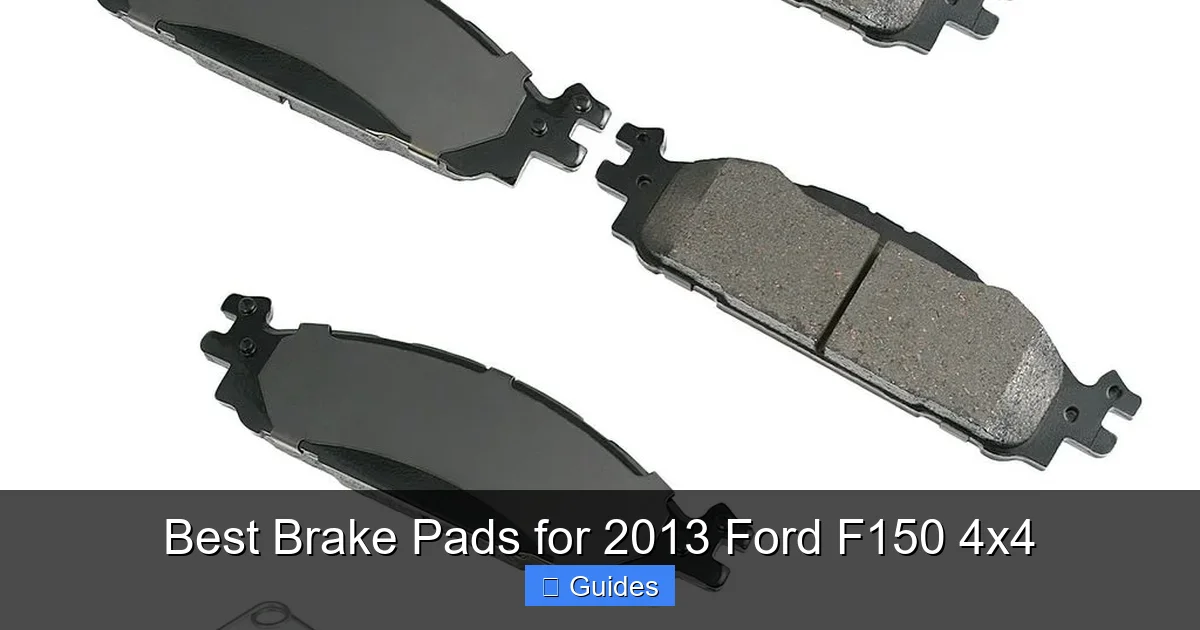
Visual guide about Best Brake Pads for 2013 Ford F150 4×4
Image source: buybrakes.com
Now that you understand the materials, let’s look at some of the best brake pads for your 2013 Ford F150 4×4. These picks are based on real-world performance, customer reviews, and compatibility with your truck’s braking system.
1. Power Stop Z36 Truck & Tow Brake Pads
If you’re towing or hauling regularly, the Power Stop Z36 pads are a top choice. These carbon-ceramic pads are engineered specifically for trucks and SUVs that carry heavy loads. They offer excellent stopping power, reduced brake fade, and low noise—even under extreme conditions.
What sets the Z36 apart is its carbon-fiber ceramic formula. It combines the durability of semi-metallic pads with the quiet operation of ceramic ones. They also come with stainless steel hardware and noise-insulating shims, making installation smoother and performance more reliable.
Many F150 owners report improved braking after switching to Z36 pads, especially when towing. They’re a bit pricier than standard options, but the performance boost is worth it for serious truck users.
2. Akebono ProAct Ultra-Premium Ceramic Brake Pads
For daily drivers who want a quiet, clean, and reliable ride, Akebono ProAct pads are hard to beat. These ceramic pads are OEM-quality and often used as factory replacements by major automakers. They’re designed to match or exceed original equipment performance.
Akebono pads are known for their smooth, consistent braking and minimal dust production. They’re also very quiet—no squealing or grinding, even in cold weather. If you drive mostly on highways or in city traffic, these pads will keep your F150 running smoothly and your wheels looking clean.
One thing to note: Akebono pads are best for normal driving conditions. If you’re frequently towing or driving in hilly areas, you might want a more heavy-duty option.
3. Wagner ThermoQuiet Ceramic Brake Pads
Wagner’s ThermoQuiet pads are a great mid-range option that balances performance, price, and comfort. They use a unique Integrally Molded Insulator (IMI) design that reduces noise and vibration. This means less chatter and smoother stops—even during hard braking.
These pads are made with a ceramic formula that resists heat and wear, making them a solid choice for both city and light off-road driving. They also produce less dust than semi-metallic pads, so your wheels stay cleaner.
Wagner pads are often praised for their easy installation and reliable performance. They’re a smart pick if you want quality without breaking the bank.
4. Bosch QuietCast Premium Ceramic Brake Pads
Bosch is a trusted name in automotive parts, and their QuietCast pads live up to the reputation. These ceramic pads are engineered for quiet operation, low dust, and long life. They’re also designed to work seamlessly with your F150’s existing braking system.
One standout feature is the molded shim technology, which reduces noise and improves pad-to-rotor contact. This results in smoother, more consistent braking. Bosch pads are also rigorously tested for performance and durability, so you can trust them to perform when it matters.
They’re a great all-around choice for drivers who want reliable, everyday performance without the premium price tag.
5. EBC Brakes Greenstuff 6000 Series
For off-road enthusiasts and weekend warriors, EBC Greenstuff pads offer a unique blend of performance and versatility. These organic-synthetic pads are designed for trucks and SUVs that see a mix of highway and trail use.
They provide strong initial bite and good modulation, which means you can control your braking more precisely—especially on uneven terrain. They’re also quieter than many semi-metallic options and produce less dust.
EBC pads are a favorite among F150 owners who take their trucks off the beaten path. Just keep in mind that they may wear faster than ceramic or semi-metallic pads under heavy use.
How to Choose the Right Brake Pads for Your Driving Style

Visual guide about Best Brake Pads for 2013 Ford F150 4×4
Image source: partsavatar.ca
With so many great options, how do you pick the best brake pads for your 2013 Ford F150 4×4? The answer starts with understanding your driving habits.
Daily Commuting and City Driving
If you use your F150 for daily errands, school runs, or commuting, ceramic pads are usually the best choice. They’re quiet, clean, and built for consistent performance in stop-and-go traffic. Look for options like Akebono ProAct or Bosch QuietCast for a smooth, hassle-free ride.
Towing and Heavy Hauling
When you’re towing a trailer, boat, or camper, your brakes work harder. Heat buildup can lead to brake fade, which reduces stopping power. In these cases, semi-metallic or carbon-ceramic pads like the Power Stop Z36 are ideal. They handle high temperatures and provide strong, reliable braking under load.
Off-Roading and Rough Terrain
Off-road driving puts unique demands on your brakes. You need pads that can handle mud, dust, and sudden stops on uneven ground. EBC Greenstuff or Wagner ThermoQuiet pads are good options here, offering strong bite and good modulation.
Mixed Use (City + Light Towing)
If your F150 sees a mix of city driving and occasional towing, consider a balanced option like Wagner ThermoQuiet or Bosch QuietCast. These pads offer good performance across different conditions without sacrificing comfort.
Installation Tips and Best Practices
Once you’ve chosen the right brake pads, proper installation is key to getting the best performance and safety. Even the best pads won’t work well if they’re installed incorrectly.
Use the Right Tools
Make sure you have a torque wrench, brake cleaner, C-clamp or brake piston tool, and anti-seize compound. Using the correct tools prevents damage to calipers, rotors, and brake lines.
Clean and Inspect Components
Before installing new pads, clean the calipers, slides, and rotors with brake cleaner. Check for warping, scoring, or excessive wear on the rotors. If the rotors are damaged, consider resurfacing or replacing them.
Lubricate Moving Parts
Apply a thin layer of high-temperature brake grease to the back of the pads and the caliper slide pins. This reduces noise and ensures smooth operation. Never get grease on the friction surface of the pads.
Torque to Spec
Always tighten bolts to the manufacturer’s torque specifications. Over-tightening can damage threads, while under-tightening can lead to loose components.
Bed-In the Pads
After installation, follow the bed-in procedure recommended by the pad manufacturer. This usually involves a series of moderate stops to transfer pad material evenly onto the rotor. Proper bedding improves performance and extends pad life.
Signs It’s Time to Replace Your Brake Pads
Knowing when to replace your brake pads can prevent costly repairs and keep you safe on the road. Here are the most common warning signs:
- Squealing or grinding noises: Most modern pads have wear indicators that make a high-pitched sound when the material is low. Grinding means the pad is gone and metal is hitting metal—replace immediately.
- Longer stopping distances: If your truck takes longer to stop, even on dry pavement, your pads may be worn.
- Vibration or pulling: If the steering wheel shakes or the truck pulls to one side when braking, it could indicate uneven pad wear or warped rotors.
- Dashboard warning light: Some F150 models have a brake wear sensor that triggers a warning light when pads are thin.
- Visible wear: Check the thickness of the pad material through the wheel spokes. If it’s less than 1/4 inch, it’s time for a replacement.
Regular inspections every 10,000 to 15,000 miles can help you catch wear early. Don’t wait for a warning sign—proactive maintenance is always safer.
Cost vs. Value: Are Premium Pads Worth It?
Brake pads range from budget-friendly options under $50 to premium sets over $150. So, are the more expensive ones worth it?
In many cases, yes. Premium pads often use higher-quality materials, better construction, and advanced noise-reduction technology. They last longer, perform better, and can save you money in the long run by reducing rotor wear and maintenance costs.
For example, a $120 set of ceramic pads might last 60,000 miles, while a $60 set of organic pads could wear out in 30,000 miles. Over time, the premium option is more cost-effective.
That said, you don’t always need the most expensive pads. If you drive lightly and don’t tow, a mid-range option like Wagner or Bosch will serve you well. The key is matching the pad to your needs—not just the price tag.
Final Thoughts: Making the Right Choice
Choosing the best brake pads for your 2013 Ford F150 4×4 doesn’t have to be complicated. Start by evaluating how you use your truck. Are you a daily driver, a weekend warrior, or a full-time hauler? Your answer will guide you to the right material and performance level.
Ceramic pads are ideal for quiet, clean, everyday driving. Semi-metallic or carbon-ceramic pads are better for heavy loads and towing. And if you’re hitting the trails, look for pads with strong bite and good modulation.
No matter which pads you choose, proper installation and maintenance are essential. Follow the bed-in procedure, use the right tools, and inspect your brakes regularly. Your safety—and your truck’s performance—depends on it.
Investing in quality brake pads isn’t just about stopping power. It’s about confidence. It’s knowing that when you hit the brakes, your F150 will respond quickly, smoothly, and reliably. So take the time to choose wisely. Your truck—and your peace of mind—will thank you.
Frequently Asked Questions
What are the best brake pads for towing with a 2013 Ford F150 4×4?
The Power Stop Z36 Truck & Tow brake pads are highly recommended for towing. They’re made with a carbon-ceramic formula that handles high heat and heavy loads, reducing brake fade and improving stopping power.
Can I install brake pads myself on a 2013 Ford F150?
Yes, many F150 owners successfully install brake pads at home with basic tools. However, if you’re not comfortable working on brakes, it’s safer to have a professional do it to ensure proper torque and safety.
How often should I replace brake pads on my F150?
Most brake pads last between 30,000 and 70,000 miles, depending on driving habits. Check them every 10,000 to 15,000 miles and replace when the friction material is less than 1/4 inch thick.
Do ceramic brake pads work well in cold weather?
Yes, ceramic pads perform reliably in cold temperatures. They offer consistent braking and are less likely to squeal or fade in winter conditions compared to some other materials.
Are aftermarket brake pads as good as OEM?
Many aftermarket pads, like Akebono and Bosch, meet or exceed OEM standards. They often offer better performance, longer life, and lower prices than dealership parts.
Do I need to replace rotors when changing brake pads?
Not always. If the rotors are smooth, flat, and within thickness specs, you can reuse them. But if they’re warped, scored, or worn, resurfacing or replacing them ensures optimal braking performance.

At CarLegit, we believe information should be clear, factual, and genuinely helpful. That’s why every guide, review, and update on our website is created with care, research, and a strong focus on user experience.