
Choosing the right brake pads for your 2012 Ford F150 4×4 is crucial for safety, performance, and longevity. This guide covers top-rated options, key features to consider, and expert tips to help you make the best decision for your truck’s braking needs.
In This Article
- 1 Key Takeaways
- 2 📑 Table of Contents
- 3 Introduction: Why Brake Pads Matter for Your 2012 Ford F150 4×4
- 4 Understanding Brake Pad Types: Which Is Right for Your F150?
- 5 Top 5 Best Brake Pads for 2012 Ford F150 4×4
- 6 How to Choose the Right Brake Pads for Your Driving Needs
- 7 Installation Tips and Best Practices
- 8 Signs It’s Time to Replace Your Brake Pads
- 9 Conclusion: Make the Right Choice for Your F150
- 10 Frequently Asked Questions
- 10.1 How often should I replace brake pads on my 2012 Ford F150 4×4?
- 10.2 Can I install brake pads myself on a 2012 F150 4×4?
- 10.3 Do I need to replace rotors when changing brake pads?
- 10.4 Are ceramic brake pads better than semi-metallic for towing?
- 10.5 Why are my new brake pads squeaking?
- 10.6 Can I mix different brake pad brands on my F150?
Key Takeaways
- Match pad type to your driving style: Ceramic pads offer quiet, clean performance for daily driving, while semi-metallic pads provide superior stopping power for heavy loads or towing.
- Look for low-dust and low-noise features: Premium ceramic and low-metallic NAO pads reduce brake dust and squealing, keeping your wheels cleaner and ride quieter.
- Check compatibility with 2012 F150 4×4: Ensure the pads fit your specific trim, engine size, and brake system configuration (e.g., 6- or 8-lug wheels).
- Consider warranty and brand reputation: Trusted brands like Power Stop, ACDelco, and Bosch offer reliable performance and solid warranties.
- Replace in pairs and inspect rotors: Always replace front and rear pads together and check rotor condition to avoid uneven wear and reduced braking efficiency.
- Brake-in (burnish) new pads properly: Follow manufacturer instructions to ensure optimal performance and longevity of your new brake pads.
- Budget wisely: While cheaper pads may save money upfront, investing in quality pads reduces long-term maintenance and improves safety.
📑 Table of Contents
- Introduction: Why Brake Pads Matter for Your 2012 Ford F150 4×4
- Understanding Brake Pad Types: Which Is Right for Your F150?
- Top 5 Best Brake Pads for 2012 Ford F150 4×4
- How to Choose the Right Brake Pads for Your Driving Needs
- Installation Tips and Best Practices
- Signs It’s Time to Replace Your Brake Pads
- Conclusion: Make the Right Choice for Your F150
Introduction: Why Brake Pads Matter for Your 2012 Ford F150 4×4
Your 2012 Ford F150 4×4 is a powerhouse—built for towing, hauling, and tackling tough terrain. But no matter how strong the engine or how rugged the frame, none of that matters if your brakes aren’t up to the task. Brake pads are the unsung heroes of your truck’s safety system. They’re the first line of defense when you need to stop quickly, whether you’re navigating city traffic, descending a mountain pass, or pulling a heavy trailer.
Over time, brake pads wear down. The friction material thins, reducing stopping power and increasing the risk of brake fade—especially under heavy use. That’s why choosing the right replacement pads isn’t just a maintenance task; it’s a safety decision. With so many options on the market, it’s easy to feel overwhelmed. Should you go with ceramic, semi-metallic, or organic? What about noise, dust, and rotor wear? And how do you know which ones fit your specific F150 model?
This guide is here to simplify the process. We’ll walk you through the best brake pads for the 2012 Ford F150 4×4, explain the differences between pad types, and help you pick the right set based on your driving habits, budget, and performance needs. Whether you’re a daily commuter, a weekend warrior, or a full-time hauler, we’ve got you covered.
Understanding Brake Pad Types: Which Is Right for Your F150?
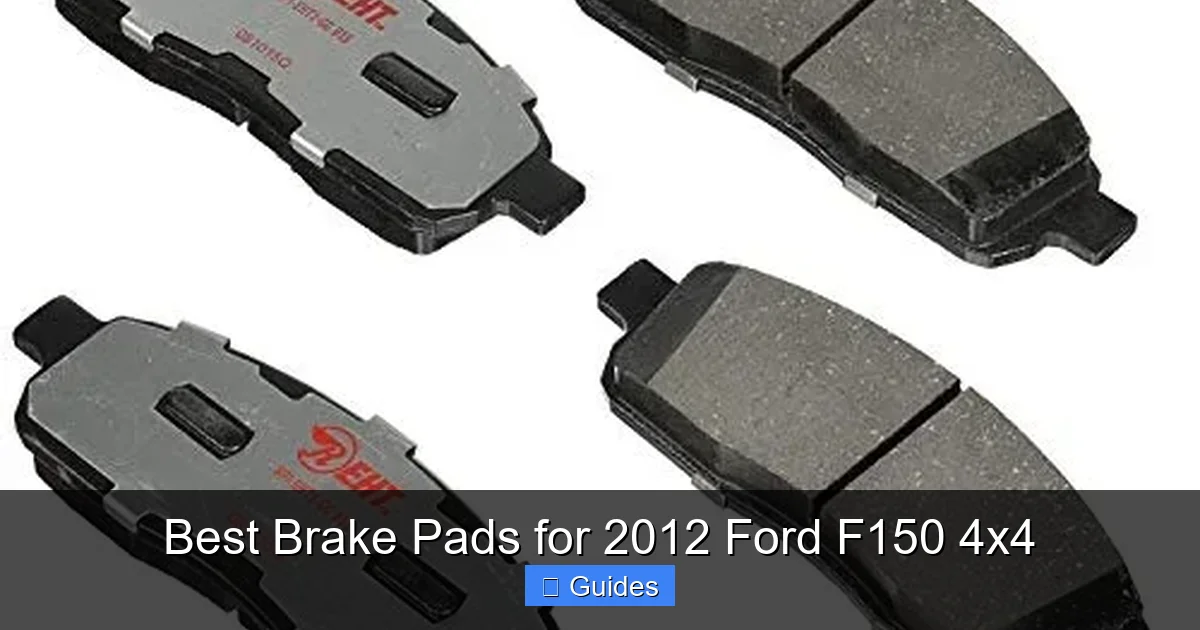
Visual guide about Best Brake Pads for 2012 Ford F150 4×4
Image source: keilsgarage.com
Not all brake pads are created equal. The material they’re made from affects everything from stopping power and noise levels to dust production and rotor wear. Let’s break down the three main types of brake pads available for your 2012 Ford F150 4×4.
Ceramic Brake Pads
Ceramic brake pads are the gold standard for daily drivers who value quiet, clean performance. Made from a dense mixture of ceramic fibers, bonding agents, and non-ferrous filler materials, these pads produce minimal dust and operate almost silently. They’re also excellent at dissipating heat, which helps prevent brake fade during repeated stops.
For the 2012 F150 4×4, ceramic pads are ideal if you use your truck for commuting, light towing, or city driving. They offer consistent braking performance in a wide range of temperatures and are less likely to wear down your rotors quickly. However, they tend to be more expensive than other types and may not provide the same level of bite under extreme conditions—like heavy towing or off-roading.
One real-world example: A Ford F150 owner who drives 50 miles daily to work and occasionally tows a small camper found that switching to ceramic pads eliminated the squealing they experienced with their old semi-metallic pads. They also noticed their wheels stayed cleaner longer, thanks to reduced brake dust.
Semi-Metallic Brake Pads
Semi-metallic pads are the go-to choice for drivers who need maximum stopping power. These pads contain 30% to 70% metal—typically steel, iron, copper, or graphite—embedded in a resin matrix. The metal content gives them excellent heat conductivity and friction, making them ideal for high-performance applications.
If you frequently tow heavy trailers, haul loads, or drive in mountainous areas, semi-metallic pads are a strong contender. They handle heat better than ceramic or organic pads, which means less risk of brake fade during long descents. However, they do come with trade-offs: they’re noisier, produce more brake dust, and can be harder on rotors.
For instance, a construction worker using his 2012 F150 4×4 to tow a 7,000-pound trailer up steep grades found that semi-metallic pads provided the consistent bite he needed. While they were a bit noisier and left more dust on his wheels, the improved stopping confidence made the trade-off worthwhile.
Organic (NAO) Brake Pads
Organic brake pads, also known as Non-Asbestos Organic (NAO), are made from natural materials like glass, rubber, and Kevlar, bonded with resin. They’re the softest and quietest of the three types, making them a good choice for light-duty driving.
However, organic pads wear out faster and don’t handle heat as well as ceramic or semi-metallic options. They’re best suited for older vehicles or drivers with very light usage. For a 2012 F150 4×4—especially one used for towing or off-roading—organic pads are generally not recommended. They may overheat and degrade quickly under stress, leading to reduced braking performance and frequent replacements.
Top 5 Best Brake Pads for 2012 Ford F150 4×4
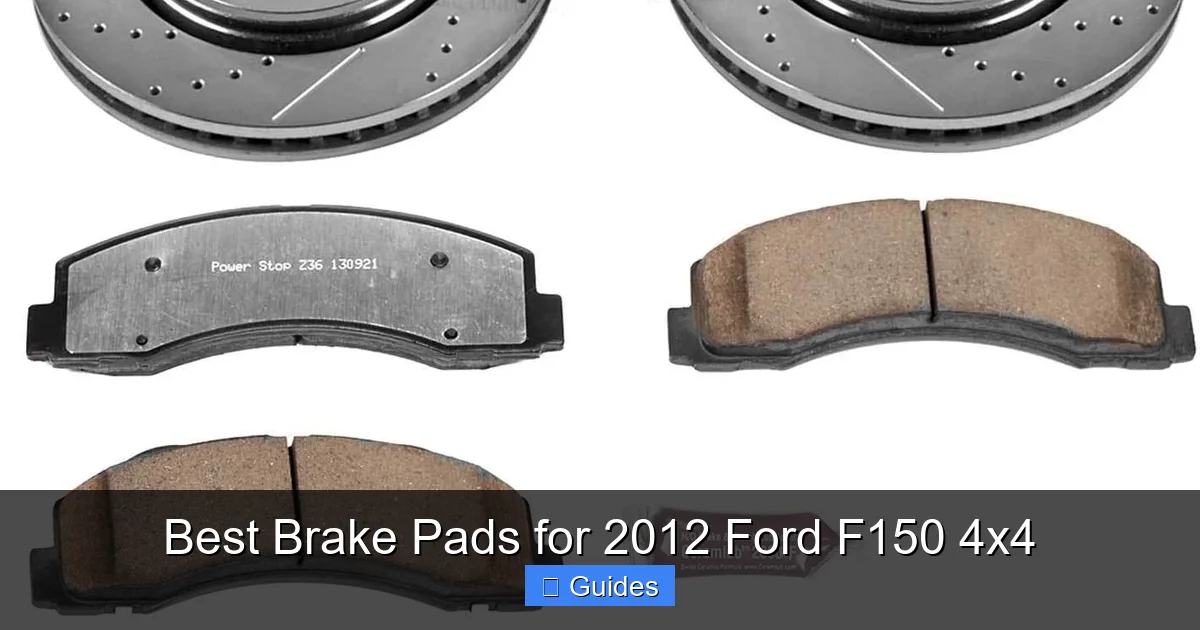
Visual guide about Best Brake Pads for 2012 Ford F150 4×4
Image source: images-na.ssl-images-amazon.com
Now that you understand the different types, let’s look at the best brake pads specifically recommended for the 2012 Ford F150 4×4. These picks are based on performance, durability, customer reviews, and compatibility.
1. Power Stop Z36 Truck & Tow Front & Rear Brake Pad Kit
If you’re serious about towing or hauling, the Power Stop Z36 is a top-tier choice. Designed specifically for trucks and SUVs, these carbon-ceramic pads offer the stopping power of semi-metallic pads with the quiet, clean operation of ceramic ones.
The Z36 pads feature a low-dust formula and are engineered to handle high temperatures without fading. They come with stainless steel hardware and premium shims to reduce noise. Many F150 owners report a noticeable improvement in braking performance, especially when towing heavy loads.
One user shared that after installing the Z36 kit, his 2012 F150 stopped more confidently when pulling a 6,500-pound boat trailer. He also appreciated the minimal dust and quiet operation—no more squealing at low speeds.
2. ACDelco Gold Front & Rear Ceramic Brake Pads
ACDelco is a trusted name in automotive parts, and their Gold series ceramic pads are a reliable, budget-friendly option for daily drivers. These pads are designed to meet or exceed OEM specifications, ensuring a perfect fit and consistent performance.
They produce very little noise and dust, making them ideal for city driving and commuters. While they may not offer the extreme bite of performance-oriented pads, they provide smooth, predictable braking for normal use.
A 2012 F150 owner who uses his truck primarily for family trips and grocery runs found the ACDelco pads to be a great upgrade over the worn OEM pads. He noted improved pedal feel and no squeaking, even in cold weather.
3. Bosch QuietCast Premium Ceramic Front Brake Pads
Bosch is known for engineering excellence, and the QuietCast line lives up to the reputation. These ceramic pads are built with a proprietary formula that delivers quiet operation, low dust, and excellent wear resistance.
They feature a molded shim design that reduces noise and vibration, and the pads are rigorously tested for performance and durability. Bosch also includes a transfer layer that helps bed the pads properly against the rotor, improving initial bite.
One F150 driver reported that after switching to Bosch QuietCast pads, his truck stopped smoother and quieter than ever. He also appreciated the easy installation and the fact that his wheels stayed clean for weeks.
4. Wagner ThermoQuiet Semi-Metallic Front Brake Pads
For drivers who need a balance of performance and noise control, the Wagner ThermoQuiet pads are a standout. These semi-metallic pads use an integrated insulating layer to reduce heat transfer and noise—something rare in metallic pads.
They’re designed for heavy-duty use, making them a good fit for F150 owners who tow or drive in demanding conditions. The pads also feature a unique friction formula that reduces dust and extends rotor life.
A farmer using his 2012 F150 4×4 to haul equipment and trailers found the Wagner pads to be a game-changer. He said they stopped his truck faster than the previous pads, even when fully loaded, and the noise level was surprisingly low for a semi-metallic pad.
5. EBC Brakes Yellowstuff Front Brake Pads
For the performance enthusiast, EBC Yellowstuff pads offer race-inspired technology for street use. These high-friction ceramic pads are designed for aggressive driving, track days, or heavy towing.
They provide exceptional bite from cold and maintain performance under high heat. While they’re on the pricier side, they’re built to last and deliver consistent stopping power.
One F150 owner who enjoys off-roading and spirited driving installed EBC Yellowstuff pads and noticed an immediate improvement in pedal response and stopping distance. He did note a slight increase in dust, but the performance gain was worth it.
How to Choose the Right Brake Pads for Your Driving Needs
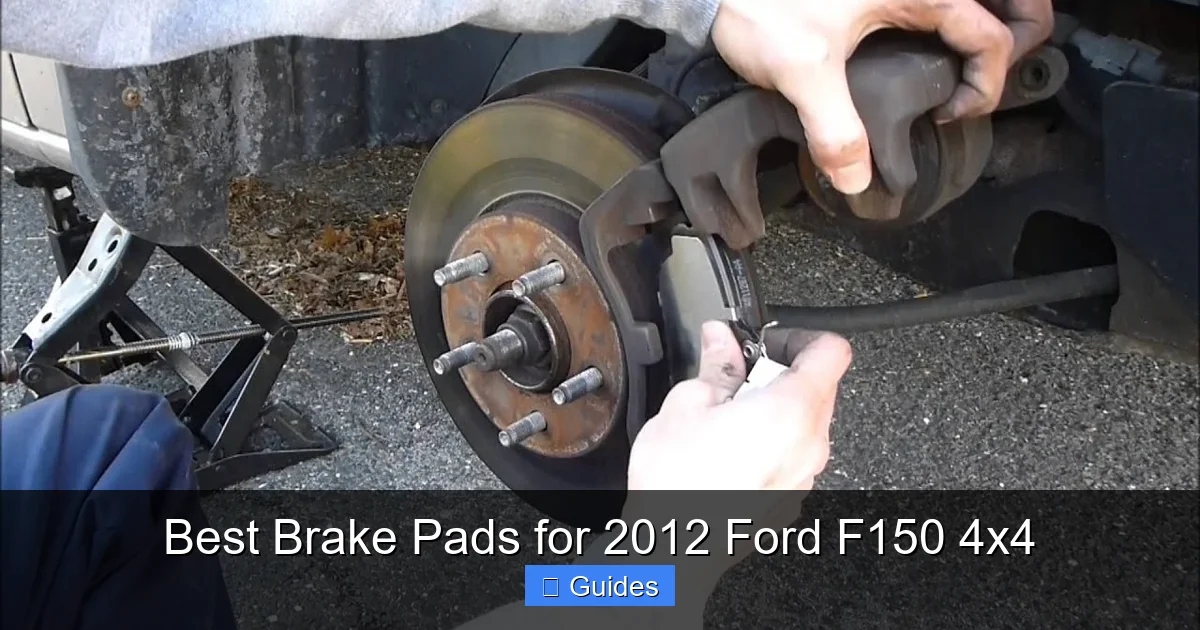
Visual guide about Best Brake Pads for 2012 Ford F150 4×4
Image source: i.ytimg.com
With so many great options, how do you pick the best brake pads for your 2012 Ford F150 4×4? The answer depends on how you use your truck. Let’s break it down by driving scenario.
Daily Commuting and City Driving
If you drive your F150 primarily for work, errands, or family trips, comfort and cleanliness matter. You’ll want pads that are quiet, produce minimal dust, and offer smooth, predictable braking.
In this case, ceramic pads like the ACDelco Gold or Bosch QuietCast are excellent choices. They’ll keep your wheels clean, reduce noise, and provide reliable performance in stop-and-go traffic. Avoid semi-metallic pads unless you frequently carry heavy loads.
Towing and Hauling
When you’re pulling a trailer, boat, or heavy cargo, your brakes work harder. Heat buildup can lead to brake fade, so you need pads that can handle the stress.
Look for high-performance options like the Power Stop Z36 or Wagner ThermoQuiet. These pads are designed for heavy-duty use and offer superior heat resistance and stopping power. The Z36, in particular, is engineered specifically for trucks and towing applications.
Off-Roading and Adventure Driving
Off-roading puts unique demands on your braking system. You may encounter mud, water, rocks, and steep descents. You need pads that perform well in varied conditions and resist contamination.
Semi-metallic or high-performance ceramic pads like the EBC Yellowstuff or Power Stop Z36 are good fits. They offer strong bite and durability, even when wet or dirty. Just be prepared for a bit more noise and dust.
Budget-Conscious Buyers
If you’re looking to save money without sacrificing safety, consider mid-range options like the ACDelco Gold or Wagner ThermoQuiet. These pads offer solid performance at a lower price point than premium brands.
Avoid the cheapest organic pads, as they may wear out quickly and compromise safety. Instead, invest in a reputable brand that balances cost and quality.
Installation Tips and Best Practices
Once you’ve chosen the right brake pads, proper installation is key to getting the best performance and longevity. Here are some tips to ensure a smooth process.
Replace in Axle Pairs
Always replace brake pads on both sides of the same axle. Installing new pads on one side and old ones on the other can cause uneven braking, pulling to one side, and premature wear.
Inspect and Resurface Rotors
Before installing new pads, check your rotors for warping, scoring, or excessive wear. If the rotors are damaged, they should be resurfaced or replaced. New pads won’t perform well on worn or uneven rotors.
Many mechanics recommend resurfacing rotors whenever you change pads, especially if you’re switching pad types. This ensures a smooth, even surface for the new friction material.
Use Quality Hardware
Don’t reuse old clips, shims, or springs. These components wear out over time and can cause noise or improper pad movement. Most premium pad kits include new hardware—use it.
Brake-In (Burnish) the Pads
After installation, you need to “burnish” the pads to transfer a thin layer of friction material onto the rotor. This process improves braking performance and reduces the risk of noise.
To burnish, drive at moderate speed and apply the brakes firmly (but not to a full stop) about 10 times. Then, drive for a few minutes without braking to let the system cool. Avoid hard stops during the first 200 miles.
Check Brake Fluid
While you’re under the hood, check your brake fluid level and condition. Old or contaminated fluid can reduce braking efficiency. If it’s dark or low, consider a flush and refill.
Signs It’s Time to Replace Your Brake Pads
Even the best brake pads don’t last forever. Knowing when to replace them can prevent costly damage and keep you safe.
Squealing or Grinding Noises
Most modern pads have wear indicators—small metal tabs that squeal when the pads are worn down. If you hear a high-pitched squeal when braking, it’s time for a replacement.
A grinding noise is more serious. It means the pad material is gone, and the metal backing is rubbing against the rotor. This can damage the rotor and should be addressed immediately.
Reduced Braking Performance
If your truck takes longer to stop or the pedal feels spongy, your pads may be worn. Also, if the pedal travels closer to the floor than usual, it could indicate low pad thickness or air in the brake lines.
Visible Wear
You can check pad thickness by looking through the wheel spokes. Most pads should be at least 1/4 inch thick. If they’re thinner, replace them.
Some trucks have inspection holes in the caliper that let you see the pad directly. Use a flashlight to check.
Vibration or Pulsation
If you feel a pulsing sensation in the brake pedal, it could mean the rotors are warped. This often happens when pads wear unevenly or overheat. Resurfacing or replacing the rotors may be necessary.
Conclusion: Make the Right Choice for Your F150
Your 2012 Ford F150 4×4 is a capable, versatile truck—but its performance is only as good as its braking system. Choosing the best brake pads isn’t just about replacing worn parts; it’s about enhancing safety, improving performance, and extending the life of your vehicle.
Whether you prioritize quiet operation, towing power, or budget-friendliness, there’s a brake pad option that fits your needs. Ceramic pads like the Bosch QuietCast are perfect for daily drivers, while heavy-duty options like the Power Stop Z36 are ideal for towing and hauling. Semi-metallic pads offer a balance of power and durability, and premium brands like EBC deliver race-inspired performance.
Remember to replace pads in pairs, inspect your rotors, and follow proper break-in procedures. And always choose quality over cost—your safety is worth the investment.
By selecting the right brake pads and maintaining them properly, you’ll keep your F150 stopping strong for years to come.
Frequently Asked Questions
How often should I replace brake pads on my 2012 Ford F150 4×4?
Brake pad lifespan varies based on driving habits, but most owners replace them every 30,000 to 70,000 miles. Heavy towing, city driving, and aggressive braking can shorten this interval. Regular inspections every 10,000 miles are recommended.
Can I install brake pads myself on a 2012 F150 4×4?
Yes, if you have basic mechanical skills and tools. The process involves removing the wheels, caliper, and old pads, then installing the new ones. Always follow safety precautions and consult a repair manual. If unsure, have a professional do it.
Do I need to replace rotors when changing brake pads?
Not always, but it’s often recommended. If the rotors are warped, scored, or below minimum thickness, they should be resurfaced or replaced. New pads work best on smooth, even rotors.
Are ceramic brake pads better than semi-metallic for towing?
Not necessarily. While ceramic pads are quieter and cleaner, semi-metallic or carbon-ceramic hybrids like the Power Stop Z36 offer better heat resistance and stopping power for heavy loads. Choose based on your towing frequency and weight.
Why are my new brake pads squeaking?
Squeaking can result from improper installation, lack of lubrication on shims, or not breaking in the pads correctly. Ensure all hardware is installed properly and follow the burnishing procedure. If noise persists, check for debris or uneven wear.
Can I mix different brake pad brands on my F150?
It’s not recommended. Mixing brands or types can lead to uneven braking, noise, and premature wear. Always replace pads in axle pairs with the same brand and model for consistent performance.

At CarLegit, we believe information should be clear, factual, and genuinely helpful. That’s why every guide, review, and update on our website is created with care, research, and a strong focus on user experience.