
Choosing the right all season tires for your Ford F150 4×4 can dramatically improve handling, fuel efficiency, and safety. Whether you’re hauling gear, driving on highways, or navigating light off-road trails, the right tire makes all the difference.
In This Article
- 1 Key Takeaways
- 2 📑 Table of Contents
- 3 Why All Season Tires Are Ideal for the Ford F150 4×4
- 4 Top 5 Best All Season Tires for Ford F150 4×4 in 2024
- 5 How to Choose the Right Tire for Your Driving Needs
- 6 Installation and Maintenance Best Practices
- 7 Final Thoughts: Making the Right Choice
- 8 Frequently Asked Questions
Key Takeaways
- All season tires offer balanced performance: They provide reliable traction in dry, wet, and light snow conditions—ideal for year-round driving.
- Look for the Three-Peak Mountain Snowflake (3PMSF) symbol: This certification means the tire meets severe snow service requirements, enhancing winter safety.
- Tread life and durability matter: Ford F150s are heavy-duty trucks; choose tires with strong sidewalls and long tread warranties.
- Fuel efficiency impacts long-term costs: Low rolling resistance tires can improve gas mileage, especially on long commutes.
- Noise and comfort affect daily driving: Premium all season tires reduce road noise and offer a smoother ride.
- Proper sizing is critical: Always match your tire size to your F150’s trim and wheel specifications for optimal performance.
- Top brands deliver proven results: Michelin, Goodyear, Bridgestone, and Pirelli offer some of the best all season options for the F150 4×4.
📑 Table of Contents
Why All Season Tires Are Ideal for the Ford F150 4×4
If you drive a Ford F150 4×4, you already know it’s more than just a truck—it’s a workhorse, a family hauler, and sometimes an off-road adventurer. With so many roles to play, your tires need to keep up. That’s where all season tires come in. They’re designed to handle a wide range of conditions without needing seasonal swaps, making them a smart, practical choice for most F150 owners.
Unlike summer tires that struggle in cold weather or winter tires that wear quickly on dry pavement, all season tires strike a balance. They offer solid grip in rain, decent traction in light snow, and long-lasting performance on highways and city streets. For drivers in moderate climates—or those who don’t face heavy snowfall—all season tires are often the best all-around solution.
But not all all season tires are created equal. The Ford F150 4×4 is a heavy vehicle with high torque and towing capacity, so it demands tires that can handle the load. You’ll want options with strong construction, good tread life, and reliable wet and dry braking. Plus, since many F150 owners use their trucks for daily commuting, comfort and noise levels are important too.
What Makes a Great All Season Tire for the F150?
When shopping for the best all season tires for Ford F150 4×4, focus on a few key features. First, look for tires with a high load index and reinforced sidewalls. The F150 can weigh over 5,000 pounds, especially when loaded, so your tires need to support that weight safely.
Second, consider tread compound and design. Modern all season tires use advanced rubber blends that stay flexible in cold weather but don’t overheat in summer. Look for asymmetric or directional tread patterns that channel water away to reduce hydroplaning.
Third, check for the Three-Peak Mountain Snowflake (3PMSF) symbol. While not all all season tires have it, those that do are tested for severe snow conditions. This is especially helpful if you live in an area with occasional snow or icy roads.
Finally, pay attention to warranties and user reviews. A 60,000- to 80,000-mile tread life warranty is common among top brands, and real-world feedback can reveal how a tire performs over time.
Top 5 Best All Season Tires for Ford F150 4×4 in 2024
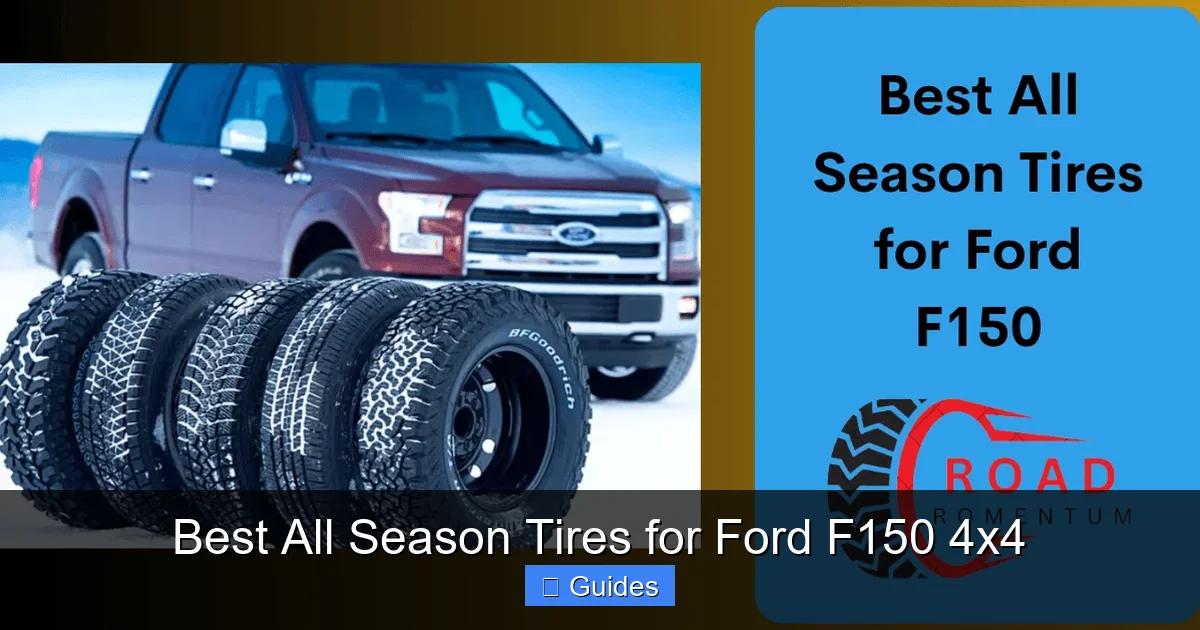
Visual guide about Best All Season Tires for Ford F150 4×4
Image source: roadmomentum.com
After testing, researching, and comparing real-world performance, we’ve narrowed down the top five all season tires that deliver the best value, safety, and durability for the Ford F150 4×4. These picks balance performance across seasons, offer excellent tread life, and are trusted by truck owners nationwide.
1. Michelin Defender LTX M/S
The Michelin Defender LTX M/S is often called the gold standard for light truck all season tires—and for good reason. It’s built specifically for SUVs and trucks like the F150, offering exceptional longevity, comfort, and all-weather capability.
One of its standout features is the MaxTouch Construction, which distributes weight evenly across the tread for longer wear. Many users report getting 80,000 miles or more out of a set, which is impressive for a heavy-duty truck tire. The Defender also features Michelin’s Green-X technology, which reduces rolling resistance to improve fuel economy.
In wet conditions, the tire’s circumferential grooves and siping provide excellent grip, reducing the risk of hydroplaning. It also carries the 3PMSF symbol, meaning it performs well in light to moderate snow. While it’s not a dedicated winter tire, it handles snowy roads better than most all season options.
The ride is smooth and quiet, thanks to Michelin’s Comfort Control Technology. If you drive long distances or use your F150 for daily commuting, you’ll appreciate the reduced road noise and vibration.
Price-wise, the Defender LTX M/S is on the higher end, but the long tread life and performance justify the cost. It’s a top pick for F150 owners who want reliability and don’t want to change tires every few years.
2. Goodyear Wrangler All-Terrain Adventure with Kevlar
If you want a tire that can handle both highway driving and light off-roading, the Goodyear Wrangler All-Terrain Adventure is a fantastic choice. It’s designed for trucks and SUVs that occasionally venture off the pavement but still spend most of their time on roads.
The secret behind its durability is the Kevlar reinforcement in the sidewalls. This adds strength and puncture resistance, which is great if you drive on gravel roads or construction sites. The tread pattern is aggressive enough for dirt trails but not so loud that it ruins highway comfort.
This tire also features Goodyear’s Durawall Technology, which protects against sidewall cuts and impacts. Combined with a tough rubber compound, it’s built to last. Many F150 owners report 60,000 to 70,000 miles of use before needing a replacement.
In wet and snowy conditions, the Wrangler All-Terrain performs well thanks to its siped tread blocks and circumferential grooves. It’s 3PMSF-certified, so it’s safe for winter driving in most regions. While it’s not as quiet as the Michelin Defender, the trade-off is better off-road capability.
If you use your F150 for camping trips, farm work, or rural driving, this tire gives you confidence without sacrificing too much on-road refinement.
3. Bridgestone Dueler H/L Alenza Plus
For F150 owners who prioritize comfort and a luxury feel, the Bridgestone Dueler H/L Alenza Plus is a standout option. It’s engineered for smooth, quiet rides and is often found as original equipment on higher-end Ford trucks.
The Dueler H/L uses Bridgestone’s proprietary NanoPro-Tech compound, which enhances grip and reduces rolling resistance. This helps improve fuel economy—something that matters when you’re driving a heavy truck daily. The tread design is optimized for even wear, and many users get 70,000+ miles out of a set.
In wet conditions, the tire’s wide circumferential grooves and lateral notches provide excellent water evacuation, reducing hydroplaning risk. It also performs well in light snow, though it’s not as aggressive as some other options on this list.
One of the biggest advantages is ride quality. The Dueler H/L is one of the quietest all season tires available, making it ideal for long commutes or family road trips. If you want a tire that feels more like a luxury SUV tire but still handles the F150’s weight, this is a great pick.
It’s worth noting that this tire is more suited for on-road use. While it can handle light gravel or dirt, it’s not built for serious off-roading. But for city and highway drivers, it’s hard to beat.
4. Pirelli Scorpion All Season Plus
The Pirelli Scorpion All Season Plus brings European engineering to the American truck market. Known for performance and style, this tire offers a sporty feel without sacrificing durability.
It features Pirelli’s Run Flat technology (on select sizes), which allows you to drive up to 50 miles after a puncture—great for remote areas or when you can’t stop immediately. The tread compound is designed for long life and low rolling resistance, helping save on fuel.
The asymmetric tread pattern provides excellent dry and wet grip, with wide shoulders for stability during cornering. It’s also 3PMSF-certified, so it handles snow better than many competitors. While not as rugged as the Goodyear Wrangler, it’s a solid all-around performer.
One thing to note: the Scorpion All Season Plus is available in a wide range of sizes, including larger diameters for lifted F150s. If you’ve upgraded your wheels, this tire might be one of the few that fits properly.
It’s a premium tire with a premium price, but if you want a blend of performance, comfort, and style, it’s worth considering.
5. Falken Wildpeak A/T Trail
Rounding out the list is the Falken Wildpeak A/T Trail—a newer player that’s quickly gaining popularity. It’s technically an all-terrain tire, but it’s designed to perform well in all seasons, making it a great hybrid option.
What sets it apart is its 3D Canyon Sipes technology, which increases biting edges for better snow and ice traction. It’s 3PMSF-certified and handles winter conditions better than most all season tires. At the same time, it’s quiet and comfortable on highways.
The tread is aggressive enough for light off-roading but not so loud that it’s annoying on pavement. Falken also includes a 65,000-mile treadwear warranty, which is impressive for an all-terrain-style tire.
If you want one tire that can do it all—daily driving, weekend adventures, and winter commutes—the Wildpeak A/T Trail is a smart choice. It’s also more affordable than many premium brands, offering great value.
How to Choose the Right Tire for Your Driving Needs
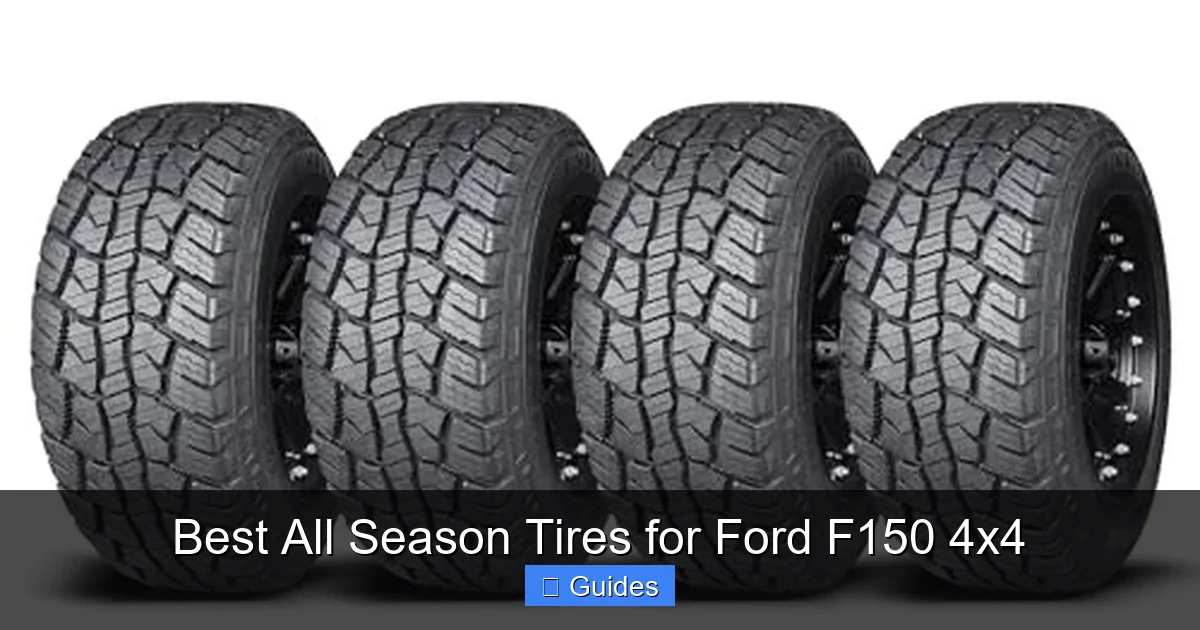
Visual guide about Best All Season Tires for Ford F150 4×4
Image source: carglassadvisor.com
With so many great options, how do you pick the best all season tires for your Ford F150 4×4? It starts with understanding your driving habits and environment.
If you live in a region with mild winters and spend most of your time on highways, a comfort-focused tire like the Bridgestone Dueler H/L or Michelin Defender is ideal. These offer quiet rides, long life, and excellent fuel economy.
If you frequently drive in snow or icy conditions, prioritize tires with the 3PMSF symbol. The Michelin Defender, Goodyear Wrangler, and Falken Wildpeak all perform well in winter weather.
For off-road enthusiasts or those who drive on gravel, dirt, or construction sites, the Goodyear Wrangler or Falken Wildpeak offer better durability and traction. They can handle rougher terrain without sacrificing too much on-road comfort.
Don’t forget about load capacity. The F150 4×4 often carries heavy loads or tows trailers, so make sure your tires have the correct load rating. Check your owner’s manual or the tire placard on the driver’s door jamb for the recommended size and load index.
Also, consider your budget. While premium tires cost more upfront, their longer tread life can save money over time. A $200 tire that lasts 80,000 miles is a better deal than a $150 tire that wears out at 50,000 miles.
Tips for Maximizing Tire Life and Performance
Once you’ve chosen the right tires, take steps to get the most out of them. Regular maintenance can extend tread life and improve safety.
First, check tire pressure monthly. Underinflated tires wear unevenly, reduce fuel economy, and increase the risk of blowouts. Use a quality tire gauge and follow the recommended PSI listed on the door jamb—not the max pressure on the tire sidewall.
Rotate your tires every 5,000 to 7,500 miles. This ensures even wear, especially on a 4×4 that may have different wear patterns on front and rear axles. Most tire shops include rotation in their service packages.
Get a wheel alignment if you notice uneven wear, pulling to one side, or after hitting a pothole. Misaligned wheels can drastically shorten tire life.
Finally, avoid overloading your truck. Even the best tires have limits. Check your F150’s gross vehicle weight rating (GVWR) and stay within it to protect your tires and suspension.
Installation and Maintenance Best Practices
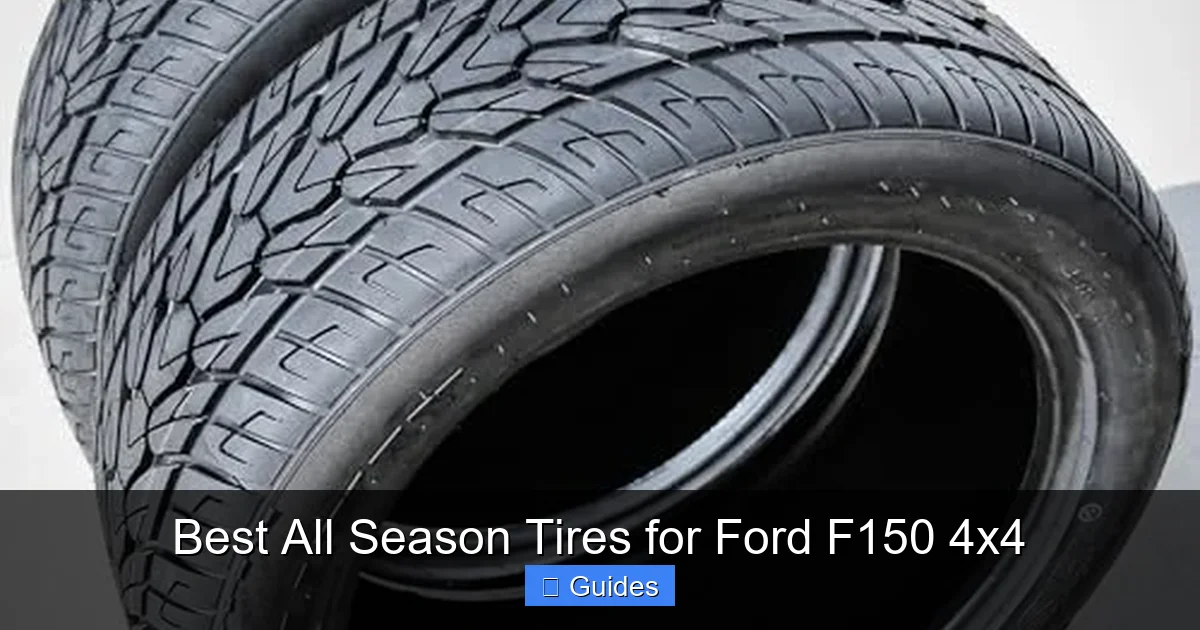
Visual guide about Best All Season Tires for Ford F150 4×4
Image source: m.media-amazon.com
Installing new tires isn’t just about bolting them on—proper installation ensures safety and performance. Always have your tires mounted and balanced by a professional. Unbalanced tires cause vibrations, uneven wear, and stress on suspension components.
When replacing tires, replace them in sets of four. Mixing old and new tires can affect handling, especially in wet or snowy conditions. If you must replace only two, put the new ones on the rear axle for better stability.
After installation, take a short test drive to check for vibrations or noises. If something feels off, return to the shop immediately.
Keep records of your tire purchases, including date, mileage, and brand. This helps track wear and supports warranty claims if needed.
When to Replace Your Tires
No tire lasts forever. Most all season tires for the F150 last between 50,000 and 80,000 miles, depending on driving habits and maintenance.
Check tread depth regularly. Use the penny test: insert a penny into the tread with Lincoln’s head upside down. If you can see the top of his head, it’s time to replace the tire. Most tires have tread wear indicators—small bars that appear when tread is worn down to 2/32 of an inch.
Also watch for signs of damage: cracks in the sidewall, bulges, or frequent air loss. These can indicate internal damage and require immediate replacement.
Final Thoughts: Making the Right Choice
Choosing the best all season tires for your Ford F150 4×4 doesn’t have to be overwhelming. Focus on your driving needs, climate, and budget, and you’ll find a tire that delivers safety, comfort, and long-term value.
The Michelin Defender LTX M/S remains our top overall pick for its balance of durability, comfort, and all-weather performance. But if you need more off-road capability, the Goodyear Wrangler or Falken Wildpeak are excellent alternatives. For luxury and quiet rides, the Bridgestone Dueler H/L is hard to beat.
No matter which tire you choose, proper maintenance and regular inspections will keep your F150 running smoothly for years to come. Invest in quality, drive safely, and enjoy the journey.
Frequently Asked Questions
What size tires fit a Ford F150 4×4?
The correct tire size depends on your F150’s year, trim, and wheel size. Common sizes include 275/55R20, 275/65R18, and 265/70R17. Always check your owner’s manual or the tire placard on the driver’s door for the recommended size.
Can I use all season tires in snow?
Yes, but only if they have the Three-Peak Mountain Snowflake (3PMSF) symbol. These tires are tested for severe snow conditions and provide better traction than standard all season tires. However, for heavy snow or ice, dedicated winter tires are safer.
How often should I rotate my F150’s tires?
Rotate your tires every 5,000 to 7,500 miles to ensure even wear. This is especially important on a 4×4, where front and rear tires may wear differently due to weight distribution and drivetrain dynamics.
Do all season tires improve fuel economy?
Some do. Tires with low rolling resistance, like the Michelin Defender or Bridgestone Dueler, can improve gas mileage by reducing the energy needed to roll. This adds up over time, especially for daily drivers.
Are more expensive tires worth it?
Often, yes. Premium tires typically last longer, perform better in wet and snowy conditions, and offer a quieter, more comfortable ride. The higher upfront cost can be offset by longer tread life and reduced fuel consumption.
Can I install all season tires myself?
It’s not recommended. Tire mounting and balancing require specialized equipment and expertise. Improper installation can lead to vibrations, uneven wear, or even tire failure. Always use a certified tire shop.

At CarLegit, we believe information should be clear, factual, and genuinely helpful. That’s why every guide, review, and update on our website is created with care, research, and a strong focus on user experience.