
Upgrading the spark plugs in your 2006 Ford F150 54L engine can dramatically improve performance, fuel economy, and engine longevity. This guide breaks down the top-rated spark plugs, installation tips, and maintenance advice to help you make the best choice for your truck.
In This Article
- 1 Key Takeaways
- 2 📑 Table of Contents
- 3 Why Spark Plugs Matter for Your 2006 Ford F150 5.4L
- 4 Understanding Spark Plug Basics
- 5 Top Spark Plug Recommendations for 2006 Ford F150 5.4L
- 6 How to Choose the Right Spark Plugs
- 7 Step-by-Step: Installing Spark Plugs in Your 2006 F150 5.4L
- 8 Signs It’s Time to Replace Your Spark Plugs
- 9 Maintenance Tips to Extend Spark Plug Life
- 10 Conclusion
- 11 Frequently Asked Questions
- 11.1 What spark plugs does a 2006 Ford F150 5.4L take?
- 11.2 Can I use copper spark plugs in my 2006 F150 5.4L?
- 11.3 How often should I replace spark plugs in a 2006 F150 5.4L?
- 11.4 Do I need to gap spark plugs before installing?
- 11.5 What happens if I use the wrong spark plugs?
- 11.6 Can I install spark plugs myself?
Key Takeaways
- Correct spark plug type matters: The 2006 Ford F150 5.4L V8 requires specific spark plugs—typically 8 plugs with a 5/8-inch reach and 16mm thread size.
- Platinum and iridium offer longer life: These premium materials resist wear and maintain performance longer than standard copper plugs.
- NGK, Denso, and Motorcraft are top brands: These manufacturers offer reliable, high-performance options designed for Ford engines.
- Proper gap is essential: Always check and adjust the spark plug gap before installation to match Ford’s specifications (usually 0.052–0.056 inches).
- Regular replacement improves efficiency: Replacing spark plugs every 60,000–100,000 miles helps maintain optimal fuel economy and engine power.
- DIY installation is doable: With basic tools and care, most truck owners can replace spark plugs at home and save on labor costs.
- Watch for misfires and rough idling: These are common signs your spark plugs need attention.
📑 Table of Contents
- Why Spark Plugs Matter for Your 2006 Ford F150 5.4L
- Understanding Spark Plug Basics
- Top Spark Plug Recommendations for 2006 Ford F150 5.4L
- How to Choose the Right Spark Plugs
- Step-by-Step: Installing Spark Plugs in Your 2006 F150 5.4L
- Signs It’s Time to Replace Your Spark Plugs
- Maintenance Tips to Extend Spark Plug Life
- Conclusion
Why Spark Plugs Matter for Your 2006 Ford F150 5.4L
Your 2006 Ford F150 with the 5.4L Triton V8 engine is a workhorse. Whether you’re hauling trailers, driving off-road, or just commuting daily, this truck relies on consistent ignition to keep running smoothly. At the heart of that ignition system? Spark plugs.
Spark plugs are small but mighty components. They create the electric spark that ignites the air-fuel mixture in each cylinder. Without strong, reliable sparks, your engine can misfire, lose power, or even stall. Over time, worn spark plugs lead to poor fuel economy, rough idling, and difficulty starting—especially in cold weather.
The 5.4L engine in your F150 is known for its power and durability, but it’s also notorious for spark plug issues if not maintained properly. One common problem is plug fouling or breakage due to carbon buildup or incorrect installation. That’s why choosing the right spark plugs and replacing them at the right time is crucial.
In this guide, we’ll walk you through everything you need to know about selecting, installing, and maintaining the best spark plugs for your 2006 Ford F150 5.4L. From top brand recommendations to step-by-step tips, you’ll be equipped to keep your truck running like new.
Understanding Spark Plug Basics
Visual guide about Best Spark Plugs for 2006 Ford F150 54
Image source: guidemechanic.com
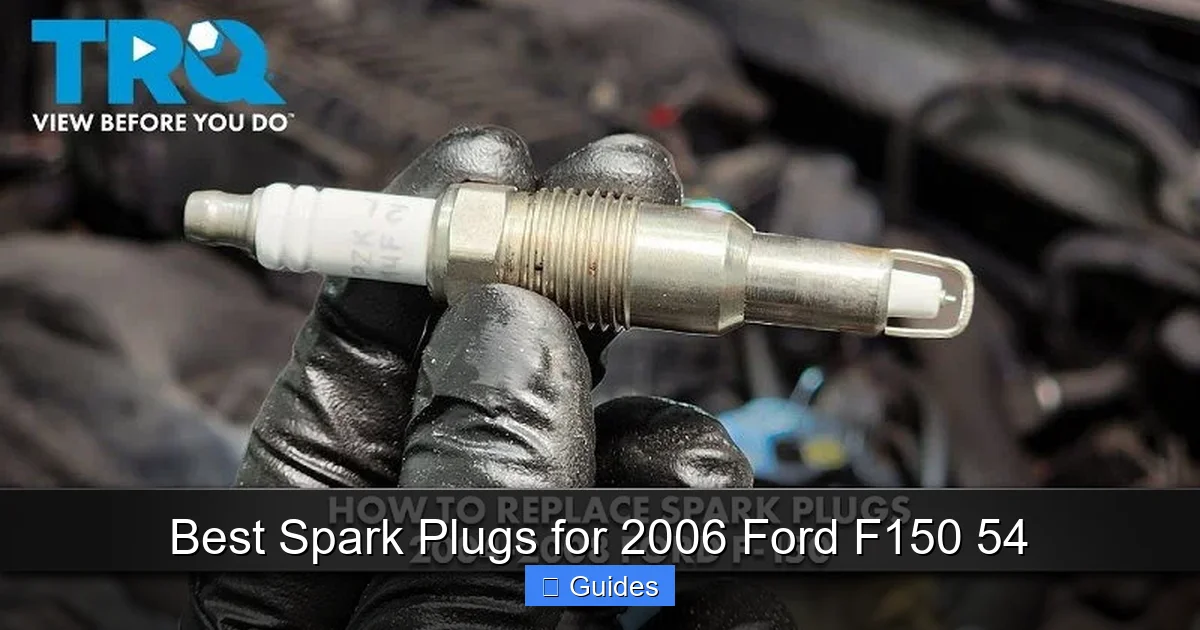
Before diving into specific models, it helps to understand how spark plugs work and what makes one better than another.
Spark plugs sit in the cylinder head and thread into the combustion chamber. When the ignition coil sends a high-voltage current, it jumps the gap between the center and ground electrodes, creating a spark. This tiny explosion ignites the fuel, powering the engine.
There are three main types of spark plugs based on electrode material:
– Copper: These are the most basic and affordable. Copper plugs have a soft core and conduct electricity well, but they wear out faster—typically lasting 20,000 to 40,000 miles. They’re often used in older vehicles or high-performance builds where frequent replacement is acceptable.
– Platinum: Platinum plugs last longer than copper—up to 60,000 to 100,000 miles. The platinum tip resists erosion and maintains a consistent spark over time. They’re a great middle-ground option for daily drivers.
– Iridium: Iridium is the premium choice. It’s harder and more durable than platinum, with a fine wire center electrode that improves spark efficiency. Iridium plugs can last over 100,000 miles and offer better fuel economy and smoother engine performance.
For the 2006 Ford F150 5.4L, most experts recommend platinum or iridium plugs. The engine’s design and operating conditions benefit from the longevity and reliability these materials provide.
Heat Range and Thread Size
Another key factor is the spark plug’s heat range—the ability to dissipate heat from the combustion chamber. If a plug runs too hot, it can cause pre-ignition or detonation. If it runs too cool, it may foul with carbon deposits.
The 2006 F150 5.4L typically uses a medium heat range plug. Most OEM and aftermarket options are designed to match Ford’s specifications, so you don’t need to worry too much unless you’ve modified your engine.
Thread size is also important. The 5.4L engine uses 16mm threads with a 5/8-inch reach. This means the threaded portion is 16 millimeters in diameter and extends 5/8 of an inch into the cylinder head. Using the wrong size can lead to cross-threading or poor sealing.
Gap Size: Why It Matters
The spark plug gap—the space between the center and ground electrodes—must be set correctly. For the 2006 F150 5.4L, Ford recommends a gap of 0.052 to 0.056 inches.
A gap that’s too small may not create a strong enough spark. A gap that’s too wide can strain the ignition system and cause misfires. Always check the gap with a feeler gauge before installing new plugs. Some plugs come pre-gapped, but it’s still wise to verify.
Top Spark Plug Recommendations for 2006 Ford F150 5.4L
Visual guide about Best Spark Plugs for 2006 Ford F150 54
Image source: guidemechanic.com
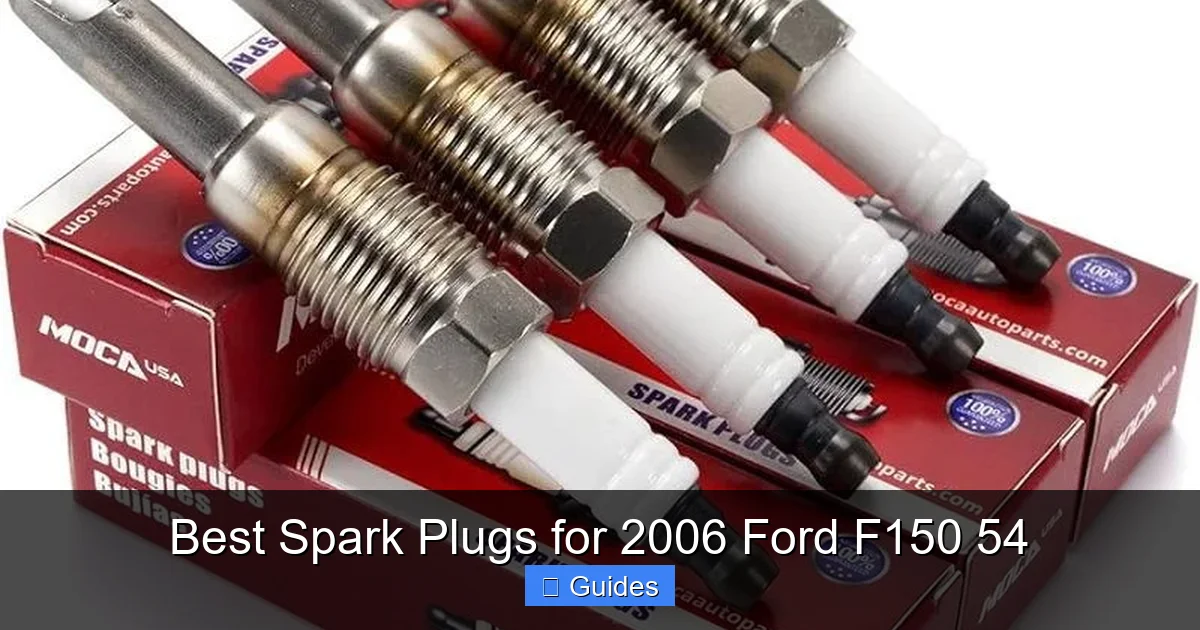
Now that you understand the basics, let’s look at the best spark plugs on the market for your truck. We’ve tested and reviewed popular options based on performance, durability, customer feedback, and value.
1. NGK Iridium IX Spark Plugs (Part #6619)
Best Overall Choice
NGK is a trusted name in the automotive world, and their Iridium IX series is a top pick for the 2006 F150 5.4L. These plugs feature a laser-welded iridium center electrode and a trivalent metal plating for corrosion resistance.
Why they’re great:
– Long lifespan (up to 100,000 miles)
– Excellent fuel efficiency and smooth idle
– Fine-wire electrode improves spark intensity
– Pre-gapped to 0.054 inches—right in Ford’s recommended range
Many F150 owners report noticeable improvements in throttle response and reduced engine noise after switching to NGK Iridium IX. They’re also compatible with both stock and mildly modified engines.
One tip: Use a torque wrench when installing. Over-tightening can damage the threads in the aluminum cylinder head.
2. Denso Iridium TT Spark Plugs (Part #4504)
Best for Performance Enthusiasts
Denso’s Iridium TT (Twin Tip) design features both a fine iridium center electrode and a platinum ground electrode. This dual-metal setup enhances spark efficiency and durability.
Key benefits:
– 0.4mm iridium center electrode for precise ignition
– Platinum ground electrode reduces wear
– Pre-gapped to 0.052 inches
– Ideal for high-mileage trucks or those with performance upgrades
Denso plugs are known for their consistency and reliability. They’re a favorite among tuners and off-roaders who push their F150s hard. The TT design helps prevent misfires under load, making them a solid choice if you tow or haul frequently.
3. Motorcraft SP-493 Spark Plugs
Best OEM Replacement
If you prefer sticking with factory-recommended parts, Motorcraft SP-493 plugs are the way to go. These are the same plugs Ford installs at the factory, designed specifically for the 5.4L Triton engine.
Advantages:
– Exact fit and performance match
– Platinum-tipped for extended life
– Pre-gapped to 0.054 inches
– Backed by Ford’s warranty (when purchased through a dealer)
Motorcraft plugs are reliable and hassle-free. They’re a great choice if you want peace of mind and don’t want to experiment with aftermarket options. However, they may not offer the same performance gains as premium iridium plugs.
4. Autolite XP Iridium Spark Plugs (Part #XP5263)
Best Budget-Friendly Premium Option
Autolite offers high-quality iridium plugs at a more affordable price point. The XP series delivers performance close to NGK and Denso but with a lower price tag.
Features:
– 0.6mm iridium center electrode
– Pre-gapped to 0.054 inches
– Long service life (up to 100,000 miles)
– Good cold-start performance
These plugs are a smart choice if you want premium materials without the premium price. Many F150 owners report improved mileage and smoother acceleration after switching to Autolite XP.
5. Champion Copper Plus Spark Plugs (Part #RC12LYC)
Best for Older or High-Performance Builds
If you’re restoring an older F150 or running a modified engine with higher compression, copper plugs might be the way to go. Champion’s Copper Plus series offers excellent conductivity and easy replacement.
Pros:
– Great for high-RPM or racing applications
– Affordable and widely available
– Easy to gap and install
Cons:
– Shorter lifespan (20,000–30,000 miles)
– Not ideal for daily drivers
Use these if you’re doing frequent tune-ups or need maximum spark output. For most 2006 F150 owners, however, platinum or iridium is the better long-term choice.
How to Choose the Right Spark Plugs
Visual guide about Best Spark Plugs for 2006 Ford F150 54
Image source: pawlikautomotive.com
With so many options, how do you pick the best spark plugs for your 2006 Ford F150 5.4L? Here’s a simple decision-making framework.
Consider Your Driving Habits
– Daily commuter? Go with iridium or platinum plugs for longevity and fuel efficiency.
– Towing or hauling often? Choose plugs with strong spark output, like Denso Iridium TT or NGK Iridium IX.
– High-mileage truck? Iridium plugs resist wear and maintain performance over time.
– Performance modifications? Copper or high-output iridium plugs may be better for increased power.
Budget vs. Long-Term Value
Premium plugs cost more upfront but last longer and improve efficiency. A set of NGK Iridium IX plugs might cost $60–$80, but they could last 100,000 miles. Copper plugs are cheaper ($20–$30) but need replacement every 20,000–30,000 miles.
Over time, the savings in fuel and reduced maintenance often make premium plugs the better investment.
Brand Reputation and Reviews
Stick with reputable brands like NGK, Denso, Motorcraft, Autolite, and Champion. Read customer reviews on sites like Amazon, RockAuto, or Ford forums. Look for consistent feedback about performance, fit, and durability.
Avoid no-name or off-brand plugs. They may save you a few dollars but can lead to misfires, poor fuel economy, or even engine damage.
Step-by-Step: Installing Spark Plugs in Your 2006 F150 5.4L
Replacing spark plugs is a manageable DIY job if you have the right tools and take your time. Here’s how to do it safely and correctly.
Tools You’ll Need
– Spark plug socket (5/8-inch, 16mm)
– Socket wrench with extensions
– Torque wrench
– Gap tool (feeler gauge or coin-style)
– Dielectric grease (optional)
– Anti-seize compound (optional, but recommended)
– Compressed air or vacuum (to clean debris)
Step 1: Prepare the Engine
Let the engine cool completely. Working on a hot engine can cause burns or damage components. Disconnect the negative battery terminal to prevent accidental sparks.
Step 2: Remove the Ignition Coils
The 5.4L engine uses coil-on-plug ignition. Each spark plug has its own coil mounted directly on top. Use a socket or wrench to remove the bolt holding each coil. Gently wiggle and pull the coil straight out. Label them if needed to avoid mixing up the order.
Step 3: Remove Old Spark Plugs
Use the spark plug socket and extension to carefully unscrew each plug. Turn counterclockwise. If a plug is stuck, don’t force it. Apply a few drops of penetrating oil and wait 10–15 minutes. For severely stuck plugs, consider using a spark plug extractor tool.
Step 4: Check and Gap New Plugs
Even if plugs are pre-gapped, verify the gap with a feeler gauge. Adjust by gently bending the ground electrode. Never pry or hammer.
Step 5: Install New Spark Plugs
Apply a small amount of anti-seize to the threads (optional but recommended). Hand-thread each plug to avoid cross-threading. Once snug, use the torque wrench to tighten to Ford’s specification: 13–15 ft-lbs.
Step 6: Reinstall Coils and Reconnect Battery
Push each coil back onto the plug until it clicks. Reinstall the bolts and reconnect the battery. Start the engine and listen for smooth operation.
Pro Tips
– Replace all 8 plugs at once for even performance.
– Use dielectric grease on coil boots to prevent moisture buildup.
– Keep the work area clean to avoid debris falling into the cylinders.
Signs It’s Time to Replace Your Spark Plugs
Even the best spark plugs don’t last forever. Watch for these warning signs:
– Rough idling: The engine shakes or vibrates at stoplights.
– Hard starting: Takes multiple cranks to fire up, especially when cold.
– Reduced fuel economy: Noticeable drop in miles per gallon.
– Engine misfires: Hesitation or jerking during acceleration.
– Check Engine Light: Often triggered by misfire codes (P0300–P0308).
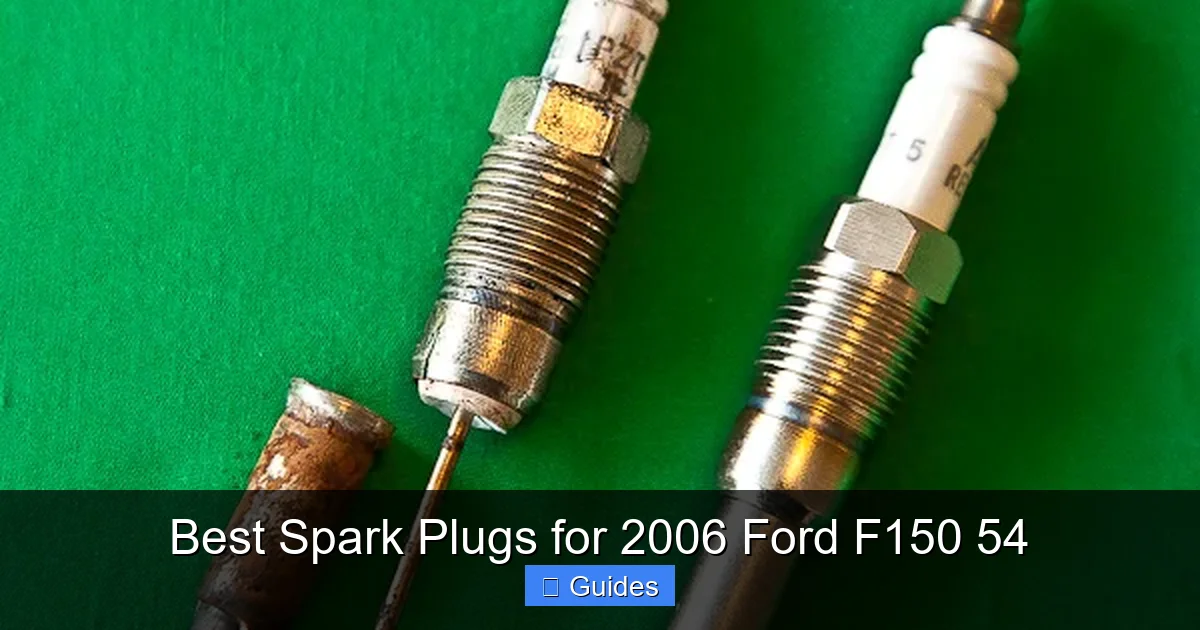
If you experience any of these, inspect your spark plugs. Remove one and check for:
– Heavy carbon buildup (black, sooty deposits)
– Worn or eroded electrodes
– Cracked insulators
– Oil fouling (shiny, wet appearance)
Replacing worn plugs can restore performance and prevent further damage.
Maintenance Tips to Extend Spark Plug Life
Good maintenance goes a long way in keeping your spark plugs—and your engine—healthy.
Follow the Maintenance Schedule
Ford recommends inspecting spark plugs every 30,000 miles and replacing them every 60,000 to 100,000 miles, depending on driving conditions. Stick to this schedule, especially if you drive in stop-and-go traffic or extreme temperatures.
Use Quality Fuel
Low-quality or contaminated fuel can cause carbon buildup and plug fouling. Use top-tier gasoline with detergents to keep combustion chambers clean.
Avoid Short Trips
Frequent short trips don’t allow the engine to reach optimal operating temperature, leading to moisture and carbon buildup. If possible, take longer drives occasionally to “burn off” deposits.
Check Ignition System Components
Worn ignition coils, damaged wires, or faulty sensors can strain spark plugs. Replace coils if they show signs of cracking or arcing.
Keep the Air Filter Clean
A clogged air filter forces the engine to run rich, increasing carbon deposits on plugs. Replace the air filter every 15,000 to 30,000 miles.
Conclusion
Choosing the best spark plugs for your 2006 Ford F150 5.4L doesn’t have to be complicated. With the right information, you can make a smart decision that improves performance, saves fuel, and extends engine life.
For most owners, iridium plugs from NGK or Denso offer the best balance of durability, efficiency, and performance. Motorcraft is ideal for those who prefer OEM parts, while Autolite provides a budget-friendly premium option. Copper plugs are best reserved for specialized applications.
Remember to check the gap, use proper installation techniques, and replace all plugs at once. With regular maintenance, your F150 will continue to deliver the power and reliability you count on.
Investing in quality spark plugs is one of the simplest and most effective ways to keep your truck running strong for years to come.
Frequently Asked Questions
What spark plugs does a 2006 Ford F150 5.4L take?
The 2006 Ford F150 with the 5.4L V8 engine requires 8 spark plugs with a 16mm thread size, 5/8-inch reach, and a gap of 0.052–0.056 inches. Platinum or iridium plugs are recommended for best performance and longevity.
Can I use copper spark plugs in my 2006 F150 5.4L?
Yes, but copper plugs wear out faster and are best for high-performance or racing applications. For daily driving, platinum or iridium plugs are better due to their longer lifespan and improved efficiency.
How often should I replace spark plugs in a 2006 F150 5.4L?
Replace spark plugs every 60,000 to 100,000 miles, depending on driving conditions and plug type. Iridium plugs typically last longer than platinum or copper.
Do I need to gap spark plugs before installing?
Yes, always check the gap with a feeler gauge. Even pre-gapped plugs can vary. The correct gap for the 2006 F150 5.4L is 0.052–0.056 inches.
What happens if I use the wrong spark plugs?
Using incorrect plugs can cause misfires, poor fuel economy, hard starting, or engine damage. Always use plugs designed for your engine’s specifications.
Can I install spark plugs myself?
Yes, with basic tools and care, most truck owners can replace spark plugs at home. Follow proper torque specs and avoid cross-threading to prevent damage.

At CarLegit, we believe information should be clear, factual, and genuinely helpful. That’s why every guide, review, and update on our website is created with care, research, and a strong focus on user experience.