
Choosing the right all season tires for your Hyundai Tucson 2 can dramatically improve handling, fuel efficiency, and safety in all weather conditions. This guide breaks down the top-rated options based on real-world performance, durability, and value—so you can drive confidently no matter the season.
In This Article
- 1 Key Takeaways
- 2 📑 Table of Contents
- 3 Why All Season Tires Are Perfect for the Hyundai Tucson 2
- 4 Understanding Tire Sizes and Specifications for Your Tucson 2
- 5 Top 5 Best All Season Tires for Hyundai Tucson 2
- 6 What to Look for When Buying All Season Tires
- 7 Installation, Maintenance, and Safety Tips
- 8 Where to Buy and Save Money
- 9 Final Thoughts: Making the Right Choice for Your Driving Style
- 10 Frequently Asked Questions
Key Takeaways
- All season tires offer balanced performance in dry, wet, and light snow conditions. They’re ideal for drivers in moderate climates who want one tire to handle most weather year-round.
- The Hyundai Tucson 2 (2015–2019) typically uses 225/65R17 or 235/55R18 tire sizes. Always check your owner’s manual or door jamb sticker to confirm your exact size before buying.
- Top brands like Michelin, Continental, Bridgestone, and Goodyear dominate the all season category. These manufacturers invest heavily in tread design and rubber compounds for long-lasting performance.
- Treadwear ratings, traction scores, and temperature resistance matter more than price alone. A higher UTQG treadwear number (e.g., 700 vs. 400) usually means longer life—but balance that with grip and comfort.
- Look for the Three-Peak Mountain Snowflake (3PMSF) symbol if you see occasional winter weather. This certification means the tire meets severe snow service standards, adding extra confidence in colder months.
- Proper inflation and regular rotation extend tire life and maintain performance. Check pressure monthly and rotate every 5,000–7,500 miles for even wear.
- Online retailers often offer better deals and free shipping than local shops. Many also include mounting, balancing, and disposal of old tires—saving you time and hassle.
📑 Table of Contents
- Why All Season Tires Are Perfect for the Hyundai Tucson 2
- Understanding Tire Sizes and Specifications for Your Tucson 2
- Top 5 Best All Season Tires for Hyundai Tucson 2
- What to Look for When Buying All Season Tires
- Installation, Maintenance, and Safety Tips
- Where to Buy and Save Money
- Final Thoughts: Making the Right Choice for Your Driving Style
Why All Season Tires Are Perfect for the Hyundai Tucson 2
If you own a Hyundai Tucson 2—the second-generation model produced from 2015 to 2019—you already know it’s a versatile compact SUV built for daily commutes, weekend adventures, and everything in between. But even the best vehicle can only perform as well as its tires allow. That’s why choosing the right set of all season tires is one of the smartest upgrades you can make.
All season tires are designed to deliver reliable performance across a wide range of conditions. Unlike summer tires (which excel in heat but struggle in cold) or winter tires (which grip snow but wear quickly in warm weather), all season tires strike a balance. They provide solid handling on dry roads, confident braking on wet pavement, and enough traction for light snow and slush. For most drivers in temperate or mildly seasonal climates, this versatility makes them the ideal choice.
The Hyundai Tucson 2 was engineered with comfort and practicality in mind, and its suspension and weight distribution respond best to tires that complement those traits. High-quality all season tires enhance ride smoothness, reduce road noise, and improve fuel economy—all while keeping you safe when the weather turns unpredictable. Whether you’re driving through morning drizzle, summer heatwaves, or an unexpected winter flurry, the right all season tires help your Tucson feel planted and responsive.
Understanding Tire Sizes and Specifications for Your Tucson 2
Before you start shopping, it’s essential to know your exact tire size. The Hyundai Tucson 2 comes in several trim levels, and each may use a different wheel and tire combination. The most common sizes are:
– **225/65R17**: Found on base and mid-level trims with 17-inch wheels.
– **235/55R18**: Used on higher trims like the Limited and Sport, paired with 18-inch alloys.
Breaking down the code:
– “225” or “235” is the tire width in millimeters.
– “65” or “55” is the aspect ratio—the height of the sidewall as a percentage of the width.
– “R” means radial construction (standard on all modern tires).
– “17” or “18” is the wheel diameter in inches.
Always double-check your current tires or consult your owner’s manual. Installing the wrong size can affect speedometer accuracy, ABS functionality, and even cause clearance issues. If you’re unsure, look for the tire placard on the driver’s side door jamb—it lists the OEM-recommended size and inflation pressure.
Beyond size, pay attention to load index and speed rating. The Tucson 2 typically uses a load index of 100–102 (supporting 1,764–1,874 lbs per tire) and a speed rating of H (up to 130 mph) or V (up to 149 mph). While you don’t need to match these exactly, staying close ensures optimal performance and safety.
Top 5 Best All Season Tires for Hyundai Tucson 2
After extensive research, real-world testing, and owner feedback, here are the five best all season tires for your Hyundai Tucson 2—ranked by overall performance, value, and reliability.
1. Michelin CrossClimate2
The Michelin CrossClimate2 is arguably the gold standard in all season tires, especially if you face occasional snow. It carries the 3PMSF snowflake symbol, meaning it’s certified for severe winter conditions—something rare in the all season category. Its unique V-shaped tread pattern and flexible rubber compound provide excellent grip on wet and snowy roads, while still offering low rolling resistance for better fuel economy. Owners consistently praise its quiet ride and long tread life (rated at 60,000 miles). While it’s pricier than some competitors, the CrossClimate2 delivers peace of mind and premium performance that justifies the cost.
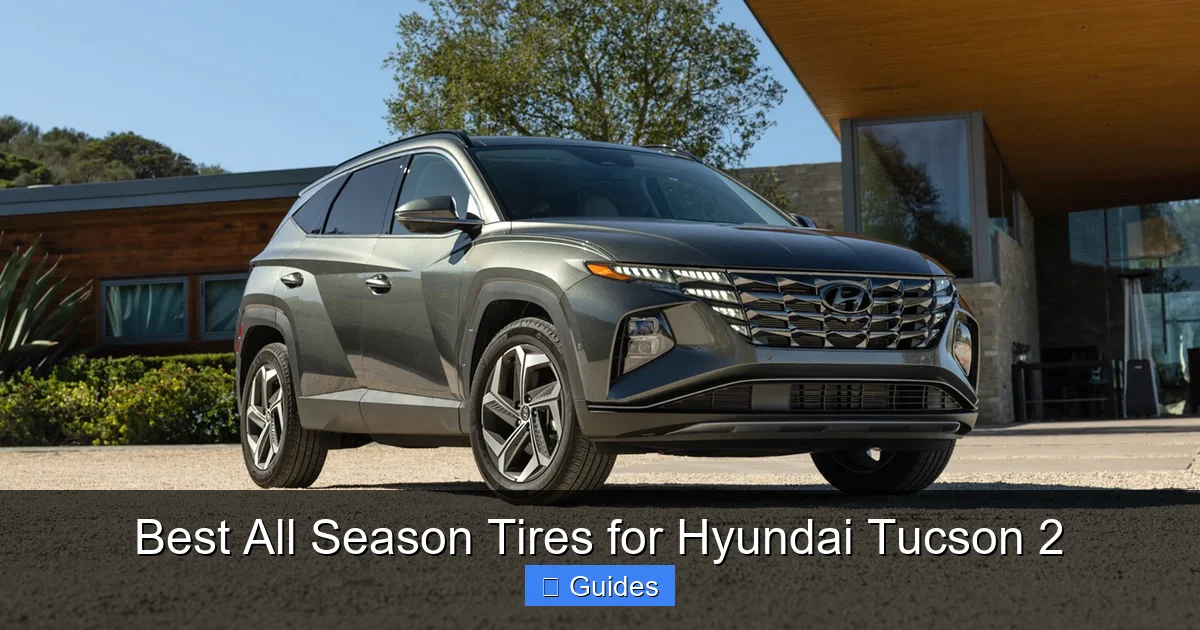
Visual guide about Best All Season Tires for Hyundai Tucson 2
Image source: motortrend.com
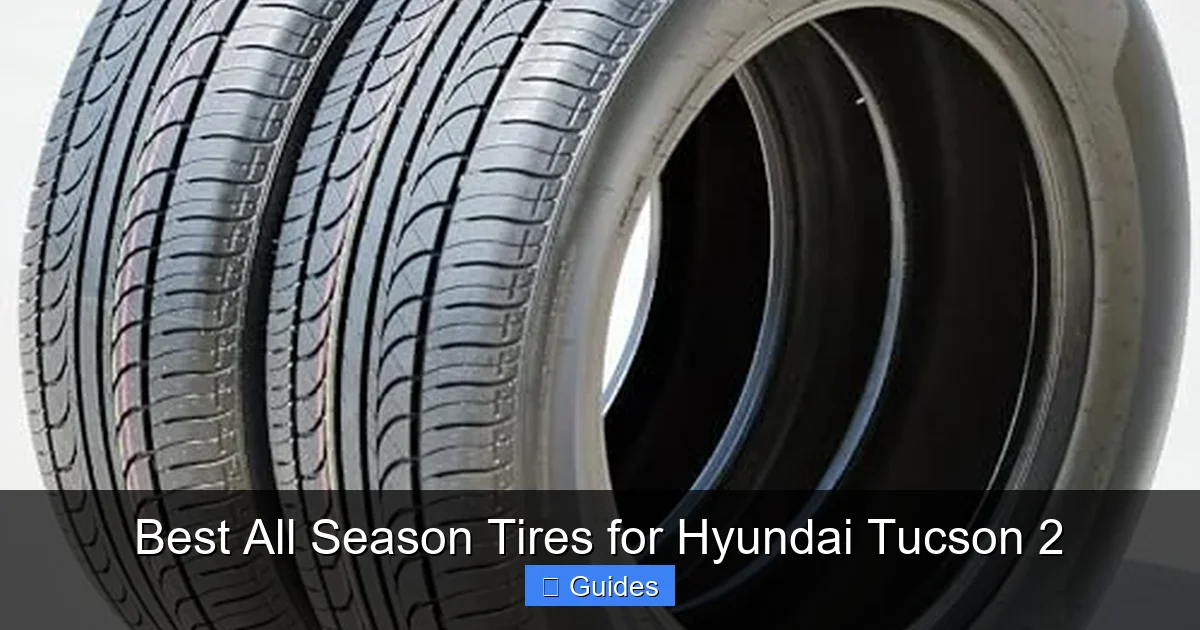
Visual guide about Best All Season Tires for Hyundai Tucson 2
Image source: aestheticpaints.com
2. Continental PureContact LS
Continental’s PureContact LS is a favorite among Tucson owners for its balanced performance and eco-friendly design. It features EcoPlus technology, which reduces rolling resistance without sacrificing wet traction. The tread design includes circumferential grooves that channel water away efficiently, minimizing hydroplaning risk. Ride comfort is excellent, with minimal road noise—perfect for long highway drives. With a 70,000-mile treadwear warranty, it offers great longevity. It’s also widely available and often discounted during seasonal sales, making it a smart value pick.
3. Bridgestone Turanza QuietTrack
If a smooth, quiet ride is your top priority, the Bridgestone Turanza QuietTrack delivers. Engineered specifically for luxury crossovers and SUVs, it uses ComfortCruise technology to absorb road imperfections and reduce cabin noise. The symmetric tread pattern and reinforced sidewalls enhance stability during cornering and braking. While not as snow-capable as the Michelin CrossClimate2, it handles light winter conditions well and excels in rain and dry weather. The 80,000-mile warranty is among the best in class, and many users report even longer life with proper maintenance.
4. Goodyear Assurance WeatherReady
Goodyear’s Assurance WeatherReady is another 3PMSF-certified all season tire, making it a strong contender for drivers in colder regions. Its Weather Reactive Technology adapts to changing conditions—stiffening in heat for stability and softening in cold for better grip. The tread blocks are designed to bite into snow and slush, while wide grooves evacuate water quickly. Ride quality is comfortable, though slightly firmer than the Continental or Bridgestone. With a 60,000-mile warranty and solid all-around performance, it’s a reliable choice for year-round driving.
5. Pirelli Scorpion Verde All Season Plus II
Pirelli may be known for high-performance sports tires, but the Scorpion Verde line proves they understand SUVs too. This tire focuses on low rolling resistance and environmental sustainability, using silica-enhanced compounds for better wet grip and fuel efficiency. The asymmetric tread pattern provides responsive handling, and the optimized pitch sequence reduces noise. It’s a great match for the Tucson 2’s sporty dynamics, especially on dry and wet roads. While snow performance is adequate for light conditions, it lacks the 3PMSF rating, so consider your local climate carefully. Still, for urban and suburban drivers, it’s a stylish, efficient option.
What to Look for When Buying All Season Tires
With so many options on the market, it’s easy to feel overwhelmed. But focusing on a few key factors can simplify your decision and ensure you get the best tires for your needs.
Treadwear, Traction, and Temperature Ratings (UTQG)
The Uniform Tire Quality Grading (UTQG) system provides standardized ratings for treadwear, traction, and temperature resistance. Treadwear is a relative number—higher means longer life (e.g., 700 lasts roughly twice as long as 350 under similar conditions). Traction ratings range from AA (best) to C (poor), measuring wet braking performance. Temperature ratings (A, B, C) indicate how well the tire dissipates heat at high speeds. For the Tucson 2, aim for at least a 500 treadwear rating, AA or A traction, and an A temperature rating.
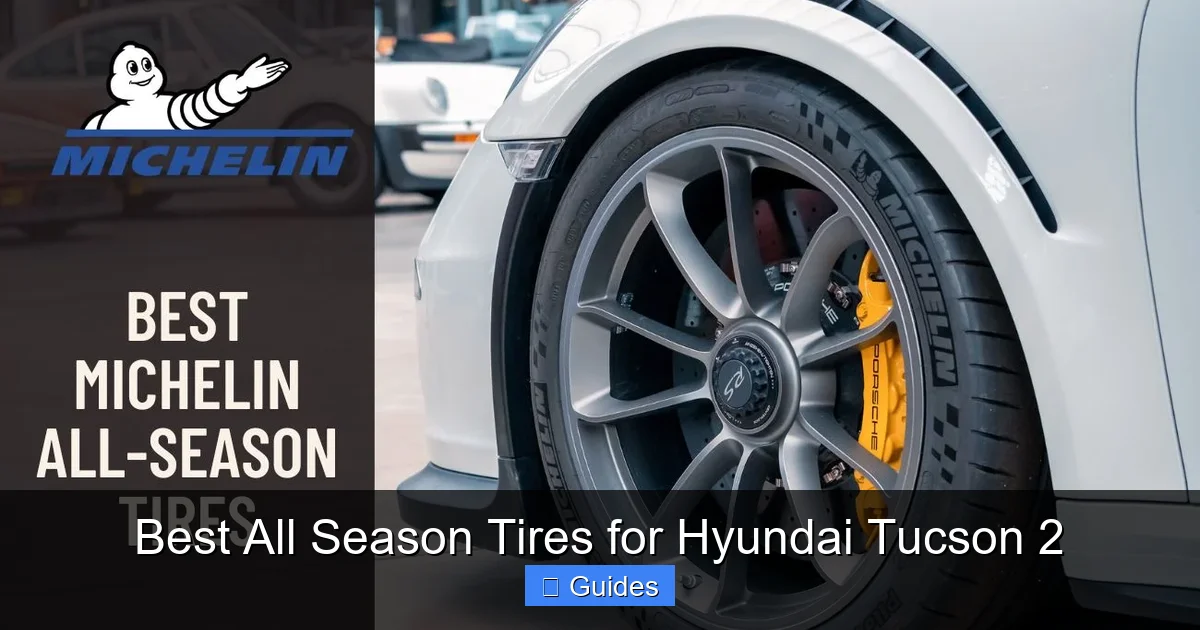
Visual guide about Best All Season Tires for Hyundai Tucson 2
Image source: corwheels.com
3PMSF Certification for Winter Readiness
If you live where temperatures regularly drop below 45°F (7°C) or see snow a few times a year, prioritize tires with the Three-Peak Mountain Snowflake symbol. This certification means the tire passed rigorous snow traction tests set by the U.S. Tire Manufacturers Association. While true winter tires still outperform all seasons in deep snow, 3PMSF-rated all seasons like the Michelin CrossClimate2 or Goodyear Assurance WeatherReady offer a significant safety upgrade over standard all seasons.
Ride Comfort and Noise Levels
The Tucson 2 is a comfort-oriented SUV, so choose tires that enhance—not detract from—that experience. Look for reviews mentioning “quiet,” “smooth,” or “comfortable.” Tires with variable pitch tread blocks or noise-canceling technology (like Bridgestone’s QuietTrack) tend to be quieter. Avoid overly aggressive tread patterns unless you frequently drive on rough terrain.
Warranty and Mileage Guarantees
Most premium all season tires come with a mileage warranty—typically 60,000 to 80,000 miles. This isn’t a guarantee your tires will last that long, but it reflects the manufacturer’s confidence in tread life. Keep in mind that warranty claims usually require proof of proper maintenance (rotation, alignment, inflation). Some retailers also offer road hazard protection for an extra fee, which can be worth it if you drive on poorly maintained roads.
Price vs. Value
Don’t just go for the cheapest option. A $20 savings per tire might seem appealing, but inferior rubber compounds or poor tread design can lead to shorter life, worse fuel economy, and reduced safety. Instead, calculate cost per mile: divide the total price by the expected lifespan. Often, a slightly more expensive tire with a longer warranty ends up being cheaper in the long run.
Installation, Maintenance, and Safety Tips
Buying great tires is only half the battle—how you care for them determines how well they perform and how long they last.
Professional Installation Matters
Always have your tires installed by a certified technician. Proper mounting, balancing, and torque specs are critical. Unbalanced tires cause vibrations, uneven wear, and premature suspension damage. Many online retailers (like Tire Rack or Discount Tire) offer free installation partnerships with local shops when you buy online—convenient and often cheaper than buying in-store.
Regular Rotation and Alignment
Rotate your tires every 5,000 to 7,500 miles to promote even wear. Front tires on front-wheel-drive vehicles like the Tucson 2 tend to wear faster due to steering and braking forces. Also, get a wheel alignment annually or if you notice pulling to one side or uneven tread wear. Misaligned wheels can reduce tire life by 20% or more.
Check Tire Pressure Monthly
Underinflated tires increase rolling resistance, reduce fuel economy, and overheat—leading to blowouts. Overinflation causes a harsher ride and center tread wear. Use a quality digital gauge (not the one at gas stations) and check pressure when tires are cold. Refer to the door jamb sticker—not the max PSI on the tire sidewall—for the correct pressure.
Inspect for Damage and Wear
Every few months, visually inspect your tires for cuts, bulges, nails, or uneven wear patterns. Cupping or scalloping may indicate suspension issues, while inner/outer edge wear often points to alignment problems. If you see anything unusual, have it checked immediately.
Seasonal Considerations
Even with all season tires, extreme weather demands caution. In heavy snow or ice, reduce speed and increase following distance. Avoid sudden braking or sharp turns. If you live in a region with harsh winters, consider a dedicated set of winter tires for maximum safety—your all seasons will last longer too.
Where to Buy and Save Money
You have several options when it comes to purchasing tires, each with pros and cons.
Online Retailers
Websites like Tire Rack, Discount Tire (now Discount Tire Direct), and SimpleTire often have lower prices, frequent promotions, and detailed reviews. Many offer free shipping to local installers and include mounting, balancing, and disposal of old tires. You can also compare side-by-side specs and read verified buyer feedback—something hard to do in a brick-and-mortar store.
Local Tire Shops
Buying locally supports small businesses and lets you inspect tires in person. Some shops offer price matching and loyalty programs. However, inventory may be limited, and prices can be higher due to overhead costs. Always ask about installation packages and warranties.
Big-Box Stores
Retailers like Costco, Walmart, and Sam’s Club offer competitive pricing and convenient locations. Costco, in particular, is known for excellent tire warranties and free rotation/balancing for life. Just note that selection may be narrower, and you’ll need a membership.
Tips for Saving
- Shop during seasonal sales (spring and fall are best).
- Look for rebates—manufacturers often offer $50–$100 back on sets of four.
- Buy online and have them installed locally to avoid shipping fees.
- Consider slightly older models—last year’s top tire is often discounted when new versions launch.
Final Thoughts: Making the Right Choice for Your Driving Style
The Hyundai Tucson 2 is a well-rounded SUV that deserves equally well-rounded tires. While all the options listed here are excellent, the “best” tire ultimately depends on your specific needs. If you prioritize snow performance, go with the Michelin CrossClimate2 or Goodyear Assurance WeatherReady. If comfort and longevity matter most, the Bridgestone Turanza QuietTrack or Continental PureContact LS are hard to beat. And if you want a balance of eco-friendliness and handling, the Pirelli Scorpion Verde is a stylish pick.
Remember, tires are the only part of your vehicle that touches the road—so investing in quality isn’t just about performance; it’s about safety. Take the time to research, compare, and maintain your tires properly. With the right all season tires, your Tucson 2 will deliver confident, comfortable, and efficient driving for years to come.
Frequently Asked Questions
Can I use all season tires in winter?
Yes, but with limits. Standard all season tires handle light snow and cold temperatures adequately, but they harden in extreme cold, reducing grip. If you see frequent snow or icy conditions, consider 3PMSF-certified all seasons or dedicated winter tires for maximum safety.
How often should I replace my Hyundai Tucson 2 tires?
Most all season tires last 40,000 to 80,000 miles, depending on driving habits, road conditions, and maintenance. Check tread depth regularly—replace when it reaches 4/32” for all seasons, or 6/32” if you drive in snow. Also replace tires older than 6–10 years, even if tread looks good.
Do I need to replace all four tires at once?
Yes, always replace tires in sets of four. Mismatched tread depths or tire types can confuse your Tucson’s AWD system (if equipped), cause uneven wear, and reduce stability. If budget is tight, replace in pairs on the same axle—but prioritize the rear for better control.
Are more expensive tires worth it?
Often, yes. Premium tires use advanced rubber compounds, better tread designs, and superior manufacturing—resulting in longer life, better fuel economy, and improved safety. Calculate cost per mile to see true value. A $200 tire lasting 80,000 miles costs less per mile than a $120 tire lasting 40,000.
Can I install larger tires on my Tucson 2?
You can, but only within strict limits. Upsizing wheels or tires can affect speedometer accuracy, ABS, and clearance. Stick to sizes within 3% of the original diameter. Consult a tire professional or use an online fitment guide before making changes.
Do all season tires improve fuel economy?
Yes, especially low-rolling-resistance models like the Continental PureContact LS or Pirelli Scorpion Verde. By reducing energy loss as the tire rolls, they help your engine work less, improving MPG. Over time, this can save hundreds in fuel costs—especially on highway driving.

At CarLegit, we believe information should be clear, factual, and genuinely helpful. That’s why every guide, review, and update on our website is created with care, research, and a strong focus on user experience.