
Upgrading the shocks and struts on your 2003 Toyota Tundra can dramatically improve ride comfort, handling, and safety. Whether you’re hauling heavy loads, off-roading, or just commuting, the right suspension components make all the difference. This guide covers the top-rated options, installation tips, and what to look for when choosing the best shocks and struts for your Tundra.
In This Article
- 1 Key Takeaways
- 2 📑 Table of Contents
- 3 Why Upgrading Shocks and Struts Matters for Your 2003 Toyota Tundra
- 4 Understanding Shocks vs. Struts: What’s the Difference?
- 5 Top Factors to Consider When Choosing Shocks and Struts
- 6 Best Shocks and Struts for 2003 Toyota Tundra: Top Picks
- 7 Installation Tips and What to Expect
- 8 Maintenance Tips to Extend the Life of Your Shocks and Struts
- 9 Conclusion: Make the Right Choice for Your Tundra
- 10 Frequently Asked Questions
- 10.1 How often should I replace shocks and struts on my 2003 Toyota Tundra?
- 10.2 Can I replace just the rear shocks and keep the front struts?
- 10.3 Will new shocks and struts improve my Tundra’s towing capacity?
- 10.4 Do I need a wheel alignment after replacing front struts?
- 10.5 Are aftermarket shocks and struts better than OEM?
- 10.6 Can I install shocks and struts myself?
Key Takeaways
- Shocks and struts are critical for ride quality and vehicle control: They absorb road impacts, reduce body roll, and keep tires in contact with the road.
- OEM replacements offer reliability: Toyota Genuine Parts are built to factory specs and ensure a seamless fit for your 2003 Tundra.
- Aftermarket upgrades enhance performance: Brands like Bilstein, KYB, and Rancho offer improved durability and handling for off-road or heavy-duty use.
- Consider your driving needs: Choose monotube shocks for performance, twin-tube for comfort, or adjustable shocks for versatility.
- Professional installation is recommended: While DIY is possible, proper alignment and torque specs are essential for safety and performance.
- Regular inspection extends suspension life: Check for leaks, noise, or uneven tire wear every 10,000 miles.
- Front struts are more complex than rear shocks: The front suspension on the Tundra uses strut assemblies, which include the spring and shock in one unit.
📑 Table of Contents
- Why Upgrading Shocks and Struts Matters for Your 2003 Toyota Tundra
- Understanding Shocks vs. Struts: What’s the Difference?
- Top Factors to Consider When Choosing Shocks and Struts
- Best Shocks and Struts for 2003 Toyota Tundra: Top Picks
- Installation Tips and What to Expect
- Maintenance Tips to Extend the Life of Your Shocks and Struts
- Conclusion: Make the Right Choice for Your Tundra
Why Upgrading Shocks and Struts Matters for Your 2003 Toyota Tundra
If you’re driving a 2003 Toyota Tundra, you already know it’s a rugged, dependable truck built to handle tough jobs. But over time, even the most reliable vehicles start to show their age—especially when it comes to the suspension system. The shocks and struts are the unsung heroes of your ride, quietly working to absorb bumps, control body movement, and keep your tires firmly planted on the road. When they wear out, you’ll notice a decline in comfort, handling, and safety.
Think of shocks and struts like the suspension’s shock absorbers—literally. Every time you hit a pothole, speed bump, or uneven terrain, these components compress and rebound to smooth out the impact. Without them, your truck would bounce uncontrollably, making it hard to steer and increasing stopping distances. For a 2003 Tundra, which was designed for both work and daily driving, maintaining a healthy suspension system is essential—whether you’re towing a trailer, hauling gear, or just cruising down the highway.
Upgrading your shocks and struts isn’t just about fixing a problem—it’s about enhancing your driving experience. New or high-performance components can restore that “like-new” feel, improve cornering stability, and even extend the life of other suspension parts like ball joints and tie rods. Plus, with so many aftermarket options available today, you can tailor your suspension to match your specific needs, whether that’s off-road capability, towing power, or a smoother ride for long commutes.
Understanding Shocks vs. Struts: What’s the Difference?
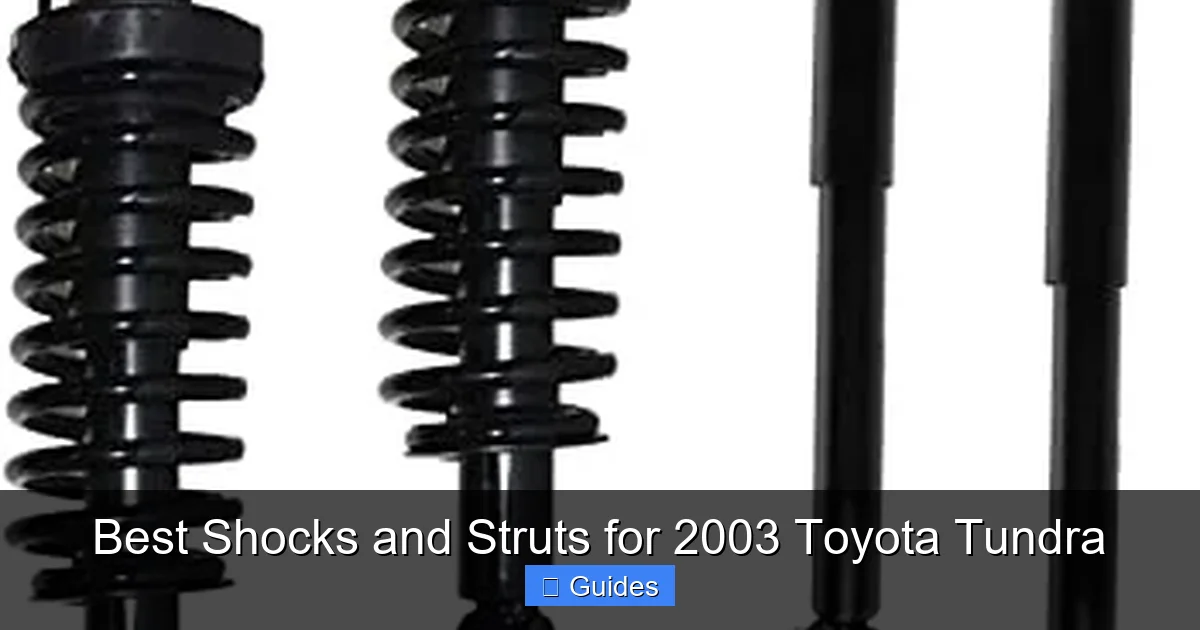
Visual guide about Best Shocks and Struts for 2003 Toyota Tundra
Image source: autoactuality.com
Before diving into product recommendations, it’s important to understand the difference between shocks and struts—especially since the 2003 Toyota Tundra uses both. While they serve similar purposes, their design and function are quite different.
What Are Shocks?
Shock absorbers, or “shocks,” are standalone components that control the movement of your truck’s suspension springs and suspension linkage. They don’t support the vehicle’s weight directly—instead, they dampen the oscillations caused by bumps and dips in the road. On the 2003 Tundra, the rear suspension uses traditional shock absorbers mounted between the axle and the frame.
Shocks work by forcing hydraulic fluid through small valves inside a piston. This resistance slows down the spring’s movement, preventing excessive bouncing. Over time, seals can wear out, fluid can leak, and the shocks lose their effectiveness. Signs of worn shocks include a bouncy ride, nose-diving during braking, and excessive body sway in turns.
What Are Struts?
Struts, on the other hand, are a more complex assembly that combines a shock absorber with a coil spring and other structural components. On the 2003 Tundra, the front suspension uses MacPherson struts, which serve as both a shock absorber and a key part of the steering and suspension geometry. Because struts are integrated into the vehicle’s structure, replacing them is more involved than swapping out rear shocks.
Struts support the vehicle’s weight and help maintain proper wheel alignment. When they fail, you might notice uneven tire wear, a clunking noise when turning, or a noticeable drop in ride height on one side. Because of their critical role, it’s especially important to choose high-quality struts when upgrading your Tundra’s front suspension.
Why the Distinction Matters
Knowing whether you need shocks, struts, or both helps you make smarter purchasing decisions. The 2003 Tundra requires front struts and rear shocks, so a full suspension upgrade typically involves replacing all four components. Some aftermarket kits include both, while others are sold individually. Understanding the difference also helps when diagnosing issues—replacing a strut isn’t the same as installing a shock, and mixing up the two can lead to poor performance or safety risks.
Top Factors to Consider When Choosing Shocks and Struts

Visual guide about Best Shocks and Struts for 2003 Toyota Tundra
Image source: autoactuality.com
Not all shocks and struts are created equal. With so many options on the market, it’s easy to get overwhelmed. To help you make the best choice for your 2003 Toyota Tundra, here are the key factors to consider before buying.
1. Driving Conditions and Usage
Your driving habits play a huge role in determining the right suspension setup. If you mostly drive on smooth city streets, a comfort-oriented twin-tube shock might be ideal. But if you frequently tow trailers, haul heavy loads, or venture off-road, you’ll want something more robust—like a monotube or gas-charged shock designed for heavy-duty use.
For example, if you use your Tundra for weekend camping trips on dirt roads, you might benefit from shocks with increased damping force and better heat dissipation. On the other hand, if you’re using it as a daily driver with occasional light towing, a balanced performance shock will offer the best mix of comfort and control.
2. Shock Design: Monotube vs. Twin-Tube
There are two main types of shock absorber designs: monotube and twin-tube. Each has its pros and cons.
Monotube shocks feature a single tube with a floating piston separating the oil and gas chambers. This design allows for better heat dissipation and more consistent performance under heavy use. They’re often preferred for performance driving, towing, and off-roading because they resist fade during prolonged stress.
Twin-tube shocks, on the other hand, have an inner and outer tube. The inner tube houses the piston and valve system, while the outer tube acts as a reservoir for excess fluid. These are generally more affordable and provide a softer, more comfortable ride—ideal for everyday driving.
For the 2003 Tundra, monotube shocks are a popular upgrade for those seeking improved handling and durability, while twin-tube shocks are great for maintaining a factory-like ride.
3. Gas-Charged vs. Hydraulic
Most modern shocks are gas-charged, meaning they’re filled with nitrogen gas to prevent aeration (foaming) of the hydraulic fluid. This ensures consistent damping performance, even during rapid or repeated compression.
Hydraulic shocks, which rely solely on fluid, are less common today but can still be found in some budget options. They’re more prone to fade under heavy use and are generally not recommended for trucks that see frequent towing or off-road duty.
For your Tundra, gas-charged shocks are the way to go—especially if you want reliable performance in all conditions.
4. Adjustability
Some high-end shocks offer adjustable damping, allowing you to fine-tune the ride stiffness based on your needs. This is particularly useful if you switch between light daily driving and heavy towing or off-roading.
Adjustable shocks typically feature a dial or knob that changes the valve resistance inside the shock. While they’re more expensive, they offer unmatched versatility. If you’re someone who uses your Tundra for multiple purposes, this could be a worthwhile investment.
5. Brand Reputation and Warranty
Stick with reputable brands known for quality and durability. Companies like Bilstein, KYB, Rancho, and Monroe have long histories of producing reliable suspension components. Look for products with solid warranties—many offer limited lifetime coverage, which is a good sign of confidence in their product.
Avoid cheap, no-name brands that may save you money upfront but fail prematurely, leading to more frequent replacements and potential safety issues.
6. Compatibility and Fitment
Not all shocks and struts fit every vehicle. Make sure the parts you choose are specifically designed for the 2003 Toyota Tundra. Check the year, model, cab configuration (regular, access, or double cab), and whether your truck has 2WD or 4WD, as these factors can affect suspension geometry and part compatibility.
Many retailers offer fitment tools on their websites—simply enter your vehicle details to see compatible options.
Best Shocks and Struts for 2003 Toyota Tundra: Top Picks

Visual guide about Best Shocks and Struts for 2003 Toyota Tundra
Image source: autoactuality.com
Now that you know what to look for, let’s dive into the best shocks and struts available for your 2003 Toyota Tundra. These recommendations are based on performance, durability, customer reviews, and value for money.
Bilstein 5100 Series Shocks and Struts
Bilstein is a legendary name in the suspension world, and the 5100 series is one of their most popular offerings for trucks like the Tundra. These monotube gas shocks are designed for both on- and off-road use, offering excellent damping control and heat resistance.
The 5100 series features a zinc-plated steel body for corrosion resistance and a high-pressure nitrogen charge to prevent fade. They’re available as both front struts and rear shocks, and many users report a noticeable improvement in ride quality and handling—especially when towing or driving on rough terrain.
One standout feature is the 5100’s ability to be installed at different ride heights. The front struts can be adjusted to provide up to 2 inches of lift, which is great if you want a slightly taller stance without a full suspension lift kit.
KYB MonoMax Gas Shocks
KYB is another trusted brand, and the MonoMax series is their heavy-duty offering for trucks and SUVs. These monotube shocks are built for tough conditions, with a large piston diameter and high-pressure gas charge for maximum damping power.
The MonoMax shocks are ideal for Tundra owners who frequently tow or haul heavy loads. They provide firm, controlled compression and rebound, reducing body roll and improving stability. While they’re stiffer than stock shocks, the trade-off is worth it for the added confidence on the road.
KYB also offers a complete strut assembly for the front, which includes the shock, spring, and mounting hardware—making installation easier and ensuring proper alignment.
Rancho RS9000XL Adjustable Shocks
If you want the ultimate in customization, the Rancho RS9000XL is hard to beat. These shocks feature nine levels of adjustable damping, allowing you to dial in the perfect ride for any situation—from smooth highways to rocky trails.
The RS9000XL uses a twin-tube design with a high-pressure gas charge and a unique “Impact” technology that responds instantly to road changes. The adjustment knob is located at the bottom of the shock, so you can tweak the setting without removing the wheel.
While they’re more expensive than standard shocks, the versatility makes them a favorite among off-roaders and those who use their Tundra for multiple purposes.
Monroe OESpectrum Shocks and Struts
For drivers who prioritize comfort and a factory-like ride, the Monroe OESpectrum series is an excellent choice. These twin-tube shocks are designed to match or exceed OEM performance, offering a smooth, quiet ride with reliable durability.
The OESpectrum shocks feature Monroe’s patented “Impact” technology, which uses advanced valving to respond to road conditions in real time. They’re also built with a corrosion-resistant coating and durable seals to extend service life.
While not as performance-oriented as Bilstein or Rancho, the OESpectrum is a great option for daily drivers who want a hassle-free, budget-friendly upgrade.
Toyota Genuine Parts Struts and Shocks
If you prefer to stick with OEM quality, Toyota Genuine Parts are the way to go. These are the exact same components that came on your Tundra from the factory, ensuring perfect fit, performance, and reliability.
While they may not offer the enhanced performance of aftermarket upgrades, OEM parts are ideal for maintaining warranty coverage, ensuring compatibility, and preserving the original driving characteristics of your truck.
They’re also often covered by Toyota’s warranty, which can provide peace of mind. However, they tend to be more expensive than aftermarket alternatives, so weigh the cost against the benefits.
Installation Tips and What to Expect
Replacing shocks and struts on a 2003 Toyota Tundra is a job many DIYers can tackle, but it’s not without its challenges—especially when it comes to the front struts.
Tools You’ll Need
Before you start, gather the following tools:
– Jack and jack stands (or a lift)
– Lug wrench
– Socket set and wrenches
– Torque wrench
– Spring compressor (for front struts)
– Penetrating oil (like WD-40)
– Pry bar
Step-by-Step Overview
1. **Lift the truck safely:** Use a jack to lift the vehicle and secure it with jack stands. Never work under a vehicle supported only by a jack.
2. **Remove the wheels:** Take off the wheels to access the suspension components.
3. **Front strut replacement:** This is the most complex part. You’ll need to disconnect the sway bar link, brake line bracket, and lower control arm. Then, use a spring compressor to safely remove the strut assembly from the steering knuckle. Once the old strut is out, transfer the spring to the new strut (if not pre-assembled) and reinstall.
4. **Rear shock replacement:** Much simpler. Remove the upper and lower mounting bolts, pull out the old shock, and install the new one. Torque the bolts to spec.
5. **Reinstall wheels and lower the truck:** Once everything is in place, put the wheels back on, lower the truck, and torque the lug nuts.
6. **Alignment check:** After replacing front struts, it’s highly recommended to get a wheel alignment. Even slight changes in suspension geometry can affect tire wear and handling.
Professional Installation: When to Call a Mechanic
If you’re not comfortable using a spring compressor or don’t have the right tools, it’s best to leave front strut replacement to a professional. Improper installation can lead to spring failure, which is extremely dangerous.
Most mechanics charge between $200 and $400 for a full shock and strut replacement, depending on labor rates and location. While it’s more expensive than DIY, it ensures the job is done safely and correctly.
Maintenance Tips to Extend the Life of Your Shocks and Struts
Once you’ve upgraded your suspension, a little maintenance goes a long way in keeping it performing at its best.
Inspect Regularly
Check your shocks and struts every 10,000 miles or during routine oil changes. Look for signs of leakage (oil on the shock body), physical damage, or excessive bouncing when you press down on each corner of the truck.
Watch for Warning Signs
Common symptoms of worn shocks and struts include:
– Excessive bouncing after hitting a bump
– Nose-diving during braking
– Poor cornering stability
– Uneven tire wear
– Knocking or clunking noises
If you notice any of these, it’s time for an inspection.
Keep It Clean
Dirt and debris can damage shock seals over time. Rinse off your suspension components after off-roading or driving in muddy conditions.
Avoid Overloading
Exceeding your Tundra’s payload or towing capacity puts extra stress on the suspension. Stick to the manufacturer’s guidelines to prevent premature wear.
Conclusion: Make the Right Choice for Your Tundra
Upgrading the shocks and struts on your 2003 Toyota Tundra is one of the most impactful improvements you can make. Not only does it restore ride comfort and handling, but it also enhances safety and extends the life of your truck.
Whether you choose high-performance Bilsteins for off-road adventures, reliable KYBs for heavy-duty use, or OEM Toyota parts for factory-like quality, the key is matching the product to your driving needs. Take the time to research, consider your usage, and invest in quality components from trusted brands.
And remember—proper installation and regular maintenance are just as important as the parts themselves. With the right shocks and struts, your Tundra will feel like new again, ready to tackle whatever the road throws at it.
Frequently Asked Questions
How often should I replace shocks and struts on my 2003 Toyota Tundra?
Most experts recommend inspecting shocks and struts every 10,000 miles and replacing them every 50,000 to 100,000 miles, depending on driving conditions. Off-road or heavy-duty use may require more frequent replacement.
Can I replace just the rear shocks and keep the front struts?
Yes, you can replace shocks and struts individually. However, for balanced performance and safety, it’s best to replace all four components at the same time, especially if they’re all near the end of their lifespan.
Will new shocks and struts improve my Tundra’s towing capacity?
New shocks and struts won’t increase the manufacturer’s towing capacity, but they will improve stability, reduce sway, and enhance control when towing—making the experience safer and more comfortable.
Do I need a wheel alignment after replacing front struts?
Yes, a wheel alignment is strongly recommended after replacing front struts. The process can alter suspension geometry, leading to uneven tire wear and poor handling if not corrected.
Are aftermarket shocks and struts better than OEM?
Aftermarket parts can offer better performance, durability, and features than OEM, especially for off-road or heavy-duty use. However, OEM parts ensure perfect fit and are ideal for maintaining factory ride quality.
Can I install shocks and struts myself?
Rear shocks are relatively easy to install with basic tools. Front struts require a spring compressor and more advanced skills—DIY is possible but risky if you’re not experienced. Professional installation is recommended for struts.

At CarLegit, we believe information should be clear, factual, and genuinely helpful. That’s why every guide, review, and update on our website is created with care, research, and a strong focus on user experience.