
Choosing the right brake pads and rotors for your Toyota Corolla is essential for safe, reliable stopping power and long-term performance. Whether you drive daily in the city or take weekend road trips, upgrading to high-quality components can improve braking response, reduce noise, and extend the life of your braking system.
In This Article
- 1 Key Takeaways
- 2 📑 Table of Contents
- 3 Why Brake Pads and Rotors Matter for Your Toyota Corolla
- 4 Understanding Brake Pads: Types, Materials, and Performance
- 5 Brake Rotors: Types, Features, and Why They Matter
- 6 Top Brake Pad and Rotor Recommendations for Toyota Corolla
- 6.1 Best Overall: Akebono ProAct Ceramic Brake Pads + Power Stop Evolution Coated Rotors
- 6.2 Best for Performance: EBC Brakes Redstuff Ceramic Pads + StopTech Slotted Rotors
- 6.3 Best Budget Option: Wagner ThermoQuiet Ceramic Pads + Duralast Gold Rotors
- 6.4 Best OEM Replacement: Toyota Genuine Brake Pads + OEM Rotors
- 6.5 Best for Winter Driving: Power Stop Z23 Evolution Sport Pads + Coated Drilled/Slotted Rotors
- 7 How to Choose the Right Brake Setup for Your Corolla
- 8 Signs It’s Time to Replace Your Brake Pads and Rotors
- 9 Maintenance Tips to Extend Brake Life
- 10 Conclusion: Invest in Safety and Performance
- 11 Frequently Asked Questions
- 11.1 How often should I replace brake pads on a Toyota Corolla?
- 11.2 Can I mix different brands of brake pads and rotors?
- 11.3 Are ceramic brake pads worth the extra cost?
- 11.4 Do I need to replace both front and rear brakes at the same time?
- 11.5 Can I install brake pads and rotors myself?
- 11.6 Will aftermarket brakes void my Toyota warranty?
Key Takeaways
- Quality matters: Premium brake pads and rotors offer better stopping power, durability, and reduced wear on your Toyota Corolla.
- Match your driving style: Choose ceramic pads for quiet, clean city driving or semi-metallic for heavy use and performance.
- OEM vs. aftermarket: OEM parts ensure factory fit, while aftermarket options often provide better performance at a lower cost.
- Rotors impact performance: Slotted, drilled, or coated rotors improve heat dissipation and reduce brake fade.
- Regular maintenance is key: Inspect brakes every 10,000–15,000 miles and replace pads before they wear down to metal.
- Professional installation recommended: Proper alignment and bedding-in ensure optimal brake performance and safety.
- Budget wisely: Investing in mid-to-high-tier brake components pays off in safety and longevity over time.
📑 Table of Contents
- Why Brake Pads and Rotors Matter for Your Toyota Corolla
- Understanding Brake Pads: Types, Materials, and Performance
- Brake Rotors: Types, Features, and Why They Matter
- Top Brake Pad and Rotor Recommendations for Toyota Corolla
- How to Choose the Right Brake Setup for Your Corolla
- Signs It’s Time to Replace Your Brake Pads and Rotors
- Maintenance Tips to Extend Brake Life
- Conclusion: Invest in Safety and Performance
Why Brake Pads and Rotors Matter for Your Toyota Corolla
Your Toyota Corolla is known for its reliability, fuel efficiency, and smooth ride. But no matter how well-engineered your car is, it’s only as safe as its braking system. Brake pads and rotors are the heart of that system—working together to slow and stop your vehicle safely. Over time, these components wear down, and replacing them with the right parts can make a huge difference in performance, safety, and driving comfort.
Many Corolla owners delay brake maintenance because the car still “stops fine.” But here’s the truth: worn brake pads reduce stopping distance, increase heat buildup, and can damage rotors. In worst-case scenarios, they lead to brake failure. Upgrading to high-quality brake pads and rotors not only restores your Corolla’s original braking capability but can actually improve it—especially if you’ve added performance modifications or drive in demanding conditions.
Whether you’re commuting through stop-and-go traffic, navigating mountain roads, or simply want peace of mind, choosing the best brake pads and rotors for your Toyota Corolla is a smart investment. In this guide, we’ll walk you through everything you need to know—from understanding brake types to top product recommendations and installation tips.
Understanding Brake Pads: Types, Materials, and Performance
Visual guide about Best Brake Pads and Rotors for Toyota Corolla
Image source: wonderfulengineering.com
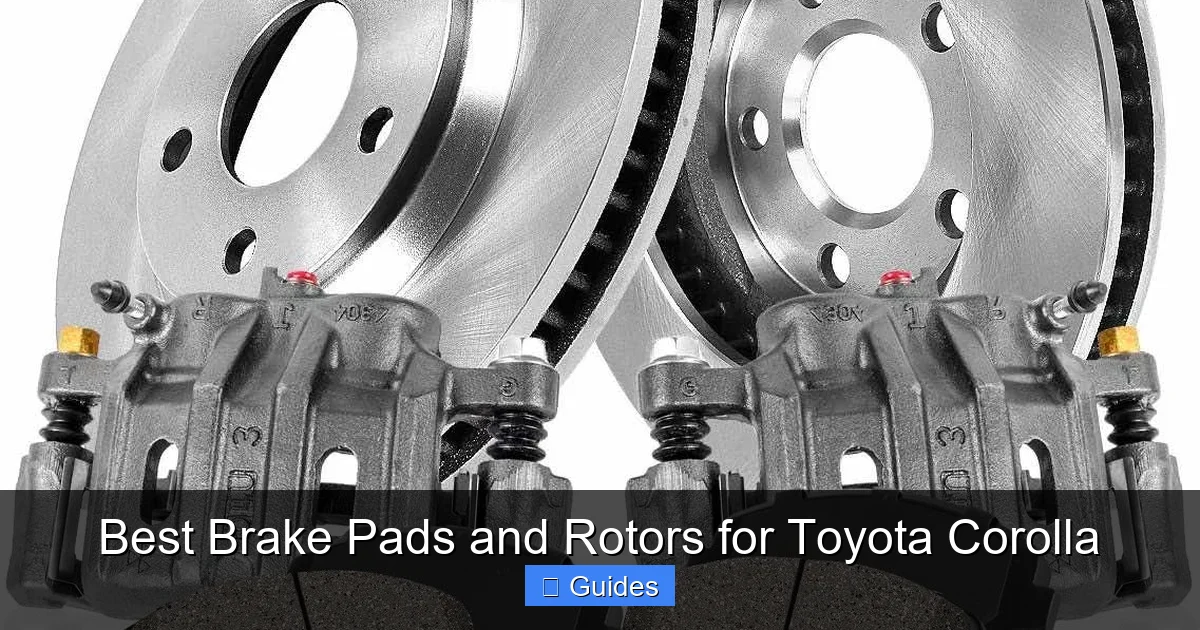
Brake pads are the friction material that presses against the rotor to slow your wheels. They come in different materials, each suited to specific driving needs. Let’s break down the three main types you’ll find for the Toyota Corolla.
Ceramic Brake Pads
Ceramic brake pads are the gold standard for daily drivers. Made from a dense mix of ceramic fibers, bonding agents, and non-ferrous fillers, they offer excellent stopping power with minimal noise and dust. They run cooler than other types, which reduces brake fade during repeated use—perfect for city driving where you’re constantly stopping and starting.
One major advantage of ceramic pads is their cleanliness. They produce very little brake dust, so your wheels stay cleaner longer. They also last longer than organic pads and are quieter, making them ideal for Corolla owners who value a smooth, quiet ride. Brands like Akebono and Power Stop offer top-tier ceramic options designed specifically for the Corolla.
However, ceramic pads can be more expensive upfront. They also perform best in moderate temperatures, so they may not be the best choice for track use or heavy towing—though that’s rarely a concern for Corolla drivers.
Semi-Metallic Brake Pads
Semi-metallic pads contain 30% to 70% metal, including iron, steel, copper, and graphite. They’re known for their strength and heat resistance, making them a favorite among performance drivers and those who carry heavy loads. These pads provide excellent stopping power, even under high stress, and are more affordable than ceramic options.
The downside? They tend to be noisier and produce more brake dust. They can also wear down rotors faster due to their abrasive nature. Still, for Corolla owners who drive aggressively or in hilly areas, semi-metallic pads offer a solid balance of performance and durability. Brands like EBC Brakes and Wagner offer reliable semi-metallic options.
Organic (Non-Asbestos) Brake Pads
Organic brake pads are made from natural materials like glass, rubber, and Kevlar. They’re the softest and quietest option, making them a good fit for light-duty driving. They’re also the most affordable.
But here’s the catch: organic pads wear out quickly and generate more heat, which can lead to brake fade. They’re not recommended for high-performance use or frequent braking. Most modern Corollas come with organic or low-metallic pads from the factory, but upgrading to ceramic or semi-metallic is usually a better long-term choice.
Choosing the Right Pad for Your Driving Style
So, which type is best for you? If you drive mostly in the city, stop frequently, and want a quiet, clean ride, go with ceramic. If you live in a hilly area, drive aggressively, or carry heavy loads, semi-metallic might be better. Organic pads are fine for occasional use but aren’t ideal for daily driving.
Also consider climate. In cold or wet conditions, ceramic pads maintain consistent performance. Semi-metallic pads can be slightly more responsive in extreme heat but may squeal in cold weather.
Brake Rotors: Types, Features, and Why They Matter
Visual guide about Best Brake Pads and Rotors for Toyota Corolla
Image source: wonderfulengineering.com
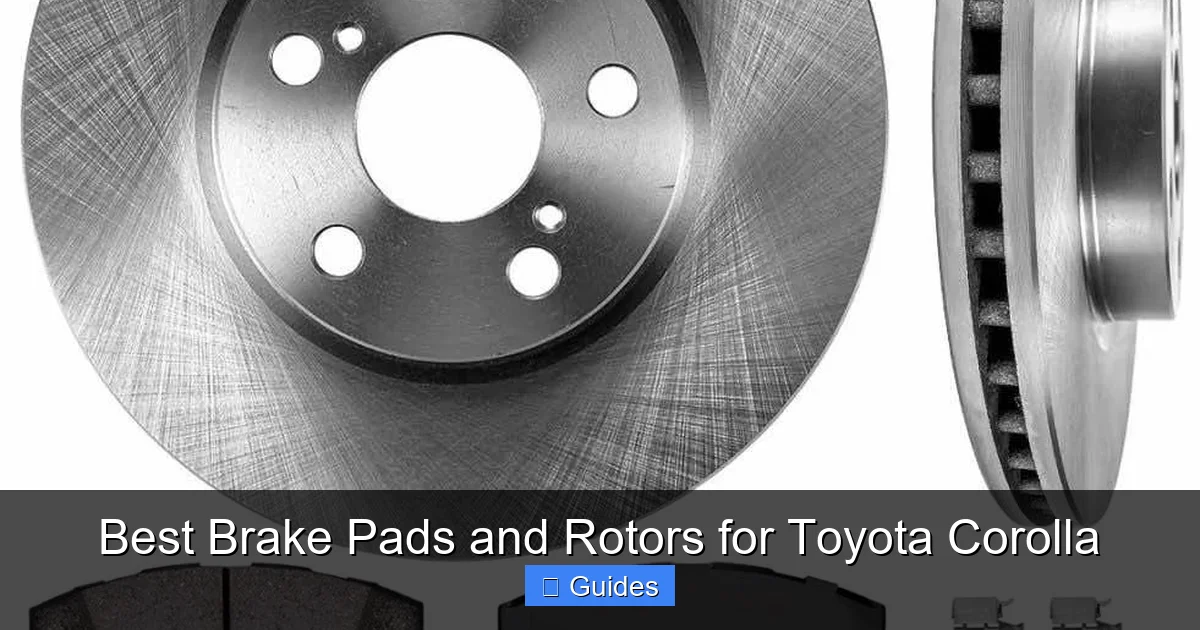
While brake pads grab the rotor to create friction, the rotor itself plays a critical role in heat dissipation and overall braking efficiency. A worn or warped rotor can cause vibrations, reduced stopping power, and uneven pad wear. Let’s explore the different types of rotors available for the Toyota Corolla.
Standard (Solid) Rotors
Most Toyota Corollas come equipped with standard solid rotors—simple, reliable, and cost-effective. They’re made from cast iron and designed for everyday driving. Solid rotors are durable and easy to maintain, making them a great choice for drivers who prioritize reliability over performance.
However, they can overheat under heavy use, leading to brake fade. They’re also prone to warping over time, especially if you frequently brake hard or drive in mountainous terrain. If you’re sticking with OEM-style performance, standard rotors are fine—but consider upgrading if you want better heat management.
Drilled Rotors
Drilled rotors have holes drilled into the surface to allow heat, gas, and water to escape. This improves cooling and reduces the risk of brake fade, especially in wet conditions. The holes also help prevent the “pad glazing” that can occur when heat builds up between the pad and rotor.
The downside? The holes can create stress points that lead to cracking over time, especially under extreme heat or heavy braking. They’re also more prone to corrosion if not properly maintained. Still, for Corolla owners who drive in rainy climates or want a sportier look, drilled rotors are a solid upgrade.
Slotted Rotors
Slotted rotors feature grooves cut into the surface to sweep away gas, water, and debris. Like drilled rotors, they improve heat dissipation and maintain consistent contact between pad and rotor. They’re more durable than drilled rotors and less likely to crack, making them a good middle ground between performance and longevity.
Slotted rotors are ideal for drivers who want better braking performance without the risk of cracking. They’re especially useful in areas with frequent rain or snow, where water can reduce friction. Brands like StopTech and Power Stop offer slotted rotors designed for the Corolla.
Drilled and Slotted Rotors
Combining both features, drilled and slotted rotors offer maximum heat and moisture management. They’re popular among performance enthusiasts and look great behind alloy wheels. However, they’re more expensive and may wear down brake pads faster due to increased surface aggression.
For most Corolla drivers, this level of performance is overkill. But if you enjoy spirited driving or live in a wet, hilly area, they could be worth the investment.
Coated Rotors
Many aftermarket rotors come with a protective coating—usually zinc or e-coat—to prevent rust and corrosion. This is especially helpful if you live in a snowy area where road salt is used. Coated rotors maintain a clean appearance and last longer than uncoated ones.
Some high-end rotors also feature thermal coatings that improve heat dissipation. These are more common in performance applications but are becoming more accessible for everyday cars like the Corolla.
OEM vs. Aftermarket Rotors
Toyota’s OEM rotors are designed to meet factory specifications and ensure a perfect fit. They’re reliable and often come with a warranty. However, they can be pricey, and some owners report warping issues after extended use.
Aftermarket rotors, on the other hand, often offer better materials, improved designs, and lower prices. Brands like Brembo, ACDelco, and Duralast make high-quality rotors that outperform OEM parts in many cases. Just make sure to choose a reputable brand and check compatibility with your Corolla’s year and trim.
Top Brake Pad and Rotor Recommendations for Toyota Corolla
Visual guide about Best Brake Pads and Rotors for Toyota Corolla
Image source: wonderfulengineering.com
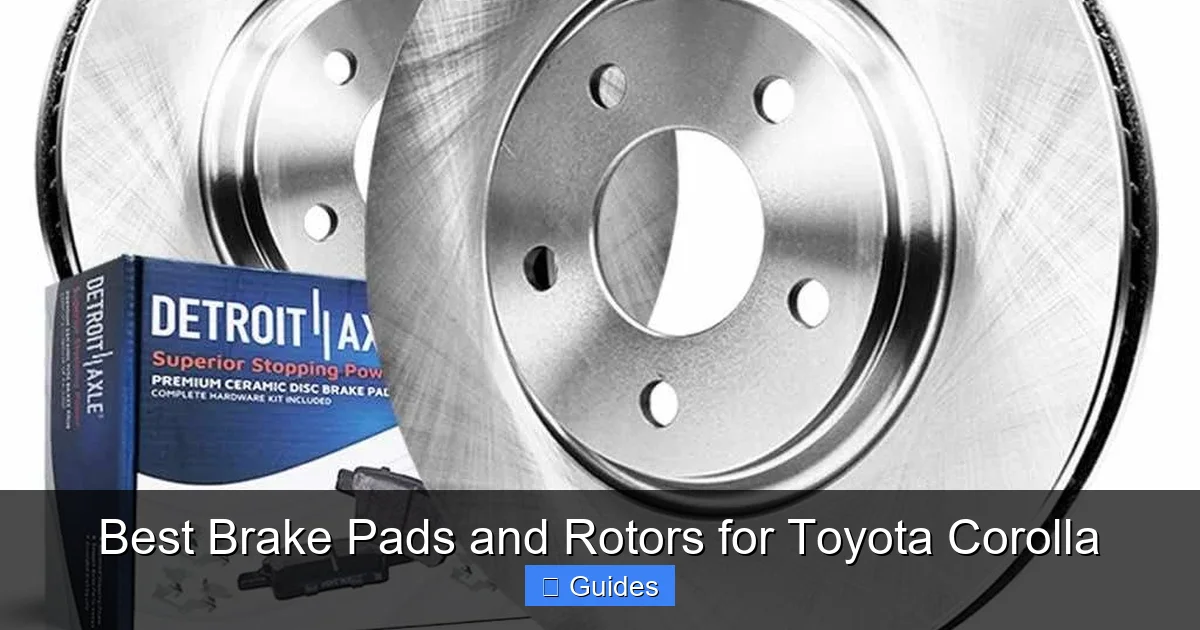
Now that you understand the basics, let’s look at some of the best brake pad and rotor combinations for your Toyota Corolla. These picks are based on performance, durability, customer reviews, and value.
Best Overall: Akebono ProAct Ceramic Brake Pads + Power Stop Evolution Coated Rotors
Akebono is a trusted name in braking, and their ProAct ceramic pads are a top choice for Corolla owners. They deliver quiet, smooth braking with minimal dust and excellent wear resistance. Paired with Power Stop’s Evolution coated rotors, you get a complete system that resists rust, dissipates heat well, and fits perfectly.
This combo is ideal for daily drivers who want OEM-level reliability with upgraded performance. It’s also easy to install and comes with a solid warranty.
Best for Performance: EBC Brakes Redstuff Ceramic Pads + StopTech Slotted Rotors
If you want a sportier feel without sacrificing comfort, EBC’s Redstuff ceramic pads are a great pick. They offer strong initial bite, low noise, and reduced dust. When paired with StopTech’s slotted rotors, you get improved heat management and consistent performance under pressure.
This setup is perfect for Corolla drivers who enjoy spirited driving or live in hilly areas. It’s also a favorite among enthusiasts who want better braking without going full race-spec.
Best Budget Option: Wagner ThermoQuiet Ceramic Pads + Duralast Gold Rotors
Don’t let the low price fool you—Wagner’s ThermoQuiet pads are engineered for quiet, reliable performance. They use an integrated insulator to reduce noise and vibration, making them ideal for city driving. Duralast Gold rotors are coated for rust resistance and offer solid performance at a fraction of the cost of premium brands.
This combo is perfect for budget-conscious Corolla owners who still want quality and safety. It’s available at most auto parts stores and easy to install.
Best OEM Replacement: Toyota Genuine Brake Pads + OEM Rotors
If you prefer to stick with factory parts, Toyota’s genuine brake pads and rotors are a safe bet. They’re designed specifically for your Corolla and ensure a perfect fit. While they may not offer the performance edge of aftermarket options, they’re reliable and often covered under warranty.
This is a good choice if you lease your Corolla or plan to sell it soon and want to maintain factory specs.
Best for Winter Driving: Power Stop Z23 Evolution Sport Pads + Coated Drilled/Slotted Rotors
Power Stop’s Z23 pads are made from a carbon-fiber ceramic blend that performs well in cold and wet conditions. They offer strong stopping power with minimal noise and dust. Paired with their coated drilled and slotted rotors, you get excellent moisture and heat management—perfect for snowy or rainy climates.
This setup is ideal for Corolla owners in northern states or mountainous regions where winter driving is a challenge.
How to Choose the Right Brake Setup for Your Corolla
With so many options, how do you pick the right brake pads and rotors for your Toyota Corolla? Here are some practical tips to help you decide.
Consider Your Driving Habits
Think about how you use your Corolla. Do you drive mostly in the city with frequent stops? Ceramic pads and standard or coated rotors are your best bet. Do you take long highway trips or drive in hilly areas? Semi-metallic pads and slotted or drilled rotors will handle the heat better.
If you’re unsure, ceramic pads are a safe, versatile choice for most drivers.
Check Your Corolla’s Year and Trim
Not all brake components fit every Corolla. The 2020 Corolla, for example, has different calipers and rotor sizes than the 2010 model. Always double-check compatibility using your VIN or consult your owner’s manual.
Many online retailers let you enter your car’s details to see compatible parts. Stick to brands that list your specific model to avoid fitment issues.
Budget Wisely
Brake pads and rotors can range from $100 to $400+ for a full front set. While it’s tempting to go cheap, remember: brakes are a safety-critical component. Investing in mid-tier or premium parts pays off in performance, longevity, and peace of mind.
A good rule of thumb: spend at least $150–$200 for a quality front brake job. If you’re doing rear brakes too, budget accordingly.
Look for Warranties and Reviews
Reputable brands back their products with warranties—often 1–3 years or 12,000–36,000 miles. Check customer reviews on sites like Amazon, RockAuto, or auto forums. Look for feedback on noise, dust, wear, and fitment.
Avoid no-name brands or deals that seem too good to be true. Quality braking components are worth the investment.
Plan for Installation
Even the best brake pads and rotors won’t perform well if installed incorrectly. If you’re not experienced with brake work, consider professional installation. Most shops charge $100–$200 for a front brake job, which includes labor, brake fluid check, and bedding-in.
If you DIY, make sure to follow proper procedures: torque lug nuts correctly, lubricate slide pins, and bed in the brakes by doing a series of moderate stops to transfer pad material evenly.
Signs It’s Time to Replace Your Brake Pads and Rotors
Knowing when to replace your brakes can prevent costly damage and keep you safe. Here are the most common warning signs.
Squealing or Grinding Noises
Most brake pads have a wear indicator—a small metal tab that squeals when the pad is worn down. If you hear a high-pitched noise when braking, it’s time to replace the pads.
A grinding sound usually means the pads are completely worn, and metal is rubbing against the rotor. This can damage the rotor and require resurfacing or replacement.
Vibration or Pulsation When Braking
If your steering wheel or brake pedal vibrates when you stop, your rotors may be warped. This happens when rotors overheat and lose their flat surface. Warped rotors reduce braking efficiency and should be replaced.
Longer Stopping Distances
If your Corolla takes longer to stop than usual, it could be due to worn pads, glazed rotors, or low brake fluid. Don’t ignore this—test your brakes in a safe area and get them inspected.
Brake Warning Light
Modern Corollas have a brake warning light on the dashboard. If it comes on, it could indicate low fluid, worn pads, or a problem with the ABS system. Have it checked immediately.
Visible Wear or Damage
Inspect your brakes regularly. Look for thin pads (less than 1/4 inch), cracks, or grooves in the rotor. If the rotor is deeply scored or uneven, it needs replacement.
Maintenance Tips to Extend Brake Life
Good maintenance can double the life of your brake pads and rotors. Here’s how to keep your Corolla’s braking system in top shape.
Drive Smoothly
Aggressive braking wears down pads and heats up rotors. Try to anticipate stops and brake gently. This reduces stress on the system and improves fuel economy.
Avoid Overloading
Carrying heavy loads increases braking demand. If you frequently transport cargo, consider upgrading to semi-metallic pads and slotted rotors.
Flush Brake Fluid Every 2–3 Years
Brake fluid absorbs moisture over time, which can lead to corrosion and reduced performance. Flushing the system keeps it clean and responsive.
Inspect During Tire Rotations
Most mechanics inspect brakes during tire rotations. Use this opportunity to check pad thickness, rotor condition, and caliper function.
Bed in New Brakes Properly
After installing new pads and rotors, follow the bedding-in procedure: drive at 55 mph and brake firmly (without stopping) to 20 mph. Repeat 5–10 times. This transfers pad material evenly and ensures optimal performance.
Conclusion: Invest in Safety and Performance
Your Toyota Corolla is built to last, but its braking system needs regular attention to keep you safe on the road. Choosing the best brake pads and rotors isn’t just about performance—it’s about peace of mind. Whether you go with ceramic pads for quiet city driving or slotted rotors for better heat management, the right setup can transform your driving experience.
Remember: quality matters. Don’t cut corners on safety. Invest in reputable brands, match your components to your driving style, and maintain your brakes regularly. With the right care, your Corolla’s braking system will serve you reliably for years to come.
Frequently Asked Questions
How often should I replace brake pads on a Toyota Corolla?
Most Corolla owners need new brake pads every 30,000 to 50,000 miles, but this varies based on driving habits. City driving with frequent stops wears pads faster than highway driving.
Can I mix different brands of brake pads and rotors?
It’s not recommended. Mixing brands can lead to uneven wear, noise, or reduced performance. For best results, use matching pads and rotors from the same manufacturer.
Are ceramic brake pads worth the extra cost?
Yes, especially for daily drivers. Ceramic pads last longer, produce less dust, and are quieter than organic or semi-metallic options, making them a smart long-term investment.
Do I need to replace both front and rear brakes at the same time?
Not necessarily. Front brakes wear faster because they handle most of the stopping force. Replace them first, and inspect the rears. Replace rear brakes when they show signs of wear.
Can I install brake pads and rotors myself?
Yes, if you have basic mechanical skills and tools. However, improper installation can lead to safety issues. If you’re unsure, have a professional do the job.
Will aftermarket brakes void my Toyota warranty?
No, as long as the parts meet OEM specifications. The Magnuson-Moss Warranty Act protects your right to use aftermarket parts without voiding your warranty.

At CarLegit, we believe information should be clear, factual, and genuinely helpful. That’s why every guide, review, and update on our website is created with care, research, and a strong focus on user experience.