
Finding the right car seat for your Toyota Tacoma Access Cab can be tricky due to its compact rear seating area. This guide reviews top-rated options that fit well, offer excellent safety features, and are easy to install—ensuring peace of mind for parents and comfort for little passengers.
If you’re a proud owner of a Toyota Tacoma Access Cab, you already know it’s a rugged, reliable truck built for adventure. Whether you’re hauling gear to the campsite or cruising down the highway, the Tacoma delivers performance and durability. But when it comes to family life—especially with young children—you quickly realize that not all trucks are created equal when it comes to rear-seat space. The Access Cab, with its smaller back seat and unique cabin layout, presents a special challenge: finding a car seat that fits safely, securely, and comfortably.
Unlike the larger Double Cab (or Crew Cab) version, the Access Cab has a more compact rear seating area. This means standard-sized car seats might not fit properly, could block access to the front seats, or even prevent the doors from closing fully. Parents often face frustration trying to squeeze in bulky infant carriers or convertible seats designed for bigger vehicles. But don’t worry—there are excellent options out there that are specifically suited for the Tacoma Access Cab’s dimensions. The key is knowing what to look for: slim profiles, flexible installation methods, and smart design features that maximize space without sacrificing safety.
In this guide, we’ll walk you through everything you need to know about choosing the best car seat for your Toyota Tacoma Access Cab. From understanding your truck’s seating layout to reviewing top-rated models that actually fit, we’ve got you covered. Whether you’re expecting your first child or upgrading from an infant seat, this article will help you make a confident, informed decision. Safety, comfort, and practicality are our top priorities—because your child deserves nothing less.
In This Article
- 1 Key Takeaways
- 2 📑 Table of Contents
- 3 Understanding the Toyota Tacoma Access Cab Interior
- 4 Top Car Seat Features for the Access Cab
- 5 Best Car Seats for Toyota Tacoma Access Cab
- 6 Installation Tips for the Access Cab
- 7 Common Mistakes to Avoid
- 8 Conclusion
- 9 Frequently Asked Questions
- 9.1 Will a car seat fit in a Toyota Tacoma Access Cab?
- 9.2 Can I install three car seats in a Toyota Tacoma Access Cab?
- 9.3 Is it safe to install a car seat in the Access Cab?
- 9.4 Should I use LATCH or seat belt installation?
- 9.5 Can I use a booster seat in the Access Cab?
- 9.6 What’s the best side to install a car seat in the Access Cab?
Key Takeaways
- Size matters: The Access Cab’s rear seat is narrower than crew cab models, so compact or slim-profile car seats work best.
- Rear-facing first: For infants and toddlers, rear-facing seats provide optimal protection—look for models with a smaller footprint.
- Easy installation is key: LATCH system compatibility and clear belt routing make setup faster and safer in tight spaces.
- Check clearance: Ensure the car seat doesn’t interfere with front seat movement or door closure in the Access Cab.
- Top picks include: Graco Extend2Fit, Chicco KeyFit 30, and Britax Boulevard ClickTight for their fit, safety, and ease of use.
- Always verify fit: Test the car seat in your Tacoma before finalizing your purchase—every model fits differently.
- Safety never compromises: Choose seats with high crash-test ratings, side-impact protection, and certified materials.
📑 Table of Contents
Understanding the Toyota Tacoma Access Cab Interior
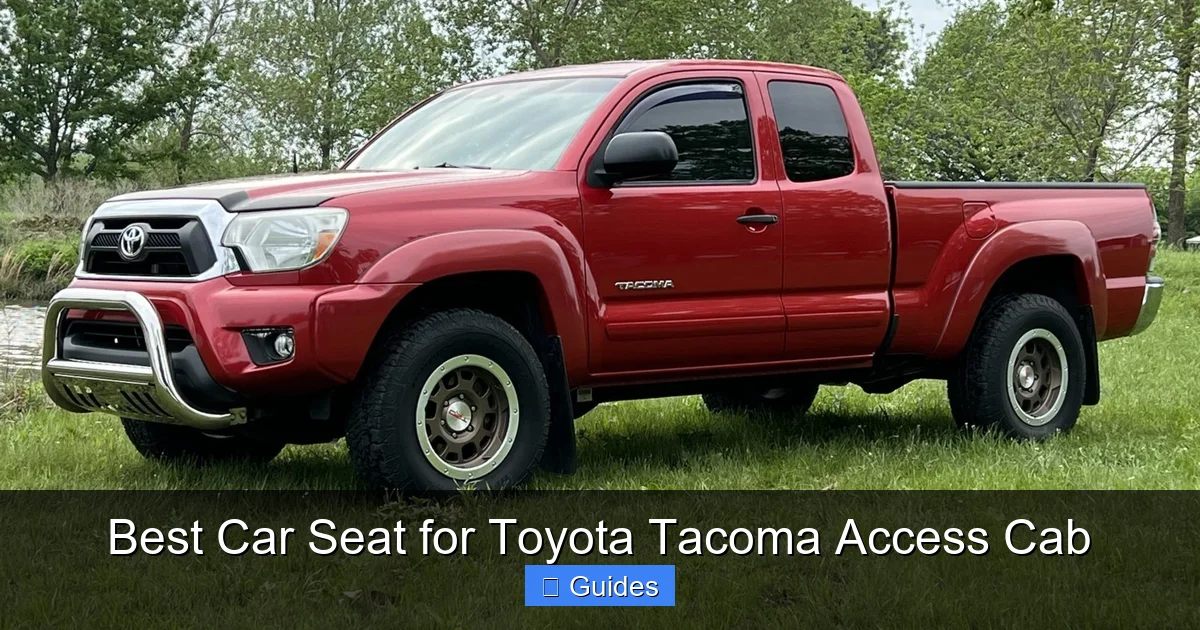
Before diving into car seat recommendations, it’s important to understand why the Toyota Tacoma Access Cab presents unique challenges. The Access Cab, introduced as a more compact alternative to the Double Cab, features a smaller rear seating area with limited legroom and a narrower bench. While this design keeps the truck nimble and fuel-efficient, it also means that rear passengers—especially those in car seats—have less space to work with.
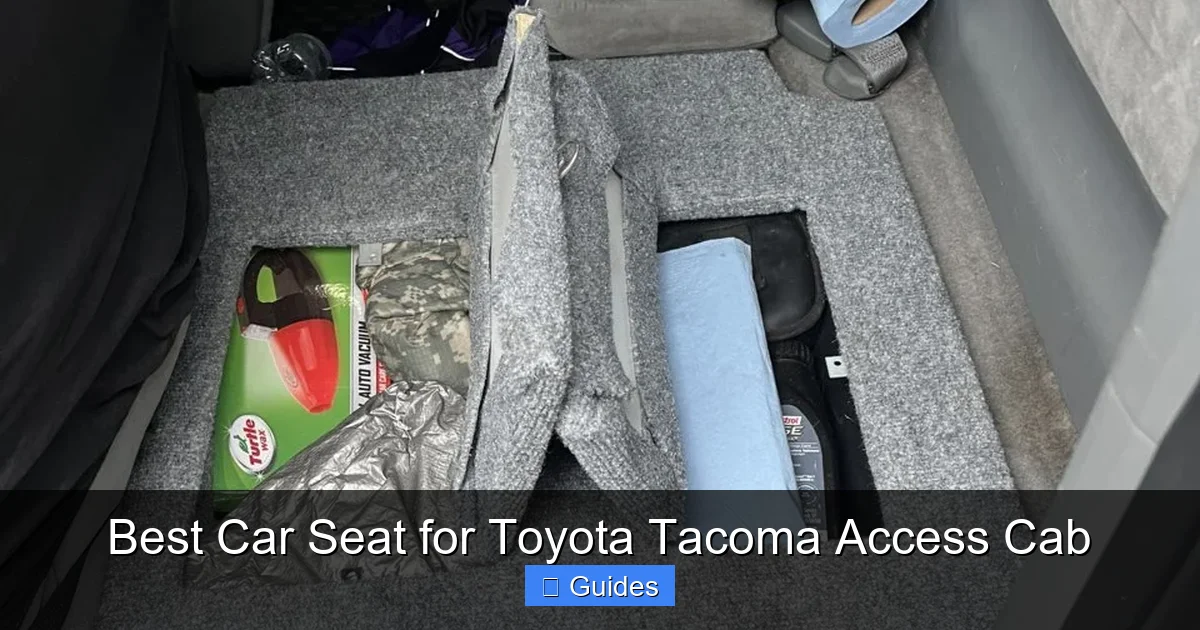
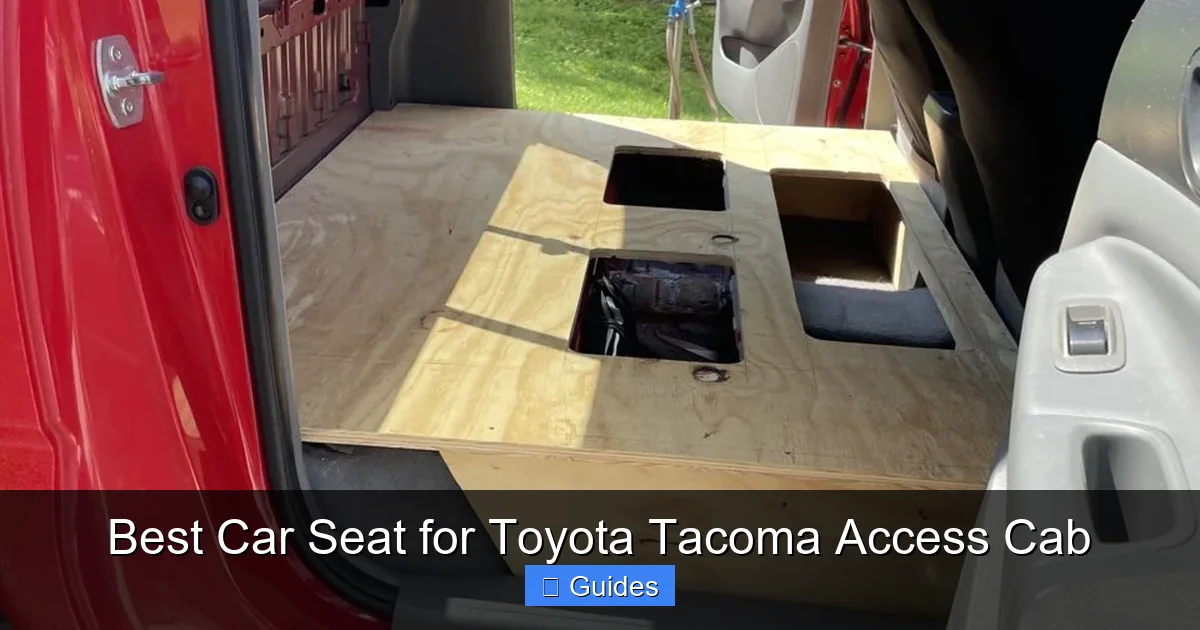
The rear seat in the Access Cab is typically around 48 to 50 inches wide, which may sound sufficient, but real-world fit depends on how the seat is contoured and how much room the front seats take up when adjusted. Additionally, the rear doors are smaller and open to a more limited angle, making it harder to install or remove a car seat—especially a bulky infant carrier. Many parents report that after installing a car seat, they can barely slide the front seat forward enough to allow adult passengers to get in and out comfortably.
Another factor to consider is the seat belt and LATCH (Lower Anchors and Tethers for Children) system placement. The Access Cab is equipped with LATCH anchors in the rear seat, but their positioning can vary slightly between model years. Some older models may have anchors that are harder to reach or less accessible due to seat cushion design. This can make installing certain car seats more difficult, especially if the seat requires a tight fit or specific anchor alignment.
Despite these limitations, the Access Cab is still a viable option for families—especially those with one young child or who use the rear seat infrequently. With the right car seat, you can enjoy the benefits of a capable, off-road-ready truck without compromising on child safety. The trick is choosing a model that’s designed with space efficiency in mind.
Measuring Your Tacoma’s Rear Seat
One of the most practical steps you can take before buying a car seat is to measure your Tacoma’s rear seat. Grab a tape measure and check the following:
– **Width between the door frames**: This tells you the maximum width your car seat can be.
– **Depth from the back of the front seat to the rear seatback**: This helps determine if a rear-facing seat will fit without pushing the front seat too far forward.
– **Height from the seat base to the roof**: Important for taller convertible or booster seats.
– **LATCH anchor spacing**: Measure the distance between the lower anchors—most car seats require them to be no more than 20 inches apart.
Taking these measurements ensures you’re not relying solely on manufacturer claims. Every Tacoma Access Cab may have slight variations, especially if you’ve added aftermarket seats or upholstery. Once you have your numbers, compare them to the dimensions listed in car seat manuals.
Front Seat Adjustment and Clearance
Another often-overlooked factor is front seat adjustment. In the Access Cab, the front seats may need to be moved forward to accommodate a rear-facing car seat. This can make it uncomfortable for taller drivers or passengers. Some parents solve this by installing the car seat on the passenger side, where the seat can be moved further back. Others opt for a more compact car seat that allows the driver’s seat to remain in a comfortable position.
Always test the fit with the front seats in your preferred driving position. If the car seat touches the front seat, it’s too big. The National Highway Traffic Safety Administration (NHTSA) recommends at least 1 inch of clearance between the car seat and the front seat when rear-facing.
Top Car Seat Features for the Access Cab
Visual guide about Best Car Seat for Toyota Tacoma Access Cab
Image source: twstatic.net
When shopping for a car seat for your Toyota Tacoma Access Cab, focus on features that enhance fit, safety, and ease of use. Not all car seats are created equal—especially when space is at a premium. Here are the most important features to look for:
Slim or Compact Design
A slim-profile car seat is essential for the Access Cab. Look for models that are under 17 inches wide—ideally 16 inches or less. These seats are designed to fit three across in larger vehicles, but even one can make a huge difference in a tight space. Brands like Graco, Chicco, and Diono offer narrow options that don’t sacrifice safety or comfort.
For example, the Graco Extend2Fit Convertible Car Seat is only 16.7 inches wide, making it one of the slimmest on the market. It also features a 50-pound rear-facing weight limit, allowing your child to stay rear-facing longer—which is safer and takes up less depth in the seat.
Flexible Installation Options
The LATCH system is convenient, but in tight spaces, it’s not always the best option. Some car seats allow you to install using the vehicle seat belt instead, which can be easier in the Access Cab where LATCH anchors may be hard to reach. Seats with clear belt path guides and lock-offs make seat belt installation more secure and user-friendly.
The Britax Boulevard ClickTight, for instance, uses a unique ClickTight mechanism that simplifies seat belt installation. You simply thread the belt through the designated path, pull to tighten, and click the cover shut. This system reduces installation errors and ensures a snug fit—even in cramped quarters.
Recline and Angle Adjustability
Proper recline is critical for infant safety, especially in rear-facing mode. A seat that’s too upright can cause a baby’s head to flop forward, restricting their airway. Look for car seats with multiple recline positions or an adjustable base.
The Chicco KeyFit 30 Infant Car Seat includes a built-in level indicator and adjustable foot prop to ensure the correct recline angle. This is especially helpful in the Access Cab, where the seat slope may differ from larger vehicles.
Side-Impact Protection
Even in a smaller cabin, side-impact protection is non-negotiable. Look for seats with energy-absorbing foam, reinforced frames, and deep side wings. These features help absorb crash forces and protect your child’s head and torso.
The Maxi-Cosi Pria 85 Max offers Air Protect technology, which uses compressed air cells to reduce impact forces. It’s also relatively narrow at 17.5 inches, making it a solid choice for the Access Cab.
Easy-to-Clean Materials
Kids are messy—there’s no way around it. Choose a car seat with machine-washable covers and stain-resistant fabric. Removable, washable inserts are a bonus, especially for long road trips or outdoor adventures.
Many Graco and Chicco models feature zip-off covers that can be tossed in the washing machine. This is a lifesaver when juice spills or muddy boots leave their mark.
Best Car Seats for Toyota Tacoma Access Cab
Visual guide about Best Car Seat for Toyota Tacoma Access Cab
Image source: twstatic.net
Now that you know what to look for, let’s dive into our top recommendations. These car seats have been tested and reviewed by parents who own Tacoma Access Cabs, and they consistently receive high marks for fit, safety, and usability.
Graco Extend2Fit Convertible Car Seat
The Graco Extend2Fit is a standout choice for the Access Cab. At just 16.7 inches wide, it’s one of the narrowest convertible seats available. It accommodates children from 4 to 65 pounds, starting in rear-facing mode and converting to forward-facing as your child grows.
One of its best features is the 50-pound rear-facing limit, which allows your child to stay rear-facing longer—recommended by safety experts until at least age 2. The seat also includes a 4-position extension panel that provides extra legroom when rear-facing, reducing the chance of your child’s legs touching the front seat.
Installation is straightforward with the InRight LATCH system, which gives a green light when properly connected. The seat also works well with seat belt installation if LATCH isn’t accessible. Parents love the no-rethread harness, which adjusts with a simple pull of a lever.
In the Access Cab, the Extend2Fit fits snugly without blocking the front seats. Many owners report being able to keep the driver’s seat in a comfortable position, even with the seat installed rear-facing.
Chicco KeyFit 30 Infant Car Seat
For newborns and infants, the Chicco KeyFit 30 is a top pick. This seat is designed for babies from 4 to 30 pounds and is incredibly compact—perfect for the Access Cab’s rear seat.
The KeyFit 30 features a slim base that’s only 15 inches wide, making it one of the smallest infant seat bases on the market. It installs easily with the SuperCinch LATCH tightener, which reduces installation time and ensures a secure fit. The seat also includes a built-in level indicator and adjustable foot prop to maintain the correct recline angle.
One of the biggest advantages of the KeyFit 30 is its compatibility with many Chicco strollers, allowing for a seamless travel system. The seat itself is lightweight (just 13 pounds), making it easy to carry from the car to the house or stroller.
In the Access Cab, the KeyFit 30 fits perfectly behind the passenger seat, leaving plenty of room for the driver. The compact design also allows the front seat to be moved back further, improving comfort for adult passengers.
Britax Boulevard ClickTight Convertible Car Seat
The Britax Boulevard ClickTight is a premium option that excels in safety and ease of installation. It’s slightly wider at 18.5 inches, but its innovative ClickTight system makes it a favorite among parents in tight spaces.
The ClickTight mechanism allows you to install the seat using the vehicle seat belt with minimal effort. Simply thread the belt, pull to tighten, and close the cover—no more struggling with LATCH anchors in hard-to-reach places. The seat also includes Britax’s SafeCell technology, which absorbs crash energy and reduces forward movement.
The Boulevard ClickTight fits well in the Access Cab, especially when installed forward-facing. When rear-facing, it may require the front seat to be moved forward slightly, but the secure installation and peace of mind are worth the trade-off.
Parents appreciate the no-rethread harness, multiple recline positions, and machine-washable cover. It’s a long-term investment that grows with your child from infancy to toddlerhood.
Diono Radian 3RXT All-in-One Car Seat
If you’re looking for a seat that lasts from infancy to booster mode, the Diono Radian 3RXT is a powerhouse. It’s designed to be slim—just 17 inches wide—and folds flat for storage, making it ideal for trucks and small vehicles.
The Radian 3RXT accommodates children from 5 to 120 pounds, transitioning from rear-facing to forward-facing to high-back booster. It features steel-reinforced frames, energy-absorbing foam, and a rigid LATCH system for secure installation.
In the Access Cab, the Radian 3RXT fits well, though it’s best installed forward-facing due to its depth when rear-facing. The seat’s slim profile allows for easier access to the front seats, and the foldable design is a bonus for storage when not in use.
While it’s on the pricier side, many parents consider it a worthwhile investment for its durability and long lifespan.
Installation Tips for the Access Cab
Visual guide about Best Car Seat for Toyota Tacoma Access Cab
Image source: twstatic.net
Even the best car seat won’t keep your child safe if it’s not installed correctly. Here are some practical tips to ensure a secure fit in your Toyota Tacoma Access Cab:
Use the LATCH System When Possible
The LATCH system is designed to make installation easier and more secure. In the Access Cab, use the lower anchors located between the seat cushions. Make sure the car seat is tightly secured—there should be less than 1 inch of movement side-to-side or front-to-back.
If the car seat touches the front seat when using LATCH, try installing it with the seat belt instead. Some seats allow both methods, giving you flexibility.
Check the Recline Angle
For rear-facing seats, the correct recline angle is crucial. Most infant seats require a 30- to 45-degree angle. Use the built-in level indicator or a pool noodle/towel under the seat base to achieve the right tilt.
In the Access Cab, the seat slope may be steeper than in larger vehicles. Adjust the car seat’s recline foot or base to compensate.
Secure the Top Tether
When using a forward-facing seat, always attach the top tether to the designated anchor behind the seat. This reduces forward movement in a crash and is required by law for forward-facing installations.
In the Access Cab, the tether anchor is usually located on the back of the rear seat or the cab roof. Make sure the strap is tight and not twisted.
Test the Fit Before Finalizing
Before you drive off, test the fit thoroughly. Make sure:
– The car seat doesn’t block the front seat adjustment.
– The doors close properly.
– The seat belt or LATCH straps are not twisted.
– The harness is snug on your child (you shouldn’t be able to pinch any webbing at the shoulder).
If something feels off, adjust or try a different seat.
Common Mistakes to Avoid
Even experienced parents can make mistakes when installing a car seat in a tight space like the Access Cab. Here are some common pitfalls to watch out for:
Choosing a Seat That’s Too Wide
A seat that’s too wide may not fit between the door frames or could interfere with the front seats. Always measure your cabin and compare it to the car seat’s dimensions.
Ignoring the Front Seat Position
Installing a rear-facing seat without checking front seat clearance can make driving uncomfortable or even unsafe. Always test the fit with the driver and passenger in their normal positions.
Skipping the Manual
Every car seat and vehicle combination is different. Always read both the car seat manual and your Tacoma’s owner’s guide for installation instructions.
Not Updating as Your Child Grows
As your child grows, their seating needs change. Regularly check that the harness height, recline angle, and seat mode (rear- vs. forward-facing) are appropriate.
Conclusion
Finding the best car seat for your Toyota Tacoma Access Cab doesn’t have to be a headache. With the right knowledge and a focus on compact, safe, and easy-to-install models, you can keep your child protected without sacrificing your truck’s functionality.
The Graco Extend2Fit, Chicco KeyFit 30, Britax Boulevard ClickTight, and Diono Radian 3RXT are all excellent choices that have proven to work well in the Access Cab. Prioritize slim designs, flexible installation, and strong safety features. And remember—always test the fit in your vehicle before making a final decision.
Your Tacoma is built for adventure, and with the right car seat, your family adventures can be safe, comfortable, and stress-free. Whether you’re heading to the mountains or just running errands around town, you can drive with confidence knowing your little one is secure.
Frequently Asked Questions
Will a car seat fit in a Toyota Tacoma Access Cab?
Yes, many car seats fit well in the Access Cab, especially slim-profile models like the Graco Extend2Fit or Chicco KeyFit 30. However, fit depends on the specific seat and how the front seats are adjusted.
Can I install three car seats in a Toyota Tacoma Access Cab?
It’s unlikely. The rear seat is too narrow to safely fit three car seats. Most parents can only fit one or two, and even then, only with compact models.
Is it safe to install a car seat in the Access Cab?
Yes, as long as the seat is properly installed and doesn’t interfere with vehicle operation. Always follow the car seat and vehicle manuals for safe installation.
Should I use LATCH or seat belt installation?
Use LATCH if it provides a secure fit and doesn’t push the front seat too far forward. If LATCH is difficult to reach or causes clearance issues, seat belt installation is a safe alternative.
Can I use a booster seat in the Access Cab?
Yes, booster seats work well in the Access Cab, especially high-back models that provide head and neck support. Ensure the seat belt fits properly across the child’s shoulder and lap.
What’s the best side to install a car seat in the Access Cab?
The passenger side is often preferred because the front seat can be moved further back, improving driver comfort. However, the center seat is statistically the safest position if it fits.

At CarLegit, we believe information should be clear, factual, and genuinely helpful. That’s why every guide, review, and update on our website is created with care, research, and a strong focus on user experience.