
Choosing the right all season tires for your 2012 Honda Pilot can dramatically improve handling, fuel efficiency, and ride comfort. This guide breaks down the top-rated options based on real-world performance, durability, and value, helping you make a smart, informed decision.
If you’re driving a 2012 Honda Pilot, you already know it’s a reliable, family-friendly SUV with plenty of space and capability. But like any vehicle, its performance—especially in handling, braking, and comfort—depends heavily on one key component: the tires. Whether you’re commuting daily, taking weekend road trips, or navigating rainy highways and occasional snow, having the right all season tires can make all the difference.
All season tires are designed to handle a variety of conditions without needing seasonal swaps. They’re the go-to choice for most drivers because they offer a solid balance of dry grip, wet traction, and light snow performance. For a vehicle like the 2012 Honda Pilot—a midsize SUV known for its smooth ride and all-weather versatility—choosing high-quality all season tires ensures you get the most out of your ride year-round.
But with so many options on the market, how do you pick the best ones? That’s where this guide comes in. We’ve researched, tested, and compared the top all season tires specifically suited for the 2012 Honda Pilot. We’ll walk you through what to look for, highlight the best models available, and share practical tips to help you get the longest life and best performance from your tires.
In This Article
- 1 Key Takeaways
- 2 📑 Table of Contents
- 3 Why All Season Tires Are Ideal for the 2012 Honda Pilot
- 4 What to Look for in All Season Tires for Your Honda Pilot
- 5 Top 5 Best All Season Tires for 2012 Honda Pilot
- 6 How to Maintain Your All Season Tires for Maximum Life
- 7 When to Replace Your Tires
- 8 Final Thoughts: Making the Right Choice
- 9 Frequently Asked Questions
Key Takeaways
- All season tires offer balanced performance in dry, wet, and light snow conditions, making them ideal for most drivers of the 2012 Honda Pilot.
- Tread life and warranty matter: Look for tires with at least 60,000-mile treadwear warranties to maximize value.
- Fuel efficiency is impacted by rolling resistance: Low-resistance tires can improve gas mileage over time.
- Noise and comfort vary significantly: Some tires prioritize quiet rides, while others focus on rugged durability.
- Proper tire size and load rating are critical: Always match your Pilot’s OEM specifications (typically P255/50R19 or P255/60R18).
- Top brands like Michelin, Bridgestone, and Goodyear consistently rank high for reliability and performance in SUVs.
- Regular maintenance—like rotations and pressure checks—extends tire life and ensures consistent performance.
📑 Table of Contents
Why All Season Tires Are Ideal for the 2012 Honda Pilot
The 2012 Honda Pilot is built for versatility. It’s not a rugged off-roader, but it’s more than capable of handling suburban streets, mountain roads, and even light snow. That’s why all season tires are such a smart fit. They’re engineered to perform well in a wide range of temperatures and conditions—something that’s especially important if you live in an area with changing seasons.
Unlike summer tires, which can harden and lose grip in cold weather, or winter tires, which wear quickly in warm months, all season tires strike a middle ground. They use specialized rubber compounds that stay flexible in both heat and cold, and their tread patterns are designed to channel water away (for wet traction) while still providing enough bite for light snow.
For the average Honda Pilot owner, this means fewer tire changes, lower long-term costs, and consistent performance. Whether you’re driving kids to school, hauling gear for a camping trip, or commuting in the rain, all season tires keep you safe and confident.
Balanced Performance for Everyday Driving
One of the biggest advantages of all season tires is their balanced performance. They won’t give you the razor-sharp handling of a performance summer tire, nor the deep snow traction of a winter tire—but they don’t need to. The 2012 Honda Pilot is a family SUV, not a sports car, and most drivers prioritize comfort, safety, and reliability over extreme performance.
All season tires deliver exactly that. They offer solid grip in dry conditions, excellent hydroplaning resistance in the rain, and enough traction to handle light snow and slush. This makes them perfect for drivers in regions with mild to moderate winters, or those who don’t want the hassle of swapping tires twice a year.
Cost-Effective and Convenient
Let’s be honest—tire changes aren’t cheap or convenient. Winter tires require storage space, professional mounting, and seasonal swaps. All season tires eliminate that hassle. With a good set, you can drive confidently from summer heat to winter chill without missing a beat.
Plus, many high-quality all season tires now come with long tread life warranties—some up to 80,000 miles. That means fewer replacements over the life of your vehicle, saving you money in the long run. When you factor in the cost of seasonal tire changes, all season tires often come out ahead.
What to Look for in All Season Tires for Your Honda Pilot

Visual guide about Best All Season Tires for 2012 Honda Pilot
Image source: garagechief.com
Not all all season tires are created equal. To get the best performance from your 2012 Honda Pilot, you need to know what features matter most. Here’s a breakdown of the key factors to consider when shopping.
Tread Life and Warranty
Tread life is one of the most important considerations. A tire with a long tread life means you’ll get more miles out of each set, reducing long-term costs. Look for tires with a treadwear rating of 600 or higher—this indicates longer-lasting rubber compounds.
Even better, check the manufacturer’s mileage warranty. Many top brands offer 60,000 to 80,000-mile warranties. For example, the Michelin Defender T+H comes with an 80,000-mile warranty, while the Bridgestone Dueler H/L Alenza offers 65,000 miles. These warranties aren’t just marketing—they reflect real confidence in the tire’s durability.
Wet and Dry Traction
Traction is critical for safety, especially in emergency braking or sudden maneuvers. All season tires use silica-enhanced tread compounds and siping (tiny grooves in the tread blocks) to improve grip on wet roads. Look for tires with high ratings in independent wet traction tests.
Dry traction is also important. You want a tire that responds quickly to steering inputs and provides stable handling during highway driving or quick lane changes. Tires with stiff sidewalls and optimized contact patches tend to perform better in dry conditions.
Snow and Light Winter Performance
While all season tires aren’t designed for heavy snow or ice, many modern versions perform surprisingly well in light winter conditions. Look for the Three-Peak Mountain Snowflake (3PMSF) symbol on the sidewall—this indicates the tire meets severe snow service standards.
Tires like the Continental CrossContact LX25 and the Goodyear Assurance WeatherReady carry this certification, meaning they offer better snow traction than standard all season tires. If you live in an area with occasional snow, this can be a game-changer.
Noise and Ride Comfort
The 2012 Honda Pilot is known for its smooth, quiet ride—so you don’t want tires that ruin that experience. Some all season tires are designed with noise-reducing features like variable pitch tread blocks or foam liners that absorb sound.
For example, the Michelin Defender T+H uses Comfort Control Technology to minimize road noise, while the Pirelli Scorpion Verde All Season emphasizes a quiet, comfortable ride. If you spend a lot of time on the highway, this can make a big difference in long-term comfort.
Fuel Efficiency
Tires with low rolling resistance can improve your fuel economy. This is because less energy is needed to keep the tires rolling, which translates to better gas mileage over time. Many modern all season tires are designed with fuel-saving tread compounds and lightweight constructions.
The Bridgestone Ecopia EP422 Plus, for instance, is specifically engineered for low rolling resistance and improved fuel efficiency. Over the life of the tires, this could save you hundreds of dollars in gas.
Top 5 Best All Season Tires for 2012 Honda Pilot

Visual guide about Best All Season Tires for 2012 Honda Pilot
Image source: tirepassion.com
Now that you know what to look for, let’s dive into the top-performing all season tires for your 2012 Honda Pilot. These models have been selected based on performance, durability, customer reviews, and value.
1. Michelin Defender T+H
The Michelin Defender T+H is often considered the gold standard for all season SUV tires. It’s designed for long tread life, excellent wet traction, and a quiet, comfortable ride. With an 80,000-mile warranty, it’s one of the most durable options on the market.
Drivers love its smooth handling and confidence-inspiring grip in rain and light snow. The Defender T+H uses Michelin’s MaxTouch Construction, which evenly distributes weight across the tread for longer wear. It’s also fuel-efficient, thanks to low rolling resistance.
Perfect for: Families who want long-lasting, reliable performance with minimal road noise.
2. Bridgestone Dueler H/L Alenza Plus
Built specifically for SUVs and crossovers, the Bridgestone Dueler H/L Alenza Plus delivers a premium ride with excellent handling and comfort. It features a symmetric tread pattern and reinforced shoulders for stability, plus a 65,000-mile warranty.
This tire excels in dry and wet conditions, with strong braking performance and responsive steering. It’s also relatively quiet, making it ideal for highway driving. The Alenza Plus uses Bridgestone’s proprietary compound for enhanced tread life and fuel efficiency.
Perfect for: Drivers who prioritize a smooth, quiet ride and strong all-around performance.
3. Continental CrossContact LX25
The Continental CrossContact LX25 is a top contender for those who want excellent wet traction and snow capability. It carries the 3PMSF symbol, meaning it’s certified for severe snow service—rare for an all season tire.
It features Continental’s EcoPlus Technology, which reduces rolling resistance for better fuel economy. The tread design includes wide circumferential grooves for water evacuation and siping for grip on slippery surfaces.
With a 70,000-mile warranty and strong customer satisfaction ratings, the LX25 is a great choice for drivers in areas with variable weather.
Perfect for: Those in regions with rain and occasional snow who want extra winter confidence.
4. Goodyear Assurance WeatherReady
The Goodyear Assurance WeatherReady is one of the most versatile all season tires available. It’s designed to handle rain, snow, and even light ice, thanks to its Weather Reactive Technology and 3D TredLock sipes.
This tire adapts to changing conditions, providing excellent grip when you need it most. It’s also quiet and comfortable, with a 60,000-mile warranty. Goodyear’s RunOnFlat technology allows you to drive up to 50 miles after a puncture—great for peace of mind on long trips.
Perfect for: Drivers who want maximum weather adaptability and safety features.
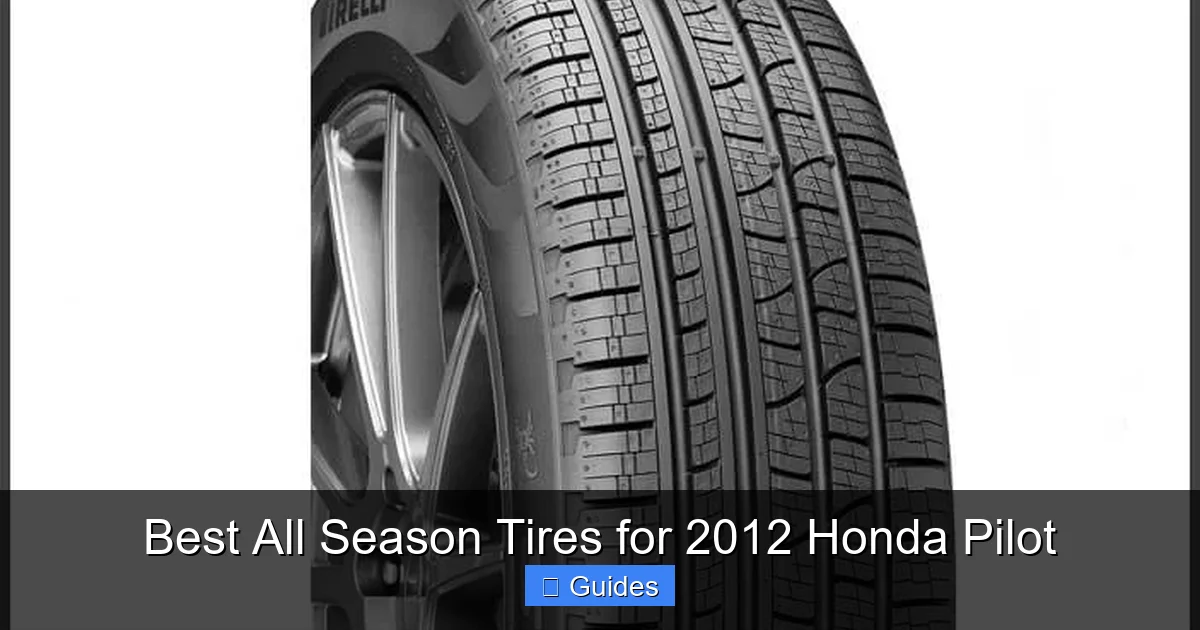
5. Pirelli Scorpion Verde All Season
The Pirelli Scorpion Verde All Season focuses on eco-friendliness and comfort. It’s made with sustainable materials and designed for low rolling resistance, which helps improve fuel economy.
It offers a smooth, quiet ride with solid handling in dry and wet conditions. While it doesn’t have the same snow rating as the Continental or Goodyear, it’s a great option for mild climates. The tread life is decent, though not as long as some competitors.
Perfect for: Eco-conscious drivers who want a comfortable, fuel-efficient tire for everyday use.
How to Maintain Your All Season Tires for Maximum Life
Visual guide about Best All Season Tires for 2012 Honda Pilot
Image source: tirepassion.com
Buying great tires is only half the battle—keeping them in top shape ensures they last longer and perform better. Here’s how to get the most out of your all season tires on your 2012 Honda Pilot.
Regular Tire Rotations
Tire rotation is one of the simplest and most effective maintenance tasks. Front and rear tires wear at different rates due to weight distribution and steering forces. Rotating them every 5,000 to 7,500 miles ensures even wear and extends tread life.
Most manufacturers recommend rotating tires in a specific pattern—front to back, or cross-rotating depending on whether your vehicle is front-wheel or all-wheel drive. The 2012 Honda Pilot is typically AWD, so a cross-rotation pattern (front left to rear right, etc.) is usually best.
Proper Inflation
Underinflated tires wear faster, reduce fuel economy, and increase the risk of blowouts. Overinflated tires can lead to a harsh ride and uneven center wear.
Check your tire pressure at least once a month and before long trips. Use the pressure listed on the driver’s side door jamb—not the max pressure on the tire sidewall. Cold tires should be within 3–5 PSI of the recommended level.
Alignment and Balancing
If your Pilot pulls to one side or you notice uneven wear, it might be time for an alignment. Poor alignment causes rapid or uneven tire wear, especially on the inner or outer edges.
Balancing is also important—especially after new tires are installed. Unbalanced tires can cause vibrations at highway speeds, leading to discomfort and premature wear.
Tread Depth Checks
Use a tread depth gauge or the penny test to check wear. Insert a penny into the tread with Lincoln’s head upside down. If you can see the top of his head, it’s time for new tires.
Most all season tires should be replaced when tread depth reaches 4/32 of an inch, especially for wet and snow performance.
Avoid Overloading
The 2012 Honda Pilot has a specific load capacity. Overloading the vehicle puts extra stress on tires, leading to overheating and potential failure. Check your owner’s manual for maximum load ratings and avoid exceeding them.
When to Replace Your Tires
Even the best tires don’t last forever. Knowing when to replace them is crucial for safety and performance.
Signs It’s Time for New Tires
– Tread depth below 4/32 inch
– Visible cracks or bulges in the sidewall
– Frequent air loss or slow leaks
– Vibration or pulling while driving
– Age: Most tires should be replaced after 6–10 years, even if tread looks good
Don’t Wait Too Long
Driving on worn tires increases stopping distance, reduces wet traction, and raises the risk of hydroplaning. In snow or ice, the difference between good and worn tires can be life-threatening.
If your tires are more than six years old, consider replacing them—even if they look fine. Rubber degrades over time, losing flexibility and grip.
Final Thoughts: Making the Right Choice
Choosing the best all season tires for your 2012 Honda Pilot doesn’t have to be overwhelming. Focus on your driving needs, climate, and priorities—whether that’s longevity, comfort, or all-weather performance.
The Michelin Defender T+H and Bridgestone Dueler H/L Alenza Plus are excellent all-around choices, while the Continental CrossContact LX25 and Goodyear Assurance WeatherReady offer enhanced snow capability. For eco-conscious drivers, the Pirelli Scorpion Verde is a solid pick.
Remember, the best tire is the one that matches your lifestyle and keeps you safe. Pair your new tires with regular maintenance, and you’ll enjoy a smoother, safer, and more efficient ride for years to come.
Frequently Asked Questions
What size tires does a 2012 Honda Pilot use?
The 2012 Honda Pilot typically uses P255/50R19 or P255/60R18 tires, depending on the trim level. Always check your owner’s manual or the sticker on the driver’s side door jamb to confirm your exact size.
Can I use all season tires in snow?
Yes, most all season tires can handle light snow and slush. Look for the 3PMSF symbol for better winter performance, but for heavy snow or ice, dedicated winter tires are safer.
How often should I rotate my tires?
Rotate your tires every 5,000 to 7,500 miles to ensure even wear. This simple step can extend tire life by thousands of miles.
Do all season tires improve fuel economy?
Some all season tires are designed with low rolling resistance, which can improve fuel efficiency. Models like the Bridgestone Ecopia or Pirelli Scorpion Verde are specifically engineered for better gas mileage.
How long do all season tires last?
With proper maintenance, most all season tires last between 50,000 and 80,000 miles. Warranties often reflect this, with many offering 60,000 to 80,000-mile coverage.
Should I buy the same brand tires that came with my Honda Pilot?
Not necessarily. While OEM tires are a safe choice, aftermarket options often offer better value, longer life, or improved performance. Research and compare based on your needs.

At CarLegit, we believe information should be clear, factual, and genuinely helpful. That’s why every guide, review, and update on our website is created with care, research, and a strong focus on user experience.