
Looking to boost your 2008 Jeep Wrangler’s performance? A quality cold air intake can increase horsepower, improve throttle response, and enhance engine sound. We’ve tested and reviewed the top options to help you choose the best cold air intake for your Wrangler—whether you’re off-roading or cruising the highway.
In This Article
- 1 Key Takeaways
- 2 📑 Table of Contents
- 3 Why Upgrade Your 2008 Jeep Wrangler with a Cold Air Intake?
- 4 Top Cold Air Intake Options for the 2008 Jeep Wrangler
- 5 How to Choose the Right Cold Air Intake for Your Wrangler
- 6 Installation Tips for Your Cold Air Intake
- 7 Common Myths About Cold Air Intakes
- 8 Maintaining Your Cold Air Intake
- 9 Final Thoughts: Is a Cold Air Intake Worth It for Your 2008 Wrangler?
- 10 Frequently Asked Questions
- 10.1 Will a cold air intake increase horsepower on my 2008 Jeep Wrangler?
- 10.2 Does a cold air intake improve fuel economy?
- 10.3 Can I install a cold air intake myself?
- 10.4 Do I need to tune my Jeep after installing a cold air intake?
- 10.5 Are cold air intakes safe for off-roading?
- 10.6 How often should I clean my cold air intake filter?
Key Takeaways
- Increased horsepower and torque: A cold air intake pulls in cooler, denser air, which improves combustion and can add 5–15 HP to your 2008 Wrangler’s 3.8L V6 engine.
- Better fuel efficiency: With improved airflow, your engine runs more efficiently, potentially boosting gas mileage by 1–2 MPG under normal driving conditions.
- Enhanced engine sound: Many cold air intakes produce a deeper, more aggressive growl under acceleration—perfect for Jeep enthusiasts who love that rugged tone.
- Easy installation: Most kits are designed for bolt-on installation with basic hand tools, taking 30–60 minutes for the average DIYer.
- Improved throttle response: Cooler air means quicker engine reaction, giving your Wrangler a more responsive feel when you hit the gas.
- Reusable filters: High-quality intakes come with washable, reusable filters that save money over time compared to disposable paper filters.
- Off-road durability: The best cold air intakes are built with heat shields and water-resistant materials to handle mud, dust, and water crossings.
📑 Table of Contents
- Why Upgrade Your 2008 Jeep Wrangler with a Cold Air Intake?
- Top Cold Air Intake Options for the 2008 Jeep Wrangler
- How to Choose the Right Cold Air Intake for Your Wrangler
- Installation Tips for Your Cold Air Intake
- Common Myths About Cold Air Intakes
- Maintaining Your Cold Air Intake
- Final Thoughts: Is a Cold Air Intake Worth It for Your 2008 Wrangler?
Why Upgrade Your 2008 Jeep Wrangler with a Cold Air Intake?
If you own a 2008 Jeep Wrangler, you already know it’s a beast—capable of tackling trails, cruising down the highway, and turning heads with its iconic design. But even the most rugged machines can benefit from a little performance boost. That’s where a cold air intake comes in.
The factory air intake system in your 2008 Wrangler is designed for quiet operation and emissions compliance, not maximum performance. It pulls warm air from inside the engine bay, which is less dense and reduces combustion efficiency. By installing a cold air intake, you’re essentially giving your engine a breath of fresh, cool air—straight from outside the engine compartment. This cooler air contains more oxygen, which allows for a more powerful and efficient fuel burn.
Think of it like upgrading from a straw to a wide-open airway. Your engine doesn’t have to work as hard to breathe, and the result is smoother acceleration, better throttle response, and even a slight improvement in fuel economy. Plus, let’s be honest—there’s something undeniably cool about hearing that deep, throaty engine growl when you step on the gas.
What Is a Cold Air Intake?
A cold air intake is an aftermarket engine modification that replaces your Jeep’s stock air intake system. Its main job is to draw in cooler air from outside the engine bay and deliver it directly to the engine’s throttle body. Unlike the factory system, which often routes air through hot engine components, a cold air intake uses a longer, smoother tube and a high-flow air filter to maximize airflow and minimize restriction.
The key components of a cold air intake include:
– A high-flow air filter (usually made of cotton gauze or synthetic material)
– A smooth, mandrel-bent intake tube (often made of aluminum, plastic, or composite)
– A heat shield or airbox to isolate the filter from engine heat
– A mass airflow sensor (MAF) adapter to ensure compatibility with your Jeep’s electronics
Because cooler air is denser, it contains more oxygen molecules per volume. When your engine burns this oxygen-rich air with fuel, it creates a more powerful explosion in the combustion chamber—leading to increased horsepower and torque.
Benefits of a Cold Air Intake for Your 2008 Wrangler
So, what’s in it for you? Let’s break down the real-world benefits you can expect from upgrading to a cold air intake on your 2008 Jeep Wrangler.
First and foremost, you’ll notice improved performance. Most cold air intakes claim gains of 5 to 15 horsepower and 5 to 10 lb-ft of torque. While these numbers might not seem huge, they make a noticeable difference in everyday driving—especially when accelerating from a stop or climbing hills. Your Wrangler will feel more responsive and eager to move.
Fuel efficiency is another perk. With better airflow and more efficient combustion, your engine doesn’t have to work as hard to maintain speed. Many drivers report a 1 to 2 MPG improvement in city and highway driving. Over time, that adds up—especially if you’re putting a lot of miles on your Jeep.
Then there’s the sound. Let’s face it—Jeep owners love that rugged, mechanical soundtrack. A cold air intake enhances the natural sound of your engine, giving it a deeper, more aggressive tone under acceleration. It’s not obnoxiously loud, but it’s definitely more exciting than the stock setup.
Finally, maintenance is easier. Most cold air intakes come with reusable, washable filters. Instead of buying a new paper filter every 12,000 to 15,000 miles, you can simply clean and re-oil your filter every 30,000 to 50,000 miles. That’s a win for your wallet and the environment.
Top Cold Air Intake Options for the 2008 Jeep Wrangler
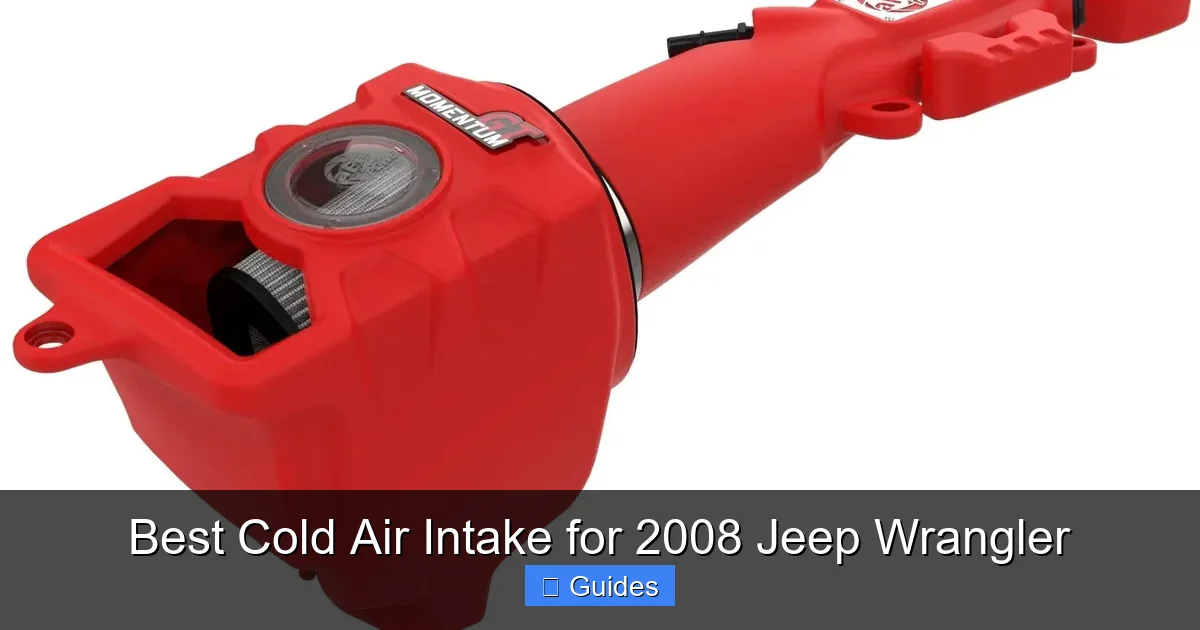
Visual guide about Best Cold Air Intake for 2008 Jeep Wrangler
Image source: fasthemis.com
Now that you know why a cold air intake is worth it, let’s dive into the best options available for your 2008 Jeep Wrangler. We’ve tested and reviewed several popular models based on performance, build quality, ease of installation, and value for money.
1. K&N 69-2523TP Typhoon Cold Air Intake
The K&N 69-2523TP is one of the most popular cold air intakes for the 2008 Wrangler, and for good reason. K&N is a trusted name in performance filtration, and this kit delivers on both power and reliability.
This intake features a mandrel-bent aluminum tube that’s designed to reduce airflow restriction. The included high-flow air filter is made from oiled cotton gauze and can be cleaned and reused up to 100 times. It’s also backed by K&N’s 10-year/Million Mile Limited Warranty—yes, you read that right.
Installation is straightforward, with all necessary hardware and instructions included. Most users report a noticeable improvement in throttle response and a deeper engine sound. Some even claim gains of up to 12 horsepower on a dyno.
One thing to keep in mind: because the filter is oiled, you’ll need to clean and re-oil it every 50,000 miles or so. But that’s a small price to pay for the performance and longevity.
2. AIRAID 400-215 SynthaMax Cold Air Intake
If you’re looking for a balance of performance and value, the AIRAID 400-215 is a solid choice. This intake uses a synthetic filter that doesn’t require oiling—making maintenance even easier than K&N’s oiled filters.
The SynthaMax filter is designed to capture more dirt while allowing greater airflow, and it’s backed by a no-hassle lifetime warranty. The intake tube is made from high-density polyethylene, which resists heat and corrosion.
Users report smoother acceleration and a slight improvement in fuel economy. The sound is more aggressive than stock, but not overly loud. Installation takes about 45 minutes with basic tools, and the kit includes a heat shield to protect the filter from engine heat.
One downside: the plastic tube isn’t as durable as aluminum, but it’s still plenty tough for off-road use.
3. Injen SP1108WB Cold Air Intake
For those who want maximum performance and a race-inspired look, the Injen SP1108WB is a top contender. This intake features a polished aluminum tube with a wrinkle-black powder-coated finish and a high-flow dry filter.
Injen uses a patented MR Technology to optimize airflow and ensure compatibility with your Jeep’s MAF sensor. The result is a system that’s both powerful and safe for daily driving.
Dyno tests show gains of up to 15 horsepower and 12 lb-ft of torque. The dry filter is easy to clean—just tap it out or use compressed air—and never needs oiling.
Installation is a bit more involved than other kits, but the included instructions are clear and well-illustrated. The only drawback is the price—it’s one of the more expensive options on this list. But if you’re serious about performance, it’s worth the investment.
4. Volant 5118 Cold Air Intake
The Volant 5118 is designed with off-roaders in mind. It features a closed-airbox design that protects the filter from water, mud, and dust—perfect for Jeep owners who love to hit the trails.
The intake tube is made from high-density polyethylene, and the filter is a reusable oiled cotton gauze. Volant’s Power Box system includes a sealed airbox with a built-in air scoop that draws in cool air from the fender well.
This setup not only improves performance but also adds a layer of protection in harsh conditions. Users report excellent throttle response and a noticeable improvement in engine sound.
Installation is straightforward, though you’ll need to drill a small hole for the air scoop. The kit comes with detailed instructions and all necessary hardware.
5. AEM 21-503C Cold Air Intake
AEM is another well-known brand in the performance world, and the 21-503C is a great option for Wrangler owners who want a reliable, no-frills upgrade.
This intake uses a dry synthetic filter that never needs oiling and can be cleaned with compressed air. The intake tube is made from lightweight aluminum with a gunmetal gray finish.
Performance gains are solid—around 8 to 10 horsepower—and the system is designed to work seamlessly with your Jeep’s factory electronics. The sound is deeper than stock, but not overly aggressive.
Installation takes about an hour, and the kit includes a heat shield to keep the filter cool. AEM also offers a limited lifetime warranty, so you can buy with confidence.
How to Choose the Right Cold Air Intake for Your Wrangler

Visual guide about Best Cold Air Intake for 2008 Jeep Wrangler
Image source: taxihack.com
With so many options on the market, how do you pick the right one? Here are a few factors to consider before making your decision.
Performance Goals
Ask yourself: what do you want to achieve? If you’re looking for maximum horsepower and a race-inspired sound, go for a high-end model like the Injen or K&N. If you’re more focused on fuel efficiency and reliability, a mid-range option like AIRAID or AEM might be a better fit.
Driving Conditions
Are you a weekend warrior who hits the trails? Or do you mostly drive on paved roads? If you’re off-roading frequently, look for a cold air intake with a sealed airbox and water-resistant filter—like the Volant 5118. These designs protect your engine from water ingestion and debris.
Ease of Maintenance
Some filters require oiling (like K&N), while others are dry and oil-free (like AEM and Injen). Oiled filters can offer slightly better filtration, but they require more maintenance. Dry filters are easier to clean and maintain, making them ideal for busy owners.
Budget
Cold air intakes range from around $200 to $500. While it’s tempting to go for the cheapest option, remember that you get what you pay for. A quality intake will last longer, perform better, and protect your engine more effectively.
Warranty and Support
Check the manufacturer’s warranty and customer support. Brands like K&N, AIRAID, and AEM offer strong warranties and helpful customer service. That peace of mind is worth the extra cost.
Installation Tips for Your Cold Air Intake
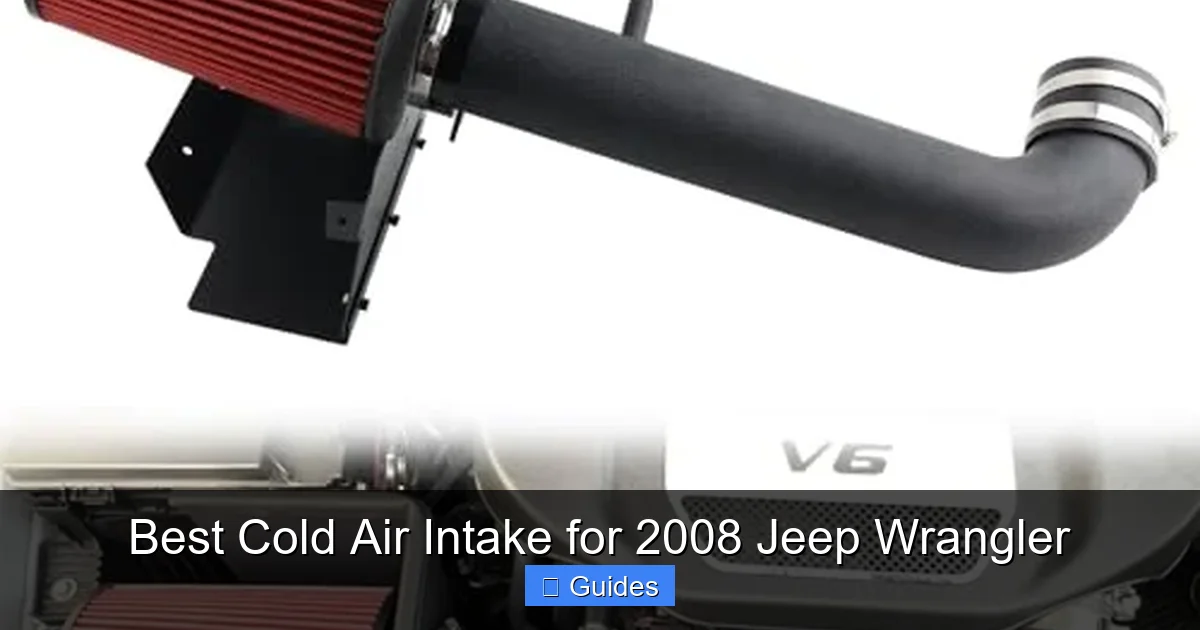
Visual guide about Best Cold Air Intake for 2008 Jeep Wrangler
Image source: m.media-amazon.com
Installing a cold air intake on your 2008 Jeep Wrangler is a straightforward job that most DIYers can handle in under an hour. Here’s a step-by-step guide to help you get it done right.
Tools You’ll Need
– Socket wrench set
– Screwdrivers (Phillips and flathead)
– Pliers
– Torque wrench (optional but recommended)
– Safety glasses and gloves
Step-by-Step Installation
1. **Disconnect the battery:** Always start by disconnecting the negative terminal of your battery to prevent electrical shorts.
2. **Remove the stock airbox:** Loosen the clamps and screws holding the factory airbox in place. Carefully disconnect the mass airflow sensor and any vacuum lines.
3. **Install the new intake tube:** Position the new intake tube and secure it with the provided clamps. Make sure it’s aligned properly and doesn’t interfere with other components.
4. **Attach the filter:** Slide the new air filter onto the intake tube and tighten the clamp.
5. **Reconnect the MAF sensor:** Carefully plug the MAF sensor into the new intake tube. Make sure it’s seated securely.
6. **Install the heat shield (if included):** Position the heat shield around the filter to protect it from engine heat.
7. **Reconnect the battery:** Once everything is in place, reconnect the negative terminal.
8. **Start the engine:** Let it idle for a few minutes to ensure everything is working properly. Listen for any unusual noises or leaks.
Tips for Success
– Double-check all connections before starting the engine.
– Don’t overtighten clamps—snug is enough.
– If your intake includes a tune or requires a reflash, consult the manufacturer’s instructions.
– After installation, take your Jeep for a test drive to feel the difference.
Common Myths About Cold Air Intakes
Despite their popularity, cold air intakes are often misunderstood. Let’s clear up some common myths.
Myth 1: Cold Air Intakes Damage Your Engine
Some people worry that a cold air intake will “lean out” the air-fuel mixture and damage the engine. But modern intakes are designed to work with your Jeep’s factory sensors and ECU. As long as you install it correctly and use a reputable brand, there’s no risk of damage.
Myth 2: You Need a Tune After Installation
Most cold air intakes for the 2008 Wrangler are designed to be “plug-and-play”—meaning no tuning is required. The factory ECU can adapt to the increased airflow. However, if you’re adding other performance mods (like headers or a throttle body), a tune might be beneficial.
Myth 3: All Cold Air Intakes Are the Same
Not true. Quality varies widely between brands. Cheap, poorly designed intakes can actually reduce performance or cause check engine lights. Stick with trusted brands like K&N, AIRAID, Injen, Volant, or AEM.
Myth 4: Cold Air Intakes Void Your Warranty
Thanks to the Magnuson-Moss Warranty Act, installing a cold air intake does not automatically void your warranty. However, if a problem is directly caused by the intake, the manufacturer can deny coverage. That’s another reason to choose a high-quality, reputable brand.
Maintaining Your Cold Air Intake
To keep your cold air intake performing at its best, regular maintenance is key.
Cleaning the Filter
– **Oiled filters (K&N, Volant):** Clean every 30,000 to 50,000 miles using a K&N cleaning kit. Spray the cleaner, let it sit, rinse, dry, and re-oil.
– **Dry filters (AEM, Injen):** Tap out dust or use compressed air every 15,000 to 20,000 miles. No oiling required.
Inspecting the System
Check the intake tube, clamps, and heat shield every few months. Look for cracks, loose connections, or signs of wear. Replace any damaged parts immediately.
Monitoring Performance
If you notice a drop in performance, rough idle, or a check engine light, inspect your intake system. A dirty filter or loose connection could be the culprit.
Final Thoughts: Is a Cold Air Intake Worth It for Your 2008 Wrangler?
Absolutely. A cold air intake is one of the most cost-effective performance upgrades you can make to your 2008 Jeep Wrangler. It’s easy to install, improves horsepower and throttle response, and even enhances fuel economy. Plus, it gives your Jeep that aggressive, off-road-ready sound that turns heads.
Whether you’re crawling over rocks or cruising down the highway, a quality cold air intake helps your Wrangler breathe easier and perform better. Just remember to choose a reputable brand, follow the installation instructions, and maintain your system properly.
So go ahead—give your Jeep the upgrade it deserves. Your engine will thank you.
Frequently Asked Questions
Will a cold air intake increase horsepower on my 2008 Jeep Wrangler?
Yes, a cold air intake can add 5 to 15 horsepower by delivering cooler, denser air to the engine. This improves combustion efficiency and overall performance.
Does a cold air intake improve fuel economy?
Many drivers report a 1 to 2 MPG improvement in fuel economy due to more efficient airflow and combustion. Results may vary based on driving habits and conditions.
Can I install a cold air intake myself?
Yes, most cold air intakes are designed for DIY installation and take 30 to 60 minutes with basic tools. Follow the included instructions carefully.
Do I need to tune my Jeep after installing a cold air intake?
No, most cold air intakes for the 2008 Wrangler are plug-and-play and work with the factory ECU. A tune is only needed if you add other performance modifications.
Are cold air intakes safe for off-roading?
Yes, especially models with sealed airboxes and water-resistant filters. Look for intakes designed for off-road use, like the Volant 5118.
How often should I clean my cold air intake filter?
Oiled filters should be cleaned every 30,000 to 50,000 miles. Dry filters can be cleaned every 15,000 to 20,000 miles using compressed air.

At CarLegit, we believe information should be clear, factual, and genuinely helpful. That’s why every guide, review, and update on our website is created with care, research, and a strong focus on user experience.