
Choosing the best cold air intake for your Jeep Wrangler JK can dramatically improve engine performance, fuel efficiency, and throttle response. With so many options on the market, it’s important to pick one that fits your driving style—whether you’re hitting the trails or cruising the highway. This guide breaks down the top picks, key features, and installation tips to help you make the right choice.
If you own a Jeep Wrangler JK—whether it’s a 2007 model or a 2018—you already know the thrill of open-air driving, rugged capability, and that unmistakable Jeep presence on and off the road. But even the most capable machines can benefit from a little upgrade. One of the simplest, most effective ways to unlock more power and responsiveness from your JK is by installing a cold air intake (CAI).
A cold air intake replaces your factory air box and restrictive tubing with a high-flow system designed to pull in cooler, denser air from outside the engine bay. Cooler air contains more oxygen, which means your engine can burn fuel more efficiently—resulting in more power, better throttle response, and sometimes even improved fuel economy. Plus, let’s be honest: there’s something deeply satisfying about hearing that deep, throaty engine note when you step on the gas.
But with dozens of cold air intakes on the market—each claiming to be the “best”—how do you know which one is right for your Jeep? That’s where this guide comes in. We’ve tested, researched, and compared the top options to bring you the most reliable, performance-driven cold air intakes for the Jeep Wrangler JK. Whether you’re a weekend warrior, a daily driver, or a full-time overlander, we’ll help you find the perfect match.
In This Article
- 1 Key Takeaways
- 2 📑 Table of Contents
- 3 Why Upgrade to a Cold Air Intake?
- 4 Top Cold Air Intake Options for Jeep Wrangler JK
- 5 What to Look for in a Cold Air Intake
- 6 Installation Tips and What to Expect
- 7 Performance Gains and Real-World Results
- 8 Maintenance and Longevity
- 9 Conclusion
- 10 Frequently Asked Questions
- 10.1 Does a cold air intake really increase horsepower?
- 10.2 Will a cold air intake improve gas mileage?
- 10.3 Is it hard to install a cold air intake on a Jeep JK?
- 10.4 Can a cold air intake damage my engine?
- 10.5 Do I need a tune after installing a cold air intake?
- 10.6 Are cold air intakes legal in California?
Key Takeaways
- Improved Performance: A quality cold air intake increases horsepower and torque by delivering cooler, denser air to the engine.
- Better Fuel Efficiency: Many users report improved gas mileage due to more efficient airflow and combustion.
- Enhanced Engine Sound: Expect a deeper, more aggressive growl—especially under acceleration—without being obnoxiously loud.
- Easy Installation: Most cold air intakes for the JK are bolt-on upgrades that can be installed in under an hour with basic tools.
- Durability Matters: Look for high-quality materials like aluminum tubing and reusable oiled or dry filters for long-term reliability.
- Off-Road Readiness: Some intakes include hydro-shields or elevated inlets to protect against water ingestion during river crossings.
- Warranty & Tune Compatibility: Ensure the intake is CARB-compliant (if needed) and works with your current tune or ECU setup.
📑 Table of Contents
Why Upgrade to a Cold Air Intake?
Let’s start with the basics: why should you even consider a cold air intake? Your Jeep’s factory air intake system is designed for quiet operation, emissions compliance, and cost efficiency—not peak performance. The stock air box is often bulky, uses narrow tubing, and draws warm air from inside the engine compartment. This warm air is less dense, which limits combustion efficiency and, ultimately, power output.
A cold air intake solves these issues by:
– Routing air from outside the engine bay (usually near the fender or wheel well), where temperatures are cooler
– Using larger-diameter, smoother tubing to reduce airflow resistance
– Incorporating a high-flow air filter that allows more air in with less restriction
The result? Your engine breathes easier. You’ll notice:
– **Increased horsepower and torque**—typically 5 to 15 HP, depending on the system and engine (3.6L or 3.8L)
– **Sharper throttle response**—your Jeep feels more eager to accelerate
– **Better fuel economy**—some users report 1–2 MPG gains, especially during highway driving
– **A more aggressive engine sound**—especially under load, which many Jeep enthusiasts love
And unlike some performance mods, a cold air intake is relatively affordable (usually $200–$400), easy to install, and doesn’t void your warranty—as long as it’s installed correctly and doesn’t cause damage.
Top Cold Air Intake Options for Jeep Wrangler JK

Visual guide about Best Cold Air Intake for Jeep Wrangler Jk
Image source: keilsgarage.com
Now that you know the benefits, let’s dive into the best cold air intakes available for the Jeep Wrangler JK. We’ve narrowed it down to five top performers based on performance, build quality, ease of installation, and user feedback.
1. K&N Typhoon Cold Air Intake System
The K&N Typhoon is one of the most popular and well-reviewed cold air intakes for the JK. Known for its high-quality construction and proven performance gains, this system is a favorite among daily drivers and weekend off-roaders alike.
**Key Features:**
– Aluminum intake tube with a polished or black finish
– K&N high-flow, reusable air filter (oiled cotton gauze)
– Dyno-tested gains of up to 10 HP and 12 lb-ft of torque
– CARB-compliant (EO# D-4504-1), so it’s legal in all 50 states
– Includes a hydro-shield to protect against water ingestion
**Why It’s Great:**
The Typhoon delivers a noticeable improvement in throttle response and engine sound. The filter is washable and reusable, saving you money over time. Installation takes about 45 minutes with basic hand tools, and K&N provides detailed instructions.
**Best For:** Drivers who want a balance of performance, reliability, and street legality.
2. AFE Power Stage 2 Cold Air Intake
AFE (Advanced Flow Engineering) is a trusted name in performance intakes, and their Stage 2 system for the JK is a top-tier choice. It’s designed for maximum airflow and durability, making it ideal for both street and off-road use.
**Key Features:**
– Mandrel-bent aluminum tubing for smooth airflow
– Pro 5R oiled filter or Pro Dry S dry filter options
– Gains of up to 15 HP and 18 lb-ft of torque (on the 3.6L Pentastar)
– Includes a heat shield to isolate the filter from engine heat
– CARB-compliant (EO# D-541-1)
**Why It’s Great:**
The Stage 2 offers excellent filtration and airflow, and the dry filter option is great for dusty environments since it doesn’t require oiling. The heat shield helps maintain cooler air temperatures, which is crucial for consistent performance.
**Best For:** Off-road enthusiasts and those who want maximum airflow with minimal maintenance.
3. Volant Cold Air Intake
Volant is known for its innovative designs, and their cold air intake for the JK is no exception. This system uses a sealed air box and a high-flow filter to deliver cool, clean air to your engine.
**Key Features:**
– Sealed air box with a ram-air duct for increased airflow at speed
– Proprietary Volant PowerCore filter (dry, no oiling required)
– Gains of up to 12 HP and 14 lb-ft of torque
– CARB-compliant (EO# D-567-1)
– Includes a hydro-shield for water protection
**Why It’s Great:**
The sealed design keeps hot engine air out, while the ram-air effect helps pull in more air at highway speeds. The PowerCore filter is durable and doesn’t need oiling, making maintenance a breeze.
**Best For:** Highway cruisers and overlanders who want consistent performance across varying conditions.
4. Injen SP Series Cold Air Intake
Injen is another performance brand with a strong reputation, and their SP Series intake is a solid choice for JK owners looking for a budget-friendly upgrade.
**Key Features:**
– Aluminum tubing with a wrinkle-black powder coat finish
– Injen SuperNano-Web dry filter (no oiling needed)
– Gains of up to 11 HP and 13 lb-ft of torque
– CARB-compliant (EO# D-466-1)
– Includes a heat shield and all necessary hardware
**Why It’s Great:**
Injen offers excellent value for the price. The dry filter is easy to maintain, and the system installs quickly. While it may not have the flashy branding of K&N or AFE, it delivers real performance gains.
**Best For:** Budget-conscious Jeep owners who still want quality and performance.
5. Rugged Ridge Cold Air Intake
Rugged Ridge is a Jeep-specific brand, so their cold air intake is designed with Wrangler owners in mind. It’s a great option if you want a system that looks and feels like it belongs on your Jeep.
**Key Features:**
– Aluminum tubing with a black powder coat finish
– Reusable oiled filter
– Gains of up to 9 HP and 10 lb-ft of torque
– Includes a hydro-shield and heat shield
– CARB-compliant (EO# D-610-1)
**Why It’s Great:**
Rugged Ridge focuses on off-road durability. The hydro-shield is especially useful for water crossings, and the system is built to handle mud, dust, and debris. It’s also one of the most affordable options.
**Best For:** Off-roaders and budget-minded Jeep enthusiasts who want a reliable, trail-ready intake.
What to Look for in a Cold Air Intake
Visual guide about Best Cold Air Intake for Jeep Wrangler Jk
Image source: somarmotor.com
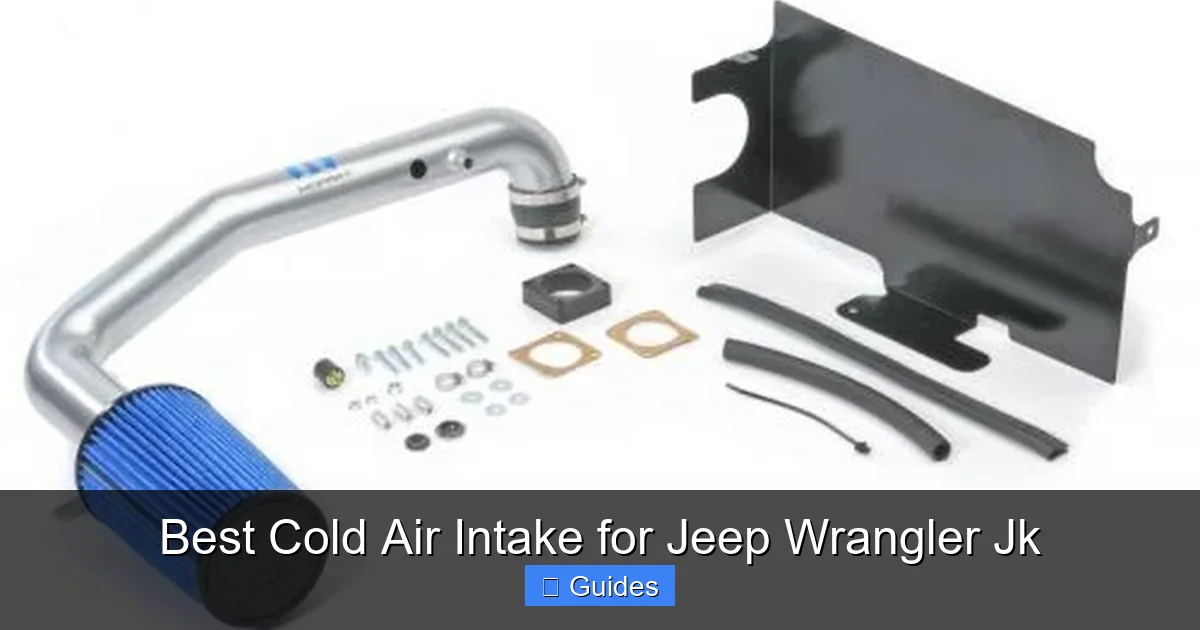
With so many options, it’s important to know what to look for when choosing the best cold air intake for your Jeep Wrangler JK. Here are the key factors to consider:
1. Material and Build Quality
Look for intakes made from durable materials like aluminum or high-quality plastic. Aluminum is preferred because it resists heat soak and won’t crack over time. Avoid cheap plastic tubing that can warp or degrade.
2. Filter Type
There are two main types of filters:
– **Oiled filters** (like K&N or AFE Pro 5R): Offer superior airflow but require periodic cleaning and re-oiling.
– **Dry filters** (like AFE Pro Dry S or Injen SuperNano-Web): Require less maintenance and are better for dusty environments.
Choose based on your driving conditions and how much maintenance you’re willing to do.
3. Heat Shielding
A good cold air intake should include a heat shield or sealed air box to prevent hot engine air from entering the system. This ensures you’re getting the coolest possible air for maximum performance.
4. Water Protection
If you plan to do any water crossings or drive in heavy rain, look for a system with a hydro-shield or elevated inlet. This helps prevent hydrolock—a serious engine-damaging condition caused by water entering the intake.
5. CARB Compliance
If you live in California or another state that follows CARB regulations, make sure the intake is CARB-compliant and comes with an Executive Order (EO) number. This ensures it’s legal for street use.
6. Ease of Installation
Most cold air intakes are designed for DIY installation. Look for systems that include all necessary hardware, clear instructions, and require no permanent modifications to your Jeep.
7. Compatibility with Tuning
If you’ve already installed a performance tune or plan to in the future, make sure the intake is compatible. Some tuners recommend specific intakes for optimal results.
Installation Tips and What to Expect
Visual guide about Best Cold Air Intake for Jeep Wrangler Jk
Image source: photos.xoffroad.world
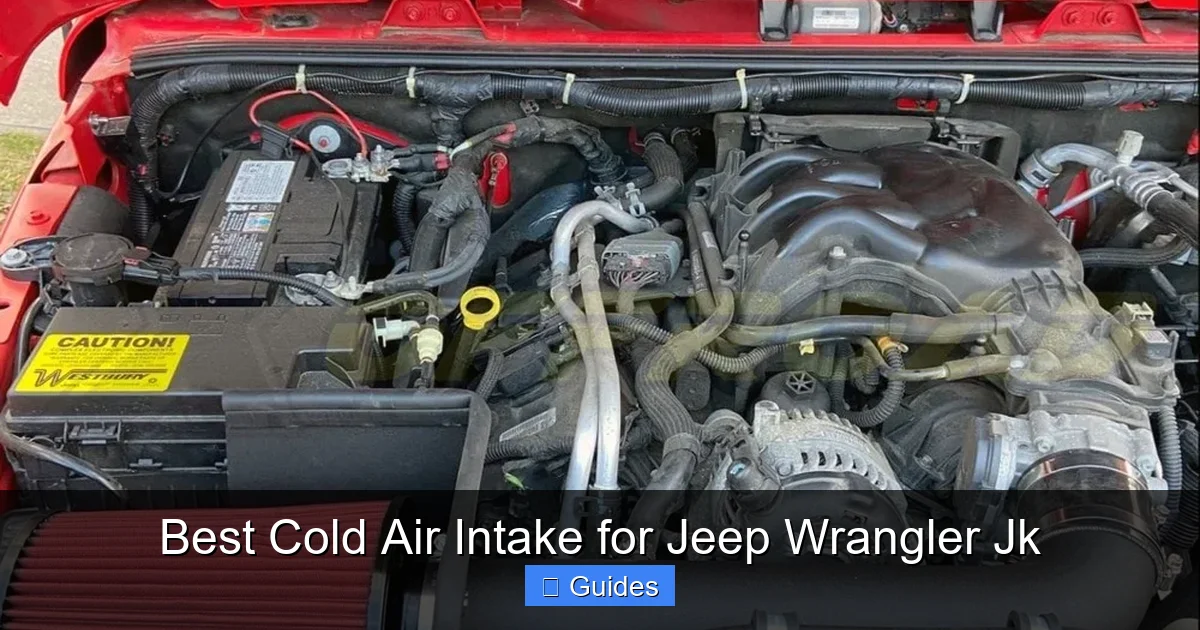
Installing a cold air intake on your Jeep Wrangler JK is one of the easiest performance upgrades you can do. Most systems are bolt-on, meaning you don’t need to drill, weld, or modify your Jeep permanently. Here’s what to expect:
Tools You’ll Need
– Socket wrench set
– Screwdrivers (Phillips and flathead)
– Pliers
– Torx bits (if your Jeep has Torx screws)
– Safety glasses and gloves
Step-by-Step Overview
1. **Disconnect the battery** – Always start by disconnecting the negative terminal to avoid electrical issues.
2. **Remove the factory air box** – Loosen the clamps and screws holding the air box in place. Disconnect the mass airflow (MAF) sensor and any vacuum lines.
3. **Install the new intake tube** – Position the new tube and secure it with the provided clamps and brackets.
4. **Reconnect the MAF sensor** – Carefully plug the sensor into the new intake tube. Make sure it’s seated properly.
5. **Install the air filter** – Attach the filter to the intake tube and secure it.
6. **Reconnect the battery and test** – Start your Jeep and listen for any unusual sounds. Check for leaks or loose connections.
Pro Tips
– **Clean the MAF sensor** before installing the new intake. A dirty sensor can cause performance issues.
– **Don’t overtighten clamps** – This can damage the tubing or filter housing.
– **Check for clearance** – Make sure the new intake doesn’t interfere with the hood, suspension, or other components.
– **Reset the ECU** – Some users report better performance after disconnecting the battery for 10–15 minutes to reset the engine computer.
Performance Gains and Real-World Results
So, how much of a difference does a cold air intake really make? The answer depends on your Jeep’s engine, driving habits, and other modifications. But here’s what most users report:
– **Horsepower and Torque:** Gains typically range from 5 to 15 HP, with the biggest improvements seen on the 3.6L Pentastar engine. Torque gains are usually in the 8–18 lb-ft range.
– **Throttle Response:** One of the most noticeable improvements is how much more responsive the throttle feels. Your Jeep will feel more eager to accelerate, especially from a stop.
– **Fuel Economy:** While not guaranteed, many users report 1–2 MPG improvements, particularly during highway driving. This is due to more efficient combustion and reduced engine load.
– **Engine Sound:** Expect a deeper, more aggressive exhaust note—especially under hard acceleration. It’s not loud, but it’s definitely more exciting than stock.
Keep in mind that a cold air intake works best when paired with other performance mods, like a cat-back exhaust or a tune. But even on its own, it’s a worthwhile upgrade.
Maintenance and Longevity
One of the best things about a cold air intake is that it’s low-maintenance—but it’s not no-maintenance. Here’s how to keep your system running smoothly:
Filter Maintenance
– **Oiled filters:** Clean every 25,000–50,000 miles (or more often if you drive in dusty conditions). Use a K&N or AFE cleaning kit to wash and re-oil the filter.
– **Dry filters:** Inspect every 15,000–30,000 miles. Tap out debris or use compressed air to clean. Replace every 50,000–100,000 miles.
Inspect for Damage
Check the intake tube, clamps, and filter housing regularly for cracks, leaks, or loose connections. Even small leaks can reduce performance.
Watch for Water Ingestion
Avoid deep water crossings unless your intake has a hydro-shield. If water does get in, don’t start the engine—remove the filter and dry everything thoroughly.
With proper care, a quality cold air intake can last the life of your Jeep.
Conclusion
Upgrading to the best cold air intake for your Jeep Wrangler JK is a smart, affordable way to unlock more power, improve throttle response, and enjoy a more engaging driving experience. Whether you choose the proven performance of the K&N Typhoon, the rugged durability of Rugged Ridge, or the high-flow design of AFE Power, you’re making an investment in your Jeep’s performance and longevity.
Remember to choose a system that matches your driving style, includes proper heat shielding and water protection, and is CARB-compliant if needed. And don’t forget to maintain your filter regularly to keep your intake performing at its best.
With the right cold air intake, your JK will not only sound better—it’ll feel better, drive better, and be ready for whatever adventure comes next.
Frequently Asked Questions
Does a cold air intake really increase horsepower?
Yes, a cold air intake can increase horsepower by delivering cooler, denser air to the engine. Most users see gains of 5–15 HP, depending on the system and engine.
Will a cold air intake improve gas mileage?
Some drivers report improved fuel economy—typically 1–2 MPG—due to more efficient combustion. However, results vary based on driving habits and other factors.
Is it hard to install a cold air intake on a Jeep JK?
No, most cold air intakes are bolt-on upgrades that take 30–60 minutes to install with basic tools. No welding or permanent modifications are needed.
Can a cold air intake damage my engine?
A quality, properly installed cold air intake won’t damage your engine. However, cheap or poorly designed systems can cause issues like water ingestion or MAF sensor problems.
Do I need a tune after installing a cold air intake?
Not usually. Most cold air intakes are designed to work with the stock ECU. However, a tune can maximize performance gains, especially if you have other mods.
Are cold air intakes legal in California?
Yes, as long as they are CARB-compliant and have an Executive Order (EO) number. Always check the product listing to ensure it’s legal for street use.

At CarLegit, we believe information should be clear, factual, and genuinely helpful. That’s why every guide, review, and update on our website is created with care, research, and a strong focus on user experience.