
Looking to boost your 2020 Jeep Gladiator’s performance? A quality cold air intake can increase horsepower, improve throttle response, and enhance engine sound. This guide breaks down the top cold air intake systems, what to look for, and how to choose the right one for your off-road or daily driving needs.
In This Article
- 1 Key Takeaways
- 2 📑 Table of Contents
- 3 Why Upgrade to a Cold Air Intake on Your 2020 Jeep Gladiator?
- 4 How a Cold Air Intake Works
- 5 Top Cold Air Intake Options for the 2020 Jeep Gladiator
- 6 What to Look for When Choosing a Cold Air Intake
- 7 Installation Tips and Maintenance
- 8 Common Myths About Cold Air Intakes
- 9 Final Thoughts: Is a Cold Air Intake Worth It?
- 10 Frequently Asked Questions
- 10.1 Will a cold air intake void my Jeep Gladiator’s warranty?
- 10.2 How much horsepower can I gain from a cold air intake?
- 10.3 Do I need to tune my Gladiator after installing a cold air intake?
- 10.4 Can I install a cold air intake myself?
- 10.5 How often should I clean the air filter?
- 10.6 Are cold air intakes legal in all states?
Key Takeaways
- Improved Engine Performance: A cold air intake delivers cooler, denser air to the engine, increasing horsepower and torque.
- Better Fuel Efficiency: More efficient airflow can lead to modest improvements in gas mileage, especially during highway driving.
- Enhanced Engine Sound: Many cold air intakes produce a deeper, more aggressive engine growl under acceleration.
- Easy Installation: Most systems are designed for DIY installation with basic hand tools and take under an hour.
- Durability and Maintenance: High-quality intakes use washable filters and durable materials to withstand off-road conditions.
- Compatibility Matters: Ensure the intake is specifically designed for the 2020 Jeep Gladiator and its 3.6L V6 or 3.0L EcoDiesel engine.
- Warranty and Support: Choose brands that offer strong warranties and customer support for peace of mind.
📑 Table of Contents
- Why Upgrade to a Cold Air Intake on Your 2020 Jeep Gladiator?
- How a Cold Air Intake Works
- Top Cold Air Intake Options for the 2020 Jeep Gladiator
- What to Look for When Choosing a Cold Air Intake
- Installation Tips and Maintenance
- Common Myths About Cold Air Intakes
- Final Thoughts: Is a Cold Air Intake Worth It?
Why Upgrade to a Cold Air Intake on Your 2020 Jeep Gladiator?
If you own a 2020 Jeep Gladiator, you already know it’s a capable machine—built for adventure, towing, and daily driving. But even the best trucks can benefit from a few performance upgrades. One of the most effective and affordable mods is installing a cold air intake (CAI). This simple upgrade can unlock hidden power, improve efficiency, and give your Gladiator a more aggressive personality.
So, what exactly does a cold air intake do? In short, it replaces the factory air intake system with one that pulls in cooler, denser air from outside the engine bay. Stock intakes often draw in hot air from around the engine, which reduces combustion efficiency. A cold air intake routes air from a cooler location—usually near the fender or bumper—delivering more oxygen to the engine. More oxygen means better combustion, which translates to more power and responsiveness.
But it’s not just about horsepower. A quality cold air intake can also improve throttle response, making your Gladiator feel more lively when you press the gas. Many drivers notice a deeper, more satisfying engine sound, especially during acceleration. Plus, some systems are designed to increase airflow efficiency, which can lead to slight improvements in fuel economy—especially on long highway drives.
Benefits Beyond Performance
Beyond the performance gains, a cold air intake offers practical advantages. Most aftermarket systems use high-flow, reusable filters made from cotton gauze or synthetic materials. These filters can be cleaned and reused hundreds of times, saving you money compared to replacing disposable paper filters every 12,000 to 15,000 miles.
Another benefit is durability. Off-roading puts your Gladiator through tough conditions—dust, mud, water crossings, and extreme temperatures. Many cold air intakes are built with heat shields and sealed housings to protect the filter from engine heat and debris. Some even include water-resistant coatings or pre-filters to keep dirt and moisture out.
And let’s not forget aesthetics. A well-designed cold air intake can give your engine bay a cleaner, more aggressive look. Many systems come with polished aluminum or powder-coated components that stand out under the hood.
How a Cold Air Intake Works
Visual guide about Best Cold Air Intake for 2020 Jeep Gladiator
Image source: buyp3.com
To understand why a cold air intake makes such a difference, it helps to know how your engine breathes. Your Gladiator’s engine is essentially a giant air pump. It needs a steady supply of air to mix with fuel for combustion. The more air it can take in, the more power it can produce.
The factory air intake system is designed for quiet operation, emissions compliance, and cost efficiency—not maximum performance. It typically pulls air from inside the engine bay, where temperatures can soar. Hot air is less dense, meaning it contains fewer oxygen molecules. Less oxygen equals less efficient combustion and reduced power.
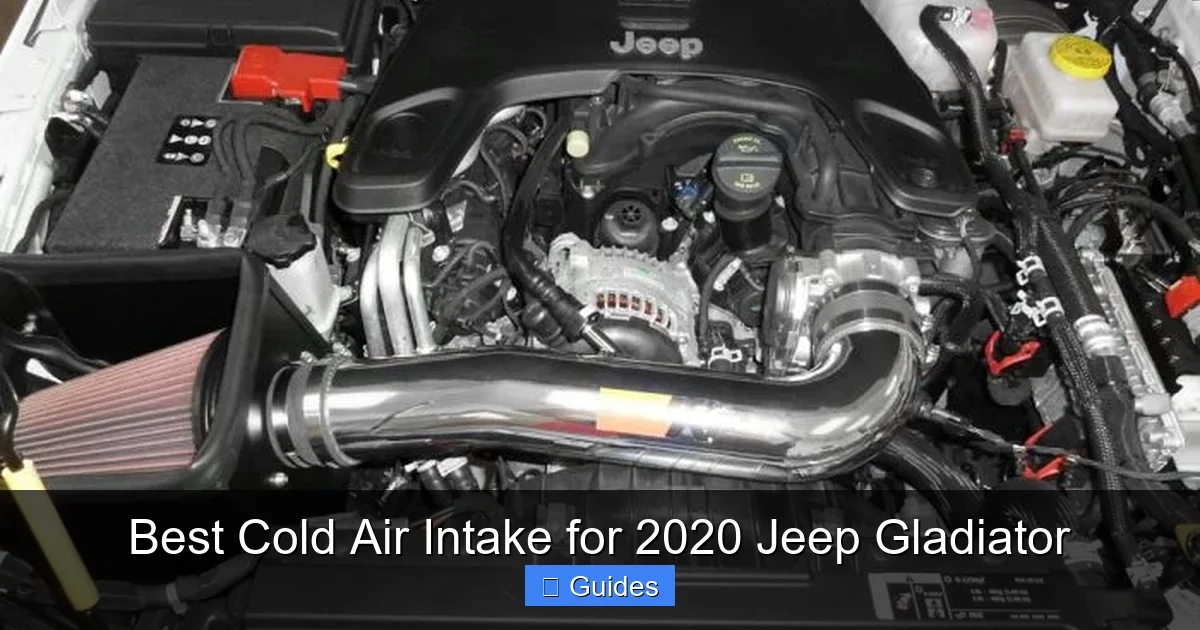
A cold air intake solves this problem by relocating the air filter to a cooler, more open area—often near the front grille or wheel well. This allows the system to draw in ambient air, which is cooler and denser. The intake tube is also usually wider and smoother than the stock version, reducing airflow restrictions.
The Science of Air Density
Air density plays a crucial role in engine performance. Cooler air is denser, so each intake stroke brings in more oxygen. More oxygen allows for a richer fuel mixture and more complete combustion. This results in a noticeable increase in horsepower and torque, especially in the mid-to-high RPM range.
For example, a 2020 Jeep Gladiator with the 3.6L Pentastar V6 engine produces around 285 horsepower and 260 lb-ft of torque from the factory. While a cold air intake won’t double that number, it can add 5 to 15 horsepower and a similar amount of torque, depending on the system and tuning. That might not sound like much, but it’s enough to feel a real difference in acceleration and towing capability.
Real-World Performance Gains
Let’s put this into perspective. Imagine you’re towing a small trailer up a steep hill. With a cold air intake, your engine doesn’t have to work as hard to maintain speed. The improved airflow helps keep combustion efficient, reducing strain on the engine and transmission.
Or picture yourself off-roading in the desert. Dust and heat are constant challenges. A sealed cold air intake with a high-flow filter ensures your engine gets clean, cool air even in harsh conditions. This can prevent power loss and reduce the risk of overheating.
Even in everyday driving, the benefits are noticeable. You’ll experience quicker throttle response when merging onto the highway or passing another vehicle. The engine feels more responsive, and the deeper exhaust note adds to the driving experience.
Top Cold Air Intake Options for the 2020 Jeep Gladiator
Visual guide about Best Cold Air Intake for 2020 Jeep Gladiator
Image source: square1offroad.com
Now that you know why a cold air intake is worth considering, let’s look at some of the best options available for the 2020 Jeep Gladiator. These systems are designed specifically for the Gladiator’s 3.6L V6 and 3.0L EcoDiesel engines, ensuring a perfect fit and optimal performance.
1. K&N Typhoon Cold Air Intake
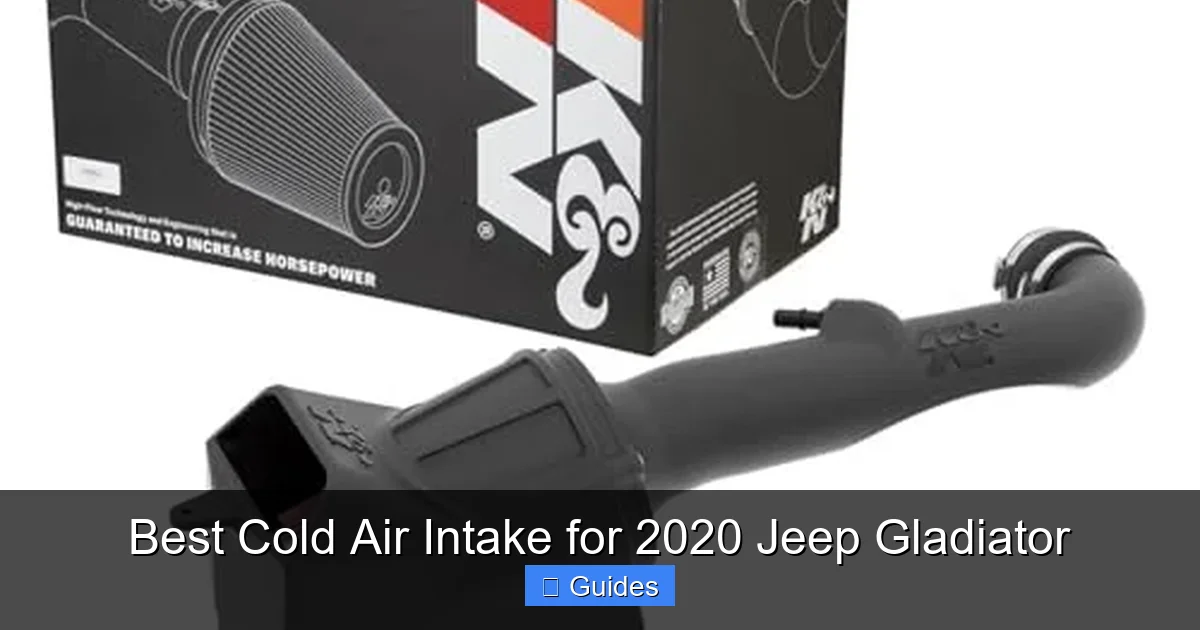
One of the most popular choices among Gladiator owners is the K&N Typhoon Series. Known for their high-quality construction and proven performance, K&N intakes are a favorite in the off-road and performance communities.
The Typhoon system features a mandrel-bent aluminum intake tube that reduces airflow restrictions. The tube is powder-coated for durability and heat resistance. The real star, though, is the high-flow air filter. Made from multiple layers of oiled cotton gauze, it captures dirt while allowing maximum airflow.
Installation is straightforward, typically taking 30 to 45 minutes with basic tools. The system includes a heat shield to protect the filter from engine heat, and the entire unit is designed to be emissions-legal in all 50 states.
Owners report noticeable improvements in throttle response and a deeper engine sound. Some dyno tests show gains of up to 12 horsepower and 10 lb-ft of torque. Plus, the reusable filter can last up to 100,000 miles with proper maintenance.
2. AFE Power Momentum GT Cold Air Intake
AFE Power is another trusted name in performance intakes. Their Momentum GT series is engineered for maximum airflow and filtration efficiency.
This system uses a one-piece rotational molded intake tube made from high-density polyethylene. It’s designed to minimize turbulence and maximize airflow. The filter is a 5-layer progressive cotton gauze design, oiled for superior filtration.
One standout feature is the large, open-element air filter housing. It allows for greater airflow while still protecting the filter from heat and debris. The housing is sealed to prevent hot air from entering the system.
Installation is tool-free in many cases, thanks to quick-release clamps and a modular design. The system is also CARB-compliant, meaning it’s legal for street use in California and other states with strict emissions laws.
Drivers praise the Momentum GT for its smooth power delivery and improved engine sound. It’s a great choice for those who want a balance of performance, durability, and ease of maintenance.
3. Injen SP Series Cold Air Intake
Injen is known for innovative designs and high-performance results. The SP Series cold air intake for the 2020 Gladiator is no exception.
This system features a patented MR Technology intake tube that uses a unique stepped design to increase airflow velocity. The result is improved throttle response and horsepower gains across the RPM range.
The filter is a 7-layer oiled cotton gauze design, offering excellent filtration without sacrificing flow. The intake tube is made from lightweight, heat-resistant materials and includes a heat shield to keep intake air cool.
Installation is simple, with most users completing it in under an hour. The system is also dyno-tested and comes with a limited lifetime warranty.
Gladiator owners love the Injen SP for its aggressive sound and noticeable performance boost. It’s a top pick for those who want a high-end intake without breaking the bank.
4. Volant Cold Air Intake
Volant specializes in sealed cold air intakes designed for extreme conditions. Their system for the 2020 Gladiator is built to handle dust, mud, and water—perfect for off-road enthusiasts.
The Volant intake features a sealed air box that completely isolates the filter from engine heat. Air is drawn in from a high-flow duct near the fender, ensuring cool, clean air at all times.
The filter is a high-flow, reusable design with a hydrophobic coating to repel water. This makes it ideal for water crossings and wet environments.
Installation is straightforward, and the system includes all necessary hardware. It’s also CARB-compliant, so it’s street-legal in all states.
Drivers report excellent performance in off-road conditions, with no loss of power even in dusty or wet environments. It’s a great choice if you frequently take your Gladiator off the beaten path.
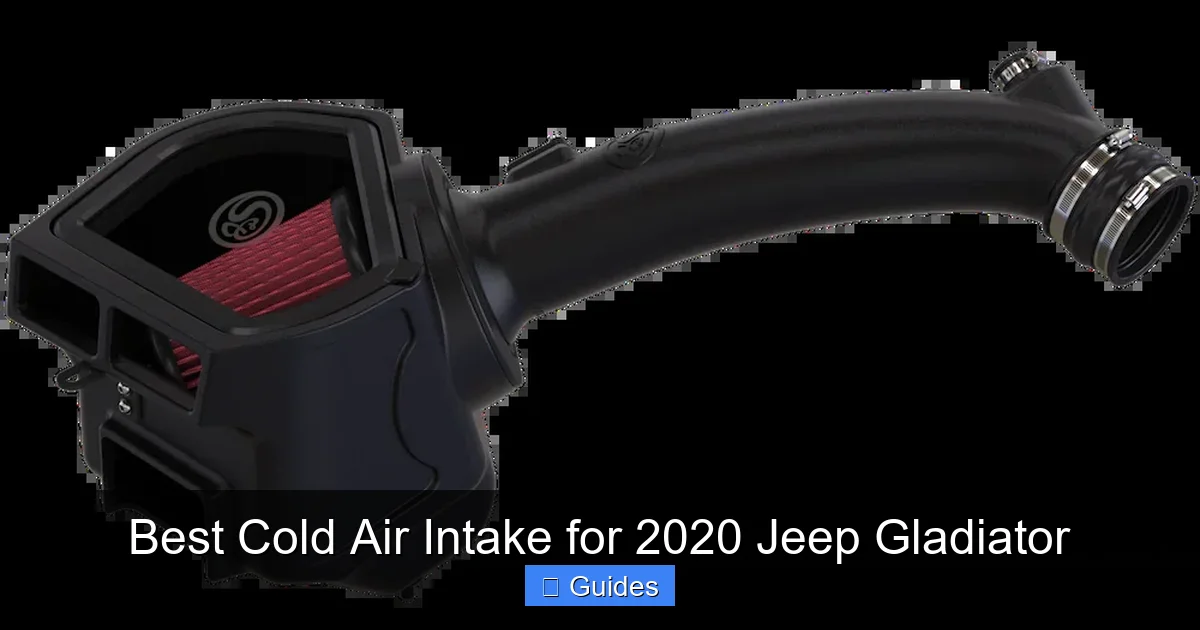
5. S&B Filters Cold Air Intake
S&B Filters is known for high-quality, American-made intakes. Their system for the 2020 Gladiator is designed for maximum airflow and filtration.
The intake tube is made from high-density polyethylene and features a smooth interior to reduce turbulence. The filter is a 7-layer oiled cotton gauze design, offering excellent protection and flow.
One unique feature is the large, open-element filter housing, which allows for greater airflow while still protecting the filter. The system is also sealed to prevent hot air intrusion.
Installation is tool-free in many cases, and the system is CARB-compliant. S&B also offers a 1,000,000-mile filter life guarantee, which is one of the best in the industry.
Gladiator owners appreciate the S&B intake for its durability, performance, and ease of maintenance. It’s a solid choice for daily drivers and off-roaders alike.
What to Look for When Choosing a Cold Air Intake
Visual guide about Best Cold Air Intake for 2020 Jeep Gladiator
Image source: adventurejeep.com
With so many options available, how do you choose the right cold air intake for your 2020 Jeep Gladiator? Here are some key factors to consider.
Compatibility
First and foremost, make sure the intake is designed specifically for the 2020 Jeep Gladiator. While some systems may fit multiple vehicles, a Gladiator-specific intake will ensure proper fitment, optimal airflow, and compatibility with emissions systems.
Check whether the intake is compatible with your engine—either the 3.6L V6 or the 3.0L EcoDiesel. Some systems are only available for one engine type, so double-check before purchasing.
Material and Construction
The materials used in the intake system affect both performance and durability. Look for intake tubes made from aluminum, high-density polyethylene, or other heat-resistant materials. These materials reduce heat soak and maintain cooler intake air.
The filter should be made from high-quality cotton gauze or synthetic materials. Oiled filters generally offer better airflow, while dry filters are easier to maintain. Choose based on your preference and driving conditions.
Sealed vs. Open Design
Cold air intakes come in two main designs: sealed and open. Sealed systems use an enclosed air box to protect the filter from engine heat and debris. They’re ideal for off-roading and dusty environments.
Open designs expose the filter to ambient air, which can increase airflow but also expose the filter to heat and dirt. They’re better suited for street driving and clean environments.
Consider your driving habits when choosing between the two. If you frequently go off-road, a sealed system like the Volant or S&B is a better choice.
Ease of Installation
Most cold air intakes are designed for DIY installation. Look for systems that include detailed instructions, all necessary hardware, and tool-free installation features like quick-release clamps.
Installation typically takes 30 to 60 minutes. If you’re not comfortable working on your vehicle, consider having a professional install it.
Warranty and Support
A good warranty is a sign of a quality product. Look for intakes with at least a limited lifetime warranty on the filter and a 1- to 3-year warranty on the intake tube and housing.
Also, check the manufacturer’s customer support. Brands like K&N, AFE, and S&B are known for excellent service and easy filter replacements.
Emissions Compliance
If you live in California or another state with strict emissions laws, make sure the intake is CARB-compliant. This ensures it’s legal for street use and won’t cause issues during inspections.
Most reputable brands offer CARB-executed intakes for the Gladiator, but always verify before purchasing.
Installation Tips and Maintenance
Installing a cold air intake on your 2020 Jeep Gladiator is a straightforward process, but a few tips can help ensure a smooth installation and long-term performance.
Step-by-Step Installation Guide
1. **Gather Your Tools:** You’ll need basic hand tools like a socket set, screwdrivers, and pliers. Most kits include all necessary hardware.
2. **Disconnect the Battery:** For safety, disconnect the negative terminal of the battery before starting.
3. **Remove the Stock Intake:** Loosen the clamps and remove the factory air box, intake tube, and filter. Take note of how everything is connected.
4. **Install the New Intake:** Follow the manufacturer’s instructions to install the new intake tube, filter, and heat shield. Make sure all connections are secure.
5. **Reconnect the Sensors:** Reattach any mass airflow (MAF) sensors or vacuum lines. These are critical for proper engine operation.
6. **Reconnect the Battery:** Once everything is installed, reconnect the battery and start the engine. Listen for any unusual noises or leaks.
7. **Test Drive:** Take your Gladiator for a short drive to ensure everything is working properly. Pay attention to throttle response and engine sound.
Maintenance Tips
To keep your cold air intake performing at its best, regular maintenance is key.
– **Clean the Filter:** Most reusable filters should be cleaned every 25,000 to 50,000 miles, or more often if you drive in dusty conditions. Follow the manufacturer’s cleaning instructions carefully.
– **Inspect for Damage:** Check the intake tube and housing for cracks, leaks, or loose connections. Replace any damaged parts immediately.
– **Check Seals:** Ensure the air box or filter housing is properly sealed to prevent hot air from entering the system.
– **Monitor Performance:** If you notice a drop in performance or unusual engine sounds, inspect the intake system for issues.
Common Myths About Cold Air Intakes
Despite their popularity, cold air intakes are often misunderstood. Let’s clear up some common myths.
Myth 1: Cold Air Intakes Void Your Warranty
This is false. Under the Magnuson-Moss Warranty Act, manufacturers cannot void your warranty simply because you installed an aftermarket part—unless they can prove the part caused the damage. As long as the intake is installed correctly and doesn’t cause engine problems, your warranty remains intact.
Myth 2: Cold Air Intakes Make Your Engine Louder
While many cold air intakes do produce a deeper engine sound, they don’t make your engine “louder” in a negative way. The sound is a result of improved airflow and combustion efficiency. It’s a pleasant, performance-oriented tone—not excessive noise.
Myth 3: Cold Air Intakes Reduce Fuel Economy
In reality, most cold air intakes have a neutral or positive effect on fuel economy. Improved airflow can lead to more efficient combustion, which may improve gas mileage—especially during highway driving. However, if you drive aggressively and take advantage of the extra power, you might see a slight decrease in fuel economy.
Myth 4: All Cold Air Intakes Are the Same
Not true. There are significant differences in design, materials, and performance between brands. A high-quality intake from K&N or AFE will outperform a cheap, generic system in terms of airflow, durability, and reliability.
Final Thoughts: Is a Cold Air Intake Worth It?
So, is a cold air intake worth the investment for your 2020 Jeep Gladiator? For most owners, the answer is yes.
The performance gains—while modest—are real and noticeable. Improved throttle response, a deeper engine sound, and better towing capability make driving more enjoyable. The potential for improved fuel economy and reduced maintenance costs add to the value.
Plus, installation is simple, and most systems are designed to last the life of the vehicle with proper care.
If you’re looking for an affordable, effective upgrade that enhances both performance and driving experience, a cold air intake is one of the best mods you can make to your Gladiator.
Just remember to choose a high-quality system from a reputable brand, ensure compatibility with your engine, and follow proper installation and maintenance procedures.
With the right cold air intake, your 2020 Jeep Gladiator will breathe easier, perform better, and sound even more impressive on and off the road.
Frequently Asked Questions
Will a cold air intake void my Jeep Gladiator’s warranty?
No, installing a cold air intake will not automatically void your warranty. Under federal law, manufacturers can only deny warranty claims if they prove the aftermarket part caused the damage. As long as the intake is properly installed and doesn’t cause engine issues, your warranty remains valid.
How much horsepower can I gain from a cold air intake?
Most cold air intakes for the 2020 Jeep Gladiator add between 5 and 15 horsepower, depending on the system and engine. Gains are typically felt in the mid-to-high RPM range and improve throttle response and acceleration.
Do I need to tune my Gladiator after installing a cold air intake?
Generally, no. Most cold air intakes are designed to work with the factory engine tune. However, for maximum performance, some enthusiasts pair the intake with a performance tuner or ECU flash, especially if adding other mods like exhaust or headers.
Can I install a cold air intake myself?
Yes, most cold air intakes are designed for DIY installation and take 30 to 60 minutes with basic tools. Follow the manufacturer’s instructions carefully and ensure all connections and sensors are properly secured.
How often should I clean the air filter?
Reusable air filters should be cleaned every 25,000 to 50,000 miles, or more often if you drive in dusty or off-road conditions. Always use the cleaning kit recommended by the manufacturer to avoid damaging the filter.
Are cold air intakes legal in all states?
Most cold air intakes are legal in all 50 states if they are CARB-compliant (California Air Resources Board). Look for a CARB EO number on the product or packaging to ensure it meets emissions standards.

At CarLegit, we believe information should be clear, factual, and genuinely helpful. That’s why every guide, review, and update on our website is created with care, research, and a strong focus on user experience.