
The value of a 1999 Mercedes Benz depends on the model, condition, mileage, and market demand. While some models sell for under $3,000, rare or well-maintained versions can fetch over $10,000. Understanding key factors helps you make smart buying or selling decisions.
[FEATURED_IMAGE_PLACEOLDER]
If you’re curious about how much a 1999 Mercedes Benz is worth, you’re not alone. This iconic German automaker has long been synonymous with luxury, performance, and engineering excellence. The 1999 model year was a pivotal time for Mercedes-Benz, marking the end of an era for several classic designs and the beginning of modern refinements. Whether you’re looking to buy, sell, or simply appreciate these vehicles, understanding their current market value is essential.
Back in 1999, Mercedes-Benz offered a wide range of sedans, coupes, convertibles, and SUVs—each catering to different tastes and budgets. From the compact C-Class to the opulent S-Class, and the sporty SL roadster, there was something for nearly every luxury car buyer. Today, these vehicles are considered vintage or near-classic, and their worth varies dramatically based on a mix of factors. It’s not just about the year or brand—it’s about the specific model, its condition, and how well it’s been cared for over the past 25 years.
So, how much is a 1999 Mercedes Benz really worth? The short answer: it depends. A base-model C230 in average condition might sell for around $2,500, while a pristine SL500 with low mileage could fetch $12,000 or more. The key is knowing what drives value in these aging luxury machines. In this guide, we’ll break down everything you need to know—from pricing trends and model comparisons to maintenance tips and market insights—so you can confidently assess the worth of a 1999 Mercedes Benz.
In This Article
- 1 Key Takeaways
- 2 📑 Table of Contents
- 3 Understanding the 1999 Mercedes-Benz Lineup
- 4 Factors That Determine the Value of a 1999 Mercedes Benz
- 5 Real-World Pricing Examples by Model
- 6 Tips for Buying a 1999 Mercedes Benz
- 7 Selling Your 1999 Mercedes Benz: Maximizing Value
- 8 The Future of 1999 Mercedes-Benz Values
- 9 Conclusion
- 10 Frequently Asked Questions
- 10.1 What is the most valuable 1999 Mercedes-Benz model?
- 10.2 Are 1999 Mercedes-Benz cars reliable?
- 10.3 How much does it cost to maintain a 1999 Mercedes?
- 10.4 Can I daily drive a 1999 Mercedes-Benz?
- 10.5 Where can I find a good 1999 Mercedes-Benz for sale?
- 10.6 Will a 1999 Mercedes-Benz appreciate in value?
Key Takeaways
- Model matters most: A 1999 Mercedes-Benz S-Class or SL-Class typically holds more value than a C-Class or E-Class due to luxury features and performance.
- Condition is critical: A well-maintained, low-mileage example with service records can be worth 2–3 times more than a neglected one.
- Mileage impacts price: Vehicles under 80,000 miles are considered low-mileage and command higher prices, while those over 150,000 may need major repairs.
- Originality increases value: Cars with original paint, interior, and factory parts are more desirable to collectors and enthusiasts.
- Market trends fluctuate: Classic car demand, fuel prices, and economic conditions can affect resale value year to year.
- Location influences pricing: Prices vary by region—urban areas and coastal cities often have higher demand for luxury classics.
- Documentation adds credibility: A full service history, owner manuals, and repair receipts boost buyer confidence and resale value.
📑 Table of Contents
Understanding the 1999 Mercedes-Benz Lineup
Before diving into pricing, it helps to understand what models were available in 1999. Mercedes-Benz offered a diverse range of vehicles that year, each with its own strengths and appeal. Knowing the differences between them is the first step in determining value.
Popular Models from 1999
The 1999 lineup included several standout models:
– **C-Class (W202):** This was the entry-level luxury sedan, available as the C230, C280, and C43 AMG. The C230 was the most common, powered by a 2.3L inline-4 engine. The C43 AMG, with its 4.3L V8, was a rare performance variant and highly sought after today.
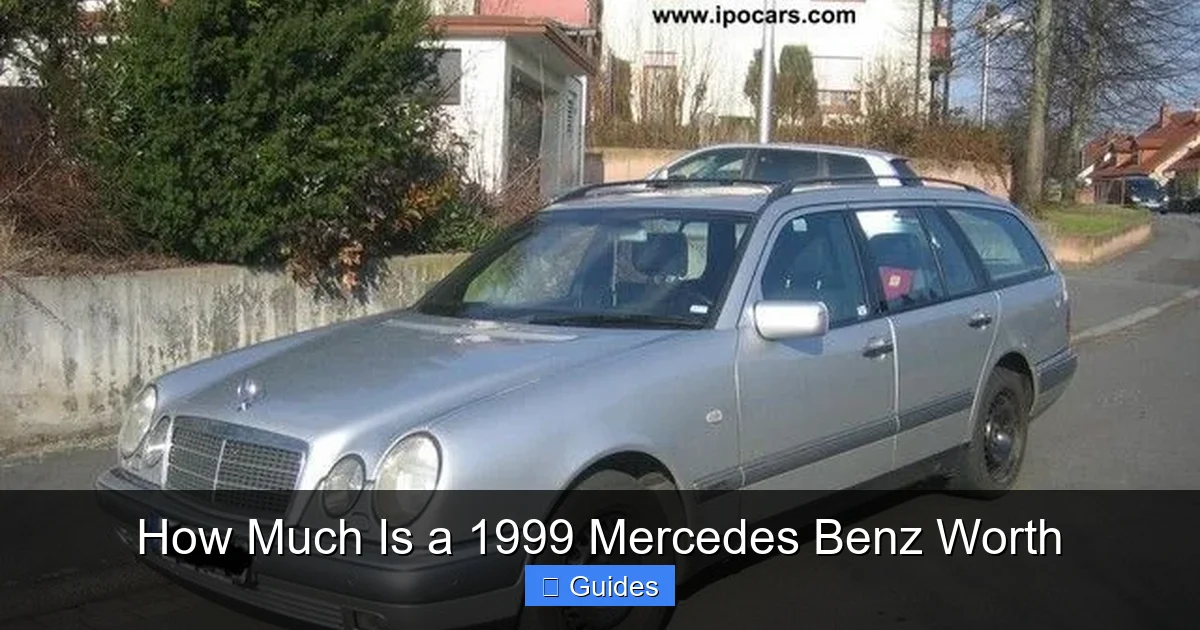
– **E-Class (W210):** A step up in size and luxury, the E-Class came in sedan and wagon forms. Models included the E320, E420, and the high-performance E55 AMG. The W210 is known for its sleek “four-headlight” design and solid build quality.
– **S-Class (W140 and W220):** The flagship sedan, the S-Class, was available in two generations in 1999. The older W140 (“the tank”) was still in production, offering V12 power in the S600. The newer W220 debuted that year with a more modern look and advanced electronics. Both are luxury icons, but the W220 is generally more reliable.
– **SL-Class (R129):** The SL roadster was a top-tier convertible, with models like the SL500 (5.0L V8) and SL600 (6.0L V12). Known for their retractable hardtops and smooth rides, these cars are now collector favorites.
– **CLK-Class (C208):** A stylish coupe based on the C-Class platform, the CLK offered a blend of sportiness and elegance. The CLK320 and CLK430 were the main variants.
– **M-Class (W163):** Mercedes’ first SUV, the M-Class, debuted in 1997 and was still relatively new in 1999. The ML320 and ML430 offered off-road capability with luxury touches.
Why the 1999 Model Year Matters
1999 was a transitional year for Mercedes-Benz. It marked the end of the W140 S-Class and R129 SL, both of which are now considered classics. At the same time, the W220 S-Class and W163 M-Class were gaining traction, introducing new technology and design philosophies. This duality makes 1999 a fascinating year for enthusiasts—you get the last of the old-school, over-engineered Mercedes and the beginning of the modern era.
Additionally, 1999 models often have fewer electronic complexities than later years, which can be a plus for DIY owners. However, they also lack some of the safety and efficiency features found in newer cars. Understanding this balance helps explain why certain models hold value better than others.
Factors That Determine the Value of a 1999 Mercedes Benz

Visual guide about How Much Is a 1999 Mercedes Benz Worth
Image source: ipocars.com
Now that you know the models, let’s explore what actually affects how much a 1999 Mercedes Benz is worth. Several key factors come into play, and they can dramatically shift the price up or down.
1. Model and Trim Level
Not all 1999 Mercedes are created equal. The model and trim level are the biggest determinants of value. For example:
– A **1999 C230 Kompressor** with 150,000 miles might sell for $2,000–$3,500.
– A **1999 E55 AMG** in excellent condition could go for $8,000–$12,000.
– A **1999 SL500** with 60,000 miles and full service history might fetch $10,000–$15,000.
High-performance AMG models and flagship S-Class or SL-Class vehicles naturally command higher prices due to their engineering, rarity, and desirability.
2. Vehicle Condition
Condition is everything. A car that looks good in photos but has hidden rust, engine issues, or transmission problems will be worth far less than one that’s been meticulously maintained.
– **Excellent condition:** Original paint, clean interior, no major mechanical issues. These cars can sell for 2–3 times more than average examples.
– **Good condition:** Minor wear, some scratches, but mechanically sound. This is the most common category.
– **Fair or poor condition:** Rust, interior damage, engine or transmission problems. These may only be worth $1,000–$2,000, if that.
Always inspect the undercarriage for rust, especially in snowy or coastal regions. Check the engine bay for leaks, and test drive to listen for unusual noises.
3. Mileage
Mileage is a strong indicator of wear and future maintenance needs. Here’s a general guide:
– **Under 80,000 miles:** Considered low-mileage. These cars are rare and valuable, especially if well-maintained.
– **80,000–120,000 miles:** Average for a 25-year-old car. Still desirable if in good shape.
– **Over 150,000 miles:** High mileage. May require major repairs (e.g., transmission, suspension, engine). Price drops significantly.
For example, a 1999 E320 with 70,000 miles might sell for $5,000, while the same model with 180,000 miles might only get $2,000.
4. Service History and Documentation
A complete service history can increase value by 20–30%. Buyers want to know the car has been cared for. Look for:
– Regular oil changes
– Timing chain or belt replacements (critical on Mercedes)
– Brake and suspension work
– Transmission fluid changes
– Records from dealerships or reputable shops
Cars with original owner manuals, window stickers, and repair receipts are especially appealing to collectors.
5. Originality and Modifications
Original, unmodified cars are generally more valuable. Aftermarket parts, custom paint, or engine swaps can hurt resale value unless they’re period-correct or professionally done.
For example, a 1999 C43 AMG with original AMG wheels, exhaust, and interior will outsell one with cheap aftermarket parts. Enthusiasts prefer factory-correct examples.
6. Market Demand and Trends
The classic car market is cyclical. In recent years, there’s been growing interest in 1990s and early 2000s luxury cars, especially from brands like Mercedes, BMW, and Lexus. This has boosted values for well-preserved examples.
However, economic factors like fuel prices, interest rates, and consumer confidence also play a role. In a recession, luxury classics may sit on the market longer and sell for less.
Real-World Pricing Examples by Model
Visual guide about How Much Is a 1999 Mercedes Benz Worth
Image source: ipocars.com
To give you a clearer picture, here’s a breakdown of how much different 1999 Mercedes models are currently worth, based on recent sales data from platforms like eBay Motors, Cars & Bids, and local listings.
C-Class (W202)
– **1999 C230 Kompressor (120,000 miles, good condition):** $2,800–$4,000
– **1999 C280 (100,000 miles, excellent condition):** $3,500–$5,000
– **1999 C43 AMG (80,000 miles, pristine):** $9,000–$13,000
The C43 AMG is the star here. With only about 5,000 made for the U.S. market, it’s a rare find. Well-maintained examples are increasingly collectible.
E-Class (W210)
– **1999 E320 (130,000 miles, average condition):** $3,000–$4,500
– **1999 E420 (110,000 miles, good condition):** $4,000–$6,000
– **1999 E55 AMG (90,000 miles, excellent):** $7,500–$11,000
The E55 AMG is a sleeper sedan with a 349-hp V8. It’s faster than many sports cars of its era and highly respected among enthusiasts.
S-Class (W140 and W220)
– **1999 S500 (W140, 140,000 miles, fair condition):** $4,000–$6,000
– **1999 S600 (W140, 100,000 miles, excellent):** $8,000–$12,000
– **1999 S500 (W220, 90,000 miles, good):** $5,000–$7,500
The W140 S-Class, especially the V12 models, are seen as overbuilt masterpieces. The W220 is more modern but can have electronic issues.
SL-Class (R129)
– **1999 SL500 (100,000 miles, good condition):** $8,000–$11,000
– **1999 SL500 (70,000 miles, excellent):** $12,000–$16,000
– **1999 SL600 (80,000 miles, pristine):** $15,000–$20,000
The SL-Class is one of the most desirable 1999 models. Low-mileage examples are rare and highly collectible.
CLK-Class (C208)
– **1999 CLK320 (120,000 miles, average):** $3,500–$5,000
– **1999 CLK430 (90,000 miles, excellent):** $6,000–$9,000
The CLK offers coupe style with Mercedes reliability. The V8 CLK430 is a great blend of comfort and performance.
M-Class (W163)
– **1999 ML320 (150,000 miles, fair):** $2,500–$4,000
– **1999 ML430 (120,000 miles, good):** $4,000–$6,000
Early M-Classes are now affordable luxury SUVs. They’re not as collectible as sedans or roadsters, but well-kept examples are still solid buys.
Tips for Buying a 1999 Mercedes Benz

Visual guide about How Much Is a 1999 Mercedes Benz Worth
Image source: ipocars.com
If you’re in the market for one of these classics, here are some practical tips to help you get the best value and avoid costly mistakes.
Get a Pre-Purchase Inspection (PPI)
Never buy a 1999 Mercedes without a thorough inspection by a qualified mechanic—preferably one familiar with older Mercedes. A PPI can uncover hidden issues like:
– Timing chain tensioner failure (common in M111 and M112 engines)
– Transmission slippage (722.6 automatic is generally reliable but can wear)
– Rust in wheel wells, floor pans, or under the windshield
– Electrical gremlins (especially in W220 models)
A good inspection costs $100–$200 but can save you thousands in repairs.
Check for Common Problems
Every model has its weak points. Here are some to watch for:
– **C-Class:** Watch for worn suspension bushings and leaking valve covers.
– **E-Class:** Check the rear suspension for sagging and the ABC (Active Body Control) system if equipped (W210 didn’t have it, but later models did).
– **S-Class (W140):** These are heavy cars with complex systems. Look for hydraulic leaks, worn air suspension, and electrical issues.
– **SL-Class:** Inspect the retractable hardtop mechanism—repairs can cost $2,000+.
– **M-Class:** Early models had issues with transfer case and transmission. Check for 4WD engagement problems.
Verify Ownership and Title
Make sure the seller has a clean title and is the legal owner. Check for liens or salvage history. A clean Carfax or AutoCheck report is ideal, but don’t rely on it alone—some issues don’t get reported.
Negotiate Based on Condition
Use any flaws as leverage. If the car needs new tires, brakes, or a timing chain service, deduct those costs from your offer. For example, if a $5,000 car needs $1,500 in repairs, offer $3,500.
Consider Long-Term Costs
Owning a 25-year-old luxury car isn’t cheap. Parts can be expensive, and labor rates at Mercedes specialists are high. Budget for:
– Regular maintenance: $500–$1,000/year
– Unexpected repairs: $1,000–$3,000 every few years
– Insurance: Full coverage may cost $800–$1,500/year
Selling Your 1999 Mercedes Benz: Maximizing Value
If you’re selling, here’s how to get the best price.
Clean and Detail the Car
First impressions matter. Wash, wax, and vacuum the interior. Fix minor scratches if possible. A $200 detail job can increase perceived value by $1,000 or more.
Gather Documentation
Compile all service records, manuals, and receipts. Create a folder or digital file to show buyers you’ve cared for the car.
Price It Right
Research similar listings on Autotrader, Cars.com, and Facebook Marketplace. Price competitively—don’t overprice based on emotion. If you want a quick sale, price 10–15% below market.
Advertise Effectively
Use high-quality photos (exterior, interior, engine bay, undercarriage). Write a detailed description highlighting low mileage, recent repairs, and originality. Mention if it’s a rare model like the C43 AMG or SL600.
Be Honest About Flaws
Disclose any issues upfront. Buyers appreciate transparency, and it builds trust. Hiding problems can lead to returns or bad reviews.
The Future of 1999 Mercedes-Benz Values
As we move further into the 2020s, 1999 Mercedes models are gaining attention as “modern classics.” Younger collectors who grew up with these cars in movies and music are now entering the market with disposable income.
Models like the SL500, E55 AMG, and C43 AMG are especially poised for appreciation. Well-preserved examples with low mileage and full histories could see significant value increases in the next 5–10 years.
However, the market remains niche. These cars won’t skyrocket like a 1960s muscle car, but steady, modest growth is likely for the best examples.
Conclusion
So, how much is a 1999 Mercedes Benz worth? The answer isn’t one-size-fits-all. It depends on the model, condition, mileage, and how well it’s been maintained. While a base C230 might be worth a few thousand dollars, a pristine SL600 or E55 AMG can command five figures.
What’s clear is that these cars represent a golden era of Mercedes-Benz—when luxury meant over-engineered durability, elegant design, and driving pleasure. Whether you’re buying, selling, or just appreciating, understanding their value helps you make informed decisions.
If you’re considering a 1999 Mercedes, do your homework, get it inspected, and fall in love with the right one. With proper care, these vehicles can still deliver a rewarding ownership experience—and maybe even appreciate in value down the road.
Frequently Asked Questions
What is the most valuable 1999 Mercedes-Benz model?
The 1999 SL600 and E55 AMG are among the most valuable, often selling for $10,000–$20,000 in excellent condition. The SL600’s V12 engine and rarity make it especially desirable.
Are 1999 Mercedes-Benz cars reliable?
They can be reliable if well-maintained, but they’re not trouble-free. Common issues include timing chain problems, electrical gremlins, and rust. Regular maintenance is key.
How much does it cost to maintain a 1999 Mercedes?
Expect to spend $500–$1,000 annually on routine maintenance, with occasional major repairs costing $1,000–$3,000. Parts and labor are more expensive than average.
Can I daily drive a 1999 Mercedes-Benz?
Yes, many owners do. Models like the E320 or C280 are comfortable and capable daily drivers, but be prepared for higher fuel and repair costs.
Where can I find a good 1999 Mercedes-Benz for sale?
Check online marketplaces like Cars & Bids, eBay Motors, Autotrader, and local classifieds. Enthusiast forums and Mercedes clubs are also great resources.
Will a 1999 Mercedes-Benz appreciate in value?
Some models, especially AMG variants and low-mileage SL-Class cars, may appreciate slowly. Most will hold value if maintained, but rapid appreciation is unlikely.

At CarLegit, we believe information should be clear, factual, and genuinely helpful. That’s why every guide, review, and update on our website is created with care, research, and a strong focus on user experience.