
The Alfa Romeo 4C is equipped with electric power steering (EPS), not traditional hydraulic systems. This lightweight, responsive setup enhances agility and driver feedback, perfectly aligning with the car’s track-focused design. Despite its minimalist interior and raw driving feel, the 4C delivers precise steering that balances performance and everyday usability.
In This Article
- 1 Key Takeaways
- 2 📑 Table of Contents
- 3 Does the Alfa Romeo 4C Have Power Steering?
- 4 Understanding Electric Power Steering in the Alfa Romeo 4C
- 5 How the 4C’s Steering Compares to Other Sports Cars
- 6 Real-World Driving Experience: Steering Feel and Feedback
- 7 Maintenance and Longevity of the 4C’s Power Steering System
- 8 Common Misconceptions About the 4C’s Steering
- 9 Conclusion: Why the 4C’s Power Steering Matters
- 10 Frequently Asked Questions
Key Takeaways
- The Alfa Romeo 4C features electric power steering (EPS): Unlike older hydraulic systems, EPS uses an electric motor to assist steering, reducing weight and improving fuel efficiency.
- Steering is lightweight and highly responsive: The EPS system is tuned for sharp feedback, making the 4C feel agile and connected to the road, especially at high speeds.
- No hydraulic pump or fluid required: This simplifies maintenance and reduces mechanical complexity, contributing to the car’s overall lightweight design philosophy.
- Steering feel varies with driving mode: In Dynamic mode, the steering becomes heavier and more direct, while Natural mode offers a lighter, more relaxed feel for city driving.
- EPS enhances track performance: The system provides consistent assistance and minimal lag, allowing precise cornering and quick directional changes.
- Minimal driver aids preserve raw driving experience: The 4C avoids over-electrification, keeping steering feedback natural and engaging for driving enthusiasts.
- Regular software updates may improve performance: Alfa Romeo occasionally releases updates to refine EPS calibration, ensuring optimal responsiveness over time.
📑 Table of Contents
- Does the Alfa Romeo 4C Have Power Steering?
- Understanding Electric Power Steering in the Alfa Romeo 4C
- How the 4C’s Steering Compares to Other Sports Cars
- Real-World Driving Experience: Steering Feel and Feedback
- Maintenance and Longevity of the 4C’s Power Steering System
- Common Misconceptions About the 4C’s Steering
- Conclusion: Why the 4C’s Power Steering Matters
Does the Alfa Romeo 4C Have Power Steering?
If you’re considering the Alfa Romeo 4C—or already own one—you’ve probably wondered: does this Italian sports car come with power steering? The short answer is yes, but not in the way you might expect. The Alfa Romeo 4C is equipped with an advanced electric power steering (EPS) system, a modern alternative to traditional hydraulic setups. This system plays a crucial role in delivering the car’s signature blend of agility, precision, and driver engagement.
Unlike older performance cars that rely on hydraulic pumps driven by the engine, the 4C uses an electric motor to assist the steering. This not only reduces weight—a core principle in the 4C’s design—but also improves fuel efficiency and responsiveness. The EPS system is finely tuned to match the car’s lightweight carbon fiber chassis and mid-engine layout, resulting in a steering feel that’s both communicative and exhilarating. Whether you’re carving through mountain roads or navigating tight city streets, the 4C’s steering delivers a level of feedback that few modern sports cars can match.
But the real magic lies in how the system behaves under different conditions. The 4C offers multiple driving modes—Natural, Dynamic, and Race—each altering the steering weight and responsiveness. In Dynamic mode, for example, the steering becomes noticeably heavier and more direct, giving you a stronger connection to the road. This makes high-speed cornering feel incredibly stable and precise. On the other hand, Natural mode softens the assistance, making low-speed maneuvers like parking or tight turns much easier. It’s this adaptability that makes the 4C surprisingly usable in everyday driving, despite its track-focused DNA.
Understanding Electric Power Steering in the Alfa Romeo 4C
Visual guide about Does the Alfa Romeo 4c Have Power Steering
Image source: madirectionassistee.com
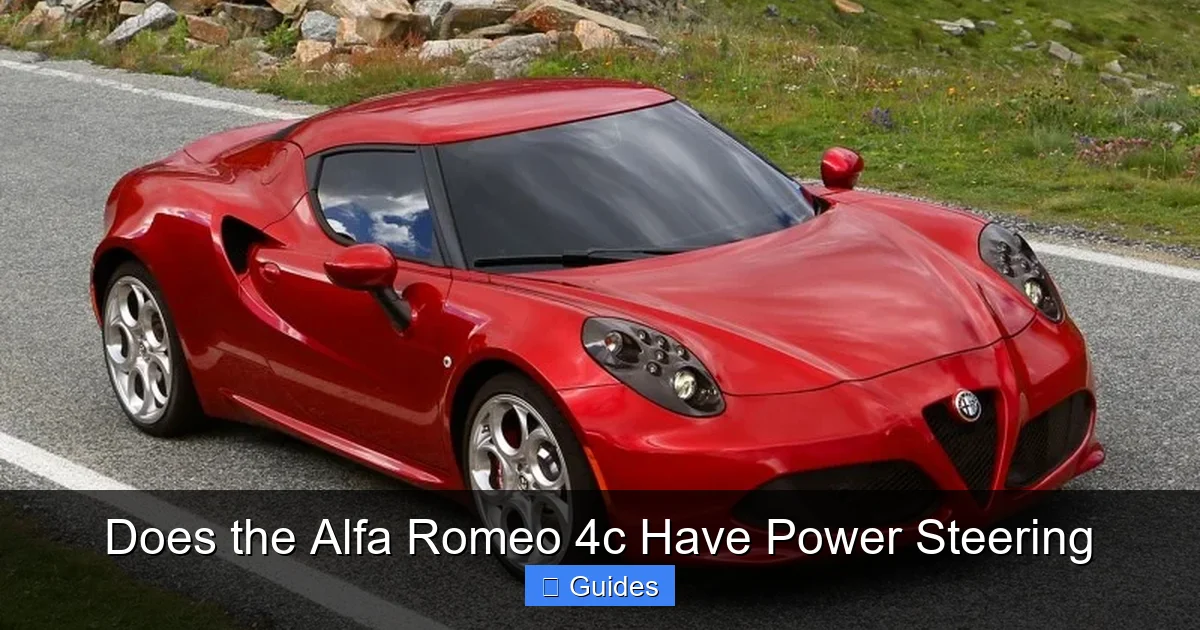
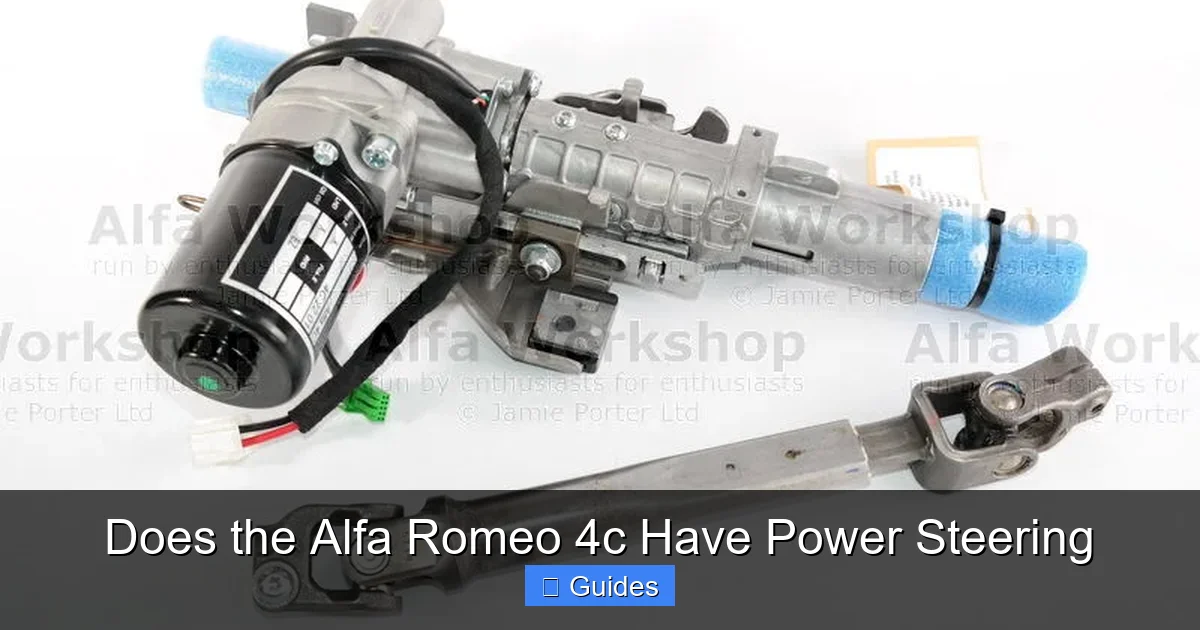
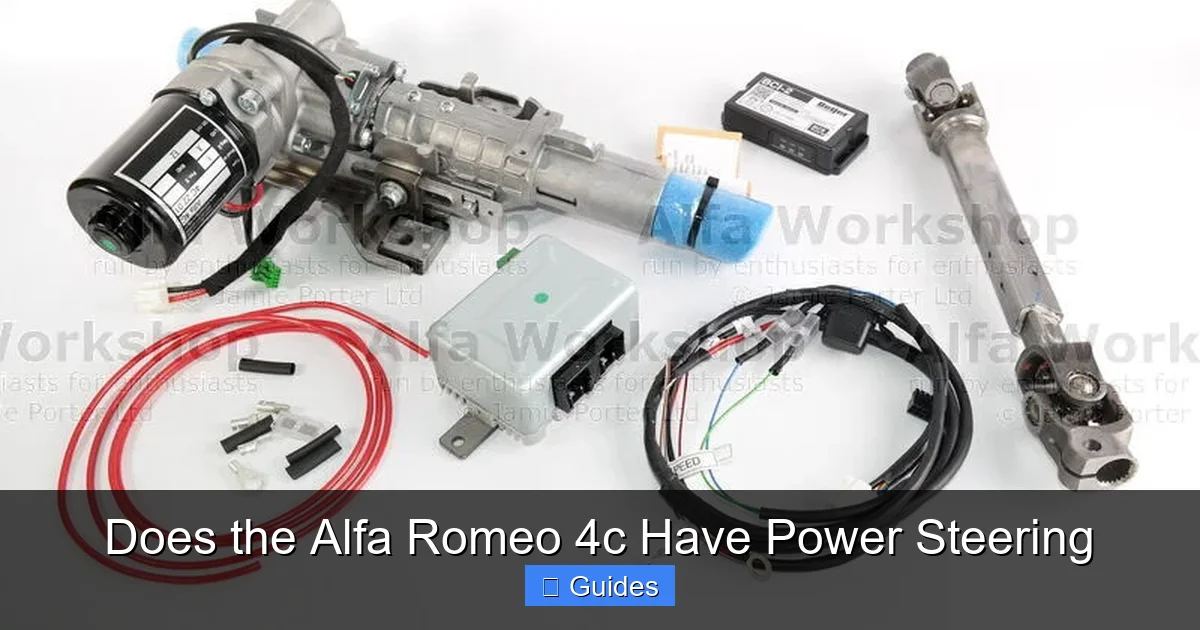
To truly appreciate how the Alfa Romeo 4C handles, it’s important to understand how its electric power steering system works. Unlike traditional hydraulic power steering, which uses a pump driven by the engine to pressurize fluid and assist turning, EPS relies on an electric motor mounted near the steering rack. This motor activates based on input from sensors that monitor steering angle, vehicle speed, and driver input.
One of the biggest advantages of EPS is its efficiency. Since the electric motor only draws power when steering assistance is needed, it reduces the load on the engine. This contributes to better fuel economy and lower emissions—important considerations even in a performance car like the 4C. Additionally, because there’s no hydraulic pump, hoses, or fluid reservoir, the system is lighter and takes up less space under the hood. This weight savings is critical in a car that weighs just over 2,400 pounds, helping to improve acceleration, braking, and overall handling.
The EPS system in the 4C is also highly tunable. Engineers at Alfa Romeo calibrated it to provide just the right amount of assistance without masking road feel. This means you still get tactile feedback through the steering wheel—something that’s often lost in overly assisted systems. Whether you’re feeling the texture of the asphalt or sensing the limit of grip during a hard corner, the 4C communicates clearly with the driver.
Another benefit is the integration with the car’s driving modes. The EPS adjusts its assistance level based on the selected mode. In Natural mode, the steering is light and easy to turn, ideal for parking or slow-speed driving. Switch to Dynamic, and the system increases resistance, giving you a more connected, sporty feel. In Race mode, the steering becomes even more direct, minimizing any lag and maximizing responsiveness. This adaptability ensures the 4C can handle everything from daily commutes to weekend track days with ease.
How the 4C’s Steering Compares to Other Sports Cars
Visual guide about Does the Alfa Romeo 4c Have Power Steering
Image source: alfaworkshop.co.uk
When it comes to steering feel, the Alfa Romeo 4C stands out in a crowded field of modern sports cars. Many competitors—especially those from German manufacturers—have moved toward heavily assisted or even steer-by-wire systems that prioritize comfort over feedback. While these systems are smooth and easy to use, they often lack the raw, unfiltered connection that driving enthusiasts crave.
The 4C, by contrast, embraces a more analog approach. Its EPS system is designed to enhance, not replace, the driver’s connection to the road. Compared to a Porsche Cayman or a Lotus Elise, the 4C’s steering feels similarly direct and communicative. In fact, many drivers note that the 4C offers more feedback than the Cayman, especially at the limit of grip. This is partly due to the car’s lightweight construction and mid-engine layout, which create a balanced, neutral handling character.
However, the 4C isn’t without its quirks. Some owners report that the steering can feel slightly heavy at very low speeds, especially when parking. This is a common trait among lightweight sports cars with minimal assistance. But once you’re moving, the system comes alive, offering razor-sharp turn-in and minimal understeer. The lack of a power steering fluid reservoir also means there’s no risk of leaks or pump failures—common issues in older hydraulic systems.
Another point of comparison is maintenance. Traditional hydraulic systems require periodic fluid changes and can develop leaks over time. The 4C’s EPS eliminates these concerns entirely. There’s no fluid to check, no belts to replace, and no pump to fail. This reduces long-term ownership costs and increases reliability, especially for drivers who use the car on track days where hydraulic systems can overheat.
Real-World Driving Experience: Steering Feel and Feedback
Visual guide about Does the Alfa Romeo 4c Have Power Steering
Image source: mail.alfaworkshop.co.uk
So, how does the Alfa Romeo 4C actually feel on the road? The answer depends on where and how you drive it. In city traffic, the EPS system provides enough assistance to make low-speed maneuvers manageable. Parking is straightforward, and tight U-turns are possible without excessive effort. However, the steering isn’t as light as in a modern luxury sedan—this is a sports car, after all, and some resistance is intentional.
On winding backroads, the 4C truly shines. The steering responds instantly to input, with no noticeable lag or numbness. You can feel the weight transfer as the car leans into a corner, and the tires communicate their grip level through the wheel. This feedback is especially noticeable during hard braking or acceleration, where the chassis remains composed and predictable.
Track driving reveals the full potential of the EPS system. In Dynamic or Race mode, the steering becomes heavier and more precise, allowing for quick direction changes and confident apex clipping. The lack of hydraulic assist means there’s no power steering pump whine or fluid heat buildup—common issues during prolonged track use. Instead, the electric motor delivers consistent performance, even under extreme conditions.
One practical tip for new 4C owners: take time to adjust to the steering’s sensitivity. The car responds to even small inputs, so smooth, deliberate movements are key. Jerky steering can upset the balance, especially at high speeds. Over time, you’ll learn to trust the feedback and use it to your advantage, whether you’re navigating a tight hairpin or pushing the limits on a straight.
Maintenance and Longevity of the 4C’s Power Steering System
One of the biggest advantages of the Alfa Romeo 4C’s electric power steering system is its low maintenance requirements. Unlike hydraulic systems, which need regular fluid checks and can suffer from leaks or pump failures, EPS is largely self-contained and reliable. There’s no fluid to change, no belts to tension, and no risk of overheating during spirited driving.
That said, the system isn’t completely maintenance-free. The electric motor and control unit are sealed units, but they can be affected by extreme temperatures or electrical issues. In rare cases, software glitches may cause the steering to feel inconsistent or unresponsive. Fortunately, Alfa Romeo has released several software updates over the years to address these issues. Owners are encouraged to keep their vehicle’s software up to date through authorized service centers.
Another consideration is the steering rack itself. While the EPS motor assists the driver, the mechanical components—such as the rack, pinion, and tie rods—still require periodic inspection. Look for signs of wear, such as looseness, clunking noises, or uneven tire wear. Regular alignment checks are also recommended, especially if you drive aggressively or on rough roads.
Battery health can also impact EPS performance. Since the system relies on electrical power, a weak or failing battery may cause the steering to feel sluggish or unresponsive. If you notice any changes in steering behavior, have the battery and charging system checked. In most cases, however, the 4C’s EPS will provide years of trouble-free service with minimal intervention.
Common Misconceptions About the 4C’s Steering
Despite its advanced design, the Alfa Romeo 4C’s steering system is often misunderstood. One common myth is that the car lacks power steering entirely. This couldn’t be further from the truth. The 4C uses a modern EPS system that provides assistance when needed, especially at low speeds. The difference is that it doesn’t use hydraulics, which some drivers associate with “real” power steering.
Another misconception is that the steering is too heavy or difficult to manage. While it’s true that the 4C doesn’t have the ultra-light steering of a commuter car, the EPS system is well-balanced. In Natural mode, it’s more than capable of handling daily driving tasks. The heavier feel in Dynamic mode is intentional—it enhances precision and control at speed.
Some drivers also worry about reliability, assuming that electric systems are more prone to failure. In reality, EPS is often more reliable than hydraulic systems, which have more moving parts and fluid-dependent components. As long as the electrical system is in good condition, the 4C’s steering should perform consistently.
Finally, there’s a belief that the 4C’s steering lacks feedback. On the contrary, many enthusiasts praise its communicative nature. The EPS system is tuned to preserve road feel, allowing drivers to sense grip levels, surface changes, and weight transfer. This makes the 4C one of the most engaging cars to drive in its class.
Conclusion: Why the 4C’s Power Steering Matters
The Alfa Romeo 4C’s electric power steering system is a key part of what makes this car so special. It’s not just about having assistance—it’s about how that assistance is delivered. The EPS system strikes a perfect balance between ease of use and driver engagement, making the 4C equally at home on city streets and race tracks.
By eliminating the weight and complexity of hydraulic components, Alfa Romeo was able to create a car that’s lighter, more efficient, and more responsive. The steering adapts to your driving style, offering a customizable experience that few competitors can match. Whether you’re a weekend warrior or a daily driver, the 4C’s steering enhances every journey.
In a world where many sports cars are becoming increasingly digital and disconnected, the 4C stands out for its analog soul. Its power steering system is a testament to thoughtful engineering—proving that modern technology can enhance, not replace, the joy of driving.
Frequently Asked Questions
Does the Alfa Romeo 4C have power steering?
Yes, the Alfa Romeo 4C is equipped with electric power steering (EPS), which provides assistance to make steering easier, especially at low speeds. Unlike older hydraulic systems, EPS uses an electric motor for assistance.
Is the steering in the 4C hydraulic or electric?
The 4C uses electric power steering (EPS), not hydraulic. This system is lighter, more efficient, and requires less maintenance than traditional hydraulic setups.
Does the 4C’s steering feel heavy?
The steering can feel slightly heavy at very low speeds, but it becomes lighter and more responsive as speed increases. In Dynamic mode, it’s intentionally heavier for better control at high speeds.
Can you drive the Alfa Romeo 4C without power steering?
Technically yes, but it would be extremely difficult. The EPS system provides essential assistance, and driving without it would require significant effort, especially at low speeds.
Does the 4C’s steering change with driving mode?
Yes, the EPS system adjusts based on the selected mode. Natural mode offers lighter steering, while Dynamic and Race modes increase resistance for sharper, more precise handling.
Is the 4C’s power steering reliable?
Yes, the electric power steering system in the 4C is generally reliable and requires minimal maintenance. Software updates from Alfa Romeo have further improved its performance over time.

At CarLegit, we believe information should be clear, factual, and genuinely helpful. That’s why every guide, review, and update on our website is created with care, research, and a strong focus on user experience.