
Alfa Romeo vehicles are known for their Italian style and driving excitement, but they’ve historically faced criticism for reliability issues. While newer models have improved significantly, some common problems still exist—especially with electronics and maintenance costs. With proper care and realistic expectations, owning an Alfa can be a rewarding experience.
If you’ve ever admired an Alfa Romeo gliding down the road—its sleek lines, aggressive grille, and that unmistakable Italian flair—you’ve probably also heard whispers: “Beautiful, but does it break down all the time?” It’s a fair question. For decades, Alfa Romeo has been a brand of contradictions: stunning design paired with questionable reliability, thrilling performance shadowed by maintenance headaches. So, do Alfa Romeo have a lot of problems? The short answer is: it depends—on the model, the year, and your expectations.
Let’s be honest—Alfa Romeo hasn’t always had the best reputation when it comes to reliability. In the 1980s, 90s, and early 2000s, many Alfas were plagued by electrical gremlins, rust issues, and mechanical failures that left owners frustrated and mechanics busy. Stories of cars stalling at traffic lights, dashboards lighting up like Christmas trees, or transmissions giving out prematurely became almost legendary. These experiences cemented a perception that Alfa Romeos were beautiful but brittle—cars you loved passionately but couldn’t always trust.
But times have changed. Since Fiat (now part of Stellantis) revitalized the brand in the 2010s, Alfa Romeo has made serious efforts to improve quality, build stronger partnerships with proven suppliers, and focus on modern engineering. The launch of the Giulia sedan in 2016 and the Stelvio SUV in 2017 marked a turning point. These vehicles weren’t just stylish—they were built on solid platforms, featured advanced technology, and offered performance that rivaled German luxury brands. So while the ghost of past problems still lingers in online forums and word-of-mouth, the reality for today’s Alfa owners is often more nuanced.
In This Article
Key Takeaways
- Historical reliability concerns: Older Alfa Romeo models from the 1990s and early 2000s were plagued by electrical faults, rust, and mechanical failures, damaging the brand’s reputation.
- Modern improvements: Since Fiat Chrysler (now Stellantis) took over, newer Alfas like the Giulia and Stelvio benefit from better engineering, warranties, and quality control.
- Common issues today: Current models may still face problems with infotainment systems, sensors, and minor electrical glitches—though not as severe as in the past.
- Higher maintenance costs: Parts and labor can be pricier than mainstream brands, and finding certified technicians may require visiting specialized dealers.
- Driving experience outweighs flaws: Many owners say the thrilling handling, responsive steering, and emotional design make up for occasional quirks.
- Warranty and support matter: A strong factory warranty and proactive dealer service can greatly reduce ownership stress.
- Not for everyone: Alfa Romeo suits drivers who value passion and performance over perfection—ideal for those willing to accept minor flaws for a unique driving experience.
📑 Table of Contents
A Look at Alfa Romeo’s Reliability History
To understand whether Alfa Romeo have a lot of problems today, it helps to look back at where the brand came from. For much of the late 20th century, Alfa Romeo was synonymous with Italian passion—and Italian inconsistency. The brand’s cars were often hand-built or assembled with less precision than their German or Japanese counterparts. This led to a range of issues that became almost cliché: wiring harnesses that degraded over time, water leaks, suspension components that wore out quickly, and engines that required frequent tuning.
One of the most infamous examples is the Alfa Romeo 75 (also known as the Milano in the U.S.), produced from 1985 to 1992. While praised for its innovative transaxle layout and sharp handling, it was also known for electrical problems, rust-prone body panels, and a tendency for the timing belt to fail if not replaced on schedule. Similarly, the Alfa 156, a popular model in the late 1990s and early 2000s, had a reputation for fragile interior plastics, faulty window regulators, and issues with the Selespeed automated manual transmission.
These problems weren’t just minor inconveniences—they could be expensive and time-consuming to fix. And because Alfa Romeo had a smaller dealer network compared to brands like BMW or Mercedes, getting parts and service often meant longer waits and higher costs. Over time, this created a feedback loop: fewer people bought Alfas because they were seen as unreliable, which limited investment in service infrastructure, which made ownership even harder.
The Turning Point: Fiat’s Revival
Everything changed when Fiat took control of Alfa Romeo in the early 2000s and began a major restructuring effort. The goal was clear: modernize the brand, improve quality, and compete directly with premium European automakers. This led to the development of new platforms, partnerships with companies like Magneti Marelli for electronics, and a renewed focus on manufacturing standards.
The real breakthrough came with the Giulia. Launched in 2016, this compact executive sedan was built on an all-new rear-wheel-drive platform and featured a lightweight aluminum chassis, a powerful turbocharged engine lineup, and handling that impressed even seasoned driving enthusiasts. It was praised by critics for its balance of performance, comfort, and style. The Stelvio SUV followed in 2017, offering similar dynamics in a more practical package.
These new models were built in modern facilities with tighter quality controls. They also came with comprehensive warranties—typically 4 years/50,000 miles in the U.S.—and access to a growing network of certified service centers. While not perfect, these changes signaled a clear shift away from the “buyer beware” era of Alfa ownership.
Common Problems in Modern Alfa Romeo Models
Visual guide about Do Alfa Romeo Have a Lot of Problems
Image source: cdn.car-recalls.eu
So, do Alfa Romeo have a lot of problems today? The answer is more balanced than it used to be. While the brand has made significant progress, it’s not immune to issues—especially when compared to the bulletproof reliability of brands like Toyota or Honda. However, the nature of the problems has evolved. Instead of major mechanical failures, today’s Alfas tend to suffer from smaller, more manageable quirks—often related to electronics, software, and fit-and-finish.
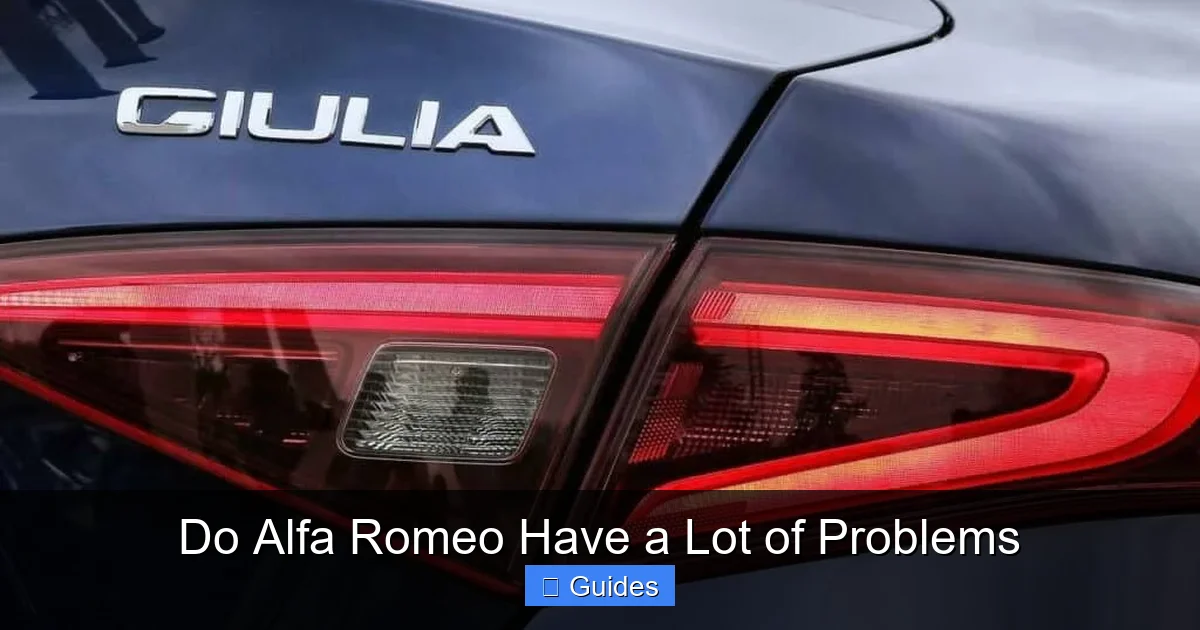
One of the most frequently reported issues in newer models is with the infotainment system. The Uconnect-based system used in the Giulia and Stelvio is functional but can be glitchy. Owners have reported slow response times, random reboots, Bluetooth connectivity problems, and navigation errors. In some cases, the screen may freeze or fail to recognize touch inputs. While these issues are usually resolved with software updates, they can be frustrating—especially when you’re trying to use Apple CarPlay or adjust climate settings on the go.
Another common complaint involves sensors and driver-assistance features. The Stelvio, for example, has been known to trigger false alarms with its blind-spot monitoring or lane-keeping assist systems. Some owners report that the parking sensors activate unnecessarily, or that the adaptive cruise control disengages unexpectedly. These aren’t safety-critical failures, but they can be annoying and may require a trip to the dealer for recalibration.
Electrical gremlins still pop up from time to time, though they’re far less severe than in the past. Issues like flickering interior lights, malfunctioning power windows, or faulty door locks do occur, but they’re usually isolated and fixable under warranty. The good news is that modern Alfas use more reliable wiring and components than their predecessors, so these problems are less likely to cascade into bigger failures.
Mechanical Reliability: How Do They Hold Up?
When it comes to engines and transmissions, modern Alfa Romeos are generally solid. The 2.0-liter turbocharged four-cylinder engine used in the Giulia and Stelvio is based on a Fiat Chrysler design that’s also found in Jeeps and Ram trucks. It’s proven, efficient, and capable of delivering strong performance—especially in the high-output Quadrifoglio versions. Owners report good longevity with proper maintenance, and major engine failures are rare.
The 8-speed automatic transmission, supplied by ZF, is also reliable and smooth. It’s the same unit used in BMWs and Jaguars, so it’s well-engineered and durable. However, some early Stelvio models experienced issues with the transfer case in all-wheel-drive versions, leading to a recall in 2018. If you’re buying used, it’s worth checking if this repair was completed.
Suspension and braking systems are generally robust, though the performance-oriented setup on the Quadrifoglio models can wear out faster if driven aggressively. Brake pads and rotors may need replacement sooner than on a typical family car, but that’s expected given the car’s capabilities.
Ownership Experience: What It’s Really Like
Visual guide about Do Alfa Romeo Have a Lot of Problems
Image source: motorbiscuit.com
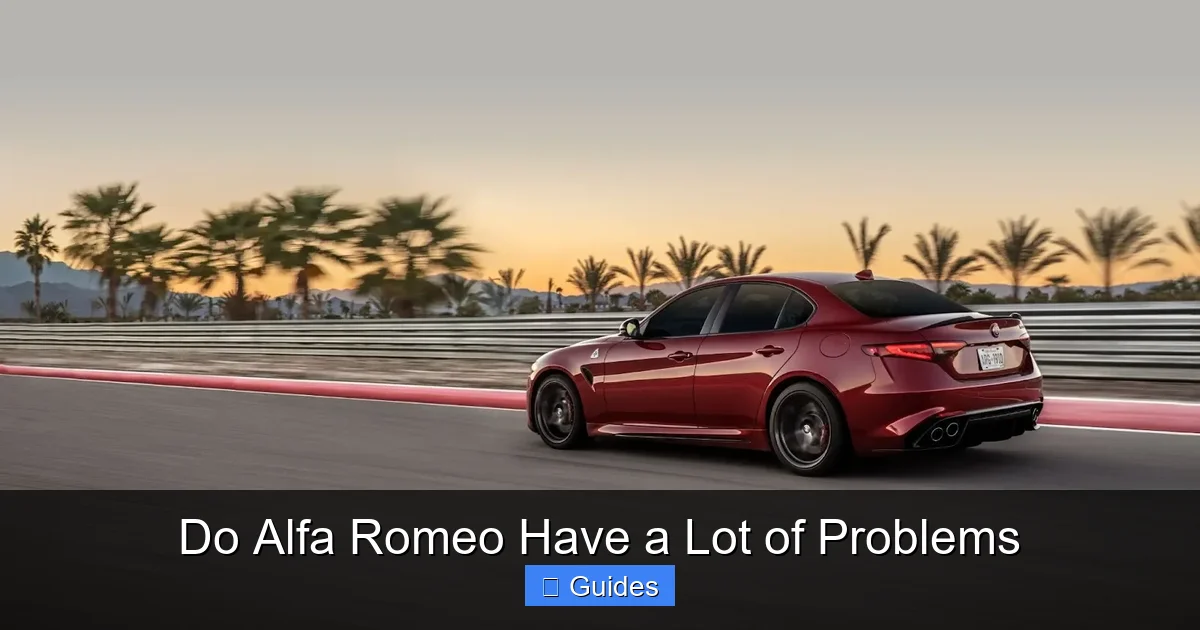
Owning an Alfa Romeo today is a mix of joy and compromise. On one hand, you get a car that turns heads, delivers an engaging drive, and feels special in a way that most mainstream vehicles don’t. The steering is sharp, the chassis is balanced, and the engine note—especially in the Quadrifoglio—is music to any car lover’s ears. It’s a car that rewards skillful driving and makes even a trip to the grocery store feel like an event.
On the other hand, ownership requires patience and planning. Maintenance costs are higher than average. Oil changes, for example, can cost $100–$150 at a dealer, and parts like brake pads or suspension components are pricier than those for a Honda or Toyota. Tires for performance models can also wear out quickly and cost hundreds of dollars per corner.
Finding a knowledgeable mechanic can be a challenge. While Alfa has expanded its dealer network, not all locations have technicians with deep experience on the brand. This means you might need to travel farther for service or rely on independent shops that specialize in European cars. Some owners recommend joining online forums or Facebook groups to find trusted mechanics and share tips.
Warranty coverage helps mitigate some of these concerns. The standard 4-year/50,000-mile bumper-to-bumper warranty covers most repairs, and extended warranties are available for added peace of mind. However, it’s important to read the fine print—some wear items like brakes and tires may not be fully covered.
Real Owner Stories
To get a sense of what it’s really like, consider the experiences of actual owners. Sarah, a Giulia owner from California, says her car has been mostly trouble-free over three years and 40,000 miles. “I’ve had one software update for the infotainment system, and that fixed the Bluetooth issues,” she says. “Otherwise, it’s been reliable, and I love driving it every day.”
Meanwhile, Mark, who owns a 2018 Stelvio, had a different experience. “The car is fantastic to drive, but I’ve had the parking sensors act up twice and the sunroof make a weird noise,” he says. “The dealer fixed both under warranty, but it took a few days each time. It’s not a dealbreaker, but it’s something to be aware of.”
These stories reflect the broader trend: modern Alfas are far more reliable than their predecessors, but they’re not perfect. Most problems are minor and covered under warranty, but they can still disrupt your routine.
How Alfa Romeo Compares to Competitors
Visual guide about Do Alfa Romeo Have a Lot of Problems
Image source: motorbiscuit.com
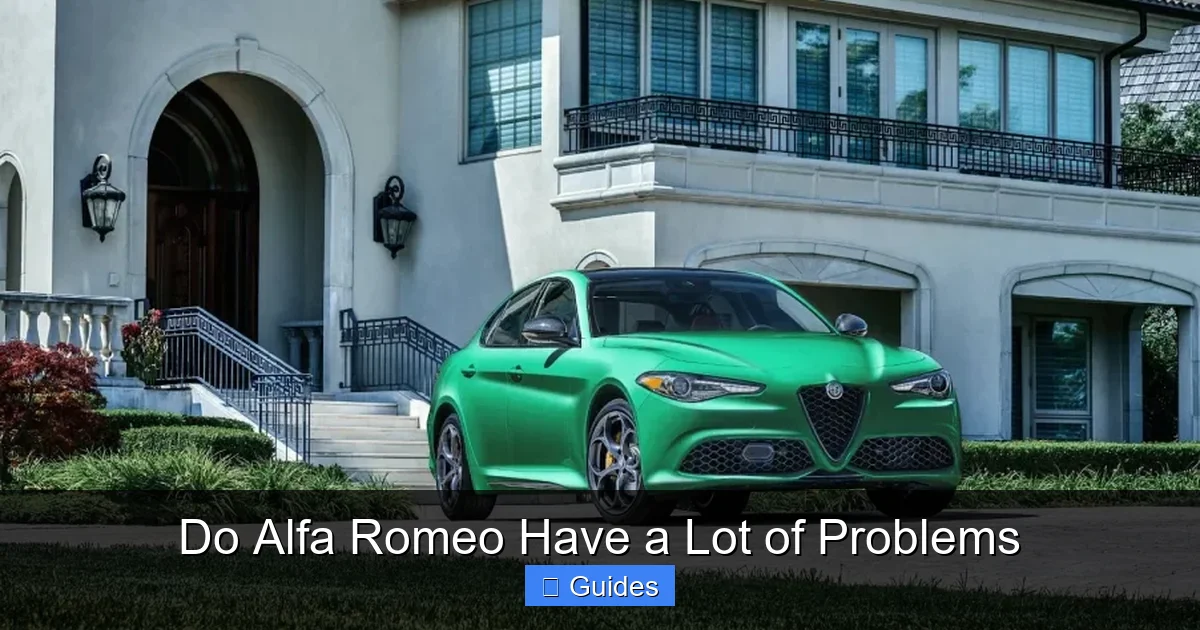
When evaluating whether Alfa Romeo have a lot of problems, it’s helpful to compare them to rivals like BMW, Mercedes-Benz, Audi, and even Lexus. In terms of reliability rankings, Alfa typically lags behind the Japanese and Korean brands but is now closer to the German luxury marques.
According to J.D. Power and Consumer Reports, Alfa Romeo has improved significantly in recent years. The 2022 Giulia, for example, scored above average in predicted reliability, while the Stelvio landed in the average range. This is a big step up from where the brand was a decade ago.
However, brands like Lexus and Toyota still dominate in long-term dependability. Their vehicles are engineered for minimal maintenance and maximum uptime, which appeals to buyers who prioritize practicality over passion. German brands offer a middle ground—great performance and luxury, but with higher repair costs and occasional electronic issues.
Alfa Romeo sits in a unique space: more emotional and driver-focused than Lexus, but less refined than BMW. It’s a brand for people who want a car that feels alive, even if it occasionally reminds you it’s Italian.
Cost of Ownership Breakdown
Let’s talk numbers. Over five years, the total cost of ownership for an Alfa Romeo is higher than for a mainstream brand but comparable to other luxury vehicles. Here’s a rough breakdown:
– **Depreciation:** Alfas lose value faster than some competitors, especially in the first few years. Expect 50–60% depreciation over five years.
– **Fuel economy:** The 2.0L engine gets around 24–28 mpg combined, which is decent for a performance-oriented car.
– **Maintenance:** Annual maintenance costs average $800–$1,200, depending on mileage and model. This includes oil changes, brake service, and routine inspections.
– **Repairs:** Out-of-warranty repairs can be expensive. A new infotainment screen might cost $1,500+, and suspension components can run $500–$1,000 per side.
– **Insurance:** Premiums are higher than average due to the car’s performance nature and repair costs.
For buyers on a tight budget, these factors are important to consider. But for those who value driving excitement and Italian design, the extra cost may be worth it.
Tips for Prospective Alfa Romeo Buyers
If you’re thinking about buying an Alfa Romeo, here are some practical tips to help you avoid common pitfalls and enjoy your ownership experience:
1. **Buy certified pre-owned (CPO):** A CPO Alfa comes with an extended warranty, thorough inspection, and often roadside assistance. It’s a safer bet than a private sale, especially for older models.
2. **Check service history:** Always review the vehicle’s maintenance records. Look for regular oil changes, timing belt replacements (if applicable), and any past repairs.
3. **Test drive thoroughly:** Pay attention to how the car feels on the road. Listen for unusual noises, test all electronics, and try the infotainment system with your phone.
4. **Research local dealers:** Make sure there’s a reputable Alfa dealer nearby with good reviews. A strong service department can make a big difference.
5. **Budget for maintenance:** Set aside $1,000–$1,500 per year for upkeep, even if the car is under warranty. This helps cover wear items and unexpected issues.
6. **Join owner communities:** Online forums like AlfaBB or Reddit’s r/AlfaRomeo are great resources for advice, troubleshooting, and finding parts.
Should You Buy an Alfa Romeo?
So, do Alfa Romeo have a lot of problems? The honest answer is: not as many as they used to, but more than some competitors. If you’re looking for a car that’s bulletproof, low-maintenance, and resale-friendly, an Alfa might not be the best choice. But if you’re willing to accept a few quirks in exchange for a thrilling drive, stunning design, and a sense of automotive passion, an Alfa Romeo could be exactly what you’re looking for.
It’s not a car for everyone—but for the right driver, it’s unforgettable.
Frequently Asked Questions
Are Alfa Romeos reliable?
Modern Alfa Romeos are significantly more reliable than older models, but they still lag slightly behind brands like Toyota or Lexus. Most issues today are minor and related to electronics or software.
What are the most common problems with Alfa Romeo?
Common issues include infotainment glitches, sensor false alarms, and occasional electrical faults. Mechanical problems are rare in newer models but can be costly if they occur.
Is it expensive to maintain an Alfa Romeo?
Yes, maintenance and repair costs are higher than average. Parts and labor at dealerships can be pricey, and finding specialized technicians may require extra effort.
Do Alfa Romeos break down often?
Breakdowns are uncommon in current models, especially under warranty. Most owners report few serious issues, though minor annoyances like software bugs may occur.
Are Alfa Romeos good cars to buy used?
Yes, if you choose a well-maintained, late-model example and verify service history. Certified pre-owned vehicles offer the best protection.
How does Alfa Romeo compare to BMW or Mercedes?
Alfa offers more emotional driving dynamics and Italian style, but German brands typically have better long-term reliability and dealer support. Choose based on your priorities.

At CarLegit, we believe information should be clear, factual, and genuinely helpful. That’s why every guide, review, and update on our website is created with care, research, and a strong focus on user experience.