
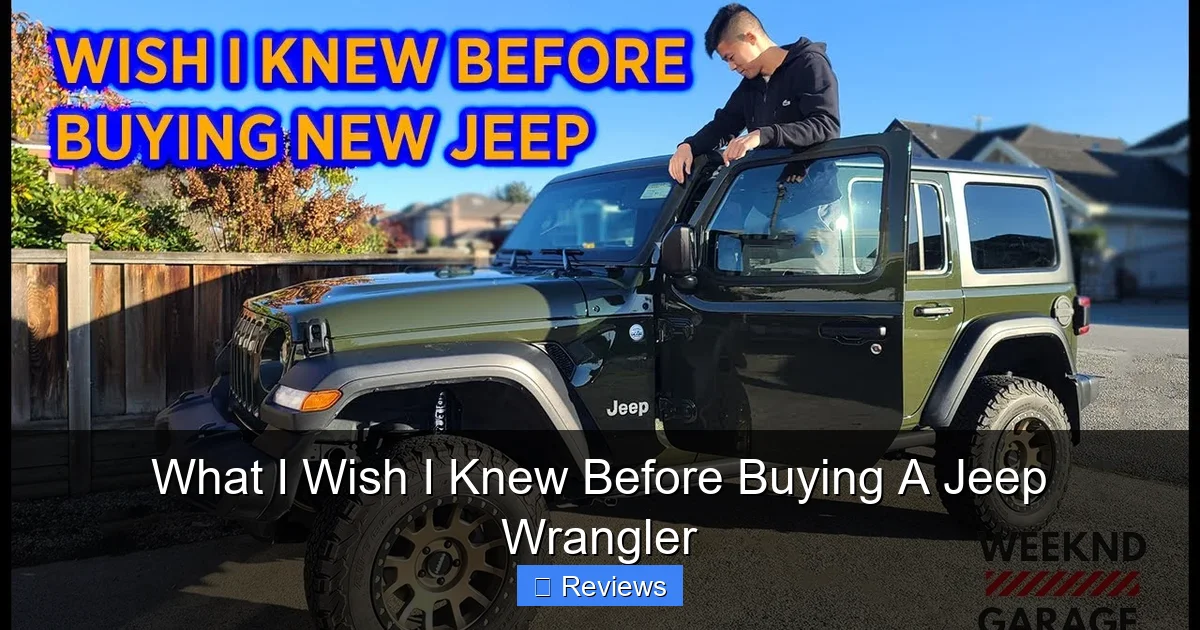
Featured image for what i wish i knew before buying a jeep wrangler
Image source: adventurejeep.com
Before buying a Jeep Wrangler, potential owners should understand it’s a unique commitment, not just a vehicle. This article highlights crucial trade-offs, from the notoriously rough ride, significant fuel costs, and frequent maintenance needs, to the surprisingly fragile windshield and limited interior comfort. While offering unparalleled off-road capability and a vibrant community, these insights reveal the true cost and daily realities that make Wrangler ownership a distinct lifestyle choice.
The rumble of its engine, the unmistakable silhouette, the promise of open-air freedom – few vehicles ignite the imagination quite like the Jeep Wrangler. For many, it’s more than just a car; it’s a symbol of adventure, a gateway to the great outdoors, and a statement of rugged individuality. I vividly remember the day I finally drove my own Jeep Wrangler off the lot. The anticipation was immense, fueled by years of dreaming, online research, and countless photos of modified rigs conquering impossible terrains. I envisioned weekend trail runs, spontaneous road trips with the top down, and a whole new community of like-minded adventurers. It was, in short, the realization of a long-held dream.
However, as with any major life decision, the reality of owning a Jeep Wrangler quickly began to unfold in ways I hadn’t fully anticipated. The joy was undoubtedly there, but so were a unique set of quirks, compromises, and considerations that the glossy brochures and enthusiast forums often glossed over. While the dream of adventure was real, so was the everyday experience of living with a vehicle designed with a very specific purpose in mind.
This post isn’t meant to deter you from buying a Jeep Wrangler; far from it. It’s an honest, comprehensive look at the unspoken truths and practical realities I wish I had known before taking the plunge. My aim is to equip you with a clearer understanding of what it truly means to be a Jeep Wrangler owner, helping you navigate the exciting but sometimes challenging journey ahead. Whether you’re a seasoned off-roader or a first-time buyer drawn to its iconic appeal, prepare to uncover the unfiltered insights that go beyond the sales pitch and delve into the heart of Wrangler ownership.
In This Article
- 1 Key Takeaways
- 2 The “Jeep Wave” and Lifestyle – More Than Just a Car
- 3 Performance & Handling – Expect the “Jeep Thing”
- 4 The Practicalities of Ownership – Quirks and Compromises
- 5 Customization & Aftermarket – An Endless Rabbit Hole
- 6 The Financial Aspect – Beyond the Sticker Price
- 7 Conclusion
- 8 Frequently Asked Questions
- 8.1 Is a Jeep Wrangler comfortable for daily commutes and long drives?
- 8.2 What hidden costs should I be aware of before buying a Jeep Wrangler?
- 8.3 How practical is a Jeep Wrangler for families or as a primary daily driver?
- 8.4 What kind of gas mileage can I realistically expect from a Jeep Wrangler?
- 8.5 How expensive is it to customize or modify a Jeep Wrangler?
- 8.6 What’s the driving experience like, especially regarding wind and road noise?
Key Takeaways
- Budget Beyond Purchase: Factor in substantial costs for modifications, fuel, and upkeep.
- Prioritize Comfort: Be ready for a rougher, noisier ride compared to standard SUVs.
- Prepare for Upgrades: The “Jeep bug” means endless, costly aftermarket customization.
- Accept Fuel Costs: Wranglers are not fuel-efficient; budget accordingly for gas.
- Evaluate Practicality: Consider limited cargo and passenger space for daily use.
- Embrace the Lifestyle: Enjoy the unique community and robust aftermarket support.
The “Jeep Wave” and Lifestyle – More Than Just a Car
One of the most immediate things I learned about owning a Jeep Wrangler is that you’re not just buying a vehicle; you’re joining a culture. It’s a phenomenon unlike anything I’ve experienced with other car brands, a true testament to the unique bond owners share with their Wrangler and each other.
The Unspoken Brotherhood/Sisterhood
From the moment you drive your Jeep Wrangler, you become part of an exclusive club. The “Jeep Wave” is real, and it’s a constant reminder of the community you’ve entered. A simple flick of the wrist, a nod, or a full-hand wave to another Wrangler driver is an acknowledgment of shared passion and camaraderie. This isn’t just a quaint tradition; it fosters a genuine sense of belonging. I’ve found myself striking up conversations with strangers in parking lots, all because of our shared love for the Jeep Wrangler. Online forums are bustling with advice, trail guides, and meet-up announcements. This vibrant community often translates into impromptu trail runs, organized events, and a network of helpful individuals always willing to lend a hand or share their expertise.
- Practical Tip: Embrace the wave! It’s a small gesture that builds connection. Get involved in local Jeep clubs or online communities. They are invaluable resources for tips, trail information, and finding help with modifications or issues specific to the Jeep Wrangler.
Customization is Contagious (and Costly)
You see a stock Jeep Wrangler, and you think, “that looks pretty good.” Then you see a modified one – a lift kit, massive tires, an aggressive bumper, LED light bars – and suddenly, your stock Wrangler feels… inadequate. This is the Jeep customization bug, and it’s highly contagious. The aftermarket for the Jeep Wrangler is perhaps the most extensive of any vehicle on the planet. From minor aesthetic touches to serious performance upgrades, the possibilities are virtually endless. You can transform your Wrangler from a daily driver into a rock-crawling monster, a desert explorer, or anything in between. But this level of personalization comes at a price. What starts as a small modification can quickly snowball into a significant investment.
- Practical Tip: Before you buy, set a realistic budget for modifications if you plan on doing them. Research what type of modifications align with your intended use of the Jeep Wrangler. Prioritize functional upgrades (like tires for off-roading) over purely aesthetic ones initially, unless your budget allows for both. Remember, a bigger lift often necessitates larger tires, and larger tires might require re-gearing, and so on.
It’s a Lifestyle Statement
Owning a Jeep Wrangler is often seen as a statement. It communicates a love for adventure, a rugged spirit, and a rejection of the mundane. It’s about the freedom to go where others can’t, to embrace the elements, and to live life with a sense of spontaneity. This vehicle encourages you to seek out dirt roads, mountain trails, and forgotten paths. The open-air experience – removing the top and doors – is a core part of this lifestyle, connecting you directly with your surroundings in a way few other vehicles can. This isn’t just about driving; it’s about experiencing the world from a different perspective, all thanks to the capabilities and design of the Jeep Wrangler.
Performance & Handling – Expect the “Jeep Thing”
Before buying my Jeep Wrangler, I understood it wasn’t a sports car, but I underestimated just how much its design prioritized off-road capability over on-road refinement. This “Jeep thing” is crucial to understand.
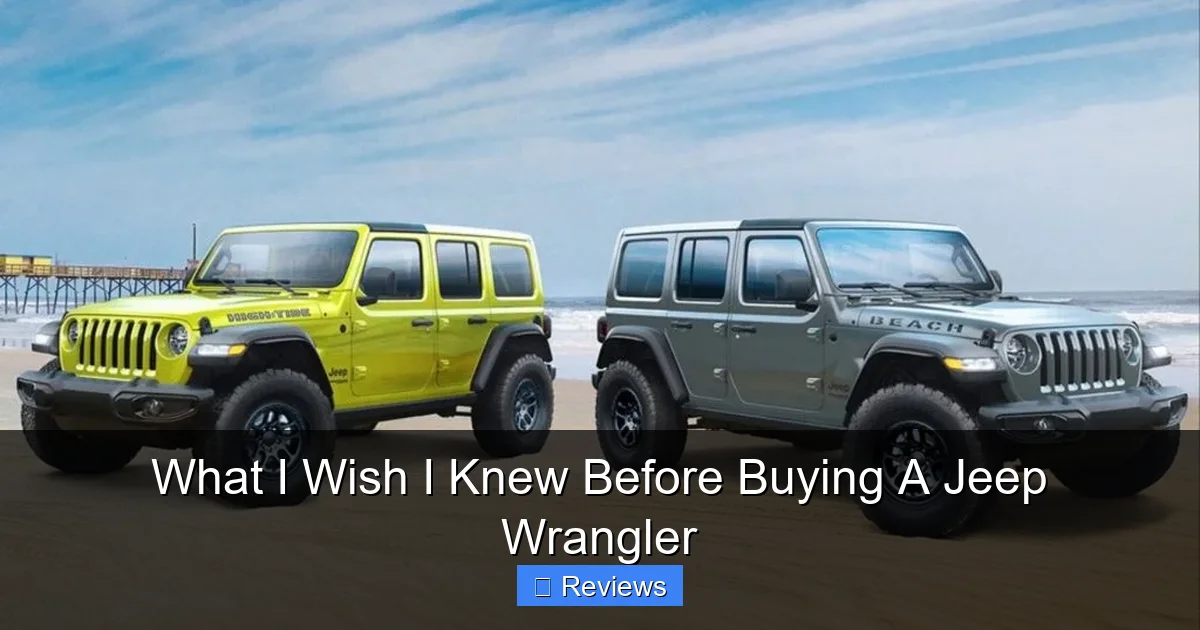
Visual guide about what i wish i knew before buying a jeep wrangler
Image source: jeepknowledge.com
On-Road Dynamics: Not Your Average Commuter
Let’s be blunt: the Jeep Wrangler is not engineered for smooth, quiet, and comfortable highway cruising. Its solid axles, high ground clearance, and body-on-frame construction, while fantastic for off-roading, translate to a rather unrefined on-road experience. Expect a noticeable amount of wind noise, especially at highway speeds and with a soft top. The ride can be firm, even jarring over bumps, and there’s a distinct amount of body roll when cornering. Steering can feel somewhat vague, requiring more active input to keep the Jeep Wrangler tracking straight, particularly in crosswinds. If you’re coming from a sedan or a modern crossover, the difference will be stark. My Jeep Wrangler often feels like it’s fighting the road, not gliding over it.
- Practical Tip: Take an extended test drive that includes highway speeds, city driving, and some rougher patches. Pay close attention to noise levels, ride comfort, and steering feel. Don’t let the excitement of a new Jeep Wrangler overshadow these important daily driving considerations. Understand that modifications like lift kits and larger, more aggressive tires will often amplify these characteristics, making the on-road experience even more “Jeep-like.”
Off-Road Prowess: Where it Truly Shines
While its on-road manners may be quirky, the Jeep Wrangler truly comes alive when the pavement ends. This is its natural habitat, where its design choices make perfect sense. The legendary 4×4 system, excellent ground clearance, short wheelbases (especially on 2-door models), superior approach, breakover, and departure angles, and incredible wheel articulation allow the Jeep Wrangler to tackle terrains that would leave other SUVs stranded. Whether you’re rock crawling, mudding, or navigating steep, uneven trails, the Jeep Wrangler is engineered to excel. It’s a confidence-inspiring machine when you’re pushing its limits off-road, and it’s this capability that justifies many of its on-road compromises. Owning a Jeep Wrangler is about having the freedom to explore beyond the beaten path.
- Practical Tip: If you plan on serious off-roading with your Jeep Wrangler, invest in proper training or go with experienced groups. Learn basic recovery techniques and carry essential recovery gear (winch, snatch strap, shovel, air compressor). Even the most capable vehicle can get stuck, and knowing how to safely recover it is crucial.
Fuel Economy: A Practical Consideration
Let’s not mince words: fuel economy is not a strong suit of the Jeep Wrangler. Its aerodynamic profile (or lack thereof), weight, and often thirsty engines mean you’ll be spending more at the pump compared to most other vehicles. Even newer models with more efficient powertrains like the 2.0L turbo or the 4xe hybrid still face challenges due to the vehicle’s inherent design. Add a lift kit, larger, heavier tires, aftermarket bumpers, and a winch, and your MPG will drop significantly. What might start as a modest 17-22 MPG can easily dip into the low teens or even single digits, especially if you have a heavy foot or tackle challenging off-road trails frequently. This is an ongoing cost that many buyers overlook in their initial excitement for a Jeep Wrangler.
- Practical Tip: Factor fuel costs into your monthly budget. Don’t rely solely on manufacturer estimates, as real-world driving conditions and modifications will almost certainly yield lower figures for your Jeep Wrangler. Consider the 4xe hybrid variant if fuel efficiency is a top priority, but be aware of its higher initial purchase price.
The Practicalities of Ownership – Quirks and Compromises
Beyond the driving dynamics, owning a Jeep Wrangler comes with its own set of daily practicalities and compromises that are worth understanding before you commit.
Visual guide about what i wish i knew before buying a jeep wrangler
Image source: automadesimply.com
Daily Driving Realities
While a Jeep Wrangler can certainly be a daily driver, it’s not always the most convenient one. Entry and exit, especially in lifted models, can be a minor workout, requiring a significant step up. The cargo space, particularly in the 2-door models, is quite limited, making grocery runs or family trips a Tetris challenge. Even the 4-door Wrangler Unlimited, while better, doesn’t offer the expansive cargo area of a traditional SUV due to the rear tailgate and upright seating. The ease of removing the roof panels or the entire soft top is fantastic for open-air driving, but it also means dealing with storing those panels or folding the soft top, which can eat into cargo space or require a dedicated storage solution in your garage. Visibility can also be a challenge, especially with larger spare tires on the back, necessitating reliance on mirrors and often a rearview camera.
- Practical Tip: Seriously consider how you intend to use your Jeep Wrangler daily. If you frequently carry passengers or large items, the 4-door Unlimited is almost a necessity. Practice removing and re-installing the roof panels or soft top sections during your test drive or soon after purchase to understand the time and effort involved.
Maintenance & Reliability
While modern Jeep Wranglers have come a long way in terms of reliability, they are still utilitarian vehicles with components designed for harsh environments. This often means maintenance can be a bit more demanding or specialized than for a standard passenger car. For instance, common issues like the “death wobble” (a violent shaking of the front end, usually at speed) are well-documented and, while often fixable, can be alarming. Components like ball joints, tie rod ends, and suspension bushings can wear out faster due to aggressive driving or off-road use. Rust can also be a concern, particularly in areas where salt is used on roads, requiring diligent undercarriage cleaning and preventative measures. Finding a mechanic familiar with Jeep Wrangler specific issues and modifications is crucial.
- Practical Tip: Budget for regular, perhaps more frequent, maintenance. Be proactive about checking suspension components, steering linkages, and fluid levels. If you plan on off-roading, inspect your Wrangler thoroughly after each trip. Consider investing in rust prevention treatments if you live in a corrosive environment.
Security Concerns (Soft Top/Open Air)
The open-air freedom of a Jeep Wrangler is a major draw, but it comes with a security caveat. A soft top, by its very nature, offers minimal protection against determined thieves. A knife can make quick work of the fabric, gaining access to the interior. Even with a hardtop, removing the “Freedom Panels” or driving with the doors off leaves your valuables exposed. This means you need to be exceptionally mindful of what you leave in your Wrangler, especially when parked in public places. Out of sight, out of mind becomes a critical rule for Jeep Wrangler owners.
- Practical Tip: Never leave valuables visible in your Jeep Wrangler. Consider aftermarket locking storage solutions like a locking center console, glove box, or under-seat storage boxes. Alarm systems designed for convertibles can also offer an extra layer of protection. When the top is off or down, always assume the interior is accessible.
Customization & Aftermarket – An Endless Rabbit Hole
The allure of customizing a Jeep Wrangler is undeniably strong, offering a path to truly make the vehicle your own. However, this journey into the aftermarket world can quickly become an extensive and expensive endeavor.
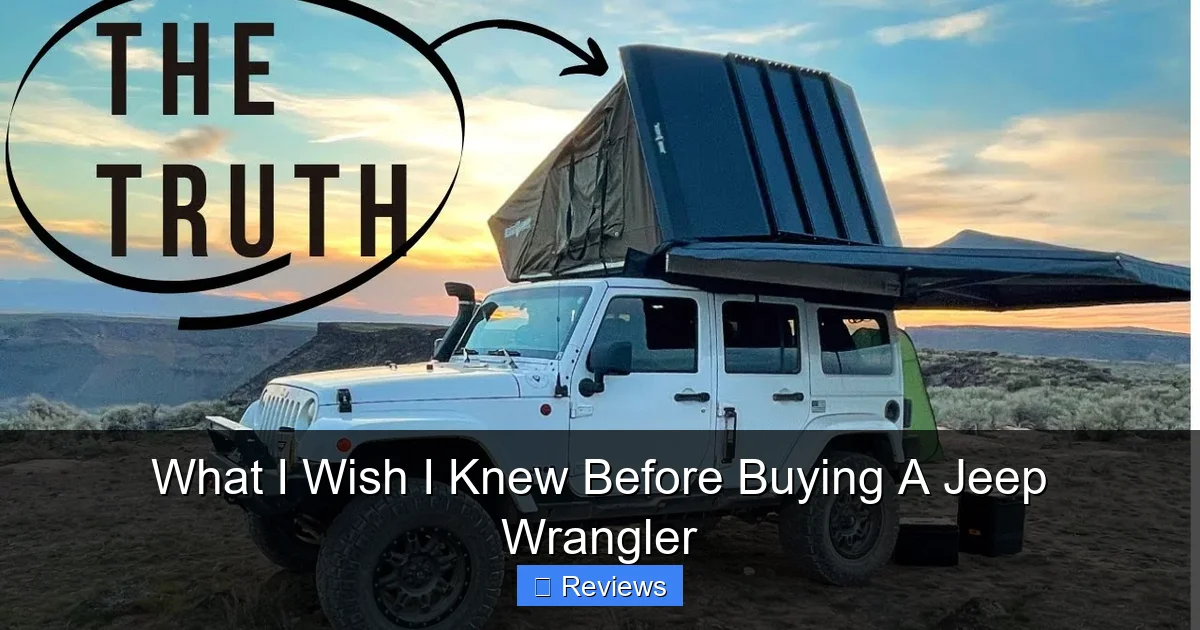
Visual guide about what i wish i knew before buying a jeep wrangler
Image source: i.ytimg.com
The Cost of Personalization
As mentioned earlier, the aftermarket for the Jeep Wrangler is vast, offering everything from minor cosmetic tweaks to significant mechanical overhauls. A simple lift kit can range from a few hundred dollars for a basic spacer lift to several thousand for a high-performance coilover system. Add larger wheels and tires, and you’re looking at another $1,500 to $4,000+. Bumpers, winches, rock sliders, LED light bars, upgraded axles, differential lockers, custom interiors – each component adds up. It’s not uncommon for Jeep Wrangler owners to spend more on modifications than the initial purchase price of the vehicle itself. The constant stream of new products and technologies can make it feel like you’re always chasing the next upgrade, creating an expensive, but often rewarding, hobby.
- Practical Tip: Research extensively before buying any modification for your Jeep Wrangler. Read reviews, watch installation videos, and talk to other owners. Invest in quality components from reputable brands; cheap parts can lead to headaches, premature wear, and even safety issues down the line. Factor in potential labor costs if you don’t plan on doing the installation yourself.
Choosing the Right Mods for Your Needs
One of the biggest pitfalls for new Jeep Wrangler owners is succumbing to peer pressure or aesthetics without considering their actual needs. A massive lift and 40-inch tires might look cool, but they can severely degrade on-road manners, stress driveline components, and make the Wrangler impractical for daily use if you only plan to hit light trails. Understanding the interplay between different modifications is key. For example, larger tires often necessitate re-gearing the differentials to restore lost power and optimize performance, especially with automatic transmissions. A suspension lift for improved ground clearance needs to be matched with appropriate shocks and springs for proper ride quality and articulation. Your choice of a Jeep Wrangler modification should always align with your primary use – whether it’s a dedicated rock crawler, an overland explorer, or a stylish daily driver that occasionally sees dirt.
- Practical Tip: Define your primary use for the Jeep Wrangler before you start modifying. Consult with experienced Jeep enthusiasts or reputable off-road shops to get advice tailored to your goals. Start with foundational upgrades like tires and a mild lift, and then build from there as your needs evolve.
DIY vs. Professional Installation
Many Jeep Wrangler modifications are designed to be DIY-friendly, appealing to the hands-on nature of many owners. YouTube tutorials, detailed instructions, and supportive online communities make it possible for even novice mechanics to install things like bumpers, winches, and even some lift kits. This can save a significant amount of money on labor costs and provide a deeper understanding of your vehicle. However, some modifications, particularly those involving intricate suspension work, electrical systems, or precise alignments, are best left to professionals. Incorrect installation can lead to safety hazards, poor performance, or damage to other components of your Jeep Wrangler.
- Practical Tip: Honestly assess your mechanical skills, available tools, and time commitment before attempting complex installations on your Jeep Wrangler. For critical components like steering or brakes, or for anything requiring specialized tools or expertise, it’s often safer and more cost-effective in the long run to have it installed by a certified technician or a reputable off-road shop.
The Financial Aspect – Beyond the Sticker Price
The initial purchase price of a Jeep Wrangler is just the beginning. A comprehensive understanding of the total cost of ownership is vital for any prospective buyer.
Depreciation & Resale Value
One positive aspect of Jeep Wrangler ownership is its historically strong resale value. Unlike many other vehicles that depreciate rapidly, the Wrangler tends to hold its value remarkably well, especially popular trims like the Rubicon. This is due to its iconic status, enduring demand, and the consistent desirability of the brand. While you’ll still experience some depreciation, it’s generally less severe than with many competitors, making a Jeep Wrangler a relatively sound investment in terms of retained value. Well-maintained and tastefully modified Wranglers can often command premium prices in the used market.
- Practical Tip: Keep meticulous maintenance records for your Jeep Wrangler. This documentation can significantly boost its resale value. If you modify your Jeep Wrangler, consider keeping original parts to include with the sale, or be prepared to price modifications appropriately; not all mods appeal to every buyer.
Insurance Costs
Insurance premiums for a Jeep Wrangler can sometimes be higher than for comparable SUVs. Several factors contribute to this: its perception as an off-road vehicle (which insurers might associate with higher risk of accidents), the ease of entry for thieves (especially with soft tops, as discussed), and the cost of replacement parts. The specific model, year, and your driving record will, of course, play a significant role, but it’s an area where sticker shock can extend beyond the showroom. A Jeep Wrangler can be considered a high-risk vehicle by some insurance companies.
- Practical Tip: Always get insurance quotes for the specific Jeep Wrangler model and trim you are considering before making a purchase. Compare rates from multiple providers. Be transparent about any modifications you plan to make, as some insurers require them to be declared and may adjust premiums accordingly.
Running Costs: Fuel, Maintenance, and Upgrades
Tying together many of the points above, the ongoing running costs of a Jeep Wrangler can be substantial. Beyond the fuel expenses (which we’ve already highlighted as often being high), there are the maintenance costs associated with a utilitarian vehicle, potentially accelerated wear on components due to off-road use, and the almost inevitable stream of desired modifications. Tires for a Jeep Wrangler, especially larger off-road ones, can be expensive to replace, and they may wear faster depending on your driving style and alignment. It’s crucial to look beyond the monthly payment and understand the full financial picture of Jeep Wrangler ownership.
- Practical Tip: Create a comprehensive budget that includes not just the purchase price and insurance, but also realistic estimates for fuel, routine maintenance, potential repairs, and a dedicated fund for future modifications or upgrades. This holistic financial planning will prevent unpleasant surprises during your Jeep Wrangler ownership.
Typical Modifications and Approximate Costs
To help visualize the financial commitment of customization, here’s a table outlining common Jeep Wrangler modifications and their approximate cost ranges:
| Modification Type | Average Cost Range ($) | Impact on Driving Experience |
|---|---|---|
| Lift Kit (2-3 inch) | 500 – 3,000+ | Improved ground clearance, harsher ride, higher center of gravity, potential need for alignment. |
| Larger Tires (33-35″) | 800 – 2,000+ (per set of 4) | Enhanced traction off-road, decreased MPG, increased road noise, potential need for fender modifications and re-gearing. |
| Aftermarket Bumpers (Front/Rear) | 400 – 1,500+ (per bumper) | Improved approach/departure angles, added protection, increased weight, can alter suspension performance. |
| Winch | 300 – 1,500+ | Essential recovery capability, added weight to the front, requires proper installation and battery/electrical system checks. |
| LED Lighting (Light bars, pods) | 100 – 800+ | Greatly improved visibility off-road, aesthetic appeal, requires proper wiring and switch installation. |
| Flat Fender Flares | 300 – 1,000+ | Increased tire clearance, more aggressive look, can reduce protection from debris throw. |
Note: Costs are approximate and can vary significantly based on brand, quality, installation complexity, and regional labor rates for your Jeep Wrangler.
Conclusion
Owning a Jeep Wrangler is a truly unique experience, one that comes with both exhilarating highs and a distinct set of challenges. It’s a vehicle that demands a certain level of commitment and understanding, a willingness to embrace its quirks in exchange for unparalleled freedom and adventure. What I wish I knew before buying my Jeep Wrangler wasn’t just about specific features or price tags, but about the holistic reality of stepping into an entire lifestyle. The on-road compromises, the continuous desire for customization, the watchful eye on fuel consumption, and the diligent approach to maintenance are all part of the package.
Yet, despite these realities, I can unequivocally say that the Jeep Wrangler delivers on its promise of adventure and community. There’s a profound satisfaction in navigating a challenging trail, the wind in your hair with the top down, or simply waving to a fellow Jeep enthusiast. It’s a vehicle that encourages exploration, fosters independence, and connects you with a passionate brotherhood and sisterhood of owners. It forces you to be more present, more hands-on, and ultimately, more appreciative of the journey.
So, if you’re considering buying a Jeep Wrangler, go into it with open eyes and a prepared mind. Understand that it’s not just a vehicle; it’s a personality, a hobby, and a ticket to a world of endless possibilities. Be ready for the “Jeep thing,” embrace the lifestyle, and you’ll find that the rewards far outweigh the compromises. The trail awaits, and your Jeep Wrangler is ready to take you there. Happy trails!
Frequently Asked Questions
Is a Jeep Wrangler comfortable for daily commutes and long drives?
The Jeep Wrangler is renowned for its rugged off-road capability rather than plush comfort. Expect a bouncier ride, more prominent road noise, and less refined handling compared to traditional SUVs, especially on highways or extended journeys. It’s a vehicle built for adventure, which means sacrificing some daily driving amenities.
Beyond the initial purchase price, prepare for potentially higher fuel costs due to generally lower MPG ratings, especially with modifications. Aftermarket parts and accessories, often dubbed the “Jeep tax,” can also add up quickly, and you might face more frequent tire replacements if you opt for aggressive off-road tires.
How practical is a Jeep Wrangler for families or as a primary daily driver?
While the 4-door Unlimited models offer more space than the 2-door versions, cargo room can still be limited, and installing child seats might be a snug fit. Its robust design, poorer visibility, and less traditional creature comforts make it a unique choice for a primary family vehicle, requiring some compromises.
What kind of gas mileage can I realistically expect from a Jeep Wrangler?
Don’t anticipate great fuel economy; Jeep Wranglers are generally known for lower MPG ratings, often in the mid-to-high teens for city driving. This figure can further decrease significantly if you add larger tires, lift kits, or heavy aftermarket accessories, impacting your overall running costs.
How expensive is it to customize or modify a Jeep Wrangler?
Customizing a Jeep Wrangler is incredibly popular and offers endless possibilities, but it can quickly become an expensive hobby. Lift kits, wheels, tires, bumpers, and other performance or aesthetic upgrades often carry a premium price tag, known as the “Jeep tax,” making personalization a significant investment.
What’s the driving experience like, especially regarding wind and road noise?
The driving experience in a Jeep Wrangler is distinct and adventurous, characterized by a utilitarian feel and noticeable wind and road noise. This is particularly true with soft tops, removeable hard tops, or larger, aggressive off-road tires, meaning it’s not a quiet or smooth ride, but offers a unique connection to the road.

At CarLegit, we believe information should be clear, factual, and genuinely helpful. That’s why every guide, review, and update on our website is created with care, research, and a strong focus on user experience.