
The value of a 1989 Ford F150 ranges from $3,000 to $15,000+, depending on condition, mileage, trim, and originality. Well-maintained models with low miles or rare features can fetch top dollar, while project trucks sell for much less. Understanding key factors helps buyers and sellers make smart decisions.
If you’re wondering how much a 1989 Ford F150 is worth, you’re not alone. This rugged, no-nonsense pickup has become a favorite among classic truck lovers, restorers, and daily drivers alike. Built during the tail end of the “Fox Body” era, the 1989 F150 blends simplicity, durability, and that unmistakable American truck charm. Whether you’re looking to buy, sell, or just curious about its value, understanding what drives the price of this iconic Ford is essential.
The 1989 Ford F150 sits at a sweet spot in automotive history. It’s old enough to feel vintage and nostalgic, yet modern enough to be practical for everyday use. Unlike earlier models, it came with improved safety features, better fuel injection (on most engines), and a more refined interior. At the same time, it lacks the complexity of modern electronics, making it a favorite for DIY mechanics and restorers. This balance of old-school toughness and usable reliability has helped the 1989 F150 gain a loyal following over the years.
But how much should you expect to pay—or receive—for one today? The short answer: it depends. A lot. The value of a 1989 Ford F150 isn’t set in stone. It fluctuates based on a mix of factors including condition, mileage, originality, trim level, and even where you live. A pristine, low-mileage example with factory specs might fetch $12,000 to $15,000 or more, especially if it’s a rare 4×4 or diesel model. On the flip side, a rusty, high-mileage truck needing major repairs could go for as little as $2,500 to $4,000—or even less if sold for parts.
In this guide, we’ll break down everything you need to know about the 1989 Ford F150’s value. We’ll explore the key factors that influence pricing, look at real-world examples, and offer practical tips for buyers and sellers. Whether you’re dreaming of cruising down backroads in a restored classic or trying to get top dollar for your well-loved truck, this article will help you navigate the market with confidence.
In This Article
Key Takeaways
- Condition is king: A rust-free, mechanically sound 1989 Ford F150 in excellent shape can be worth 3–5 times more than a neglected one.
- Mileage matters—but not always: Low-mileage trucks (under 80,000 miles) command higher prices, but well-documented high-mileage examples with strong maintenance records can still hold value.
- Originality adds value: Unmodified trucks with factory paint, interior, and drivetrain are more desirable to collectors and enthusiasts.
- Trim level and options impact price: XL, XLT, and especially the rare 4×4 or diesel versions can significantly increase market value.
- Market trends favor classic trucks: Demand for vintage Ford pickups has grown, pushing prices up over the past decade.
- Location affects sale price: Trucks in dry climates (like Arizona or Texas) often sell for more due to less rust and corrosion.
- Documentation boosts confidence: Service records, original manuals, and ownership history can justify a higher asking price.
📑 Table of Contents
Understanding the 1989 Ford F150’s Market Value
When it comes to pricing a classic truck like the 1989 Ford F150, there’s no single “right” number. Instead, value is determined by a combination of objective data and subjective appeal. The best way to understand how much a 1989 Ford F150 is worth is to look at recent sales, compare similar models, and assess the truck’s individual characteristics.
According to recent data from classic car valuation sites like Hagerty, NADA Guides, and Classic.com, the average market value for a 1989 Ford F150 ranges from $6,000 to $10,000. However, this is just an average. High-end examples—especially those in showroom condition—can easily exceed $15,000, while project trucks or those with significant issues may sell for under $4,000.
One of the biggest drivers of value is condition. A truck that’s been garage-kept, regularly maintained, and free of rust will always command a premium. Rust, especially in the wheel wells, cab corners, and frame, can drastically reduce value—sometimes by thousands of dollars. In contrast, a clean, dry-climate truck with minimal corrosion can be worth significantly more, even if it has higher mileage.
Another key factor is originality. Collectors and enthusiasts often prefer unmodified trucks that retain their factory paint, interior, and mechanical components. A 1989 F150 that’s been restored using OEM parts or kept in stock condition is generally more valuable than one that’s been heavily customized—unless the modifications are period-correct or professionally done.
It’s also important to consider the truck’s history. A well-documented service record, original window sticker, or ownership by a single family can add intangible value. Buyers are more willing to pay a premium when they know the truck has been cared for and isn’t a “parts donor” or flood-damaged vehicle.
Real-World Pricing Examples
To give you a clearer picture, let’s look at a few real-world examples of 1989 Ford F150 sales from the past year:
– A 1989 Ford F150 XLT 4×4 with 68,000 original miles, factory paint, and a clean Carfax sold for $13,200 at a classic car auction in Texas.
– A standard cab, 2WD model with 145,000 miles, minor rust, and aftermarket wheels sold privately for $4,800 in Ohio.
– A diesel-powered 1989 F150 (a rare find) with 92,000 miles and full service records fetched $16,500 from a collector in Arizona.
– A project truck with a seized engine, heavy rust, and missing interior components was listed for $2,200 and sold within a week to a restoration shop.
These examples show how wide the range can be. The diesel model, for instance, is uncommon and appeals to a niche market, which drives up demand and price. The project truck, while cheap, requires significant investment to become roadworthy—something many buyers factor into their offer.
How to Estimate Your Truck’s Value
If you’re trying to determine how much your 1989 Ford F150 is worth, start by gathering key details:
– Mileage
– Condition (exterior, interior, mechanical)
– Trim level (XL, XLT, etc.)
– Drivetrain (2WD or 4×4)
– Engine type (5.0L V8, 5.8L V8, 7.3L IDI diesel)
– Modifications (if any)
– Maintenance and repair history
– Location (climate and local market)
Next, compare your truck to similar listings on platforms like Facebook Marketplace, Craigslist, Bring a Trailer, or Hemmings. Look for trucks with comparable mileage, condition, and features. Pay attention to whether they’re active listings or completed sales—sold prices are more reliable than asking prices.
You can also use valuation tools like NADA Classic Car Guide or Hagerty’s valuation tool. While these aren’t always precise for older trucks, they provide a helpful baseline. Just remember: these tools often assume “average” condition, so adjust accordingly if your truck is above or below average.
Finally, consider getting a professional appraisal if you’re planning to sell at a high price point or insure the vehicle for classic car coverage. An appraiser can provide a detailed report that supports your asking price and gives buyers confidence.
Factors That Influence the Value of a 1989 Ford F150
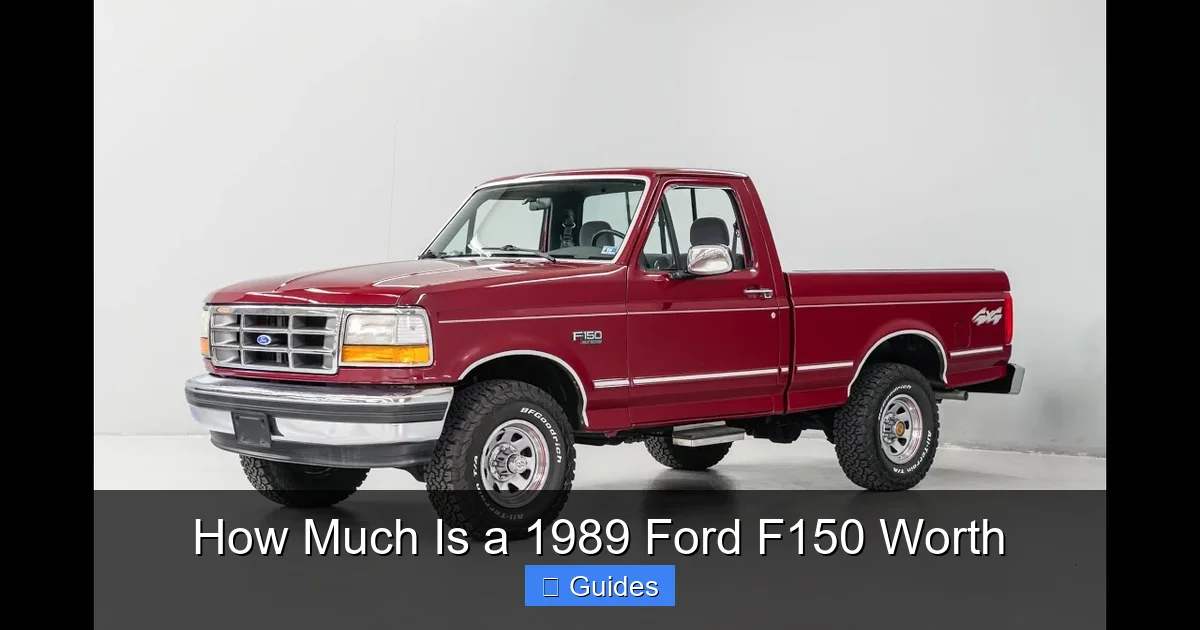
Visual guide about How Much Is a 1989 Ford F150 Worth
Image source: carglassadvisor.com
Now that we’ve covered the basics, let’s dive deeper into the specific factors that determine how much a 1989 Ford F150 is worth. Understanding these elements will help you assess your own truck or make a smarter purchase decision.
1. Condition: The Single Biggest Factor
Let’s be honest: condition is everything when it comes to classic vehicles. A 1989 Ford F150 in excellent condition—both cosmetically and mechanically—can be worth two to three times more than one in poor shape.
Start with the exterior. Look for rust, dents, paint fade, and body damage. Surface rust can often be repaired, but structural rust (especially in the frame or cab mounts) is a major red flag. A truck with a solid, rust-free body will always be more desirable.
The interior matters too. Tear-free seats, intact dashboards, working gauges, and original carpeting all add value. Smoking, pet damage, or water stains can significantly reduce appeal—and price.
Mechanically, the truck should start easily, run smoothly, and shift properly. Transmission issues, engine knocks, or brake problems can scare off buyers and lower value. A recent tune-up, new tires, or rebuilt suspension can actually increase value, especially if documented.
2. Mileage: Lower Is Better—But Not Always
Mileage plays a role, but it’s not the final word. A 1989 F150 with 60,000 miles will generally be worth more than one with 180,000 miles—assuming both are in similar condition. However, a high-mileage truck with a full service history and strong maintenance records can still hold value, especially if it’s been driven regularly and not left sitting.
Conversely, a low-mileage truck that’s been stored for years may have issues like dry-rotted tires, seized brakes, or fuel system problems. In some cases, a well-used but well-cared-for truck can be more reliable than a “garage queen” with hidden issues.
As a rule of thumb, under 80,000 miles is considered low for a 1989 model, 80,000–120,000 is average, and over 150,000 is high. But again, condition and history matter more than the odometer alone.
3. Originality vs. Modifications
This is a hot topic among classic truck fans. Some buyers love a fully restored, factory-correct 1989 F150. Others prefer a custom-built ride with modern suspension, wheels, or a swapped engine.
Generally, originality wins when it comes to resale value—especially among collectors. A stock truck with factory paint, original interior, and untouched drivetrain is often more valuable than a modified one, even if the mods are high quality.
That said, tasteful, period-correct upgrades (like a 1990s-style lift kit or retro wheels) can enhance appeal for certain buyers. But avoid over-modifying. Swapping in a modern engine or cutting the frame can hurt value unless done to a professional standard and documented.
4. Trim Level and Options
Not all 1989 F150s are created equal. The trim level—XL, XLT, or the rare Lariat—can affect value. XLT models typically have more features like power windows, upgraded interiors, and better trim, making them more desirable.
Options also matter. Air conditioning, cruise control, power steering, and automatic transmission were popular upgrades and can increase value. A truck with a factory tow package or heavy-duty suspension may also appeal to buyers looking for utility.
One of the most valuable options? Four-wheel drive. A 4×4 1989 F150 is harder to find and more functional, especially in rural or snowy areas. Expect to pay 20–30% more for a 4×4 compared to a 2WD model in similar condition.
5. Engine Type: Gas vs. Diesel
The 1989 Ford F150 came with several engine options, but the most common were the 5.0L (302ci) V8 and the 5.8L (351ci) V8. Both are reliable and popular, but the 5.0L is more fuel-efficient and easier to work on, making it a favorite for daily drivers.
The real standout is the 7.3L IDI (Indirect Injection) diesel engine. Though less common, diesel-powered F150s are highly sought after for their torque, longevity, and fuel economy. A well-maintained diesel model can easily command $15,000 or more, especially if it’s a 4×4.
Gas engines are more common and generally easier to maintain, but diesel models have a cult following. If you’re lucky enough to own a diesel F150, you’re sitting on a valuable piece of truck history.
6. Location and Climate
Where a truck has lived can have a big impact on its value. Vehicles from dry, warm climates like Arizona, Nevada, or Southern California tend to have less rust and corrosion, making them more desirable—and more expensive.
In contrast, trucks from snowy or coastal regions (like the Northeast or Pacific Northwest) often suffer from salt damage, leading to frame rust and undercarriage issues. Even if the body looks good, hidden corrosion can be a dealbreaker.
This doesn’t mean you can’t find great trucks in rust-prone areas—just be prepared to pay less or invest in rust repair. Conversely, if you’re selling a dry-climate truck, you can often ask for a premium.
How to Maximize the Value of Your 1989 Ford F150
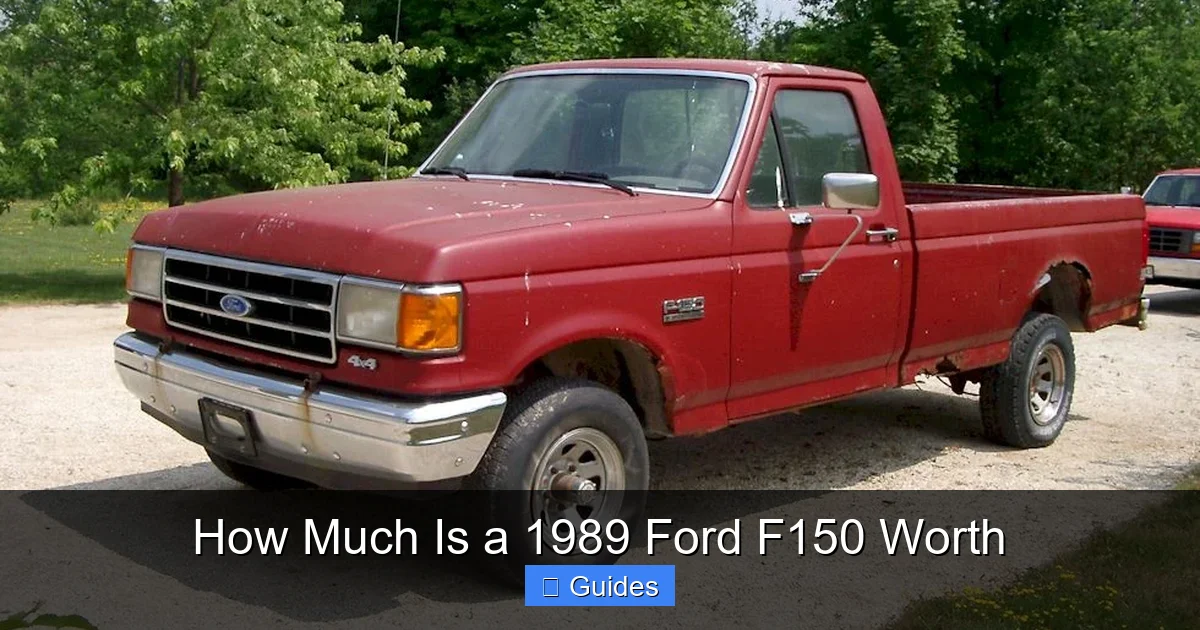
Visual guide about How Much Is a 1989 Ford F150 Worth
Image source: vintagecarconnection.com
Whether you’re planning to sell or just want to preserve your truck’s worth, there are several steps you can take to maximize its value.
Keep It Clean and Maintained
Regular washing, waxing, and undercarriage cleaning can prevent rust and keep the paint looking fresh. Store the truck in a garage or under a quality cover to protect it from the elements.
Follow the factory maintenance schedule. Change the oil, replace filters, and flush fluids regularly. Keep all receipts—they’re proof of care and can boost buyer confidence.
Document Everything
Maintain a detailed log of all repairs, upgrades, and inspections. Include dates, mileage, and costs. If you’ve had major work done—like a transmission rebuild or engine overhaul—get it certified by a mechanic.
Original documents like the owner’s manual, warranty booklet, and window sticker are also valuable. If you don’t have them, try to find replacements online.
Avoid Over-Modifying
While personalizing your truck can be fun, too many modifications can hurt resale value. Stick to reversible upgrades or period-correct parts. If you do make changes, keep the original components so they can be reinstalled if needed.
Address Rust Early
Rust is the enemy of classic trucks. If you spot surface rust, sand it down and treat it immediately. For structural rust, consult a professional. Ignoring it will only make the problem worse—and lower your truck’s value.
Consider a Professional Detail
Before selling, invest in a full detail. Clean the engine bay, shampoo the carpets, and polish the paint. A clean, well-presented truck makes a strong first impression and can justify a higher price.
Buying a 1989 Ford F150: What to Look For
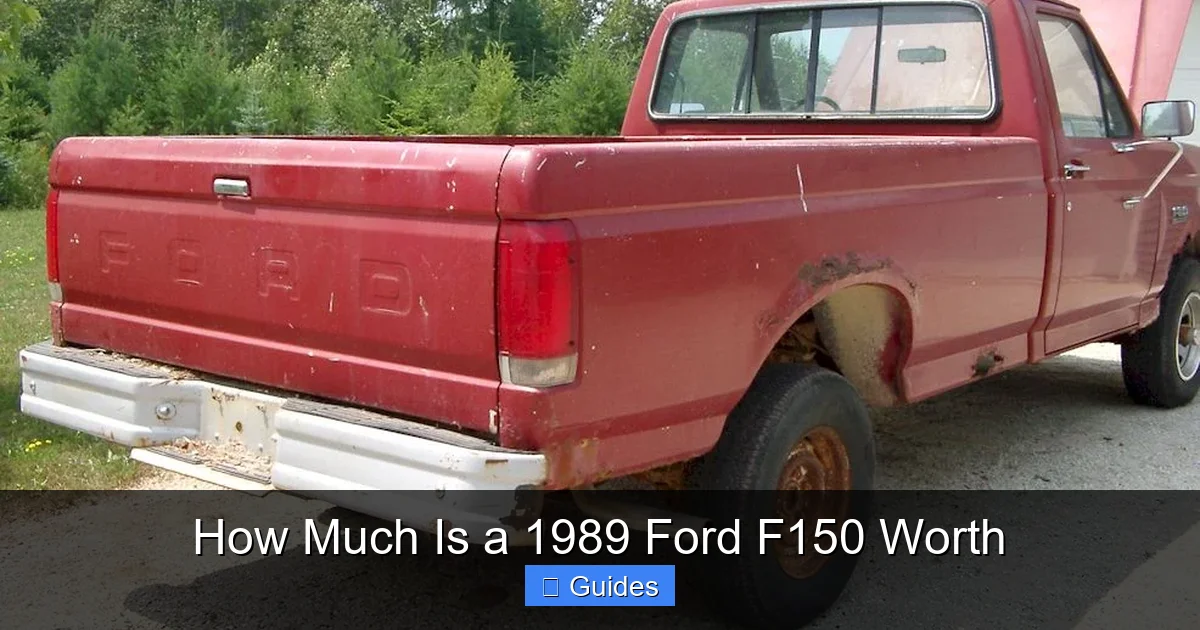
Visual guide about How Much Is a 1989 Ford F150 Worth
Image source: vintagecarconnection.com
If you’re in the market for a 1989 Ford F150, knowing what to look for can save you from a costly mistake.
Inspect for Rust
Check the frame, cab corners, wheel wells, and rocker panels. Look for bubbling paint, soft spots, or holes. Use a flashlight and mirror to inspect hidden areas.
Test Drive Thoroughly
Listen for unusual noises, check the transmission shift points, and test the brakes. Make sure all lights, gauges, and accessories work.
Verify the VIN and Title
Ensure the VIN matches the title and that there are no liens or salvage history. A clean title is essential for resale value.
Ask for Maintenance Records
A well-documented history is a good sign. If the seller can’t provide records, proceed with caution.
Get a Pre-Purchase Inspection
Have a trusted mechanic inspect the truck before buying. It may cost $100–$200, but it could save you thousands in repairs.
Conclusion
So, how much is a 1989 Ford F150 worth? The answer isn’t simple, but it’s clear that this classic truck holds real value—especially in today’s market. With the right combination of condition, originality, and desirable features, a 1989 F150 can be a smart investment or a reliable daily driver.
Whether you’re buying, selling, or just appreciating this iconic Ford, understanding the factors that influence value will help you make informed decisions. From rust-free bodies to rare diesel engines, every detail counts. And with proper care and documentation, your 1989 F150 can continue to appreciate in both value and nostalgia for years to come.
Frequently Asked Questions
What is the average price of a 1989 Ford F150?
The average price ranges from $6,000 to $10,000, depending on condition, mileage, and options. Pristine or rare models can sell for $15,000 or more.
Is a 1989 Ford F150 a good investment?
Yes, especially if it’s in good condition and well-maintained. Classic trucks like the F150 have seen rising demand and value over the past decade.
How much more is a 4×4 model worth?
A 4×4 1989 Ford F150 typically sells for 20–30% more than a 2WD model due to increased functionality and lower availability.
Are diesel 1989 F150s valuable?
Yes, the 7.3L IDI diesel models are rare and highly sought after, often selling for $15,000 or more in good condition.
Can I drive a 1989 Ford F150 daily?
Absolutely. Many owners use them as daily drivers thanks to their reliability, simplicity, and comfort compared to older trucks.
What reduces the value of a 1989 Ford F150?
Rust, mechanical issues, high mileage without records, and excessive modifications can significantly lower the truck’s market value.

At CarLegit, we believe information should be clear, factual, and genuinely helpful. That’s why every guide, review, and update on our website is created with care, research, and a strong focus on user experience.