
A DME report on a Porsche is a detailed diagnostic readout from the car’s Digital Motor Electronics system, offering insights into engine performance, fault codes, and maintenance history. It’s an essential tool for buyers, owners, and technicians to assess a Porsche’s health and ensure optimal performance.
If you’re diving into the world of Porsche ownership—or even just considering buying one—you’ve probably come across the term “DME report.” It might sound like technical jargon, but understanding what a DME report on a Porsche really means can save you thousands of dollars and a lot of headaches down the road. Whether you’re shopping for a used 911, maintaining your Cayman, or just curious about how your car’s brain works, this report is one of the most powerful tools in your automotive toolkit.
Porsche vehicles are engineering marvels, blending precision, performance, and luxury in a way few other brands can match. But like any high-performance machine, they rely heavily on complex electronics and software to keep everything running smoothly. At the heart of this system is the DME—Digital Motor Electronics. Think of it as the car’s central nervous system, constantly monitoring and adjusting engine functions like fuel delivery, ignition timing, and air intake. The DME collects vast amounts of data over time, and when accessed properly, that data becomes a DME report—a detailed snapshot of your Porsche’s operational history.
This report isn’t just for mechanics or tech geeks. It’s for anyone who wants to know the truth about a Porsche’s condition. Whether you’re buying a used model or trying to diagnose a mysterious check engine light, the DME report offers clarity where guesswork might otherwise reign. In this guide, we’ll break down everything you need to know about DME reports—what they are, how they work, what they reveal, and why they’re so important for Porsche enthusiasts.
In This Article
Key Takeaways
- What a DME Report Is: A DME (Digital Motor Electronics) report is a diagnostic summary generated from a Porsche’s onboard computer system, detailing engine performance, error logs, and sensor data.
- Why It Matters: The report helps identify hidden mechanical issues, verify maintenance history, and ensure the car hasn’t been driven excessively or improperly.
- Who Uses It: Prospective buyers, Porsche owners, mechanics, and dealerships rely on DME reports during pre-purchase inspections, servicing, and resale.
- What It Includes: Key data points include mileage verification, fault codes, ignition cycles, fuel trim values, and evidence of tuning or modifications.
- How to Get One: A DME report can be generated using specialized Porsche diagnostic tools like PIWIS or through certified Porsche service centers.
- Red Flags to Watch For: Inconsistent mileage, frequent fault codes, or signs of aftermarket tuning without proper documentation can indicate potential problems.
- Limitations: While highly informative, a DME report doesn’t replace a full mechanical inspection—always pair it with a physical evaluation.
📑 Table of Contents
What Is a DME Report on a Porsche?
At its core, a DME report on a Porsche is a comprehensive diagnostic readout generated from the car’s Digital Motor Electronics (DME) system. The DME is essentially the engine control unit (ECU) in Porsche vehicles, responsible for managing everything from fuel injection and ignition timing to throttle response and emissions control. Over time, the DME logs thousands of data points—everything from how many times the engine has been started to how often certain sensors have triggered warnings.
When a technician connects a diagnostic tool—like Porsche’s proprietary PIWIS system or third-party scanners compatible with Porsche’s protocols—they can extract this stored information and compile it into a readable report. This document provides a detailed history of the vehicle’s electronic and mechanical behavior, offering insights that go far beyond what a simple visual inspection or test drive can reveal.
For example, imagine you’re looking at a used 2015 Porsche 911 Carrera with low mileage. On the surface, it looks pristine—clean interior, shiny paint, and a smooth idle. But the DME report might reveal that the car has experienced repeated misfires in cylinder 3, or that the oxygen sensors have been triggering fault codes for months. These are red flags that could indicate underlying issues like faulty spark plugs, fuel injector problems, or even head gasket concerns.
The DME report is particularly valuable because it’s objective. Unlike a seller’s word or a mechanic’s opinion, the data comes directly from the car’s own brain. It doesn’t lie. It doesn’t exaggerate. It simply records what has happened under the hood.
How the DME System Works
To truly understand the value of a DME report, it helps to know a bit about how the DME system functions. The DME is a sophisticated computer that constantly monitors input from dozens of sensors located throughout the engine and exhaust system. These sensors track things like engine temperature, air pressure, throttle position, oxygen levels in the exhaust, and crankshaft rotation speed.
Based on this real-time data, the DME makes split-second adjustments to optimize performance, fuel efficiency, and emissions. For instance, if the engine is running too rich (too much fuel), the DME will reduce fuel delivery. If a sensor detects a misfire, it logs the event and may trigger a warning light on the dashboard.
Over time, the DME stores this information in its memory. Some data is temporary—like recent fault codes—while other information is cumulative, such as total engine run time or number of cold starts. This stored data is what makes the DME report possible.
Types of Data Included in a DME Report
A typical DME report includes several key categories of information:
– **Mileage and Runtime:** The total distance driven and cumulative engine operation time. This helps verify odometer readings and detect potential rollback fraud.
– **Fault Codes (DTCs):** Diagnostic Trouble Codes that indicate specific issues, such as a faulty mass airflow sensor or catalytic converter inefficiency.
– **Ignition Cycles:** The number of times the engine has been started. High ignition cycles with low mileage might suggest short trips or excessive idling.
– **Fuel Trim Values:** Data showing how much the DME has adjusted fuel delivery to maintain optimal air-fuel ratios. Consistently high or low values can signal vacuum leaks or sensor problems.
– **Sensor Readings:** Historical data from critical sensors like oxygen sensors, throttle position sensors, and coolant temperature sensors.
– **Adaptation Values:** Settings the DME has learned over time to compensate for wear or changes in engine behavior.
– **Tuning and Modification Flags:** Evidence of aftermarket software changes, such as performance tuning or ECU remapping.
Each of these data points provides a piece of the puzzle, helping to build a complete picture of the car’s health.
Why Is a DME Report Important for Porsche Owners?

Visual guide about What Is a Dme Report on a Porsche
Image source: imgv2-1-f.scribdassets.com
Owning a Porsche is a dream for many, but it comes with responsibilities. These cars are built for performance, and that means they demand careful maintenance and attention to detail. A DME report is one of the best ways to ensure your Porsche is living up to its potential—and not hiding any nasty surprises.
For Buyers: Avoiding Costly Mistakes
If you’re in the market for a used Porsche, a DME report is like a medical checkup for the car. It can reveal problems that aren’t visible during a test drive or visual inspection. For instance, a car might have a clean exterior and a smooth ride, but the DME report could show a history of overheating events or repeated knock sensor activations—both of which could point to serious engine issues.
Consider this real-world example: A buyer is interested in a 2018 Porsche Macan S with 30,000 miles. The seller claims it’s been garage-kept and well-maintained. But the DME report shows over 1,200 ignition cycles and frequent short-trip driving patterns. This suggests the car may have spent a lot of time idling or being driven in stop-and-go traffic, which can lead to carbon buildup and premature wear on components like the turbocharger and direct injection system.
Without the DME report, the buyer might miss these red flags and end up with a car that needs expensive repairs within a year.
For Owners: Proactive Maintenance and Peace of Mind
Even if you already own a Porsche, a DME report can be a valuable tool for maintaining its performance and longevity. Regular DME checks can help you catch small issues before they become big problems. For example, if the report shows a gradual increase in fuel trim values, it might indicate a developing vacuum leak or failing oxygen sensor. Addressing it early can prevent poor fuel economy, rough idling, or even engine damage.
Additionally, a clean DME report can increase your car’s resale value. When it’s time to sell, having a documented history of no major faults or tuning can reassure buyers and justify a higher asking price.
For Enthusiasts: Understanding Your Car’s Behavior
Porsche enthusiasts often push their cars to the limit—whether on the track, during spirited drives, or through performance modifications. A DME report can help you understand how your driving habits affect the engine. For instance, if you frequently drive at high RPMs, the report might show elevated coolant temperatures or increased knock sensor activity. This data can guide you in adjusting your driving style or upgrading cooling components.
It’s also invaluable for tracking the effects of modifications. If you’ve installed a performance exhaust or ECU tune, the DME report can confirm whether the changes are working as intended—or if they’re causing unintended side effects like lean fuel mixtures or excessive backpressure.
How to Obtain a DME Report on a Porsche
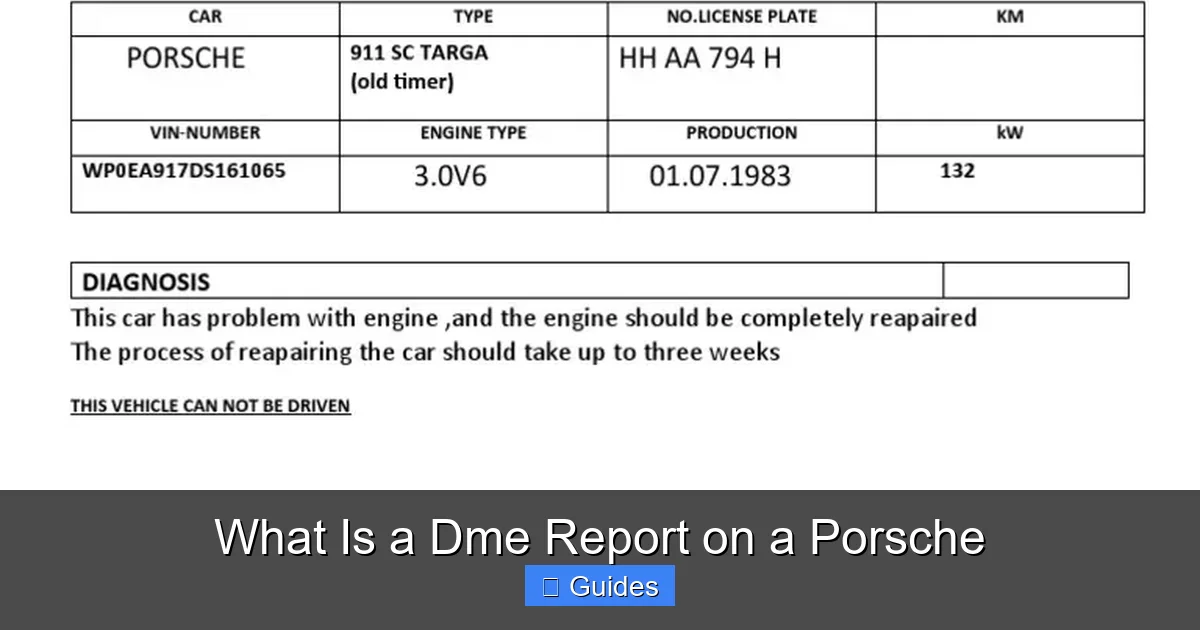
Visual guide about What Is a Dme Report on a Porsche
Image source: imgv2-2-f.scribdassets.com
Now that you understand what a DME report is and why it’s important, the next question is: how do you get one? The process isn’t as simple as plugging in a generic OBD2 scanner, because Porsche uses proprietary systems and encryption to protect its data.
Using Porsche PIWIS Diagnostic System
The most accurate and comprehensive DME reports are generated using Porsche’s official diagnostic tool, known as PIWIS (Porsche Integrated Workshop Information System). This system is used by authorized Porsche dealerships and certified independent shops. It provides full access to the DME, including deep-level data that third-party tools can’t retrieve.
To get a PIWIS-generated DME report, you’ll need to visit a Porsche service center or a reputable independent shop that has the equipment and training. The technician will connect the PIWIS system to your car’s OBD2 port, run a full diagnostic scan, and extract the data. The process typically takes 30 to 60 minutes and may cost between $100 and $200, depending on the shop.
Third-Party Diagnostic Tools
While PIWIS is the gold standard, there are third-party tools that can generate useful DME reports. Devices like the Durametric Pro, Foxwell NT530, or Autel MaxiCOM scanners offer Porsche-specific diagnostics and can read many of the same data points as PIWIS.
These tools are more affordable and accessible for DIY enthusiasts. For example, the Durametric Pro costs around $500 and allows you to read fault codes, view live sensor data, and generate basic DME reports. However, they may not access all the advanced functions or encrypted data that PIWIS can.
Online DME Report Services
Some companies offer remote DME report services. You send them your car’s VIN and a diagnostic file (often generated using a compatible scanner), and they analyze the data and provide a detailed report. This can be a convenient option if you don’t have access to a Porsche specialist.
However, be cautious with online services. Make sure they’re reputable and understand Porsche-specific systems. A poorly interpreted report could lead to false conclusions.
What to Look for in a DME Report
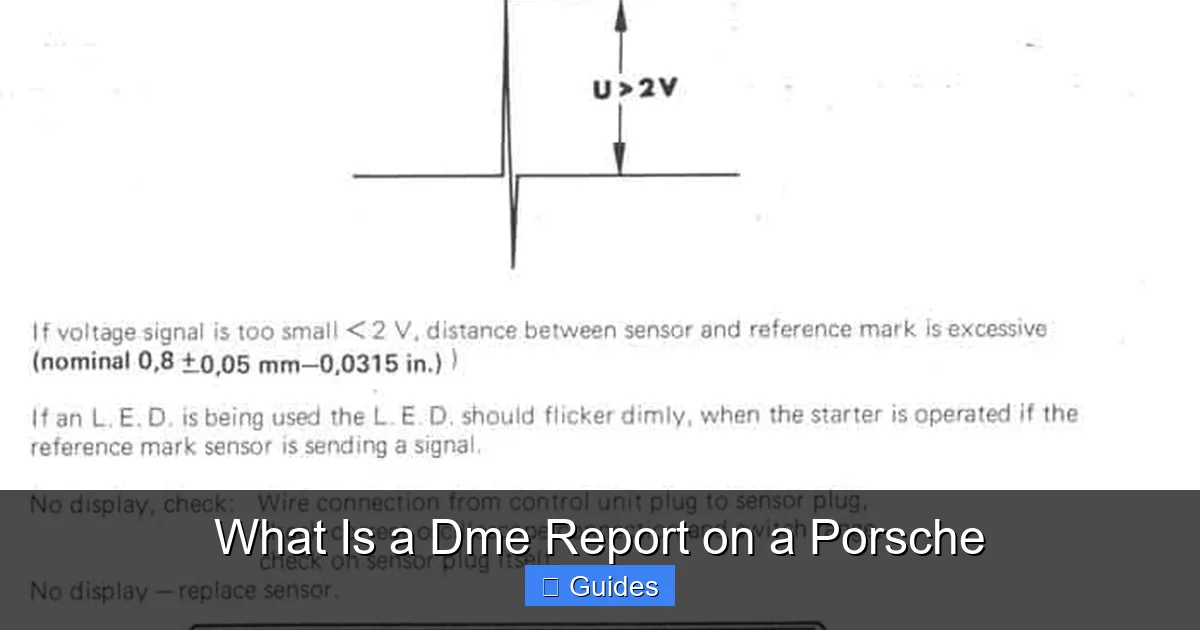
Visual guide about What Is a Dme Report on a Porsche
Image source: 944time.com
Reading a DME report can feel overwhelming at first, especially if you’re not familiar with automotive diagnostics. But with a little guidance, you can learn to spot the most important information.
Mileage Verification
One of the first things to check is the mileage recorded in the DME. Compare it to the odometer reading. If there’s a significant discrepancy, it could indicate odometer rollback—a serious form of fraud. Even small inconsistencies should be investigated.
Fault Codes and Their Severity
Fault codes are listed with alphanumeric identifiers (like P0171 for a lean fuel mixture). Pay attention to how many codes are present and whether they’re active or stored. Active codes mean the problem is currently occurring, while stored codes may be historical.
Also, note the frequency of certain codes. A single misfire code might be harmless, but repeated occurrences suggest a persistent issue.
Ignition Cycles and Driving Patterns
High ignition cycles with low mileage can indicate short trips, which are hard on engines. Look for patterns that suggest the car was used for commuting or city driving, which can accelerate wear.
Fuel Trim and Sensor Data
Fuel trim values should be within a narrow range (typically ±10%). Consistently high positive values mean the engine is running lean; high negative values mean it’s running rich. Both can damage the engine over time.
Sensor data should show smooth, logical readings. Sudden spikes or erratic behavior can point to failing components.
Signs of Tuning or Modifications
If the report shows altered adaptation values, unusual fuel maps, or disabled emissions controls, it may have been tuned. While tuning isn’t inherently bad, it can void warranties or cause reliability issues if done improperly.
Common Misconceptions About DME Reports
Despite their usefulness, DME reports are often misunderstood. Let’s clear up some common myths.
“A Clean DME Report Means the Car Is Perfect”
Not necessarily. While a clean report is a good sign, it doesn’t guarantee the car is flawless. Mechanical issues like worn suspension components, transmission problems, or body damage won’t show up in the DME. Always pair the report with a thorough physical inspection.
“Only Dealerships Can Read DME Reports”
While dealerships have the best tools, independent shops and even DIYers can access much of the data with the right equipment. You don’t need to be a certified technician to understand the basics.
“DME Reports Are Only for Used Cars”
Even new or nearly new Porsches can benefit from DME reports. They can confirm that the car hasn’t been abused during delivery or test drives, and they provide a baseline for future comparisons.
Conclusion
A DME report on a Porsche is far more than just a technical readout—it’s a window into the soul of your car. It tells the story of how the engine has been treated, what challenges it’s faced, and whether it’s ready for the road ahead. Whether you’re buying, selling, or simply caring for your Porsche, this report is an indispensable tool for making informed decisions.
By understanding what a DME report includes, how to obtain one, and what to look for, you can protect your investment and enjoy your Porsche with confidence. Don’t rely solely on appearances or promises—let the data speak for itself. In the world of high-performance vehicles, knowledge truly is power.
Frequently Asked Questions
What does DME stand for in a Porsche?
DME stands for Digital Motor Electronics, which is Porsche’s term for the engine control unit (ECU). It manages critical engine functions like fuel delivery, ignition timing, and emissions.
Can I get a DME report without going to a Porsche dealer?
Yes, independent shops with Porsche diagnostic tools like PIWIS or third-party scanners can generate DME reports. Some online services also offer remote analysis.
How much does a DME report cost?
Costs vary, but expect to pay $100–$200 at a dealership or certified shop. DIY tools like Durametric Pro cost around $500 but allow unlimited use.
Will a DME report show if my Porsche has been in an accident?
Not directly. The DME doesn’t record physical damage, but it may show anomalies like sudden sensor failures or erratic data that could suggest post-accident repairs.
Can a DME report be falsified?
While the data itself is hard to alter, odometer rollback or clearing fault codes can mislead. Always verify the report with a physical inspection and service history.
How often should I check my Porsche’s DME report?
It’s wise to check it before buying a used Porsche, after major repairs, or if you notice performance issues. Regular checks every 10,000–15,000 miles can help catch problems early.

At CarLegit, we believe information should be clear, factual, and genuinely helpful. That’s why every guide, review, and update on our website is created with care, research, and a strong focus on user experience.