
Code P0101 on a Nissan Altima indicates a problem with the Mass Air Flow (MAF) sensor’s performance. This guide walks you through diagnosing and fixing the issue using simple tools and practical steps, helping you save money and keep your Altima running smoothly.
In This Article
Key Takeaways
- Understand the P0101 code: It means the MAF sensor is reporting airflow readings outside the expected range, affecting fuel delivery and engine performance.
- Common causes include: Dirty or faulty MAF sensor, air leaks in the intake system, clogged air filter, or electrical issues with wiring or connectors.
- Cleaning the MAF sensor is often the first fix: Use a specialized MAF cleaner spray—never use compressed air or regular cleaners.
- Check for vacuum leaks: Inspect hoses, gaskets, and intake components for cracks or loose connections that allow unmetered air into the engine.
- Replace the air filter regularly: A dirty filter restricts airflow and can trigger false MAF readings.
- Reset the code after repairs: Use an OBD2 scanner or disconnect the battery to clear the code and verify the fix.
- Seek professional help if needed: If the problem persists, it may involve the ECM or internal engine issues requiring advanced diagnostics.
📑 Table of Contents
What Is Code P0101 on a Nissan Altima?
If you’ve recently seen the check engine light pop up on your Nissan Altima and scanned it to find code P0101, you’re not alone. This diagnostic trouble code (DTC) is one of the most common issues reported by Altima owners, especially in models from 2007 to 2018. But what exactly does P0101 mean, and why should you care?
Code P0101 stands for “Mass Air Flow (MAF) Sensor Circuit Range/Performance Problem.” In simple terms, your car’s computer (the Engine Control Module, or ECM) is detecting that the MAF sensor is sending inconsistent or out-of-range data about how much air is entering the engine. The MAF sensor plays a crucial role in helping the ECM calculate the correct air-fuel mixture for combustion. If the readings are off, your engine might run too rich (too much fuel) or too lean (too little fuel), leading to poor performance, reduced fuel economy, and increased emissions.
The Nissan Altima relies heavily on precise airflow measurements to maintain smooth operation, especially with its continuously variable transmission (CVT) and fuel-efficient engine designs. When the MAF sensor starts acting up, you might notice symptoms like rough idling, hesitation during acceleration, stalling, or even a noticeable drop in gas mileage. Ignoring P0101 can lead to more serious problems down the road, including damage to the catalytic converter or oxygen sensors due to improper fuel mixtures.
The good news? In many cases, fixing code P0101 is straightforward and can be done at home with basic tools. Whether you’re a DIY enthusiast or just trying to avoid a costly trip to the mechanic, understanding the root causes and solutions will help you tackle this issue confidently.
Common Symptoms of Code P0101
Visual guide about How to Fix Code P0101 on Nissan Altima
Image source: bryansgarage.com
Before diving into repairs, it’s important to recognize the signs that your Nissan Altima is experiencing a P0101 issue. While the check engine light is the most obvious indicator, several other symptoms often accompany this code. Paying attention to these can help you confirm the problem and act quickly.
One of the most common symptoms is poor engine performance. You might notice that your Altima feels sluggish when accelerating, especially from a stop. There could be a noticeable delay or hesitation when you press the gas pedal, which is often described as a “hiccup” or “surge” in power delivery. This happens because the ECM is receiving incorrect airflow data and can’t properly adjust the fuel injection timing.
Another frequent sign is rough idling. Your engine may shake or vibrate more than usual when the car is stopped, such as at a red light or in park. In some cases, the idle speed might fluctuate—rising and falling unpredictably—which can be both annoying and a sign of deeper issues.
Reduced fuel economy is also a red flag. If you suddenly find yourself filling up the gas tank more often than usual, the P0101 code could be the culprit. When the MAF sensor gives faulty readings, the engine may burn more fuel than necessary, especially if it’s running rich.
In more severe cases, you might experience engine stalling, particularly when coming to a stop or during low-speed maneuvers. This occurs when the air-fuel mixture becomes too lean or too rich, causing the engine to lose combustion stability.
Lastly, some drivers report a strong smell of gasoline or increased exhaust emissions. This is often due to unburned fuel exiting the tailpipe, which not only wastes gas but can also damage the catalytic converter over time.
It’s worth noting that these symptoms can overlap with other engine problems, so it’s essential to confirm the P0101 code with an OBD2 scanner before assuming the MAF sensor is the issue. However, if you’re experiencing a combination of these signs—especially after a recent air filter change or exposure to dirt and debris—the MAF sensor is a likely suspect.
Causes of Code P0101 on Nissan Altima
Visual guide about How to Fix Code P0101 on Nissan Altima
Image source: bryansgarage.com
Now that you know what P0101 means and how it affects your Altima, let’s explore the most common causes behind this code. Understanding the root of the problem is the first step toward a lasting fix.
1. Dirty or Contaminated MAF Sensor
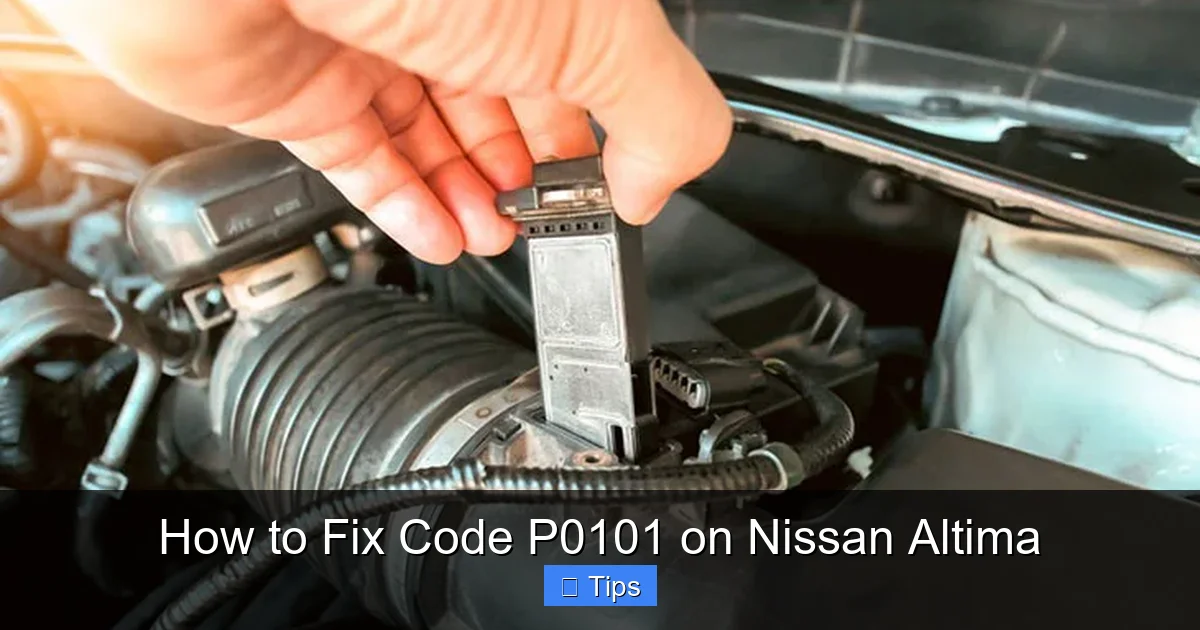
The Mass Air Flow sensor is a delicate component located between the air filter and the throttle body. It uses a thin wire or film to measure the amount of air entering the engine. Over time, this sensor can become coated with dirt, oil, or debris from the air filter, especially if the filter is old or of low quality. Even a thin layer of contamination can interfere with accurate readings, triggering the P0101 code.
For example, if you’ve recently driven on dusty roads or replaced your air filter with a non-OEM (original equipment manufacturer) part that doesn’t fit perfectly, oil-based contaminants might have reached the MAF sensor. Some aftermarket air filters, particularly oiled performance filters, can actually spray oil onto the sensor if over-oiled, making the problem worse.
2. Faulty or Failing MAF Sensor
Even with proper maintenance, MAF sensors can wear out over time. The internal components, such as the heated wire or sensing element, may degrade due to heat, vibration, or age. A failing sensor might send erratic signals to the ECM, causing the P0101 code to appear even when the airflow is normal.
This is more common in higher-mileage Altimas (over 100,000 miles), but it can happen earlier if the sensor was exposed to moisture or physical damage. If cleaning the sensor doesn’t resolve the issue, replacement may be necessary.
3. Air Intake Leaks (Vacuum Leaks)
Another major cause of P0101 is unmetered air entering the engine through leaks in the intake system. The MAF sensor only measures air that passes through it, so if air sneaks in downstream—past the sensor—through cracked hoses, loose clamps, or damaged gaskets, the ECM receives inaccurate data.
Common leak points include the intake manifold gasket, PCV valve hose, brake booster hose, and turbocharger intercooler pipes (on turbo models). Even a small crack can allow enough extra air to throw off the air-fuel ratio.
4. Clogged or Dirty Air Filter
A dirty air filter restricts airflow, which can cause the MAF sensor to work harder and produce inconsistent readings. While a clogged filter doesn’t directly damage the sensor, it forces the engine to pull air through a narrow passage, potentially leading to turbulence or pressure drops that confuse the sensor.
Replacing the air filter every 12,000 to 15,000 miles (or as recommended in your owner’s manual) is a simple but effective way to prevent this issue.
5. Electrical Issues
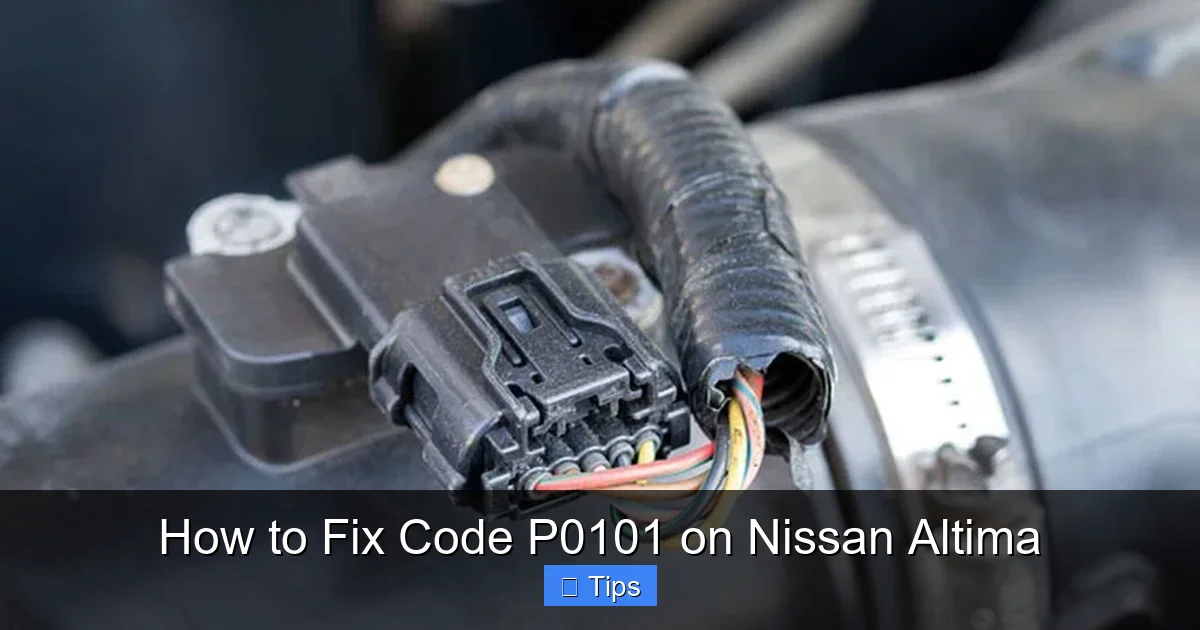
Wiring problems, corroded connectors, or poor grounding can also cause the P0101 code. The MAF sensor relies on a stable electrical connection to send accurate signals. If the connector is loose, corroded, or damaged, the signal may be interrupted or distorted.
For instance, moisture from rain or car washes can seep into the connector, causing corrosion over time. Similarly, rodents chewing on wires under the hood—a surprisingly common issue—can damage the MAF circuit.
6. Software or ECM Glitches
In rare cases, the problem isn’t mechanical but electronic. The ECM might misinterpret normal MAF readings due to a software bug or calibration error. This is more likely after a recent software update or battery replacement. A simple ECM reset or firmware update from a Nissan dealer might resolve the issue.
Step-by-Step Guide to Fixing Code P0101
Visual guide about How to Fix Code P0101 on Nissan Altima
Image source: bryansgarage.com
Now that you understand the causes, let’s walk through a practical, step-by-step process to diagnose and fix code P0101 on your Nissan Altima. This method is designed for DIYers and requires only basic tools and a little patience.
Step 1: Confirm the Code
Before doing anything, use an OBD2 scanner to confirm that P0101 is the active trouble code. You can buy a basic scanner for under $50 or borrow one from an auto parts store (many offer free scanning services). Make sure there are no other codes present, as multiple issues can complicate diagnosis.
Step 2: Inspect the Air Filter
Open the air filter housing (usually a black plastic box near the front of the engine) and remove the filter. Check for dirt, debris, or oil contamination. If the filter is dirty or hasn’t been changed in over a year, replace it with a high-quality OEM or reputable aftermarket filter.
Step 3: Locate and Inspect the MAF Sensor
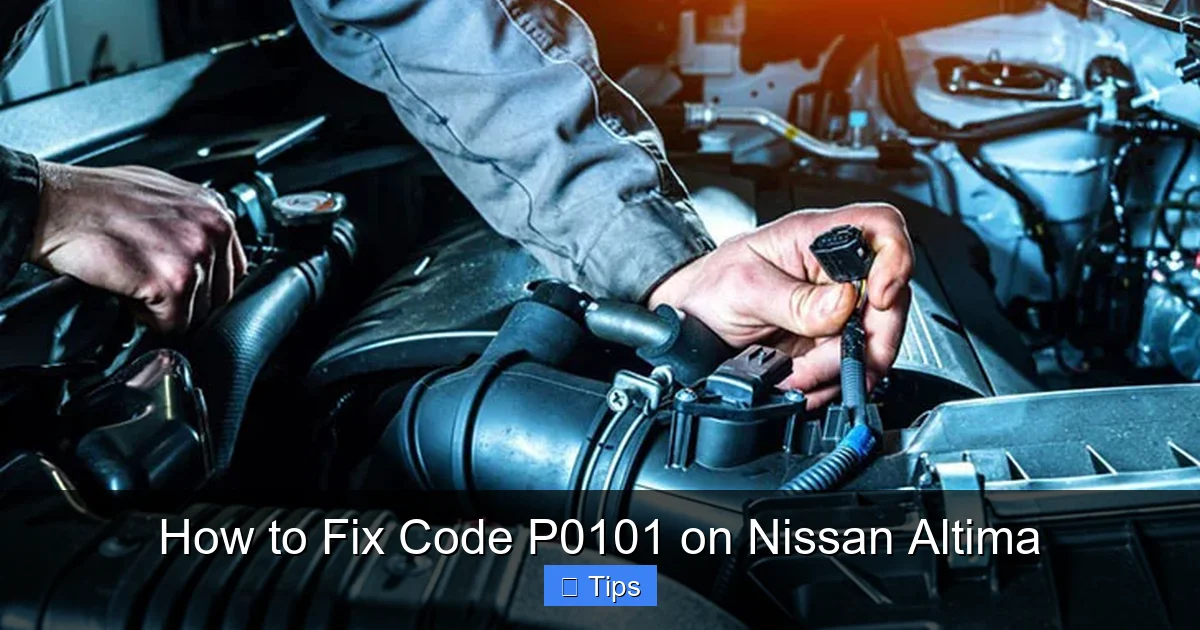
The MAF sensor is typically mounted in the air intake duct, just after the air filter. It’s a small, rectangular or cylindrical component with an electrical connector. Carefully disconnect the connector and remove the sensor using a screwdriver or socket wrench.
Inspect the sensor for visible dirt, oil, or damage. Look at the tiny wire or film inside—it should be clean and intact. If it’s coated in grime, proceed to cleaning.
Step 4: Clean the MAF Sensor
Use a dedicated MAF sensor cleaner spray (available at auto parts stores). Do not use brake cleaner, carburetor cleaner, or compressed air, as these can damage the delicate components.
Spray the cleaner directly onto the sensor element, focusing on the wire or film. Let it air dry completely—do not wipe it. Reinstall the sensor and reconnect the electrical connector.
Step 5: Check for Vacuum Leaks
With the engine off, visually inspect all hoses and connections in the intake system. Look for cracks, splits, or loose clamps. Pay special attention to the PCV hose, brake booster line, and intake manifold gasket.
You can also use a smoke machine or spray carb cleaner around suspected areas while the engine is running. If the engine RPM changes when you spray a certain spot, you’ve found a leak.
Step 6: Test Drive and Clear the Code
Start the engine and let it idle for a few minutes. Take the car for a short test drive to see if the symptoms improve. Then, use your OBD2 scanner to clear the P0101 code.
If the code doesn’t return after a few days of normal driving, the fix was successful. If it comes back, the MAF sensor may need replacement, or there could be a deeper issue.
When to Replace the MAF Sensor
Cleaning the MAF sensor resolves the P0101 code in about 60–70% of cases. However, if the sensor is physically damaged, excessively dirty, or continues to send faulty signals after cleaning, replacement is the next step.
Signs that your MAF sensor needs replacing include:
– The sensor element is broken or corroded
– Cleaning doesn’t fix the code after multiple attempts
– The code returns immediately after clearing
– You notice consistent performance issues despite a clean air filter and no leaks
When buying a replacement, opt for an OEM (Nissan-branded) sensor or a high-quality aftermarket equivalent from brands like Denso, Bosch, or ACDelco. Cheap sensors may save money upfront but often fail prematurely and can cause recurring issues.
Installation is straightforward: simply reverse the removal process. Make sure the sensor is seated correctly and the electrical connector is fully engaged. After replacement, clear the code and test drive the vehicle.
Preventing Future P0101 Codes
Once you’ve fixed the P0101 code, you’ll want to avoid it happening again. Here are some preventive tips to keep your Nissan Altima’s MAF sensor in top condition:
– Replace the air filter regularly: Stick to the manufacturer’s recommended interval, or more often if you drive in dusty conditions.
– Use quality air filters: Avoid overly oiled performance filters unless you’re experienced with proper maintenance.
– Inspect the intake system annually: Check for cracks, loose hoses, and worn gaskets during routine maintenance.
– Keep the engine bay clean: Prevent dirt and debris from entering the air intake by keeping the area around the air filter housing tidy.
– Avoid spraying liquids near the MAF sensor: When cleaning under the hood, shield the sensor from water, degreasers, or other chemicals.
By following these simple habits, you can extend the life of your MAF sensor and maintain optimal engine performance.
Conclusion
Code P0101 on a Nissan Altima can be frustrating, but it’s rarely a sign of a major mechanical failure. In most cases, it’s caused by a dirty MAF sensor, a clogged air filter, or a small vacuum leak—all of which are fixable with basic tools and a little know-how.
By understanding what the code means, recognizing the symptoms, and following a systematic troubleshooting approach, you can resolve the issue quickly and affordably. Whether you clean the sensor yourself or replace it entirely, taking action early will help prevent further engine problems and keep your Altima running smoothly for years to come.
Remember, regular maintenance is your best defense against recurring codes like P0101. Stay proactive, listen to your car, and don’t ignore that check engine light—it’s there to help you.
Frequently Asked Questions
Can I drive my Nissan Altima with code P0101?
Yes, you can drive short distances, but it’s not recommended for long. The engine may run poorly, consume more fuel, or stall unexpectedly. Have the issue diagnosed and fixed as soon as possible.
How much does it cost to fix P0101 on a Nissan Altima?
Cleaning the MAF sensor costs under $20 for cleaner. Replacing the sensor ranges from $100 to $300 for parts, plus labor if done by a mechanic. DIY repairs can save significant money.
Will a dirty air filter cause P0101?
Yes, a clogged air filter can restrict airflow and cause the MAF sensor to send inaccurate readings, potentially triggering the P0101 code.
Can I clean the MAF sensor with alcohol?
No, never use alcohol, brake cleaner, or compressed air. These can damage the delicate sensor element. Use only a dedicated MAF sensor cleaner spray.
How often should I replace the MAF sensor?
There’s no set interval, but most sensors last 100,000 to 150,000 miles. Replace it only if cleaning fails to resolve performance issues or the code returns.
Does P0101 affect fuel economy?
Yes, a faulty MAF sensor can cause the engine to run rich or lean, leading to increased fuel consumption and reduced gas mileage.

At CarLegit, we believe information should be clear, factual, and genuinely helpful. That’s why every guide, review, and update on our website is created with care, research, and a strong focus on user experience.