
Replacing tires on a Nissan Altima typically costs between $80 and $250 per tire, depending on size, brand, and performance needs. This guide breaks down pricing factors, OEM vs. aftermarket options, installation costs, and smart shopping tips to help you make an informed decision.
If you’re driving a Nissan Altima, you already know it’s a reliable, comfortable, and fuel-efficient sedan that handles daily commutes and long road trips with ease. But like any vehicle, it eventually needs new tires—and when that time comes, one of the first questions on your mind is likely: *How much are tires for a Nissan Altima?*
The short answer? It depends. Tire prices vary widely based on several factors, including your Altima’s model year, trim level, driving habits, and where you live. But don’t worry—we’re here to walk you through everything you need to know so you can budget wisely and choose the best tires for your needs without overspending.
In this guide, we’ll break down the average cost of tires for a Nissan Altima, explore what influences pricing, compare OEM and aftermarket options, and share practical tips to help you save money while keeping your ride safe and smooth. Whether you’re shopping for your first set of replacement tires or upgrading for better performance, this article will give you the confidence to make the right choice.
In This Article
- 1 Key Takeaways
- 2 📑 Table of Contents
- 3 Understanding Tire Pricing for the Nissan Altima
- 4 OEM vs. Aftermarket Tires: What’s the Difference?
- 5 Installation and Additional Costs
- 6 Where to Buy Tires for Your Nissan Altima
- 7 Tips to Save Money on Nissan Altima Tires
- 8 Long-Term Value: Are Expensive Tires Worth It?
- 9 Conclusion
- 10 Frequently Asked Questions
Key Takeaways
- Average tire cost: Most Nissan Altima tires range from $80 to $250 each, with total replacement (including installation) often between $400 and $1,200 for a full set.
- Tire size matters: The Altima’s tire size varies by model year and trim (e.g., 215/55R17 or 235/45R19), directly impacting price—larger wheels cost more.
- Performance vs. economy: Standard all-season tires are more affordable, while high-performance or winter tires come at a premium.
- OEM vs. aftermarket: Original Equipment Manufacturer (OEM) tires match factory specs but may cost more than quality aftermarket brands like Michelin, Goodyear, or Continental.
- Installation and extras: Expect to pay $15–$25 per tire for mounting, balancing, and disposal; alignment checks are recommended after replacement.
- Seasonal and regional factors: Prices can fluctuate based on demand (e.g., winter tire season) and location (urban vs. rural availability).
- Long-term savings: Investing in durable, fuel-efficient tires may cost more upfront but save money on gas and replacements over time.
📑 Table of Contents
Understanding Tire Pricing for the Nissan Altima
When it comes to replacing tires on your Nissan Altima, understanding the pricing structure is the first step toward making a smart investment. The cost of tires isn’t just about the sticker price—it includes several components that add up quickly if you’re not careful.
On average, a single tire for a Nissan Altima ranges from $80 to $250, depending on the type, brand, and size. For a full set of four tires, that means you’re likely looking at a total between $320 and $1,000 just for the rubber. Add in installation, balancing, disposal fees, and possibly an alignment, and your final bill could climb to $400–$1,200 or more.
But why such a wide range? Let’s dig into the factors that drive these costs.
Tire Size and Model Year
One of the biggest determinants of tire price is size. The Nissan Altima has been produced in various trims and model years, each with different wheel and tire specifications. For example:
– Base models (like the S or SV trim) often use 16- or 17-inch wheels with tire sizes such as 215/60R16 or 215/55R17.
– Higher trims (like the SL or SR) may come with 18- or 19-inch wheels, requiring larger tires like 235/45R18 or 235/40R19.
Larger tires generally cost more due to increased material, complexity, and demand. A 19-inch performance tire can easily be double the price of a standard 16-inch all-season tire. So, if you’ve upgraded your wheels or are driving a sportier Altima trim, expect to pay a premium.
Type of Tire: All-Season, Performance, or Specialty
Not all tires are created equal—and neither are their prices. The type of tire you choose will significantly affect how much you spend.
– All-season tires are the most common and affordable option for the Altima. They offer a balance of comfort, tread life, and performance in most weather conditions. Brands like Michelin Defender, Goodyear Assurance, and Continental TrueContact fall into this category and typically cost between $100 and $160 per tire.
– Performance tires are designed for better handling, grip, and responsiveness—ideal if you enjoy spirited driving or live in an area with winding roads. These can range from $150 to $250 per tire. Examples include the Michelin Pilot Sport series or the Bridgestone Potenza.
– Touring tires focus on comfort and quiet rides, often found on luxury trims. They’re a bit pricier than standard all-seasons but offer a smoother experience.
– Winter or snow tires are essential in colder climates. While they provide superior traction in snow and ice, they come at a higher cost—usually $120 to $220 per tire—and require seasonal swapping.
Choosing the right type depends on your driving environment and priorities. If you live in a mild climate and mostly drive on highways, all-season tires are usually the best value.
Brand Reputation and Quality
Brand name plays a big role in tire pricing. Premium brands like Michelin, Pirelli, and Continental charge more because they invest heavily in research, materials, and testing. Their tires often last longer, perform better, and come with stronger warranties.
On the other hand, budget brands like General, Kumho, or Westlake offer lower prices—sometimes under $80 per tire—but may sacrifice tread life, comfort, or safety. While they can be a good short-term solution, they might not be the most cost-effective over time.
That said, mid-tier brands like Goodyear, Bridgestone, and Firestone offer a sweet spot between price and performance. They’re reliable, widely available, and often recommended by mechanics and car enthusiasts alike.
OEM vs. Aftermarket Tires: What’s the Difference?
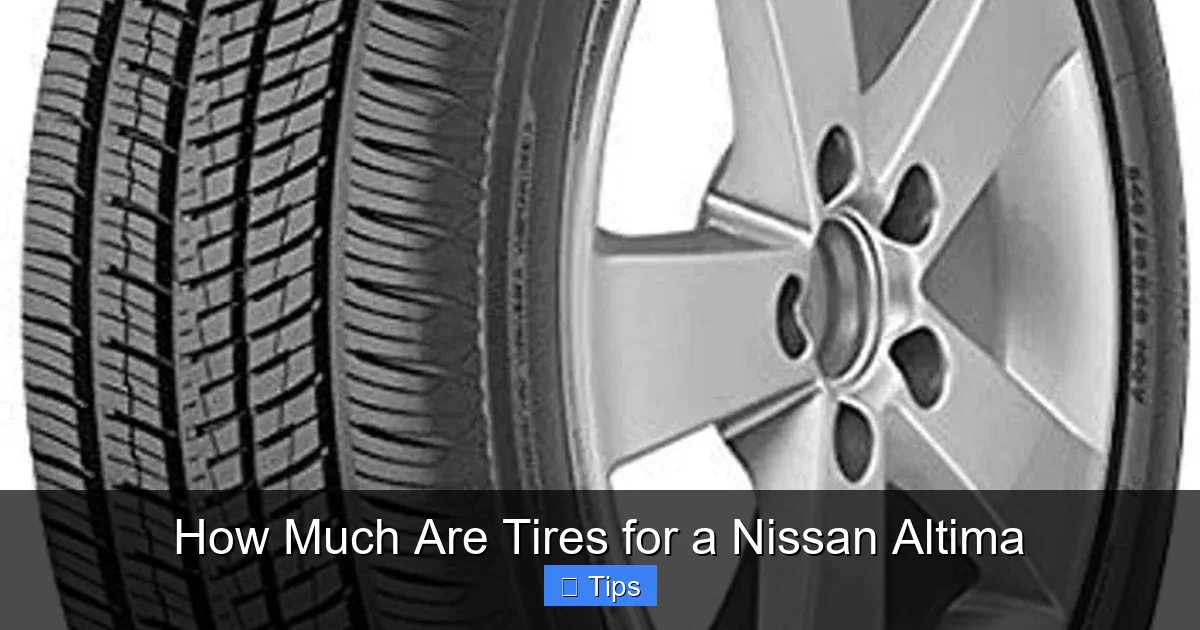
Visual guide about How Much Are Tires for a Nissan Altima
Image source: wonderfulengineering.com
When shopping for new tires, you’ll likely come across two categories: OEM (Original Equipment Manufacturer) and aftermarket. Understanding the difference can help you decide which is right for your Altima.
What Are OEM Tires?
OEM tires are the exact same tires that came on your Nissan Altima when it was new. They’re made by the same manufacturers (like Michelin or Bridgestone) but are specifically designed to meet Nissan’s performance and comfort standards.
For example, if your Altima originally came with Michelin Energy Saver A/S tires, those are the OEM option. They’re engineered to deliver the ride quality, fuel efficiency, and noise levels that Nissan intended.
Pros of OEM tires:
– Perfect fit and performance match
– Maintain factory ride quality
– Often covered under warranty if installed by a dealer
Cons:
– Usually more expensive than aftermarket alternatives
– Limited availability at non-dealership shops
Aftermarket Tires: More Choices, Better Value?
Aftermarket tires are made by the same brands as OEM tires but aren’t tied to a specific vehicle. They offer more variety in terms of performance, tread patterns, and price points.
For instance, you might find a Continental ProContact RX that’s nearly identical to the OEM tire but costs 15–20% less. Or you could upgrade to a high-performance tire like the Michelin Pilot Sport 4 for better cornering and braking.
Pros of aftermarket tires:
– Wider selection and competitive pricing
– Opportunity to upgrade performance or fuel efficiency
– Available at local tire shops, online retailers, and big-box stores
Cons:
– Requires research to ensure compatibility
– May slightly alter ride comfort or noise levels
In most cases, high-quality aftermarket tires are a great choice. Just make sure they match your Altima’s recommended size, load index, and speed rating (found in your owner’s manual or on the driver’s side door jamb).
Installation and Additional Costs

Visual guide about How Much Are Tires for a Nissan Altima
Image source: discounttire.scene7.com
Buying the tires is only part of the expense. Installation adds several fees that can significantly impact your total cost.
Mounting and Balancing
Every new tire must be mounted onto your wheel and balanced to ensure a smooth, vibration-free ride. Most shops charge between $15 and $25 per tire for this service. That’s $60 to $100 for a full set.
Some retailers include mounting and balancing in the tire price, especially during promotions. Always ask before you buy.
Disposal Fees
Old tires can’t just be thrown in the trash—they’re considered hazardous waste in many areas. Most shops charge a disposal fee of $5 to $10 per tire to recycle or properly dispose of your old ones.
Alignment Check
After installing new tires, it’s a good idea to have your alignment checked. Misaligned wheels can cause uneven tire wear, reducing lifespan and fuel efficiency. An alignment typically costs $75 to $150, depending on your location and shop.
While not always required, it’s a smart investment—especially if your Altima has been pulling to one side or you’ve noticed uneven tread wear.
Road Hazard Warranty
Many tire shops offer a road hazard warranty for an additional $10–$20 per tire. This covers damage from potholes, nails, or other road debris that could puncture or ruin a tire. If you drive on rough roads or in areas with poor infrastructure, this warranty can save you hundreds in unexpected repairs.
Where to Buy Tires for Your Nissan Altima

Visual guide about How Much Are Tires for a Nissan Altima
Image source: images.customwheeloffset.com
You have several options when it comes to purchasing tires, each with its own pros and cons.
Local Tire Shops
Brick-and-mortar stores like Discount Tire, Firestone Complete Auto Care, or local independent shops offer hands-on service, immediate installation, and expert advice. They often price-match online retailers and may run seasonal promotions.
Pros:
– Immediate service and installation
– Professional advice and fitment checks
– Ability to inspect tires in person
Cons:
– Prices may be higher than online
– Limited selection compared to online stores
Online Retailers
Websites like Tire Rack, Discount Tire Direct, and SimpleTire offer vast selections, competitive pricing, and home delivery. Many also partner with local installers, so you can order online and have them mounted at a nearby shop.
Pros:
– Lower prices and frequent discounts
– Easy price comparison
– Home delivery and installation scheduling
Cons:
– Shipping delays possible
– Must coordinate installation separately
Big-Box Stores
Walmart, Costco, and Sam’s Club sell tires and offer installation services. Costco, in particular, is known for competitive pricing and includes free rotation, balancing, and flat repairs for the life of the tire.
Pros:
– Membership perks and bundled services
– Often lower prices
– Convenient locations
Cons:
– Limited brand selection
– May require membership (e.g., Costco)
Car Dealerships
Nissan dealerships sell OEM tires and handle installation. While convenient, they’re usually the most expensive option.
Pros:
– Guaranteed OEM fit and quality
– Service package options
– Warranty coverage
Cons:
– Highest prices
– Limited negotiation room
For most Altima owners, a combination of online research and local installation offers the best balance of price and convenience.
Tips to Save Money on Nissan Altima Tires
Replacing tires doesn’t have to break the bank. With a little planning and smart shopping, you can get quality tires at a fair price.
Shop During Sales and Promotions
Tire retailers often run seasonal promotions—especially in spring and fall. Look for deals like “buy three, get one free” or rebates of $50–$100 on a set of four. Sign up for email alerts from your favorite retailers to stay informed.
Consider Tire Packages
Some shops offer bundled packages that include tires, mounting, balancing, and a warranty for a flat rate. These can save you $50–$100 compared to paying for each service separately.
Rotate and Maintain Your Tires
Proper maintenance extends tire life. Rotate your tires every 5,000–7,500 miles, check air pressure monthly, and avoid overloading your Altima. Well-maintained tires can last 50,000–70,000 miles, delaying the need for replacement.
Buy in Sets of Four
Replacing all four tires at once ensures even wear and optimal performance. While it’s more expensive upfront, it prevents handling issues and saves money in the long run. If you must replace only two, install them on the rear axle for better stability.
Check for Rebates and Manufacturer Offers
Tire manufacturers often offer mail-in rebates or instant savings. For example, Michelin might offer a $70 rebate on a set of four tires. These promotions can significantly reduce your total cost.
Long-Term Value: Are Expensive Tires Worth It?
It’s tempting to go for the cheapest tires available, but consider the long-term value. A $120 tire that lasts 60,000 miles is a better investment than a $80 tire that wears out in 30,000 miles.
Premium tires often feature:
– Better tread compounds for longer life
– Improved fuel efficiency (lower rolling resistance)
– Enhanced safety features (shorter braking distances, better wet traction)
– Quieter, more comfortable rides
For example, the Michelin Defender T+H is a top-rated all-season tire for the Altima. At around $140 per tire, it’s pricier than budget options—but it can last up to 80,000 miles and improve gas mileage by 1–2 MPG. Over time, those savings add up.
Additionally, high-quality tires reduce the risk of blowouts, improve handling in emergencies, and enhance overall driving confidence. When it comes to safety and performance, spending a little more upfront is often worth it.
Conclusion
So, how much are tires for a Nissan Altima? The answer isn’t one-size-fits-all, but with the information in this guide, you’re now equipped to make a smart, informed decision.
On average, expect to pay between $80 and $250 per tire, with total replacement costs ranging from $400 to $1,200 including installation. Your final price will depend on tire size, type, brand, and where you buy them. While OEM tires offer factory-matched performance, high-quality aftermarket options often provide better value without sacrificing safety or comfort.
Remember to factor in installation, balancing, and alignment costs, and always consider long-term value over the lowest upfront price. By shopping smart, maintaining your tires, and choosing the right type for your driving needs, you can keep your Altima running smoothly—and your wallet happy—for miles to come.
Whether you’re cruising down the highway or navigating city streets, the right tires make all the difference. Don’t wait until you’re stranded with a flat—plan ahead, compare options, and invest in tires that keep you safe, save you money, and enhance your driving experience.
Frequently Asked Questions
How often should I replace the tires on my Nissan Altima?
Most tires last between 40,000 and 70,000 miles, depending on driving habits, road conditions, and maintenance. Check tread depth regularly—replace tires when they reach 2/32 of an inch or show signs of uneven wear.
Can I mix different tire brands on my Altima?
It’s not recommended. Mixing brands or models can affect handling, braking, and stability. For best performance, use the same brand, model, and size on all four wheels.
Do I need to replace all four tires at once?
Ideally, yes. Replacing all four ensures even wear and optimal performance. If you must replace only two, install them on the rear axle for better traction and safety.
Are winter tires worth it for a Nissan Altima?
If you live in an area with heavy snow or ice, winter tires significantly improve safety and control. They’re more expensive but offer superior grip in cold conditions compared to all-season tires.
Can I install tires myself to save money?
While possible, tire installation requires specialized tools and expertise. Improper mounting or balancing can lead to vibrations, damage, or safety risks. It’s best left to professionals.
Do tire prices vary by region?
Yes. Prices can be higher in urban areas due to demand and operating costs. Rural areas may have fewer options but sometimes lower prices. Always compare local and online retailers.

At CarLegit, we believe information should be clear, factual, and genuinely helpful. That’s why every guide, review, and update on our website is created with care, research, and a strong focus on user experience.