
Resetting the tire pressure light on your Hyundai Elantra is simple and can be done in minutes without a mechanic. Whether you’ve just filled your tires or replaced a sensor, this guide walks you through every method—manual reset, using the TPMS button, or driving to recalibrate—so you can get back on the road safely and confidently.
In This Article
- 1 Key Takeaways
- 2 📑 Table of Contents
- 3 Why Does the Tire Pressure Light Come On?
- 4 How to Check Your Tire Pressure
- 5 Method 1: Using the TPMS Reset Button
- 6 Method 2: Manual Reset Using the Trip/Odometer Button
- 7 Method 3: Drive to Recalibrate (Auto Relearn)
- 8 Method 4: Disconnect the Battery (Last Resort)
- 9 When to Replace TPMS Sensors
- 10 Preventing Future TPMS Issues
- 11 Conclusion
- 12 Frequently Asked Questions
- 12.1 How long does it take for the tire pressure light to reset?
- 12.2 Can I reset the TPMS light without a button?
- 12.3 Why does my tire pressure light come on in cold weather?
- 12.4 Will the light turn off after adding air?
- 12.5 How much does it cost to replace a TPMS sensor?
- 12.6 Can I drive with the tire pressure light on?
Key Takeaways
- Understanding How To Reset Tire Pressure Light Hyundai Elantra: Provides essential knowledge
📑 Table of Contents
- Why Does the Tire Pressure Light Come On?
- How to Check Your Tire Pressure
- Method 1: Using the TPMS Reset Button
- Method 2: Manual Reset Using the Trip/Odometer Button
- Method 3: Drive to Recalibrate (Auto Relearn)
- Method 4: Disconnect the Battery (Last Resort)
- When to Replace TPMS Sensors
- Preventing Future TPMS Issues
- Conclusion
Why Does the Tire Pressure Light Come On?
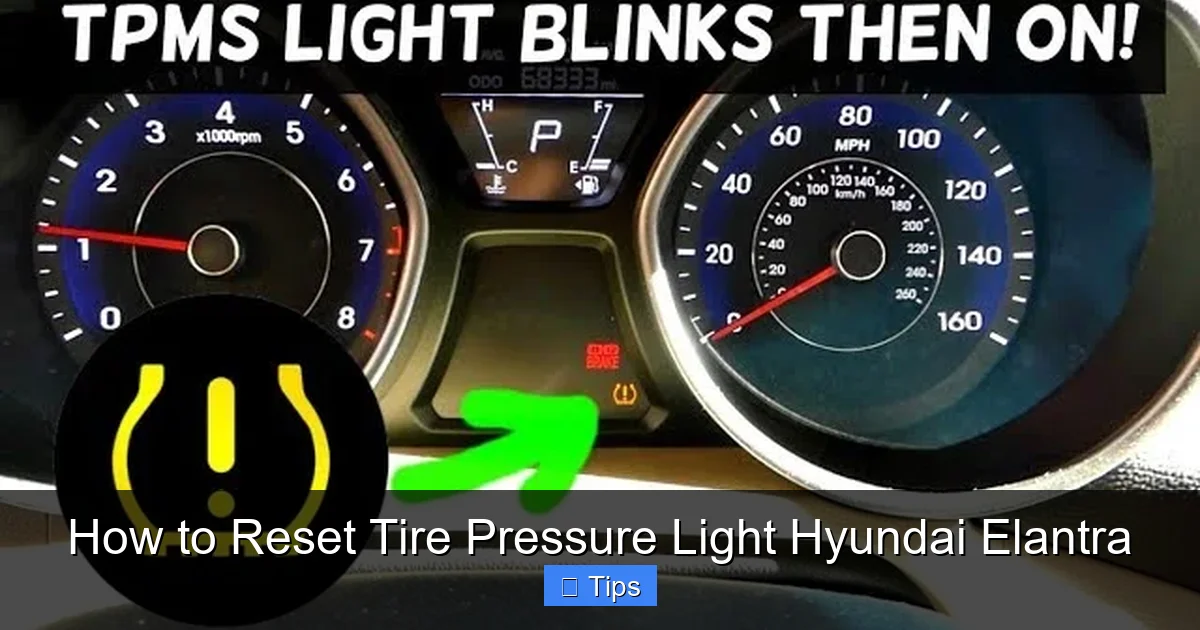
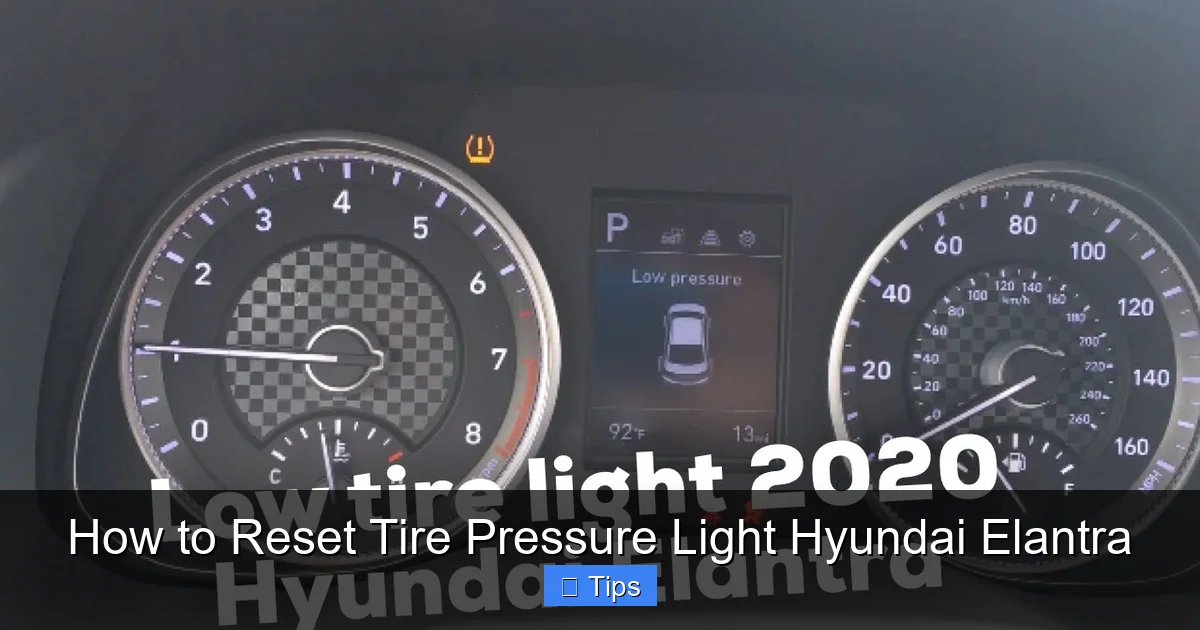
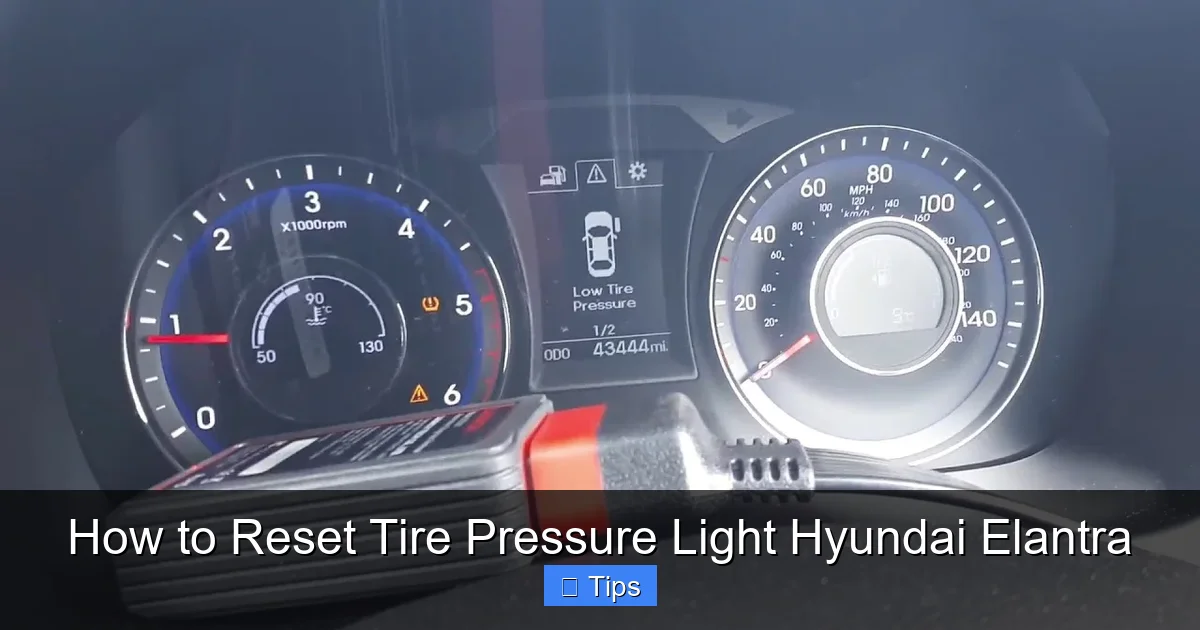
The tire pressure monitoring system (TPMS) in your Hyundai Elantra is designed to keep you safe by alerting you when one or more tires are significantly underinflated. This warning light—usually a yellow or orange symbol shaped like a horseshoe with an exclamation point—appears on your dashboard when the system detects low pressure, typically 25% below the recommended level.
But here’s the thing: the light doesn’t always mean you have a flat tire. It can trigger after a sudden temperature drop (cold weather reduces tire pressure), after inflating or rotating tires, or even if a sensor battery is dying. Sometimes, it’s just a glitch that needs a simple reset.
Understanding why the light comes on is the first step to fixing it. For example, if you’ve recently filled your tires at a gas station and the light still won’t turn off, it’s likely because the TPMS hasn’t recognized the new pressure yet. That’s where resetting comes in.
Common Causes of the TPMS Light
- Low tire pressure: The most common cause. Check all four tires, including the spare if your model has one.
- Temperature changes: A 10°F drop in temperature can reduce tire pressure by 1–2 PSI, enough to trigger the light.
- Recent tire service: After rotations, replacements, or inflating, the system may need recalibration.
- Faulty or dead TPMS sensor: Sensors have batteries that last 5–10 years. When they die, the light may stay on.
- System malfunction: Rare, but possible. A damaged control module or wiring issue could cause false alerts.
How to Check Your Tire Pressure
Visual guide about How to Reset Tire Pressure Light Hyundai Elantra
Image source: i.ytimg.com
Before resetting the light, always verify your tire pressure. Driving on underinflated tires is dangerous—it reduces fuel efficiency, increases wear, and raises the risk of a blowout.
Find the Recommended PSI
The correct tire pressure for your Hyundai Elantra is listed on a sticker inside the driver’s side door jamb. It’s usually around 32–35 PSI for most models, but it can vary by year and trim. Never rely on the number printed on the tire sidewall—that’s the maximum pressure, not the recommended one.
Use a Reliable Tire Gauge
Digital gauges are more accurate than the ones built into gas station air pumps, which can be worn or misaligned. Check pressure when tires are cold (before driving or after sitting for 3+ hours) for the most accurate reading.
Inflate Evenly
Add air in small increments, checking frequently. Overinflating can be just as bad as underinflating. If one tire is significantly lower, inspect for leaks, punctures, or valve stem damage.
Method 1: Using the TPMS Reset Button
Visual guide about How to Reset Tire Pressure Light Hyundai Elantra
Image source: i.ytimg.com
Most Hyundai Elantra models from 2011 onward come with a dedicated TPMS reset button. This is the easiest and most reliable method.
Locate the Reset Button
The button is typically found under the steering column, near the fuse panel, or in the glove box. It’s often labeled “TPMS” or “SET.” If you can’t find it, consult your owner’s manual—Hyundai places it in slightly different spots depending on the model year.
Step-by-Step Reset Process
- Turn the ignition to the “ON” position (don’t start the engine).
- Press and hold the TPMS reset button until the tire pressure light blinks three times (usually takes 3–5 seconds).
- Release the button. The light should turn off or begin to flash slowly.
- Start the engine and drive at 30+ mph for 10–15 minutes. This allows the system to recalibrate and confirm proper pressure.
What If the Light Doesn’t Turn Off?
If the light remains on after driving, double-check tire pressures. If they’re correct, the reset may not have registered. Try the process again, ensuring the ignition is on but the engine is off. Some models require you to press the brake pedal during the reset—check your manual for specifics.
Method 2: Manual Reset Using the Trip/Odometer Button
Visual guide about How to Reset Tire Pressure Light Hyundai Elantra
Image source: i.ytimg.com
Older Hyundai Elantra models (pre-2011) may not have a TPMS button. Instead, you’ll need to use the trip/odometer button on the instrument cluster.
Access the Reset Menu
- Turn the ignition to “ON.”
- Press and hold the trip/odometer button until the display shows “TIRE PRESSURE RESET” or a similar message.
- Release the button, then press it again to confirm.
- The light should flash and then turn off.
Drive to Complete the Reset
As with the button method, drive at 30+ mph for 10–15 minutes. The system needs motion to verify that all tires are properly inflated.
Tips for Success
- Make sure all doors are closed during the reset.
- If the menu doesn’t appear, try cycling the ignition off and on.
- Some models require you to press the button multiple times to navigate menus.
Method 3: Drive to Recalibrate (Auto Relearn)
Some newer Hyundai Elantras (2017 and later) use an automatic recalibration system. After inflating tires to the correct PSI, the light may turn off on its own after driving.
How It Works
The TPMS sensors continuously monitor pressure and communicate with the car’s computer. When pressure returns to normal, the system can self-correct—no button pressing needed.
Drive Requirements
To trigger auto-relearn:
- Drive at 30+ mph for at least 10 minutes.
- Maintain steady speed—avoid frequent stops or sharp turns.
- Ensure all tires are within 5 PSI of the recommended level.
When It Doesn’t Work
If the light stays on after driving, the system may need a manual reset. Also, if one sensor is malfunctioning, auto-relearn won’t fix it.
Method 4: Disconnect the Battery (Last Resort)
If all else fails, disconnecting the car battery can reset the TPMS system. This method clears the computer’s memory, including the tire pressure data.
Steps to Disconnect the Battery
- Turn off the engine and remove the key.
- Open the hood and locate the negative (-) battery terminal.
- Use a wrench to loosen the clamp and remove the cable.
- Wait 10–15 minutes to ensure the system fully resets.
- Reconnect the cable and tighten securely.
- Turn the ignition on and check if the light is off.
Drawbacks to Consider
- Resets radio presets, clock, and seat memory.
- May trigger other warning lights temporarily.
- Not recommended for frequent use—can strain the battery.
When to Replace TPMS Sensors
If the tire pressure light won’t turn off despite correct inflation and multiple resets, a sensor may be faulty.
Signs of a Bad Sensor
- Light stays on even after reset and driving.
- One tire consistently shows low pressure (even after inflating).
- Intermittent flashing or erratic behavior.
Sensor Lifespan and Cost
TPMS sensors have internal batteries that last 5–10 years. Replacement costs $50–$150 per sensor, including installation. Some auto shops offer sensor programming services.
DIY vs. Professional Help
While you can buy and install sensors yourself, programming them to your car often requires specialized tools. For most drivers, visiting a Hyundai dealer or tire shop is the best option.
Preventing Future TPMS Issues
A little maintenance goes a long way in avoiding tire pressure warnings.
Monthly Pressure Checks
Make it a habit to check tire pressure once a month. Keep a digital gauge in your glove box for convenience.
Seasonal Adjustments
In winter, check pressure more frequently—cold weather can cause gradual drops. In summer, avoid overinflating in hot weather.
Inspect Valve Stems and Caps
Damaged valve stems or missing caps can cause slow leaks. Replace caps if cracked or loose.
Rotate Tires Regularly
Follow Hyundai’s recommended rotation schedule (usually every 5,000–7,500 miles). This ensures even wear and helps the TPMS function accurately.
Conclusion
Resetting the tire pressure light on your Hyundai Elantra doesn’t have to be stressful. With the right method—whether it’s using the TPMS button, the trip odometer, or a simple drive—you can clear the warning in minutes. Always start by checking tire pressure, then choose the reset method that matches your model year.
If the light persists, don’t ignore it. It could signal a deeper issue like a dead sensor or a slow leak. Regular maintenance and awareness of your TPMS system will keep you safe and save you money in the long run. Remember, proper tire pressure isn’t just about avoiding a warning light—it’s about safety, fuel efficiency, and tire longevity.
So next time that little horseshoe light pops up, take a deep breath. You’ve got this.
Frequently Asked Questions
How long does it take for the tire pressure light to reset?
The light usually turns off within 10–15 minutes of driving at 30+ mph after a manual reset. If using auto-relearn, it may take up to 20 minutes of continuous driving.
Yes, older Elantra models allow resetting via the trip/odometer button. Hold it until the reset menu appears, then confirm.
Why does my tire pressure light come on in cold weather?
Cold temperatures reduce air pressure inside tires. A 10°F drop can lower pressure by 1–2 PSI, triggering the light even if tires were fine before.
Will the light turn off after adding air?
Not always. You may need to reset the system manually or drive to allow the TPMS to recalibrate and recognize the new pressure.
How much does it cost to replace a TPMS sensor?
Replacement costs $50–$150 per sensor, including parts and labor. Hyundai dealers may charge more than independent tire shops.
Can I drive with the tire pressure light on?
It’s not recommended. Underinflated tires reduce handling, increase stopping distance, and can overheat, leading to blowouts. Check and inflate tires immediately.

At CarLegit, we believe information should be clear, factual, and genuinely helpful. That’s why every guide, review, and update on our website is created with care, research, and a strong focus on user experience.