
The value of a 2009 Hyundai Sonata depends on several key factors including mileage, condition, trim level, and location. On average, these sedans range from $2,500 to $6,000, with well-maintained, low-mileage models fetching higher prices. Understanding market trends and vehicle history helps you make informed buying or selling decisions.
If you’re wondering how much a 2009 Hyundai Sonata is worth, you’re not alone. This mid-size sedan was one of Hyundai’s most popular models during its era, offering reliability, comfort, and solid fuel economy at an affordable price. Whether you’re looking to sell your current Sonata, buy a used one, or simply assess its value for insurance or loan purposes, understanding its worth is essential.
The 2009 Hyundai Sonata stood out in a competitive segment dominated by Toyota Camrys and Honda Accords. It came with a spacious interior, a smooth ride, and a reputation for durability—especially when properly maintained. Over the years, many of these vehicles have remained on the road, thanks to Hyundai’s growing reputation for longevity. However, like any used car, the value of a 2009 Sonata isn’t fixed. It fluctuates based on a mix of objective and subjective factors, from how many miles it’s driven to whether it’s been in an accident.
In this guide, we’ll walk you through everything you need to know to determine how much a 2009 Hyundai Sonata is worth. We’ll break down pricing trends, explore the impact of condition and mileage, and offer practical tips for getting the best value—whether you’re buying or selling. By the end, you’ll have a clear picture of what your Sonata is truly worth in today’s used car market.
In This Article
- 1 Key Takeaways
- 2 📑 Table of Contents
- 3 Understanding the 2009 Hyundai Sonata’s Market Position
- 4 Factors That Influence the Value of a 2009 Hyundai Sonata
- 5 Average Pricing for a 2009 Hyundai Sonata
- 6 How to Accurately Value Your 2009 Hyundai Sonata
- 7 Tips for Selling or Buying a 2009 Hyundai Sonata
- 8 Common Issues to Watch For in a 2009 Hyundai Sonata
- 9 Final Thoughts: Is a 2009 Hyundai Sonata Worth It?
- 10 Frequently Asked Questions
- 10.1 What is the average mileage for a 2009 Hyundai Sonata?
- 10.2 Can a 2009 Hyundai Sonata last 200,000 miles?
- 10.3 Is the 2009 Hyundai Sonata a good used car buy?
- 10.4 Why are some 2009 Sonatas so cheap?
- 10.5 What should I check before buying a 2009 Sonata?
- 10.6 How much does it cost to maintain a 2009 Hyundai Sonata?
Key Takeaways
- Average market value: Most 2009 Hyundai Sonatas sell between $2,500 and $6,000, depending on condition and mileage.
- Mileage matters: Low-mileage models (under 80,000 miles) can command prices closer to $5,500–$6,000.
- Trim level impacts price: Higher trims like the Limited or SE add value due to upgraded features and better condition.
- Vehicle history is crucial: Clean titles, regular maintenance, and no major accidents significantly increase resale value.
- Geographic location affects pricing: Prices vary by region due to demand, climate, and local market conditions.
- Timing your sale helps: Selling in spring or early summer often yields better offers due to seasonal demand.
- Private sales vs. trade-ins: Private buyers typically pay 10–20% more than dealerships, but require more effort.
📑 Table of Contents
- Understanding the 2009 Hyundai Sonata’s Market Position
- Factors That Influence the Value of a 2009 Hyundai Sonata
- Average Pricing for a 2009 Hyundai Sonata
- How to Accurately Value Your 2009 Hyundai Sonata
- Tips for Selling or Buying a 2009 Hyundai Sonata
- Common Issues to Watch For in a 2009 Hyundai Sonata
- Final Thoughts: Is a 2009 Hyundai Sonata Worth It?
Understanding the 2009 Hyundai Sonata’s Market Position
The 2009 Hyundai Sonata was part of the sixth generation of the Sonata lineup, which ran from 2006 to 2010. This generation marked a turning point for Hyundai, as the brand began to shift from being seen as a budget option to a legitimate competitor in the mid-size sedan market. The 2009 model, in particular, benefited from a mid-cycle refresh that improved styling, interior quality, and technology features.
One of the key selling points of the 2009 Sonata was its standard 2.4-liter four-cylinder engine, which produced 175 horsepower. For buyers wanting more power, Hyundai offered a 3.3-liter V6 engine with 249 horsepower, available in higher trims. Both engines were paired with a five-speed automatic transmission, and fuel economy was competitive for the class—around 22 mpg city and 32 mpg highway for the four-cylinder model.
The 2009 Sonata also came well-equipped, even in its base GLS trim. Standard features included air conditioning, power windows and locks, a CD player, and a tilt-and-telescoping steering wheel. Higher trims like the SE and Limited added leather seats, a sunroof, upgraded audio systems, and advanced safety features like electronic stability control—something not always standard on competitors at the time.
Because of its combination of value, features, and reliability, the 2009 Sonata has aged relatively well. Many owners report driving their vehicles well past 150,000 miles with minimal issues, especially if they followed the recommended maintenance schedule. This longevity has helped maintain demand in the used car market, even more than a decade after production ended.
However, it’s important to note that the used car market has changed significantly since 2009. Newer models with advanced safety tech, better fuel efficiency, and modern infotainment systems have raised consumer expectations. As a result, the 2009 Sonata is now considered a budget-friendly option rather than a premium choice. Still, for buyers on a tight budget or those looking for a dependable commuter car, it remains a solid pick.
Factors That Influence the Value of a 2009 Hyundai Sonata
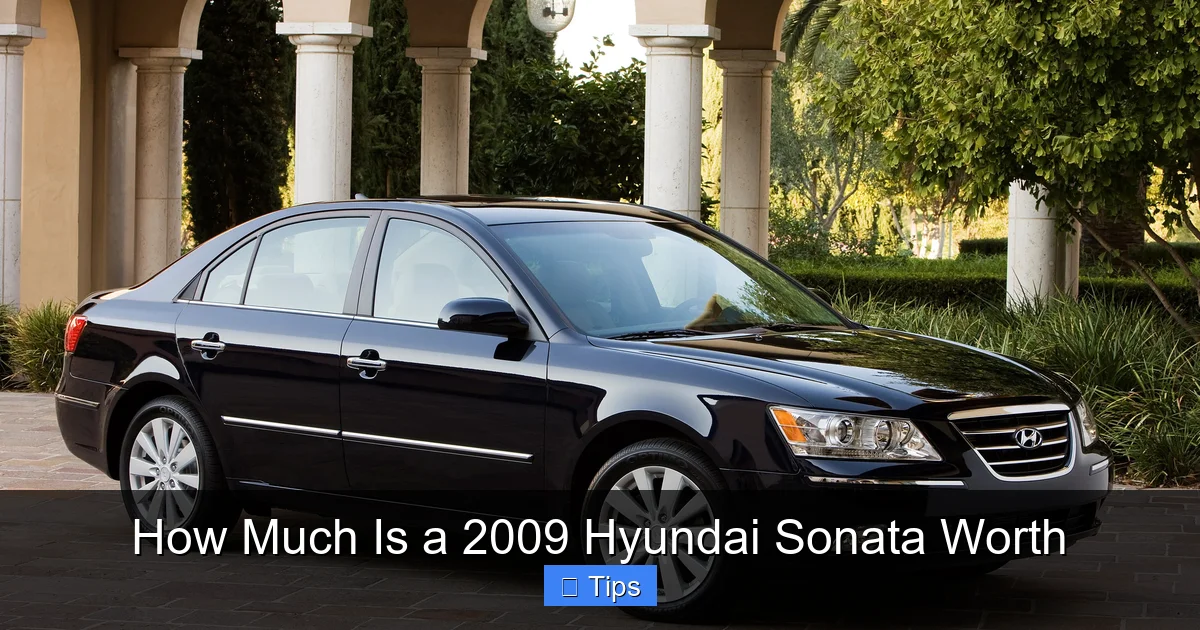
Visual guide about How Much Is a 2009 Hyundai Sonata Worth
Image source: carsinvasion.com
When determining how much a 2009 Hyundai Sonata is worth, several key factors come into play. These aren’t just minor details—they can dramatically affect the final price. Let’s break down the most important ones.
Mileage
Mileage is one of the biggest determinants of a used car’s value. The 2009 Sonata was designed to last, but higher mileage means more wear and tear on the engine, transmission, suspension, and interior components.
On average, a 2009 Sonata with around 120,000 to 140,000 miles—considered typical for its age—will be priced in the $3,000 to $4,500 range. However, if the car has been driven less than 80,000 miles, it could easily fetch $5,500 or more, especially if it’s in excellent condition.
Conversely, models with over 160,000 miles will typically sell for under $3,000, unless they have a documented history of meticulous maintenance. Low-mileage examples are rare but highly sought after, particularly by buyers looking for a long-term vehicle.
Vehicle Condition
Condition goes beyond just mileage. A high-mileage Sonata that’s been garage-kept, regularly serviced, and free of rust or damage can be worth more than a low-mileage car that’s been neglected.
Inspect the exterior for dents, scratches, paint fading, or rust—especially around wheel wells and undercarriage. The interior should have minimal wear on seats, dashboard, and controls. Check for smoke odor, water damage, or signs of pet use.
Mechanical condition is equally important. A well-maintained engine with clean oil, a smooth-shifting transmission, and responsive brakes adds significant value. If the timing belt hasn’t been replaced (a common maintenance item around 60,000–100,000 miles), that could be a red flag—or a negotiating point.
Trim Level and Features
The 2009 Sonata came in several trims: GLS, SE, and Limited. The base GLS is the most common and typically the least expensive. The SE adds sport-tuned suspension, alloy wheels, and sometimes a sunroof. The Limited trim includes leather seats, a premium sound system, automatic climate control, and other luxury features.
Higher trims not only cost more when new but also retain more value over time. A 2009 Sonata Limited in good condition can be worth $1,000–$1,500 more than a comparable GLS. Features like a sunroof, navigation (if equipped), and heated seats also add appeal and value.
Vehicle History and Title Status
A clean title is essential for maximum value. Cars with salvage, rebuilt, or flood-damaged titles will sell for significantly less—often 30–50% below market rate—even if they’re mechanically sound.
Check the vehicle history report (using services like Carfax or AutoCheck) for accidents, service records, number of previous owners, and odometer readings. A single-owner car with a full service history is more valuable than one with multiple owners and gaps in maintenance.
Geographic Location
Where you live affects how much a 2009 Sonata is worth. In regions with harsh winters, rust can be a major issue, lowering the value of cars exposed to salt and moisture. Conversely, in dry climates like the Southwest, well-preserved examples can command higher prices.
Urban areas with high traffic may have more wear-and-tear on vehicles, while rural areas might have lower demand. Additionally, local market trends—such as a shortage of affordable sedans—can temporarily boost prices.
Market Demand and Seasonality
Used car values fluctuate based on supply and demand. In recent years, the global chip shortage and supply chain issues have driven up prices for all used vehicles, including older models like the 2009 Sonata.
Seasonality also plays a role. Demand for sedans typically increases in spring and early summer, as families prepare for road trips and commuters seek reliable transportation. Selling during this time can help you get a better price.
Average Pricing for a 2009 Hyundai Sonata
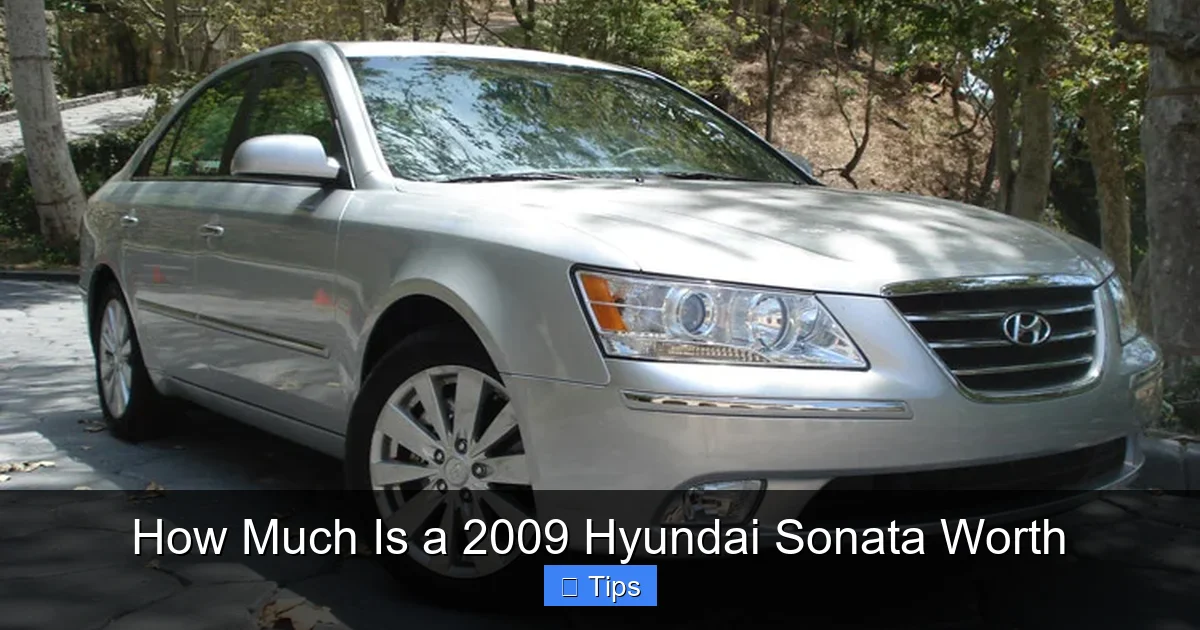
Visual guide about How Much Is a 2009 Hyundai Sonata Worth
Image source: motortrend.com
So, how much is a 2009 Hyundai Sonata worth in today’s market? Based on data from Kelley Blue Book (KBB), Edmunds, and recent private sales, here’s a realistic breakdown.
On average, a 2009 Hyundai Sonata in good condition with average mileage (120,000–140,000 miles) sells for between $3,000 and $4,500. This range applies to private party sales, which typically yield higher prices than trade-ins or dealer purchases.
Let’s look at some specific examples:
– A 2009 Sonata GLS with 130,000 miles, clean title, and regular maintenance might sell for $3,200 privately.
– A 2009 Sonata SE with 95,000 miles, sunroof, and leather seats could fetch $5,200.
– A 2009 Sonata Limited with 70,000 miles, full service records, and no accidents might sell for $6,000 or more.
Trade-in values are generally lower. Dealerships need to resell the car for a profit, so they’ll offer less—often 10–20% below private sale prices. For example, a $4,000 private sale might result in a $3,200 trade-in offer.
It’s also worth noting that prices can vary by region. In states like California or Arizona, where cars are less prone to rust, values may be 10–15% higher than in the Midwest or Northeast.
If you’re buying, use these averages as a starting point for negotiation. If you’re selling, pricing your Sonata competitively—within 5–10% of similar listings—will help it sell faster.
How to Accurately Value Your 2009 Hyundai Sonata
Visual guide about How Much Is a 2009 Hyundai Sonata Worth
Image source: thesupercars.org
If you own a 2009 Sonata and want to know its worth, don’t guess. Use reliable tools and methods to get an accurate estimate.
Use Online Valuation Tools
Start with trusted resources like Kelley Blue Book (KBB), Edmunds, and NADA Guides. These platforms allow you to input your car’s details—VIN, mileage, trim, condition, and location—to generate a value range.
For example, on KBB, you’ll select “Private Party Value” for the most realistic estimate if you’re selling yourself. The tool will ask about options, condition (excellent, good, fair), and whether the car has a clean title.
Keep in mind that these tools provide estimates based on aggregated data. Your car’s actual value may differ based on unique factors like recent repairs or local demand.
Check Recent Sales
Look at completed listings on sites like Craigslist, Facebook Marketplace, Autotrader, and Cars.com. Filter for 2009 Sonatas in your area and note the selling prices (not just asking prices).
Pay attention to how long listings stay active. If similar cars are selling within a week, it’s a sign of strong demand. If they linger for months, you may need to adjust your price.
Get a Professional Inspection
Before selling, consider getting a pre-purchase inspection from a trusted mechanic. This not only gives you peace of mind but also allows you to address any issues before listing.
A clean inspection report can be a powerful selling tool. You can include it in your listing to reassure buyers and justify a higher price.
Document Maintenance and Upgrades
Keep records of all oil changes, tire rotations, brake jobs, and major repairs. If you’ve replaced the timing belt, water pump, or suspension components, highlight these in your listing.
Upgrades like new tires, a premium sound system, or LED headlights can also add value—especially if they’re high-quality and professionally installed.
Be Honest About Condition
Overpricing your car based on unrealistic expectations will only delay the sale. Be upfront about flaws, even minor ones. Buyers appreciate transparency, and it builds trust.
If your car needs work, consider whether it’s worth repairing before selling. Sometimes, a $500 repair can increase the sale price by $1,000 or more.
Tips for Selling or Buying a 2009 Hyundai Sonata
Whether you’re selling your Sonata or looking to buy one, these practical tips will help you get the best deal.
For Sellers
– **Clean and Detail the Car:** A spotless interior and shiny exterior make a strong first impression. Consider professional detailing.
– **Fix Minor Issues:** Replace burnt-out bulbs, fix cracked windshields, and address small dents. These small investments pay off.
– **Take High-Quality Photos:** Use natural light and shoot from multiple angles. Include close-ups of the engine, interior, and tires.
– **Write a Compelling Listing:** Highlight low mileage, clean title, recent maintenance, and desirable features. Be specific and honest.
– **Price Competitively:** Research similar listings and price your car fairly. Overpricing leads to longer sale times.
– **Be Prepared to Negotiate:** Most buyers will try to negotiate. Know your bottom line and stick to it.
For Buyers
– **Set a Budget:** Include not just the purchase price but also taxes, registration, insurance, and potential repairs.
– **Get a Pre-Purchase Inspection:** Never skip this step. A $100 inspection can save you thousands in hidden problems.
– **Check the Vehicle History Report:** Look for accidents, title issues, and service records.
– **Test Drive Thoroughly:** Pay attention to engine noise, transmission shifts, braking, and steering. Listen for unusual sounds.
– **Negotiate Based on Condition:** Use any flaws or needed repairs as leverage to lower the price.
– **Consider Certified Pre-Owned (CPO):** While rare for a 2009 model, some dealerships may offer extended warranties or CPO-like programs.
Common Issues to Watch For in a 2009 Hyundai Sonata
While the 2009 Sonata is generally reliable, it’s not without its potential problems. Being aware of common issues can help you avoid costly repairs.
Engine and Timing Belt
The 2.4-liter four-cylinder engine is durable, but the timing belt must be replaced every 60,000 to 100,000 miles. If it fails, it can cause severe engine damage. Ask for proof of replacement.
Transmission Problems
Some owners report rough shifting or slipping in the five-speed automatic transmission, especially in higher-mileage models. Regular fluid changes can help prevent issues.
Suspension and Steering
Worn struts, ball joints, or control arms can cause a bumpy ride or steering wobble. Listen for clunking noises over bumps.
Electrical and Sensor Issues
Faulty oxygen sensors, mass airflow sensors, or ignition coils can trigger check engine lights and reduce fuel economy. These are usually inexpensive to fix but should be addressed.
Rust and Corrosion
In snowy or coastal areas, check for rust on the undercarriage, wheel wells, and door sills. Surface rust can be treated, but structural rust is a serious concern.
Interior Wear
The dashboard and door panels may develop cracks over time, especially in hot climates. Seat fabric can wear thin, and plastic trim may fade.
Regular maintenance and prompt repairs are the best ways to avoid these issues and keep your Sonata running smoothly.
Final Thoughts: Is a 2009 Hyundai Sonata Worth It?
So, how much is a 2009 Hyundai Sonata worth? The answer depends on your perspective.
If you’re selling, you can expect to get between $2,500 and $6,000, depending on condition, mileage, and market factors. With proper care and smart pricing, you can maximize your return.
If you’re buying, the 2009 Sonata offers exceptional value for the price. It’s a reliable, comfortable, and fuel-efficient sedan that can still serve you well for years—especially if you choose a well-maintained example.
While it may lack the tech and safety features of newer models, it remains a smart choice for budget-conscious buyers, first-time car owners, or anyone needing a dependable daily driver.
Ultimately, the value of a 2009 Hyundai Sonata isn’t just in its price tag—it’s in its proven reliability, practicality, and the peace of mind that comes with owning a car that’s built to last.
Frequently Asked Questions
What is the average mileage for a 2009 Hyundai Sonata?
The average mileage for a 2009 Hyundai Sonata is around 120,000 to 140,000 miles, based on typical annual driving of 12,000 to 15,000 miles over 10–12 years. Lower-mileage examples are rare but more valuable.
Can a 2009 Hyundai Sonata last 200,000 miles?
Yes, many 2009 Sonatas have surpassed 200,000 miles with proper maintenance. Key factors include timely oil changes, timing belt replacement, and addressing repairs promptly.
Is the 2009 Hyundai Sonata a good used car buy?
Yes, it’s a solid choice for buyers seeking affordability, reliability, and comfort. It offers good fuel economy and a spacious interior, making it ideal for daily commuting.
Why are some 2009 Sonatas so cheap?
Low-priced models often have high mileage, poor maintenance history, accident damage, or mechanical issues. Always inspect and verify the vehicle’s condition before buying.
What should I check before buying a 2009 Sonata?
Check the vehicle history report, inspect for rust and mechanical issues, review maintenance records, and get a pre-purchase inspection. Pay special attention to the timing belt and transmission.
How much does it cost to maintain a 2009 Hyundai Sonata?
Annual maintenance costs average $400–$600 for routine services like oil changes, tire rotations, and brake inspections. Major repairs, if needed, can add $500–$1,500 per incident.

At CarLegit, we believe information should be clear, factual, and genuinely helpful. That’s why every guide, review, and update on our website is created with care, research, and a strong focus on user experience.